Last Updated: January 17, 2026 – reflecting current travel patterns, crowds, pricing, and seasonal conditions
Italy is, without question, one of the most breathtaking countries on earth. Whether it’s iconic cities brimming with history, sun-drenched coastlines, rolling countryside, or majestic mountains, Italy offers experiences you won’t find anywhere else.
From the Eternal City of Rome to the cliffside beauty of Positano, this guide covers the best cities to visit in Italy in 2026 – including when to go, what to see, and how long to stay.
I’ve traveled these streets, explored hidden alleys, tasted the local cuisine, and discovered the gems every first-time visitor and seasoned traveler should experience.
Bookmark this guide – you’ll want to reference it when planning your Italian adventure.
Let’s dive into the cities that will make your trip unforgettable.
Love this? Plan your hassle-free trip by checking season-by-season guide on Best Time To Visit Italy with these 29 Essential Italy Travel Tips!
10 Best Cities to Visit in Italy For First Timers
1. Rome
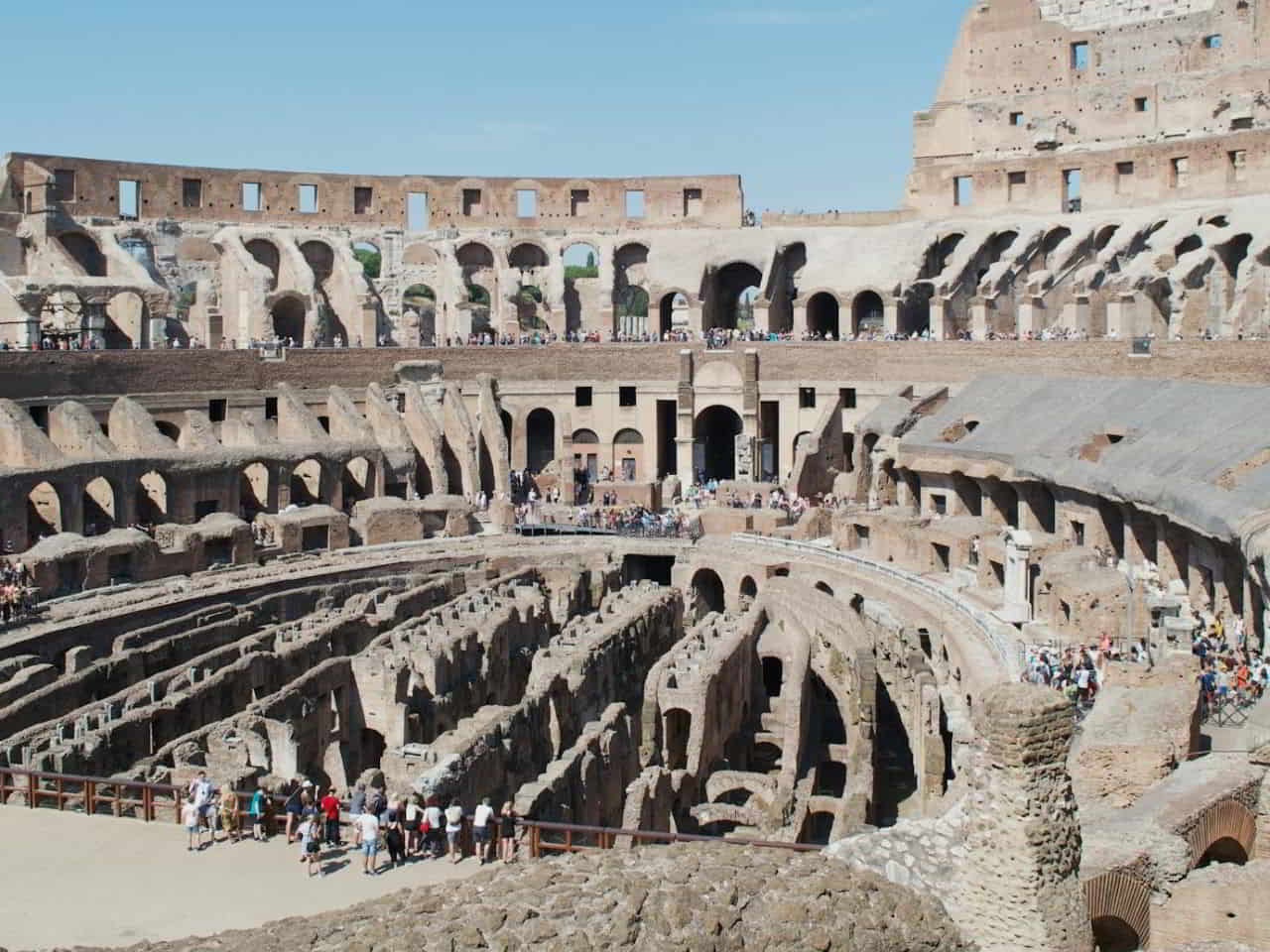
I honestly can’t talk about Italy without mentioning Rome. This city isn’t just beautiful – it feels like walking through a giant open – air museum, where every street corner has a story to tell. No wonder it’s called the Eternal City.
Rome is the kind of place where ancient history and everyday life exist side by side. One moment you’re standing in front of the Colosseum, imagining gladiators and roaring crowds, and the next you’re sipping espresso in a lively piazza just steps away from ruins that are thousands of years old.
A walk through the Roman Forum instantly transports you back to the days of emperors and senators, while Vatican City adds another layer to Rome’s identity.
Whether or not you’re religious, seeing St. Peter’s Basilica and Michelangelo’s frescoes inside the Sistine Chapel is an unforgettable experience.
Rome also shines in its simple pleasures. Tossing a coin into the Trevi Fountain, climbing the Spanish Steps, or enjoying classic Roman dishes like carbonara and pizza are small moments that make the city feel alive and deeply personal.
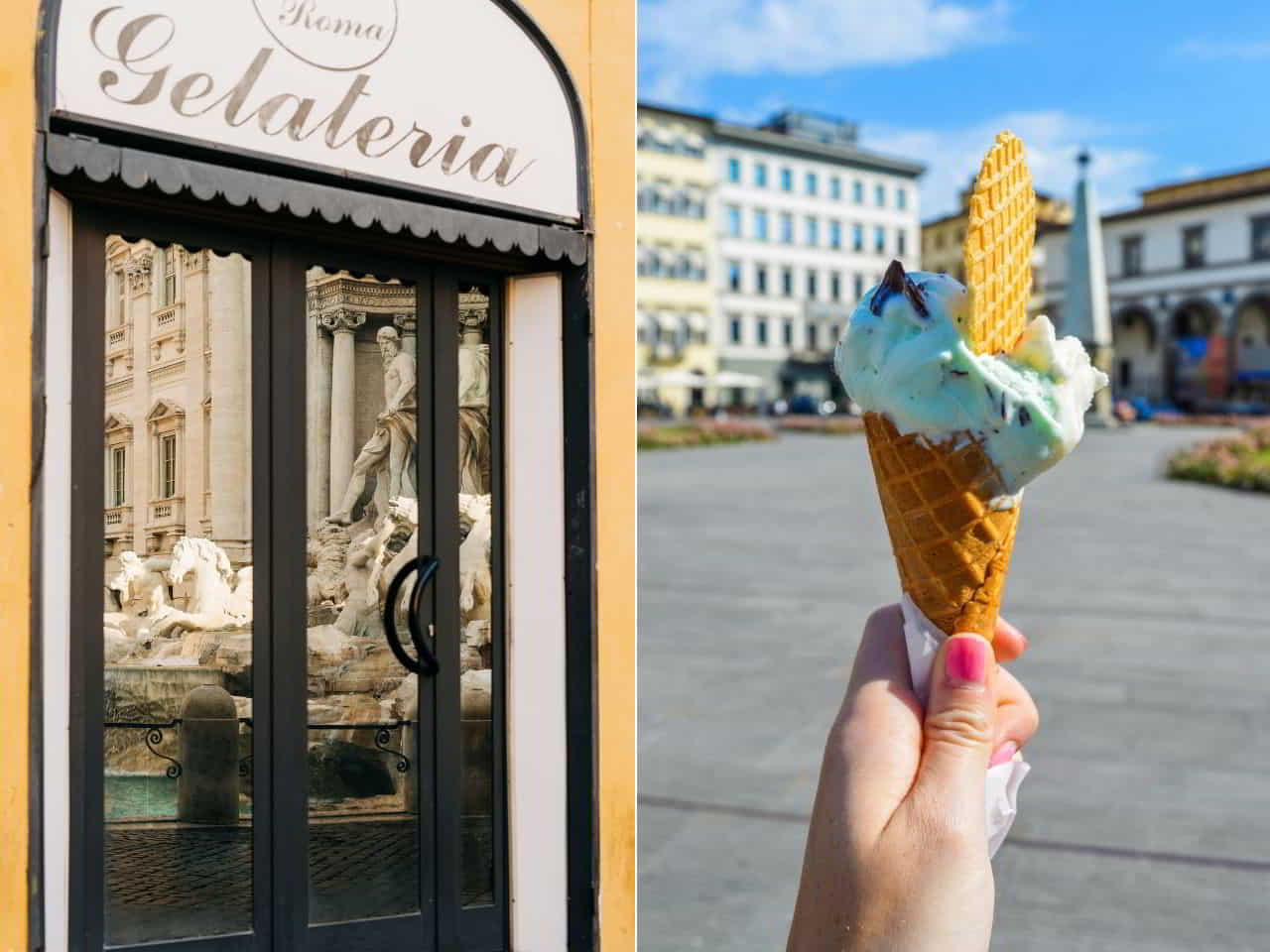
Do not forget to pin these Top 10 Places that serves The Best Gelato In Rome to Indulge In the Most Amazing Italian Ice Cream!
Best Time to Visit Rome
The best time to visit Rome is mid – April to June and September to October, when the weather is pleasant and walking the city is more enjoyable. Summer can be extremely hot and crowded, while winter offers fewer tourists but cooler temperatures.
How Long To Stay
Plan at least 3 days to cover the highlights at a comfortable pace. If you enjoy slow travel, food exploration, and wandering beyond major landmarks, 5–7 days lets you experience Rome more deeply without rushing.
2. Bologna
If you’re the kind of traveler who plans trips around food, Bologna will feel like home the moment you arrive. This city doesn’t try to impress with flashy landmarks or dramatic scenery – instead, it quietly wins you over with incredible cuisine, medieval charm, and a very lived-in, local feel.
Start your time in Piazza Maggiore, Bologna’s main square and social heart. Standing here, surrounded by historic buildings, you’ll immediately sense how important this city has been for centuries. The Basilica di San Petronio dominates the square with its unfinished yet striking façade, while the Fountain of Neptune nearby adds a bold Renaissance touch to the scene.
From there, wander into the Quadrilatero district, one of the oldest market areas in the city. This is where Bologna truly comes alive. Narrow streets are packed with food shops, bakeries, cheese counters, and small trattorias serving recipes passed down through generations. It’s the kind of place where you don’t need a plan – just follow your appetite.
There’s a reason Bologna is often called the Food Capital of Italy. This is the birthplace of classics like tagliatelle al ragù (the real version of what many call Bolognese sauce) and tortellini in brodo. Meals here are rich, comforting, and deeply tied to tradition. If you love slow, satisfying food experiences, Bologna delivers every time.
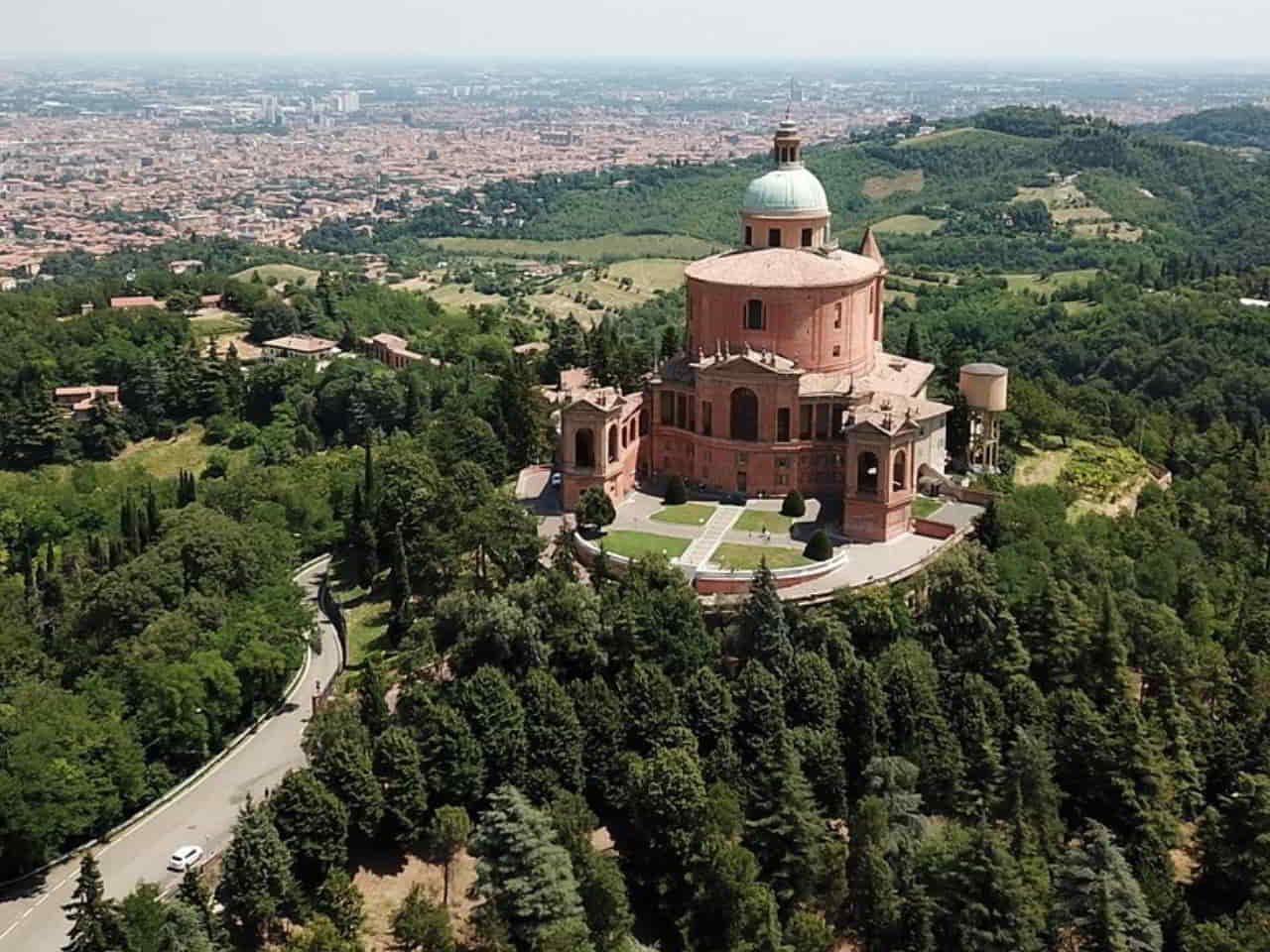
One of the city’s most underrated pleasures is simply walking beneath its iconic porticoes. These covered walkways stretch for miles and make exploring Bologna comfortable in any weather. If you’re up for it, walk part of the Portico di San Luca, the longest portico in the world – it’s a uniquely Bolognese experience you won’t find anywhere else in Italy.
Bologna is also a youthful city at heart, thanks to the University of Bologna, the oldest continuously operating university in the world. The student presence keeps the city energetic, affordable, and refreshingly authentic.
Best Time to Visit Bologna
The best time to visit Bologna is April to June and September to October. The weather is pleasant, markets are lively, and walking the city feels effortless. Summer can be very hot, especially since Bologna isn’t coastal, so it’s best avoided if you’re sensitive to heat.
How Long To Stay
Plan for at least 3 days in Bologna. This gives you enough time to enjoy the food scene, explore the historic center, and experience the city at a relaxed pace. If you have more time, Bologna also works beautifully as a base for nearby Emilia-Romagna towns.
3. Florence
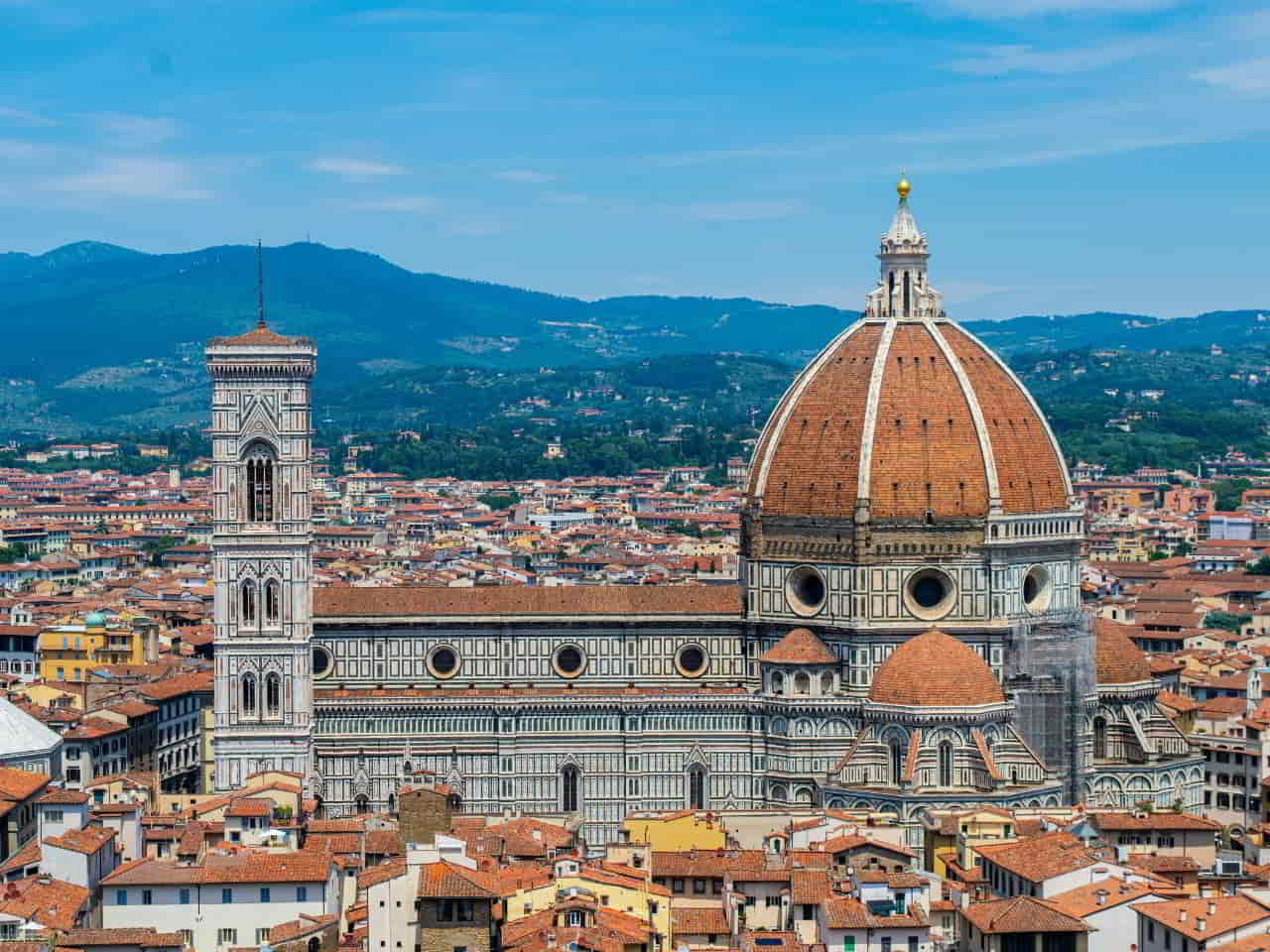
Florence isn’t just a city you visit – it’s a place you absorb. Often called the cradle of the Renaissance, Florence feels like a living museum where art, architecture, and everyday life blend effortlessly.
Your first stop will almost certainly be the Duomo (Cathedral of Santa Maria del Fiore), and for good reason. Its red-tiled dome, designed by Brunelleschi, dominates the skyline and instantly sets the tone for the city. Climbing to the top takes some effort, but the panoramic views over Florence’s terracotta rooftops make it more than worth it.
Art lovers will feel spoiled here. The Uffizi Gallery houses some of the world’s most important Renaissance masterpieces, with works by legends like Leonardo da Vinci, Botticelli, and Michelangelo. Seeing Botticelli’s Birth of Venus in person is one of those moments that reminds you why Florence holds such a special place in art history.
After a morning of museums, slow things down with a walk across the Ponte Vecchio, Florence’s oldest bridge. Lined with small jewelry shops and overlooking the Arno River, it’s one of the city’s most photogenic spots – especially in the late afternoon.
For a quieter escape, head to the Boboli Gardens. These beautifully landscaped gardens offer shaded paths, sculptures, fountains, and a welcome break from the busy historic center. It’s the perfect place to recharge before diving back into the city.
Florence also knows how to feed you well. This is the place to indulge in classics like Florentine steak, hearty bowls of ribollita, and fresh handmade pasta. Meals here feel rustic, comforting, and deeply tied to Tuscan tradition.
Best Time to Visit Florence
The best time to visit Florence is April to June and September to October. The weather is pleasant, crowds are more manageable, and exploring the city on foot is far more enjoyable. Summer can be intense with heat and visitors, while winter offers a quieter, more local feel.
How Long To Stay
Plan for 3 to 4 days in Florence. This gives you enough time to enjoy the major sights without rushing, while still leaving space for food, wandering, and soaking up the city’s atmosphere.
WANT TO EXPLORE MORE?
Sign up for my newsletter and I will email you every time I have something new to say!
4. Venice
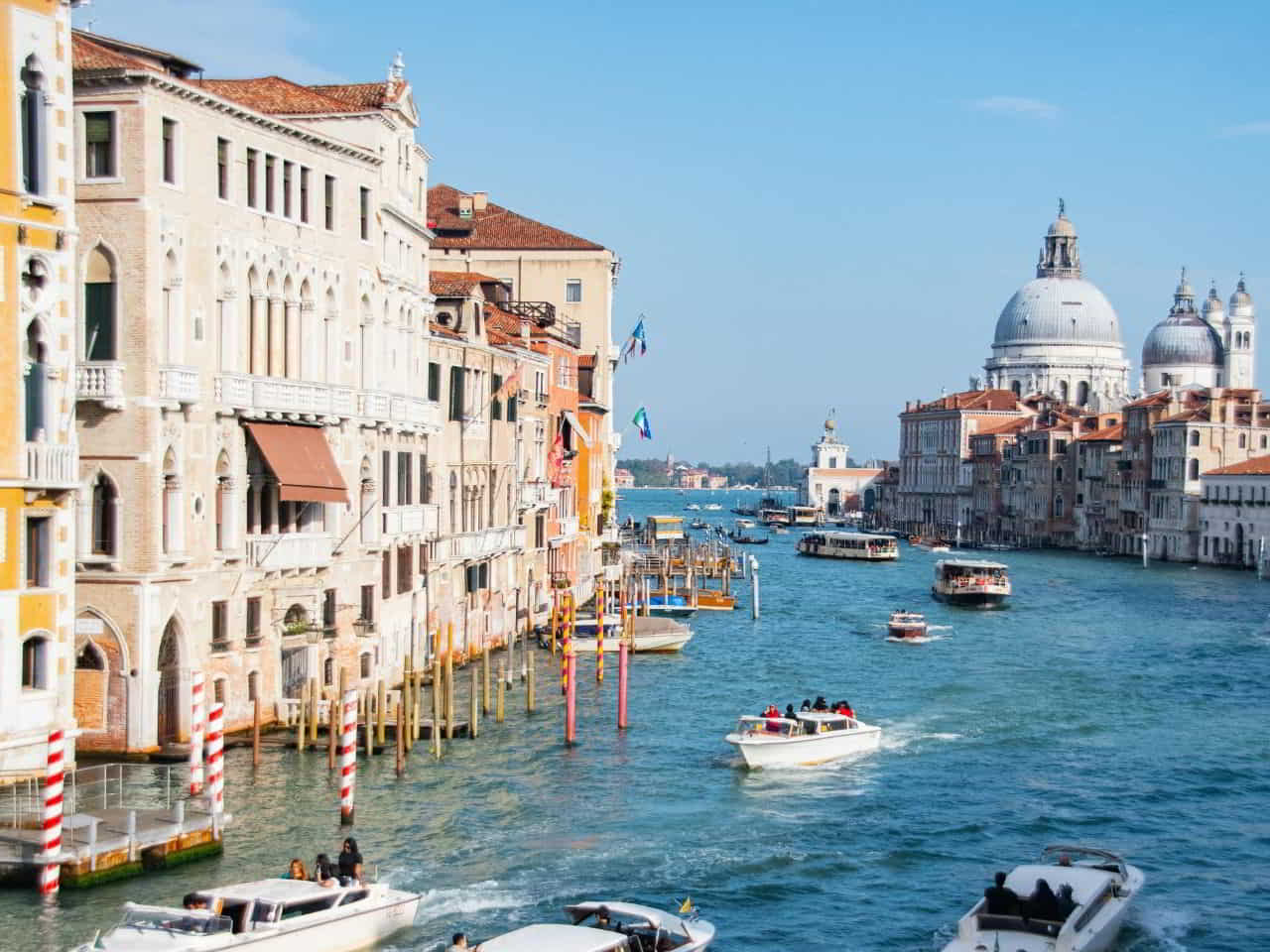
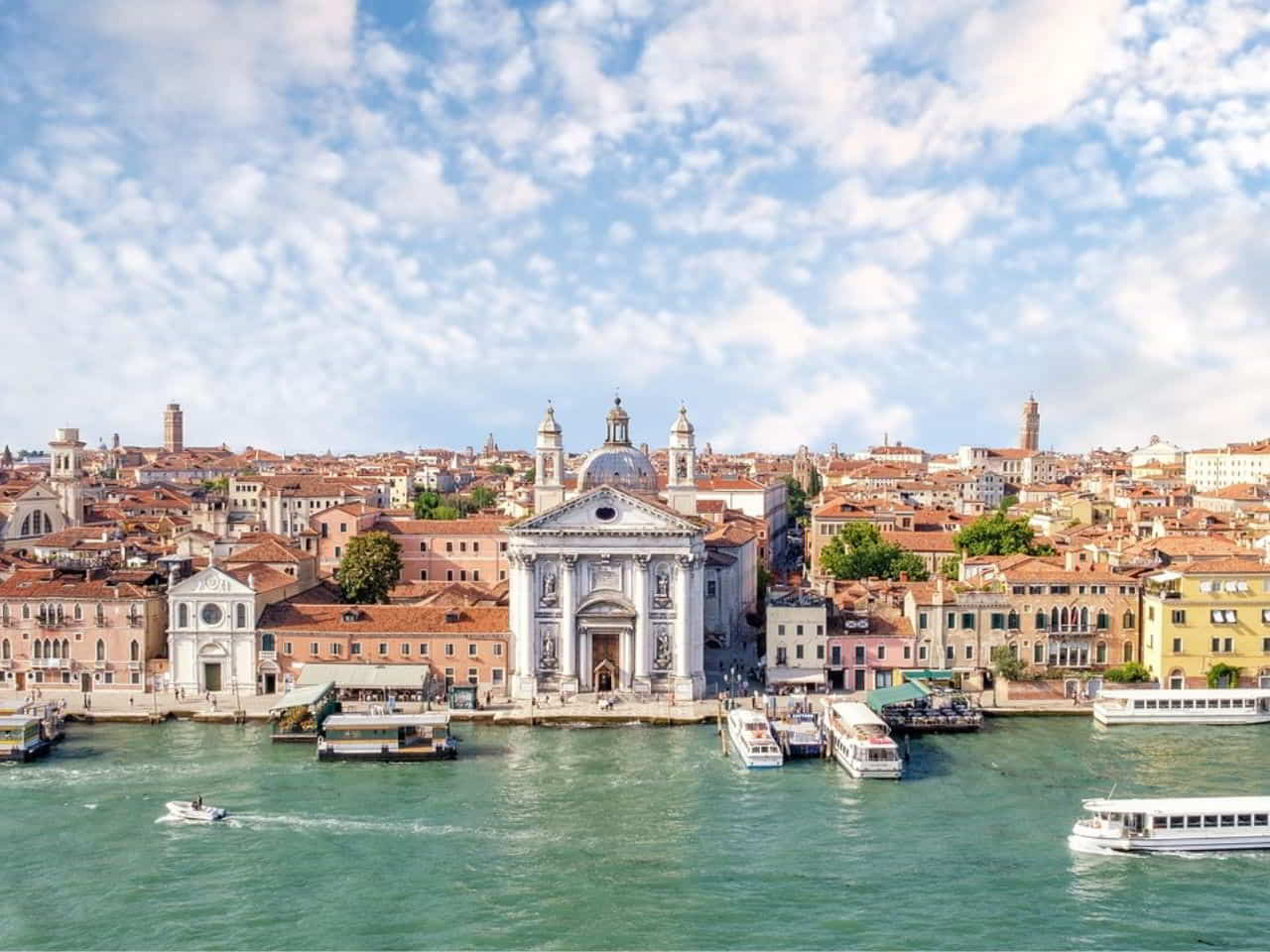
Venice isn’t just one of the best cities to visit in Italy – it’s a place that feels unreal the moment you arrive. Built entirely on water, with no roads and no cars, Venice moves at its own rhythm. Especially if it’s your first trip to Italy, this city leaves a lasting impression.
One of the most iconic ways to experience Venice is from the water. A gondola ride may sound touristy, but drifting through narrow canals, passing under centuries-old bridges, and gliding past weathered palazzos gives you a perspective you simply can’t get on foot.
At the heart of the city lies St. Mark’s Square, Venice’s most famous gathering place. This is where you’ll find St. Mark’s Basilica, known for its dazzling mosaics and Byzantine architecture. Nearby, climbing the Campanile rewards you with sweeping views over rooftops, canals, and the lagoon stretching into the distance.
Just steps away stands the Doge’s Palace, a masterpiece of Gothic architecture that once served as the political center of the Venetian Republic. Walking through its grand halls and across the Bridge of Sighs offers a fascinating glimpse into Venice’s powerful and complex past.
Venice also shines when it comes to food, especially if you enjoy small, local bites. Stop into a traditional bacaro for cicchetti – Venetian-style tapas – paired with a glass of local wine. If you’re a seafood lover, you should try classics like risotto al nero di seppia or sarde in saor, dishes deeply rooted in the city’s maritime history.
For a taste of daily Venetian life, visit the Rialto Market. This lively area is filled with fresh produce, seafood stalls, and local vendors, making it a refreshing contrast to the city’s more tourist-heavy spots. It’s also a great place to pick up authentic souvenirs like handcrafted Murano glass.
As the day winds down, there’s nothing quite like watching the sun set over the Grand Canal. The warm light reflecting off the water and historic buildings creates a magical atmosphere that feels uniquely Venetian.
Best Time to Visit Venice
The best time to visit Venice is mid-April to June and September to October. These months offer pleasant weather and fewer crowds compared to peak summer. Venice is far more enjoyable when you can wander without feeling overwhelmed.
How Long To Stay
Plan for at least 3 days in Venice. This gives you enough time to explore the main sights, wander aimlessly through quiet neighborhoods, and truly absorb the city’s slow, romantic pace.
5. Turin
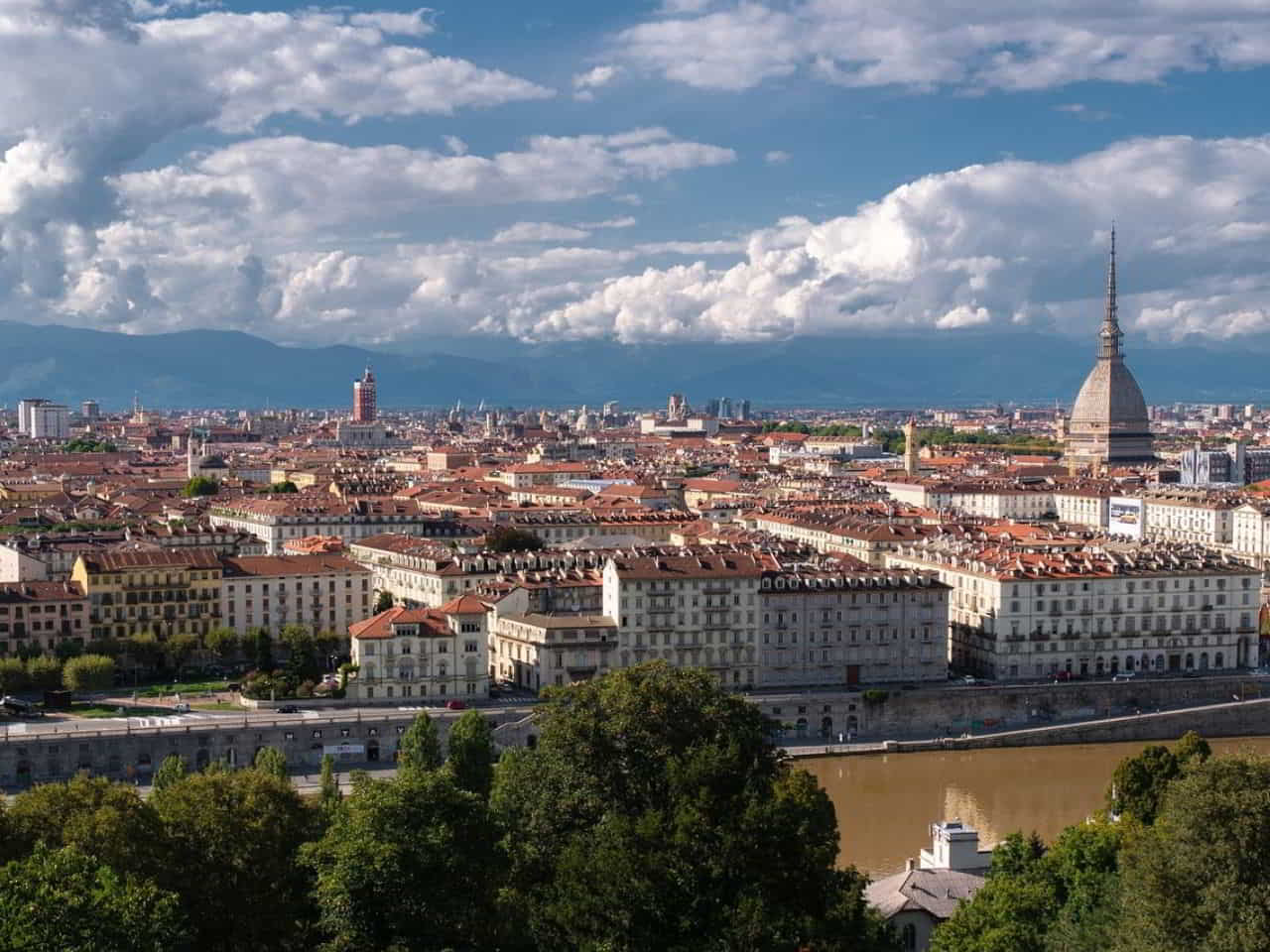
Turin often flies under the radar, but that’s precisely what makes it special. This is a city that feels elegant, cultured, and quietly confident, without the overwhelming crowds found in Italy’s more famous destinations.
Once the first capital of unified Italy, Turin is known for its grand squares, Baroque architecture, and refined atmosphere. Walking through the city, you’ll notice wide boulevards, stately palaces, and a sense of order that sets it apart from the chaos of places like Rome or Naples.
One of Turin’s standout attractions is the Egyptian Museum, considered one of the most important collections of ancient Egyptian artifacts outside of Egypt. From mummies and statues to hieroglyphs and everyday objects, the museum offers a fascinating deep dive into ancient history and is a must-visit even if you’re not usually into museums.
To experience local life, head to Porta Palazzo Market, the largest open-air market in Europe. This vibrant area is packed with stalls selling fresh produce, cheeses, spices, and everyday essentials, giving you an authentic glimpse into Turin’s daily rhythm.
Turin is also the birthplace of Italy’s aperitivo culture. Settle into a café in the late afternoon, order a glass of vermouth – a local specialty – and enjoy small bites like grissini and bagna cauda. It’s relaxed, social, and deeply rooted in local tradition.
And then there’s chocolate. Turin takes it seriously. This is the place where gianduja chocolate was invented, and yes – Nutella has its roots here. Visiting one of the city’s historic chocolate shops is practically a rite of passage, especially if you have a sweet tooth.
Best Time to Visit Turin
The best time to visit Turin is April to June and September to October. Spring brings pleasant weather and lively streets, while early fall offers fewer crowds and comfortable temperatures for walking and sightseeing.
How Long To Stay
Plan for 3 to 4 days in Turin. This gives you enough time to explore the historic center, enjoy the food and café culture, and experience the city without rushing.
6. Milan
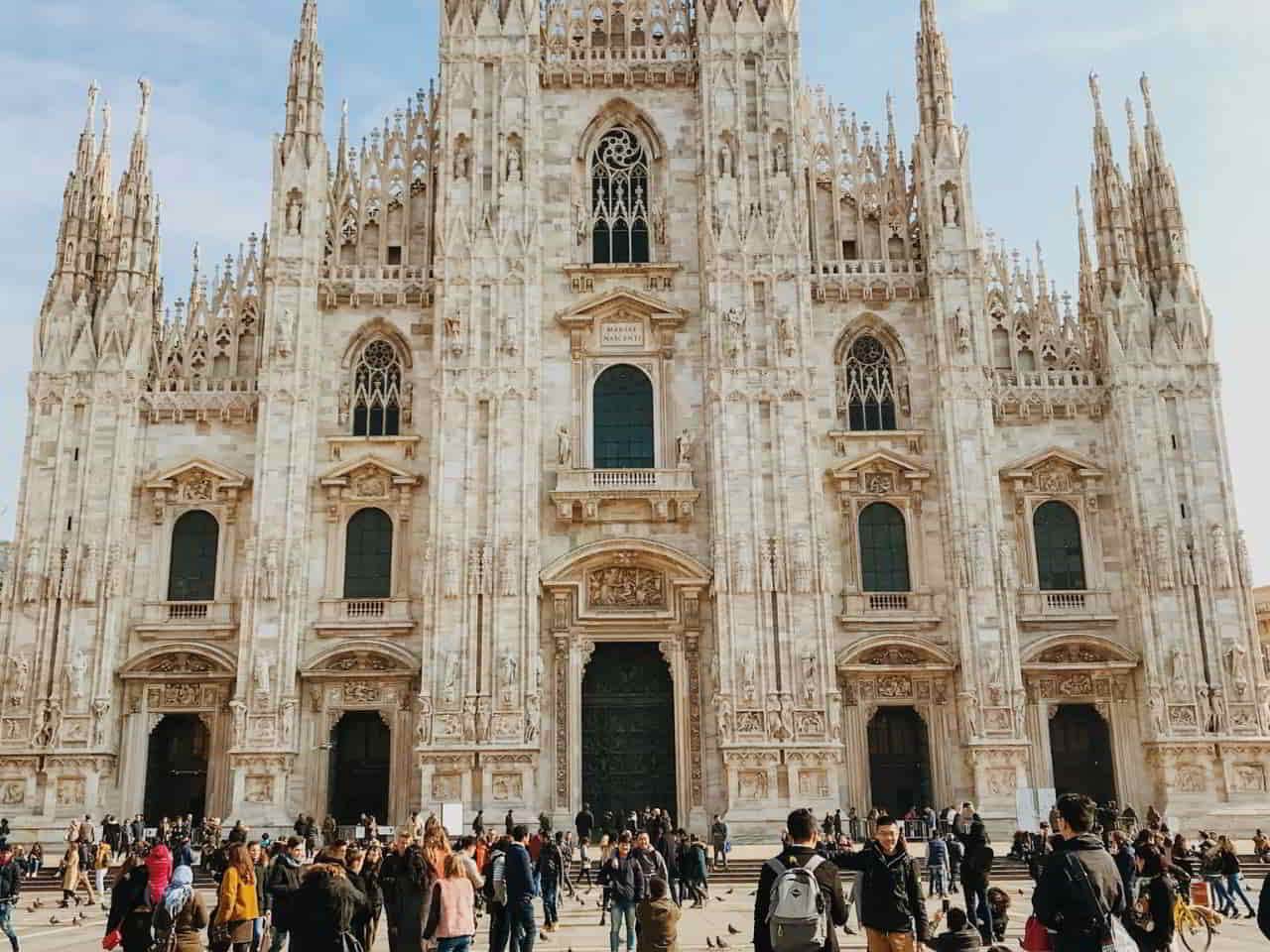
Milan is a city that balances two worlds effortlessly. On one hand, it’s modern, fast-moving, and fashion-driven. On the other, it’s deeply historic, artistic, and rooted in centuries of culture. Once you spend time here, you realize Milan is far more than just Italy’s style capital.
The city’s most striking landmark is the Duomo di Milano, an extraordinary Gothic cathedral that dominates the main square. Its detailed façade and countless spires are the result of centuries of work, and standing beneath it gives you a real sense of Milan’s ambition and scale. For a unique experience, head up to the rooftop terraces, where you can walk among the spires and take in panoramic views of the city – on especially clear days, the Alps appear on the horizon.
Just steps away, you’ll find the Galleria Vittorio Emanuele II, one of the world’s oldest and most elegant shopping arcades. Even if you’re not interested in luxury brands, walking through its glass-covered corridors, surrounded by historic cafés and ornate architecture, feels like stepping into Milan’s past and present at the same time.
Milan is also home to one of the most famous artworks in the world: Leonardo da Vinci’s The Last Supper. Located inside the Convent of Santa Maria delle Grazie, this mural is far more impactful in person than any photograph can capture. Seeing it requires advance planning, as entry is strictly limited, but it’s well worth the effort.
Fashion is woven into everyday life here. The Quadrilatero della Moda, Milan’s high-end fashion district, showcases some of the world’s most influential designers, including Prada, Gucci, and Versace. Even without shopping, simply walking these streets offers a glimpse into why Milan sets global trends.
For culture lovers, La Scala Opera House is another essential stop. Known worldwide for its performances and history, the venue reflects how deeply music and theater are embedded in Milanese identity – even a short visit reveals its significance.
Milan’s cuisine is rich and comforting, shaped by its northern Italian roots. Local dishes like risotto alla milanese, flavored with saffron, and ossobuco, slow-cooked and hearty, are staples worth seeking out. End your meal the local way – with espresso and pastries at a neighborhood pasticceria, a simple pleasure Milan does exceptionally well.
Best Time to Visit Milan
The best time to visit Milan starts from April to May and September to mid-October. During these months, the weather is ideal for walking and sightseeing, without the heavy crowds or heat that summer often brings.
How Long To Stay
A stay of 2 to 3 days is perfect for covering Milan’s main highlights. If you’re especially interested in fashion, design, or art, extending your visit allows for a deeper and more relaxed experience.
7. Naples
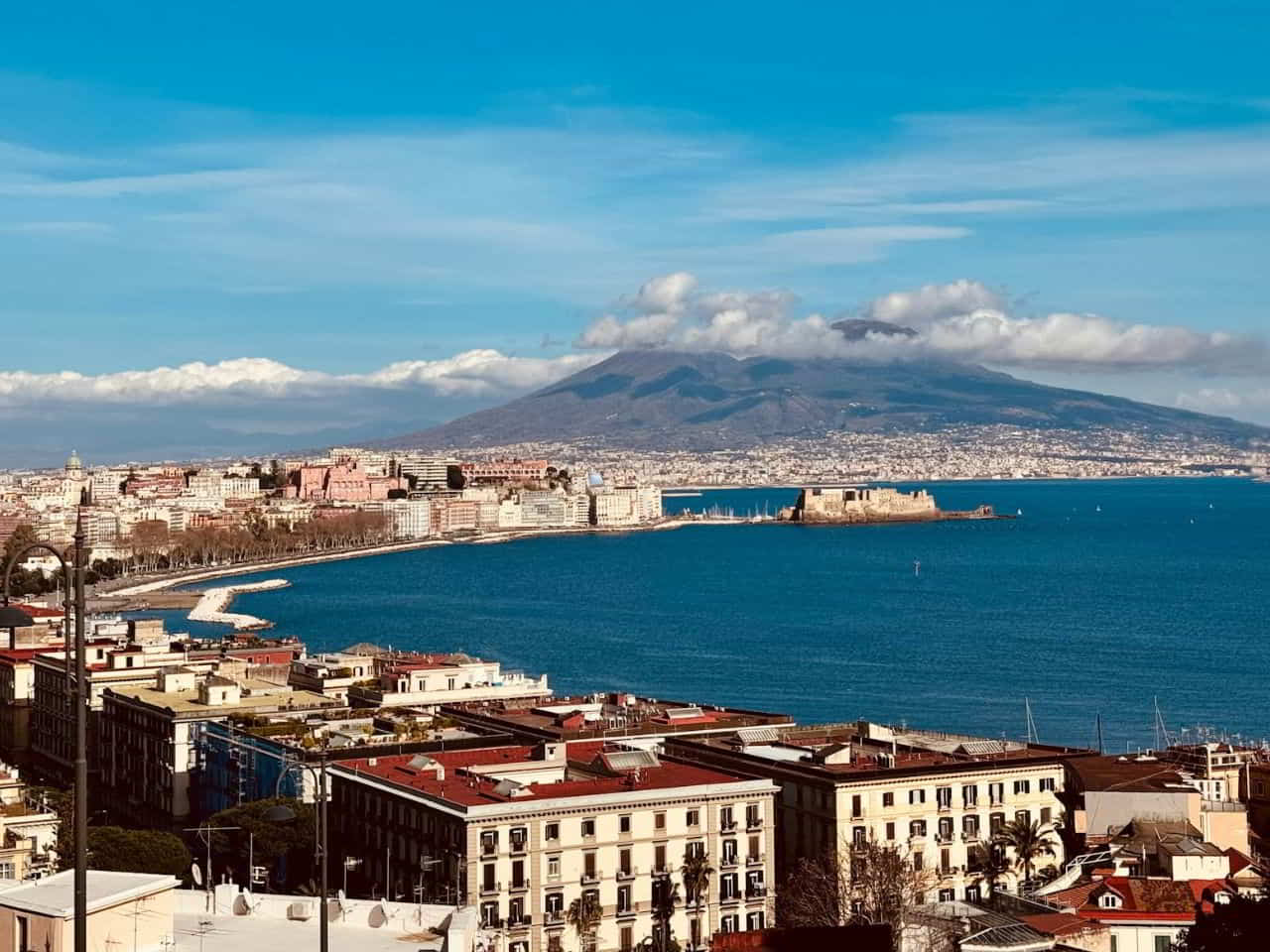
Naples is not polished, not quiet, and definitely not subtle – and that’s exactly why it’s unforgettable. This city is raw, energetic, historic, and deeply authentic, offering a version of Italy that feels intensely alive.
Start in the historic city center, a UNESCO World Heritage Site and the beating heart of Naples. Walking through its narrow streets, you’ll pass ancient churches, crumbling ruins, busy markets, and everyday scenes that feel unchanged for centuries. Naples doesn’t hide its layers of history – it lives right on top of them.
One of the city’s key landmarks is the Naples Cathedral (Duomo di Napoli), known for its impressive architecture and religious significance. If you want a deeper dive into history, the Naples National Archaeological Museum is unmissable.
It houses one of the world’s most important collections of classical artifacts, including mosaics, sculptures, and everyday objects recovered from Pompeii and Herculaneum.
Speaking of Pompeii – visiting it from Naples is almost effortless. Just a short journey away, this extraordinary archaeological site offers a haunting glimpse into Roman life frozen in time by the eruption of Mount Vesuvius. It’s one of those experiences that stays with you long after you leave Italy.
And then there’s the food. Naples is the birthplace of pizza, and trying an authentic Neapolitan pizza here isn’t optional – it’s essential. A simple Margherita, with its soft crust, fresh tomato sauce, mozzarella, and basil, explains everything you need to know about Neapolitan cuisine.
Don’t skip local favorites like sfogliatella or slow-cooked ragù, both deeply tied to the city’s old traditions.
Naples may feel chaotic at first, but once you settle into its rhythm, it becomes incredibly rewarding.
Best Time to Visit Naples
The best time to visit Naples is April to June and September to October. These months offer warm but manageable temperatures and make sightseeing far more comfortable. Summer can be extremely hot and crowded, while winter is quieter but less ideal for coastal excursions.
How Long To Stay
Plan for 3 to 4 days in Naples. This allows time to explore the city itself while also visiting nearby highlights like Pompeii. If you want to add Capri or the Amalfi Coast, extending your stay makes sense.
8. Verona
I honestly believe Verona is one of Italy’s most underrated cities, and yet almost everyone falls in love with it the moment they arrive. It’s elegant without being overwhelming, romantic without trying too hard, and historic in a way that feels effortlessly woven into daily life.
Most people know Verona as the city of Romeo and Juliet, and yes, that love story is everywhere – but trust me, Verona is much more than a literary legend.
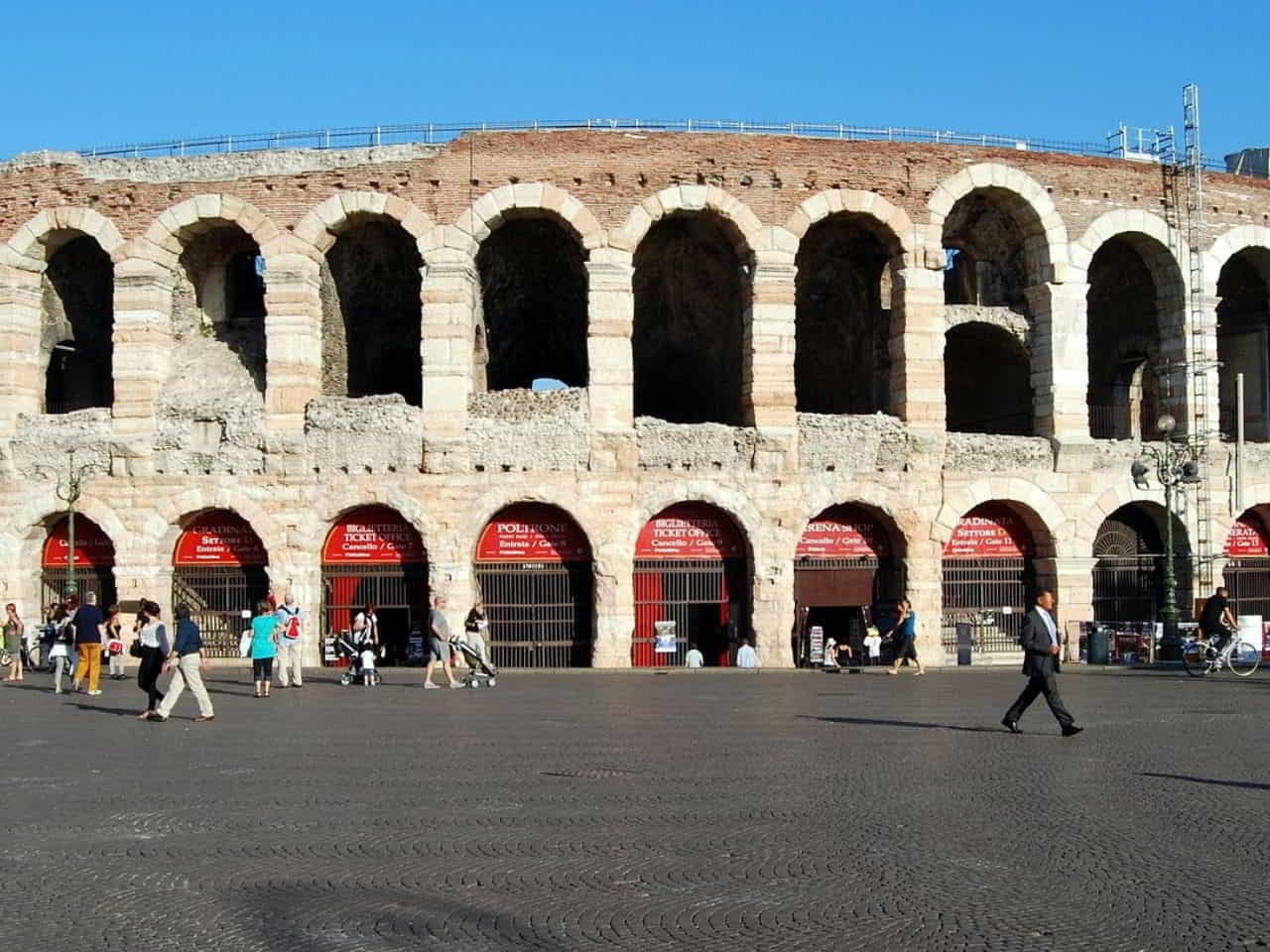
Start your exploration at the Verona Arena, a massive Roman amphitheater that’s even older than the Colosseum. What makes it special is that it’s still very much alive today.
If you’re lucky enough to visit during summer, catching an opera performance here is a once – in – a lifetime experience.
From there, wander into Piazza Bra and then head toward Piazza delle Erbe, the city’s most vibrant square. Surrounded by colorful buildings, historic towers, and lively cafés, this is the perfect place to slow down, grab an espresso, and soak in Verona’s atmosphere.
Of course, a stop at Juliet’s House (Casa di Giulietta) is almost mandatory, especially if you’re traveling as a couple. While it can get crowded, the courtyard still carries a certain charm – and yes, people really do leave love notes on the walls.
If you’re adventurous, and want to have the best views of the city, walk or take the funicular up to Castel San Pietro. From the top, you’ll get a postcard – a perfect panorama of Verona’s red rooftops, the Adige River, and distant hills. Sunset here is pure magic.
Food lovers will feel right at home in Verona. The city is part of the Veneto region, so expect comforting dishes like risotto all’Amarone, fresh pasta, and excellent local wines.
Dinner here feels relaxed and unpretentious – exactly how Italian dining should be!
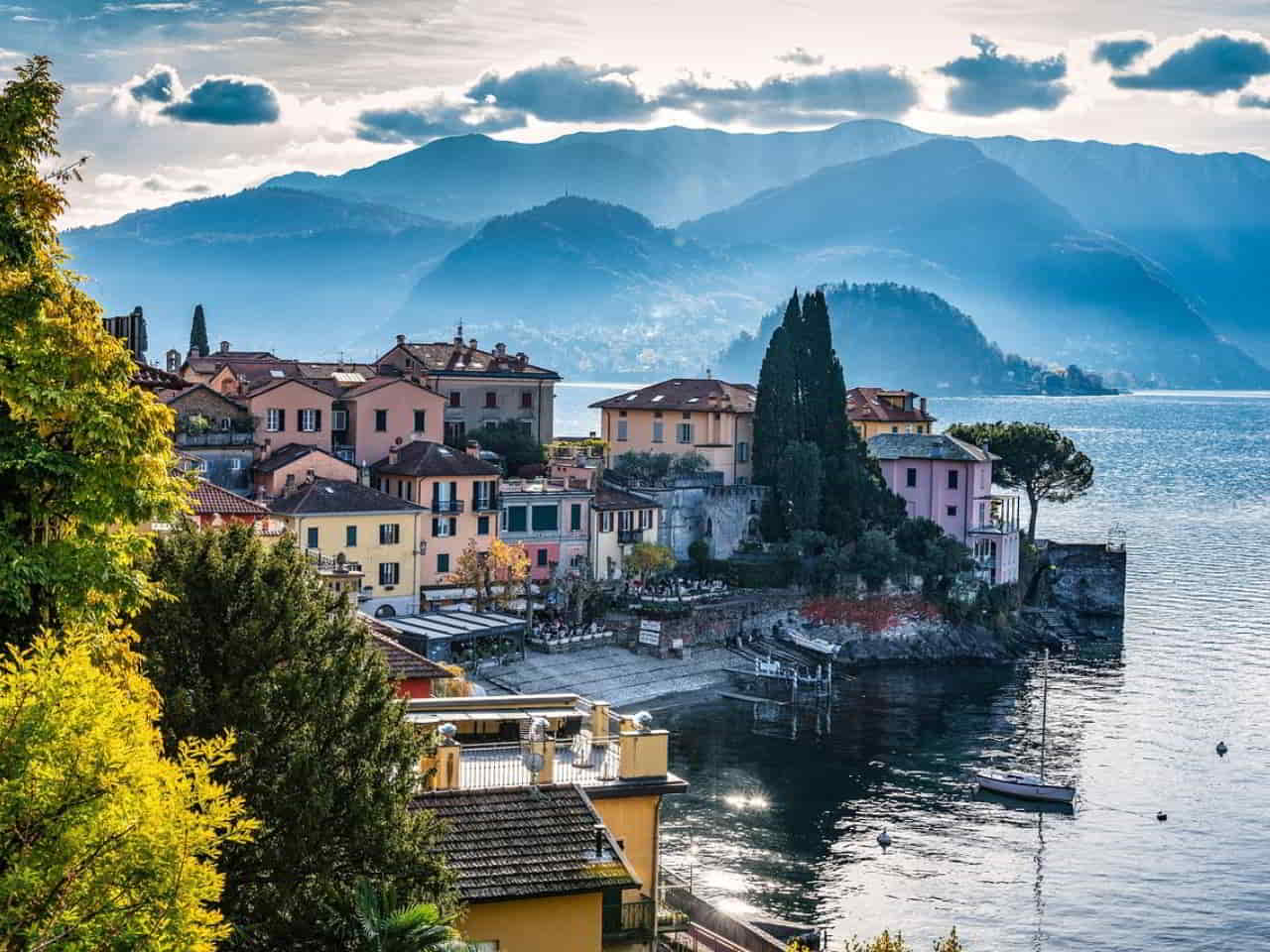
If you have enough time, venture out to Lake Como for a day of relaxation by the water or exploration of the charming lakeside towns. You’ll be mesmerized by its beauty.
It’s one of the best Italian lakes you should not miss out on!
Best Time to Visit Verona
The best time to visit Verona is April to June and September to October. The weather is pleasant, the city is lively but not chaotic, and you can explore comfortably on foot. Summer is beautiful too, especially during opera season, but it does get hotter and busier.
How Long To Stay
You’ll need at least 2 days to experience Verona properly. If you want to enjoy it at a slower pace – or use it as a base for nearby destinations like Lake Garda – 3 days is ideal.
9. Siena
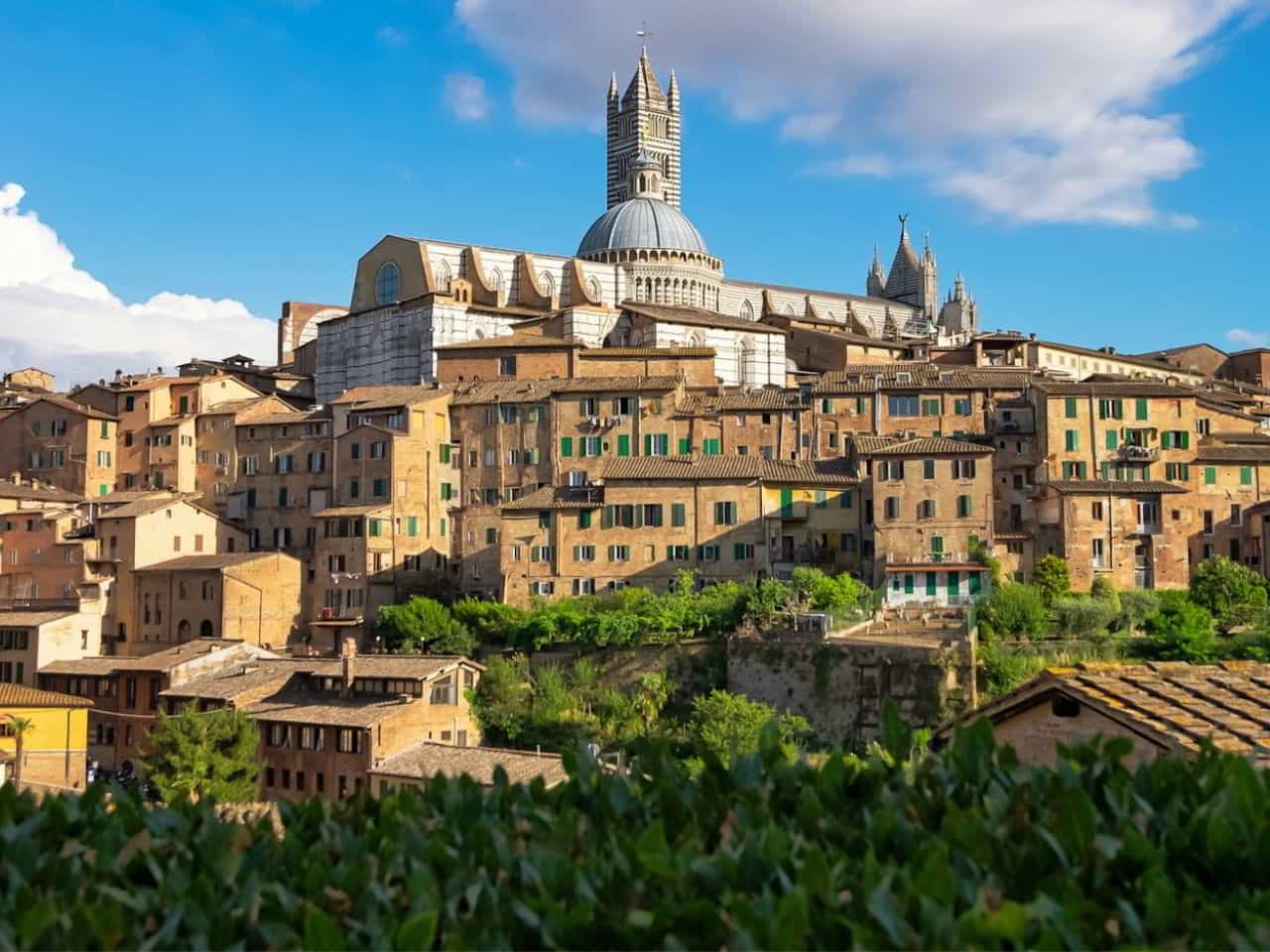
Tucked right into the heart of Tuscany, Siena feels like a living medieval postcard. From its narrow, winding streets to the breathtaking Piazza del Campo, this city effortlessly pulls you back in time – and yes, it’s easily one of Italy’s most loved historic destinations.
Start your Siena experience at Piazza del Campo, the city’s beating heart and one of the most beautiful squares in Europe. Its unique shell shape isn’t just for looks – it’s the stage for the legendary Palio di Siena, the famous horse race held twice a year in July and August.
But the Palio isn’t just a race. It’s a deeply emotional, centuries-old tradition fueled by fierce rivalry between Siena’s neighborhoods, known as contrade. The colors, drums, flags, and raw energy make it unforgettable.
As you wander the city, you’ll quickly sense Siena’s proud past. During the Middle Ages, it was a powerful city-state and a serious rival to Florence. Banking and trade made Siena wealthy, and that historic confidence still echoes through its Gothic architecture and perfectly preserved streets.
Now here’s a lesser-known secret: beneath Siena lies an underground aqueduct system called the Bottini. Built during medieval times, these tunnels supplied water to the city long before modern plumbing existed.
Some sections are open to visitors, offering a fascinating look at Siena’s hidden engineering brilliance.
Food lovers – Siena will not disappoint. Indulge in traditional Tuscan dishes like pici pasta with wild boar ragù or ribollita, a comforting vegetable and bread soup.
Pair your meal with a glass of Chianti, produced in the rolling vineyards surrounding the city, and you’ve got the perfect Tuscan moment.
Art enthusiasts should not miss the Pinacoteca Nazionale di Siena, home to an impressive collection of Sienese paintings that beautifully showcase the city’s unique artistic identity across centuries.
Best Time to Visit Siena
If seeing the Palio di Siena is on your bucket list, plan your visit for July or August – just be prepared for heat and crowds. For a calmer experience with pleasant weather, September to October is ideal, offering fewer tourists and a more relaxed pace.
How Long to Stay
Siena is best explored over two to three days. If you’re visiting during the Palio, adding an extra day is a smart move to fully absorb the atmosphere and festivities.
10. Positano
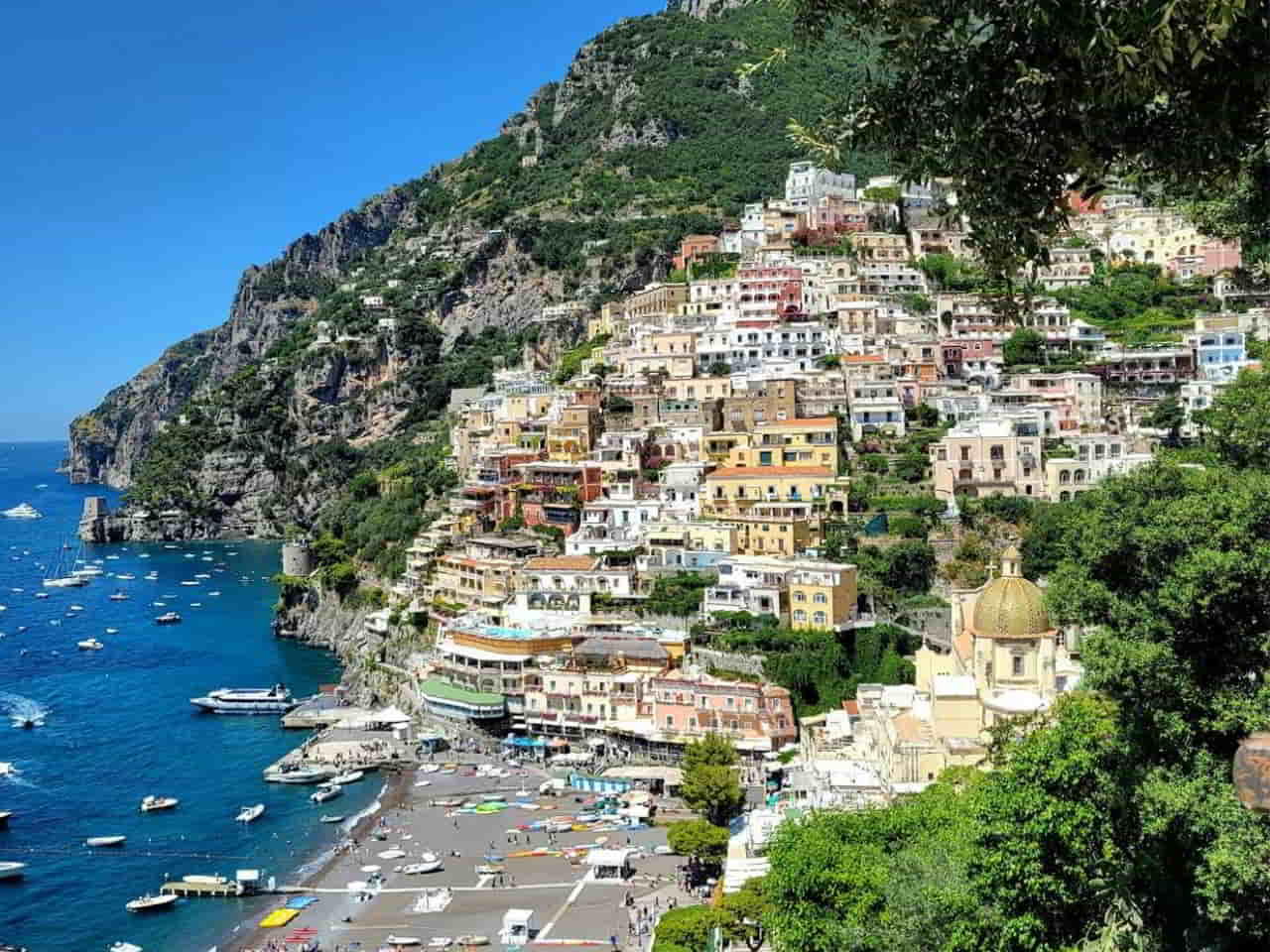
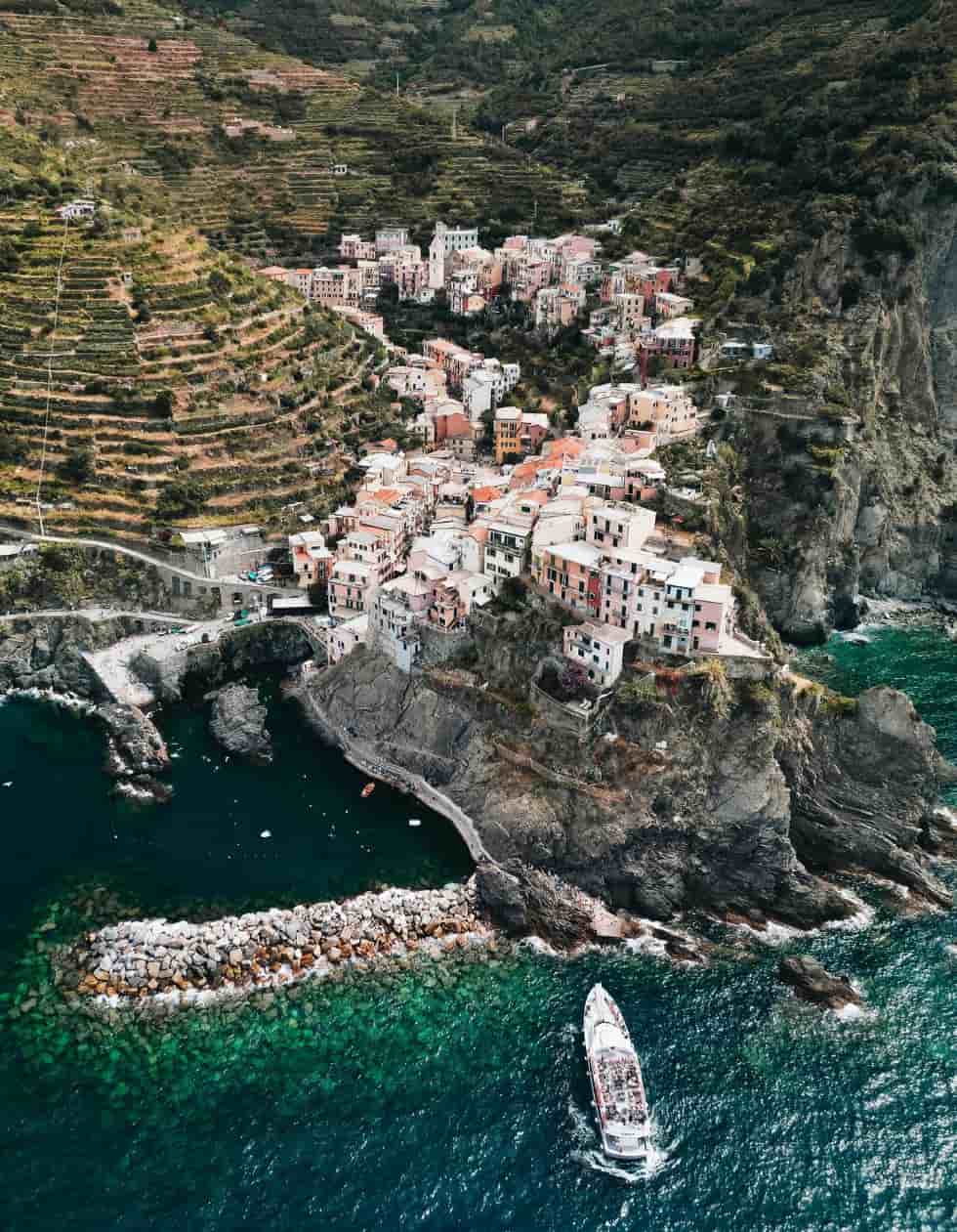
You really can’t put together a list of Italy’s most beautiful and talked-about places without giving Positano its moment. This cliffside village on the Amalfi Coast doesn’t just look stunning in photos – it feels unreal when you’re actually there.
Walking through Positano is an experience in itself. The streets are narrow, steep, and full of character, lined with cozy cafés, stylish little boutiques, and local workshops selling handmade sandals, ceramics, and airy linen outfits.
Everywhere you turn, there’s another jaw-dropping view – especially when those soft, pastel houses come into sight, tumbling down the hillside toward the sea.
Food plays a big role in Positano’s charm. Choose a restaurant with a view, relax – take your time, and enjoy dishes made with fresh seafood, house-made pasta, and seasonal coastal ingredients!
As the sky starts to glow in the evening, order a chilled glass of Limoncello and watch the sun slowly disappear into the Tyrrhenian Sea. Moments like this are what Positano is all about.
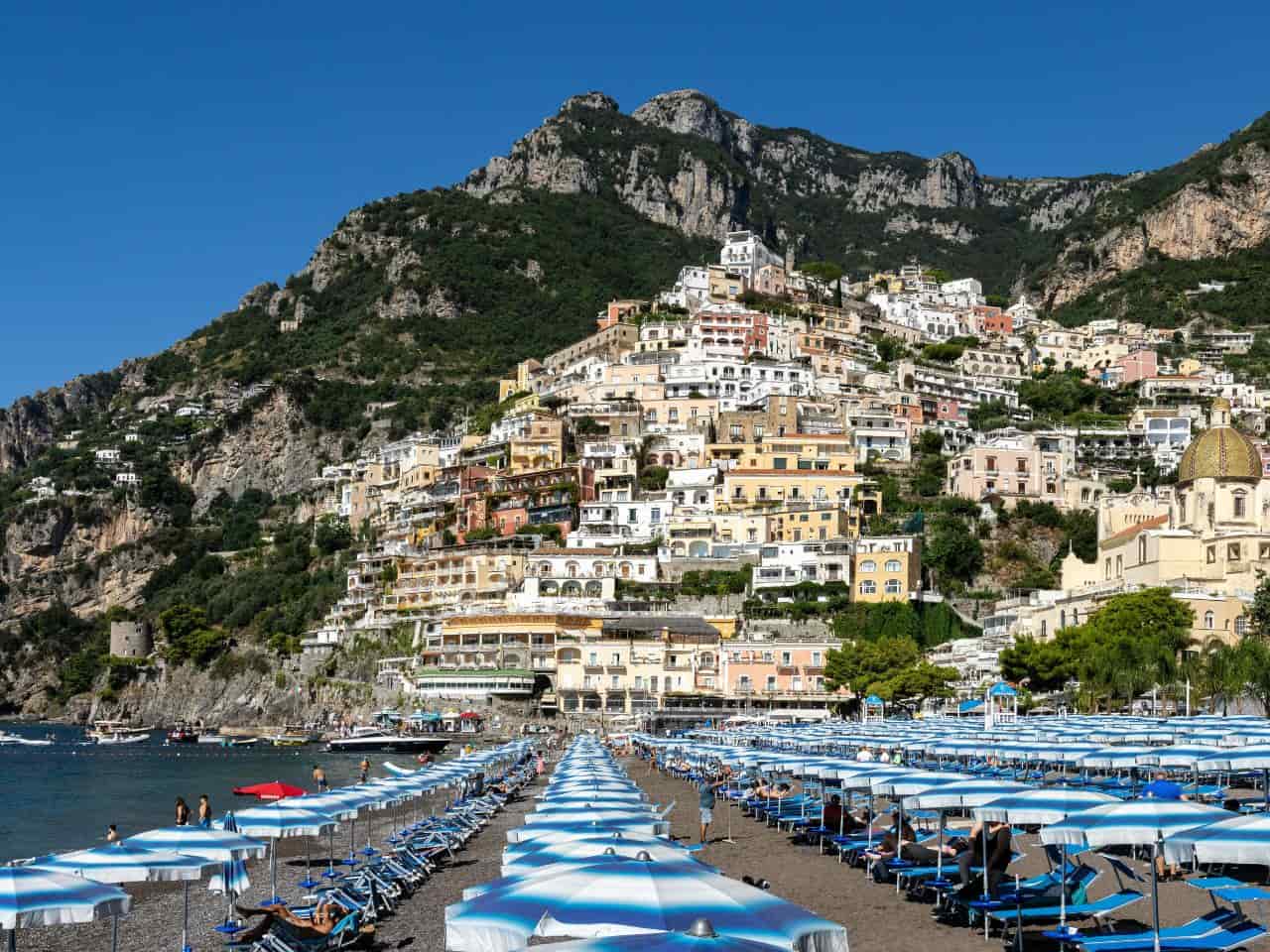
If your schedule allows, don’t stop at the town alone. Positano is surrounded by some of the most beautiful beaches on the Amalfi Coast, where crystal-clear water meets dramatic cliffs. Whether you’re relaxing on pebbled shores or soaking in the scenery from the water, the coastline here is nothing short of breathtaking.
Best Time to Visit Positano
The ideal time to visit Positano is late April to early June or September to early October. During these months, the weather is warm and pleasant, and the crowds are far more manageable compared to peak summer, making it much easier to enjoy the town at a relaxed pace.
How Long to Stay
A stay of three days is perfect for exploring Positano and experiencing its atmosphere. If you’re dreaming of lazy beach days or want to visit nearby Amalfi Coast towns, extending your stay to five days or more is well worth it.
Best Italian Cities Map
Take This Map With You! Use your mouse (or pinch on touchscreens) to get a closer look or see the bigger picture. Click on the icons to uncover details about that dreamy spot. Hit the arrow (↖) in the top-left corner to jump to the full list of locations. Click the star next to the map’s name to add it to your Google Maps—so you can revisit anytime! To view the saved map on your smartphone or PC, open Google Maps, tap the menu ☰, then go to “Your Places” or “Maps.”. Click “View larger map” (top-right corner) to expand or print it for your travels.
FAQs
-
What are the best cities to visit in Italy for first-time travelers?
For a first-time trip, you can’t go wrong with Rome, Florence, and Venice. These cities combine world-class history, art, and culture. Add Milan or Naples if you want modern vibrancy or coastal vibes. For a more relaxed pace, Tuscany or Positano are great for slow travel.
-
How many days do I need to explore Italy’s top cities?
Ideally, plan 3–4 days per major city. Rome, Florence, Venice, Milan, Naples, and Positano each deserve at least a long weekend. For a full Italian experience, a 2–3 week itinerary lets you see both classic and offbeat destinations comfortably.
-
Which is the most beautiful city in Italy?
Beauty is subjective, but Venice and Positano are universally stunning. Venice captivates with its canals and romance, while Positano dazzles with cliffside charm and Amalfi Coast views. Florence is a must for art lovers, and Rome blends history with modern life perfectly.
-
Which cities are best for food lovers in Italy?
Bologna, Naples, and Florence top the list for culinary experiences. Enjoy Bolognese pasta in Bologna, authentic Neapolitan pizza in Naples, and rich Tuscan cuisine in Florence. Don’t forget Milan’s risotto alla milanese and Sicily’s fresh seafood specialties.
-
Are 7 days enough to see Italy’s best cities?
Seven days gives a taste of Italy, but it’s tight. You can focus on Rome, Florence, and Venice with careful planning. For a more relaxed pace, spread your trip over 10–14 days, including a northern and southern city, plus a coastal escape like Positano or Amalfi.
Ready to plan your Italian adventure?
Italy is a country that rewards thoughtful travel. Whether you’re wandering Rome’s ancient streets, marveling at Florence’s Renaissance art, sailing through Venice’s canals, or soaking in Positano’s cliffside charm, each city offers a story you’ll remember forever.
So get ready, bookmark this guide, map out your itinerary, and start packing for the best cities to visit in Italy in 2026. Every moment in Italy is worth savoring – and with this guide, you’ll experience the country like a true insider.
And if you have any question, feel free to ask I’ll try my best to reply with more useful information.
Don’t Forget To Check
- Best Time to Visit Italy (2026): Weather, Crowds & Travel Tips
- Italy Travel Tips: 27 Essential Rules for Italy (2026)
- 12 Best Places to Visit in Italy (2026 Travel Guide)
- Top 15 Most Romantic Places In Italy To Fall In Love With
- 10 Best Beaches In Sicily You Must See