Best Italian Lakes: 12 Most Beautiful Lakes to Visit in Italy

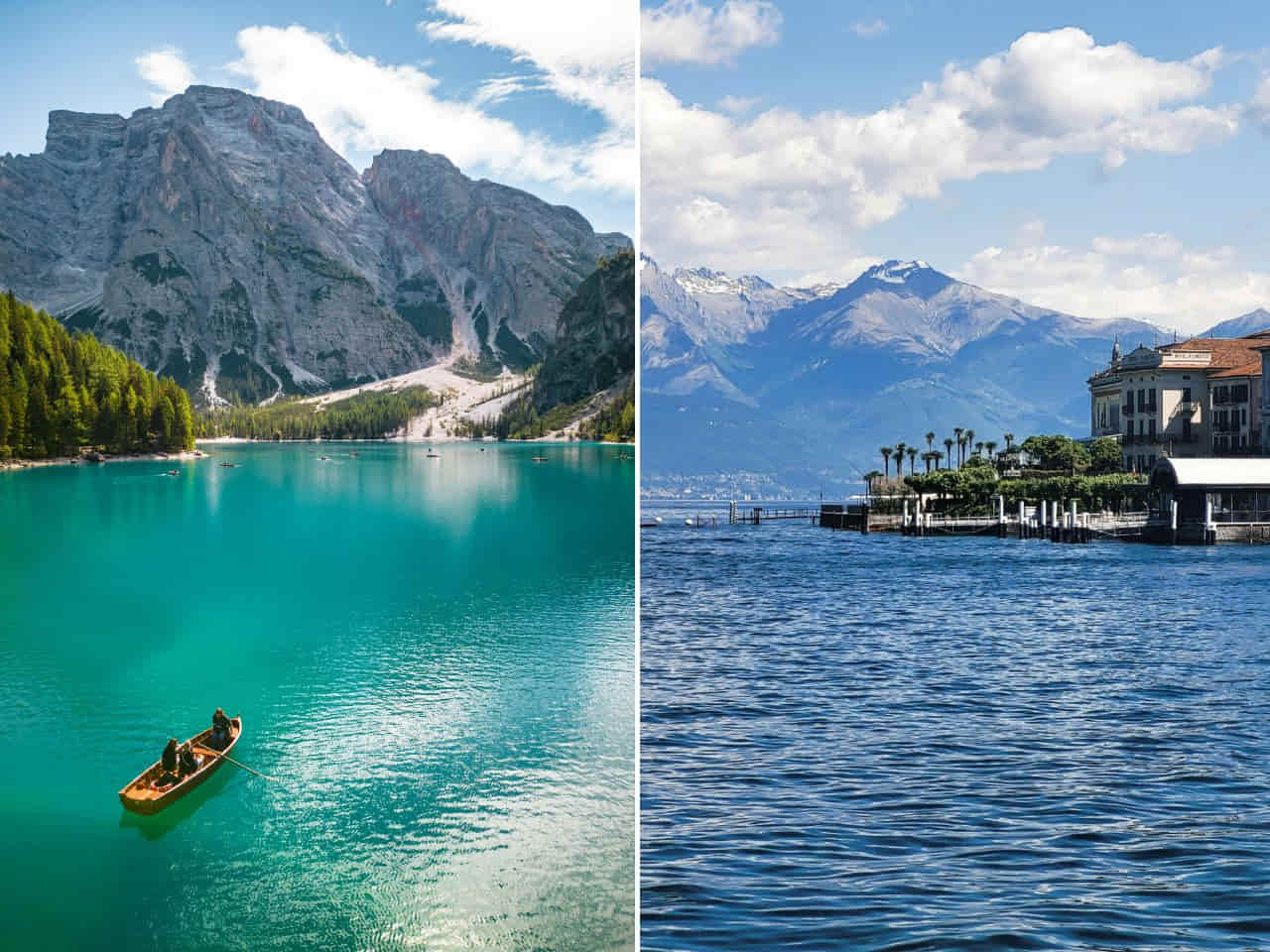
Collage of Best Italian Lakes
Share and Explore


Italy’s lakes may look similar on a map, but they offer very different experiences.

Some are known for luxury and romance, others for outdoor adventures, family vacations, alpine scenery, or peaceful village life.

For most travelers, choosing the right lake matters more than choosing the most famous one.

This guide ranks the best Italian lakes based on travel style, scenery, accessibility, crowds, and budget so you can find the destination that best fits your trip.

Love this? Don’t forget to check out the Season-by-Season complete guide on Best time to visit Italy AND 29 Essential Italy Travel Tips to plan out your best Italian trip ever!

What Are the Best Italian Lakes? (Quick Answer)

The best Italian lakes to visit are Lake Como, Lake Garda, Lake Maggiore, Lake Braies, Lake Orta, Lake Iseo, Lake Lugano, Lake Misurina, Lake Bolsena, Lake Trasimeno, Lake Resia, and Lake Ledro.

Each lake offers a different experience. Lake Como is famous for luxury and romance, Lake Garda is ideal for variety and outdoor activities, Lake Braies delivers some of Italy’s most iconic mountain scenery, while hidden gems like Lake Orta and Lake Ledro offer quieter alternatives away from major tourist crowds.

If you’re planning your first Italian lakes trip, Lake Como, Lake Garda, and Lake Braies are usually the best starting points.

Where Are Italy’s Most Beautiful Lakes Located?

Italy’s top lakes are spread across three regions:

Region Lakes
Northern ItalyComo, Garda, Maggiore, Orta, Iseo, Lugano, Ledro
Dolomites Braies, Misurina, Resia
Central ItalyBolsena, Trasimeno

  • Northern Italy offers the most famous lakes, luxury destinations, and lakeside towns.
  • The Dolomites are best for mountain scenery, hiking, and photography.
  • Central Italy provides quieter lakes, lower crowds, and a more relaxed atmosphere.

This regional overview helps narrow down which lakes best fit your itinerary before diving into the rankings.

Best Italian Lakes Map

Use this map to see where each lake is located and quickly identify which region best matches your travel style.

Take This Map With You! Use your mouse (or pinch on touchscreens) to get a closer look or see the bigger picture. Click on the icons to uncover details about that spot. Hit the arrow (↖) in the top-left corner to jump to the full list of locations. Click the star next to the map’s name to add it to your Google Maps—so you can revisit anytime! To view the saved map on your smartphone or PC, open Google Maps, tap the menu ☰, then go to “Your Places” or “Maps.”. Click “View larger map” (top-right corner) to expand or print it for your travels.

Quick Comparison Table (With Realistic Budget Estimates)

Quick Comparison Table for Best Italian Lakes..

How to Choose the Right Italian Lake

Italy’s lakes offer very different experiences. While some focus on luxury and romance, others are better suited for outdoor adventures, family trips, photography, or quieter escapes.

Before choosing a lake, consider four key factors: budget, trip length, season, and travel style.

Choose Based on Budget

  • Higher-budget destinations: Lake Como, Lake Lugano, parts of Lake Maggiore
  • Mid-range destinations: Lake Garda, Lake Iseo, Lake Orta
  • Better-value destinations: Lake Bolsena, Lake Trasimeno, Lake Ledro

Choose Based on Trip Length

  • 1–2 Days: Lake Como, Lake Braies, Lake Orta
  • 3–5 Days: Lake Garda, Lake Maggiore, Lake Lugano
  • One Week or More: Lake Garda, Lake Maggiore, Lake Trasimeno

Choose Based on Season

  • Spring (April–June): Best overall balance of weather, scenery, and crowds.
  • Summer (July–August): Warmest weather but highest prices and visitor numbers.
  • Autumn (September–October): Pleasant temperatures, fewer crowds, and excellent photography conditions.
  • Winter (November–March): Best for Dolomite lakes such as Braies and Misurina. Some tourist services operate on reduced schedules.

12 The Most Beautiful Lakes in Italy

1. Lake Como – Italy’s Most Iconic Lake Destination

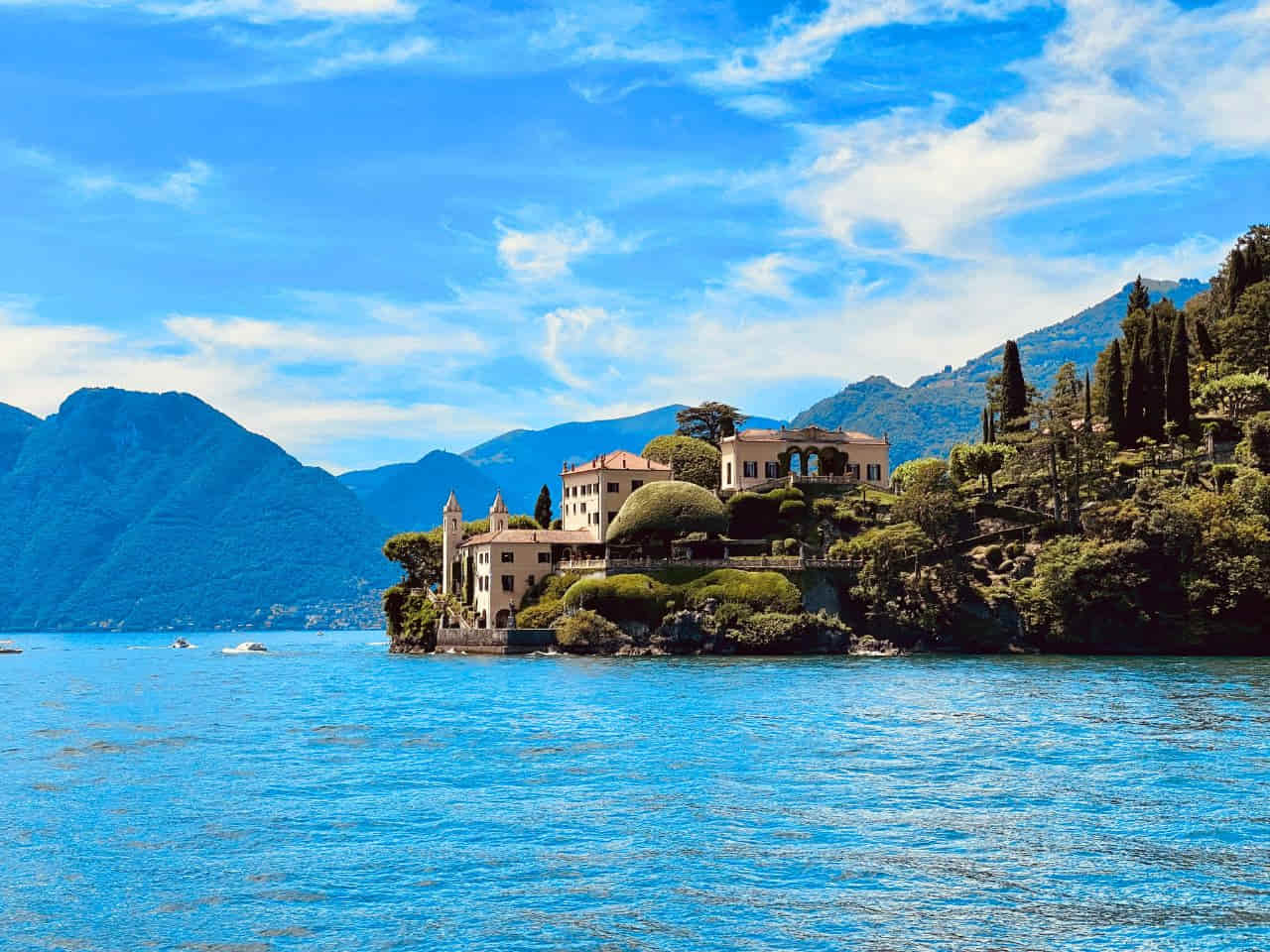
Stunning view of Villa del Balbainello on Lake Como Italy
Stunning view of Villa del Balbianello on Lake Como

Why It Ranks

Lake Como earns the top position because it delivers the most complete and internationally recognized Italian lake experience.

While other lakes may outperform it in specific categories-Lake Garda offers more outdoor activities, Lake Braies delivers more dramatic alpine scenery, and Lake Orta provides greater tranquility-no other destination combines scenery, luxury, historic towns, accessibility, and global appeal as successfully as Lake Como.

The lake’s distinctive Y-shape creates a constantly changing landscape of mountains, waterfront villages, elegant villas, and panoramic viewpoints. Every section of the shoreline feels slightly different, giving visitors multiple experiences within a single destination.

What elevates Lake Como beyond simple beauty is the balance between natural scenery and cultural atmosphere. You can spend the morning exploring historic villas and gardens, take a scenic ferry between lakeside towns in the afternoon, and enjoy waterfront dining with mountain views in the evening.

Unlike destinations that rely on a single landmark, Lake Como delivers a collection of memorable experiences spread across the entire region.

It is not the cheapest lake in Italy, nor the quietest.

What it offers instead is the most complete combination of beauty, comfort, atmosphere, and iconic Italian lake culture.

For first-time visitors planning an Italian lakes trip, Lake Como remains the benchmark against which all other lakes are measured.

What Makes It Unique

Many lakes are beautiful.

Few possess the unmistakable elegance that defines Lake Como.

Steep mountains rise directly from the water, creating a dramatic landscape where historic villas, manicured gardens, luxury hotels, and centuries-old villages blend seamlessly into the shoreline.

What makes Lake Como especially memorable is the variety of experiences packed into a relatively compact area.

  • Bellagio is famous for its postcard-perfect streets and spectacular lake views.
  • Varenna offers a quieter, more romantic atmosphere with charming waterfront promenades.
  • Menaggio provides a relaxed lakeside setting and excellent ferry connections.
  • Smaller villages around the shoreline reveal a slower, more authentic side of the lake that many visitors never discover.

One of Lake Como’s greatest advantages is how easy it is to explore. A well-connected ferry network links the major towns, allowing visitors to experience different parts of the lake without relying on a car.

Its close proximity to Milan also makes it one of Italy’s most accessible scenic destinations, making even short visits practical.

Few places combine breathtaking scenery, elegant lakeside towns, historic architecture, and effortless exploration as naturally as Lake Como.

That unique blend is what continues to make Lake Como Italy’s most iconic lake destination.nvenient scenic destinations in Italy.

Best Experiences

  • Exploring Bellagio’s lakeside streets and viewpoints
  • Visiting Villa del Balbianello
  • Touring Villa Carlotta and its gardens
  • Taking the ferry between Bellagio, Varenna, and Menaggio
  • Walking Varenna’s lakeside promenade
  • Enjoying panoramic views from Brunate
  • Exploring Como’s historic center
  • Taking a scenic boat cruise across the lake
  • Photographing sunrise and sunset reflections
  • Dining at lakeside restaurants overlooking the mountains
  • Discovering lesser-known villages such as Nesso and Lenno
  • Visiting historic villas featured in films and international productions

Check out in depth guide on Things to do in Lake Como
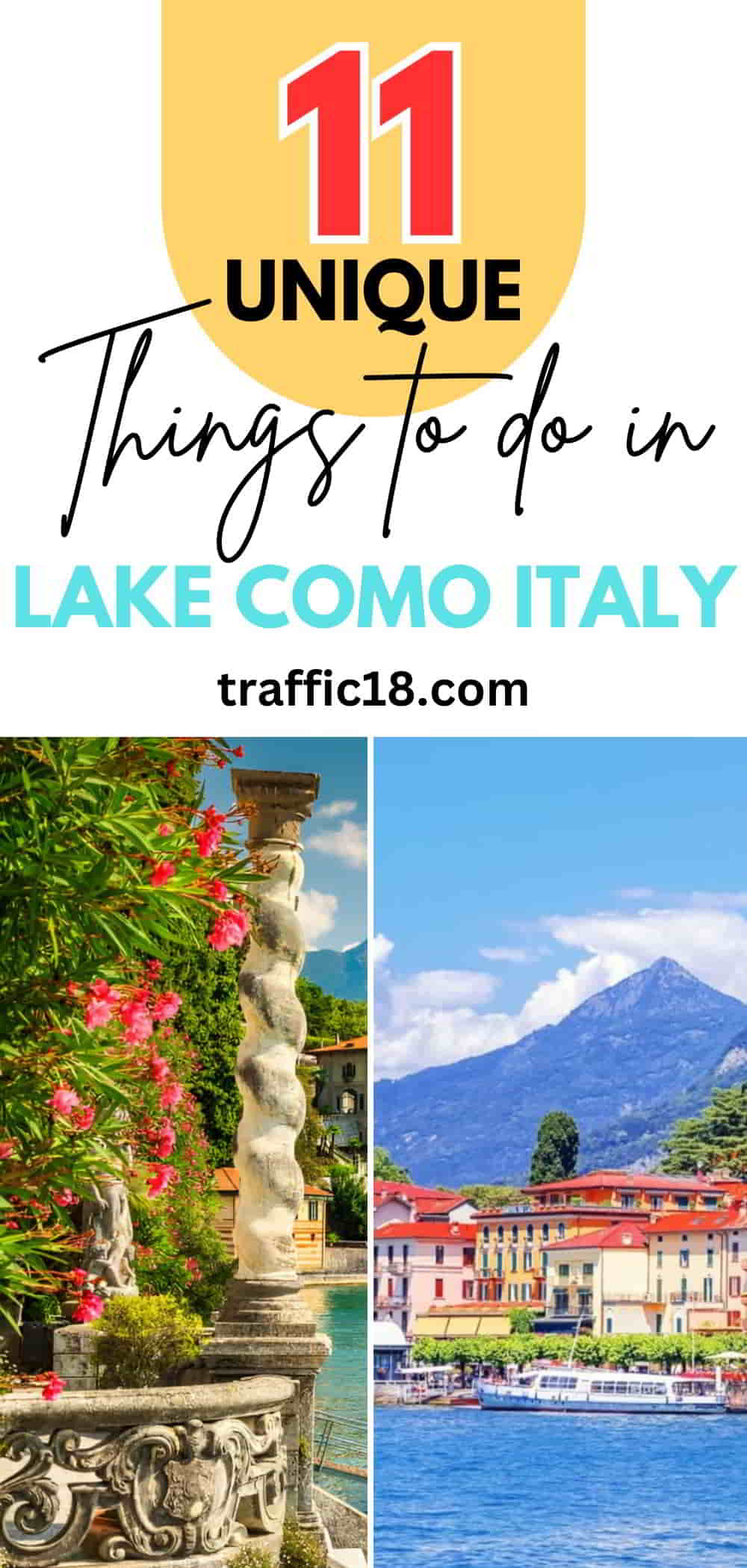
Collage of the best things to do in Lake Como

Food You Should Try

  • Risotto al Pesce Persico (perch risotto)
  • Missoltini (traditional sun-dried lake fish)
  • Polenta Uncia
  • Ossobuco
  • Fresh handmade pasta
  • Local Lombardy cheeses
  • Gelato along the waterfront
  • Regional wines from nearby Lombardy vineyards

Best For

First-time Italian lake visitors, Couples, Honeymooners, Luxury travelers, Scenic road trips.

Avoid If

You’re prioritizing budget travel, low crowds, or adventure-focused activities.

Ideal Stay Length

2–4 days

Enough time to explore the main lake towns, historic villas, and enjoy the lake beyond the busiest tourist areas.

Budget Reality

Budget: $180–250/day
Mid-Range: $250–450/day
Luxury: $450–1,200+/day

Value Verdict: One of Italy’s most expensive lake destinations, but many travelers consider the scenery, hotels, and atmosphere worth the premium.

Logistics Snapshot

Nearest Airport: Milan Malpensa Airport

Alternative Airports: Milan Linate, Bergamo Airport

Train Access: Excellent connections from Milan to Como and Varenna

Ferry Network: Extensive and highly useful for sightseeing

Driving: Possible, but roads can become congested during peak season

Walkability: Strong within towns, limited between towns

Important Note: Ferry schedules, transportation services, and attraction opening hours can vary seasonally and should always be verified before travel.

Official ferry schedules can be checked through Navigazione Laghi before departure. 

Parking Reality

Parking is one of the most underestimated challenges at Lake Como.

Bellagio, Varenna, and other popular towns have limited parking capacity, particularly between May and September.

Arriving early in the day significantly improves availability.

For many visitors, trains and ferries provide a more convenient way to explore the lake than driving between towns.

Where to Stay in Lake Como

  • Bellagio: Best for  First-time visitors, iconic views, walkability, romance
  • Varenna: Best for Couples, photography, quieter atmosphere 
  • Menaggio: Best for Families, ferry access, balanced location
  • Como Town: Transportation convenience, shorter stays, day trips from Milan

Seasonal Note

Spring (April–June) offers blooming gardens, comfortable temperatures, and ideal conditions for exploring lakeside towns. September is often the sweet spot, with warm weather, fewer crowds, and better hotel availability than peak summer.

Common Mistake

Many visitors treat Lake Como as a day trip from Milan.

While technically possible, this approach often results in rushing between a few viewpoints and missing what makes the destination special.

Lake Como is best experienced slowly.

Staying overnight allows visitors to enjoy quieter mornings, evening waterfront walks, and a more relaxed pace once day-trippers leave.

The difference in experience is substantial.

Photography Notes

Best Photo Spot: Punta Spartivento in Bellagio

Photography Tip: Use ferry crossings between Bellagio and Varenna for some of the best wide-angle lake panoramas. Morning light often produces calmer water and cleaner reflections.

Pro Tip

Most first-time visitors focus entirely on Bellagio.

Don’t.

Take the ferry to Varenna early in the morning before crowds arrive. The quieter atmosphere, colorful waterfront, and lakeside promenade often provide a more memorable experience than Bellagio itself.

For photographers and couples especially, Varenna frequently becomes the unexpected highlight of a Lake Como trip.

2. Lake Garda – Italy’s Best All-Around Lake Destination

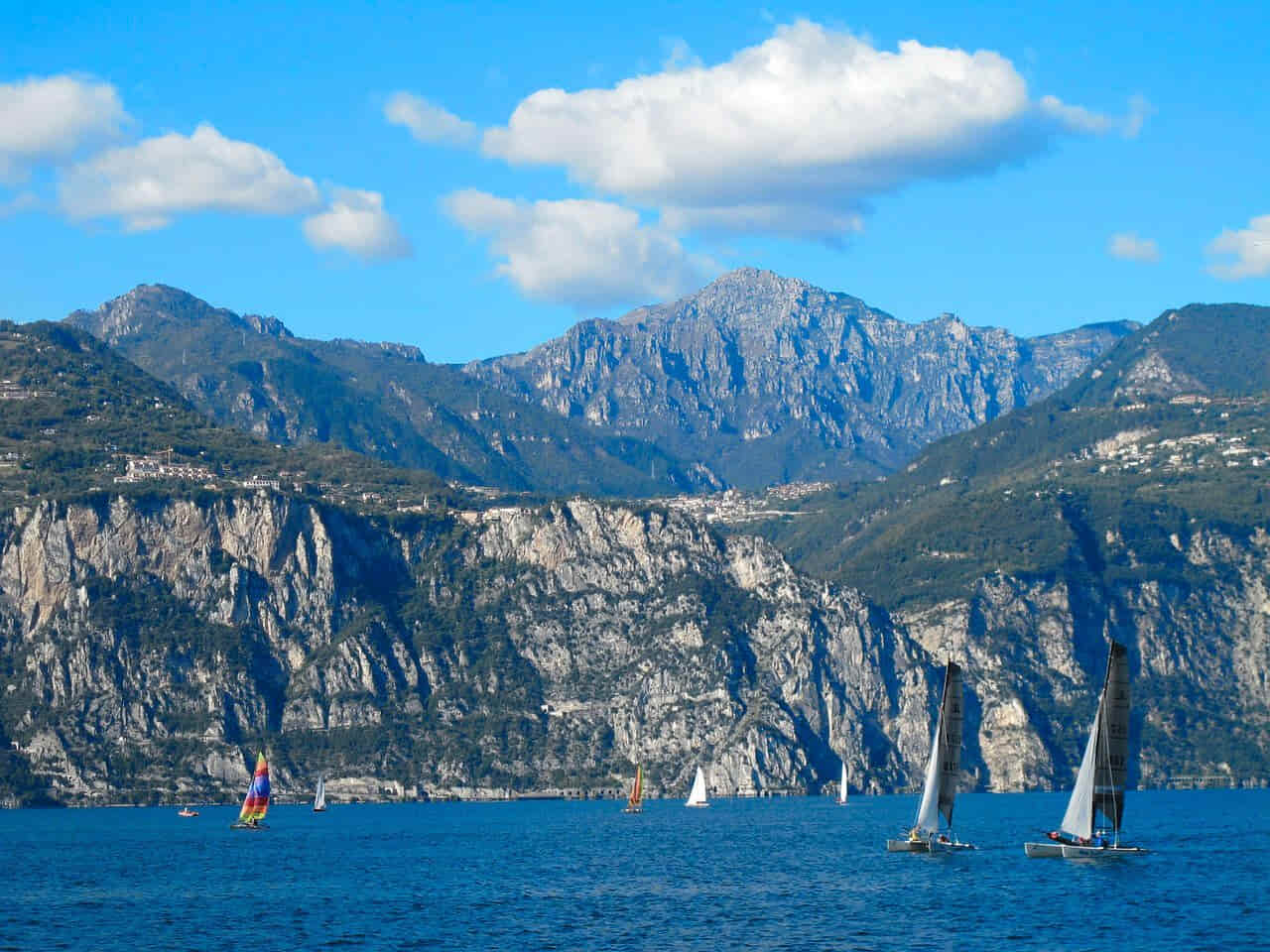
Beautiful View of Lake Garda

Why It Ranks

Lake Garda earns its place among Italy’s best destinations because it offers more variety than any other Italian lake.

A single trip can combine historic lakeside towns, mountain scenery, beaches, scenic ferry rides, outdoor adventures, and relaxed waterfront dining. The atmosphere changes noticeably as you move around the lake, with Mediterranean-style towns in the south and dramatic Alpine landscapes in the north.

What makes Lake Garda especially appealing is its flexibility. Couples come for romantic lakeside stays, families enjoy the beaches and attractions, while outdoor travelers use the region as a base for hiking, cycling, sailing, and mountain activities.

For travelers looking for scenery, relaxation, and diverse experiences without committing to a single travel style, Lake Garda delivers one of Italy’s most balanced lake destinations.

What Makes It Unique

The defining characteristic of Lake Garda is its diversity.

Many Italian lakes are known for one specific experience.

Lake Garda offers several.

Southern Garda is characterized by historic lakeside towns, Roman ruins, beaches, family-friendly attractions, and a relaxed atmosphere.

Northern Garda feels completely different. Here, mountains rise dramatically above the water, creating conditions that make the area one of Europe’s premier destinations for sailing, windsurfing, cycling, and outdoor adventure.

The lake also contains some of Italy’s most appealing lakeside towns.

  • Sirmione is famous for its medieval castle and thermal spas.
  • Malcesine combines mountain scenery with historic charm.
  • Riva del Garda attracts outdoor enthusiasts with its Alpine setting.
  • Limone sul Garda offers one of the most picturesque waterfronts on the entire lake.

Few destinations in Italy provide such a wide range of experiences within a relatively compact area.

Whether you want a romantic getaway, active holiday, family trip, or scenic road journey, Lake Garda can accommodate it.

That flexibility is what makes it unique.

Things to do in Lake Garda

  • Exploring Sirmione and Scaliger Castle
  • Visiting the Grottoes of Catullus
  • Taking a ferry across the lake
  • Riding the Monte Baldo cable car
  • Walking Limone sul Garda’s waterfront
  • Exploring Malcesine’s medieval center
  • Windsurfing in northern Lake Garda
  • Hiking panoramic mountain trails
  • Visiting lakeside vineyards
  • Enjoying thermal spas in Sirmione
  • Cycling scenic lakeside routes
  • Taking a boat cruise at sunset

Food You Should Try

  • Bigoli pasta
  • Fresh lake fish
  • Risotto with local ingredients
  • Olive oil from Garda’s renowned groves
  • Polenta dishes
  • Handmade pasta specialties
  • Regional wines from Lugana and Bardolino
  • Lemon-based desserts around Limone sul Garda

The lake is also home to some of Italy’s most respected wine-producing areas.

Best For

Families, first-time visitors, outdoor enthusiasts, active travelers, road trips.

Avoid If

You’re looking for an intimate, quiet, or exclusively luxury-focused experience.

Ideal Stay Length

3–5 days

Its size and variety of towns, activities, and landscapes reward longer stays.

Budget Reality

Budget: $120–180/day
Mid-Range: $180–350/day
Luxury: $350–800+/day

Value Verdict: Offers one of the best balances of value, variety, and accessibility among Italy’s major lakes.

Logistics Snapshot

Nearest Airports:

  • Verona Airport
  • Bergamo Airport
  • Milan Airports

Train Access: Excellent connections via Desenzano del Garda and Peschiera del Garda.

Ferry Network: Comprehensive ferry system connecting major lakeside towns.

Driving: Excellent for road trips, though summer traffic can be heavy.

Walkability: Excellent within individual towns.

Important Note: Ferry schedules, cable-car operations, and seasonal transportation services should always be verified before travel.

Parking Reality

Parking availability varies greatly across the lake.

Popular destinations such as Sirmione can become heavily congested during summer weekends, particularly between June and August.

Arriving early is strongly recommended.

For travelers exploring multiple towns, combining trains, ferries, and local buses is often easier than repeatedly searching for parking.

Seasonal Note

Lake Garda has the longest practical season of any Italian lake. Summer is ideal for swimming and water sports, while spring and autumn provide excellent conditions for hiking, cycling, and sightseeing without peak-season crowds.

Where to Stay in Lake Garda

  • Sirmione: Best for First-time visitors, thermal spas, historic atmosphere
  • Malcesine: Best for Couples, scenery, Monte Baldo access
  • Riva del Garda: Best for Outdoor adventures, hiking, cycling, windsurfing
  • Desenzano del Garda: Best for Transportation convenience, nightlife, day trips

Common Mistake

Many visitors choose a single town and never explore the rest of the lake. This significantly limits the experience.

One of Garda’s greatest strengths is the diversity between its different regions.

Sirmione, Malcesine, Limone sul Garda, and Riva del Garda all offer distinctly different atmospheres.

Using the ferry network to explore multiple towns is one of the best ways to experience the lake properly.

Photography Notes

Best Photo Spot: Monte Baldo overlooking Lake Garda

Photography Tip: Ride the Monte Baldo cable car on a clear morning for sweeping panoramic views of the entire lake. Some of Garda’s most dramatic photographs come from elevated viewpoints rather than shoreline locations.

Pro Tip

Most travelers focus on Sirmione and Malcesine.

While both deserve the attention, don’t skip Limone sul Garda.

Early in the morning, before day-trippers arrive, Limone’s colorful waterfront, mountain backdrop, and lakeside promenade create one of the most beautiful and peaceful experiences anywhere on Lake Garda.

For many repeat visitors, it’s the most underrated town on the lake.

3. Lake Maggiore – Italy’s Most Elegant Villa & Garden Lake

Clear view of Lake Maggiore Italy

Why It Ranks

Lake Maggiore earns its place among Italy’s most rewarding lake destinations because it combines elegant lakeside towns, historic villas, mountain scenery, and beautiful islands in a setting that feels noticeably more relaxed than many of Italy’s better-known lakes.

Stretching across both Italy and Switzerland, the lake offers a mix of cultures, landscapes, and experiences that continually change as you move along the shoreline. One day might involve exploring grand waterfront gardens and historic palaces, while the next is spent cruising between islands or enjoying panoramic views of the surrounding mountains.

For travelers seeking scenic beauty, cultural experiences, and a slower pace of travel, Lake Maggiore delivers one of northern Italy’s most refined lake escapes.

What Makes It Unique

Lake Maggiore is defined by its islands.

The Borromean Islands form one of the most remarkable collections of historic villas, gardens, and lakeside architecture anywhere in Europe.

  • Isola Bella features an extraordinary Baroque palace surrounded by terraced gardens that rise directly from the water.
  • Isola Madre is known for its botanical gardens and peaceful atmosphere.
  • Isola dei Pescatori remains a traditional fishing village where narrow lanes and waterfront restaurants preserve a more authentic character.

Rather than revolving around a single town or viewpoint, the lake is best explored by moving between islands, lakeside promenades, historic villas, and mountain-backed towns.

Boat travel becomes part of the experience, with constantly changing views across the water and surrounding Alpine scenery.

The lake also offers an unusual blend of influences thanks to its position between Italy and Switzerland. Architecture, culture, and landscapes gradually shift as you move north, creating a destination that feels larger and more varied than many visitors expect.

That combination of islands, historic elegance, mountain scenery, and cross-border character gives Lake Maggiore a personality unlike any other lake in Italy.

Things to do in Lake Maggiore

  • Visiting Isola Bella and its palace
  • Exploring Isola Madre’s botanical gardens
  • Walking through Isola dei Pescatori
  • Taking boat trips between the Borromean Islands
  • Exploring Stresa’s lakeside promenade
  • Riding the Mottarone cable car area (where operating)
  • Enjoying panoramic mountain viewpoints
  • Visiting lakeside villas and historic gardens
  • Exploring nearby Swiss lakeside towns
  • Taking scenic ferry rides across the lake
  • Photographing island gardens during spring bloom
  • Enjoying sunset views from Stresa

Food You Should Try

  • Risotto dishes
  • Fresh lake fish
  • Vitello Tonnato
  • Polenta specialties
  • Local cheeses
  • Handmade pasta
  • Piedmont wines
  • Traditional hazelnut desserts

Best For

Couples, garden lovers, scenic travelers, relaxed vacations.

Avoid If

You want nightlife, high-energy attractions, or extensive outdoor adventure opportunities.

Ideal Stay Length

2–3 days

Enough time to visit the Borromean Islands, lakeside towns, and gardens.

Budget Reality

Budget: $130–190/day
Mid-Range: $190–350/day
Luxury: $350–850+/day

Value Verdict: Generally more affordable than Lake Como while still providing elegant scenery and upscale experiences.

Logistics Snapshot

Nearest Airports:

  • Milan Malpensa Airport
  • Milan Linate Airport
  • Bergamo Airport

Train Access: Excellent rail connections to Stresa and other lakeside towns.

Ferry Network: Strong ferry connections between major destinations and islands.

Driving: Convenient for exploring the broader region.

Walkability: Excellent within individual towns.

Important Note: Boat schedules, island opening hours, and seasonal services should always be verified before travel.

Parking Reality

Parking is generally easier than Lake Como but can still become challenging around Stresa and major ferry terminals during summer.

Visitors staying overnight typically experience fewer issues than day-trippers. Many travelers find trains and ferries easier than driving between towns.

Where to Stay in Lake Maggiore

  • Stresa: Best for First-time visitors, island access, luxury stays
  • Verbania: Best for Gardens, local atmosphere, longer stays
  • Baveno: Best for Quieter alternative to Stresa
  • Cannobio: Best for Scenic waterfront, relaxed atmosphere, northern lake exploration

Seasonal Note

The lake is at its most beautiful in spring when the famous Borromean Islands’ gardens burst into bloom. April and May are particularly rewarding for visitors interested in landscapes, gardens, and photography.

Common Mistake

Many visitors focus exclusively on Stresa and never explore the Borromean Islands properly.

This means missing the very feature that makes Lake Maggiore unique. The islands are not optional attractions.

They are the centerpiece of the entire experience. Allow enough time to visit all three major islands rather than trying to rush through them in a few hours.

Photography Notes

Best Photo Spot: Isola Bella viewed from the water during a ferry crossing

Photography Tip: Some of Lake Maggiore’s best images come from ferries connecting the Borromean Islands. The combination of palace architecture, gardens, mountains, and lake reflections creates compositions that are difficult to capture from land alone.

Pro Tip

Most travelers visit Isola Bella and leave.

Don’t stop there.

Spend time on Isola dei Pescatori as well.

Its narrow lanes, traditional fishing-village atmosphere, and waterfront restaurants provide a more authentic experience that contrasts beautifully with the grandeur of Isola Bella.

For many visitors, it becomes the unexpected highlight of the entire lake.

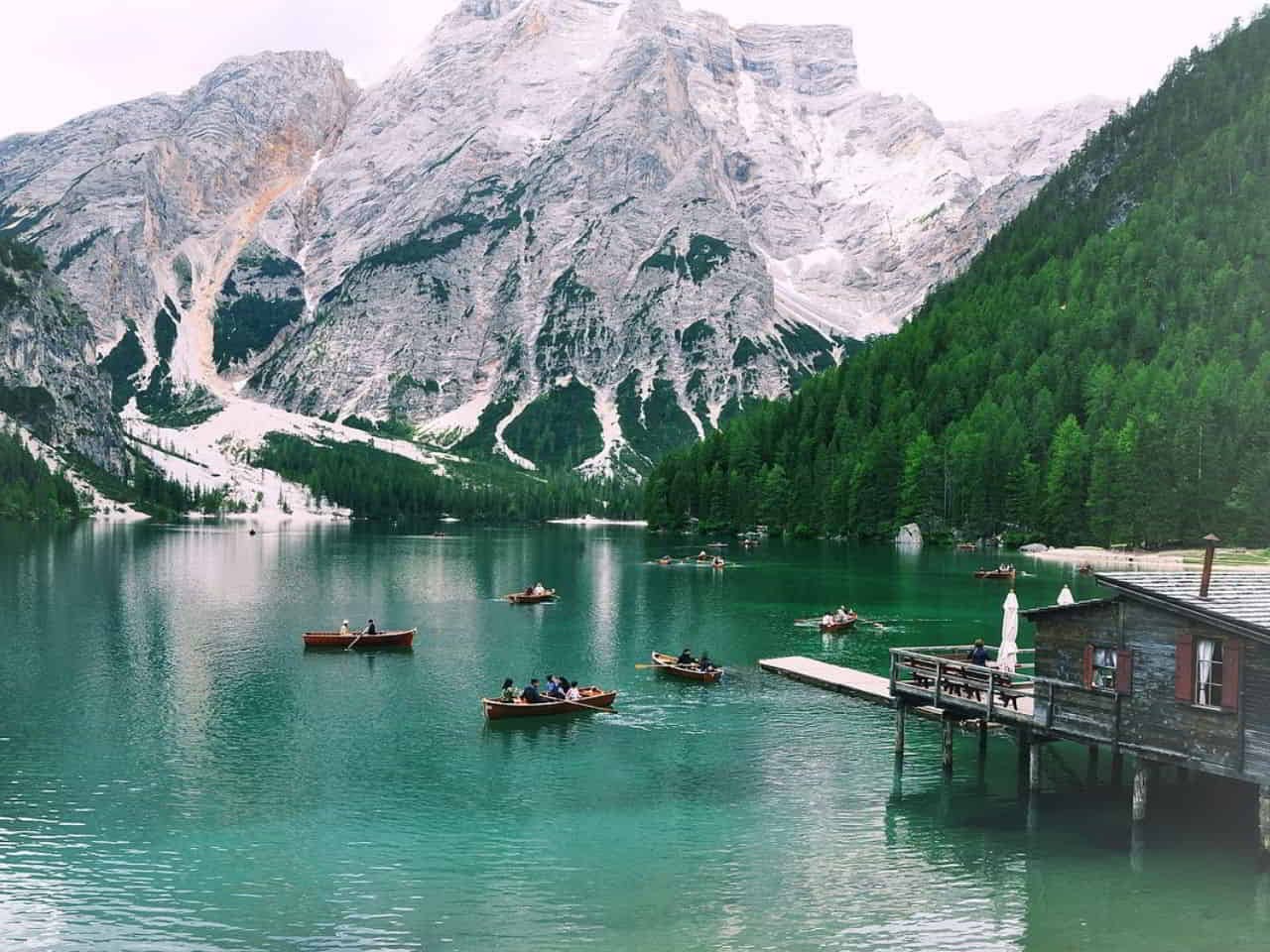
4. Lake Braies – Italy’s Most Photogenic Lake

Stunning view of Lake Braies Dolomites Italy

Why It Ranks

Lake Braies is one of Italy’s most iconic natural landmarks, known for its emerald-green water, dramatic Dolomite backdrop, and postcard-perfect scenery.

Often called the “Pearl of the Dolomites,” it offers an experience centered almost entirely on nature. Visitors come to walk the lakeshore, photograph the famous wooden boathouse, rent traditional rowboats, and enjoy one of the most recognizable landscapes in the Italian Alps.

What makes Lake Braies especially memorable is its immediate impact. From the moment you arrive, still water, towering limestone peaks, and dense forests combine to create a setting that feels almost unreal.

For photographers, nature lovers, and anyone exploring the Dolomites for the first time, Lake Braies is one of Italy’s most unforgettable alpine experiences.

What Makes It Unique

What sets Lake Braies apart is how much of the experience revolves around a single landscape rather than a collection of attractions.

The lake sits within the UNESCO-listed Dolomites and is surrounded by steep limestone peaks that reflect dramatically across the water on calm mornings.

A walking trail circles the lake, allowing visitors to experience constantly changing views of the surrounding Dolomite peaks, forests, and crystal-clear water. The famous wooden boathouse has become one of Italy’s most recognizable photography locations, but the lake’s appeal extends far beyond a single viewpoint.

The scenery also changes dramatically throughout the year. Summer brings vibrant alpine colors and hiking opportunities, autumn transforms the surrounding forests into shades of gold, while winter blankets the lake in snow, creating one of the Dolomites’ most striking landscapes.

That combination of accessibility, seasonal variety, and extraordinary scenery makes Lake Braies unlike anywhere else in Italy.

Things to do in Lake Braies

  • Walking the full lakeside trail
  • Renting a traditional wooden rowboat
  • Photographing sunrise reflections
  • Hiking nearby Dolomite trails
  • Exploring the surrounding forest paths
  • Visiting during autumn foliage season
  • Experiencing winter snow scenery
  • Enjoying panoramic viewpoints around the shoreline
  • Combining Lake Braies with nearby Dolomite road trips
  • Watching changing light conditions throughout the day
  • Visiting nearby mountain villages
  • Experiencing the lake before crowds arrive

Food You Should Try

  • Speck (smoked ham)
  • Knödel (bread dumplings)
  • Apple strudel
  • Local mountain cheeses
  • Polenta dishes
  • Goulash-style Alpine stews
  • Fresh pastries
  • South Tyrolean wines

Best For

Photographers, hikers, nature lovers, Dolomites road trips.

Avoid If

You’re looking for lakeside towns, nightlife, or a multi-day lake vacation.

Ideal Stay Length

Half day–1 day

Best experienced as part of a wider Dolomites itinerary.

Budget Reality

Budget: $100–160/day
Mid-Range: $160–280/day
Luxury: $280–600+/day

Value Verdict: Costs depend largely on your Dolomites itinerary rather than the lake itself, making it relatively accessible.

Logistics Snapshot

Nearest Airports:

  • Innsbruck Airport
  • Venice Airport
  • Verona Airport

Train Access: Possible via nearby stations combined with buses.

Driving: The easiest and most flexible option.

Walkability: Excellent around the lake itself.

Important Note: Seasonal traffic restrictions and parking regulations may apply during peak summer months and should be verified before travel.

Parking Reality

Parking has become one of the biggest challenges at Lake Braies.

During peak summer months, parking areas often fill early in the day. Some seasonal vehicle restrictions are occasionally introduced to manage visitor numbers.

Arriving before 8:00 AM significantly improves both parking availability and overall experience.

Where to Stay in Lake Braies

  • Near Lake Braies: Best for Sunrise photography, convenience, nature immersion
  • Dobbiaco (Toblach): Best for Transportation access, hiking, value
  • San Candido (Innichen): Best for Charming town atmosphere, restaurants, family stays
  • Cortina d’Ampezzo: Best for Luxury travelers, extended Dolomites exploration

Seasonal Note

Autumn brings spectacular foliage and fewer visitors, while winter transforms the lake into one of the most photogenic alpine landscapes in Italy, often surrounded by snow-covered peaks.

Common Mistake

Many visitors arrive during late morning or midday when tour buses, crowds, and harsh lighting are at their peak.

This often results in a much less impressive experience than expected.

Lake Braies is at its best early in the morning, when the water is calmer, reflections are stronger, and the mountains are illuminated by soft light.

Timing can completely change how the lake feels.

Photography Notes

Best Photo Spot: The iconic wooden boathouse on the eastern shoreline

Photography Tip: Calm mornings produce the famous mirror-like reflections that have made Lake Braies internationally famous. Arrive before sunrise whenever possible for the best conditions and fewer people in your compositions.

Pro Tip

Most visitors stop at the boathouse, take a few photos, and leave.

Walk the complete lakeside trail instead.

The far side of the lake provides quieter viewpoints, fewer people, and some of the most dramatic perspectives of the surrounding mountains.

Many of the best photographs are captured away from the famous boathouse area.

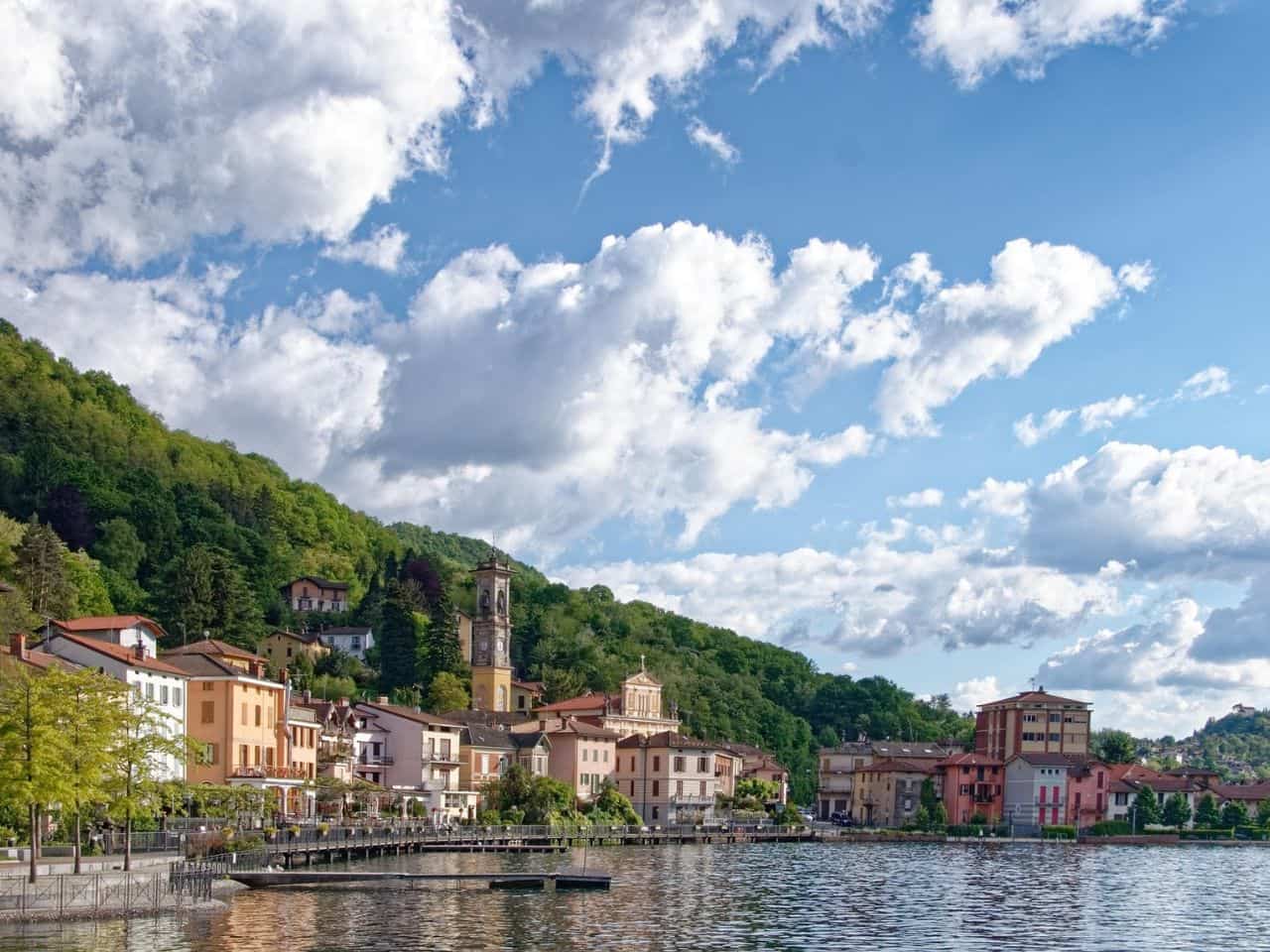
5. Lake Orta – Italy’s Most Underrated Lake Escape

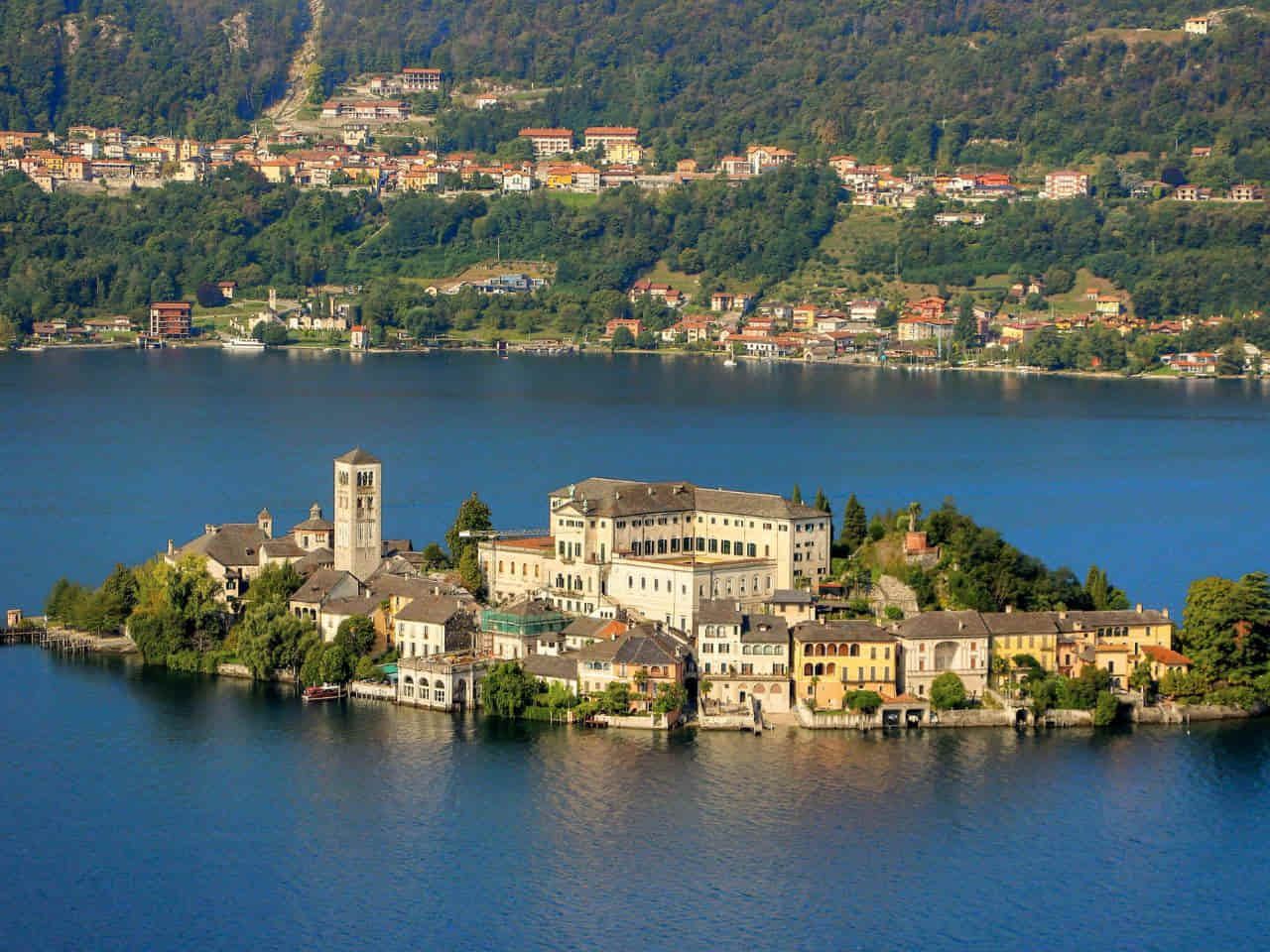
View of Orta San Giulio on One of The Best Italian Lakes named Lake Orta
The Picturesque Village of Orta San Giulio

Why It Ranks

Lake Orta is one of northern Italy’s most rewarding hidden gems, offering beautiful lakeside scenery, medieval charm, and a slower pace than the region’s better-known destinations.

This is the lake many travelers discover after visiting the famous names—and often end up loving the most.

Centered around the elegant town of Orta San Giulio and the enchanting San Giulio Island, the lake offers peaceful waterfront walks, historic streets, scenic boat rides, and an atmosphere that encourages visitors to slow down and enjoy the surroundings.

Rather than revolving around busy attractions or packed itineraries, Lake Orta rewards travelers through its quiet beauty, authentic character, and timeless lakeside atmosphere.

For couples, photographers, and slow travelers seeking one of Italy’s most peaceful lake escapes, Lake Orta delivers an experience that feels both intimate and unforgettable.

What Makes It Unique

What sets Lake Orta apart is its sense of tranquility.

The lake’s centerpiece, San Giulio Island, creates one of the most picturesque scenes in northern Italy, with its historic basilica and monastery rising from the water just offshore from Orta San Giulio.

Beyond the island, the surrounding villages remain small and unhurried, where quiet piazzas, lakeside cafés, and waterfront walks replace the crowds often found at Italy’s larger lake destinations. Boat rides become part of the experience, revealing constantly changing views of the shoreline, historic buildings, and surrounding mountains.

The atmosphere feels effortlessly romantic, elegant without being exclusive, and beautiful without feeling crowded. That quiet sense of place is what makes Lake Orta unlike anywhere else in the Italian Lakes.

Things to do in Lake Orta

  • Exploring Orta San Giulio’s historic center
  • Taking a boat to San Giulio Island
  • Walking the island’s famous Silent Way
  • Visiting Basilica di San Giulio
  • Enjoying waterfront dining with lake views
  • Exploring lakeside promenades
  • Visiting Sacro Monte di Orta (UNESCO site)
  • Taking scenic boat excursions
  • Photographing sunrise reflections
  • Discovering hidden alleys and piazzas
  • Enjoying slow-paced lakeside walks
  • Exploring nearby mountain viewpoints

Food You Should Try

  • Risotto dishes
  • Fresh lake fish
  • Vitello Tonnato
  • Local cheeses
  • Agnolotti pasta
  • Polenta specialties
  • Piedmont wines
  • Hazelnut desserts

Best For

Couples, slow travelers, hidden-gem seekers, romantic getaways.

Avoid If

You want major attractions, nightlife, or extensive resort infrastructure.

Ideal Stay Length

1–2 days

Ideal for a peaceful escape focused on atmosphere and relaxation.

Budget Reality

Budget: $100–160/day
Mid-Range: $160–280/day
Luxury: $280–650+/day

Value Verdict: Delivers a premium atmosphere without the premium price tag often associated with Lake Como.

Logistics Snapshot

Nearest Airports:

  • Milan Malpensa Airport
  • Milan Linate Airport
  • Bergamo Airport

Train Access: Possible via nearby stations combined with local transport.

Driving: The easiest and most flexible option.

Boat Access: Regular short boat connections to San Giulio Island.

Walkability: Excellent within Orta San Giulio.

Important Note: Many attractions operate on seasonal schedules and should be checked before travel.

Parking Reality

Parking within the historic center is limited. Most visitors use designated parking areas outside the town center and continue on foot.

This helps preserve the village’s pedestrian-friendly atmosphere.

Arriving early is recommended during weekends and summer periods.

Where to Stay in Lake Orta

  • Orta San Giulio: Best for First-time visitors, romance, walkability, lake views
  • Near San Giulio Waterfront:Best for Scenic stays, photography, easy island access
  • Pettenasco: Best for Quieter atmosphere, better value, lakeside relaxation
  • Hills Above Lake Orta: Best for: Panoramic views, countryside escapes, boutique stays

Seasonal Note

Late spring and early autumn are ideal for experiencing Lake Orta’s peaceful atmosphere. Visiting outside peak summer months enhances the lake’s quiet, romantic character that makes it so distinctive.

Common Mistake

Many visitors treat Lake Orta as a quick day trip from Milan or Lake Maggiore.

While possible, this approach misses the atmosphere that makes the lake special.

The real charm emerges during early mornings and evenings when the waterfront becomes quiet and San Giulio Island feels almost timeless.

An overnight stay transforms the experience.

Photography Notes

Best Photo Spots
  • Piazza Motta overlooking San Giulio Island
  • Lakeside promenade in Orta San Giulio
  • Sacro Monte panoramic viewpoints
  • Boat approach to San Giulio Island
  • Hills above the lake at sunrise

Photography Tip: The most iconic photographs are captured from Piazza Motta, where San Giulio Island appears perfectly framed against the lake and surrounding hills. Early morning provides the calmest water and strongest reflections.

Pro Tip

Most visitors head directly to San Giulio Island and leave shortly afterward.

Instead, combine the island visit with Sacro Monte di Orta.

The elevated viewpoints above town provide some of the best panoramas of the entire lake and are often overlooked by day-trippers.

The combination of the two creates a far more complete Lake Orta experience.

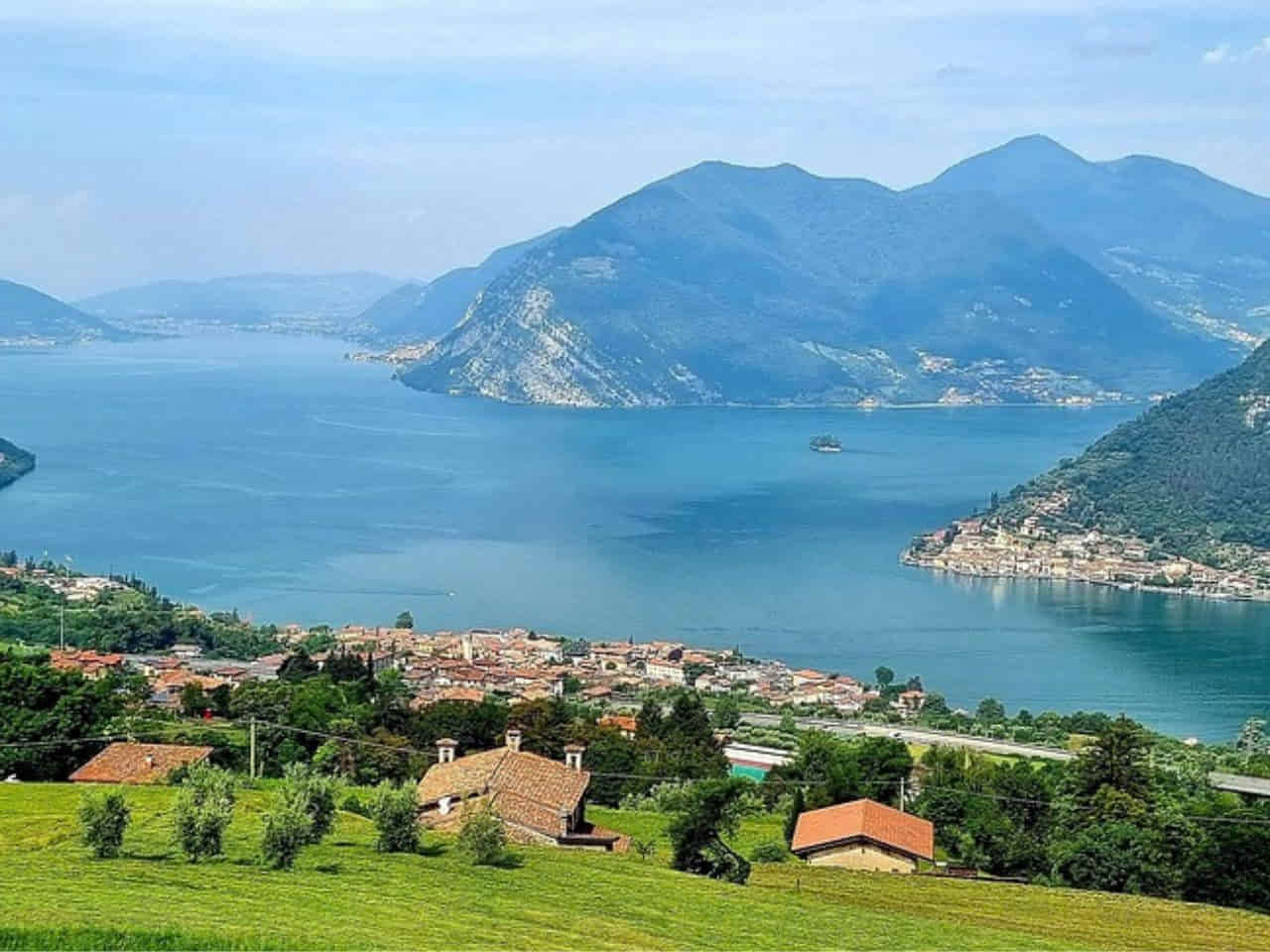
6. Lake Iseo – Italy’s Best Value Lake Destination

Aerial View of Lake Iseo Italy

Why It Ranks

Lake Iseo is one of northern Italy’s most underrated lake destinations, offering beautiful scenery, charming waterfront towns, excellent food, and a slower pace without the crowds found at many of Italy’s better-known lakes.

Surrounded by mountains, vineyards, and historic villages, the lake blends nature, local culture, and outdoor activities into a destination that feels authentic rather than heavily tourist-oriented. Visitors can spend the morning exploring lakeside towns, take a ferry to Monte Isola, enjoy lunch at a waterfront restaurant, and finish the day sampling wines from the nearby Franciacorta region.

What makes Lake Iseo especially appealing is its balance. It offers enough variety for a multi-day trip while preserving the relaxed atmosphere many travelers hope to find in northern Italy.

For travelers seeking scenic beauty, authentic local experiences, and excellent value, Lake Iseo is one of Italy’s most rewarding hidden gems.

What Makes It Unique

What sets Lake Iseo apart is Monte Isola, the largest inhabited lake island in Italy.

Home to small villages, historic churches, and long-standing fishing traditions, the island remains a living community where daily life moves at a slower pace. With limited vehicle traffic, exploring Monte Isola on foot or by bicycle becomes part of the experience.

Beyond the island, Lake Iseo combines mountain scenery with the renowned Franciacorta wine region, creating a destination where ferry rides, vineyard visits, waterfront walks, and outdoor activities naturally fit into the same itinerary.

That combination of lakeside landscapes, local culture, wine experiences, and unhurried atmosphere gives Lake Iseo a character that feels refreshingly authentic.

Things to do in Lake Iseo

  • Visiting Monte Isola
  • Taking ferries between lakeside towns
  • Exploring Iseo town
  • Walking the waterfront promenades
  • Cycling around parts of the lake
  • Visiting Franciacorta wineries
  • Hiking panoramic mountain trails
  • Exploring medieval villages
  • Enjoying lakeside dining
  • Taking boat excursions across the lake
  • Visiting Lovere (one of Italy’s most beautiful villages)
  • Watching sunset over the mountains

Food You Should Try

  • Fresh lake fish
  • Risotto dishes
  • Polenta specialties
  • Franciacorta sparkling wine
  • Local cheeses
  • Handmade pasta
  • Grilled seafood
  • Traditional Lombard desserts

Best For

Value-conscious travelers, outdoor enthusiasts, authentic local experiences.

Avoid If

You’re seeking luxury resorts or internationally famous attractions.

Ideal Stay Length

2–3 days

Enough time to explore Monte Isola and the surrounding lakeside towns.

Budget Reality

Budget: $90–150/day
Mid-Range: $150–260/day
Luxury: $260–550+/day

Value Verdict: One of the strongest value-for-money lakes in Italy, especially for travelers seeking authentic experiences.

Logistics Snapshot

Nearest Airports:

  • Bergamo Airport
  • Milan Malpensa Airport
  • Milan Linate Airport

Train Access: Good rail connections to Iseo and nearby towns.

Driving: Convenient and flexible for exploring the wider region.

Boat Access: Regular ferry services connect lakeside communities and Monte Isola.

Walkability: Excellent within major towns.

Important Note: Ferry schedules vary seasonally and should be verified before travel.

Parking Reality

Parking is generally easier and less stressful than at Lake Como or Lake Garda.

Most towns provide public parking areas within walking distance of waterfront attractions.

During summer weekends, arriving early is still recommended, especially around Monte Isola ferry terminals.

Where to Stay in Lake Iseo

  • Iseo Town:Best for First-time visitors, dining, ferry access, convenience
  • Monte Isola: Best for Authentic local atmosphere, relaxation, slow travel
  • Lovere: Best for Historic charm, scenic waterfronts, photography
  • Franciacorta Region: Best for Wine tourism, countryside stays, boutique accommodations

Seasonal Note

The best time to visit is during late spring and early autumn, when ferry travel, lakeside walks, and visits to Monte Isola are most enjoyable without the heavier crowds seen at larger Italian lakes.

Common Mistake

Many visitors stop briefly in Iseo town and never explore Monte Isola or the surrounding wine region.

Doing so misses two of the lake’s greatest strengths.

The real Lake Iseo experience combines the island, the waterfront towns, and the Franciacorta countryside. Experiencing all three creates a much richer visit.

Photography Notes

Best Photo Spots
  • Monte Isola waterfront villages
  • Lovere promenade
  • Panoramic viewpoints above the lake
  • Franciacorta vineyards
  • Ferry approaches to Monte Isola

Photography Tip: For the most distinctive Lake Iseo images, combine lake photography with nearby Franciacorta vineyard landscapes. This creates a visual contrast few other Italian lake destinations can offer.

Pro Tip

Most international visitors focus only on the lake itself.

However, dedicating half a day to Franciacorta can dramatically improve your trip.

Many wineries offer tastings and tours that rival experiences in much more famous wine regions, often with fewer crowds and better value.

The combination of Lake Iseo and Franciacorta is one of northern Italy’s most underrated travel pairings.

7. Lake Lugano – Italy’s Most Refined Cross-Border Lake Experience

Front view of Lake Lugano of Italy

Why It Ranks

Lake Lugano offers one of the most distinctive lake experiences in Europe, combining spectacular mountain scenery with the unique character of both Italy and Switzerland.

Stretching across the international border, the lake blends elegant waterfront towns, panoramic viewpoints, scenic boat cruises, and vibrant cafés into a destination that feels both relaxed and refined.

Travelers can spend the morning exploring lakeside promenades, ride a funicular to sweeping mountain views, and cross into another country within the same day.

What makes Lake Lugano especially appealing is how effortlessly it combines natural beauty with convenience. Excellent transport connections, well-maintained walking paths, and a sophisticated atmosphere make it easy to explore without sacrificing the charm of the surrounding landscape.

For travelers seeking alpine scenery, cultural variety, and a polished lakeside escape, Lake Lugano delivers one of northern Italy’s most memorable experiences.

What Makes It Unique

Lake Lugano is the only major lake on this list that is shared extensively between Italy and Switzerland.

That international identity shapes the entire experience.

You can enjoy Italian food, Swiss transportation efficiency, elegant lakeside promenades, mountain viewpoints, and charming villages all within a relatively compact area.

The scenery is equally impressive.

Steep mountains rise directly from the water, creating dramatic landscapes similar to Lake Como but often with fewer crowds.

The city of Lugano acts as the lake’s cultural and transportation hub, offering a sophisticated atmosphere rarely found elsewhere in the Italian Lakes region.

The combination of:

  • Italian charm
  • Swiss organization
  • Mountain scenery
  • Waterfront elegance

creates a travel experience unlike any other lake in Italy.

Things to do in Lake Lugano

  • Exploring Lugano’s lakeside promenade
  • Taking the funicular to Monte Brè
  • Visiting Monte San Salvatore
  • Enjoying panoramic lake cruises
  • Exploring Gandria village
  • Walking the Olive Trail (Sentiero dell’Olivo)
  • Visiting lakeside gardens and parks
  • Taking cross-border excursions into Italy
  • Dining at waterfront restaurants
  • Enjoying mountain viewpoints above the lake
  • Exploring Morcote (one of Switzerland’s most beautiful villages)
  • Photographing the lake from elevated viewpoints

Food You Should Try

  • Risotto
  • Fresh lake fish
  • Polenta dishes
  • Swiss alpine cheeses
  • Ticino-style pasta specialties
  • Local cured meats
  • Regional wines
  • Traditional Swiss desserts

Best For

Luxury travelers, couples, scenic relaxation, short getaways.

Avoid If

You’re traveling on a tight budget or seeking a traditional Italian lake experience.

Ideal Stay Length

2–3 days

Perfect for combining lakeside sightseeing with mountain viewpoints.

Budget Reality

Budget: $170–240/day
Mid-Range: $240–420/day
Luxury: $420–1,000+/day

Value Verdict: Swiss-influenced pricing makes Lake Lugano one of the more expensive lakes on this list.

Logistics Snapshot

Nearest Airports:

  • Milan Malpensa Airport
  • Lugano Airport (limited services)
  • Milan Linate Airport

Train Access: Excellent rail connections from Switzerland and northern Italy.

Driving: Convenient but cross-border regulations should be understood beforehand.

Boat Access: Extensive lake cruise services.

Walkability: Excellent within Lugano and major lakeside towns.

Important Note: Travelers crossing between Switzerland and Italy should verify current border and transportation requirements before visiting.

Parking Reality

Parking in Lugano is well organized but expensive.

Public garages are widely available, though rates are significantly higher than at most Italian lake destinations.

Visitors staying in central Lugano often find walking and public transport more convenient than driving.

Where to Stay in Lake Lugano

  • Lugano: Best for First-time visitors, dining, shopping, transportation access
  • Morcote: Best for Scenic beauty, photography, romantic stays
  • Gandria: Best for Traditional lakeside atmosphere and quieter experiences
  • Italian Side of Lake Lugano: Best for Better value accommodation and a more local atmosphere

Seasonal Note

Thanks to its mild climate, Lake Lugano enjoys a longer sightseeing season than many alpine lakes. Spring and autumn offer pleasant temperatures for exploring both the lake and surrounding mountain viewpoints.

Common Mistake

Many visitors spend their entire trip in Lugano city and never explore the surrounding villages and mountain viewpoints.

Doing so misses much of what makes the lake special.

The true appeal of Lake Lugano comes from combining lakeside towns, scenic cruises, and elevated viewpoints that reveal the full scale of the landscape.

Photography Notes

Best Photo Spots
  • Monte Brè viewpoint
  • Monte San Salvatore summit
  • Morcote waterfront
  • Gandria village
  • Lugano lakeside promenade

Photography Tip: Monte San Salvatore provides some of the most dramatic panoramic views in the entire Italian-Swiss lake region. Arrive early for clearer visibility and softer light conditions.

Pro Tip

Most visitors take a boat cruise and stop there.

Instead, combine a lake cruise with both Monte Brè and Monte San Salvatore.

Experiencing the lake from the water and from above provides a completely different perspective and helps reveal why Lake Lugano is considered one of Europe’s most scenic cross-border destinations.

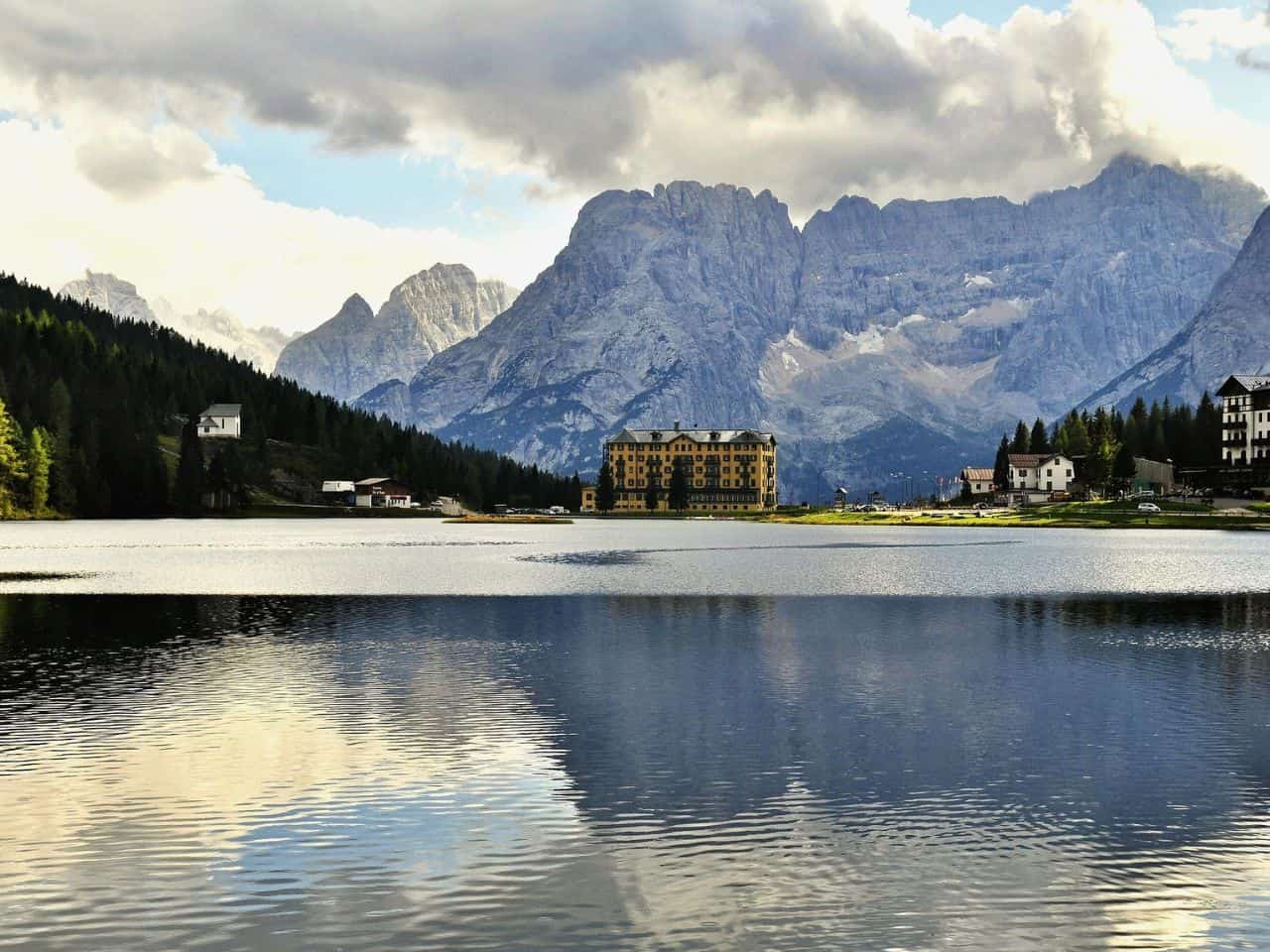
8. Lake Misurina – Italy’s Most Scenic High-Mountain Lake

scenic view features Lake Misurina in the Italian Dolomites

Why It Ranks

Lake Misurina ranks among Italy’s best lakes for one reason: it delivers some of the most dramatic mountain scenery in the Dolomites.

Unlike the larger Italian lakes, the focus here isn’t on waterfront towns or lakeside life. It’s about standing beneath towering peaks, watching perfect reflections across the water, and experiencing the scale of the surrounding landscape.

The lake also serves as one of the main gateways to Tre Cime di Lavaredo, making it an ideal base for hikers, photographers, and road-trippers exploring the Dolomites.

While it doesn’t offer the variety of Lake Garda or the elegance of Lake Como, few places in Italy combine accessibility and alpine scenery as effortlessly as Lake Misurina.

What Makes It Unique

Lake Misurina is often called the “Pearl of the Dolomites.”

The reason becomes obvious the moment visitors arrive.

The lake sits at an elevation of approximately 1,754 meters (5,755 feet), surrounded by dramatic mountain peaks that create stunning reflections across the water.

Lake Misurina acts as a gateway to a broader alpine landscape.

From the shoreline, you can enjoy views of:

  • Tre Cime di Lavaredo
  • Cadini di Misurina
  • Sorapiss mountain group
  • Surrounding Dolomite peaks

The atmosphere feels more open and expansive than many other mountain lakes.

During calm weather, the reflections create some of the most iconic photography opportunities in northern Italy.

The combination of accessibility and scenery makes Lake Misurina one of the easiest ways to experience the grandeur of the Dolomites.

Things to do in Lake Misurina

  • Walking around Lake Misurina
  • Photographing mountain reflections
  • Visiting Tre Cime di Lavaredo
  • Exploring Cadini di Misurina viewpoints
  • Hiking nearby Dolomite trails
  • Watching sunrise over the peaks
  • Taking scenic mountain drives
  • Visiting Lake Antorno nearby
  • Experiencing autumn colors
  • Enjoying winter snow-covered landscapes
  • Dining with panoramic mountain views
  • Exploring the broader Cortina d’Ampezzo region

Food You Should Try

  • Speck (cured ham)
  • Knödel (dumplings)
  • Polenta
  • Alpine cheeses
  • Goulash-style mountain stews
  • Apple strudel
  • Homemade pastries
  • Regional mountain wines

Best For

Photographers, hikers, nature lovers, Dolomites travelers.

Avoid If

You want lively towns, nightlife, or extensive lakeside activities.

Ideal Stay Length

1–2 days

Best enjoyed alongside nearby Dolomite attractions and hiking routes.

Budget Reality

Budget: $100–160/day
Mid-Range: $160–280/day
Luxury: $280–600+/day

Value Verdict: Similar to Lake Braies, overall costs are tied more to your Dolomites travel plans than the lake itself.

Logistics Snapshot

Nearest Airports:

  • Venice Airport
  • Innsbruck Airport
  • Verona Airport

Driving: The most practical way to visit.

Public Transport: Available seasonally but less flexible than driving.

Walkability: Excellent around the lake itself.

Important Note: Mountain weather can change rapidly. Conditions should always be checked before hiking or driving through higher elevations.

Parking Reality

Parking is generally easier than at Lake Braies but can still become challenging during peak summer months.

Visitors heading toward Tre Cime di Lavaredo often encounter parking restrictions and toll-road access regulations.

Arriving early is strongly recommended during July and August.

Where to Stay in Lake Misurina

  • Lake Misurina Area: Best for  Direct lake access, sunrise photography, mountain scenery
  • Cortina d’Ampezzo: Best for Luxury stays, restaurants, broader Dolomites exploration
  • Tre Cime Area: Best for Hiking-focused itineraries and outdoor adventures
  • Dobbiaco (Toblach): Best for Better accommodation variety and value

Seasonal Note

Summer is best for hiking and mountain exploration, while winter attracts visitors seeking snowy Dolomite landscapes and some of Italy’s most dramatic seasonal photography opportunities.

Common Mistake

Many visitors stop briefly for photographs and leave within thirty minutes.

This misses the true value of Lake Misurina.

The lake becomes significantly more rewarding when combined with nearby hiking trails, Tre Cime viewpoints, and sunrise or sunset photography sessions.

Spending additional time transforms it from a scenic stop into a memorable destination.

Photography Notes

Best Photo Spots
  • Eastern shoreline reflections
  • Tre Cime viewpoints
  • Cadini di Misurina viewpoints
  • Lakeside walking path
  • Elevated viewpoints above the lake
  • Winter snow conditions

Photography Tip: Sunrise offers the best chance of calm water and clear reflections. Arriving before first light dramatically improves photography opportunities and helps avoid tour-bus crowds.

Pro Tip

Most travelers visit Lake Misurina in the middle of the day while driving through the Dolomites.

Instead, stay overnight nearby and experience sunrise.

The combination of calm water, soft morning light, and surrounding mountain peaks creates one of the most spectacular photography moments anywhere in Italy and is often far more impressive than the daytime experience.

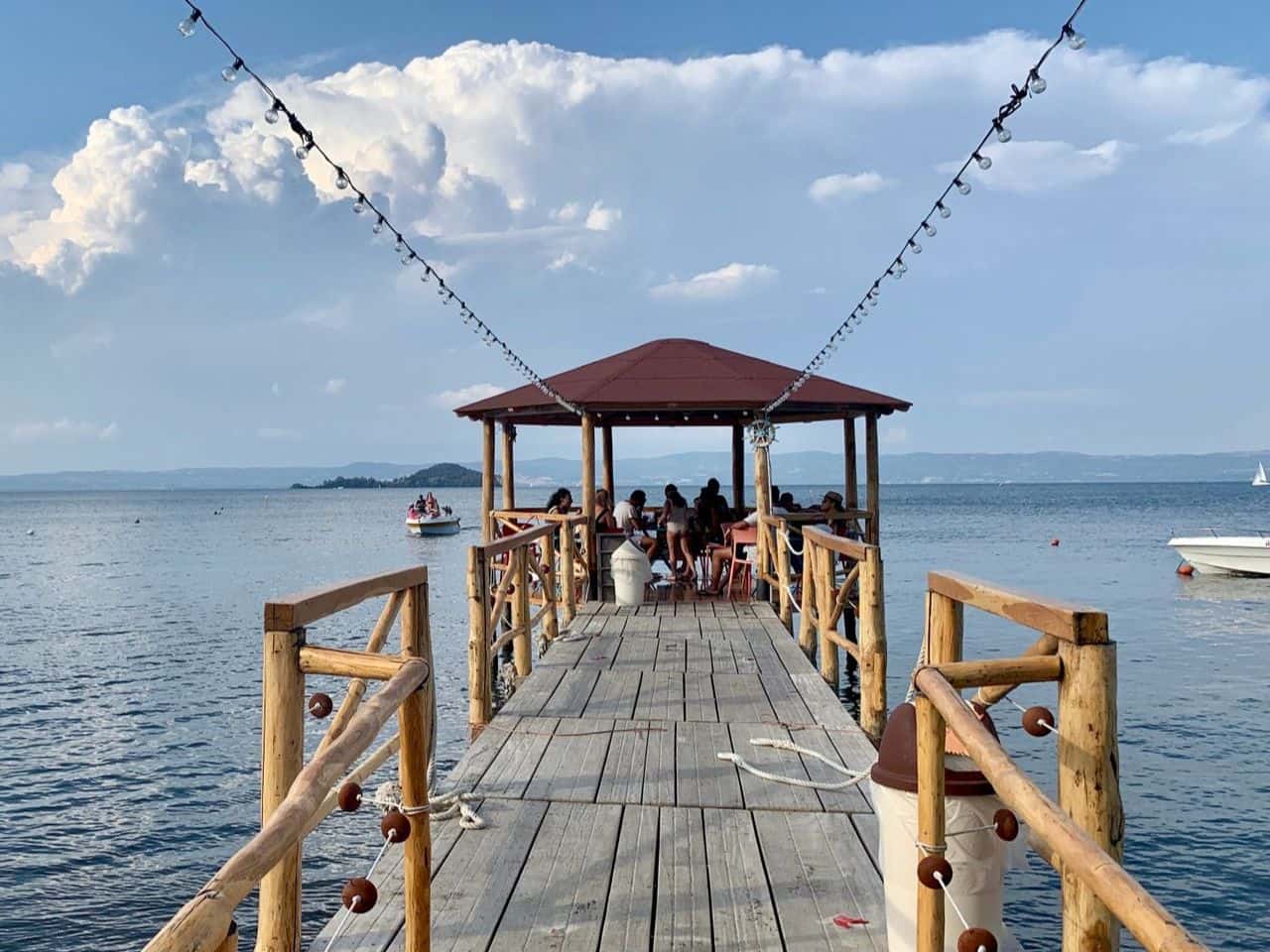
9. Lake Bolsena – Italy’s Best Quiet Lake Escape

Pathway connects to one of the best Italian Lakes - Lake Bolsena

Why It Ranks

Lake Bolsena ranks among Italy’s most underrated lakes because it offers a quieter, more authentic alternative to the country’s famous lake destinations.

Instead of luxury resorts or crowded waterfronts, you’ll find peaceful medieval towns, scenic lakeside walks, clean freshwater beaches, and a relaxed pace that encourages you to slow down.

Formed inside an ancient volcanic crater, the lake combines natural beauty with local character, making it an excellent choice for couples, road-trippers, and travelers looking to experience a less commercial side of Italy.

If you’re searching for scenery, authenticity, and good value without the crowds, Lake Bolsena is one of Italy’s best-kept secrets.

What Makes It Unique

Lake Bolsena is the largest volcanic lake in Europe.

Unlike the dramatic Alpine lakes of northern Italy, the appeal here comes from gentle hills, historic villages, calm waters, and a relaxed atmosphere.

The lake was formed thousands of years ago inside an ancient volcanic crater, creating a broad and remarkably clean body of water.

The surrounding region feels authentically Italian.

Small medieval towns overlook the shoreline, local restaurants focus on regional cuisine, and tourism remains secondary to everyday life.

The two islands located within the lake add another layer of interest, while the nearby historic towns provide cultural depth beyond the waterfront.

The result is a destination that feels less commercial and more connected to local traditions than many better-known Italian lakes.

Things to do in Lake Bolsena

  • Exploring Bolsena town
  • Walking the lakeside promenade
  • Visiting Rocca Monaldeschi della Cervara
  • Taking boat trips on the lake
  • Swimming in the clear waters
  • Exploring Capodimonte village
  • Visiting Montefiascone viewpoints
  • Discovering medieval lakeside towns
  • Enjoying waterfront dining
  • Watching sunset across the lake
  • Exploring nearby wine regions
  • Taking scenic drives around the shoreline

Food You Should Try

  • Coregone (whitefish)
  • Fresh lake fish dishes
  • Handmade pasta
  • Porchetta
  • Olive oil specialties
  • Local sheep’s cheeses
  • Regional Lazio wines
  • Traditional Italian desserts

Best For

Families, slow travelers, swimmers, budget-conscious visitors.

Avoid If

You’re looking for luxury resorts, iconic landmarks, or major tourist attractions.

Ideal Stay Length

2–3 days

Provides enough time to enjoy beaches, villages, and local food culture.

Budget Reality

Budget: $80–140/day
Mid-Range: $140–240/day
Luxury: $240–500+/day

Value Verdict: One of the most affordable lakes in Italy while still offering rewarding scenery and local character.

Logistics Snapshot

Nearest Airports:

  • Rome Fiumicino Airport
  • Rome Ciampino Airport
  • Florence Airport

Driving: The most practical option.

Train Access: Possible via nearby stations, though less convenient than driving.

Boat Access: Seasonal excursions available.

Walkability: Good within lakeside towns.

Important Note: Public transportation exists but is limited compared with northern Italy’s major lake destinations.

A car significantly improves flexibility.

Parking Reality

Parking is generally straightforward and considerably less stressful than at Lake Como or Garda.

Most towns provide affordable parking close to waterfront areas.

Even during summer, finding parking is usually manageable compared with Italy’s more famous lake destinations.

Where to Stay in Lake Bolsena

  • Bolsena: Best for First-time visitors, dining, waterfront atmosphere, convenience
  • Capodimonte: Best for Quiet lakeside stays, relaxation, authentic local experience
  • Montefiascone: Best for Panoramic views, wine tourism, cultural exploration
  • Southern Shore Villages: Best for Budget-friendly stays and fewer crowds

Seasonal Note

Summer is ideal for swimming, lakeside dining, and beach activities, while September often delivers warm water, pleasant temperatures, and a noticeably quieter atmosphere.

Common Mistake

Many travelers completely overlook Lake Bolsena while driving between Rome, Tuscany, and Umbria.

As a result, they miss one of central Italy’s most rewarding lakeside destinations.

Others stop only briefly and fail to explore the surrounding villages and viewpoints that give the lake much of its character.

Lake Bolsena works best when experienced slowly.

Photography Notes

Best Photo Spots
  • Bolsena waterfront promenade
  • Montefiascone viewpoints
  • Capodimonte harbor
  • Lakeside sunset locations
  • Elevated viewpoints overlooking the volcanic basin

Photography Tip: Montefiascone offers some of the best elevated views of the entire lake. Visiting during golden hour creates excellent opportunities to capture both the volcanic landscape and the surrounding countryside.

Pro Tip

Most visitors stay only near the waterfront.

Instead, spend part of your trip exploring Montefiascone.

The hilltop town provides spectacular panoramic views over the lake and gives travelers a much better understanding of the lake’s volcanic origins.

Combining the lakeshore with the surrounding hills creates a far more complete Lake Bolsena experience.

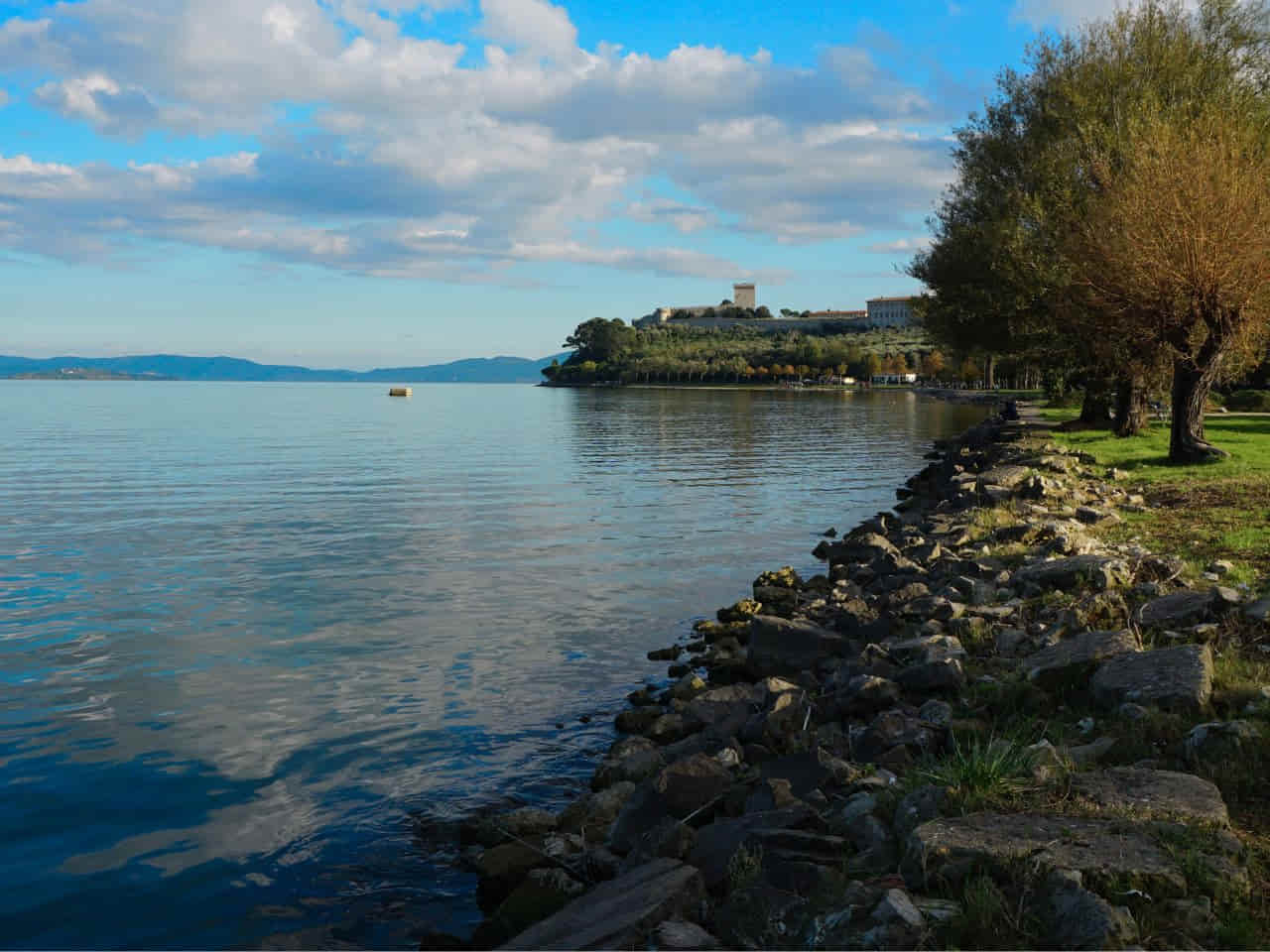
10. Lake Trasimeno – Italy’s Best Lake for Slow Travel and Cultural Exploration

Why It Ranks

Lake Trasimeno is one of central Italy’s most peaceful lake destinations, offering a slower pace, scenic countryside, and authentic local experiences away from the country’s busiest tourist routes.

Surrounded by medieval hill towns, olive groves, and vineyards, the lake combines lakeside relaxation with the charm of nearby Umbria and Tuscany.

You can explore historic villages, take a ferry to the lake’s islands, enjoy long lunches featuring regional cuisine, or simply spend time soaking in the quiet scenery.

Rather than relying on famous landmarks, Lake Trasimeno rewards travelers through its atmosphere. 

For couples, slow travelers, food lovers, and anyone seeking a more authentic side of Italy, it offers one of the country’s most relaxing lake escapes.

What Makes It Unique

Lake Trasimeno is Italy’s fourth-largest lake and one of the country’s most historically significant.

It is best known internationally as the site of the famous Battle of Lake Trasimene, where Hannibal defeated Roman forces in 217 BC during the Second Punic War.

Today, however, the lake feels peaceful and unhurried. Instead of dramatic mountain peaks or glamorous waterfront resorts, the surroundings are defined by medieval villages, vineyards, olive groves, and peaceful countryside that invite slower exploration. 

Ferries connect the lake’s islands, while cycling routes, walking trails, and waterfront towns encourage visitors to experience the region at a relaxed pace. 

The combination of authentic local life, beautiful countryside, and unhurried atmosphere makes Lake Trasimeno one of Italy’s most rewarding hidden gems.

Things to do in Lake Trasimeno

  • Exploring Castiglione del Lago
  • Visiting Isola Maggiore
  • Taking a lake ferry
  • Walking medieval town walls
  • Cycling around sections of the lake
  • Visiting local wineries
  • Exploring Passignano sul Trasimeno
  • Enjoying lakeside sunsets
  • Discovering historic villages
  • Taking countryside drives
  • Exploring local food markets
  • Visiting historical battle-related sites
Food You Should Try
  • Fresh lake fish
  • Handmade Umbrian pasta
  • Truffles
  • Porchetta
  • Wild boar specialties
  • Olive oil from Umbria
  • Pecorino cheese
  • Regional red wines

Best For

Cyclists, history lovers, slow travelers, authentic Italy seekers.

Avoid If

You’re seeking dramatic mountain scenery or luxury lakefront resorts.

Ideal Stay Length

2–4 days

Ideal for exploring multiple lakeside towns and the surrounding countryside.

Budget Reality

Budget: $80–140/day
Mid-Range: $140–240/day
Luxury: $240–500+/day

Value Verdict: Excellent value for travelers looking for authentic experiences without major tourist pricing.

Logistics Snapshot

Nearest Airports:

  • Perugia Airport
  • Florence Airport
  • Rome Fiumicino Airport

Train Access: Good rail connections to several lakeside towns.

Driving: Highly recommended for exploring the surrounding countryside.

Boat Access: Seasonal ferry services connect key areas and islands.

Walkability: Excellent within historic towns.

Important Note: A car is not essential but significantly improves access to vineyards, villages, and countryside attractions.

Parking Reality

Parking is generally straightforward and affordable throughout the region.

Unlike northern Italy’s major lakes, visitors rarely encounter severe parking shortages.

Most historic towns provide convenient public parking within walking distance of major attractions.

Where to Stay in Lake Trasimeno

  • Castiglione del Lago: Best forFirst-time visitors, history, restaurants, lake views
  • Passignano sul Trasimeno: Best for Waterfront atmosphere, ferry access, walkability
  • Tuoro sul Trasimeno: Best for Historical interest and quieter surroundings
  • Umbrian Countryside: Best for Agriturismos, wine experiences, scenic relaxation

Seasonal Note

Spring and autumn are particularly rewarding thanks to mild weather, seasonal festivals, and excellent cycling conditions throughout the surrounding countryside and lakeside towns.

Common Mistake

Many visitors treat Lake Trasimeno as merely a stop between Tuscany and Umbria.

As a result, they miss the region’s strongest experiences.

The lake works best when travelers spend at least one overnight stay, allowing time to explore both the shoreline towns and the surrounding countryside.

Rushing through significantly reduces the destination’s appeal.

Photography Notes

Best Photo Spots
  • Castiglione del Lago town walls
  • Isola Maggiore
  • Passignano waterfront
  • Countryside viewpoints above the lake
  • Sunset locations along the western shore

Photography Tip: Castiglione del Lago offers the strongest photography opportunities around the lake. The elevated historic center provides panoramic views that showcase both the lake and the surrounding Umbrian countryside.

Pro Tip

Most visitors focus entirely on the lakeshore.

Instead, combine Lake Trasimeno with nearby Umbrian hill towns and wineries.

The region’s greatest strength is the combination of lake scenery, countryside landscapes, food culture, and medieval villages.

Experiencing all four creates a much richer trip than simply staying beside the water.

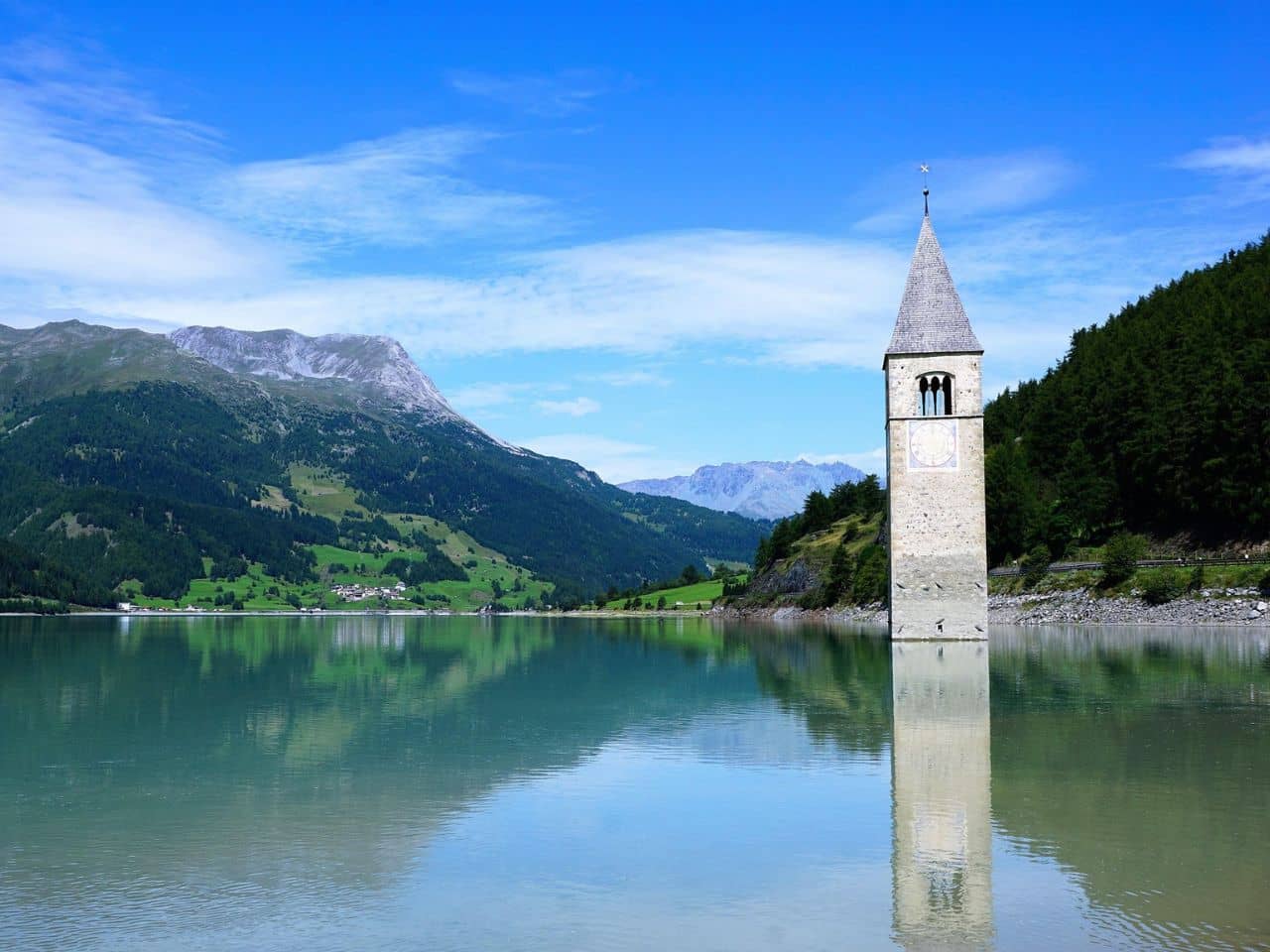
11. Lake Resia – Italy’s Most Unique and Most Photographed Lake Landmark

image features the 14th-century bell tower rising from the waters of Lake Resia

Why It Ranks

Lake Resia ranks among Italy’s most distinctive lakes because it offers a landscape unlike anywhere else in the country.

Rather than famous waterfront towns or luxury resorts, visitors come here for one unforgettable sight: the 14th-century church tower emerging from the middle of the lake. It creates one of Italy’s most recognizable and photographed landscapes.

But Lake Resia is more than a quick photo stop. Set against the backdrop of the Alps, it combines scenic cycling routes, hiking trails, winter sports, and peaceful mountain scenery with a story that gives the landscape unusual depth.

For travelers looking beyond Italy’s classic lake destinations, Lake Resia delivers an experience that is both visually striking and genuinely different.

What Makes It Unique

Most Italian lakes are remembered for their scenery.

Lake Resia is remembered for its story.

The lake was created in 1950 when a hydroelectric project flooded the original village of Curon, leaving only the historic church bell tower standing above the water. Today, that solitary landmark has become one of Italy’s most iconic sights.

The surrounding Alpine landscape adds to the experience, with mountain views, cycling routes, hiking trails, and winter activities making the lake worth visiting throughout the year.

What makes Lake Resia memorable isn’t just the scenery – it’s the rare combination of natural beauty, history, and symbolism. Few places in Italy leave such a lasting impression with a single view.

Things to do in Lake Resia

  • Photographing the submerged church tower
  • Walking along the lakeside promenade
  • Cycling the Lake Resia loop trail
  • Exploring Curon Venosta
  • Visiting local museums
  • Hiking surrounding Alpine trails
  • Enjoying panoramic viewpoints
  • Learning about the flooded village history
  • Visiting nearby South Tyrolean villages
  • Experiencing winter snow landscapes
  • Cross-country skiing in winter
  • Driving scenic Alpine routes

Food You Should Try

  • Traditional South Tyrolean desserts.
  • Speck (South Tyrolean cured ham)
  • Knödel (dumplings)
  • Alpine cheeses
  • Apple strudel
  • Mountain stews
  • Homemade pasta
  • Local wines

Best For

Photographers, road trippers, hikers, South Tyrol explorers.

Avoid If

You want ferry networks, lakeside resort towns, or extensive lake activities.

Ideal Stay Length

1–2 days

Most visitors combine it with a broader South Tyrol or Dolomites itinerary.

Budget Reality

Budget: $100–160/day
Mid-Range: $160–280/day
Luxury: $280–650+/day

Value Verdict: Fairly priced by Alpine standards, particularly when combined with a broader South Tyrol itinerary.

Logistics Snapshot

Nearest Airports:

  • Innsbruck Airport
  • Verona Airport
  • Bolzano Airport (limited services)

Driving: The most practical way to visit.

Train Access: Possible through nearby regional connections, though less convenient than driving.

Cycling Infrastructure: Excellent.

Walkability: Good around the lakefront areas.

Important Note: Lake Resia is best experienced as part of a South Tyrol road trip rather than as a standalone destination.

Parking Reality

Parking is generally straightforward.

Most viewpoints, cycling access points, and lakeside attractions provide nearby parking facilities. Even during summer, parking remains considerably easier than at Lake Braies or Lake Como.

Where to Stay in Lake Resia

  • Curon Venosta (Graun im Vinschgau): Best for Direct access to the lake and church tower
  • Resia Village: Best for Outdoor activities and Alpine atmosphere
  • South Tyrol Countryside: Best for Scenic stays and quieter experiences
  • Nearby Mountain Resorts: Best for Hiking, skiing, and longer outdoor-focused trips

Seasonal Note

Winter creates one of the lake’s most iconic sights when snow surrounds the famous submerged bell tower. Summer, meanwhile, offers excellent conditions for hiking, cycling, and scenic drives through South Tyrol.

Common Mistake

Many travelers stop for a quick photograph of the bell tower and immediately leave.

Doing so misses much of what makes the area worthwhile.

The surrounding mountains, cycling routes, hiking trails, and local history provide far more depth than the famous landmark alone.

Lake Resia is most rewarding when visitors spend enough time to explore beyond the shoreline.

Photography Notes

Best Photo Spots
  • Submerged church tower
  • Elevated viewpoints above the lake
  • Lakeside cycling paths
  • Mountain overlooks
  • Northern shoreline panoramas

Photography Tip: Arrive before sunrise if possible. The combination of soft morning light, calm water, and the solitary church tower creates some of the strongest landscape photography opportunities anywhere in Italy.

Pro Tip

Most visitors photograph the church tower from the closest viewing platform.

Instead, walk farther along the lakeshore and explore elevated viewpoints above the lake.

These locations reveal the full scale of the surrounding mountains and create far more dramatic images than the standard tourist perspective.

The tower may be the symbol of Lake Resia, but the surrounding landscape is what makes the destination truly memorable.

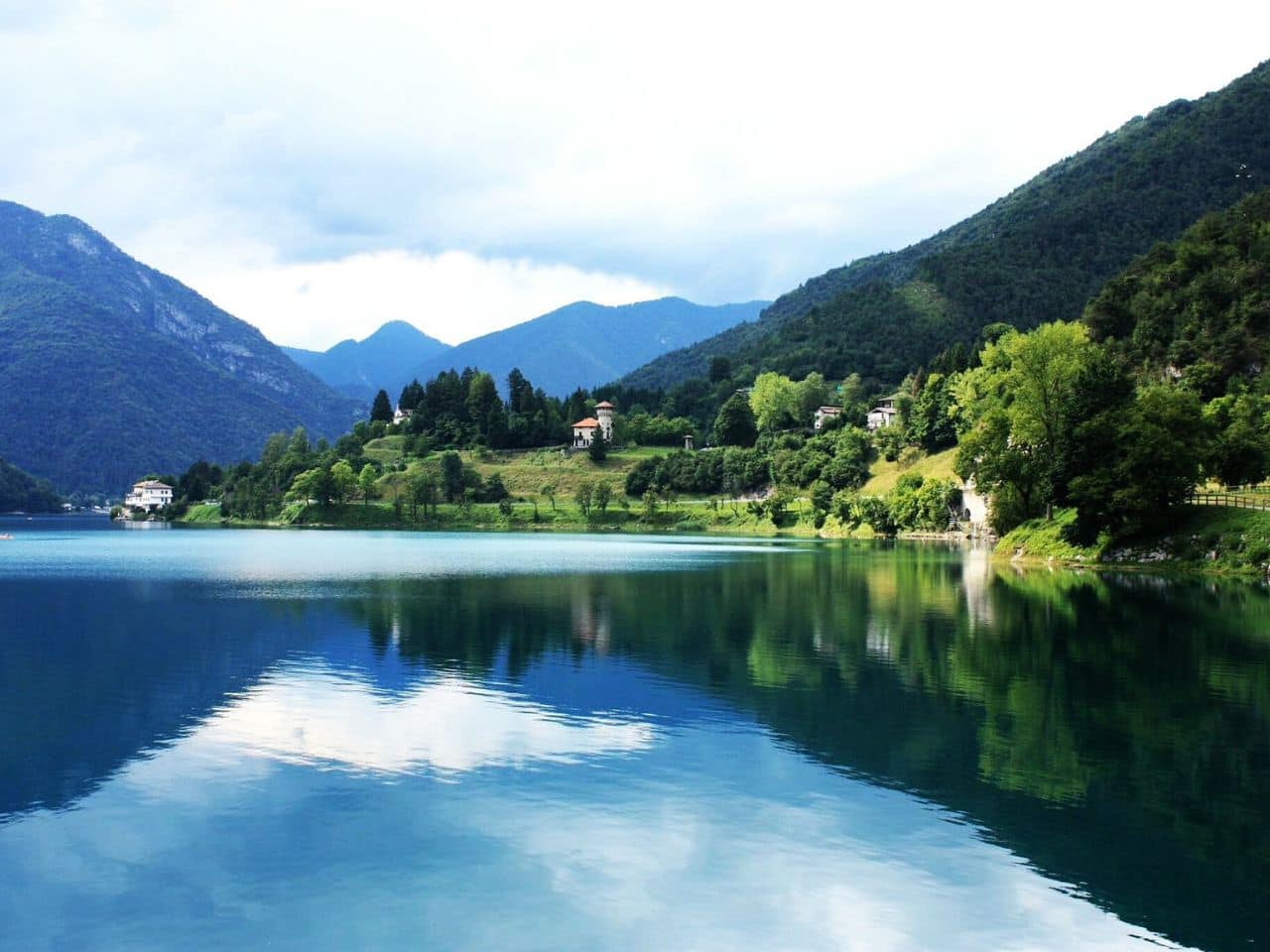
12. Lake Ledro – Italy’s Best Off-the-Beaten-Path Alpine Lake

stunning view of Lake Ledro

Why It Ranks 

Lake Ledro is one of Italy’s best-kept secrets for travelers seeking mountain scenery without the crowds of the country’s better-known lakes. Surrounded by forested peaks and crystal-clear water, it offers a slower, more nature-focused experience where swimming, hiking, cycling, and lakeside relaxation take center stage.

Unlike larger lake destinations that revolve around busy waterfront towns or luxury resorts, Lake Ledro feels peaceful and unhurried. Days are spent walking scenic trails, paddling across calm water, or enjoying quiet lakeside villages surrounded by the Alps.

For travelers who value nature, outdoor activities, and a genuinely relaxing atmosphere, Lake Ledro offers one of northern Italy’s most rewarding hidden escapes.

What Makes It Unique

Lake Ledro combines Alpine scenery with remarkable tranquility.

The lake is known for exceptionally clear water, forest-covered mountains, and small villages that retain an authentic local atmosphere, creating a destination that feels far removed from Italy’s busiest tourist routes.

Its most unexpected highlight lies beneath the surface. Archaeological discoveries revealed Bronze Age pile dwellings dating back thousands of years, and reconstructed stilt houses now offer a fascinating glimpse into prehistoric life on the lake.

The combination of pristine nature, outdoor adventure, and ancient history gives Lake Ledro a character unlike any other lake in Italy.

Things to do in Lake Ledro

  • Swimming in Lake Ledro
  • Walking the lakeside trails
  • Visiting the Pile Dwelling Museum
  • Hiking surrounding mountain routes
  • Cycling scenic valley roads
  • Kayaking and paddleboarding
  • Exploring small lakeside villages
  • Relaxing on lakeside beaches
  • Photographing mountain reflections
  • Visiting nearby Lake Garda
  • Enjoying outdoor picnics
  • Exploring the Ledro Valley

Food You Should Try

  • Freshwater fish dishes
  • Polenta
  • Mountain cheeses
  • Handmade pasta
  • Speck
  • Local honey
  • Apple desserts
  • Regional Trentino wines

Best For

Outdoor enthusiasts, swimmers, families, hidden-gem seekers.

Avoid If

You’re looking for luxury accommodations, nightlife, or major tourist attractions.

Ideal Stay Length

1–3 days

Perfect for a relaxed outdoor-focused getaway away from larger crowds.

Budget Reality

Budget: $90–150/day
Mid-Range: $150–260/day
Luxury: $260–550+/day

Value Verdict: A hidden gem that delivers excellent scenery and outdoor activities at a lower cost than nearby Lake Garda.

Logistics Snapshot

Nearest Airports:

  • Verona Airport
  • Bergamo Airport
  • Venice Airport

Driving: The easiest and most practical option.

Public Transport: Available but more limited than at larger lakes.

Walkability: Good around village centers and lakeside areas.

Important Note: Many visitors combine Lake Ledro with Lake Garda, creating an excellent balance between famous attractions and quieter experiences.

Parking Reality

Parking is generally easy and affordable.

Most lakeside villages provide convenient public parking close to beaches, trails, and major attractions. Even during peak summer months, you can typically find parking without significant difficulty.

Where to Stay in Lake Ledro

  • Pieve di Ledro: Best for First-time visitors, restaurants, convenience, lake access
  • Molina di Ledro:Best for Archaeological sites, quieter atmosphere, cultural interest
  • Pur Village Area:Best for Relaxation, scenic views, lakeside stays
  • Ledro Valley Countryside: Best for Nature lovers, hiking access, peaceful retreats

Seasonal Note

Late spring through early autumn is ideal for swimming and outdoor activities. Unlike many famous Italian lakes, even peak summer remains relatively relaxed, making it a great warm-weather escape without overwhelming crowds.

Common Mistake

Many travelers treat Lake Ledro as a quick stop on the way to or from Lake Garda.

That approach misses what makes the lake special. Lake Ledro is best experienced at a slower pace – stay overnight, swim in its crystal-clear water, explore the lakeside trails, and enjoy the peaceful atmosphere after the day-trippers leave.

Photography Notes

Best Photo Spots
  • Pieve di Ledro waterfront
  • Lakeside walking paths
  • Mountain viewpoints above the lake
  • Forest-lined shorelines
  • Early morning reflection locations

Photography Tip:  The best photographs often come from the hiking trails above the lake rather than the shoreline itself.

Elevated viewpoints reveal the full scale of the lake surrounded by forests and mountains, creating images that most visitors never capture.

Pro Tip

Most travelers choose either Lake Garda or Lake Ledro.

The smarter strategy is to experience both.

Spend time exploring Lake Garda’s famous towns, then stay overnight at Lake Ledro for a completely different atmosphere.

The contrast between the two destinations highlights why Lake Ledro remains one of Italy’s most rewarding hidden gems despite being located just a short drive away from one of Europe’s most famous lakes.

Best Italian Lakes by Travel Style (Quick Recommendation)

If you’re still unsure, start here:

  • Best Italian Lakes for Couples: Lake Como, Lake Orta, Lake Lugano
  • Best Italian Lakes for First-Time Visitors: Lake Garda, Lake Como, Lake Maggiore
  • Best Italian Lakes for Families: Lake Garda, Lake Ledro, Lake Maggiore
  • Best Italian Lakes for Hiking: Lake Braies, Lake Misurina, Lake Garda
  • Best Italian Lakes for Luxury Travel: Lake Como, Lake Lugano, Lake Maggiore
  • Best Italian Lakes for Budget Travelers: Lake Bolsena, Lake Trasimeno, Lake Ledro
  • Best Italian Lakes for Outdoor Adventure: Lake Garda, Lake Ledro, Lake Iseo
  • Best Hidden-Gem Italian Lakes: Lake Orta, Lake Ledro, Lake Iseo
  • Best Italian Lakes for Road Trips: Lake Garda, Lake Resia, Lake Misurina
  • Best Italian Lakes for Swimming: Lake Garda, Lake Ledro, Lake Bolsena
  • Best Italian Lakes for Peace & Quiet: Lake Orta, Lake Bolsena, Lake Trasimeno
  • Best Italian Lakes for Mountain Scenery & Photography: Lake Braies, Lake Misurina, Lake Resia

FAQs

  1. Which Italian lake is best overall?

    For most travelers, Lake Garda is the best all-around choice because it combines beautiful scenery, outdoor activities, family-friendly attractions, charming towns, and strong transportation connections. Lake Como remains the best option for luxury, romance, and iconic lake scenery.

  2. What is the most beautiful lake in Italy?

    Lake Como is often considered the most beautiful lake in Italy due to its dramatic mountain backdrop, elegant villas, and picturesque lakeside towns. Travelers seeking alpine scenery may prefer Lake Braies or Lake Misurina, while those looking for tranquility often favor Lake Orta.

  3. What is the best time to visit the Italian Lakes?

    The best time to visit is typically from April to June and September to October. These months offer pleasant temperatures, lower crowd levels, excellent photography conditions, and better overall value compared with the peak summer season.

  4. Do I need a car to visit the Italian Lakes?

    Not always. Lake Como, Lake Garda, and Lake Maggiore can be explored effectively using trains, ferries, and local transportation. A car becomes more useful when visiting smaller lakes, rural accommodations, or multiple destinations during the same trip.

  5. Lake Como or Lake Garda: which is better?

    Lake Como is better for couples, luxury travelers, and visitors seeking a classic Italian lake experience. Lake Garda is better for families, outdoor enthusiasts, road trips, and travelers wanting a wider range of activities and accommodation options.

  6. Which Italian lake is best for avoiding crowds?

    Lake Orta, Lake Bolsena, and Lake Ledro are among the best options for travelers seeking a quieter experience. These lakes offer beautiful scenery and authentic local atmosphere without the visitor numbers found at Lake Como or Lake Garda.

  7. How many days should I spend at an Italian lake?

    Most travelers should plan for 2–4 days. Larger destinations such as Lake Garda may justify longer stays, while smaller lakes such as Braies, Resia, and Ledro are often best experienced as part of a broader regional itinerary.

Which Italian Lake Is Right for You?

The biggest mistake travelers make is choosing a lake based on photos instead of fit.

When you choose based on pace, priorities, budget, and travel style rather than popularity alone, Italy’s lakes can deliver some of the most memorable experiences in the country.

Don’t forget to check


Share and Explore

Leave a Reply

Your email address will not be published. Required fields are marked *