
Last Updated: January 16, 2026 – reflecting current travel patterns, crowd levels, pricing trends, and seasonal conditions across Italy.
Italy isn’t hard to fall in love with – what is hard is deciding where to go.
With iconic cities, dramatic coastlines, vineyard-covered countryside, islands, and mountains, most travelers end up overwhelmed before they even finalize their itinerary. And that’s usually when trips become rushed, unfocused, and disappointing.
This guide is intentionally different.
Instead of listing every beautiful place in Italy, I’ve curated 12 destinations that define the Italian experience, each chosen for a specific travel style – history, romance, beaches, nature, slow travel, or first-time visits.
I’ve spent years traveling across Italy, and one thing is clear: Italy rewards intentional choices, not packed itineraries. That’s why this list focuses on places that truly belong on a first or second trip – and explains who each destination is best for.
Use this guide to narrow your options, plan smarter, and build an Italy trip that actually fits your time, interests, and expectations.
Let’s start with the essentials.
- How to Choose the Right Places to Visit in Italy
- Best Places to Visit in Italy for History & Iconic Cities
- Best Coastal & Beach Destinations in Italy
- Where to Stay (Quick Picks)
- Best Places to Visit in Italy for Countryside & Slow Travel
- Ideal Stay Length
- Best Places in Northern Italy for Nature & Lakes
- Best Places to visit in Southern Italy
- FAQs
- And It’s a Wrap!
- My Popular Italy Travel Guide
Love this? check the seasonal guide on The Current Best Time to visit Italy And 29 Essential Italy travel tips!
How to Choose the Right Places to Visit in Italy
If you’re overwhelmed, use this simple logic:
- First trip? Rome + Florence + Venice
- Romantic escape? Tuscany + Amalfi Coast
- Beach-focused? Sardinia or Sicily
- Nature & hiking? Dolomites or Cinque Terre
- Authentic, less touristy? Umbria or Southern Italy
Italy rewards intentional travel, not rushed itineraries.
- 1. Rome – The Eternal City That Never Stops Surprising
- 2. Florence – The Heart of Art, Beauty & Renaissance Italy
- 3. Venice – A City Like Nowhere Else on Earth
- 4. Amalfi Coast – Italy at Its Most Dramatic
- 5. Cinque Terre – Five Villages, Endless Views
- 6. Sardinia – Italy’s Wild, Untamed Island
- 7. Tuscany – Rolling Hills, Wine & Timeless Villages
- 8. Umbria – A Quieter Alternative to Tuscany
- 9. Lake Como – Elegance Meets Nature
- 10. Dolomites – Italy’s Alpine Secret
- 11. Naples – Chaotic, Loud & Unforgettable
- 12. Sicily – Italy’s Most Complete Travel Destination
Best Places to Visit in Italy for History & Iconic Cities
1. Rome – The Eternal City That Never Stops Surprising
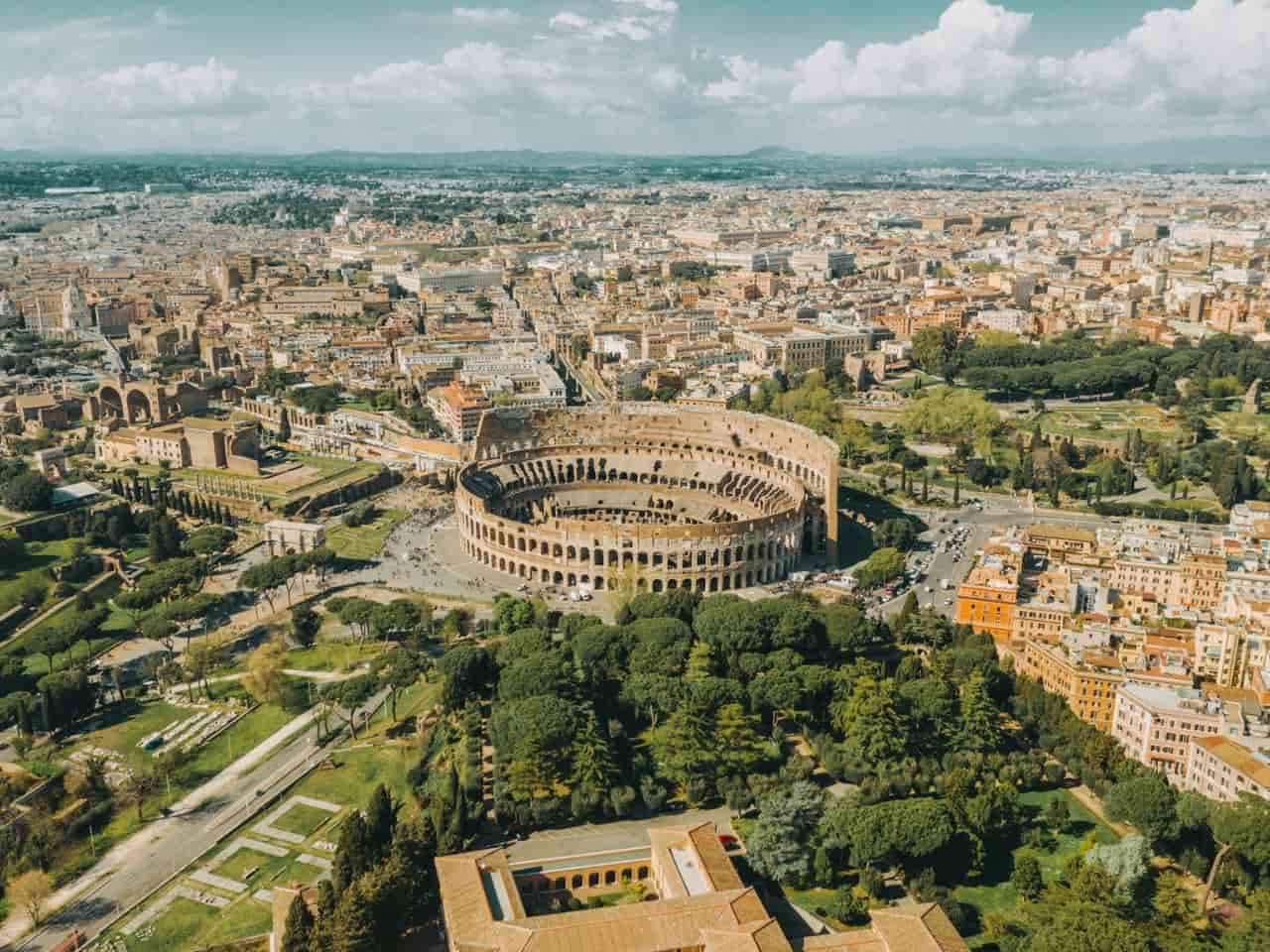
Why Visit Rome
Rome earns the top position because no destination in Italy delivers the same combination of history, culture, architecture, food, religious significance, and global recognition in a single place.
For many travelers, Italy begins with Rome.
The city serves as both the symbolic and historical heart of the country, offering an experience that spans more than two millennia. Ancient Roman ruins stand alongside Renaissance palaces, Baroque fountains, bustling piazzas, and vibrant neighborhoods that continue to shape modern Italian life.
What separates Rome from every other destination on this list is its extraordinary depth. While Venice offers romance, Florence excels in art, and the Amalfi Coast provides spectacular scenery, Rome combines elements of all three while adding a historical legacy that influenced much of the Western world.
Almost every street reveals another layer of history. A simple walk through the city can take visitors past an ancient temple, a medieval church, a Renaissance square, and a world – famous fountain within the span of a few blocks.
Rome is not always polished. It can be busy, chaotic, and overwhelming, especially for first – time visitors. Yet those imperfections are part of its identity.
If you’re seeking the most complete Italian experience, no destination offers more variety, significance, or memorable moments than Rome.
What Makes It Unique
Many cities preserve their history.
Rome lives inside its history.
Rather than separating ancient monuments into a designated district, Rome integrates centuries of civilization into everyday life. Residents pass archaeological ruins on their way to work, cafés operate beside historic churches, and modern traffic circles around structures that predate entire nations.
The city’s uniqueness comes from the coexistence of multiple eras. Ancient Rome, the Renaissance, the Baroque period, and modern Italy all overlap within the same urban landscape.
The Colosseum, Roman Forum, Pantheon, Trevi Fountain, Spanish Steps, and Vatican City are not isolated attractions. Together they form an environment where history remains visible and accessible throughout the day.
Another defining characteristic is Rome’s atmosphere.
The city feels energetic, expressive, and constantly in motion. Busy piazzas, outdoor dining, local markets, and evening walks create an experience that extends beyond sightseeing.
Rome rewards curiosity.
Some of the city’s most memorable moments happen away from major landmarks – finding a hidden courtyard, discovering a local trattoria, or stumbling across a church containing masterpieces that would be headline attractions elsewhere.
No other destination in Italy offers such a powerful combination of historical importance, cultural depth, and everyday urban life.
Things to do in Rome
- Exploring the Colosseum
- Walking through the Roman Forum and Palatine Hill
- Visiting St. Peter’s Basilica
- Touring the Vatican Museums and Sistine Chapel
- Tossing a coin into the Trevi Fountain
- Watching sunset from Pincian Terrace
- Exploring Trastevere’s streets and restaurants
- Visiting the Pantheon
- Climbing the dome of St. Peter’s Basilica
- Enjoying aperitivo in Piazza Navona
- Discovering Campo de’ Fiori and local markets
- Taking an evening walk through Rome’s illuminated historic center
Food You Should Try
Rome is one of Italy’s greatest food cities, known for dishes that rely on simple ingredients and centuries – old traditions.
Must – try specialties include:
- Cacio e Pepe
- Carbonara
- Amatriciana
- Supplì (fried rice croquettes)
- Saltimbocca alla Romana
- Artichokes Roman – style
- Tiramisu
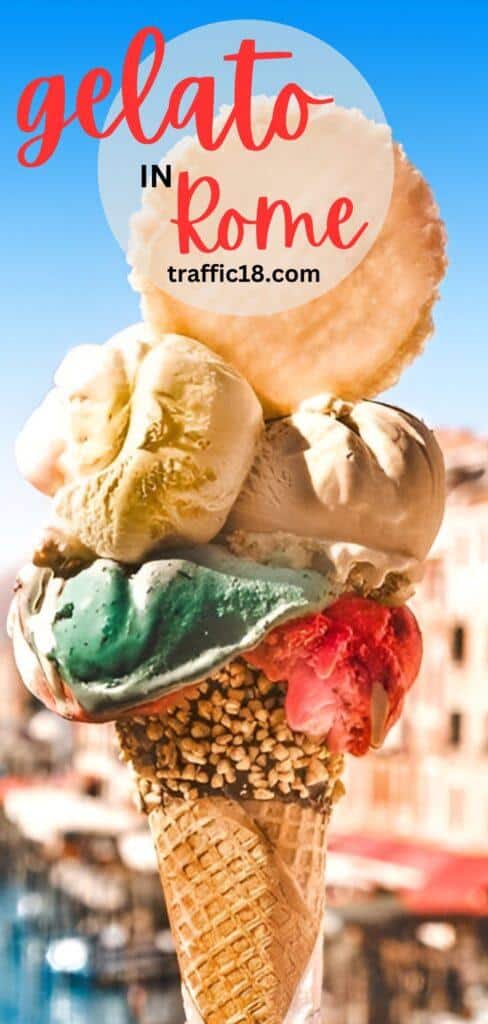
- Traditional Italian gelato
Many travelers arrive expecting pizza and pasta but leave remembering Rome’s neighborhood trattorias and local specialties that are difficult to replicate elsewhere.
Best For
- First – time visitors to Italy
- History lovers
- Culture – focused travelers
- Food enthusiasts
- Photography lovers
- Solo travelers
- Families
- Travelers seeking iconic landmarks
Avoid If
Rome may not be ideal if:
- You strongly dislike crowds
- You want a quiet beach holiday
- You prefer nature – focused travel
- You are looking primarily for luxury resort experiences
- You want a slower, small – town atmosphere
In those situations, Tuscany, Lake Como, or the Dolomites may be better suited.
Ideal Stay Length
- Minimum: 3 days
- Ideal: 4–5 days
- Three days allows visitors to experience Rome’s major highlights.
- Four to five days creates enough time to explore neighborhoods, museums, local restaurants, and lesser – known attractions without feeling rushed.
Budget Reality
Budget Traveler: $120–200/day
Mid – Range Traveler: $200–400/day
Luxury Traveler: $400–1,000+/day
Compared with southern Italian destinations such as Naples, Sicily, or Puglia, Rome is significantly more expensive, particularly around major attractions and during peak tourism seasons.
Accommodation prices increase substantially during spring, summer, and major religious events.
Logistics Snapshot
Nearest Airport:
- Leonardo da Vinci International Airport (Fiumicino)
- Ciampino Airport
Accessibility:
- Extensive metro system
- Bus and tram network
- High – speed rail connections across Italy
- Easy airport transfers
Parking Reality: Driving in central Rome is generally unnecessary and often frustrating. Parking can be expensive and limited, while many historic areas have restricted traffic zones.
Walking Difficulty: Moderate to high. Rome is highly walkable but visitors should expect long sightseeing days on cobblestone streets.
Seasonal Notes: Summer temperatures frequently exceed comfortable sightseeing levels. Spring and autumn generally offer the best balance of weather and crowd levels.
Transportation schedules and attraction entry policies should always be verified before travel.
Where to Stay (Quick Picks)
- Historic Center → Best for first – time visitors, major attractions, and walkability.
- Trastevere → Best for local atmosphere, restaurants, nightlife, and authentic character.
- Prati → Best for Vatican access, quieter streets, and upscale accommodations.
- Monti → Best for boutique hotels, trendy cafés, and proximity to the Colosseum.
- Termini Area → Best for budget – conscious travelers and transportation convenience.
Best Time to Visit
- Best Overall: April–May – Pleasant temperatures, longer daylight hours, and excellent sightseeing conditions.
- Shoulder Season: September–October – Comfortable weather, fewer crowds than summer, and excellent photography opportunities.
- Peak Summer: June–August – Expect high temperatures, larger crowds, and significantly higher accommodation costs.
Biggest Mistake Tourists Make
Many first – time visitors try to see every major attraction in two days.
Rome does not work that way.
Rushing from landmark to landmark often turns the experience into a checklist rather than an immersion in one of the world’s greatest cities.
The most memorable moments frequently happen between attractions – lingering in a piazza, discovering a neighborhood café, enjoying an evening walk, or wandering through side streets away from the crowds.
Prioritize fewer attractions and allow time to experience the city’s atmosphere.
Photography Notes
Best Light: Sunrise and sunset
Best Viewpoints:
- Pincian Terrace
- Gianicolo Hill
- St. Peter’s Basilica Dome
- Vittoriano Monument Terrace
Best Season: April–May and September–October
Photography Tip: Visit major landmarks such as the Trevi Fountain and Spanish Steps early in the morning to avoid crowds and capture cleaner compositions.
Local Pro Tip
Most visitors spend nearly all of their time around the Colosseum, Vatican, and Trevi Fountain.
Dedicate at least one evening to exploring Trastevere after sunset.
As the crowds around major landmarks fade, Rome reveals a different personality through lively piazzas, local restaurants, street musicians, and neighborhood energy that many travelers never experience.
It is often this side of Rome – not the famous monuments – that becomes the most memorable part of the trip.
If you’re a gelato lover, check out these places they serve the best gelato in Rome.
2. Florence – The Heart of Art, Beauty & Renaissance Italy
Why Visit Florence
Florence ranks among the very best places to visit in Italy because it offers something remarkably rare: a city where extraordinary artistic achievement, architectural beauty, and everyday Italian life exist in near-perfect balance.
While Rome overwhelms visitors with scale and historical layers, Florence captivates through refinement. The city feels more intimate, more walkable, and more focused, allowing travelers to immerse themselves in world-class culture without the intensity of a major capital.
Often referred to as the birthplace of the Renaissance, Florence shaped much of the artistic, intellectual, and architectural legacy that influenced Europe for centuries. The works of Michelangelo, Leonardo da Vinci, Botticelli, Brunelleschi, and countless other masters remain woven into the fabric of the city.
Yet Florence is far more than an open-air museum.
The appeal comes from how seamlessly history integrates into daily life. Local residents shop beneath centuries-old buildings, cafés spill into historic piazzas, and sunset views unfold from bridges that have connected the city for generations.
Florence also serves as one of Italy’s strongest bases for exploring Tuscany, making it valuable for travelers who want both a cultural city experience and access to vineyards, countryside landscapes, and medieval towns.
For art lovers, architecture enthusiasts, couples, photographers, and first-time visitors seeking one of Italy’s most complete destinations, Florence consistently earns its place near the very top.
What Makes It Unique
Many cities contain great museums.
Florence feels like an entire museum.
The city is remarkably compact, allowing visitors to walk between some of the world’s most significant artistic and architectural landmarks within minutes. Unlike larger cities where attractions are spread across vast urban areas, Florence concentrates an extraordinary amount of cultural wealth into a highly walkable historic center.
Its defining feature is the Renaissance.
Almost every major square, church, palace, and museum reflects the period when Florence became one of Europe’s most influential centers of art, commerce, and innovation.
The skyline itself tells the story.
Brunelleschi’s magnificent Duomo dominates the city from nearly every angle, while the Arno River divides Florence into neighborhoods connected by historic bridges, including the iconic Ponte Vecchio.
What makes Florence especially memorable is its atmosphere.
Despite attracting millions of visitors annually, the city often feels calmer than Rome and more authentic than many heavily touristed destinations. Early mornings reveal quiet streets, artisan workshops, local bakeries, and a slower rhythm that many travelers find deeply appealing.
Florence is not about collecting landmarks.
It is about appreciating beauty, craftsmanship, and history at a pace that encourages observation rather than constant movement.
Things to do in Florence
- Visiting the Florence Cathedral (Duomo)
- Climbing Brunelleschi’s Dome
- Seeing Michelangelo’s David at the Accademia Gallery
- Exploring the Uffizi Gallery
- Walking across Ponte Vecchio at sunset
- Watching sunset from Piazzale Michelangelo
- Visiting Palazzo Pitti
- Exploring the Boboli Gardens
- Wandering Florence’s historic center
- Discovering artisan workshops in Oltrarno
- Enjoying Tuscan cuisine in local trattorias
- Taking a Tuscany day trip to Chianti, Siena, or San Gimignano
Food You Should Try
Florence offers some of the most celebrated cuisine in Tuscany, focusing on quality ingredients and simple preparation.
Must-try specialties include:
- Bistecca alla Fiorentina
- Ribollita
- Pappa al Pomodoro
- Lampredotto
- Tuscan cured meats
- Pecorino cheeses
- Handmade pasta dishes
- Tuscan wines, particularly Chianti
Florence is one of Italy’s best cities for experiencing traditional regional cuisine that remains deeply connected to local culture and agricultural traditions.
Best For
- Art lovers
- Architecture enthusiasts
- Couples
- First-time Italy visitors
- Food travelers
- Photographers
- Slow travelers
- Tuscany explorers
Avoid If
Florence may not be ideal if:
- You prefer beaches and coastal scenery
- You want nightlife-focused travel
- You dislike museums and cultural attractions
- You are looking primarily for outdoor adventure
- You prefer large modern cities
In those situations, the Amalfi Coast, Lake Como, Naples, or the Dolomites may be stronger choices.
Ideal Stay Length
- Minimum: 2 days
- Ideal: 3–4 days
- Two days allows visitors to experience Florence’s major highlights.
- Three to four days provides time for museums, food experiences, local neighborhoods, and day trips into the Tuscan countryside.
Budget Reality
Budget Traveler: $120–200/day
Mid-Range Traveler: $200–400/day
Luxury Traveler: $400–900+/day
Compared with Rome, Florence is often slightly more affordable for accommodation, although prices can rise significantly during peak travel seasons.
Compared with smaller Tuscan towns, Florence remains one of the region’s more expensive destinations.
Logistics Snapshot
Nearest Airport:
- Florence Airport (Peretola)
- Pisa International Airport (alternative option)
Accessibility:
- Excellent rail connections
- High-speed trains from Rome, Milan, Venice, and Bologna
- Compact city center
- Strong public transportation network
Parking Reality: Driving inside Florence’s historic center is generally discouraged due to limited parking and restricted traffic zones.
Most visitors are better served by trains and walking.
Walking Difficulty: Low to moderate. Florence is one of Italy’s most walkable cities, although museum visits and sightseeing can involve substantial daily walking.
Seasonal Notes: Summer temperatures can become very warm, particularly in July and August. Museum reservations should be booked well in advance during peak seasons.
Where to Stay (Quick Picks)
- Historic Center → Best for first-time visitors, walkability, major attractions, and iconic views.
- Oltrarno → Best for authentic atmosphere, artisan workshops, and local restaurants.
- Santa Maria Novella → Best for train access, convenience, and shorter stays.
- Piazza della Signoria Area → Best for luxury stays and immediate access to major landmarks.
- Fiesole → Best for countryside views, quieter surroundings, and a more relaxed experience.
Best Time to Visit
- Best Overall: April–June – Comfortable temperatures, blooming gardens, and excellent sightseeing conditions.
- Shoulder Season: September–October – Pleasant weather, harvest season in Tuscany, and excellent photography opportunities.
- Peak Summer: July–August – Hot temperatures, larger crowds, and increased accommodation prices.
Biggest Mistake Tourists Make
Many visitors treat Florence as simply a museum city and rush through its major attractions before leaving for other destinations.
This often means missing the slower experiences that make Florence special.
The city rewards wandering.
Some of the most memorable moments happen away from ticketed attractions—discovering artisan workshops, enjoying a long Tuscan meal, crossing Ponte Vecchio at sunrise, or watching sunset from Piazzale Michelangelo.
Allow time to experience Florence beyond its famous museums.
The atmosphere is just as important as the landmarks.
Photography Notes
Best Light: Sunrise and sunset
Best Viewpoints:
- Piazzale Michelangelo
- Brunelleschi’s Dome
- Ponte Vecchio
- Fiesole viewpoints
- Arnolfo Tower
Best Season: April–June and September–October
Photography Tip: Visit Ponte Vecchio early in the morning for dramatically fewer crowds and softer lighting conditions.
Local Pro Tip
Most visitors spend all their time on the north side of the Arno River.
Cross into Oltrarno and explore the quieter neighborhoods beyond the major tourist routes.
You’ll find artisan workshops, local cafés, traditional trattorias, and a more authentic side of Florence that many visitors never experience.
For sunset, arrive at Piazzale Michelangelo at least 45 minutes early to secure a good viewing spot and watch the city gradually light up as evening approaches.
3. Venice – A City Like Nowhere Else on Earth
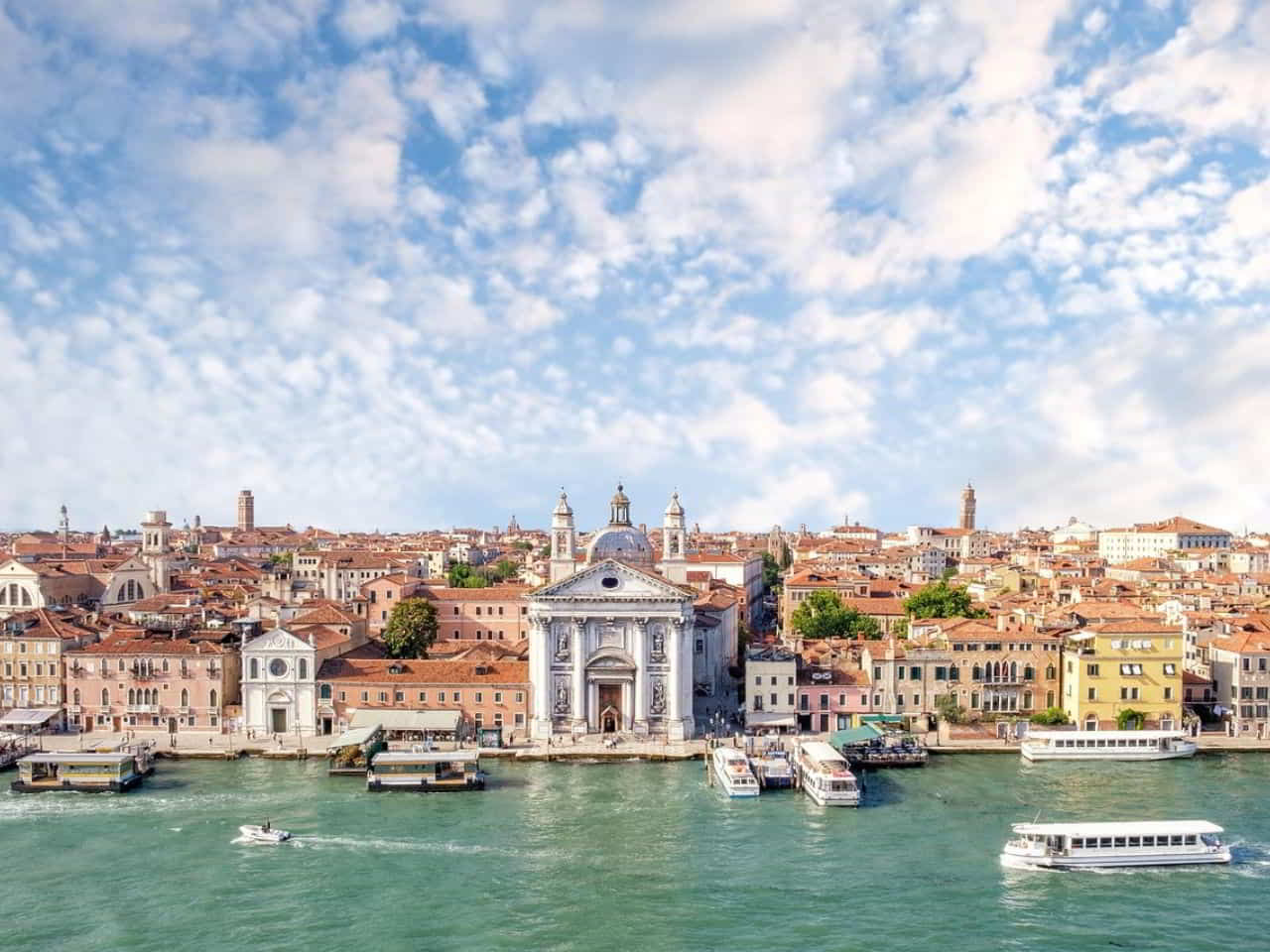
Why Visit Venice
Venice earns its place among the very best places to visit in Italy because it offers an experience that exists nowhere else on earth.
Many cities have historic centers.
Many cities have canals.
Many cities have famous landmarks.
But Venice combines all of these elements into a living city built entirely around water.
For centuries, Venice was one of Europe’s most powerful maritime republics, controlling trade routes that connected East and West. That extraordinary history remains visible today in its architecture, palaces, churches, and maze-like network of canals.
What makes Venice so memorable is that the destination itself becomes the attraction.
The experience is not limited to visiting St. Mark’s Square or taking a gondola ride.
Simply walking through the city becomes part of the adventure.
You constantly discover hidden bridges, quiet canals, tiny piazzas, historic churches, and unexpected viewpoints that never appear on standard itineraries.
While Rome impresses through scale and Florence through artistic achievement, Venice captivates through atmosphere.
It feels detached from the modern world.
Cars disappear.
Traffic noise vanishes.
Water replaces roads.
The result is a city that feels almost dreamlike.
Yes, Venice attracts large crowds and can be expensive, especially during peak season.
But for first-time visitors to Italy, it remains one of the most unforgettable destinations in the country.
What Makes It Unique
Venice is unique because it functions as a real city despite being built across more than 100 small islands connected by bridges and canals.
Unlike destinations that rely primarily on monuments, Venice creates its magic through movement and atmosphere.
The city reveals itself gradually.
One moment you’re standing in the grandeur of St. Mark’s Square.
A few minutes later you’re wandering through narrow alleyways where laundry hangs above quiet canals and locals move through their daily routines.
The relationship between water and architecture defines the entire experience.
Historic palaces rise directly from the canals.
- Boats replace cars.
- Public transportation operates on water.
- Even deliveries, taxis, and emergency services travel by boat.
The most memorable experiences often happen away from the famous landmarks.
Crossing a small bridge at sunset.
Watching gondolas glide beneath centuries-old buildings.
Finding a quiet canal where tourist crowds suddenly disappear.
Unlike Rome’s energy or Florence’s artistic focus, Venice offers immersion.
The city encourages slow exploration rather than checklist sightseeing.
That unique atmosphere is why Venice remains one of the most photographed and recognizable destinations in the world.
Things to do in Venice
- Visiting St. Mark’s Basilica
- Exploring St. Mark’s Square early in the morning
- Climbing St. Mark’s Campanile
- Walking across Rialto Bridge
- Taking a gondola ride at sunset
- Exploring the Cannaregio district
- Visiting Doge’s Palace
- Riding a vaporetto along the Grand Canal
- Discovering quiet canals away from tourist routes
- Taking a day trip to Murano and Burano
- Photographing Venice at sunrise
- Experiencing the city after day-trippers leave
Food You Should Try
Venetian cuisine differs noticeably from the food found in Rome, Florence, and southern Italy.
Must-try specialties include:
- Cicchetti (Venetian small plates)
- Sarde in Saor (sweet-and-sour sardines)
- Risotto al Nero di Seppia (squid ink risotto)
- Baccalà Mantecato (creamed cod)
- Bigoli in Salsa
- Fresh Adriatic seafood
- Tiramisu (widely associated with Veneto)
- Spritz aperitivo
One of the best dining experiences in Venice involves hopping between traditional bacari (wine bars) while sampling cicchetti alongside local wines.
Best For
- First-time visitors to Italy
- Couples
- Honeymooners
- Photographers
- Culture lovers
- Architecture enthusiasts
- Travelers seeking unique experiences
Avoid If
Venice may not be ideal if:
- You strongly dislike crowds
- You’re traveling on a very tight budget
- You prefer road-trip destinations
- You want beaches or outdoor adventure
- You dislike extensive walking
In those situations, Florence, Bologna, or Verona may provide a more comfortable experience.
Ideal Stay Length
2–3 days minimum
3–4 days ideal
This allows enough time to:
- Visit major landmarks
- Explore quieter districts
- Take a Grand Canal vaporetto ride
- Visit Murano and Burano
- Experience Venice early morning and after sunset
Many travelers underestimate Venice and regret scheduling only a day trip.
Budget Reality
Venice is one of Italy’s more expensive destinations.
Typical daily costs:
Budget Traveler: $140–220/day
Mid-Range Traveler: $220–450/day
Luxury Traveler: $450–1,000+/day
Compared with Florence, Bologna, or Naples, accommodation and dining costs are generally higher, particularly between April and October when visitor demand peaks.
Staying slightly outside the historic center can significantly reduce costs.
Logistics Snapshot
Nearest Airport: Venice Marco Polo Airport
Travel Time to Historic Center:
- 20–40 minutes depending on transport method
Accessibility:
- Excellent train connections
- International airport
- Extensive vaporetto network
- Highly walkable
Important Note: Venice involves more walking than many travelers expect.
Bridges, stairs, and uneven surfaces can make rolling luggage challenging.
Travelers with mobility concerns should research accommodations carefully.
Parking Reality
If arriving by car, understand that vehicles cannot enter Venice’s historic center.
Visitors typically park at:
- Piazzale Roma
- Tronchetto Parking Island
From there, travel continues on foot or by water transport.
Parking fees can be expensive, particularly during peak travel periods.
Where to Stay (Quick Picks)
- San Marco: Best for First – time visitors, Major landmarks, Classic Venice experience
- Cannaregio: Best for Local atmosphere, Better value accommodation, Authentic dining.
- Dorsoduro: Best for Art lovers, Quieter surroundings, Romantic atmosphere.
- Castello: Best for Fewer crowds, Local neighborhoods, Longer stays.
- Mestre: Best for Budget – conscious travelers, Easy train access, Lower accommodation rates.
Best Time to Visit
- April–June – Arguably the best overall period. Pleasant temperatures, longer daylight hours, and vibrant city life create excellent sightseeing conditions.
- September–October – Comfortable weather and slightly lower crowd levels compared with peak summer. Many travelers consider early autumn the ideal balance.
- July–August – The busiest and hottest period. Expect high accommodation prices, large crowds, and long queues at major attractions.
- November–February – Cooler temperatures and fewer visitors create a quieter atmosphere. Seasonal flooding (Acqua Alta) becomes more likely during this period.
Biggest Mistake Tourists Make
Many visitors treat Venice as a one-day destination and spend nearly all their time around St. Mark’s Square and Rialto Bridge.
This often results in experiencing only the most crowded parts of the city.
The real magic of Venice appears when you explore beyond the main tourist routes.
Districts such as Cannaregio, Dorsoduro, and Castello reveal a quieter, more authentic side that many visitors never see.
Staying overnight dramatically improves the experience because Venice becomes far more atmospheric after day-trippers leave.
Photography Notes
Best Photography Locations
- St. Mark’s Square at sunrise
- Rialto Bridge overlooking the Grand Canal
- Accademia Bridge for panoramic canal views
- Waterfront near San Giorgio Maggiore
- Quiet canals in Dorsoduro and Cannaregio
- Burano’s colorful streets
- Gondolas passing beneath smaller bridges
Photography Tip: Avoid photographing only around St. Mark’s Square. Some of Venice’s most atmospheric images come from the quieter canals of Cannaregio and Dorsoduro, where daily life unfolds away from the busiest tourist areas.
Pro Tip (Local Insight)
Wake up early and visit St. Mark’s Square shortly after sunrise.
For a brief period, one of Europe’s busiest tourist destinations becomes remarkably peaceful.
The soft morning light, empty piazza, and absence of crowds create photography opportunities and a sense of atmosphere that most visitors never experience.
Many travelers remember this simple experience more vividly than some of Venice’s most famous attractions.
And if you’re visiting in late fall or winter, pack your waterproof footwear. Venice experiences seasonal high tides known as Acqua Alta, when raised walkways are installed to help locals and visitors move around flooded areas.
Best Coastal & Beach Destinations in Italy
4. Amalfi Coast – Italy at Its Most Dramatic
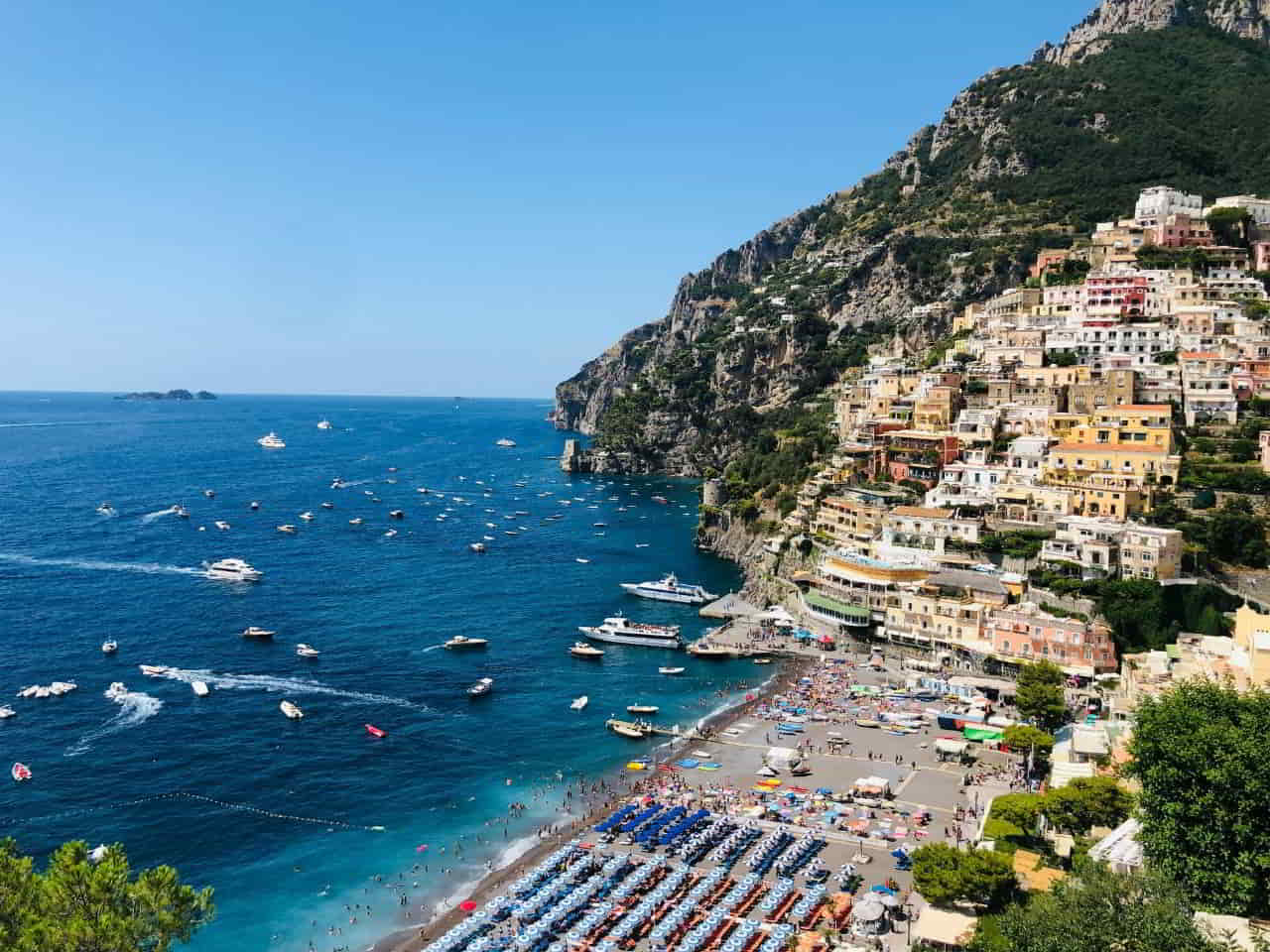
Why Visit the Amalfi Coast
The Amalfi Coast earns its place among the very best places to visit in Italy because it delivers one of the most spectacular coastal landscapes in the world.
Few destinations combine dramatic scenery, historic towns, Mediterranean culture, luxury hospitality, and unforgettable road-trip experiences at the same level.
This is the Italy that appears on postcards, travel magazines, and bucket lists.
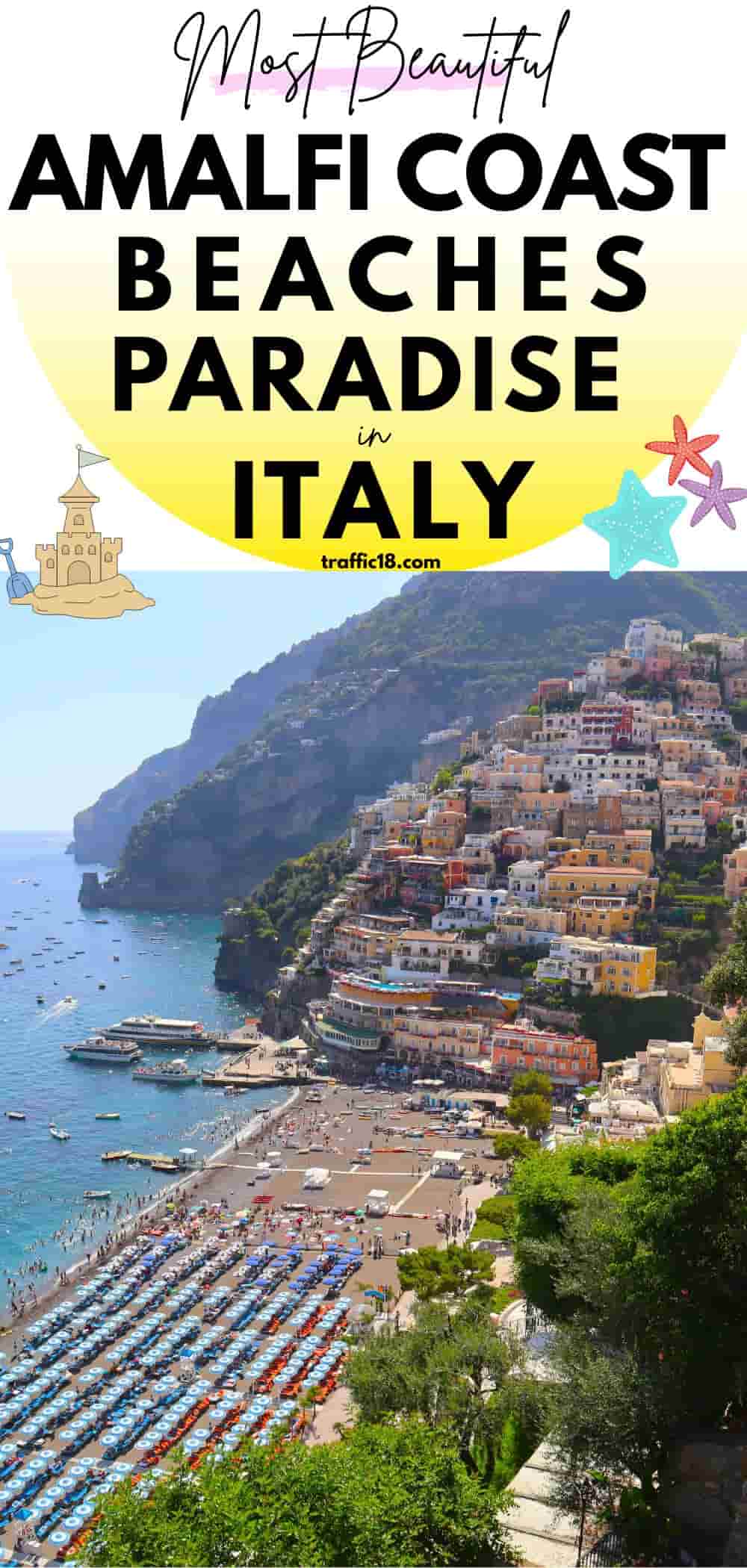
Stretching along southern Italy’s rugged coastline, the Amalfi Coast is famous for its colorful villages perched on steep cliffs above the Tyrrhenian Sea. Every curve in the road reveals another breathtaking view, while every town offers its own atmosphere and character.
What makes the region particularly special is its variety.
- Positano attracts travelers seeking iconic scenery and romance.
- Amalfi blends history with coastal charm.
- Ravello offers elevated viewpoints and elegant gardens.
- Praiano provides a quieter alternative to the larger tourist centers.
Unlike destinations that focus on a single landmark, the Amalfi Coast is an experience built around movement, exploration, and scenery.
The journey itself becomes part of the attraction.
While it can be crowded and expensive during peak season, the combination of natural beauty, atmosphere, and memorable experiences makes the Amalfi Coast one of Italy’s most rewarding destinations.
For couples, honeymooners, photographers, and first-time visitors to Italy, it consistently ranks among the country’s most unforgettable places.
What Makes It Unique
Many coastal destinations offer beaches.
Many destinations offer beautiful villages.
The Amalfi Coast stands apart because of the dramatic relationship between mountains, cliffs, and sea.
Entire towns appear to cling impossibly to steep hillsides overlooking the Mediterranean.
Roads wind between cliffs and coastal villages, creating viewpoints that constantly change throughout the journey.
The region’s identity is also shaped by centuries of maritime history, lemon cultivation, and Mediterranean culture.
Terraced hillsides covered with lemon groves rise above colorful buildings, while fishing boats and ferries connect communities along the coastline.
One of the most distinctive aspects of visiting the Amalfi Coast is how each town offers a different experience.
- Positano feels glamorous and visually iconic.
- Amalfi balances history and accessibility.
- Ravello feels elegant and peaceful above the coast.
- Praiano offers a more relaxed and authentic atmosphere.
Together, they create a destination that feels larger and more varied than a typical coastal resort area.
Unlike Venice, which captivates through uniqueness, or Florence, which impresses through culture, the Amalfi Coast succeeds through pure visual impact and atmosphere.
Few places in Europe create such a strong emotional reaction upon arrival.
Best Experiences
- Exploring Positano’s cliffside streets
- Visiting Amalfi Cathedral
- Walking through Amalfi’s historic center
- Enjoying panoramic views from Ravello
Check out more in depth Things to do on the Amalfi Coast!
Food You Should Try
The Amalfi Coast is known for fresh Mediterranean flavors and regional specialties.
Must-try dishes include:
- Scialatielli ai Frutti di Mare
- Fresh seafood pasta
- Grilled octopus
- Anchovy dishes from Cetara
- Mozzarella di Bufala
- Delizia al Limone
- Lemon sorbet
- Limoncello
- Local white wines
Lemons are a defining part of the region’s identity and appear in everything from desserts to liqueurs.
Best For
- Couples
- Honeymooners
- Luxury travelers
- Photographers
- Scenic road-trip enthusiasts
- First-time visitors to Italy
- Special occasion travel
Avoid If
The Amalfi Coast may not be ideal if:
- You’re traveling on a strict budget
- You strongly dislike crowds
- You prefer fast-paced sightseeing
- You dislike steep terrain and stairs
- You want a destination focused primarily on history or museums
In those situations, Puglia, Sicily, or parts of Tuscany may provide better value.
Ideal Stay Length
2–3 days minimum
4–5 days ideal
This allows enough time to:
- Explore Positano
- Visit Amalfi
- Experience Ravello
- Take a boat excursion
- Enjoy beach time
- Visit Capri
- Experience the coastline without rushing
Many travelers regret trying to see the Amalfi Coast as a day trip from Naples.
Budget Reality
The Amalfi Coast is among Italy’s most expensive destinations.
Typical daily costs:
Budget Traveler: $180–300/day
Mid-Range Traveler: $300–600/day
Luxury Traveler: $600–1,500+/day
Compared with Rome, Florence, Naples, or Sicily, accommodation prices are significantly higher, particularly between May and October when demand peaks.
Positano is typically the most expensive town in the region.
Logistics Snapshot
Nearest Airport: Naples International Airport
Travel Time:
- Naples to Positano: 1.5–2 hours
- Naples to Amalfi: 1.5–2 hours
Accessibility:
- Ferry connections
- Regional buses
- Private transfers
- Organized tours
Parking Reality
Parking is one of the biggest challenges on the Amalfi Coast.
During peak season:
- Spaces are limited
- Parking fees are expensive
- Roads become heavily congested
Many experienced travelers avoid driving altogether and rely on ferries, buses, and private transfers.
For most visitors, ferry transportation provides the most enjoyable and stress-free experience.
Where to Stay (Quick Picks)
- Positano: Best for first – time visitors, Romance, Luxury stays, Iconic scenery.
- Amalfi Town: Best for Central location. Easier transportation, Historic atmosphere.
- Ravello: Best for Panaramic views, Luxury hotels, Peaceful surroundings.
- Minori & Maiori: Best for families, Budget – conscious travelers, Easier beach access.
- Praiano: Best for Fewer crowds, Better value, Relaxed atmosphere.
Best Time to Visit
- May–June: Arguably the best overall period. Warm weather, blooming landscapes, and manageable crowd levels create ideal conditions for sightseeing and photography.
- September: Many experienced travelers consider September the sweet spot. Sea temperatures remain warm while visitor numbers begin to decline.
- July–August: The busiest and most expensive period. Expect crowded towns, packed ferries, heavy traffic, and premium hotel pricing.
- October: Excellent conditions for sightseeing with fewer visitors and pleasant temperatures.
Biggest Mistake Tourists Make
Many visitors try to see Positano, Amalfi, Ravello, and Capri in a single day.
This turns one of Italy’s most beautiful destinations into a rushed checklist experience.
The Amalfi Coast is best enjoyed slowly.
Allowing time for scenic walks, long meals, ferry rides, and spontaneous viewpoints creates a far richer experience than trying to maximize the number of locations visited.
Photography Notes
Best Photography Spots:
- Positano’s Spiaggia Grande viewpoint
- Villa Cimbrone’s Terrace of Infinity (Ravello)
- Amalfi Harbor
- Path of the Gods hiking trail
- Coastal viewpoints between Positano and Praiano
Photography Tip: For the classic postcard image of Positano, head to the elevated viewpoints above Spiaggia Grande rather than photographing from the beach itself. The higher perspective captures the town’s dramatic vertical layout far more effectively.
Pro Tip (Local Insight)
Use ferries whenever possible.
Most first-time visitors focus on driving, but experienced travelers often do the opposite.
Ferries provide some of the best views of the coastline, avoid traffic congestion, eliminate parking headaches, and transform transportation into part of the sightseeing experience itself.
5. Cinque Terre – Five Villages, Endless Views
Why Visit Cinque Terre
Cinque Terre earns its place among the best places to visit in Italy because it offers a coastal experience that feels remarkably different from the country’s larger cities and resort destinations.
Rather than focusing on major landmarks, museums, or historic monuments, Cinque Terre revolves around landscape, atmosphere, and the simple pleasure of moving between five spectacular seaside villages.
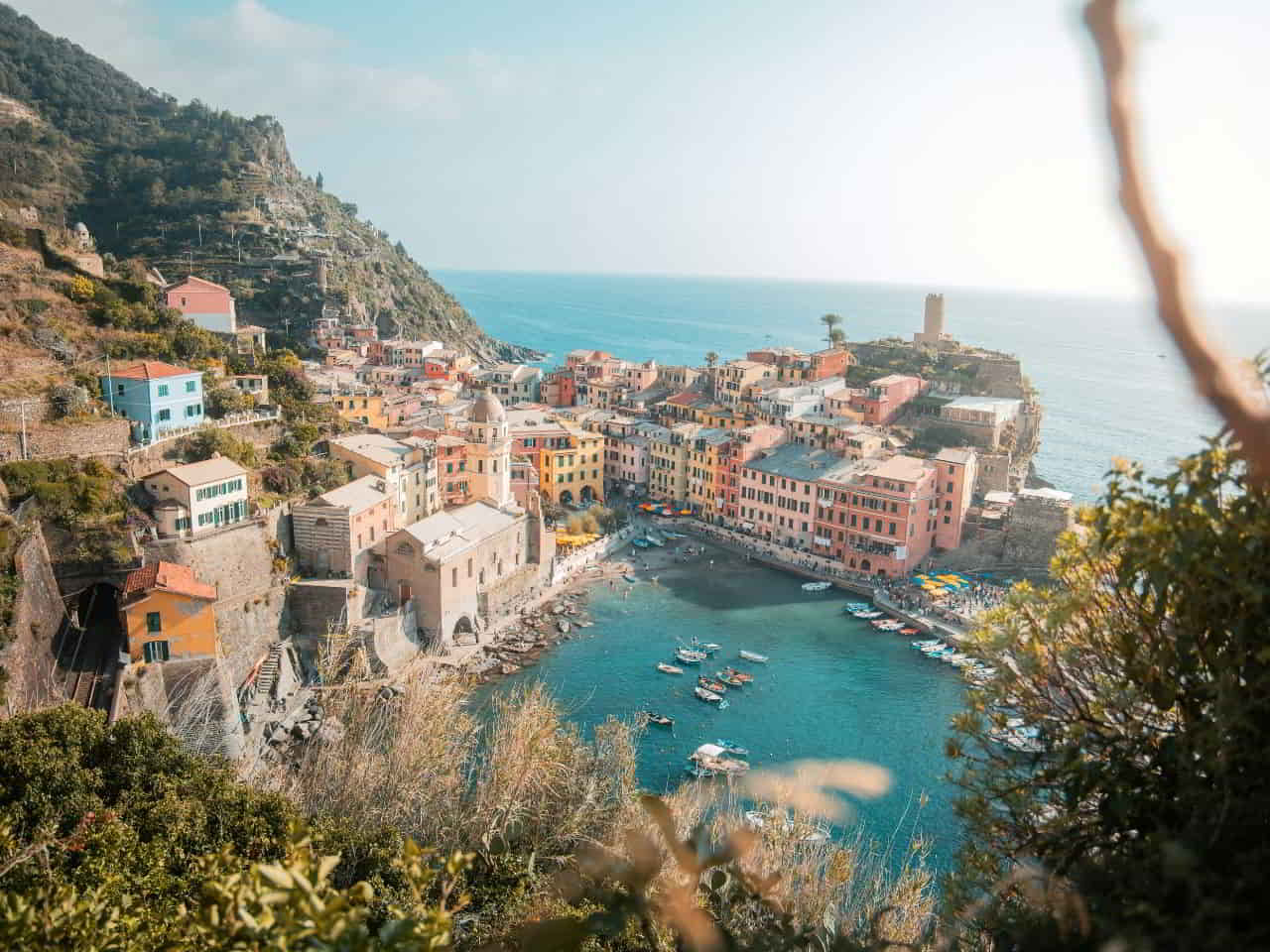
The name “Cinque Terre” translates to “Five Lands,” referring to the villages of Monterosso al Mare, Vernazza, Corniglia, Manarola, and Riomaggiore.
Together, they create one of the most recognizable coastal regions in Europe.
What makes Cinque Terre special is the balance between natural beauty and human history.
For centuries, local communities carved terraces into steep cliffs overlooking the Ligurian Sea, creating a landscape shaped as much by people as by nature.
Today, those same cliffs support vineyards, hiking trails, colorful houses, and breathtaking viewpoints.
Unlike the glamour of the Amalfi Coast or the grandeur of Venice, Cinque Terre feels intimate.
Here, the experience is slower.
Days are spent walking between villages, watching fishing boats return to harbor, enjoying fresh seafood, and admiring sunsets over the Mediterranean.
For hikers, photographers, and travelers seeking a more relaxed side of Italy, few destinations offer the same combination of scenery and authenticity.
What Makes It Unique
Many coastal destinations have beautiful beaches.
Many destinations have charming villages.
Cinque Terre stands apart because it combines five distinct communities connected by one of the most dramatic coastlines in Italy.
Each village has its own personality.
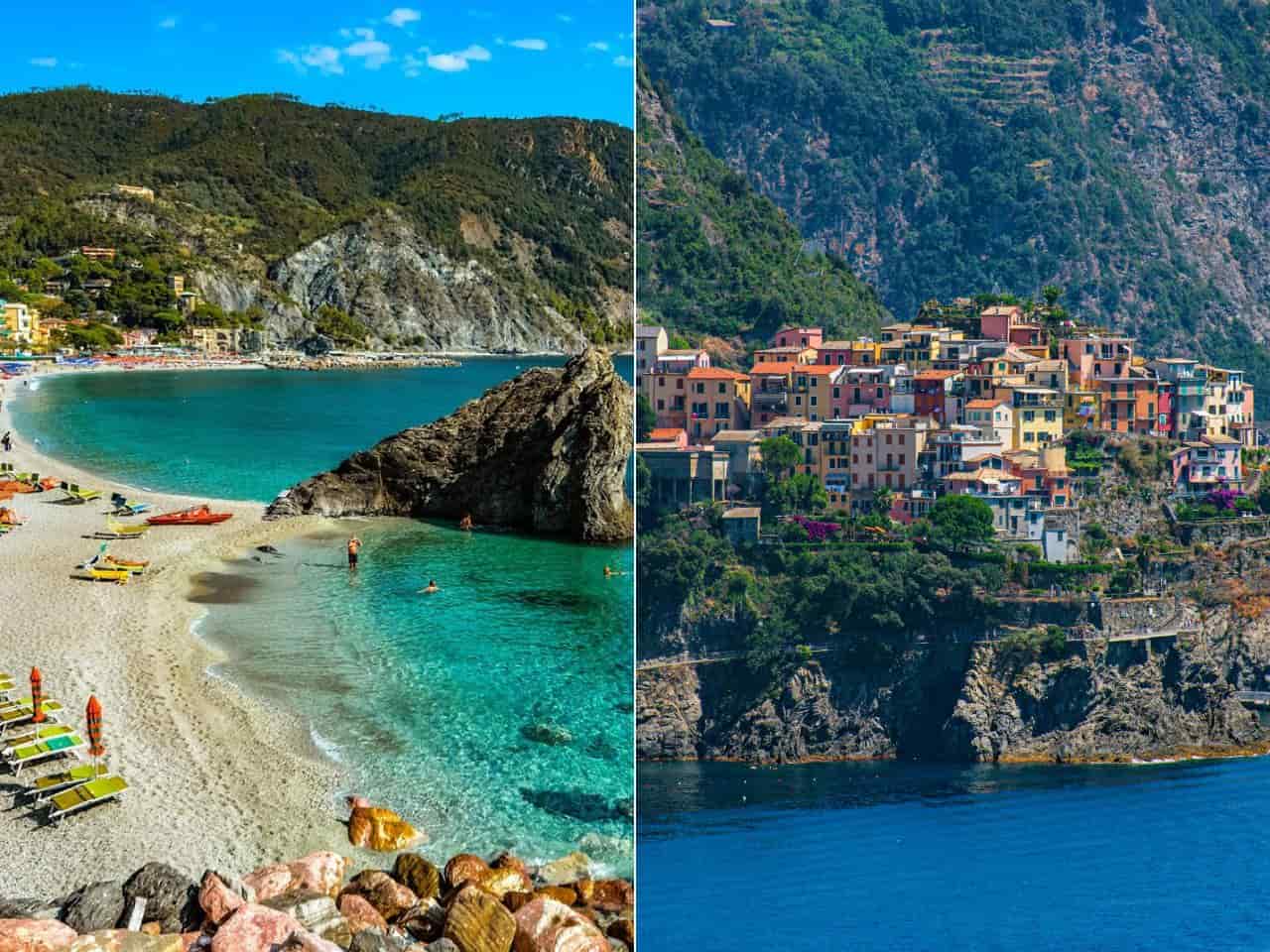
- Monterosso offers the largest beach and resort atmosphere.
- Vernazza is often considered the most picturesque harbor village.
- Corniglia sits high above the sea, providing a quieter experience.
- Manarola is famous for its colorful waterfront and sunset views.
- Riomaggiore combines maritime character with steep hillside streets.
The journey between villages becomes just as important as the destinations themselves.
Visitors can travel by train, hike coastal trails, or admire the scenery from the sea.
This constant movement creates a dynamic experience where every viewpoint reveals a different perspective of the coastline.
Unlike many heavily developed beach destinations, Cinque Terre remains protected as part of a national park and UNESCO-listed cultural landscape.
Large-scale development is limited, helping preserve the character that makes the region so special.
The result is a destination that feels authentic, scenic, and deeply connected to its environment.
Best Experiences
- Exploring all five villages
- Hiking sections of the Sentiero Azzurro trail
- Watching sunset from Manarola
Explore More → Things to Do in Cinque Terre — Explore all the must-see activities, trails, and viewpoints to make the most of your visit.
Food You Should Try
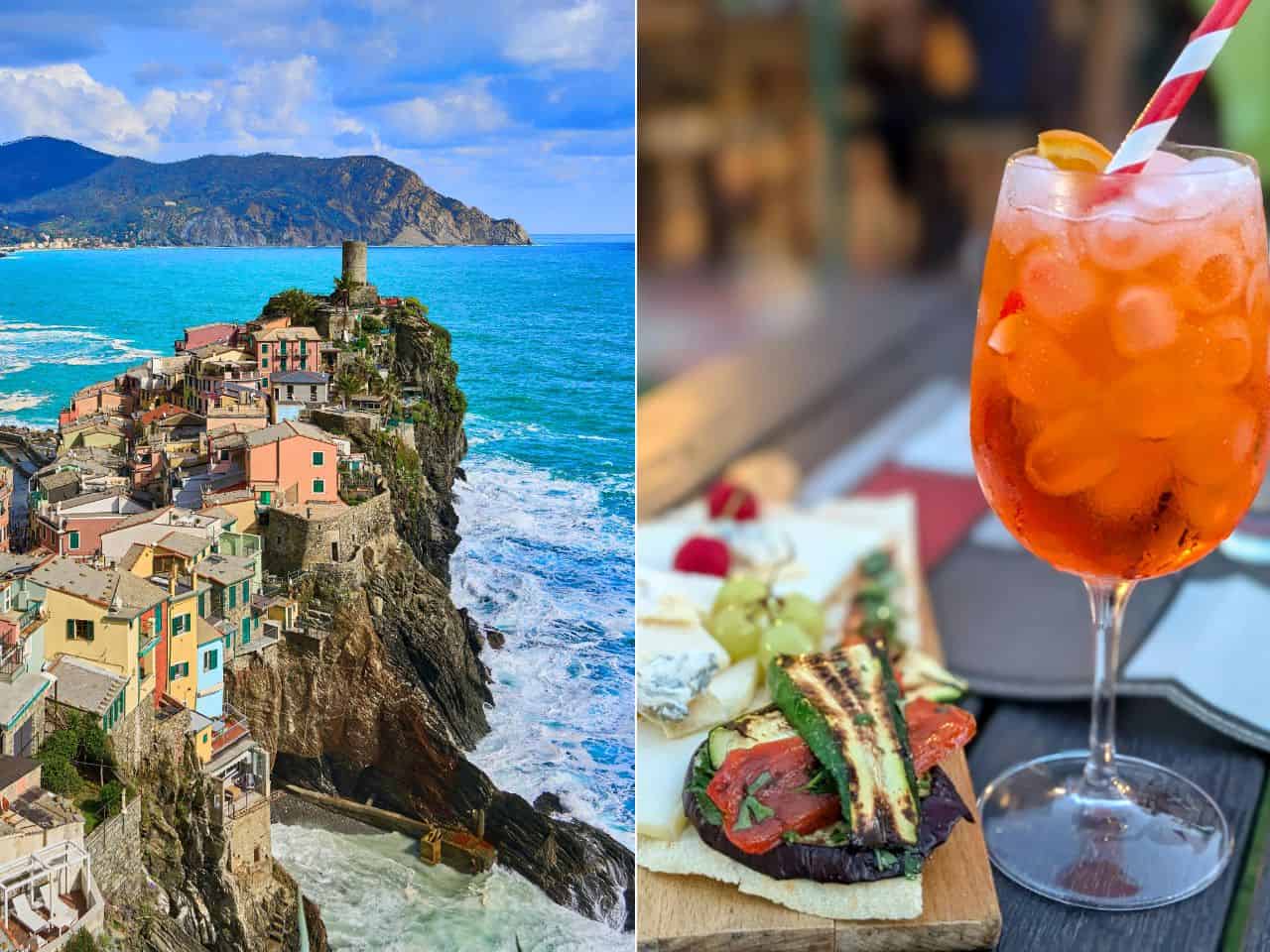
- Pesto alla Genovese
- Fresh anchovies
- Seafood pasta
Explore More → Top Restaurants in Cinque Terre – From seafood to gelato, discover where locals eat and plan your meals smartly.
Best For
- Hikers
- Photographers
- Slow travelers
- Couples
- Nature lovers
- Coastal scenery enthusiasts
- Repeat visitors to Italy
Avoid If
Cinque Terre may not be ideal if:
- You dislike walking or stairs
- You want luxury resort experiences
- You prefer large cities and nightlife
- You have limited mobility
- You’re looking primarily for museums and historic landmarks
In those situations, Florence, Rome, or the Amalfi Coast may be a better fit.
Ideal Stay Length
2 days minimum
3–4 days ideal
This allows enough time to:
- Visit all five villages
- Complete scenic hikes
- Enjoy boat excursions
- Experience sunrise and sunset photography
- Avoid rushing between locations
Many travelers underestimate how much walking and exploration Cinque Terre involves.
Budget Reality
Cinque Terre is moderately expensive by Italian standards.
Typical daily costs:
Budget Traveler: $120–220/day
Mid-Range Traveler: $220–400/day
Luxury Traveler: $400–800+/day
Compared with nearby cities such as Genoa or La Spezia, accommodation costs are noticeably higher, particularly between April and October when visitor demand peaks.
Staying in La Spezia can significantly reduce accommodation expenses while maintaining easy train access.
Logistics Snapshot
Nearest Airports:
- Pisa International Airport
- Genoa Airport
Main Gateway:
- La Spezia
Accessibility:
- Excellent train connections
- Walkable villages
- Boat services during season
- Regional rail links
Important Note: Trail conditions, closures, and access regulations can change throughout the year and should be verified before travel.
Parking Reality
Driving is generally not recommended.
Road access is limited, parking is scarce, and village streets are not designed for heavy vehicle traffic.
Most experienced travelers arrive by train and use rail transportation throughout their stay.
If arriving by car, many visitors choose to park in La Spezia and continue by train.
Where to Stay (Quick Picks)
- Vernazza: Best for Classic Cinque Terre atmosphere, Photography, Scenic harbor views, first time visitors.
- Manarola: Best for Sunset views, Romantic stays, Coastal energy, Photography.
- Monterosso al Mare: Best for Beach access, Families, Longer stays, Easier walking conditions.
- Riomaggiore: Best for Local atmosphere, Sunrise photography, Transport convenience.
- La Spezia: Best for Budget-conscious travelers, Better hotel value, Easy transportation access.
Best Time to Visit
- April–June – Arguably the best overall period. Wildflowers, pleasant temperatures, open hiking trails, and manageable visitor numbers create ideal conditions.
- September – One of the strongest months to visit. The sea remains warm while crowds begin to decline.
- July–August – The busiest and hottest period. Expect crowded trains, packed villages, and limited accommodation availability.
- October – Excellent conditions for hiking and photography, though weather becomes less predictable.
Biggest Mistake Tourists Make
Many visitors attempt to see all five villages in a single rushed day trip.
While technically possible, doing so often turns Cinque Terre into a checklist experience rather than an enjoyable one.
The real appeal lies in slowing down.
Spending time in cafés, walking trails, watching sunsets, and exploring beyond the main streets creates a far richer experience than simply collecting village photos.
Photography Notes
Best Photography Spots:
- Vernazza Harbor viewpoint
- Manarola waterfront
- Riomaggiore Marina
- Monterosso Beach viewpoints
- Coastal sections of the Sentiero Azzurro trail
Photography Tip: For the iconic postcard view of Vernazza, take the short trail heading toward Monterosso. The elevated perspective captures the harbor, colorful houses, and surrounding cliffs in a single frame.
Pro Tip (Local Insight)
Do not try to hike every trail simply because they’re available.
Many first-time visitors spend so much time moving between villages that they miss the atmosphere that makes Cinque Terre special.
Choose one or two scenic trail sections, then dedicate time to lingering in the villages themselves.
Some of the best memories come from sitting by the harbor, enjoying local seafood, and watching daily life unfold rather than constantly rushing to the next viewpoint.
6. Sardinia – Italy’s Wild, Untamed Island
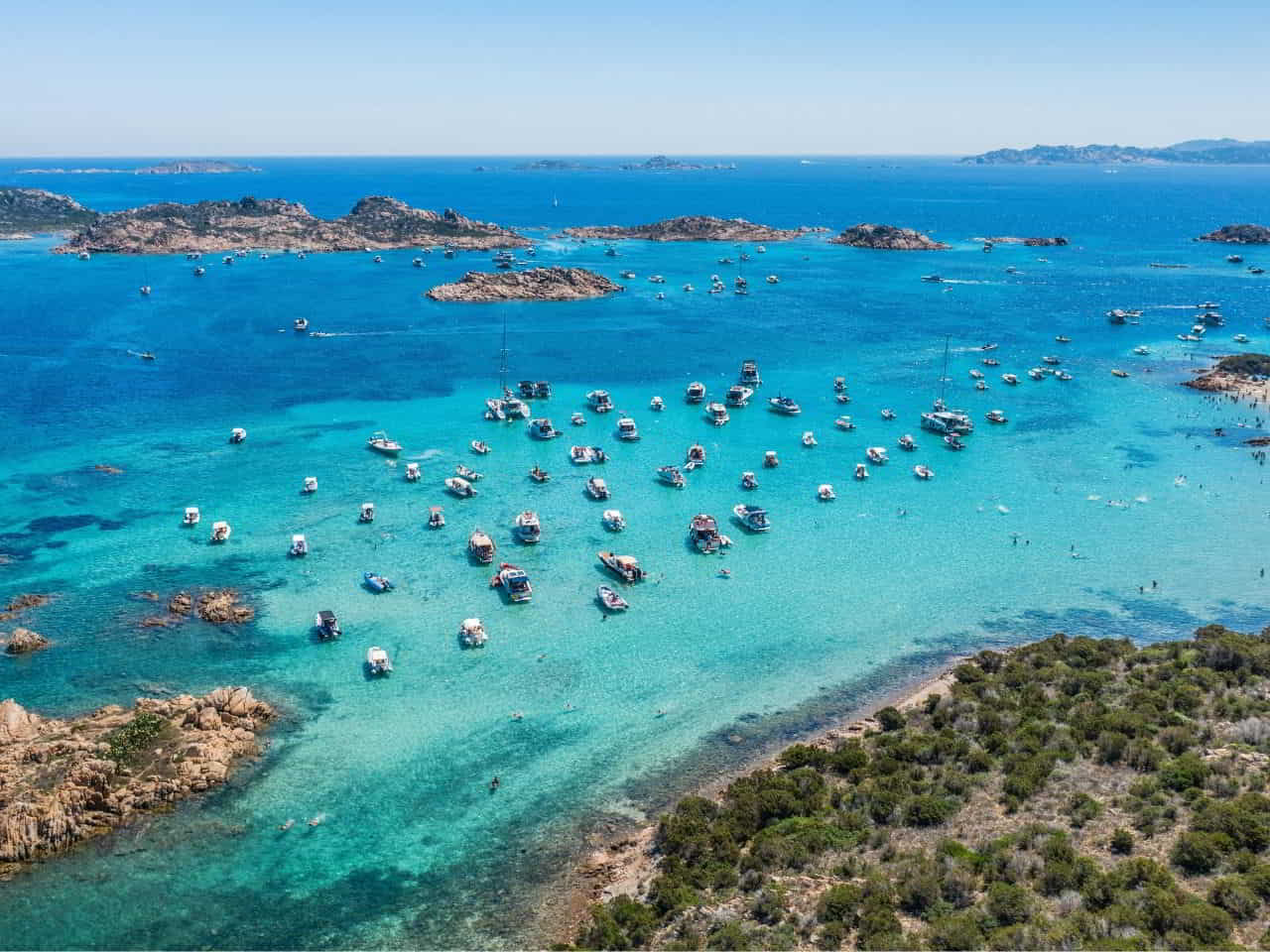
Why Visit Sardinia
Sardinia ranks among Italy’s best destinations because it offers an entirely different experience from the mainland.
While Rome, Florence, and Venice are defined by history, architecture, and cultural landmarks, Sardinia is defined by nature, coastline, and space.
This is where travelers come to experience some of the clearest waters in Europe, explore remote beaches, discover ancient archaeological sites, and enjoy a slower Mediterranean lifestyle that feels far removed from Italy’s major tourist cities.
The island combines spectacular beaches, rugged mountain landscapes, traditional villages, and unique local culture into a destination that appeals equally to relaxation seekers and active travelers.
Unlike many Mediterranean hotspots that rely on a single attraction, Sardinia delivers variety. One day can be spent on a world-class beach, the next hiking through mountain scenery, exploring prehistoric ruins, or discovering villages where centuries-old traditions remain part of everyday life.
For travelers seeking natural beauty, fewer crowds, and a more relaxed pace than Italy’s most famous cities, Sardinia is one of the country’s most rewarding destinations.
What Makes It Special
Sardinia’s biggest strength is its diversity.
Many visitors arrive expecting beautiful beaches and quickly discover that the island offers much more.
The coastline ranges from luxury resort areas such as Costa Smeralda to remote coves that can only be reached by boat or hiking trail. Inland, dramatic mountains, ancient archaeological sites, and traditional villages reveal a side of Sardinia that many first-time visitors never experience.
The island also possesses a distinct cultural identity that feels separate from mainland Italy. Local traditions, cuisine, dialects, and festivals have evolved differently over centuries, creating a destination with its own character rather than simply feeling like another Italian region.
What truly separates Sardinia from many Mediterranean destinations is the quality of its natural environment. The water is exceptionally clear, the landscapes remain relatively undeveloped, and even during peak season it is still possible to find quieter corners away from the busiest tourist areas.
For many travelers, Sardinia feels closer to a Caribbean-style beach destination combined with authentic Mediterranean culture.
Best For
- Beach lovers
- Nature enthusiasts
- Road trip travelers
- Couples
- Families
- Outdoor adventurers
- Repeat visitors to Italy
- Travelers seeking fewer crowds
Things to do in Sardinia
- Relax on the beaches of Costa Smeralda
- Explore the spectacular Gulf of Orosei coastline
- Visit La Maddalena Archipelago by boat
- Discover prehistoric Nuraghe archaeological sites
- Explore mountain villages in the Barbagia region
- Swim in Cala Goloritzé and Cala Luna
- Drive scenic coastal roads across the island
- Experience traditional Sardinian cuisine
- Visit Alghero’s historic center
- Explore Asinara National Park
Food You Should Try
Sardinian cuisine differs noticeably from mainland Italian food and reflects the island’s pastoral traditions.
Must-try specialties include:
- Porceddu (slow-roasted suckling pig)
- Culurgiones (traditional stuffed pasta)
- Fregola with seafood
- Pane Carasau (crispy flatbread)
- Pecorino Sardo cheese
- Fresh seafood dishes
- Seadas (cheese-filled pastry with honey)
- Local Vermentino wines
The food here tends to be simpler, heartier, and deeply connected to local traditions.
Ideal Stay Length
Minimum Stay: 4–5 days
Recommended Stay: 7–10 days
This allows enough time to:
- Explore multiple coastal regions
- Visit interior villages
- Experience archaeological sites
- Take boat excursions
- Enjoy beach time without rushing
Sardinia rewards slower travel more than most Italian destinations.
Budget Reality
Budget Traveler – $120–200 per day
Mid-Range Traveler – $200–400 per day
Luxury Traveler – $400–1000+ per day
Accommodation costs vary significantly depending on location.
Costa Smeralda is among the most expensive regions in Italy during summer, while inland areas and lesser-known coastal towns offer substantially better value.
Prices increase considerably between June and August, particularly for accommodations, ferries, and vehicle rentals.
Logistics Snapshot
Main Airports
- Cagliari Airport (South Sardinia)
- Olbia Airport (Costa Smeralda)
- Alghero Airport (Northwest Sardinia)
Transportation
- Rental car strongly recommended
- Limited public transport outside major towns
- Ferries connect Sardinia with mainland Italy
- Regional flights available year-round
Driving Reality
Many of Sardinia’s best beaches, viewpoints, and villages are difficult or impossible to reach efficiently using public transportation.
Travelers relying solely on buses may miss some of the island’s most rewarding locations.
For maximum flexibility, renting a car is one of the most valuable investments for a Sardinia trip.
Transportation schedules, ferry routes, and seasonal services should always be verified before travel.
Where to Stay (Quick Picks)
- Costa Smeralda: Best for Luxury travelers, upscale resorts, glamorous beach experiences
- Alghero: Best for Historic charm, walkability, first-time visitors
- Cagliari: Best for Culture, food, city atmosphere, transportation access
- Gulf of Orosei: Best for Nature lovers, hiking, boat excursions, dramatic scenery
- Santa Teresa Gallura: Best for Beaches, relaxed atmosphere, northern Sardinia exploration
Best Time to Visit
- May–June (Best Overall) – Ideal temperatures, beautiful scenery, warm weather, and manageable crowds.
- September–October – Excellent sea temperatures, fewer tourists, and comfortable conditions for both beaches and sightseeing.
- July–August – Beautiful but crowded. This is peak season, especially around Costa Smeralda and famous beaches, with significantly higher accommodation costs.
Photography Notes
Best Photography Locations
- Cala Goloritzé
- Capo Caccia
- La Maddalena Archipelago
- Costa Smeralda Viewpoints
Photography Tip:The clearest water colors and strongest contrast typically occur between late morning and early afternoon when sunlight directly illuminates the coastline. For landscape photography, sunrise and sunset provide softer light and fewer visitors at popular locations.
Biggest Mistake Tourists Make
Many visitors spend their entire trip around Costa Smeralda and assume they have seen Sardinia.
In reality, some of the island’s most memorable experiences are found away from the luxury resort areas.
The Gulf of Orosei, Barbagia villages, archaeological sites, and western coastline often provide a deeper and more authentic experience than the famous northeast coast alone.
Sardinia is far more than a beach destination.
The travelers who explore beyond the obvious locations usually leave with the strongest memories.
Pro Tip (Local Insight)
Do not plan Sardinia the same way you would Rome, Florence, or Venice.
Distances may appear short on a map, but winding coastal roads and mountain routes often make travel slower than expected.
Instead of changing hotels every day, choose one or two strategic bases and explore surrounding regions through day trips.
This creates a far more enjoyable experience while reducing travel fatigue and allowing you to appreciate the island’s relaxed pace.
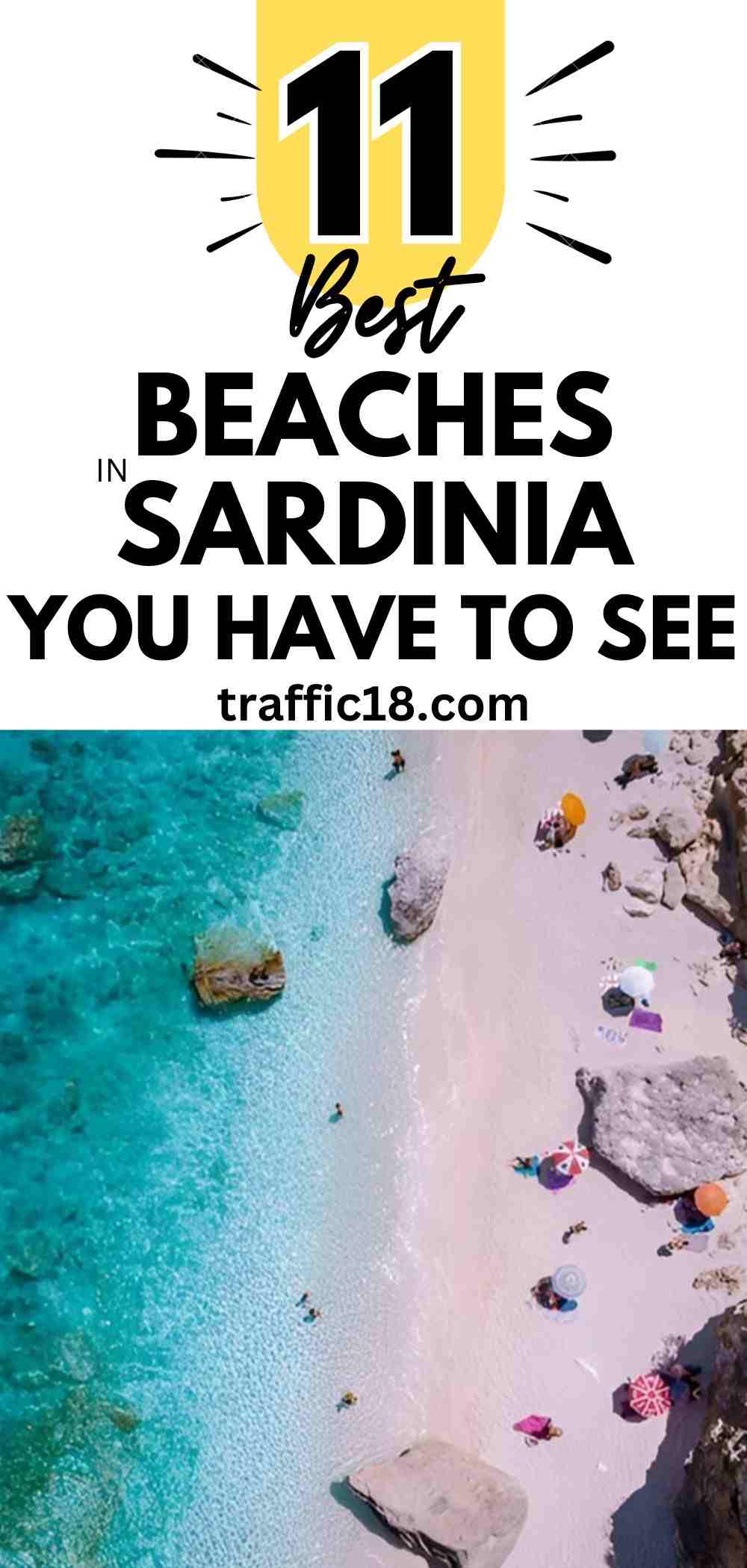
Explore Sardinian Beaches
You can’t visit Sardinia without spending time along its coastline. These are some of the Best Beaches in Sardinia that provide a breathtaking serene experience with a lighter crowd!
Best Places to Visit in Italy for Countryside & Slow Travel
7. Tuscany – Rolling Hills, Wine & Timeless Villages
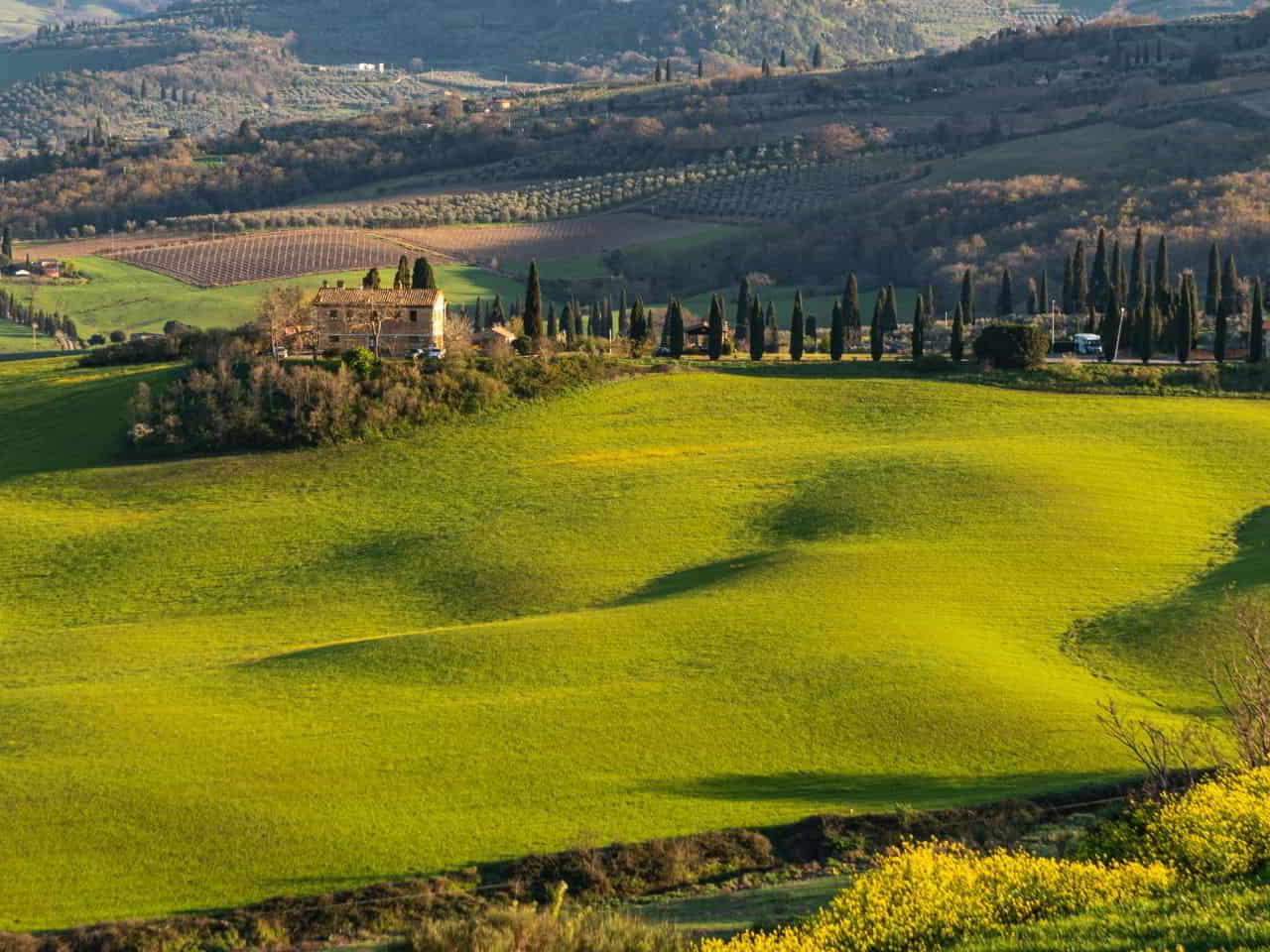
Why Visit Tuscany
Tuscany ranks among Italy’s most iconic destinations because it delivers the version of Italy that many travelers imagine long before they arrive.
This is the land of rolling vineyards, medieval hill towns, cypress-lined roads, Renaissance art, and long countryside lunches that stretch into the afternoon. While Rome impresses with ancient history and Venice captivates with its canals, Tuscany offers something more atmospheric: a lifestyle.
The region is not defined by a single landmark. Instead, its appeal comes from the way multiple experiences combine into one unforgettable journey.
You can spend the morning exploring a UNESCO-listed medieval town, enjoy wine tasting in centuries-old vineyards during the afternoon, and watch the sunset over golden hills from a countryside farmhouse.
What makes Tuscany especially rewarding is its versatility. First-time visitors can focus on famous destinations such as Florence, Siena, and San Gimignano, while repeat travelers often discover quieter villages, hidden wineries, and scenic roads that reveal a more authentic side of the region.
For travelers seeking beautiful landscapes, exceptional food and wine, historic towns, and a slower pace of travel, Tuscany remains one of the most complete destinations in Italy.
What Makes It Unique
Many regions in Italy offer beautiful scenery.
Many offer historic towns.
Many offer excellent food and wine.
Tuscany stands out because it combines all of them at an exceptionally high level.
The landscape itself has become one of Italy’s defining visual identities. Rolling hills, vineyards, olive groves, stone farmhouses, and winding country roads create scenery that feels instantly recognizable even to people who have never visited.
Beyond the countryside, Tuscany’s historic towns each possess distinct personalities. Florence showcases Renaissance masterpieces, Siena preserves medieval character, San Gimignano rises above the hills with its famous towers, while Pienza and Montepulciano offer smaller-scale charm surrounded by spectacular landscapes.
The region also encourages slower travel. Unlike destinations where visitors rush from attraction to attraction, Tuscany rewards those who linger. A scenic drive, a winery visit, a long meal overlooking vineyards, or an evening stroll through a quiet piazza often become the highlights of the trip.
Rather than focusing on a single bucket-list attraction, Tuscany delivers an immersive experience that blends scenery, culture, food, history, and lifestyle into one of Italy’s most memorable journeys.
Things to do in Tuscany
- Wine tasting in the Chianti wine region
- Exploring Florence’s Renaissance landmarks
- Visiting Siena’s magnificent Piazza del Campo
- Staying in a countryside agriturismo
- Driving Tuscany’s famous cypress-lined roads
- Exploring San Gimignano’s medieval towers
- Visiting Montepulciano and its wine cellars
- Watching sunset over the Val d’Orcia
- Discovering Pienza’s charming historic center
- Enjoying farm-to-table dining experiences
- Touring traditional olive oil estates
- Photographing the iconic landscapes around Crete Senesi
Food You Should Try
Tuscany is one of Italy’s most celebrated culinary regions.
Must-try specialties include:
- Bistecca alla Fiorentina (Florentine steak)
- Ribollita (traditional Tuscan soup)
- Pappa al Pomodoro
- Pici pasta
- Wild boar dishes
- Pecorino cheese from Pienza
- Truffle-based specialties
- Chianti wines
- Brunello di Montalcino wines
- Vin Santo dessert wine with cantucci biscuits
Tuscan cuisine focuses on simple ingredients, strong regional traditions, and exceptional local produce.
Best For
- Couples
- Wine lovers
- Food enthusiasts
- Slow travelers
- Road trip travelers
- First-time Italy visitors
- Photographers
- Luxury travelers
- Cultural travelers
Avoid If
Tuscany may not be ideal if:
- You want a fast-paced city trip
- You dislike driving in rural areas
- You are seeking nightlife-focused destinations
- You prefer beach vacations
- You only have one or two days in Italy
In those situations, Rome, Milan, Naples, or the Amalfi Coast may provide a better fit.
Ideal Stay Length
Minimum Stay 3–4 days
This allows time to visit Florence and explore one or two countryside towns.
Recommended Stay 5–7 days
This provides enough time to experience:
- Florence
- Chianti wine country
- Siena
- San Gimignano
- Val d’Orcia
- Montepulciano or Pienza
Tuscany is one of Italy’s strongest slow-travel destinations and rewards travelers who avoid rushing.
Budget Reality
Budget Traveler- $120–220 per day
Mid-Range Traveler- $220–450 per day
Luxury Traveler- $450–1200+ per day
Costs vary significantly depending on season and location.
Compared with Rome and Venice, accommodations in smaller Tuscan towns can often provide better value. However, luxury countryside resorts, boutique vineyard hotels, and premium agriturismos can quickly become some of the most expensive accommodations in Italy.
Prices rise substantially during spring, summer, and the autumn harvest season.
Logistics Snapshot
Nearest Airports
- Florence Airport
- Pisa Airport
- Rome Fiumicino Airport (for longer regional trips)
Transportation Access
- Excellent train network between major cities
- Rental cars recommended for countryside exploration
- Regional buses connect smaller towns
- High-speed rail access from Rome, Milan, and Venice
Walkability
Historic towns are highly walkable.
However, exploring rural Tuscany without a vehicle can be limiting.
Important Planning Notes
Many of Tuscany’s most iconic viewpoints, wineries, and countryside villages are difficult to reach efficiently using public transportation alone.
Travelers focusing on wine regions and scenic drives should strongly consider renting a car.
Transportation schedules and winery reservation requirements should always be verified before travel.
Parking Reality
Parking inside historic Tuscan towns can be restricted due to limited traffic zones (ZTLs).
Most visitors park outside the historic centers and continue on foot.
Entering restricted areas without authorization can result in significant fines.
Always verify parking regulations before driving into town centers such as Siena, San Gimignano, and Montepulciano.
Where to Stay (Quick Picks)
- Florence: Best for First time visitors, Museums, Renaissance architecture.
- Chianti Region: Best for Wine lovers, Countryside scenery, Agriturismo stays.
- Siena: Best for Medieval atmosphere, Central location, Day trips.
- Val d’Orcia: Best for Scenic landscapes, Photography, Relaxation.
- Montepulciano: Best for Wine experiences, Historic charm, Smaller crowds.
Best Time to Visit
Best Overall: May–June
- Pleasant temperatures, green landscapes, blooming countryside, and ideal conditions for sightseeing and photography.
Shoulder Season: September–October
- Harvest season brings beautiful vineyard scenery, excellent wine experiences, and comfortable weather.
Peak Season: July–August
- Expect higher temperatures, larger crowds, and increased accommodation prices.
Biggest Mistake Tourists Make
Many visitors treat Tuscany as a day trip from Florence.
While this may allow you to see one or two towns, it completely misses the slower pace and countryside atmosphere that make the region special.
The real magic of Tuscany happens between destinations: scenic drives, vineyard lunches, quiet villages, and spontaneous discoveries that aren’t listed in guidebooks.
Staying in the countryside for at least a few nights transforms Tuscany from a sightseeing destination into a genuine travel experience.
Photography Notes
Best Photography Locations
- Val d’Orcia – Home to Tuscany’s most famous rolling hills, cypress roads, and postcard-perfect countryside views.
- San Gimignano – Offers dramatic medieval skyline photography, particularly during sunrise and sunset.
- Crete Senesi – Known for its unique landscape of soft hills, winding roads, and minimalist compositions.
- Pienza Viewpoints – Excellent locations for capturing classic Tuscan farmland scenery.
Photography Tip: Sunrise is often better than sunset in Tuscany because morning mist frequently settles across the valleys, creating the soft atmospheric conditions seen in many iconic Tuscany photographs.
Spring and autumn generally provide the most photogenic landscapes.
Pro Tip (Local Insight)
Don’t build your Tuscany itinerary around checking off towns.
Instead, build it around regions.
Many first-time visitors rush between Siena, San Gimignano, Montepulciano, and Pienza in a single day, spending more time driving than enjoying the experience.
Choose one countryside base, stay several nights, and explore the surrounding area slowly.
This approach not only reduces travel fatigue but also creates the authentic Tuscan experience most travelers are actually seeking.
WANT TO EXPLORE MORE?
Sign up for my newsletter and I will email you every time I have something new to say!
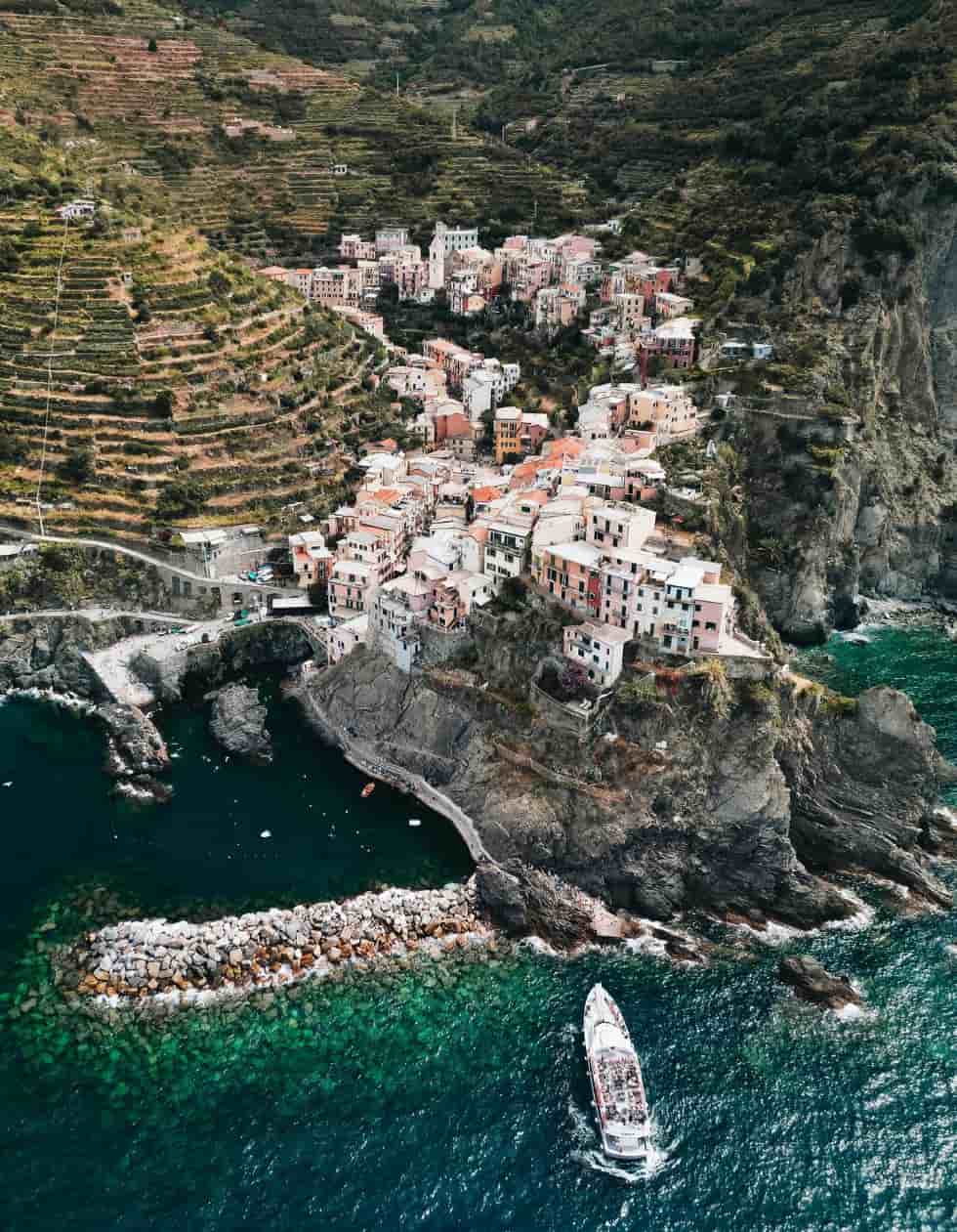
8. Umbria – A Quieter Alternative to Tuscany
Why Visit Umbria
Umbria ranks among Italy’s most rewarding destinations because it offers many of the experiences travelers seek in Tuscany – but with fewer crowds, lower prices, and a stronger sense of authenticity.
Often called “Italy’s Green Heart,” Umbria is a region of medieval hill towns, rolling countryside, spiritual heritage, and deeply rooted traditions. While neighboring Tuscany attracts much of the international spotlight, Umbria quietly delivers a slower and more intimate version of central Italy.
The region is particularly appealing to travelers who enjoy discovering places that feel lived-in rather than curated for tourism. Towns such as Assisi, Perugia, Spoleto, and Gubbio retain strong local identities, allowing visitors to experience daily Italian life beyond the country’s most famous destinations.
Umbria also balances culture and nature exceptionally well. You can spend the morning exploring medieval streets and centuries-old churches, enjoy a long lunch featuring local wines and olive oil, then finish the day overlooking vineyards, forests, and valleys from a hilltop village.
For travelers seeking authenticity, tranquility, and cultural depth without sacrificing beauty, Umbria is one of Italy’s most underrated destinations.
What Makes It Unique
Most visitors arrive in central Italy expecting Tuscany.
What makes Umbria special is that it often delivers a more authentic experience.
Unlike Tuscany’s globally famous wine routes and heavily photographed landscapes, Umbria feels quieter and less commercialized. The countryside remains beautiful, but the atmosphere is noticeably different. Villages feel less polished, tourism feels less dominant, and local traditions remain deeply woven into everyday life.
The region is also Italy’s spiritual heart. Assisi, the birthplace of Saint Francis, attracts pilgrims and visitors from around the world, while monasteries, churches, and religious landmarks create a sense of history and reflection rarely found elsewhere in Italy.
Umbria’s appeal extends beyond spirituality. Medieval cities such as Perugia and Spoleto offer remarkable architecture, excellent food scenes, and vibrant cultural festivals. The landscape itself is filled with vineyards, olive groves, forests, lakes, and scenic roads that encourage slow exploration.
Rather than competing with Tuscany, Umbria complements it. Travelers who appreciate authenticity over prestige often discover that Umbria becomes one of their favorite regions in Italy.
Things to do in Umbria
- Visiting Assisi and the Basilica of Saint Francis
- Exploring Perugia’s medieval center
- Discovering the hilltop town of Spoleto
- Walking the historic streets of Gubbio
- Visiting Lake Trasimeno
- Exploring Orvieto’s dramatic hilltop setting
- Touring local olive oil estates
- Experiencing Umbria Jazz Festival in Perugia
- Driving through scenic countryside villages
- Visiting traditional wineries
- Exploring underground tunnels beneath Orvieto
- Enjoying panoramic views from Montefalco
Food You Should Try
Umbria’s cuisine is rustic, seasonal, and deeply connected to local traditions.
Must-try specialties include:
- Black truffles (Umbria is famous for them)
- Strangozzi pasta
- Porchetta
- Wild boar dishes
- Lentils from Castelluccio
- Umbrian olive oil
- Pecorino cheeses
- Sagrantino wine from Montefalco
- Traditional mushroom dishes
- Local cured meats
The food here is often less seafood-focused than coastal Italy and places greater emphasis on meats, truffles, olive oil, and agricultural traditions.
Best For
- Slow travelers
- Culture lovers
- Couples
- Food and wine enthusiasts
- Spiritual travelers
- Road trip travelers
- Repeat visitors to Italy
- Travelers seeking authenticity
Avoid If
Umbria may not be ideal if:
- You are looking for beaches
- You want major nightlife scenes
- You prefer luxury resort destinations
- You have only one or two days in Italy
- You want iconic bucket-list landmarks such as the Colosseum or Venice canals
In those cases, Rome, Venice, the Amalfi Coast, or Tuscany may be better choices.
Ideal Stay Length
Minimum Stay
2–3 days
This allows enough time to visit Assisi and one or two additional towns.
Recommended Stay
4–6 days
This provides time to explore:
- Assisi
- Perugia
- Spoleto
- Gubbio
- Orvieto
- Lake Trasimeno
- Wine and olive oil regions
Umbria rewards travelers who move slowly and spend time beyond the major towns.
Budget Reality
Budget Traveler – $100–180 per day
Mid-Range Traveler – $180–350 per day
Luxury Traveler – $350–800+ per day
Compared with Tuscany, Venice, and the Amalfi Coast, Umbria generally offers significantly better value across accommodation, dining, and transportation.
Boutique hotels, countryside farm stays, and local restaurants often cost noticeably less while delivering equally memorable experiences.
This makes Umbria one of Italy’s strongest value-for-money destinations.
Logistics Snapshot
Nearest Airports
- Perugia Airport
- Rome Fiumicino Airport
- Florence Airport
Transportation Access
- Regional train connections
- Bus networks between major towns
- Rental car recommended for countryside exploration
Walkability
Historic centers are highly walkable.
Many hill towns require walking on steep streets and stone stairways.
Important Planning Notes
Public transportation works reasonably well between major destinations such as Assisi, Perugia, and Spoleto.
However, travelers interested in wineries, rural villages, and countryside landscapes will benefit significantly from renting a car.
Transportation schedules and festival dates should always be verified before travel.
Parking Reality
Most Umbrian hill towns have restricted historic centers with limited vehicle access.
Visitors typically park outside the town walls and continue on foot.
Fortunately, parking is generally easier and less stressful than in Tuscany’s most popular destinations.
Comfortable walking shoes are strongly recommended due to steep streets and uneven surfaces.
Where to Stay (Quick Picks)
- Assisi: Best for first – time visitors, Spiritual travel, Historic atmosphere, Walkability.
- Perugia: Best for Food lovers, Cultural experiences, Festivals, Transportation access.
- Spoleto: Best for History, Architecture, Smaller crowds.
- Montefalco: Best for Wine tourism, Countryside scenery, Relaxation.
- Lake Trasimeno: Best for Nature, Families, Lakeside stays, Slower travel.
Best Time to Visit
Best Overall: April–June
Comfortable temperatures, green landscapes, blooming countryside, and excellent sightseeing conditions.
Shoulder Season: September–October
Harvest season creates beautiful scenery, wine experiences, and pleasant weather.
Peak Season: July–August
Warmer temperatures and increased tourism, particularly during major festivals and religious events.
Even during peak season, Umbria remains significantly less crowded than Tuscany.
Biggest Mistake Tourists Make
Many travelers treat Umbria as simply an extension of Tuscany.
While the two regions share similarities, this mindset often causes visitors to rush through Umbria’s towns without appreciating what makes the region unique.
The real appeal of Umbria lies in slowing down, exploring lesser-known villages, enjoying local food traditions, and embracing a more authentic pace of life.
Trying to “see everything” often results in missing the atmosphere that makes the region special.
Photography Notes
Best Photography Locations
- Assisi – One of Italy’s most photogenic hill towns, combining medieval architecture with sweeping valley views.
- Gubbio – Perfect for capturing stone streets, historic buildings, and authentic medieval character.
- Montefalco – Known as the “Balcony of Umbria” thanks to its panoramic countryside views.
- Lake Trasimeno – Excellent location for sunset photography and peaceful landscape compositions.
Photography Tip
Early morning often provides the most atmospheric conditions in Umbria, particularly around hill towns where mist can settle in the valleys below.
Spring and autumn offer the most vibrant colors and softest lighting conditions.
Pro Tip (Local Insight)
Don’t focus only on Assisi.
While Assisi is deservedly famous, many travelers leave the region without experiencing places like Spoleto, Montefalco, Gubbio, or the countryside surrounding Lake Trasimeno.
The most memorable Umbrian experiences often happen in smaller towns where tourism is lighter and local life remains largely unchanged.
If possible, spend at least one night outside the major cities in a countryside agriturismo – the slower pace and rural atmosphere reveal the side of Umbria that most day-trippers never see.
Best Places in Northern Italy for Nature & Lakes
9. Lake Como – Elegance Meets Nature
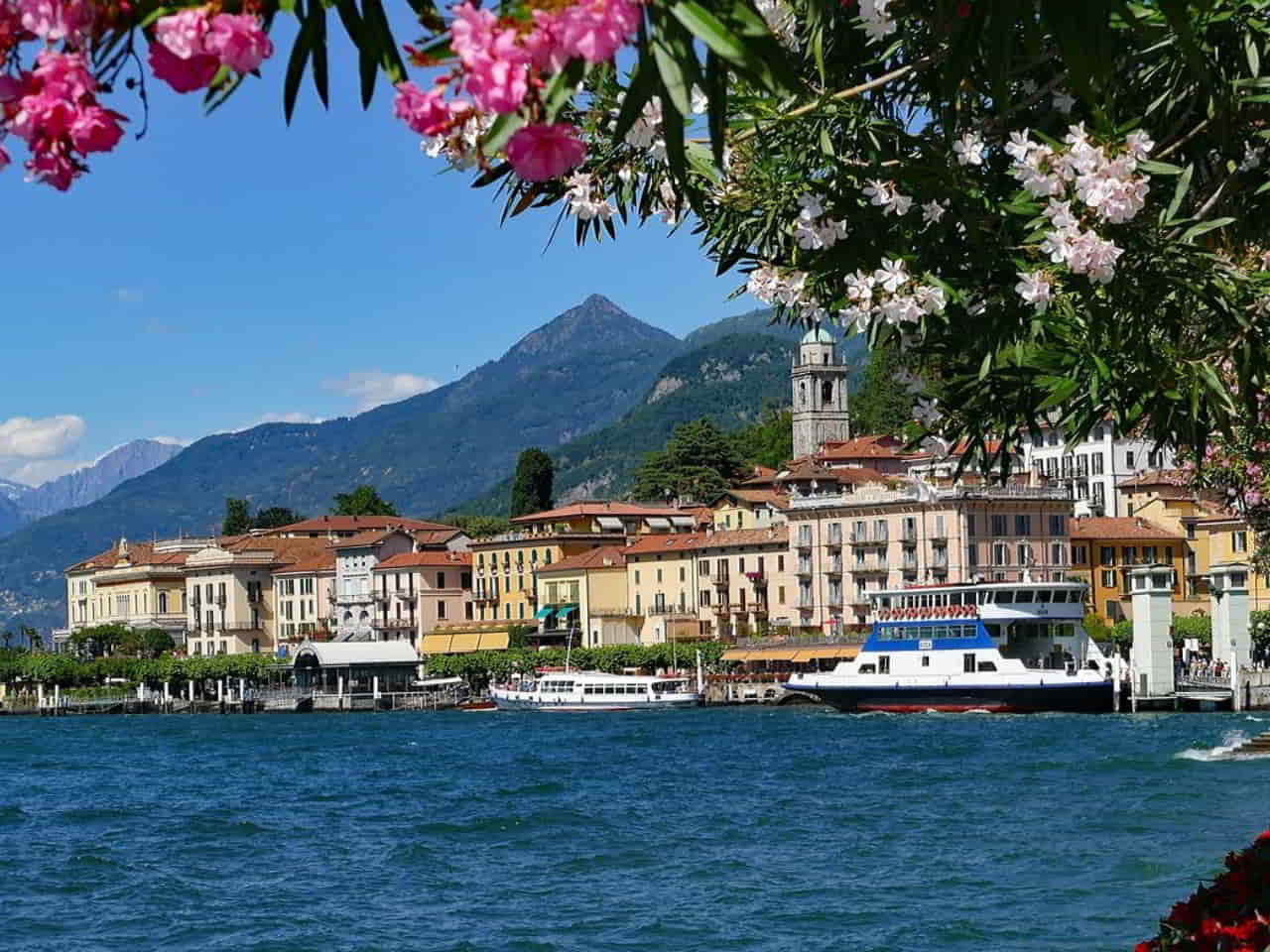
Why Visit Lake Como
Lake Como ranks among Italy’s most desirable destinations because it delivers a combination that very few places in Europe can match: spectacular alpine scenery, elegant lakeside towns, historic villas, and a relaxed atmosphere that feels worlds away from Italy’s busiest cities.
Unlike the dramatic coastal energy of the Amalfi Coast or the cultural intensity of Rome and Florence, Lake Como is about slowing down and appreciating the setting itself.
The lake is surrounded by steep mountains that rise directly from the water, creating landscapes that feel almost cinematic. Small villages cling to the shoreline, ferries connect picturesque towns, and grand villas sit behind gardens that have attracted aristocrats, artists, and travelers for centuries.
What makes Lake Como especially appealing is its versatility.
- Couples come for romance.
- Luxury travelers come for waterfront hotels.
- Photographers come for the scenery.
- Slow travelers come for the peaceful rhythm of lakeside life.
Even though it has become internationally famous, much of Lake Como still feels surprisingly relaxed once you move beyond the busiest viewpoints.
For travelers seeking beauty, tranquility, and one of Italy’s most refined travel experiences, Lake Como consistently exceeds expectations.
What Makes It Unique
Many destinations offer beautiful lakes.
Many destinations offer mountain scenery.
Lake Como stands out because it combines both with centuries of history, elegant architecture, and a distinctly Italian sense of style.
The lake’s unique Y-shaped geography creates constantly changing perspectives as you travel between towns. One moment you’re looking at dramatic mountain peaks reflected in calm water; the next you’re walking through narrow stone streets lined with cafés and historic villas.
Three elements define the experience:
- The lake itself
- The surrounding Alps
- The lakeside towns
Together they create an atmosphere that feels sophisticated without being overwhelming.
Unlike Venice, which captivates through urban uniqueness, or Tuscany, which charms through countryside landscapes, Lake Como’s appeal comes from the relationship between nature and architecture.
Places like Bellagio, Varenna, and Menaggio are not simply beautiful towns—they are beautiful because of how they interact with the surrounding landscape.
Every ferry ride becomes a sightseeing experience.
Every lakeside promenade feels scenic.
Every sunset seems designed for photography.
That seamless blend of nature, culture, and elegance is what makes Lake Como one of Italy’s most distinctive destinations.
Best Experiences
- Exploring Bellagio’s picturesque streets and viewpoints
- Taking a ferry between Bellagio, Varenna, and Menaggio
Explore More → Things to do on Lake Como Italy
Food You Should Try
Lake Como’s cuisine reflects both Lombardy traditions and lakeside influences.
Must-try specialties include:
- Risotto con Pesce Persico (perch risotto)
- Polenta Taragna
- Fresh lake fish dishes
- Ossobuco
- Local alpine cheeses
- Italian gelato
- Lombardy wines
- Traditional northern Italian desserts
Many restaurants emphasize lake views as much as the food itself, making dining a major part of the overall experience.
Best For
- Couples
- Honeymooners
- Luxury travelers
- Photographers
- Slow travelers
- Scenic road-trip enthusiasts
- First-time visitors seeking iconic landscapes
Avoid If
Lake Como may not be ideal if:
- You’re traveling on a very tight budget
- You want vibrant nightlife
- You prefer major historical attractions
- You enjoy fast-paced city experiences
- You want a destination focused on beaches
In those situations, Rome, Florence, Palermo, or Sardinia may provide better value.
Ideal Stay Length
2 days minimum
3–4 days ideal
This allows enough time to:
- Explore Bellagio
- Visit Varenna
- Take multiple ferry rides
- Tour historic villas
- Experience sunset viewpoints
- Enjoy lakeside dining
- Discover smaller villages
Longer stays work particularly well for travelers prioritizing relaxation.
Budget Reality
Lake Como is among Italy’s more expensive destinations, although generally less costly than peak-season Amalfi Coast.
Typical daily costs:
- Budget Traveler: $150–250
- Mid-Range Traveler: $250–450
- Luxury Traveler: $450–1,000+
Compared with Tuscany, Umbria, and most Sicilian destinations, accommodation costs are noticeably higher, especially between May and September when international demand peaks.
Waterfront hotels command significant premiums.
Logistics Snapshot
Nearest Airports
- Milan Malpensa Airport
- Milan Linate Airport
- Milan Bergamo Airport
Travel Time
- Approximately 1–1.5 hours from Milan
Accessibility
- Excellent train connections
- Frequent ferries between major towns
- Easy private transfers
- Walkable town centers
Important Note:
Ferry schedules can vary seasonally and should always be verified before travel.
Weather conditions occasionally affect lake transportation services.
Parking Reality
Parking can be surprisingly difficult during peak season.
Many towns have limited parking availability, particularly Bellagio and Varenna.
Visitors arriving by car should plan to arrive early, reserve hotel parking where possible, and expect higher parking fees near major attractions.
For many travelers, using trains and ferries is significantly easier than driving around the lake.
Where to Stay (Quick Picks)
- Bellagio: Best for first time visitors, Classic Lake Como scenery, Walkability, Romantic stays.
- Varenna: Best for Couples, Photography, Relaxed atmosphere, Easier crowd levels.
- Menaggio: Best for Families, Ferry access, Central lake exploration.
- Como Town: Best for Transportation convenience, Short stays, Day trips from Milan.
Best Time to Visit
May–June – Arguably the best overall period.Comfortable temperatures, blooming gardens, long daylight hours, and excellent photography conditions make this the sweet spot for most travelers.
September–October – Warm weather, fewer crowds, and beautiful seasonal colors create another excellent window.
July–August – The busiest and most expensive period.Expect heavy visitor numbers, crowded ferries, and premium accommodation pricing.
Biggest Mistake Tourists Make
Many visitors stay only in Como town and assume they’ve experienced Lake Como.
In reality, the lake’s magic is found by moving between different towns and seeing how each section of the shoreline offers its own personality.
Limiting yourself to a single location means missing much of what makes Lake Como special.
Ferry travel is not simply transportation here—it is one of the destination’s highlights.
Photography Notes
Best Photography Locations
- Bellagio waterfront viewpoints
- Varenna promenade
- Villa Monastero gardens
- Brunate panoramic viewpoints
- Villa del Balbianello
- Mid-lake ferry crossings
Photography Tip: The most dramatic Lake Como images are often captured from ferries rather than from shore. Sitting on an upper deck during golden hour provides some of the lake’s most impressive perspectives.
Pro Tip (Local Insight)
Most visitors focus exclusively on Bellagio.
Instead, spend a night in Varenna.
You’ll enjoy equally spectacular scenery, easier access to photography locations, fewer crowds during the evening, and a more relaxed atmosphere once day-trippers leave.
Many experienced Italy travelers consider Varenna the most enjoyable base on the entire lake despite Bellagio receiving most of the attention.
10. Dolomites – Italy’s Alpine Secret
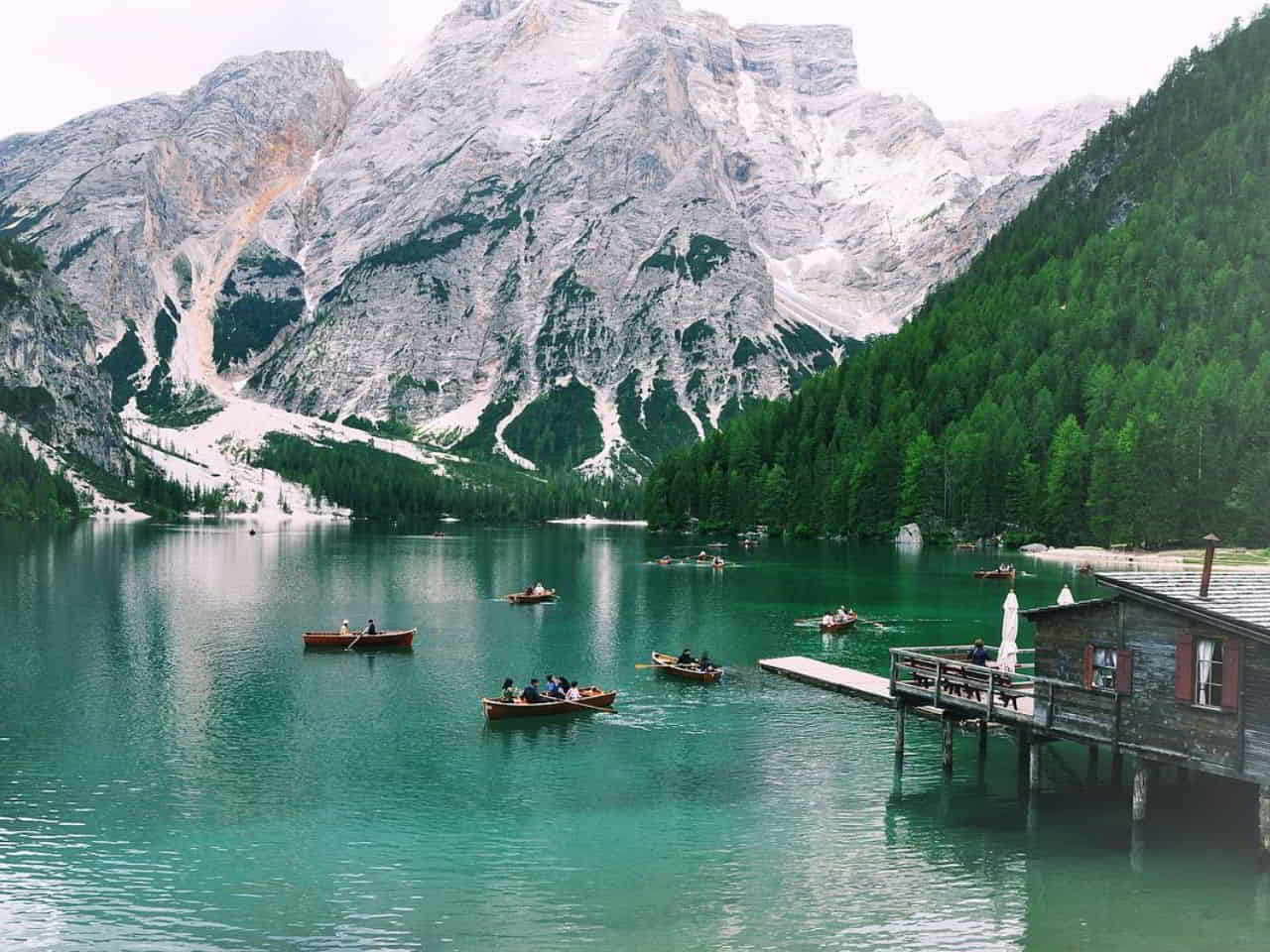
Why Visit the Dolomites
The Dolomites rank among Italy’s most extraordinary destinations because they offer landscapes unlike anything else in the country.
While Tuscany is famous for rolling hills and the Amalfi Coast for dramatic seaside cliffs, the Dolomites deliver a completely different scale of beauty. Towering limestone peaks rise above alpine meadows, crystal-clear lakes reflect jagged mountain silhouettes, and scenic roads connect some of Europe’s most breathtaking viewpoints.
Recognized as a UNESCO World Heritage Site, the Dolomites are not simply a destination for hikers or outdoor enthusiasts.
They appeal equally to photographers, road-trippers, couples, nature lovers, and travelers seeking some of Italy’s most unforgettable scenery.
What makes the region especially impressive is its year-round appeal.
Summer brings world-class hiking, cycling, and alpine exploration.
Winter transforms the landscape into one of Europe’s premier ski destinations.
For travelers looking to experience Italy beyond its famous cities and coastlines, the Dolomites provide one of the country’s most rewarding and visually spectacular adventures.
What Makes It Unique
Many mountain destinations offer impressive scenery.
The Dolomites stand apart because of their distinctive geology, dramatic vertical peaks, and constantly changing colors throughout the day.
Unlike the rounded mountains commonly found elsewhere in Europe, the Dolomites feature sharp limestone formations that rise dramatically from green valleys and alpine plateaus.
Three elements define the experience:
- Jagged mountain peaks
- Alpine meadows
- Scenic mountain passes
Together they create landscapes that often feel more cinematic than real.
One of the region’s most remarkable characteristics is the phenomenon known as Enrosadira, when sunrise and sunset light turns the pale rock formations shades of pink, orange, and red.
This daily transformation creates some of the most famous mountain photography opportunities in Europe.
Unlike the cultural immersion of Rome or Florence, the Dolomites are about experiencing nature on a grand scale.
The scenery itself becomes the attraction.
Every drive, hike, cable-car ride, and viewpoint feels like part of the experience.
Things to do in Dolomites
- Hiking Tre Cime di Lavaredo
- Exploring Alpe di Siusi (Seiser Alm)
- Visiting Lago di Braies
- Driving the Great Dolomites Road
- Riding cable cars to panoramic viewpoints
- Exploring Val Gardena
- Visiting Seceda Ridgeline
- Skiing during winter season
- Photographing sunrise and sunset mountain landscapes
- Staying in traditional alpine villages
Food You Should Try
The Dolomites blend Italian and Alpine culinary traditions.
Must-try specialties include:
- Speck (smoked cured ham)
- Canederli (bread dumplings)
- Apple strudel
- Polenta dishes
- Alpine cheeses
- Venison specialties
- Mountain soups
- South Tyrolean wines
The cuisine here feels noticeably different from southern Italy and Sicily, reflecting centuries of Alpine influence.
Best For
- Nature lovers
- Hikers
- Adventure travelers
- Road-trip enthusiasts
- Photographers
- Skiers
- Couples seeking scenic escapes
Avoid If
The Dolomites may not be ideal if:
- You dislike mountain environments
- You prefer urban sightseeing
- You want nightlife-focused destinations
- You have very limited travel time
- You prefer beach vacations
In those situations, Venice, Rome, Florence, or the Amalfi Coast may be better choices.
Ideal Stay Length
3 days minimum
4–6 days ideal
This allows enough time to:
- Explore multiple valleys
- Complete major hikes
- Visit iconic lakes
- Experience scenic drives
- Enjoy cable-car viewpoints
- Photograph different landscapes
Longer stays are highly rewarding due to the size and diversity of the region.
Budget Reality
The Dolomites can range from moderate to expensive depending on season and location.
Typical daily costs:
- Budget Traveler: $120–220
- Mid-Range Traveler: $220–400
- Luxury Traveler: $400–900+
Compared with Rome or Florence, accommodation costs can be significantly higher during peak hiking and ski seasons.
Mountain resorts and premium ski villages command the highest prices.
Logistics Snapshot
Nearest Airports
- Venice Marco Polo Airport
- Innsbruck Airport
- Verona Airport
Accessibility
- Best explored by car
- Public transportation available but slower
- Cable cars connect many major viewpoints
- Well-developed hiking infrastructure
Important Note
Mountain weather changes quickly.
Trail conditions, cable-car schedules, and accessibility can vary by season and should always be verified before travel.
Parking Reality
Parking is generally available throughout the region but can become extremely limited at famous locations such as:
- Tre Cime di Lavaredo
- Lago di Braies
- Seceda access points
Arriving early in the morning is strongly recommended during summer.
Many popular parking areas fill before mid-morning during peak season.
Where to Stay (Quick Picks)
- Val Gardena: Best for first time visitors, Hiking, Scenic viewpoints, Year round accessibility.
- Cortina d’Ampezzo: Best for Luxury travelers, Skiing, Upscale mountain atmosphere.
- Ortisei: Best for Families, Walkability, Access to cable cars.
- Alta Badia: Best for Food lovers, Scenic drivers, Relaxed alpine villages.
Best Time to Visit
June–September- The best overall period for hiking, photography, scenic drives, and outdoor exploration.
October – Beautiful autumn colors with fewer visitors.
December–March – Peak ski season with snow-covered landscapes and excellent winter sports opportunities.
April–May – A transitional period with variable weather and some seasonal closures.
Biggest Mistake Tourists Make
Many travelers try to visit the Dolomites as a day trip from Venice.
This dramatically limits the experience.
The region is much larger than most visitors expect, and its greatest strengths come from spending multiple days exploring different valleys, viewpoints, and mountain landscapes.
Rushing through the area means missing what makes it truly special.
Photography Notes
Best Photography Locations
- Tre Cime di Lavaredo
- Seceda Ridgeline
- Lago di Braies
- Alpe di Siusi
- Passo Giau
- Santa Maddalena Church viewpoint
Photography Tip: The most famous Dolomite images are often captured during sunrise. Staying near key photography locations allows you to reach viewpoints before crowds arrive and before changing weather conditions affect visibility.
Pro Tip (Local Insight)
Do not base your entire trip around Lago di Braies simply because it’s the most photographed lake online.
While beautiful, many travelers are surprised to discover that places like Seceda, Alpe di Siusi, Passo Giau, and Val Gardena often provide even more memorable experiences with fewer crowds.
The real magic of the Dolomites comes from exploring multiple landscapes rather than focusing on a single Instagram-famous location.
Best Places to visit in Southern Italy
11. Naples – Chaotic, Loud & Unforgettable
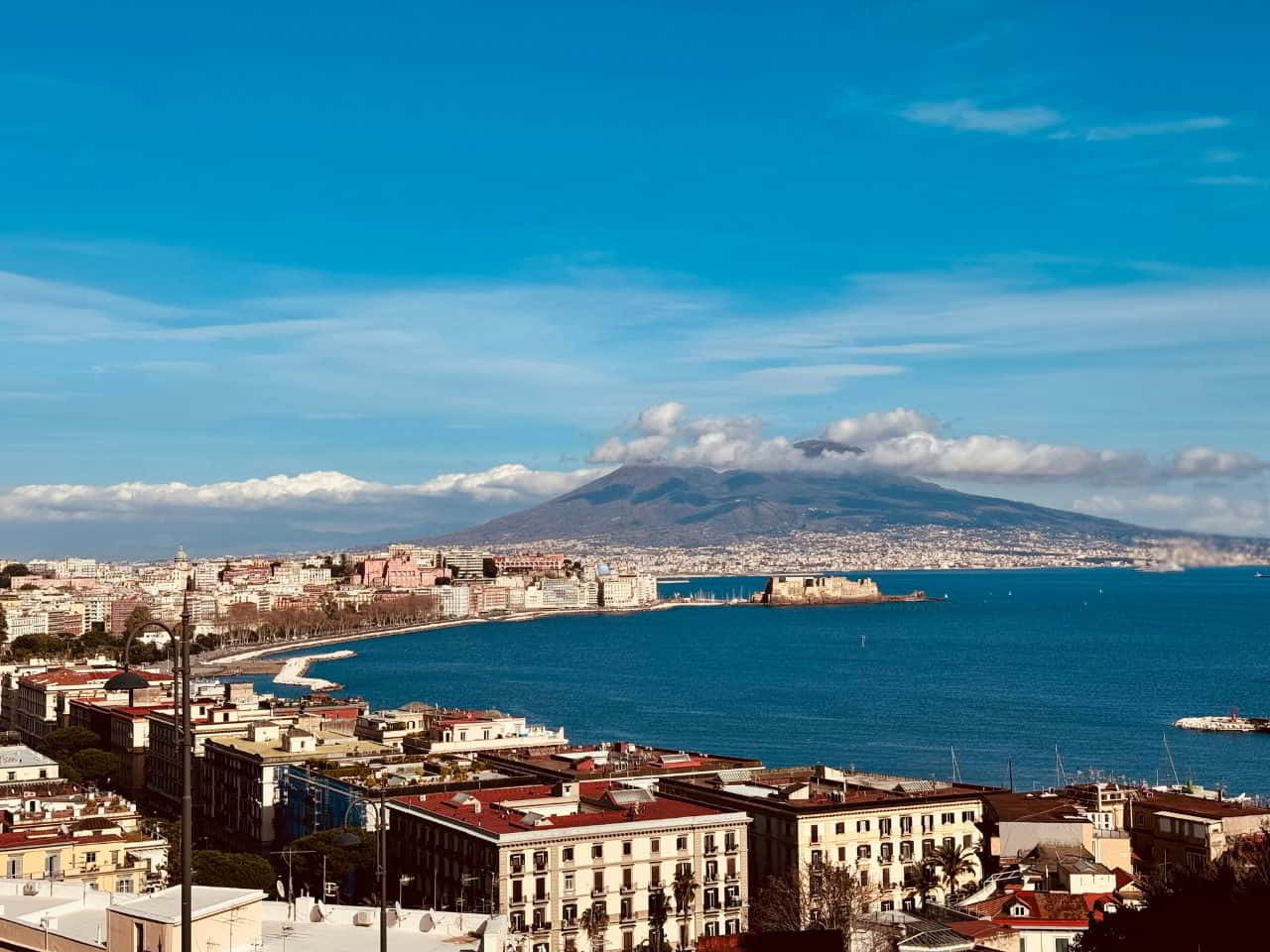
Why Visit Naples
Naples is raw, intense, and unapologetically real. It’s not polished – and that’s exactly its uniqueness.
Best For
Food lovers, history enthusiasts, and travelers craving authenticity.
What Makes It Special
Naples gave the world pizza, sits beneath Mount Vesuvius, and pulses with energy unlike anywhere else in Italy.
Top Experiences (Quick Picks)
- Eat authentic Neapolitan pizza
- Visit Pompeii and Herculaneum
- Explore historic streets
- See Mount Vesuvius up close
Best Time to Visit
March–May and September–October.
Pro Tip
Embrace the chaos – Naples rewards curious, open-minded travelers.
12. Sicily – Italy’s Most Complete Travel Destination
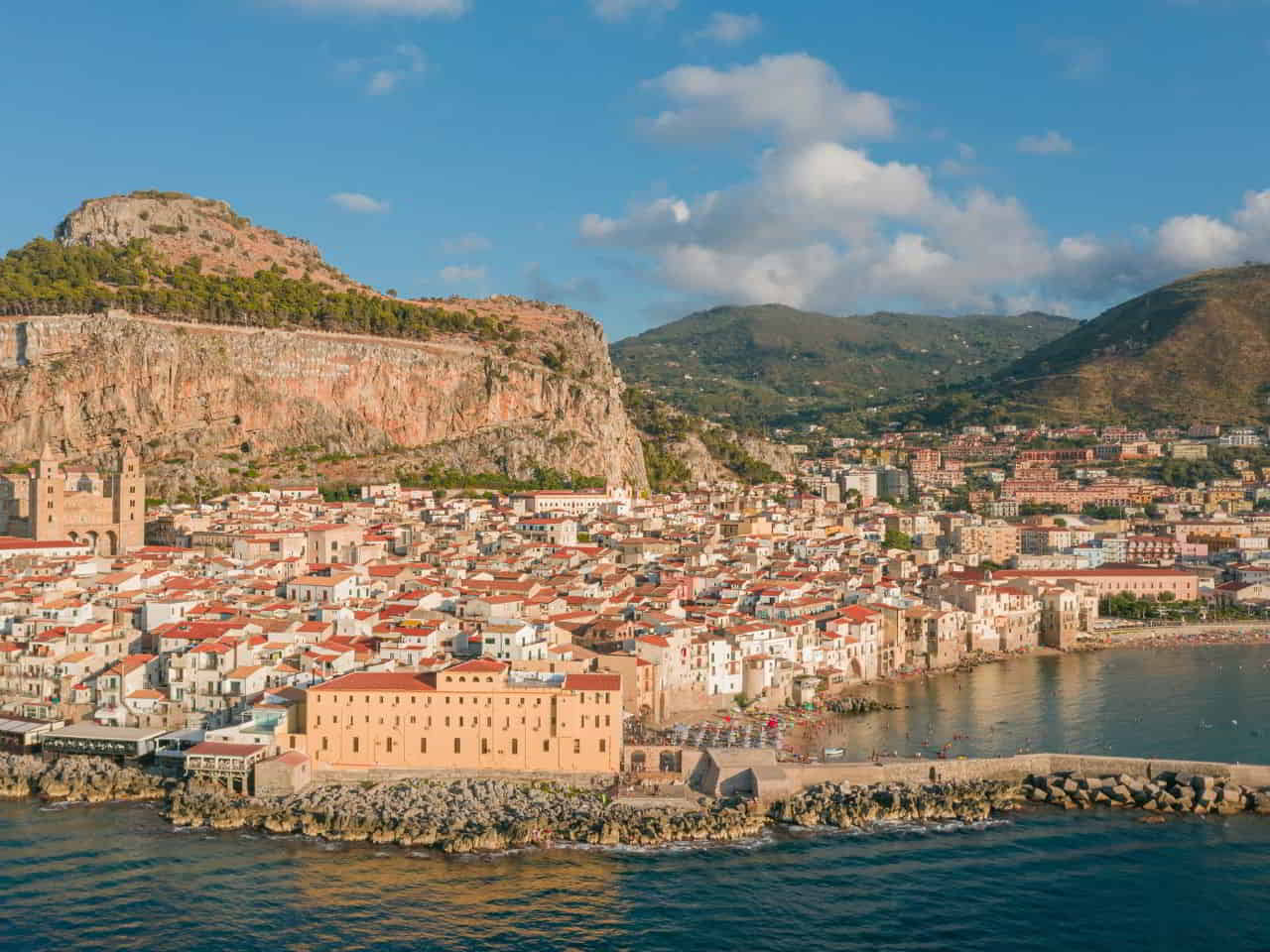
Why Visit Sicily
Sicily feels like its own world – layered with ancient history, diverse landscapes, and bold flavors. This place tops any list of the most beautiful places to visit in Italy if you’re planning your first trip there.
Best For
Cultural explorers, beach lovers, and repeat Italy travelers.
What Makes It Special
Greek ruins, Baroque towns, Mount Etna, and stunning beaches coexist on one stunning island.
Top Experiences (Quick Picks)
- Explore Taormina
- Visit Mount Etna
- Relax on Sicilian beaches
- Discover ancient temples
While you’re in, these are the Best Places to visit in Sicily.
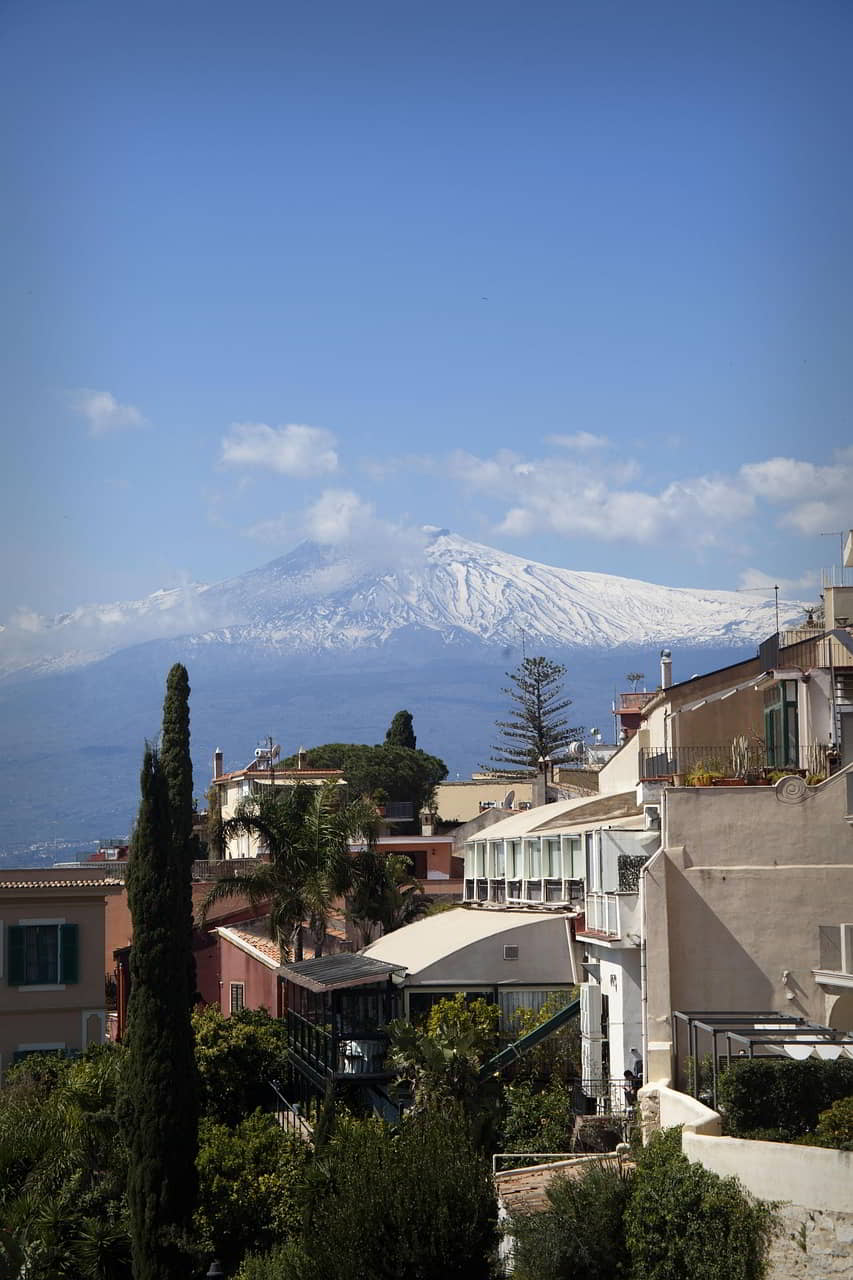
Explore Stunning Beaches of Sicily.
Best Time to Visit
May–June and September–October.
Pro Tip
Sicily is large – plan regions carefully instead of rushing the whole island.
FAQs
-
What are the best places to visit in Italy for first-time visitors?
For first-time visitors, the best places to visit in Italy are Rome, Florence, and Venice, as they offer a balanced introduction to the country’s history, art, and culture. If you want variety, can also include Tuscany for countryside experiences or the Amalfi Coast for scenic coastal views. The key is to choose places that are well-connected and avoid rushing too many destinations into one trip.
-
Is 7 days enough for a first trip to Italy?
Yes, 7 days is enough for a first trip to Italy if you focus on 2 to 3 destinations. A common and realistic combination is Rome, Florence, and Venice, or Rome paired with the Amalfi Coast. Trying to cover too much in one week often leads to exhaustion, so it’s better to travel intentionally and spend more time in fewer places.
-
Which part of Italy is best based on travel style?
The best part of Italy depends on your travel style. History and iconic cities are best experienced in Rome, Florence, and Venice. Romantic and scenic travel suits Tuscany and the Amalfi Coast. Beach lovers often prefer Sardinia or Sicily, while nature and hiking enthusiasts are drawn to the Dolomites or Cinque Terre. Choosing based on interests leads to a far better experience than trying to see everything at once.
-
How many places should you visit on one Italy trip?
Plan to visit 2 to 4 places on one Italy trip, depending on the trip length. Visiting fewer destinations allows time to explore beyond major landmarks, enjoy local food, and travel at a relaxed pace. Italy rewards slow, intentional travel more than rushed itineraries.
And It’s a Wrap!
If you want more personal recommendations or have any questions; feel free to comment me below!
And don’t forget to check out my curated list on Italy travel tips that’ll help you avoid any typical tourist trap and allow you to enjoy each spot like a local!