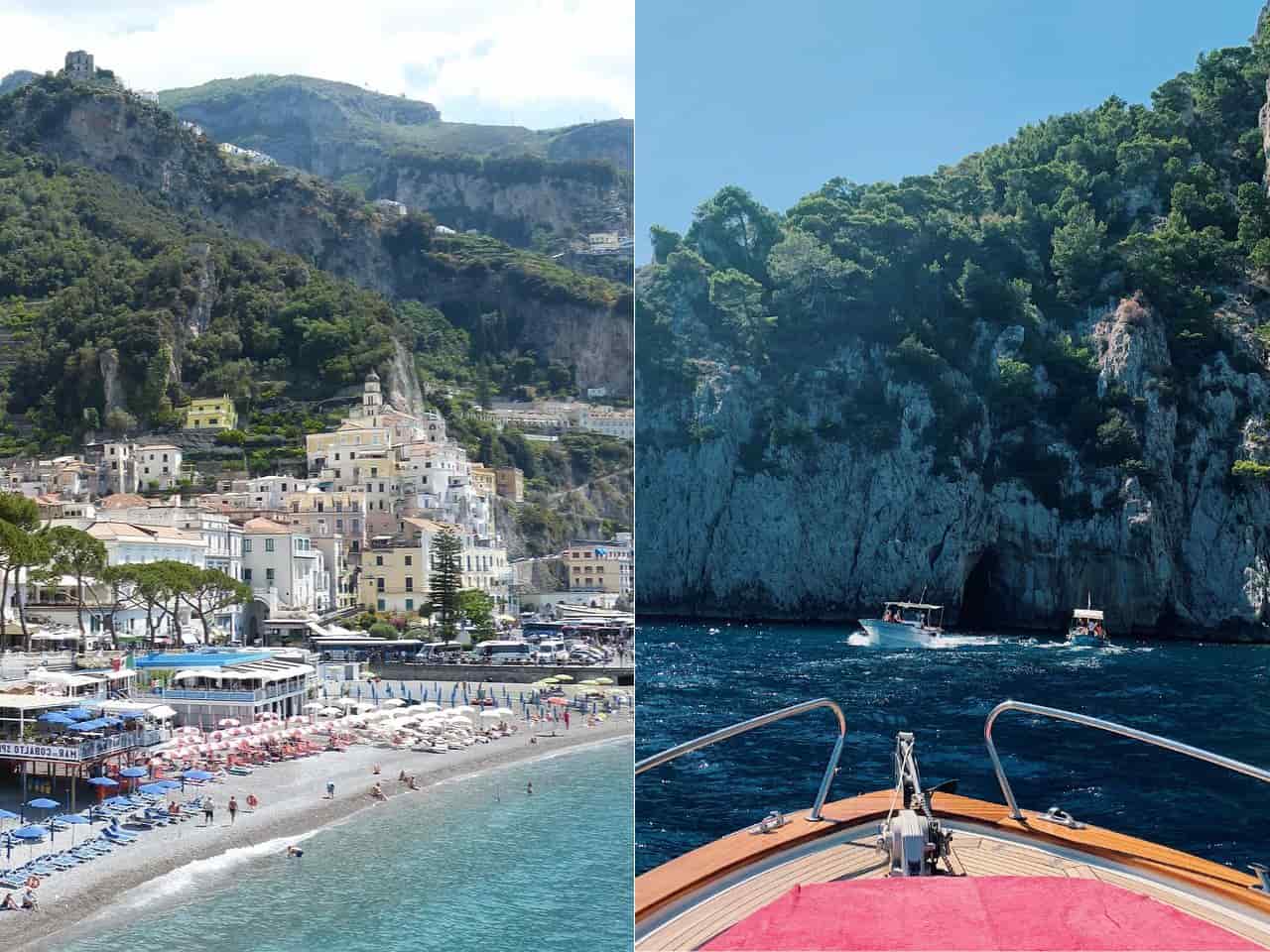
The Amalfi Coast looks simple on map – but planning it is where most travelers go wrong.
They choose the wrong base, underestimate travel times, and miss the experiences that actually define the coast.
This guide is built differently. Instead of a generic list, you’ll find a ranked, decision-focused breakdown of the 15 best things to do on the Amalfi Coast, with:
- Clear prioritization
- Realistic logistics
- Mistakes to avoid
- Practical itinerary integration
The goal isn’t to simply give you more things to do. It’s to help you prioritize the experiences that are genuinely worth your time—and plan them in a way that makes the Amalfi Coast easier to enjoy.
Love this? Don’t forget to check out Season-by-Season complete guide on Best time to visit Italy AND 29 Essential Italy Travel Tips to plan out your best Italian trip ever!
What are the Best things to do on the Amalfi Coast?
The best things to do on the Amalfi Coast include exploring Positano and Amalfi Town, visiting Ravello, taking a boat trip to Capri, driving or touring the scenic Amalfi Coast Road, hiking the Path of the Gods, visiting Fiordo di Furore, relaxing on the coast’s beaches, exploring quieter towns such as Praiano, Atrani, and Vietri sul Mare, taking a day trip to Sorrento, enjoying local food experiences, and watching sunset from the coast’s most scenic viewpoints.
How to Choose What to do on the Amalfi Coast
Before building your itinerary, decide what matters most to you. Your trip length, budget, travel style, season, and energy level should determine which experiences you prioritize.
Choose Based on Trip Length
- 1–2 Days: Focus on Positano, Amalfi Town, and a ferry ride. This gives you a strong first impression without trying to cover too much coastline.
- 3–5 Days: Add Ravello, a Capri boat trip, and time along the Amalfi Coast Road.
- 5+ Days: Add Fiordo di Furore, Praiano, Vietri sul Mare, Atrani, hiking, and dedicated food experiences.
Planning Tip: Don’t try to fit all 15 experiences into a short trip. The Amalfi Coast is compact on a map but slow to navigate during busy periods.
Choose Based on Budget
- Best Value Budget: Stay in Sorrento or Vietri sul Mare and rely mainly on buses and ferries.
- Mid-Range Budget: Consider Amalfi or another well-connected coastal base, combining public transportation with selected paid experiences.
- Luxury Budget: Prioritize Positano or Ravello, private boat tours, premium hotels, and high-end dining.
Planning Tip: Your choice of base can affect your overall budget as much as the activities themselves, particularly during July and August.
Choose Based on Travel Style
- First-Time Visitors: Positano, Amalfi Town, Ravello, and a Capri boat trip.
- Scenery & Photography: Ravello, the Path of the Gods, Fiordo di Furore, and sunset viewpoints.
- Food & Culture: Amalfi, Vietri sul Mare, and local culinary experiences.
- Relaxed & Quiet: Praiano, Atrani, and the coast’s smaller beaches.
- Adventure: The Path of the Gods, coastal hikes, and boat excursions.
Planning Tip: Pick two or three experiences that match your travel style rather than treating every attraction as equally important.
Choose Based on Season
- April–June & September–October: Best overall balance of weather, crowds, and sightseeing conditions. Ferry and beach services are generally more useful during the warmer months, although schedules become more seasonal toward October.
- July–August: Best for swimming and the full summer atmosphere, but expect the highest prices, heavier traffic, and largest crowds.
- November–March: Quieter and generally more affordable, but many seasonal hotels, restaurants, attractions, and ferry services operate on reduced schedules or close entirely.
Planning Tip: For the best combination of sightseeing, transportation, and manageable crowds, prioritize May, June, September, or early October.
Choose Based on Your Energy Level
- Easy Pace: Prioritize Positano, Amalfi Town, ferry rides, beaches, viewpoints, and food experiences.
- Moderate Activity: Add Ravello, coastal walks, boat excursions, and exploration of smaller towns.
- Active Trip: Prioritize the Path of the Gods, longer coastal hikes, swimming stops, and full-day boat excursions.
Planning Tip: The Amalfi Coast involves more stairs and walking than photographs suggest. Leave enough time between activities rather than planning every hour of the day.
Things to do on the Amalfi Coast Compared at a Glance
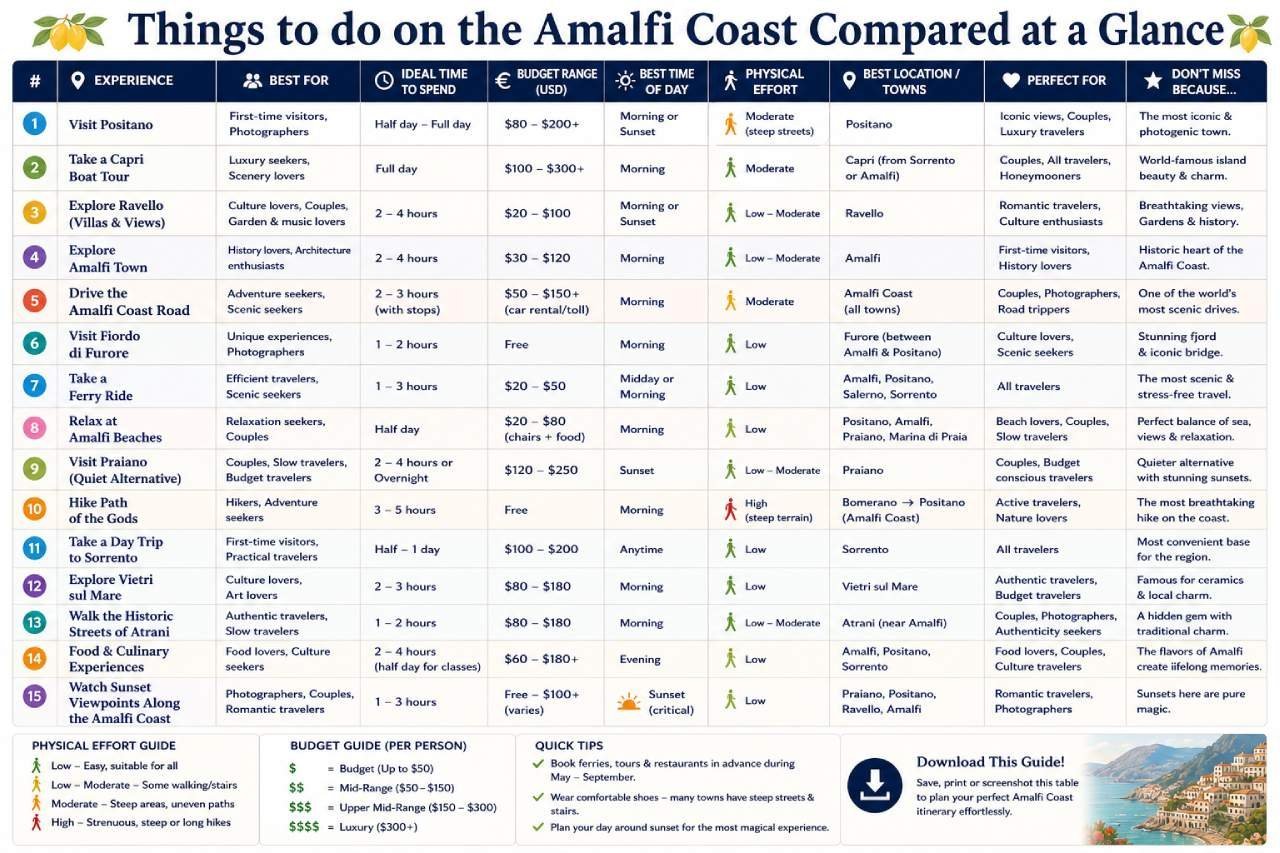
15 Best Things to Do on the Amalfi Coast
- 1. Visit Positano
- 2. Take a Capri Boat Tour
- 3. Explore Ravello (Villas & Views)
- 4. Explore Amalfi Town
- 5 Drive the Amalfi Coast Road
- 6 Visit Fiordo di Furore
- 7 Take a Ferry Ride
- 8 Relax at Amalfi Beaches
- 9 Visit Praiano (Quiet Amalfi Coast Alternative)
- 10 Hike Path of the Gods
- 11 Take a Day Trip to Sorrento
- 12 Explore Vietri sul Mare
- 13 Walk the Historic Streets of Atrani
- 14 Food & Culinary Experiences
- 15 Watch Sunset Viewpoints Along the Amalfi Coast
1. Visit Positano
Why It Ranks
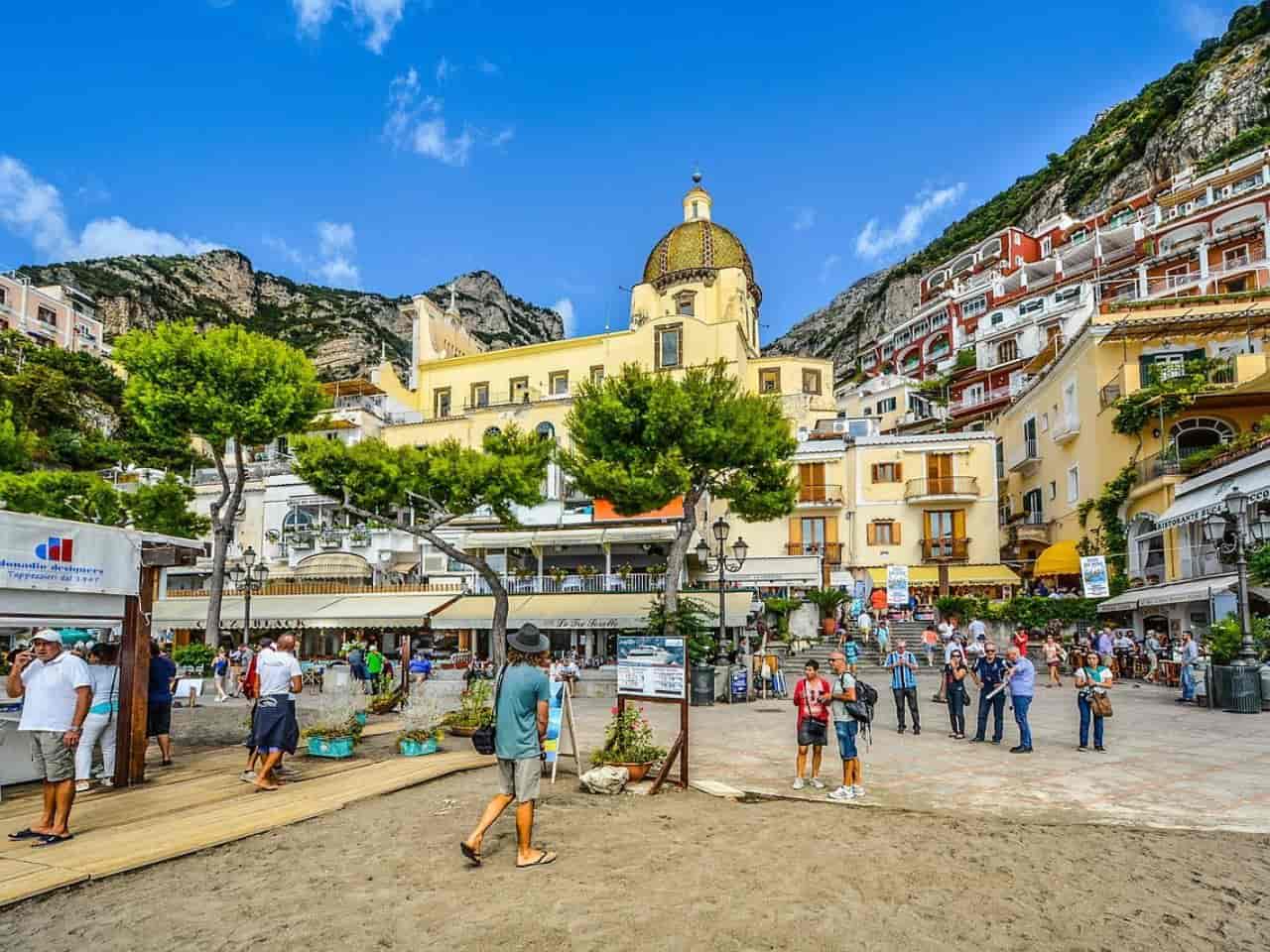
Positano ranks first because it captures everything that makes the Amalfi Coast famous in a single destination. Its colorful cliffside houses, lively beach, boutique-lined streets, and sweeping Mediterranean views create the classic Amalfi Coast experience that most first-time visitors imagine before arriving.
While other towns excel in specific areas, Positano brings together scenery, dining, shopping, beach time, and luxury in one walkable destination. Whether you’re spending a few hours exploring or staying overnight, it offers the strongest introduction to the coastline and leaves many travelers with their most memorable experiences on the Amalfi Coast.
What Makes It Unique
Unlike most seaside towns, Positano isn’t built along the coast—it’s built into the cliffs above it.
Every walk becomes part of the experience as narrow staircases, flower-filled alleyways, hidden terraces, and sea-facing viewpoints connect different parts of the town. Instead of separating the beach, shopping streets, and restaurants, Positano blends them together into one continuous journey.
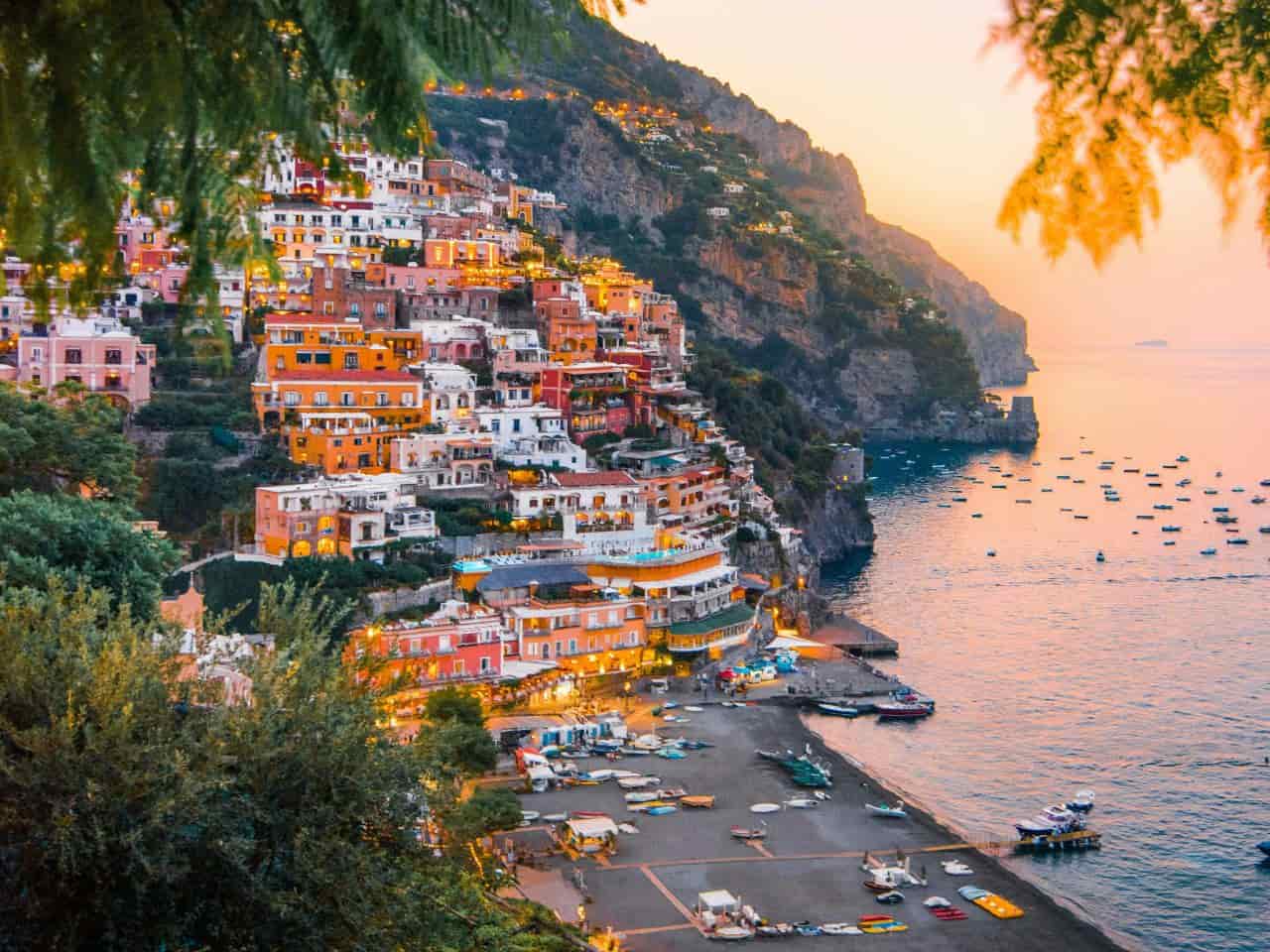
Its distinctive vertical layout means every turn reveals a new perspective, making the town feel constantly changing as you explore. By evening, the warm glow across the pastel buildings creates one of the Amalfi Coast’s most recognizable landscapes.
Things to Do in Positano
- Relax on Spiaggia Grande, Positano’s main beach.
- Walk through the narrow streets lined with boutiques and artisan shops.
- Visit the Church of Santa Maria Assunta and its iconic tiled dome.
- Discover quieter Fornillo Beach.
- Enjoy a sunset aperitivo overlooking the Mediterranean.
- Join a boat tour along the coastline.
- Photograph Positano from the upper viewpoints.
- Browse local ceramics, linen clothing, and handmade sandals.
- Dine at a terrace restaurant with sea views.
- Wander the town after sunset when the day-trippers have left.
Food You Should Try
- Scialatielli ai Frutti di Mare -fresh seafood pasta
- Delizia al Limone – lemon sponge dessert
- Fresh anchovies from nearby Cetara
- Handmade mozzarella
- Lemon granita – A refreshing option during hot summer days.
- Limoncello served after dinner
Best For
First-time visitors, couples, honeymooners, photographers, luxury travelers, and anyone looking for the Amalfi Coast’s most iconic scenery.
Avoid If
Positano may not be the best choice if you’re traveling on a tight budget, dislike crowds, have limited mobility, or want a quieter and more traditional local atmosphere.
How Much Time Do You Need?
- Half-day: Enough to see the highlights and enjoy the beach.
- Full day: Best for combining sightseeing, shopping, dining, and relaxing by the sea.
- Overnight: The best overall experience, allowing you to enjoy Positano after most day visitors have left.
Budget Reality
- Budget traveler: $150–250 per day
- Mid-range traveler: $250–450 per day
- Luxury traveler: $450+ per day
Accommodation prices rise considerably during the summer months, making Positano one of the Amalfi Coast’s most expensive places to stay.
Where to Stay
- Upper Town – Best for panoramic views, quieter surroundings, and boutique hotels.
- Near Spiaggia Grande – Best for first-time visitors who want easy access to the beach, restaurants, and ferries.
- Montepertuso – Best for travelers looking for lower accommodation costs, hiking access, and a more peaceful setting.
Getting Around & Logistics
- Ferries are usually the fastest and most scenic way to reach Positano during the main tourist season.
- Road traffic along the Amalfi Coast can become heavily congested between late morning and early evening.
- Parking is extremely limited and among the most expensive on the coast.
- The town is highly walkable but involves many staircases and steep streets, so comfortable footwear is essential.
Best Time of Day to Visit
Early morning offers quieter streets, easier photography, and a more relaxed atmosphere.
Sunset is perfect for enjoying the town’s restaurants, waterfront views, and the warm light reflecting across the colorful hillside.
Don’t Make this Mistake
Many visitors arrive around midday, spend only a couple of hours in the busiest part of town, and leave believing they’ve experienced Positano.
The town feels completely different in the early morning and evening, when the crowds thin out and its slower, more relaxed atmosphere begins to emerge.
Pro Tip
If your budget allows, spend at least one night in Positano rather than visiting on a day trip. Exploring the quiet streets after sunset and watching the town wake up the following morning offers a far more memorable experience than simply arriving with the daytime crowds.
2. Take a Capri Boat Tour
Why It Ranks
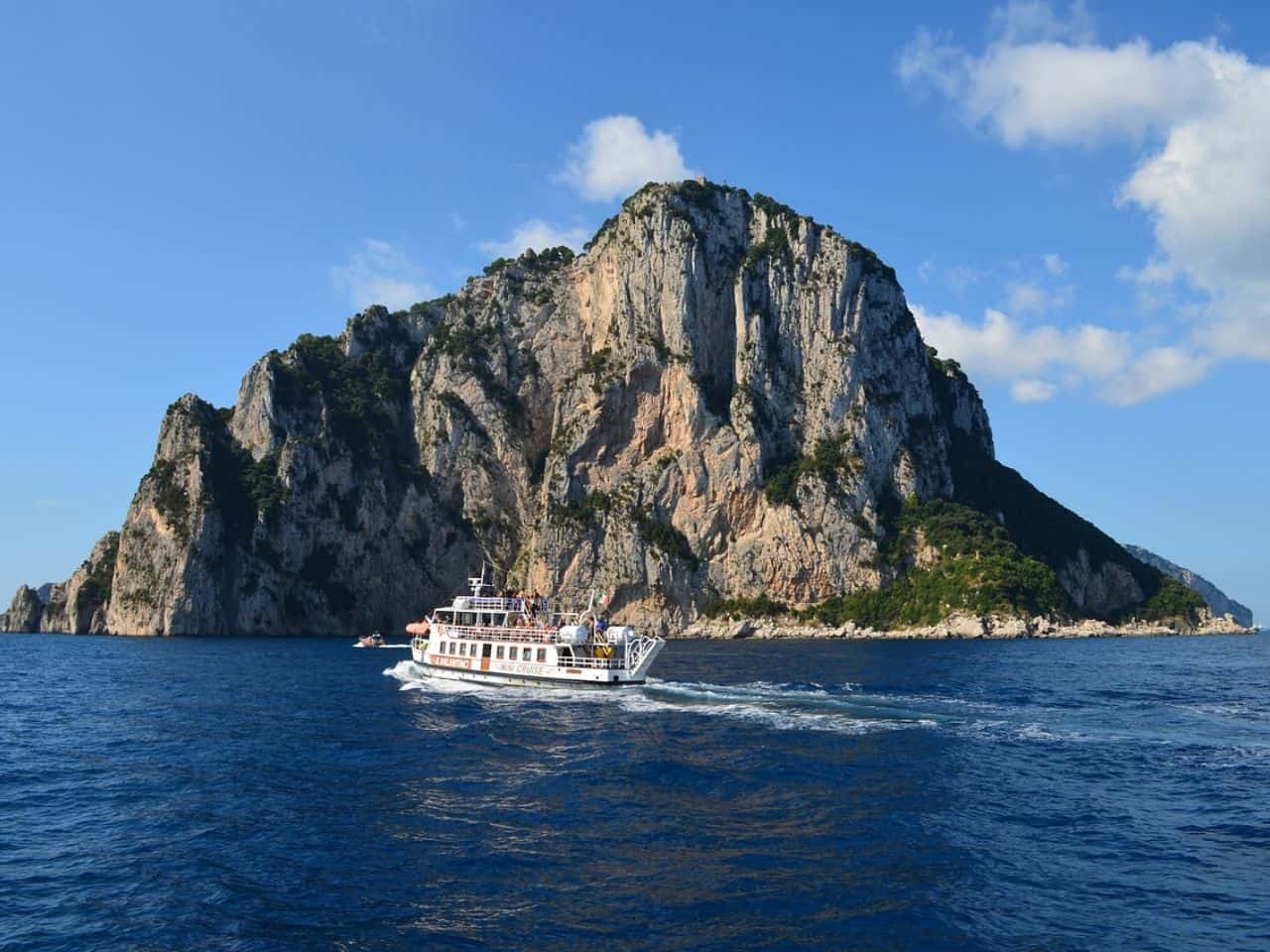
A Capri boat tour is one of the best ways to experience the Amalfi Coast because it combines the coastline, sea, and island scenery in a single experience. From the water, you can see Capri’s cliffs, sea caves, hidden coves, and famous landmarks that are difficult to appreciate from land.
For first-time visitors, it also adds a different perspective to the trip rather than another town to walk through. If your Amalfi Coast itinerary includes Capri, arriving by boat turns the journey itself into part of the experience.
What Makes It Unique
A Capri boat tour is less about checking off individual attractions and more about seeing the island’s coastline from the water.
Depending on the route and sea conditions, tours may pass landmarks such as the Faraglioni, White Grotto, Green Grotto, and Blue Grotto. Private tours usually offer more flexibility for swimming and photography, while shared excursions are generally the better-value option.
Planning Tip: Don’t choose a tour solely because it advertises the most stops. Check the total duration, departure point, group size, swimming time, and whether entrance fees or Blue Grotto tickets are included.
Things to Do on a Capri Boat Tour
- Cruise around Capri’s dramatic coastline and Faraglioni rock formations.
- Stop to enjoy swimming in clear Mediterranean water when sea conditions allow.
- Explore sea caves and coastal grottoes where permitted.
- Visit the Blue Grotto if your tour includes it and conditions allow entry.
- Photograph Capri’s cliffs and landmarks from offshore.
- Enjoy lunch or refreshments during longer excursions.
- Combine the boat tour with free time in Capri or Anacapri.
Planning Tip: If swimming is important to you, choose a tour that specifically includes a swimming stop rather than assuming every Capri excursion does.
Food You Should Try
Food is usually secondary to the boat experience, but a Capri excursion pairs naturally with a few local specialties:
- Insalata Caprese – Fresh tomato, mozzarella, basil, and olive oil.
- Limoncello – Capri’s famous lemon liqueur, traditionally served after a meal.
- Chilled Prosecco during sunset cruises
For a full-day private excursion, bringing or arranging lunch in advance can save time and avoid an unplanned stop at an expensive waterfront restaurant.
Best For
Couples, honeymooners, photographers, first-time Amalfi Coast visitors, families, and travelers looking for a memorable full-day experience on the water.
Avoid If
A Capri boat tour may not be the best option if you experience severe seasickness, have very limited time on the Amalfi Coast, or prefer spending the day exploring historic towns instead of being out at sea.
How Much Time Do You Need?
- Half-day: Suitable for shorter coastal cruises without spending much time on Capri.
- Full day: The ideal choice, allowing time for cruising, swimming, sightseeing, and exploring Capri.
- Private full-day charter: Best for travelers wanting a slower pace with flexible swimming stops and customized itineraries.
Budget Reality
- Shared boat tour: Approximately $50–$100 per person.
- Private boat: Approximately $300–$800+ per boat, depending on boat size, duration, and inclusions.
Prices vary depending on group size, departure location, season, and whether entrance fees or meals are included.
Where to Stay
- Positano – Best for convenient departures and combining the tour with the Amalfi Coast’s most iconic town.
- Amalfi – Best for central access, ferry connections, and a wide choice of tour operators.
- Sorrento – Best for the largest selection of boat tours, competitive prices, and easy transportation.
Logistics Snapshot
- Most tours depart from Sorrento, Positano, or Amalfi between early morning and mid-morning.
- Small-group tours usually offer a more relaxed experience than larger excursion boats.
- The Blue Grotto may close temporarily because of sea conditions or high tides.
- Bring swimwear, sunscreen, sunglasses, and a light jacket, as sea breezes can feel cooler than temperatures on land.
Best Time of Day to Visit
Morning departures usually offer calmer seas, better visibility, and more comfortable temperatures, making them the preferred option for swimming and sightseeing.
Sunset cruises provide a completely different atmosphere, with warm evening light, quieter waters, and spectacular coastal views as the sun disappears behind the cliffs.
Don’t Make This Mistake
Many visitors choose the cheapest large-group excursion without checking what’s included, only to discover they have limited swimming time and very little opportunity to explore Capri itself.
Another common mistake is assuming entry to the Blue Grotto is guaranteed. Weather and sea conditions frequently affect access, so it’s best to view it as a bonus rather than the main reason for booking the tour.
Pro Tip
Book a small-group tour with free swimming stops and leisure time in Capri instead of choosing the largest excursion available. The slightly higher cost is usually worth it for a more relaxed itinerary, fewer passengers, and a far more enjoyable experience on the water.
3. Explore Ravello (Villas & Views)
Why It Ranks
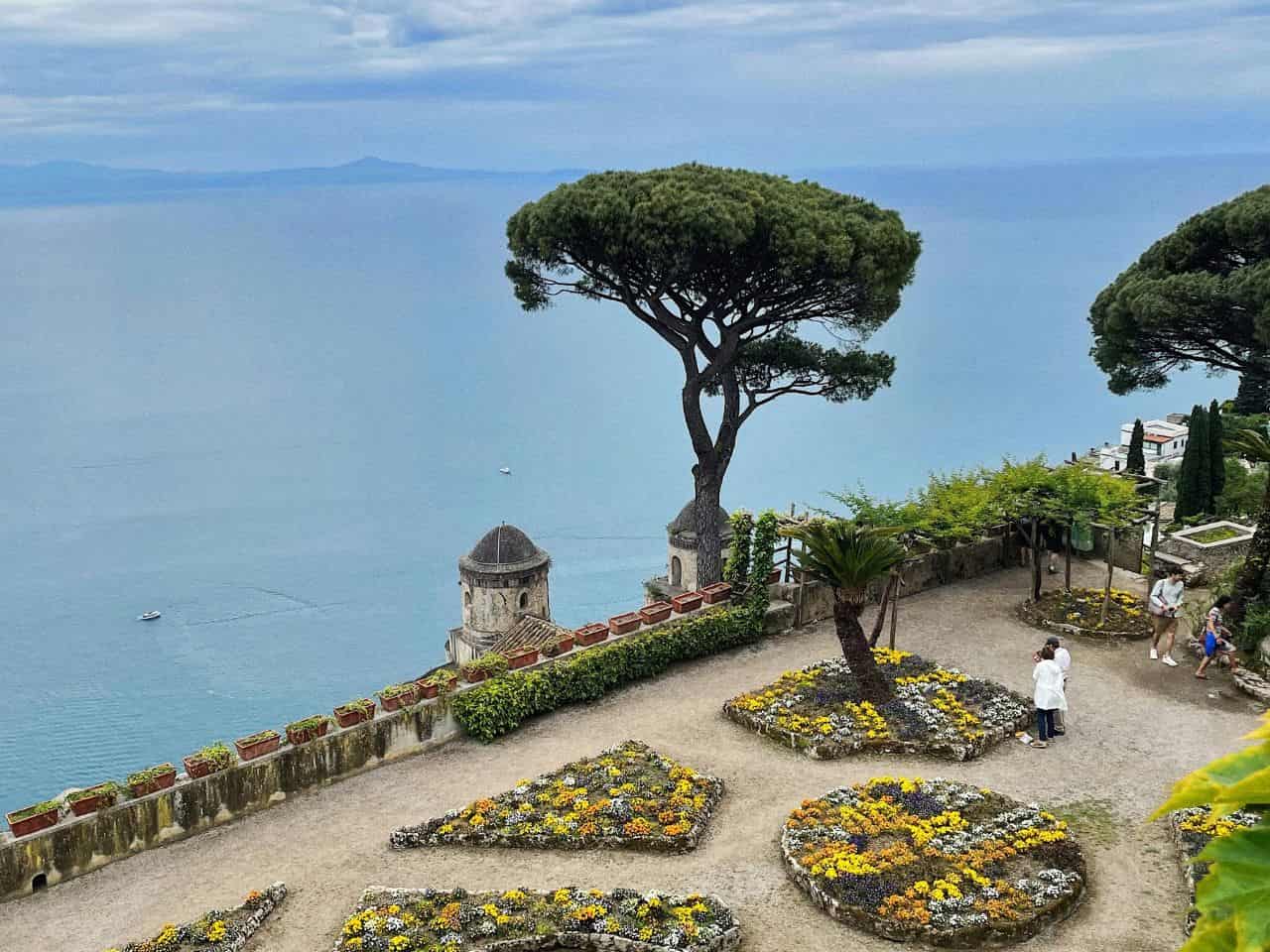
Ravello ranks among the best things to do on the Amalfi Coast because it offers some of the coast’s most impressive viewpoints without the same waterfront intensity found in Positano and Amalfi Town. Its hilltop setting, historic villas, gardens, and sweeping views make it especially rewarding for travelers who want scenery, culture, and a slower pace.
For a first Amalfi Coast trip, Ravello adds a different experience to the itinerary: instead of spending another day at sea level, you climb above the coast and experience it from a completely different perspective.
What Makes It Unique
Ravello sits high above the Mediterranean, giving the town a very different character from the coastal villages below. Its main attractions are Villa Rufolo and Villa Cimbrone, both known for historic architecture, landscaped gardens, and panoramic views.
The elevation is also part of the experience. Getting to Ravello requires a climb from the coast, but that distance helps create a quieter atmosphere and makes the destination particularly appealing for travelers who want to slow down.
Planning Tip: Allow enough time for the gardens rather than treating Ravello as a quick viewpoint stop. The combination of architecture, gardens, and coastal scenery is what makes the visit worthwhile.
Things to Do in Ravello
- Explore the gardens and historic grounds of Villa Rufolo.
- Visit Villa Cimbrone and walk to its famous Terrace of Infinity.
- Explore Ravello’s historic center and Ravello Cathedral.
- Stop at a terrace café for panoramic coastal views.
- Walk through the quieter streets around the town center.
- Look for local ceramics and artisan products.
- Visit during a cultural event or concert when the seasonal program suits your itinerary.
Planning Tip: Villa Cimbrone and Villa Rufolo are the main priorities. If your time is limited, focus on these before spending time browsing the town’s smaller attractions.
Food You Should Try
Ravello is a good place to slow down for a meal rather than simply stopping for a quick snack.
- Scialatielli – Fresh pasta traditionally associated with the Amalfi Coast.
- Lemon-based desserts – A natural choice in a region famous for its lemons.
- Fresh mozzarella and local cheeses – Often featured in regional dishes.
- Limoncello – A classic way to finish a meal along the coast.
If you’re visiting as a day trip, reserve lunch in advance during the busiest months, particularly if you want a restaurant with a panoramic terrace.
Best For
Couples, photographers, history lovers, garden enthusiasts, culture-focused travelers, and anyone looking for dramatic coastal views without spending the entire day at the beach.
Avoid If
Ravello may not be the best choice if you’re looking for beaches, nightlife, water sports, or a fast-paced atmosphere. Travelers wanting immediate access to the sea may prefer Positano or Amalfi.
How Much Time Do You Need?
- Half-day: Enough to visit Villa Rufolo and enjoy the main viewpoints.
- Full day: Ideal for exploring both villas, relaxing over lunch, and experiencing the town’s peaceful atmosphere.
- Overnight: Perfect for enjoying Ravello after day visitors leave and seeing the coastline at sunrise or sunset.
Budget Reality
- Budget: Approximately $50–$100 per person for a sightseeing-focused visit with local transport and entry fees.
- Mid-range: Approximately $100–$200 per person with a restaurant meal and additional paid experiences.
- Luxury: $200+ per person when including premium dining, private transfers, or upscale accommodation.
Accommodation is generally more affordable than Positano while still offering excellent boutique hotels, historic villas, and scenic luxury stays.
Where to Stay
- Historic Center – Best for walkability, restaurants, and easy access to Ravello’s main attractions.
- Near Villa Cimbrone – Best for romantic stays, luxury hotels, and quieter surroundings.
- Countryside Around Ravello – Best for peaceful escapes, scenic views, and travelers with a rental car.
Getting Around & Logistics
Ravello is most easily reached from Amalfi by local bus, taxi, or private transfer. The journey follows a steep mountain road but rewards visitors with spectacular views.
The historic center is compact and easy to explore on foot, although some streets include gentle slopes and steps. Parking is limited during peak season, making public transportation a convenient option for many visitors.
Planning Tip: If you’re visiting Ravello from Amalfi, check the return transport schedule before exploring the villas so you aren’t left waiting after the last convenient connection.
Best Time of Day to Visit
Morning offers quieter streets and cooler temperatures.
Late afternoon and sunset provide the most beautiful lighting across the gardens, villas, and coastline, making it the best time for photography.
Don’t Make This Mistake
Many visitors skip Ravello because it isn’t located directly on the coast.
In reality, that’s exactly what makes it special. Its peaceful atmosphere, world-famous gardens, and breathtaking viewpoints provide a refreshing contrast to the busier towns below, and many travelers leave wishing they had spent more time here.
Pro Tip
Visit Villa Cimbrone during the final hour before sunset and allow time to wander the gardens before reaching the Terrace of Infinity. The softer evening light, fewer visitors, and panoramic views over the Mediterranean create one of the most memorable experiences anywhere on the Amalfi Coast.
4. Explore Amalfi Town
Why It Ranks
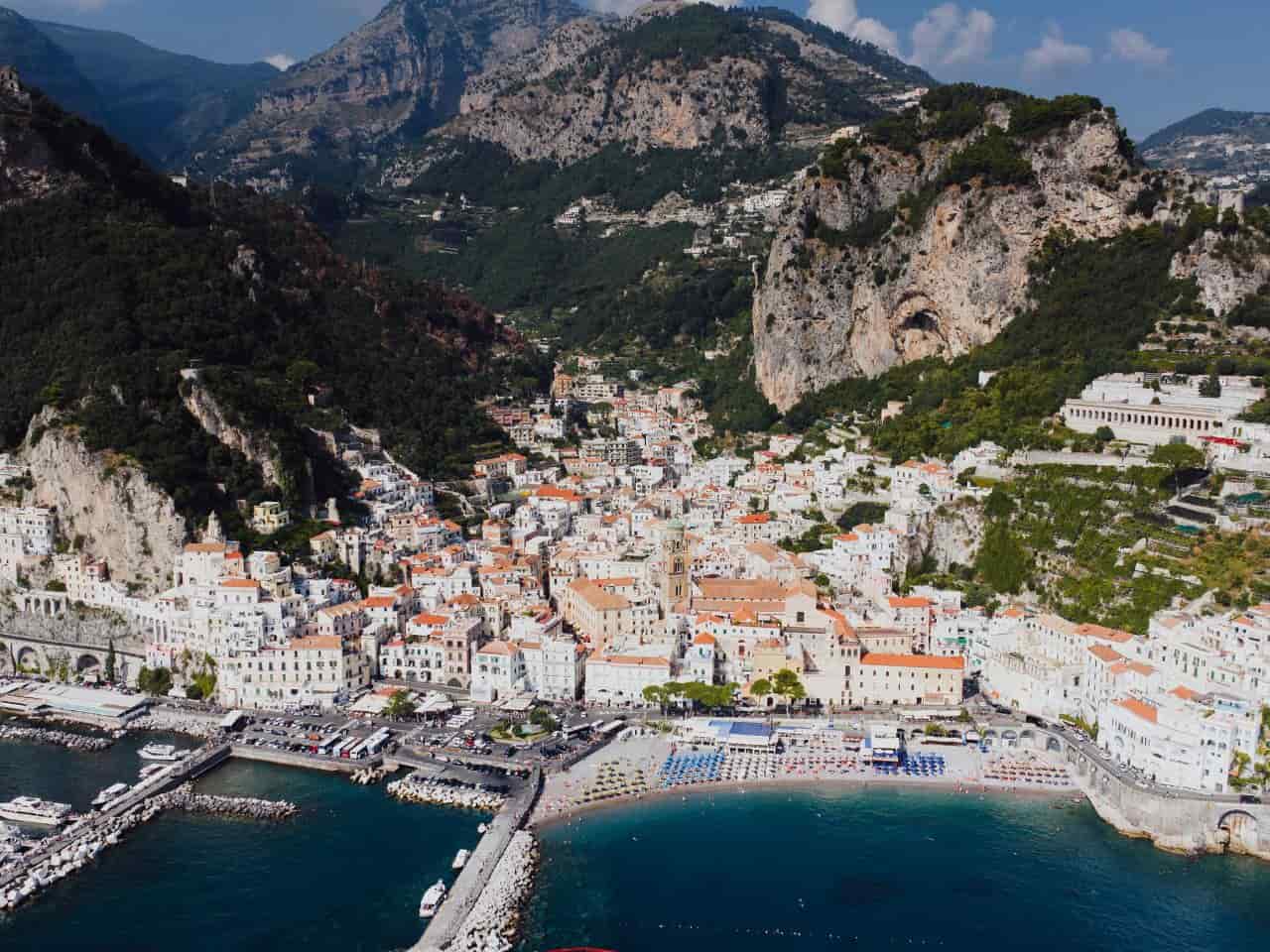
Amalfi Town is one of the best places to experience the historic heart of the coast. Its compact center combines a dramatic cathedral, waterfront promenade, narrow streets, local shops, cafés, and easy ferry connections, making it one of the most convenient stops for first-time visitors.
Unlike Positano, where the experience is dominated by its vertical landscape, Amalfi is easier to explore on foot and works particularly well as a practical sightseeing stop between other coastal destinations.
What Makes It Unique
Amalfi was once one of Italy’s powerful maritime republics, and traces of that history remain visible throughout the town. The centerpiece is St. Andrew’s Cathedral (Duomo di Amalfi), whose striped façade and grand staircase overlook the main Piazza Duomo.
Beyond the cathedral, Amalfi’s appeal comes from how much can be experienced within a relatively small area. You can move from historic streets to the waterfront, stop for a meal, browse local shops, and continue by ferry without needing a complicated itinerary.
Planning Tip: Treat Amalfi as both a destination and a transportation hub. Its ferry connections make it particularly useful for combining with nearby towns without relying entirely on the coastal road.
Things to Do in Amalfi Town
- Visit the impressive Amalfi Cathedral (Duomo di Amalfi).
- Climb the cathedral’s grand staircase for panoramic views of Piazza Duomo.
- Wander through the historic streets and hidden alleyways.
- Browse local boutiques selling ceramics, limoncello, and handmade souvenirs.
- Relax at cafés in Piazza Duomo while watching local life unfold.
- Visit Museo della Carta (the Paper Museum) to learn about Amalfi’s papermaking history.
- Walk along the waterfront promenade and marina.
- Take a ferry to Positano, Capri, or Salerno.
- Explore the nearby Valley of the Mills (Valle delle Ferriere).
- Stay into the evening when the town becomes noticeably quieter.
Planning Tip: If you’re short on time, prioritize the cathedral, historic center, waterfront, and a local meal rather than trying to visit every small attraction.
Food You Should Try
Amalfi’s food reflects the coast’s strong connection to seafood, citrus, and traditional Campanian cuisine.
- Delizia al Limone – A soft sponge dessert filled and covered with lemon cream.
- Scialatielli – Fresh pasta commonly served with seafood or local sauces.
- Fresh seafood – Look for locally caught fish, anchovies, or mixed seafood dishes.
- Lemon granita – A practical choice for cooling down during a warm afternoon.
- Limoncello – The region’s signature lemon liqueur.
For a more relaxed meal, consider eating slightly away from the busiest section of Piazza Duomo, where prices can be higher and tables fill quickly during peak periods.
Best For
History lovers, first-time visitors, families, independent travelers, food lovers, and anyone looking for the Amalfi Coast’s most convenient base.
Avoid If
Amalfi may not be the best choice if you’re looking for a quiet beach escape, luxury-focused resorts, or a destination with dramatic cliffside views like Positano or Ravello.
How Much Time Do You Need?
- Half-day: Enough to visit the cathedral, wander the historic center, and enjoy lunch.
- Full day: Ideal for sightseeing, shopping, local museums, and exploring nearby walking trails.
- 2–3 nights: Best for travelers using Amalfi as a central base to visit the rest of the coastline.
Budget Reality
- Budget traveler: $120–200 per day
- Mid-range traveler: $200–350 per day
- Luxury traveler: $350+ per day
Accommodation generally offers better value than Positano while still providing excellent access to the Amalfi Coast’s main attractions.
Where to Stay
- Historic Center – Best for first-time visitors, nearby restaurants, sightseeing, and easy ferry access.
- Near the Harbor – Best for island day trips, ferry connections, and transportation convenience.
- Hillside Hotels – Best for quieter stays, beautiful panoramic views, and better value accommodations.
Getting Around & Logistics
Amalfi town is one of the Amalfi Coast’s main transportation hubs, with regular ferry services connecting Positano, Capri, Salerno, and other coastal towns throughout the tourist season.
It is also served by the SITA bus network, making it easy to reach Ravello, Sorrento, and surrounding villages. The historic center is compact and highly walkable, although some nearby streets involve moderate uphill walking.
Parking is limited and expensive during peak season, so arriving by ferry or public transportation is often the easiest option.
Best Time of Day to Visit
Morning is ideal for visiting the cathedral before crowds build. Late afternoon and early evening offer a more relaxed atmosphere, cooler temperatures, and excellent opportunities for outdoor dining in Piazza Duomo.
Don’t Make This Mistake
Many visitors use Amalfi only as a transportation stop before heading elsewhere along the coast.
While its ferry connections are excellent, rushing through means missing the town’s rich maritime history, beautiful cathedral, lively piazzas, and authentic local atmosphere that become much more enjoyable once the busiest tour groups move on.
Pro Tip
If you’re planning to explore multiple towns during your trip, consider staying in Amalfi instead of Positano. Its central location, reliable ferry connections, and generally lower accommodation prices make it one of the most practical bases for exploring the entire Amalfi Coast without constantly changing hotels.
5 Drive the Amalfi Coast Road
Why It Ranks
Driving the Amalfi Coast Road ranks among the best experiences of all time as the journey itself becomes the attraction. Rather than simply traveling between towns, every kilometer reveals dramatic cliffside scenery, colorful villages, sweeping Mediterranean views, and one of Italy’s most iconic coastal landscapes.
Unlike visiting a single destination, this experience connects the Amalfi Coast as one continuous adventure. From Positano’s pastel houses to Amalfi’s historic waterfront and the quieter villages in between, the famous SS163 road showcases the region’s incredible diversity from behind the wheel.
Whether you’re driving yourself, hiring a private driver, or joining a guided tour, the route offers some of the most unforgettable scenery anywhere in southern Italy.
What Makes It Unique
Few coastal roads in the world are as dramatic – or as memorable – as the Amalfi Coast Road.
Carved directly into steep cliffs overlooking the Mediterranean, the route winds through narrow curves, hillside villages, tunnels, and panoramic viewpoints that constantly reveal new perspectives of the coastline.
Unlike modern highways designed purely for efficiency, this historic road was built to follow the natural shape of the mountains. Every bend offers a different view, making the drive feel immersive rather than repetitive.
The experience also combines excitement with breathtaking scenery. One moment you’re passing colorful villages perched above the sea; the next you’re rounding a cliffside curve with uninterrupted coastal views stretching into the distance.
It’s one of the rare drives where reaching your destination often becomes secondary to the journey itself.
Things to Do Along the Amalfi Coast Road
- Drive the famous SS163 coastal road between Positano and Amalfi.
- Stop at scenic viewpoints overlooking the Mediterranean.
- Photograph the dramatic cliffside villages from roadside terraces.
- Visit small villages such as Praiano and Conca dei Marini along the route.
- Enjoy lunch at a restaurant with panoramic sea views.
- Explore hidden beaches accessible from the coastal road.
- Watch the changing scenery as you pass vineyards, lemon groves, and colorful towns.
- Stop for fresh lemon granita or espresso at roadside cafés.
- Continue toward Ravello for spectacular elevated viewpoints.
- Experience the drive again at sunset when traffic begins to ease.
Food You Should Try
- Espresso with a sea view
- Seafood pasta at a cliffside restaurant
- Caprese salad made with local mozzarella
- Delizia al Limone
- Limoncello produced with Amalfi lemons
Best For
Road-trip enthusiasts, photographers, couples, scenic-drive lovers, first-time visitors, and travelers wanting to experience the Amalfi Coast beyond its individual towns.
Avoid If
Driving the Amalfi Coast Road may not be the best experience if you’re uncomfortable with narrow mountain roads, heavy seasonal traffic, frequent sharp curves, or limited parking.
In those cases, consider using ferries, local buses, or hiring a private driver instead.
How Much Time Do You Need?
- 2–3 hours: Enough to drive the main coastal route with a few scenic stops.
- Half day: Ideal for combining viewpoints, villages, and a relaxed lunch.
- Full day: Best for stopping frequently, visiting several towns, and enjoying the coastline at a slower pace.
Budget Reality
- Budget traveler: $40–80 (fuel, parking, or public transportation)
- Mid-range traveler: $100–250 (rental car or shared private tour)
- Luxury traveler: $300+ (private driver or luxury vehicle experience)
Parking fees, toll-free roads, and seasonal rental prices can significantly affect overall costs during the summer months.
Where to Stay
- Positano – Best for beginning or ending the scenic drive with iconic coastal views.
- Amalfi – Best for central access to the entire coastline.
- Praiano – Best for quieter stays directly along the scenic route.
- Sorrento – Best for travelers planning a full-day Amalfi Coast road trip.
Logistics Snapshot
The Amalfi Coast Road (SS163) connects the region’s most famous towns, including Positano, Praiano, Amalfi, and Vietri sul Mare.
Self-driving offers maximum flexibility for stopping at viewpoints, but many visitors underestimate the road’s narrow lanes, limited parking, and heavy traffic during peak season.
Hiring a local driver allows you to enjoy the scenery without navigating challenging road conditions, while scooters can be a practical option for experienced riders.
During summer, starting early in the morning helps avoid the longest traffic delays.
Best Time of Day to Experience It
Early morning offers lighter traffic, cooler temperatures, and the clearest coastal views.
Late afternoon also provides beautiful lighting for photography, although roads can remain busy during peak travel months.
Don’t Make This Mistake
Many travelers begin the drive late in the morning when traffic is already at its busiest.
Long delays, crowded viewpoints, and limited parking can turn what should be one of Italy’s greatest scenic drives into a stressful experience.
Starting early and allowing plenty of time for unplanned stops makes the journey far more enjoyable.
Pro Tip
If you’re renting a car mainly to experience the Amalfi Coast Road, consider hiring a private driver instead—especially during peak season.
You’ll spend less time worrying about traffic, parking, and narrow roads, and more time enjoying the spectacular scenery. If you do drive yourself, travel from Sorrento toward Salerno, as you’ll spend more time in the lane closest to the coastline and have easier access to many scenic pull-offs.
6 Visit Fiordo di Furore
Why It Ranks
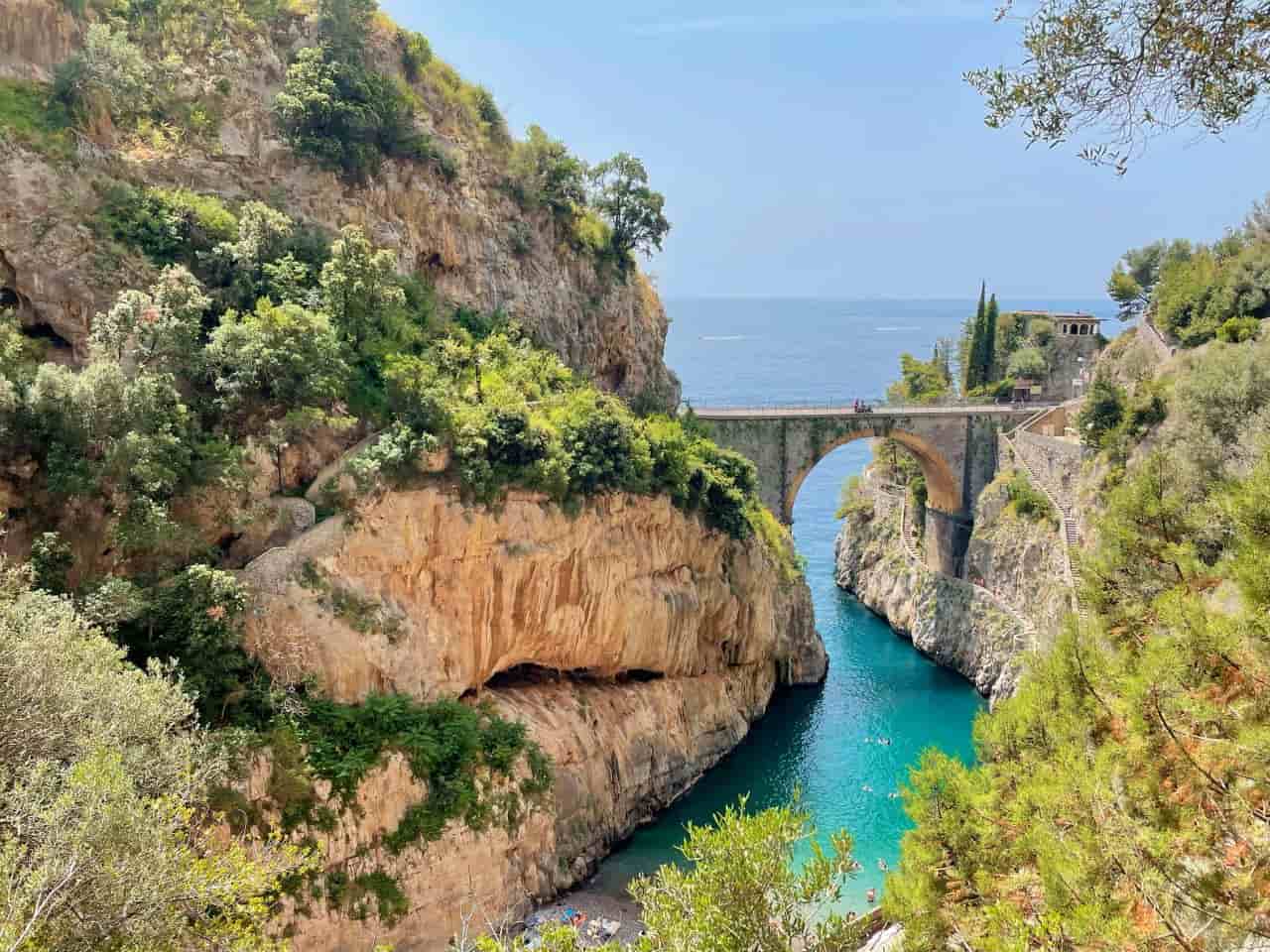
Fiordo di Furore ranks among the Amalfi Coast’s most unforgettable stops because it offers a landscape unlike anywhere else along the coastline.
Hidden beneath a towering bridge, this narrow sea inlet creates a dramatic contrast to the wide beaches and bustling towns that define much of the region.
Although relatively small, Fiordo di Furore leaves a lasting impression through its striking natural setting. Surrounded by steep limestone cliffs and crystal-clear water, it feels more like a secret cove than a traditional beach destination.
For travelers looking to discover one of the Amalfi Coast’s most unique natural landmarks, it’s well worth adding to the itinerary.
What Makes It Unique
Unlike the open coastline found in Positano or Amalfi, Fiordo di Furore is defined by its enclosed geography. A narrow inlet cuts deep into the cliffs before opening into the Mediterranean, while a dramatic stone bridge towers overhead, creating one of the Amalfi Coast’s most recognizable viewpoints.
The combination of sheer rock walls, emerald-blue water, a tiny pebble beach, and the surrounding cliffs gives the area a secluded atmosphere that’s difficult to find elsewhere on the coast.
Its compact size also adds to the experience. Rather than spending an entire day here, visitors come to appreciate the scenery, swim in the protected cove, capture photographs, and enjoy a peaceful break away from the larger crowds.
Things to Do at Fiordo di Furore
- Admire the famous fjord-like inlet from the bridge above.
- Walk down to the secluded pebble beach.
- Swim in the calm turquoise waters.
- Photograph the dramatic cliffs and coastal scenery.
- Relax beside the small natural cove.
- Watch local cliff-diving competitions if visiting during the annual event.
- Explore nearby viewpoints along the Amalfi Coast Road.
- Combine your visit with Amalfi, Praiano, or Conca dei Marini.
- Enjoy the peaceful atmosphere before larger crowds arrive.
- Experience one of the Amalfi Coast’s most photographed natural landmarks.
Planning Tip: Seeing Fiordo di Furore from both the road and the water provides two completely different perspectives if your itinerary includes a boat excursion.
Food You Should Try
Food options directly at Fiordo di Furore are limited, making it better suited as a scenic stop than a dining destination. Nearby Amalfi, Praiano, and Conca dei Marini offer excellent local specialties, including:
- Fresh seafood pasta
- Delizia al Limone
- Grilled octopus
- Handmade mozzarella
- Limoncello
Planning Tip: Don’t arrive expecting a full range of restaurants directly beside the fjord. Plan your meal before or after the visit.
Best For
Nature lovers, photographers, couples, road-trip travelers, hidden-gem seekers, and anyone looking for one of the Amalfi Coast’s most distinctive natural landscapes.
Avoid If
Fiordo di Furore may not be the best choice if you prefer wide sandy beaches, extensive facilities, step-free access, or spending an entire day by the sea. The steep staircase leading to the beach may also be challenging for visitors with limited mobility.
How Much Time Do You Need?
- 30–60 minutes: Enough to enjoy the viewpoints and take photographs.
- 1–2 hours: Ideal for swimming, relaxing on the beach, and exploring the surrounding scenery.
Most travelers combine Fiordo di Furore with nearby Amalfi, Praiano, or a drive along the Amalfi Coast Road.
Budget Reality
- Budget traveler: Free to visit (parking fees may apply)
- Mid-range traveler: $20–60 including parking, snacks, or nearby cafés
- Luxury traveler: Optional private boat tours or guided excursions increase overall costs.
The landmark itself is free, making it one of the Amalfi Coast’s most budget-friendly attractions.
Where to Stay
- Amalfi – Best for central access and easy day trips.
- Praiano – Best for quieter accommodation close to Fiordo di Furore.
- Conca dei Marini – Best for peaceful coastal stays and nearby viewpoints.
- Positano – Best for travelers combining several Amalfi Coast highlights.
Getting Around & Logistics
Fiordo di Furore can be reached by car, scooter, SITA bus, or organized tours. Parking is extremely limited during peak season, so arriving early is highly recommended.
Reaching the beach requires descending a steep staircase from the road above, while the bridge offers one of the area’s best panoramic viewpoints. The site is easy to include when driving between Amalfi and Positano.
Best Time of Day to Visit
Early morning offers fewer visitors, easier parking, and calmer conditions for photography. Late afternoon also provides beautiful lighting while avoiding the busiest midday crowds.
Don’t Make This Mistake
Many travelers drive straight across the bridge without realizing that one of the Amalfi Coast’s most spectacular natural landmarks lies directly below. Others spend only a few minutes at the viewpoint without taking the short walk down to the beach, missing the dramatic perspective from inside the inlet itself.
Pro Tip
Arrive early in the morning, especially during summer, to secure parking and enjoy the cove before it becomes crowded.
If you’re driving the Amalfi Coast Road, combine Fiordo di Furore with nearby Praiano, Conca dei Marini, and Amalfi for one of the most scenic half-day itineraries along the coastline.
7 Take a Ferry Ride
Why It Ranks
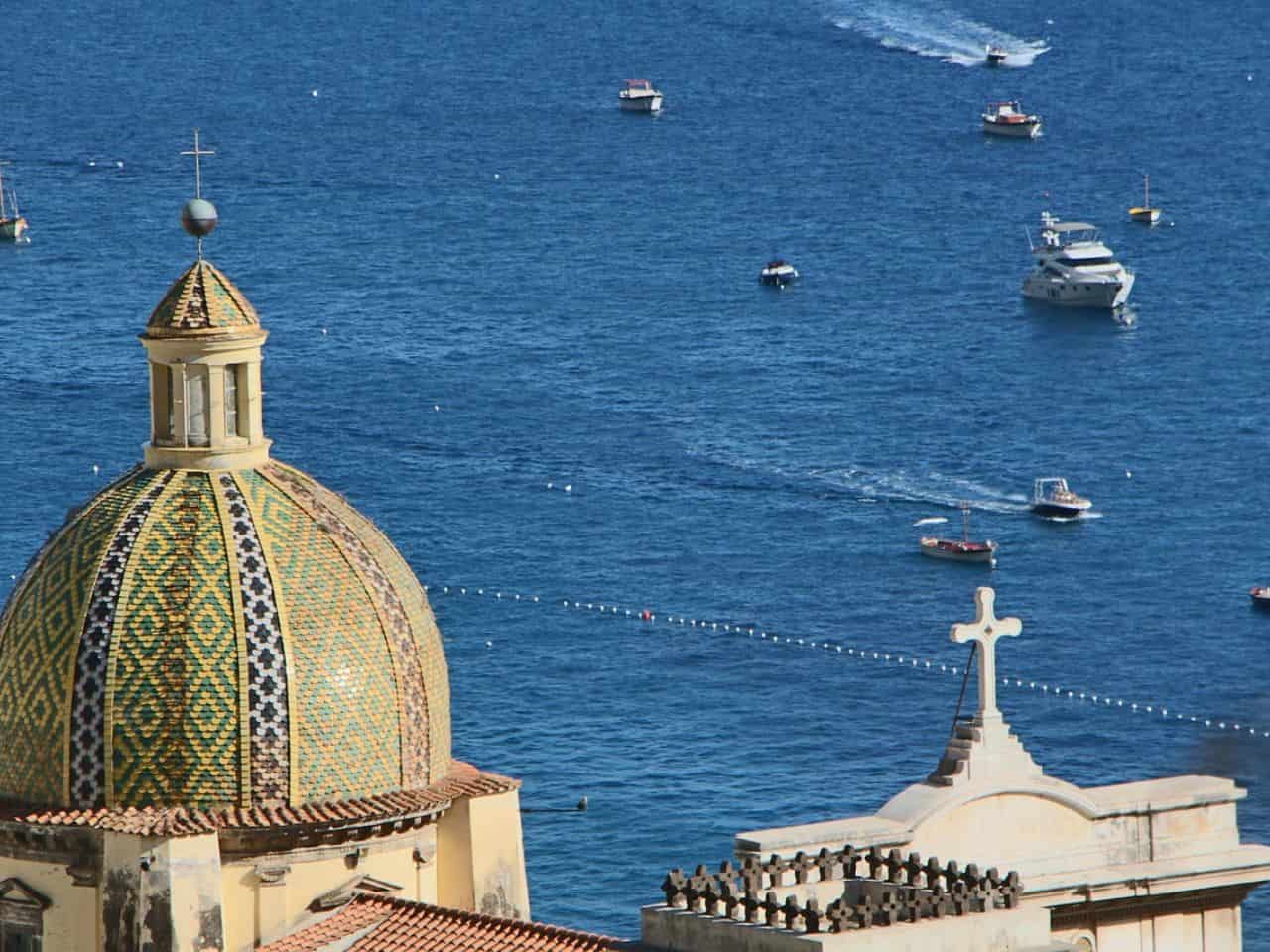
Taking a ferry ride transforms ordinary transportation into one of the trip’s most memorable experiences. Rather than sitting in traffic or navigating narrow coastal roads, you’ll enjoy uninterrupted views of colorful cliffside villages, dramatic limestone cliffs, and the sparkling Mediterranean Sea.
Beyond the scenery, ferries are often the fastest and least stressful way to travel between major towns such as Positano, Amalfi, Salerno, and Sorrento during the main tourist season.
They allow visitors to spend more time exploring destinations and less time dealing with road congestion, making ferry travel both practical and unforgettable.
What Makes It Unique
The Amalfi Coast was shaped to be admired from the sea as much as from the land.
From the ferry, the coastline reveals an entirely different perspective. Villages appear stacked vertically on steep cliffs, hidden beaches emerge between rocky headlands, and the dramatic scale of the landscape becomes far more apparent than it does from the road.
Unlike buses or cars, ferries also create moments of relaxation between destinations. The fresh sea breeze, open-air decks, and constantly changing coastal scenery turn every journey into a sightseeing experience rather than simply a transfer.
Even short routes become memorable, making ferry travel one of the easiest ways to experience the Amalfi Coast from a completely new angle.
Things to Do on an Amalfi Coast Ferry Ride
- Travel between Positano, Amalfi, Salerno, and Sorrento by ferry.
- Photograph the coastline from the open deck.
- Watch Positano emerge dramatically from the sea.
- Enjoy panoramic views of the cliffs and colorful villages.
- Combine several Amalfi Coast towns in one day.
- Relax on deck while cruising along the coastline.
- Experience sunrise or sunset ferry crossings.
- Spot hidden coves and secluded beaches visible only from the water.
- Use ferries to avoid heavy road traffic during summer.
- Enjoy one of Italy’s most scenic coastal journeys.
Food You Should Try
Most ferry journeys are relatively short, but nearby ferry terminals and waterfront cafés offer plenty of local specialties, including:
- Fresh pastries
- Espresso
- Seafood panini
- Delizia al Limone
- Limoncello
Best For
First-time visitors, couples, photographers, families, independent travelers, and anyone wanting the most scenic way to travel between Amalfi Coast towns.
Avoid If
Ferry travel may not be ideal if you’re highly prone to seasickness or traveling during periods of rough sea conditions, when services may be delayed or suspended.
If that’s a concern, buses and private transfers provide more predictable alternatives.
How Much Time Do You Need?
- 30–60 minutes: Ideal for short routes between neighboring towns.
- 1–3 hours: Perfect for combining multiple ferry journeys while exploring the coastline.
Many travelers include several ferry rides throughout their itinerary rather than treating them as a single activity.
Budget Reality
- Budget traveler: $15–30 per route
- Mid-range traveler: $30–60 including multiple crossings
- Luxury traveler: $100+ for private water taxis or premium boat transfers
Prices vary depending on the route, season, and ferry operator.
Where to Stay
- Amalfi – Best for the widest range of ferry connections.
- Positano – Best for combining ferry travel with sightseeing.
- Sorrento – Best for day trips to Capri and the Amalfi Coast.
- Salerno – Best for convenient transport links and value-for-money accommodation.
Logistics Snapshot
Regular ferry services operate between Positano, Amalfi, Salerno, and Sorrento throughout the main tourist season. Schedules become less frequent during the off-season and may change due to weather conditions, so checking departure times in advance is recommended.
Booking tickets early during summer helps secure preferred sailing times, particularly on popular morning departures.
Best Time of Day to Experience It
Morning crossings generally offer calmer conditions, lighter crowds, and excellent visibility.
Late afternoon departures provide beautiful coastal lighting, especially when returning from Positano or Amalfi.
Don’t Make this Mistake
Many visitors rely exclusively on buses without realizing that ferries are often faster, more comfortable, and considerably more scenic.
Missing the opportunity to experience the Amalfi Coast from the water means overlooking one of the region’s most iconic perspectives.
Pro Tip
Whenever ferry schedules match your itinerary, choose the boat over the road. Not only will you avoid some of the Amalfi Coast’s busiest traffic, but you’ll also enjoy spectacular views that simply can’t be experienced from land.
8 Relax at Amalfi Beaches
Why It Ranks
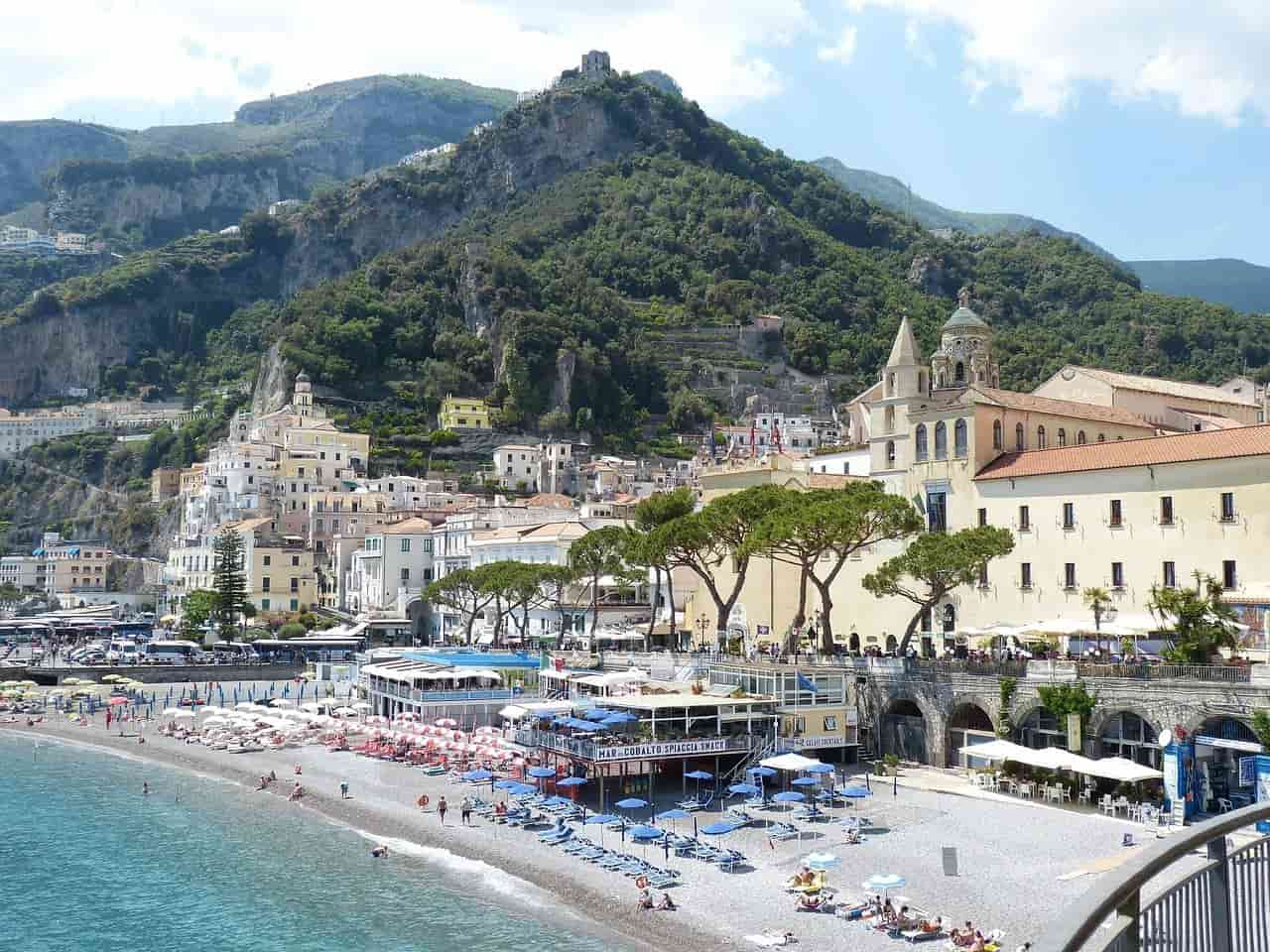
Relaxing at the Amalfi Coast’s beaches ranks among the best things to do as it offers a welcome change of pace between sightseeing, hiking, and exploring the region’s busy towns.
After navigating steep staircases, winding streets, and crowded piazzas, spending time by the sea becomes one of the most rewarding ways to experience the coastline.
Unlike traditional beach destinations where the shoreline is the main attraction, Amalfi Coast beaches combine crystal-clear water with dramatic cliffside scenery, colorful villages, and waterfront restaurants. Even though many beaches are small and pebbled rather than wide and sandy, the spectacular surroundings make them some of Italy’s most memorable coastal settings.
What Makes It Unique
The Amalfi Coast’s beaches are defined as much by their surroundings as by the water itself.
Instead of stretching across long, flat coastlines, many beaches sit beneath towering cliffs, tucked between colorful fishing villages and rocky headlands. Looking back from the shoreline, you’ll see pastel houses climbing the mountainside while boats and ferries pass across the bay.
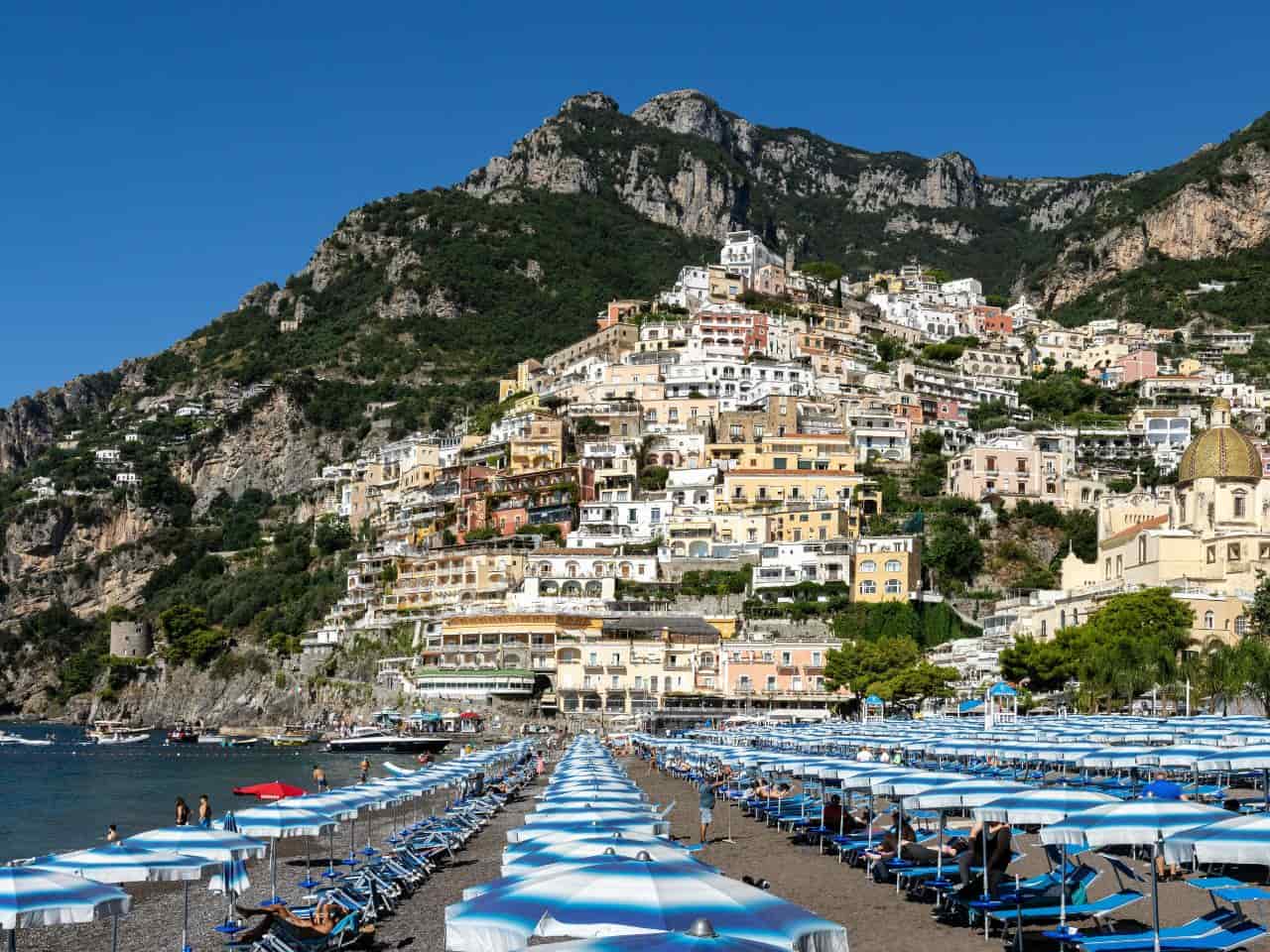
Each beach also offers a different atmosphere. Positano’s Spiaggia Grande is lively and energetic, Marina di Praia feels sheltered beneath dramatic cliffs, and smaller coves around the coastline provide quieter places to swim and relax.
This variety allows visitors to choose a beach that matches their travel style, whether they’re looking for beach clubs, peaceful scenery, or easy access to nearby towns.
Things to Do at Amalfi Coast Beaches
- Relax on Spiaggia Grande in Positano.
- Swim in the clear Mediterranean waters.
- Visit Marina di Praia beneath the surrounding cliffs.
- Discover quieter beaches such as Fornillo Beach.
- Rent sun loungers and umbrellas at a beach club.
- Enjoy paddleboarding or kayaking.
- Dine at beachfront seafood restaurants.
- Watch boats and ferries arrive throughout the day.
- Photograph the colorful towns from the shoreline.
- Stay for sunset as the cliffs begin to glow.
Food You Should Try
- Grilled seafood
- Seafood pasta
- Fried calamari
- Caprese salad
- Delizia al Limone
- Limoncello
Best For
Families, couples, beach lovers, photographers, slow travelers, and anyone wanting to balance sightseeing with time by the sea.
Avoid If
The Amalfi Coast’s beaches may not be ideal if you prefer long sandy beaches, extensive beachfront space, or quieter seaside destinations during the summer.
Many beaches are pebbled, become crowded in peak season, and require walking down steep paths or staircases.
How Much Time Do You Need?
- 2–3 hours: Perfect for swimming and relaxing.
- Half day: Ideal for combining beach time with lunch and nearby sightseeing.
- Full day: Best for visitors wanting to unwind at a beach club while enjoying the coastal scenery.
Budget Reality
- Budget traveler: Free public beaches (plus optional refreshments)
- Mid-range traveler: $25–70 including beach chair rentals and lunch
- Luxury traveler: $100+ for premium beach clubs, private cabanas, and waterfront dining
Private beach clubs offer additional comfort but increase daily costs, particularly during summer.
Where to Stay
- Positano – Best for Spiaggia Grande and luxury beach clubs.
- Amalfi – Best for combining beaches with sightseeing.
- Praiano – Best for quieter beaches and a more relaxed atmosphere.
- Maiori – Best for one of the Amalfi Coast’s largest beaches and family-friendly stays.
Getting Around & Logistics
Most beaches can be reached on foot from nearby towns, while others are accessible by ferry, water taxi, or local buses.
Beach clubs often rent sun loungers and umbrellas during the main tourist season, and reservations are recommended during summer. You should wear suitable footwear, as many beaches are pebbled rather than sandy.
Best Time of Day to Visit
Morning offers calmer conditions, easier access to beach chairs, and fewer crowds. Late afternoon is ideal for relaxing after sightseeing and enjoying the changing light across the coastline.
Don’t Make this Mistake
Many visitors assume every Amalfi Coast beach is a long stretch of soft sand. In reality, most are compact pebble beaches where arriving early is important, especially during the summer when sun loungers and space fill up quickly.
Pro Tip
Reserve your beach club in advance if you’re visiting between June and September. If you prefer a quieter experience, consider beaches in Praiano or Maiori instead of spending the entire day at Positano’s busy waterfront.
Check out these Beautiful Amalfi Coast Beaches that’ll steal your heart!
9 Visit Praiano (Quiet Amalfi Coast Alternative)
Why It Ranks
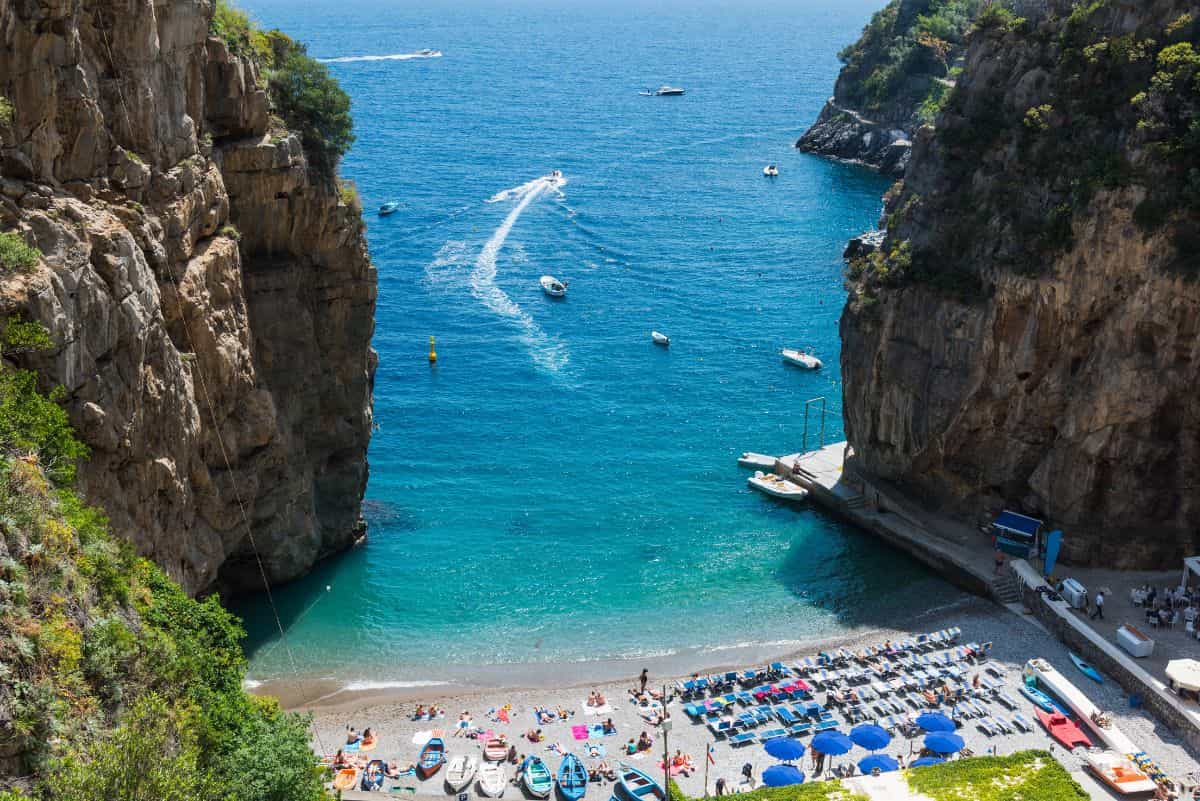
Praiano ranks among the best things to do on the Amalfi Coast because it offers a quieter and more authentic alternative to the region’s busiest towns. While Positano attracts visitors with its iconic scenery and Amalfi serves as the transportation hub, Praiano provides the same dramatic coastal setting with a noticeably slower pace.
Its peaceful streets, panoramic viewpoints, family-run restaurants, and relaxed atmosphere make it an excellent choice for travelers who want to experience the Amalfi Coast without spending their entire trip surrounded by crowds.
For couples, slow travelers, and repeat visitors, Praiano often becomes one of the most rewarding places to stay.
What Makes It Unique
Praiano’s character comes from its balance of spectacular scenery and everyday local life.
Instead of luxury boutiques and crowded waterfronts, you’ll find quiet residential streets, hidden viewpoints, charming churches, and small cafés overlooking the Mediterranean. The town spreads naturally across the cliffs, giving it a more spacious feel than neighboring destinations.
Praiano is also known for its spectacular sunsets. Its west-facing location offers some of the finest evening views on the Amalfi Coast, with golden light reflecting across the sea long after nearby towns begin to fall into shadow.
Rather than competing with Positano, Praiano offers a calmer side of the Amalfi Coast where slowing down becomes part of the experience.
Things to Do in Praiano
- Watch the sunset from the coastal viewpoints.
- Relax at Marina di Praia beach.
- Visit the Church of San Gennaro and its scenic square.
- Walk the peaceful cliffside streets.
- Enjoy dinner at a family-run seaside restaurant.
- Explore hidden stairways overlooking the sea.
- Swim in quiet coves away from the larger crowds.
- Visit nearby Gavitella Beach.
- Use Praiano as a base for exploring Positano and Amalfi.
- Experience the slower rhythm of local village life.
Food You Should Try
- Fresh seafood pasta
- Grilled octopus
- Caprese salad
- Delizia al Limone
- Limoncello
- Local white wines
Best For
Couples, slow travelers, photographers, repeat Amalfi Coast visitors, budget-conscious travelers, and anyone seeking a quieter base.
Avoid If
Praiano may not be the best choice if you’re looking for vibrant nightlife, luxury shopping, or a destination with constant activity throughout the day. Those experiences are better found in Positano or Amalfi.
How Much Time Do You Need?
- 2–3 hours: Enough to explore the village and enjoy the viewpoints.
- Full day: Ideal for combining beaches, local restaurants, and relaxed sightseeing.
- Overnight: The best option for experiencing Praiano’s peaceful evenings and spectacular sunsets.
Budget Reality
- Budget traveler: $120–180 per day
- Mid-range traveler: $180–300 per day
- Luxury traveler: $300+ per day
Accommodation in Praiano is generally more affordable than Positano while still offering impressive sea views and boutique hotels.
Where to Stay
- Town Center – Best for restaurants, cafés, and local atmosphere.
- Near Marina di Praia – Best for beach access and waterfront dining.
- Near Gavitella Beach – Best for sunset views and quieter accommodation.
Logistics Snapshot
Praiano is located between Positano and Amalfi and is easily reached by SITA buses, rental scooters, taxis, or private transfers.
While ferry services are more limited than in larger towns, its central location makes it a convenient base for exploring the rest of the coastline.
Like most Amalfi Coast towns, visitors should expect steep streets and numerous staircases.
Best Time of Day to Visit
Late afternoon and sunset showcase Praiano at its very best, when the coastline is bathed in warm golden light and the village becomes even more peaceful.
Morning is ideal for quieter walks and beach visits.
Don’t Make this Mistake
Many visitors overlook Praiano in favor of Positano without realizing it offers similar coastal scenery, easier access to accommodations, and a far more relaxed atmosphere.
Spending at least one evening here often becomes one of the highlights of an Amalfi Coast itinerary.
Pro Tip
If you’re planning to visit Positano but want to reduce accommodation costs, stay in Praiano instead. You’ll enjoy a quieter setting, beautiful sunsets, and easy access to the Amalfi Coast’s most popular destinations while avoiding much of the summer congestion.
10 Hike Path of the Gods
Why It Ranks
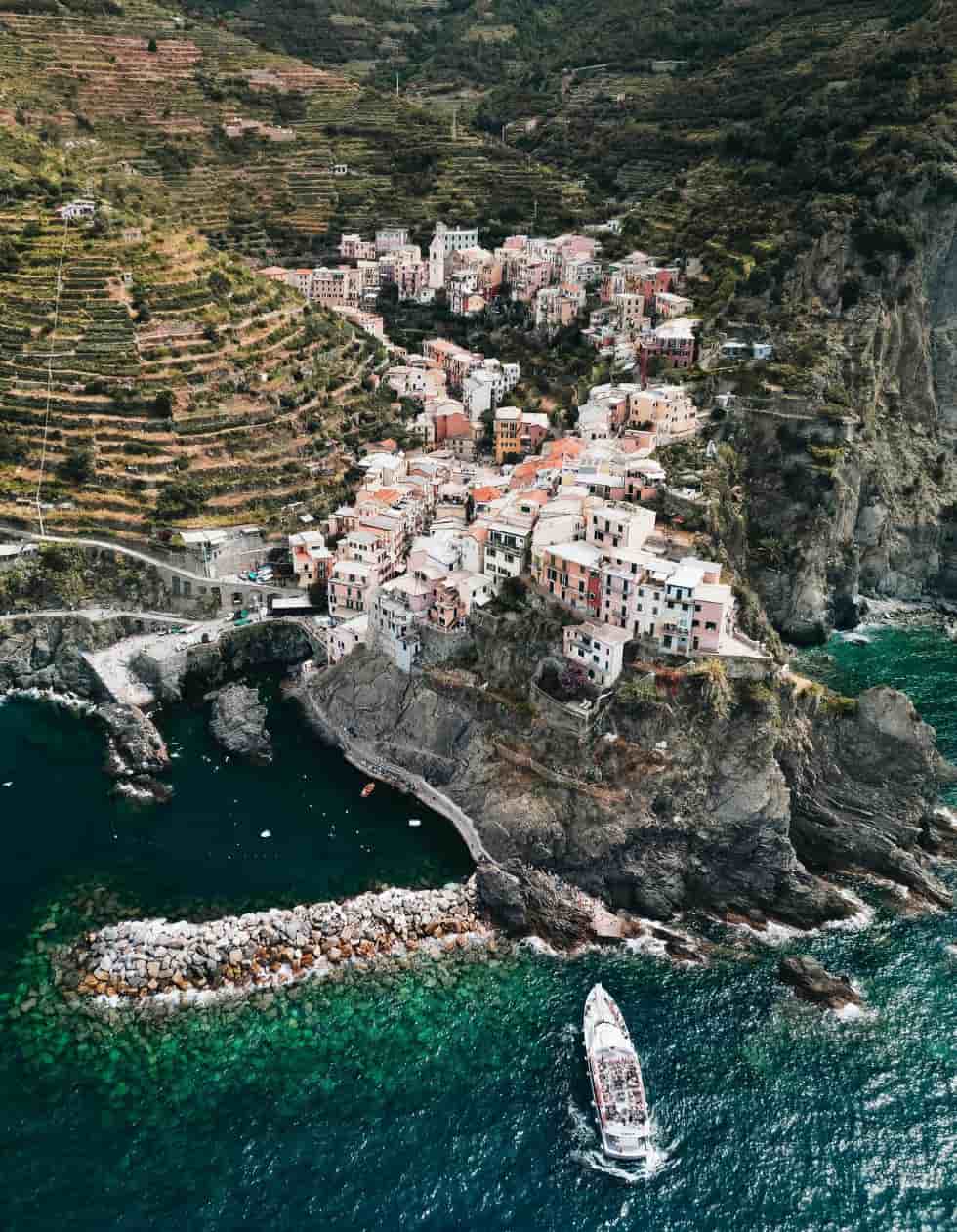
The Path of the Gods ranks among the best activities on the Amalfi Coast as it offers the region’s most spectacular panoramic views while taking visitors beyond its famous towns and beaches.
Instead of admiring the coastline from sea level, this iconic hiking trail reveals the dramatic relationship between mountains, cliffside villages, and the Mediterranean from hundreds of meters above the water.
Unlike sightseeing from ferries or scenic roads, completing the hike creates a genuine sense of achievement. Every section of the trail rewards your effort with sweeping coastal views, making it one of the most memorable outdoor experiences on the Amalfi Coast for active travelers.
What Makes It Unique
The Path of the Gods combines mountain scenery with some of Italy’s most famous coastal landscapes.
The trail winds through rocky paths, terraced hillsides, forests, and exposed ridgelines, constantly revealing new perspectives across Positano, Capri, and the Mediterranean Sea. Unlike viewpoints that offer only a few minutes of scenery, the landscape unfolds gradually throughout the hike, making every section feel different.
What makes the experience especially rewarding is how it changes your understanding of the Amalfi Coast. From above, the colorful villages appear woven into the cliffs, highlighting the remarkable geography that makes this coastline one of Italy’s most iconic destinations.
For hikers, photographers, and nature lovers, it offers a completely different perspective from the rest of the Amalfi Coast.
Things to Do on the Path of the Gods
- Hike the classic Bomerano to Nocelle route.
- Enjoy panoramic views of Positano and the coastline.
- Photograph the cliffs and Mediterranean Sea from scenic viewpoints.
- Pass traditional mountain villages and terraced landscapes.
- Spot local wildlife and native Mediterranean vegetation.
- Rest at panoramic viewpoints along the trail.
- Continue down to Positano after completing the hike.
- Join a guided hiking tour for local insights.
- Experience sunrise or early morning hiking conditions.
- Enjoy one of Italy’s most famous coastal walks.
Food You Should Try
Food options along the trail are limited, so it’s best to carry your own supplies, including:
- Fresh fruit
- Local sandwiches
- Energy snacks
- Plenty of drinking water
After the hike, reward yourself with fresh seafood, handmade pasta, or a lemon dessert in Positano or Amalfi.
Best For
Hikers, photographers, outdoor enthusiasts, couples, adventure travelers, and visitors looking for active experiences beyond the coastline.
Avoid If
The Path of the Gods may not be suitable if you have limited mobility, are uncomfortable with steep or uneven terrain, or prefer leisurely sightseeing. Summer midday temperatures can also make the hike significantly more challenging.
Ideal Experience Duration
- 3–4 hours: Typical hiking time for the main trail.
- Half day: Ideal when including transportation and photography stops.
- Full day: Perfect if combining the hike with time in Positano after reaching Nocelle.
Budget Reality
- Budget traveler: Free (excluding transportation)
- Mid-range traveler: $20–60 including buses, refreshments, or guided tours
- Luxury traveler: $100+ for private guided hiking experiences and transfers
The trail itself is free, though transportation and optional guides add to the overall cost.
Where to Stay
- Amalfi – Best for easy access to Bomerano.
- Positano – Best for finishing the hike and exploring afterward.
- Praiano – Best for combining hiking with quieter accommodation.
Logistics Snapshot
Most visitors begin the hike in Bomerano and finish in Nocelle, where it’s possible to continue down to Positano via a long staircase.
Public buses connect Amalfi with Bomerano, while taxis and private transfers offer greater flexibility.
Wear sturdy walking shoes, carry sufficient water, and avoid hiking during the hottest part of the day, particularly in summer.
Best Time of Day to Visit
- Early morning offers cooler temperatures, clearer views, and a more comfortable hiking experience.
- Spring and autumn provide the best overall conditions for completing the trail.
Don’t Make this Mistake
Many visitors underestimate the hike by wearing casual footwear or starting during the hottest hours of the afternoon.
Proper preparation – including suitable shoes, water, and an early start – makes the experience far more enjoyable and safer.
Pro Tip
Walk from Bomerano to Nocelle, as this direction is generally easier and mostly downhill. Finish your hike with lunch or a refreshing swim in Positano to round off one of the Amalfi Coast’s most rewarding days.
11 Take a Day Trip to Sorrento
Why It Ranks
Sorrento ranks among the best things to do near the Amalfi Coast because it combines coastal charm with excellent transport connections, making it one of southern Italy’s most practical destinations.
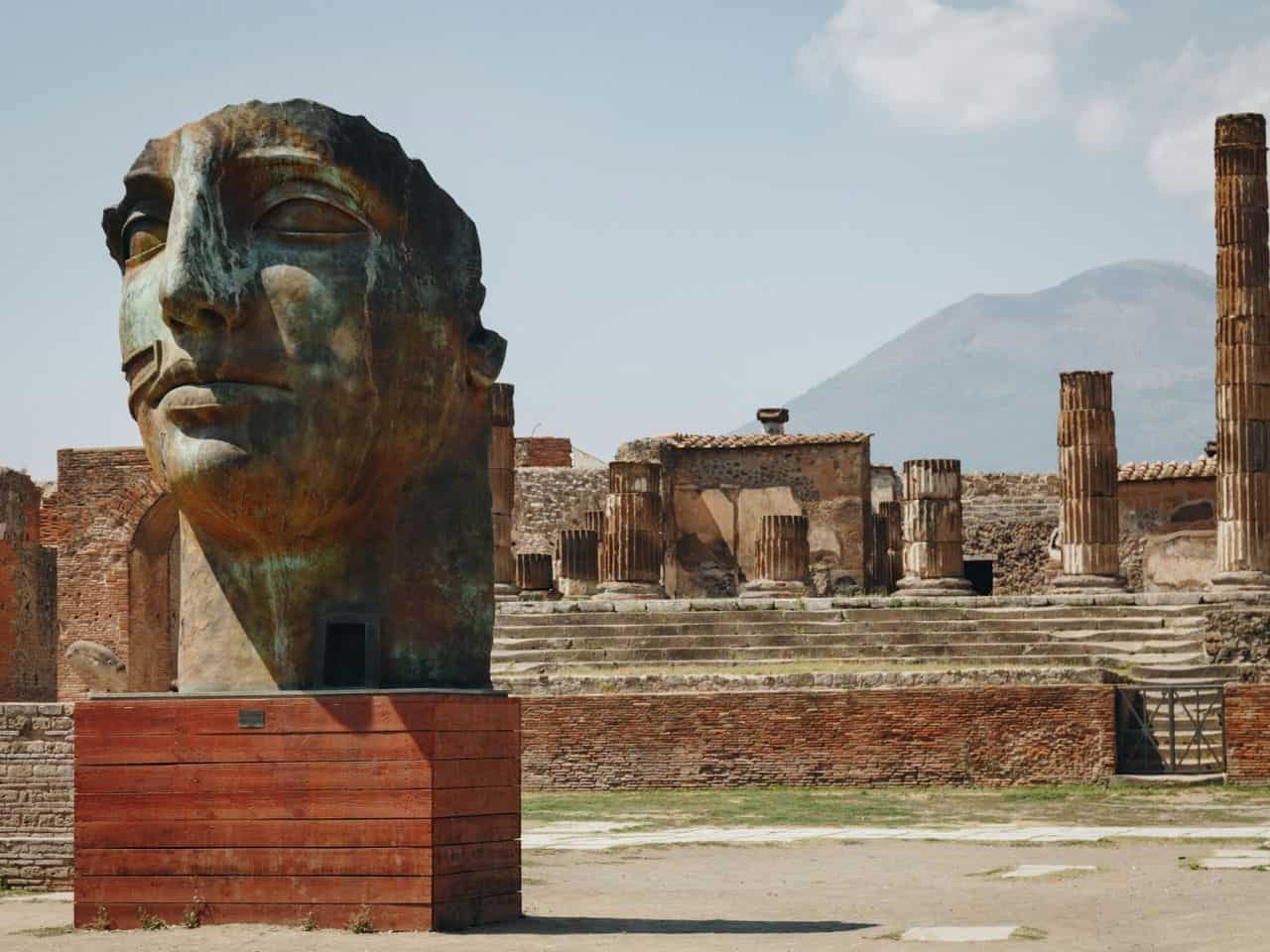
While technically located on the Sorrentine Peninsula rather than the Amalfi Coast, it serves as an ideal gateway for exploring Positano, Amalfi, Capri, Naples, and Pompeii.
Unlike the smaller cliffside villages, Sorrento offers a livelier town atmosphere with broad piazzas, shopping streets, marinas, and a wide choice of restaurants and accommodations. Whether you visit for a day or use it as your base, Sorrento provides a balanced experience that blends sightseeing with convenience.
What Makes It Unique
Sorrento stands apart because it combines the atmosphere of a traditional Italian seaside town with the infrastructure of a well-connected travel hub.
Its historic center is filled with narrow lanes, artisan shops, cafés, and lemon-scented gardens, while dramatic cliffs overlook the Bay of Naples with views stretching toward Mount Vesuvius.
Unlike many Amalfi Coast villages, Sorrento is easier to navigate, offers more accommodation choices, and remains lively well into the evening. It also provides quick access to some of Italy’s most famous attractions, making it an excellent destination for travelers wanting to experience more than just the Amalfi Coast.
Things to Do in Sorrento
- Wander the historic center and Corso Italia.
- Visit Piazza Tasso, the town’s lively main square.
- Explore Marina Grande and its waterfront restaurants.
- Enjoy panoramic views over the Bay of Naples.
- Shop for handmade ceramics, leather goods, and local crafts.
- Visit the Cloister of San Francesco.
- Taste locally produced limoncello.
- Take a ferry to Capri or the Amalfi Coast.
- Visit Pompeii or Naples on a day trip.
- Enjoy dinner in one of the town’s traditional trattorias.
- You can use it as a gateway to visit Pompeii Archaeological Park
Food You Should Try
- Gnocchi alla Sorrentina
- Fresh seafood pasta
- Wood-fired Neapolitan pizza
- Delizia al Limone
- Lemon gelato
- Limoncello
- Local mozzarella
Best For
First-time Italy visitors, families, couples, independent travelers, food lovers, and anyone looking for a convenient base to explore southern Italy.
Avoid If
Sorrento may not be the best choice if you’re looking for the dramatic cliffside scenery or quieter atmosphere found in towns such as Positano, Ravello, or Praiano. It offers a livelier urban feel rather than the classic vertical Amalfi Coast experience.
How Much Time Do You Need?
- Half day: Enough to explore the historic center and marina.
- Full day: Ideal for sightseeing, shopping, dining, and enjoying the waterfront.
- 2–4 nights: Perfect for travelers using Sorrento as a base to visit the Amalfi Coast, Capri, Pompeii, and Naples.
Budget Reality
- Budget traveler: $100–180 per day
- Mid-range traveler: $180–300 per day
- Luxury traveler: $300+ per day
Accommodation is generally more affordable than Positano while offering a wider selection of hotels and apartments.
Where to Stay
- Historic Center – Best for first-time visitors, restaurants, shopping, and nightlife.
- Marina Grande – Best for waterfront dining and traditional atmosphere.
- Near the Train Station – Best for easy day trips to Naples and Pompeii.
Logistics Snapshot
Sorrento is easily reached from Naples via the Circumvesuviana train, ferry, or private transfer.
Regular ferries connect Sorrento with Capri, Positano, Amalfi, and Naples during the tourist season, while buses and trains make it one of the easiest places in southern Italy to use as a travel base.
Best Time of Day to Visit
- Morning is ideal for sightseeing and exploring the historic center before the busiest crowds arrive.
- Evening offers a lively atmosphere with outdoor dining, shopping, and beautiful waterfront sunsets.
Don’t Make this Mistake
Many travelers use Sorrento only as a place to sleep before heading elsewhere each morning. Taking time to explore its historic streets, waterfront, local restaurants, and evening atmosphere reveals why it has long been one of southern Italy’s most popular destinations.
Pro Tip
If Amalfi Coast accommodation exceeds your budget, stay in Sorrento instead. You’ll enjoy excellent transport connections, lower hotel prices, and easy access to Capri, Pompeii, Naples, and the Amalfi Coast without changing hotels.
12 Explore Vietri sul Mare

Why It Ranks
Exploring Vietri sul Mare ranks among the best activities to do on the Amalfi Coast as it offers a more authentic and artistic side of the region.
Often called the gateway to the Amalfi Coast, it combines beautiful coastal scenery with a centuries-old ceramic tradition that gives the town a character unlike anywhere else along the coastline.
Unlike Positano or Amalfi, Vietri feels less dominated by tourism and more connected to everyday local life. Its colorful streets, artisan workshops, seaside atmosphere, and easier accessibility make it an excellent choice for travelers looking to experience the Amalfi Coast beyond its most famous destinations.
What Makes It Unique
Vietri sul Mare is best known as Italy’s ceramic capital, where handcrafted pottery is woven into the town’s identity.
Colorful ceramic tiles decorate church domes, staircases, fountains, shopfronts, and public squares, creating an open-air gallery that reflects generations of local craftsmanship. Instead of luxury boutiques, you’ll find family-run workshops where artisans continue producing hand-painted ceramics using traditional techniques.
The town also offers a more relaxed atmosphere than many central Amalfi Coast villages, with wider streets, accessible beaches, and a genuine local feel. It provides a refreshing contrast to the busier destinations while still delivering beautiful Mediterranean views.
Things to Do in Vietri sul Mare
- Browse family-run ceramic workshops.
- Shop for hand-painted ceramics and home décor.
- Visit the Church of San Giovanni Battista and its colorful tiled dome.
- Walk through the historic center.
- Relax at Marina di Vietri Beach.
- Stroll along the seaside promenade.
- Photograph the colorful ceramic-lined streets.
- Enjoy local cafés overlooking the sea.
- Visit the Ceramics Museum at Villa Guariglia.
- Explore nearby Salerno before or after your visit.
Food You Should Try
- Gnocchi alla Sorrentina – Gnocchi baked with tomato sauce, mozzarella, and basil.
- Fried anchovies
- Mozzarella di Bufala
- Sfogliatella
- Local white wines
Best For
Art lovers, cultural travelers, families, photographers, budget-conscious visitors, and anyone seeking a quieter alternative to the Amalfi Coast’s busiest towns.
Avoid If
Vietri sul Mare may not be the best choice if you’re looking for the iconic cliffside scenery, luxury hotels, or glamorous atmosphere associated with Positano and Ravello.
Its appeal lies in culture, craftsmanship, and local life rather than dramatic viewpoints.
How Much Time Do You Need?
- 2–3 hours: Enough to explore the historic center, ceramic shops, and beach.
- Full day: Ideal for combining shopping, local dining, and time by the sea.
Budget Reality
- Budget traveler: $80–150 per day
- Mid-range traveler: $150–250 per day
- Luxury traveler: $250+ per day
Vietri generally offers better value than many central Amalfi Coast towns, particularly for accommodation and dining.
Where to Stay
- Historic Center – Best for ceramic workshops, cafés, and local atmosphere.
- Marina di Vietri – Best for beach access and seaside restaurants.
- Salerno – Best for budget-friendly accommodation with excellent transport connections.
Logistics Snapshot
Vietri sul Mare is the first major town on the Amalfi Coast when arriving from Salerno and is easily reached by regional train, bus, car, or ferry.
Its convenient location makes it one of the easiest Amalfi Coast towns to visit, whether you’re staying in Salerno or beginning a coastal road trip.
Best Time of Day to Visit
- Morning is ideal for exploring the ceramic workshops before they become busy and for enjoying quieter streets.
- Late afternoon is perfect for relaxing by the sea or strolling along the waterfront.
Don’t Make this Mistake
Many travelers drive through Vietri without stopping as they continue toward Positano or Amalfi. Doing so means missing one of the Amalfi Coast’s richest artistic traditions and one of its most authentic local communities.
Pro Tip
If you plan to buy handmade Amalfi Coast ceramics, purchase them in Vietri sul Mare. The town is renowned for its craftsmanship, offers one of the widest selections on the coast, and often provides better value than the larger tourist centers.
13 Walk the Historic Streets of Atrani
Why It Ranks
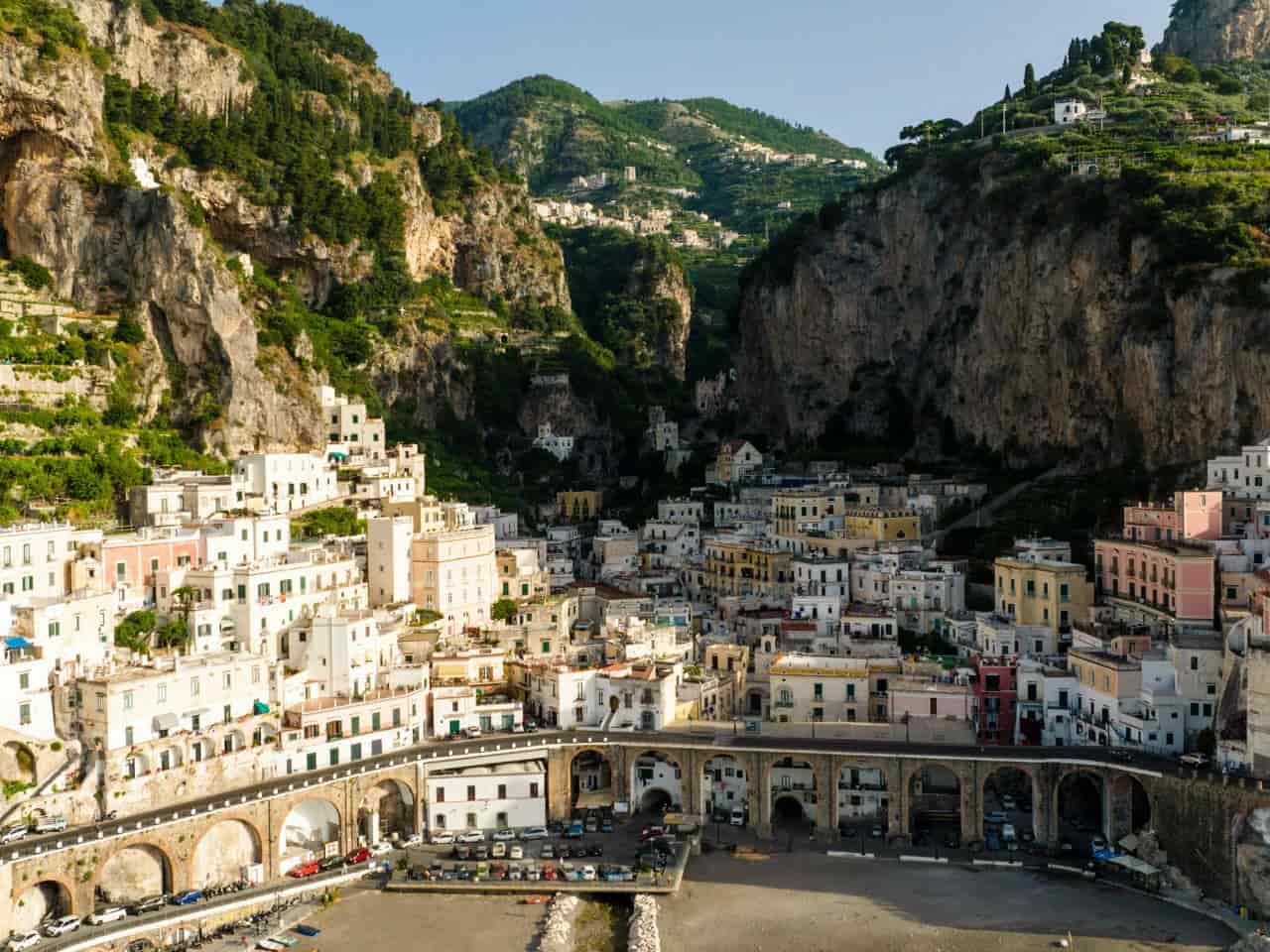
Atrani visitation offers a quieter and more traditional side of the region just a few minutes’ walk from bustling Amalfi. As Italy’s smallest municipality by area, it preserves the charm of a historic fishing village while remaining largely untouched by the heavy tourism found in its famous neighbors.
Unlike Positano or Amalfi, Atrani isn’t about grand landmarks or luxury shopping. Its appeal lies in wandering peaceful alleyways, relaxing in its small piazza, and experiencing a slower pace of coastal life.
For travelers seeking authenticity without venturing far from the main tourist route, Atrani is one of the Amalfi Coast’s most rewarding hidden gems.
What Makes It Unique
Atrani feels remarkably intimate thanks to its compact layout and centuries-old architecture.
Narrow alleyways, vaulted passageways, stone staircases, and closely packed pastel buildings create a village where every corner feels connected. Walking from Amalfi through the pedestrian tunnel into Atrani almost feels like stepping into another world, where local cafés, family homes, and quiet streets replace the busier atmosphere nearby.
Its small beach sits just steps from the historic center, allowing visitors to move effortlessly between the sea and the village. After sunset, when most day-trippers have returned to Amalfi, Atrani becomes one of the most peaceful places on the entire coastline.
Things to Do in Atrani
- Wander through Piazza Umberto I.
- Relax on Atrani Beach.
- Walk the pedestrian tunnel connecting Amalfi and Atrani.
- Explore the village’s narrow alleys and staircases.
- Visit the Church of San Salvatore de’ Birecto.
- Photograph the colorful houses from the upper viewpoints.
- Enjoy a leisurely meal at a local trattoria.
- Watch the sunset from the beach.
- Explore the quiet streets after evening falls.
- Combine your visit with nearby Amalfi.
Food You Should Try
- Fresh anchovy dishes
- Seafood pasta
- Fried calamari
- Delizia al Limone
- Traditional pastries
- Local white wines
Best For
Couples, photographers, slow travelers, cultural travelers, and anyone looking for a peaceful alternative to the Amalfi Coast’s busiest towns.
Avoid If
Atrani may not be the best choice if you’re looking for nightlife, luxury shopping, or a destination packed with major attractions. Its appeal comes from its atmosphere rather than a long sightseeing checklist.
How Much Time Do You Need?
- 1–2 hours: Enough to explore the village and enjoy the beach.
- Half day: Ideal when combined with Amalfi, local dining, and a relaxed walk through both towns.
Budget Reality
- Budget traveler: $80–150 per day
- Mid-range traveler: $150–250 per day
- Luxury traveler: $250+ per day
Where to Stay
- Atrani – Best for peaceful surroundings and traditional village atmosphere.
- Amalfi – Best for transport connections, restaurants, and ferry access.
- Upper Hillside Accommodation – Best for lower accommodation costs and panoramic views.
Logistics Snapshot
Atrani is only a five-minute walk from Amalfi via a pedestrian tunnel, making it one of the easiest villages to visit without a car. It can also be reached by local bus, taxi, or on foot while exploring the central Amalfi Coast.
Best Time of Day to Visit
- Morning offers quiet streets and excellent photography opportunities.
- Evening is perfect for experiencing the village after most visitors have returned to Amalfi, when its peaceful atmosphere becomes even more noticeable.
Don’t Make this Mistake
Many travelers never leave Amalfi’s main square, unaware that one of the Amalfi Coast’s most charming villages is only a short walk away.
Skipping Atrani means missing one of the region’s most authentic and atmospheric experiences.
Pro Tip
Visit Atrani immediately after exploring Amalfi rather than on a separate trip. The short walk between the two towns allows you to experience two completely different sides of the Amalfi Coast in a single afternoon.
14 Food & Culinary Experiences

Why It Ranks
Food and culinary experiences on the Amalfi Coast share one of the most authentic ways to indulge in the region beyond its famous scenery.
While dramatic cliffs and colorful villages capture your attention first, the local cuisine reveals the traditions, history, and lifestyle that have shaped the coastline for generations.
Whether you’re enjoying fresh seafood beside the water, learning to make handmade pasta, tasting limoncello at a lemon farm, or sharing a leisurely dinner at a family-run trattoria, every meal becomes part of the journey.
For many visitors, these moments create some of the strongest memories of the Amalfi Coast long after the trip has ended.
What Makes It Unique
The Amalfi Coast’s cuisine is deeply connected to its landscape.
Fresh seafood arrives daily from local fishing boats, lemons grow on steep terraced hillsides overlooking the Mediterranean, and many recipes have been passed down through generations of family-run restaurants.
Rather than focusing on elaborate fine dining alone, the region celebrates fresh seasonal ingredients prepared with remarkable simplicity.
The setting also transforms the experience. Dining on a terrace overlooking the sea, visiting a traditional lemon grove, or joining a local cooking class allows travelers to experience the Amalfi Coast through its flavors as much as its scenery.
It is this combination of cuisine, hospitality, and breathtaking surroundings that makes the region one of Italy’s most rewarding food destinations.
Food & Culinary Experiences to Enjoy
- Join a handmade pasta cooking class.
- Visit a local lemon farm and taste fresh limoncello.
- Enjoy seafood dinners overlooking the Mediterranean.
- Dine at family-run trattorias serving regional specialties.
- Take a guided food or street food tour.
- Sample local wines paired with coastal cuisine.
- Try fresh pastries and desserts at neighborhood cafés.
- Visit local markets for seasonal produce and cheeses.
- Experience sunset dining on a panoramic terrace.
- Learn about traditional Campanian cooking techniques.
Food You Should Try
No culinary trip to the Amalfi Coast is complete without tasting:
- Gnocchi alla Sorrentina
- Fresh anchovies
- Delizia al Limone
- Lemon risotto
- Mozzarella di Bufala
- Limoncello
Best For
Food lovers, couples, cultural travelers, families, slow travelers, and anyone wanting to experience the Amalfi Coast beyond sightseeing.
Avoid If
Food experiences may not be the best fit if you’re following a very tight itinerary or prefer spending most of your time visiting attractions rather than enjoying slower cultural experiences.
Ideal Experience Duration
- 2–3 hours: Ideal for food tours and tasting experiences.
- Half day: Perfect for cooking classes or farm visits.
- Evening: The best time to enjoy a relaxed multi-course dinner overlooking the sea.
Budget Reality
- Budget traveler: $40–80
- Mid-range traveler: $80–180
- Luxury traveler: $180+ for private cooking classes, wine tastings, and fine dining experiences.
Where to Stay
- Amalfi – Best for authentic local restaurants and easy access.
- Positano – Best for luxury dining with panoramic sea views.
- Sorrento – Best for the widest restaurant selection and excellent value.
Logistics Snapshot
Excellent food experiences are available throughout the Amalfi Coast, particularly in Amalfi, Positano, Ravello, and Sorrento.
Cooking classes, wine tastings, and lemon farm visits often require advance reservations, especially between May and September. Small-group experiences usually provide the most personal and authentic introduction to the region’s culinary traditions.
Best Time of Day to Visit
- Evening offers the most atmospheric dining experience, especially on panoramic terraces overlooking the Mediterranean.
- Morning is ideal for visiting local markets, bakeries, and lemon farms.
Don’t Make this Mistake
Many visitors eat only at restaurants near ferry terminals or the busiest tourist squares. Walking just a few streets away often leads to family-run trattorias serving more authentic regional dishes at better prices.
Pro Tip
Reserve at least one evening for a long dinner at a family-run restaurant overlooking the sea.
Rather than rushing through the meal, embrace the slower pace of Italian dining – it often becomes one of the most memorable experiences of the entire Amalfi Coast trip.
15 Watch Sunset Viewpoints Along the Amalfi Coast
Why It Ranks
Watching the sunset ranks among the best things to do on the Amalfi Coast because it reveals a completely different side of the coastline. During the day, most visitors are busy catching ferries, exploring towns, climbing staircases, and moving from one attraction to the next.
As the sun begins to set, that pace gradually slows, and the coastline takes on a calmer, more atmospheric character.
Warm golden light spreads across the colorful cliffside villages, the Mediterranean reflects shades of orange and blue, and the bustling streets begin to feel noticeably quieter. Instead of rushing between destinations, sunset encourages you to pause and simply appreciate the landscape.
Whether you’re standing on a panoramic terrace in Ravello, overlooking Positano from above, or relaxing by the sea in Praiano, these moments often become some of the most memorable memories of an Amalfi Coast trip.
What Makes It Unique
Unlike many coastal destinations where sunsets are simply viewed over the horizon, the Amalfi Coast’s dramatic geography creates an ever-changing display of light across cliffs, villages, churches, terraces, and the sea.
Each town offers a different perspective. Positano glows with its cascading pastel houses, Praiano provides peaceful west-facing views with fewer crowds, and Ravello offers elevated panoramas stretching across the coastline.
The atmosphere changes continuously as daylight fades. Boats return to the harbors, restaurants begin filling with evening diners, church bells echo through historic streets, and the coastline slowly transitions from vibrant daylight into a peaceful Mediterranean evening.
Rather than being just another photo opportunity, watching the sunset allows travelers to experience the Amalfi Coast at its most relaxed and visually captivating.
Best Sunset Experiences
- Watch Positano glow from the upper viewpoints.
- Enjoy the west-facing terraces in Praiano.
- Visit Villa Cimbrone’s Terrace of Infinity in Ravello.
- Relax along Amalfi’s waterfront at golden hour.
- Dine on a panoramic restaurant terrace overlooking the sea.
- Photograph Marina di Praia during the evening light.
- Enjoy an aperitivo while watching boats return to the harbor.
- Capture the changing colors across the Mediterranean.
- Stay after sunset as village lights begin to illuminate the cliffs.
- Experience the quieter atmosphere once most day-trippers have departed.
Food You Should Try
- Sunset aperitivo with sea views
- Fresh seafood dinner
- Local white wines
- Limoncello cocktails
- Mediterranean antipasti
- Delizia al Limone for dessert
Best For
Photographers, couples, honeymooners, slow travelers, romantic getaways, and anyone wanting to experience the Amalfi Coast at its most atmospheric.
Avoid If
This experience may not be ideal if you’re following a very tight itinerary, prefer activity-packed evenings, or aren’t interested in photography or scenic viewpoints.
How Much Time Do You Need?
- 1–2 hours: Enough to enjoy the changing light and take photographs.
- 2–3 hours: Ideal if combined with dinner or evening drinks overlooking the coastline.
Budget Reality
- Budget traveler: Free if visiting public viewpoints
- Mid-range traveler: $20–80 with drinks or dinner
- Luxury traveler: $100+ for rooftop restaurants, luxury hotels, or fine-dining sunset experiences
Many of the Amalfi Coast’s best sunset viewpoints are completely free, making this one of the region’s most rewarding low-cost experiences.
Where to Experience It
- Praiano – Best for peaceful west-facing sunsets and fewer crowds.
- Positano – Best for iconic postcard views and lively evening atmosphere.
- Ravello – Best for elevated panoramic scenery and romantic viewpoints.
- Amalfi – Best for waterfront dining and harbor views.
Logistics Snapshot
Sunset times vary significantly throughout the year, so check the local sunset time before planning your afternoon itinerary.
Popular viewpoints and restaurants begin filling up well before sunset during peak season, especially between June and September.
If you’re planning dinner with a view, reservations are strongly recommended.
Allow extra travel time in the evening, as buses, ferries, and roads can become busy before sunset.
Best Time to Visit
Arrive 60–90 minutes before sunset to experience the gradual transformation of the coastline and secure the best viewing spots.
Don’t Make this Mistake
Many visitors spend the entire day sightseeing and only begin thinking about sunset at the last minute. By then, transportation is often crowded, popular viewpoints are busy, and the best restaurant terraces are already full. Planning your evening in advance leads to a much more relaxed and enjoyable experience.
Pro Tip
Choose your sunset location before the afternoon begins and plan the rest of your day around it. Whether you pick Praiano, Ravello, Positano, or Amalfi, arriving early lets you enjoy the changing light, settle into the atmosphere, and experience one of the Amalfi Coast’s most memorable moments without feeling rushed.
Helpful Planning Resources
Planning an Amalfi Coast trip is easier when you verify entry requirements, transportation, weather, and navigation information before you travel. These official resources can help you confirm details that may change seasonally.
- Check Italy Entry & Visa Requirements
- Find events and festival updates via Italy Tourism Information
- If you’re arriving through Naples, Salerno, Rome, or another Italian city, check current train routes, fares and timetables before planning your journey to the Amalfi Coast.
- Check the Amalfi Coast Weather Forecast before planning long boat trips, hiking, or full day outdoor activities.
- Download Offline Google Maps. This is useful when navigating narrow streets, hiking areas, or locations where mobile coverage may be inconsistent.
FAQs
-
What is the number one thing to do on the Amalfi Coast?
Visiting Positano is the top experience due to its iconic views and atmosphere.
-
Is a Capri boat tour worth it?
Yes – it’s one of the most immersive experiences and offers views you cannot get from land.
-
How many days do you need for the Amalfi Coast?
3–5 days is ideal to cover major highlights without rushing.
-
What is better: Positano or Amalfi?
Positano is more scenic, while Amalfi is more practical and central.
-
What is the cheapest way to explore the Amalfi Coast?
Using buses and staying in Amalfi or Sorrento reduces costs significantly.
-
Are ferries better than buses?
Yes – faster, less crowded, and more scenic.
-
Is driving the Amalfi Coast difficult?
Yes – narrow roads and heavy traffic make it challenging.
-
What should you not miss on the Amalfi Coast?
Positano, a Capri boat tour, and Ravello viewpoints are must-do experiences.