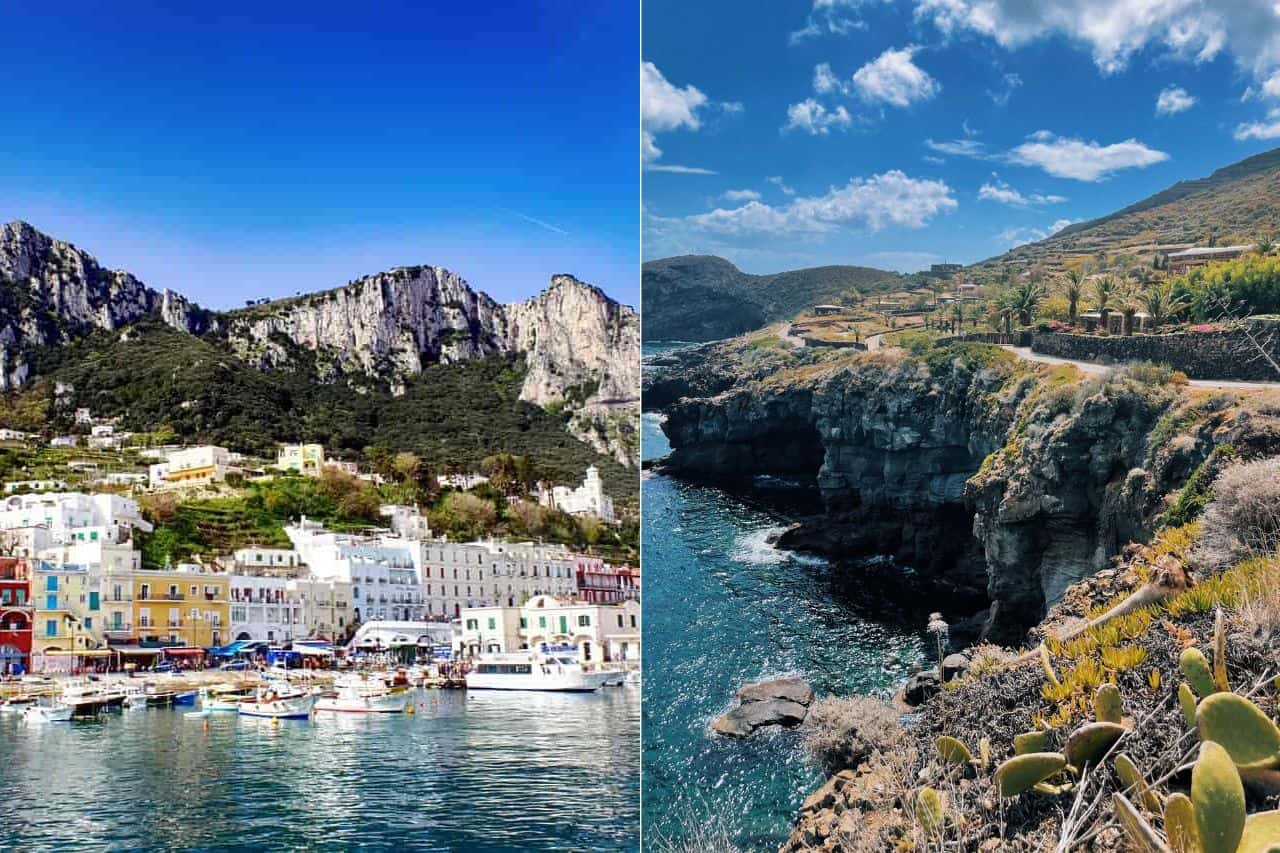
Italy has more than 450 islands scattered across the Mediterranean.
But only a handful offer the scenery, experiences, and variety that make them worthwhile destinations for most travelers.
This guide doesn’t rank islands by fame alone. Instead, it compares them using the travel factors that have the biggest impact on your trip, including:
- Trip length
- Budget
- Accessibility
- Crowds
- Best time to visit
- Travel style
From iconic destinations like Sicily and Sardinia to smaller Mediterranean gems such as Favignana, Ponza, and Lampedusa, Italy’s islands range from volcanic landscapes and turquoise beaches to historic fishing villages and peaceful coastal escapes.
- What Are the Best Italian Islands to Visit?
- How to Choose the Right Italian Island for Your Trip
- Italian Islands Compared at a Glance
- Where Are Italy’s Best Islands Located?
- Italian Islands Map: Where Are the Top Islands?
- The 10 Best Italian Islands to Visit (Ranked by Travel Style, Budget & Season)
- FAQs
- Helpful Planning Resources
- My Popular Italy Travel Guides
Love this? Choose your Best Time to Visit Italy with these 29 Essential Italy Travel Tips to plan your ultimate Italian itinerary!
What Are the Best Italian Islands to Visit?
The best Italian islands to visit are Sicily, Sardinia, Capri, Ischia, Elba, Procida, Favignana, Lampedusa, Ponza, and Lipari.
Each offers a completely different experience:
- Sicily – Best for history, culture, road trips, beaches, and world-famous food.
- Sardinia – Famous for turquoise beaches, scenic coastlines, outdoor adventures, and luxury escapes.
- Capri – Ideal for luxury, romance, dramatic cliffs, and the iconic Blue Grotto.
- Ischia – Best known for thermal spas, lush gardens, and a more relaxed atmosphere than Capri.
- Elba – Combines beautiful beaches, hiking trails, charming coastal towns, and Napoleonic history.
- Procida – A colorful fishing island offering authentic local life and a quieter alternative to Capri.
- Favignana – Perfect for crystal-clear water, cycling, snorkeling, and laid-back island life.
- Lampedusa – Home to some of Italy’s clearest waters and spectacular beaches, including Rabbit Beach.
- Ponza – Best for secluded coves, boat trips, sea caves, and dramatic coastal scenery.
- Lipari – The best base for exploring the volcanic Aeolian Islands by ferry.
Whether you’re looking for luxury, family-friendly beaches, volcanic landscapes, authentic fishing villages, or a relaxing Mediterranean escape, this guide compares Italy’s best islands to help you choose the one that best matches your travel style, budget, and itinerary.
How to Choose the Right Italian Island for Your Trip
Italy’s islands offer very different experiences. Before choosing one, consider five key factors: trip length, transportation, season, budget, and travel style.
Choose Based on Trip Length
The amount of time you have will often determine which islands are realistic to visit.
- 2–3 Days: Capri, Ischia, Procida
- 3–4 Days: Elba, Ponza, Favignana
- 5–7 Days: Northern Sardinia, Lipari (Aeolian Islands base)
- 7–10 Days: Sicily
Planning Tip: Trying to explore a large island like Sicily in just a few days usually means spending more time driving than enjoying the destination.
Choose Based on Transportation
Some islands are easy to explore on foot or by public transport, while others are best experienced with a rental car.
- Car Recommended: Sicily, Sardinia, Elba
- Car Helpful: Lipari (for exploring beyond the main town)
- Car Not Necessary: Capri, Ischia, Procida, Ponza, Favignana
If you don’t plan to rent a car, choosing one of the smaller walkable islands will make your trip much more relaxing.
Choose Based on the Best Time to Visit
The season you visit can completely change your experience.
- May–June: Best overall balance of weather, crowds, and sightseeing.
- July: Excellent beach weather but higher prices and more visitors.
- September: Warm sea temperatures, fewer crowds, and one of the best months to visit.
When to Avoid Visiting
- August: Peak holiday season with crowded beaches and premium accommodation prices.
- Late October onward: Ferry services to smaller islands become less frequent and weather conditions can be less predictable.
- Major holiday weekends: Popular islands often sell out well in advance.
Planning Tip: For most travelers, visiting in May, June, or September has a bigger impact on the quality of the trip than choosing between two similar islands.
Choose Based on Budget
Your budget can quickly narrow down the best options.
- Luxury & Premium Budget: Capri, Sardinia, parts of Sicily
- Mid-Range Budget: Ischia, Elba, Lipari
- Best Value: Procida, Favignana, Ponza
Pro Tip: Traveling during the shoulder season (May, June, September and early October) can significantly reduce accommodation costs on every island.
Choose an Island Based on Your Travel Style
If you’re short on time, here’s the easiest way to choose the right Italian island for your trip.
- First-time Visitors + Best Overall: Sicily
- Best Beaches: Sardinia, Lampedusa
- Best Luxury and Romance: Capri
- Best Thermal Spa Island: Ischia
- Best Authentic Local Life + Hidden Gem: Procida
- Best Hiking and Nature: Elba
- Best Island Hopping: Lipari
- Best Crystal-Clear Water: Favignana
- Best Quiet Escape: Ponza
Italian Islands Compared at a Glance
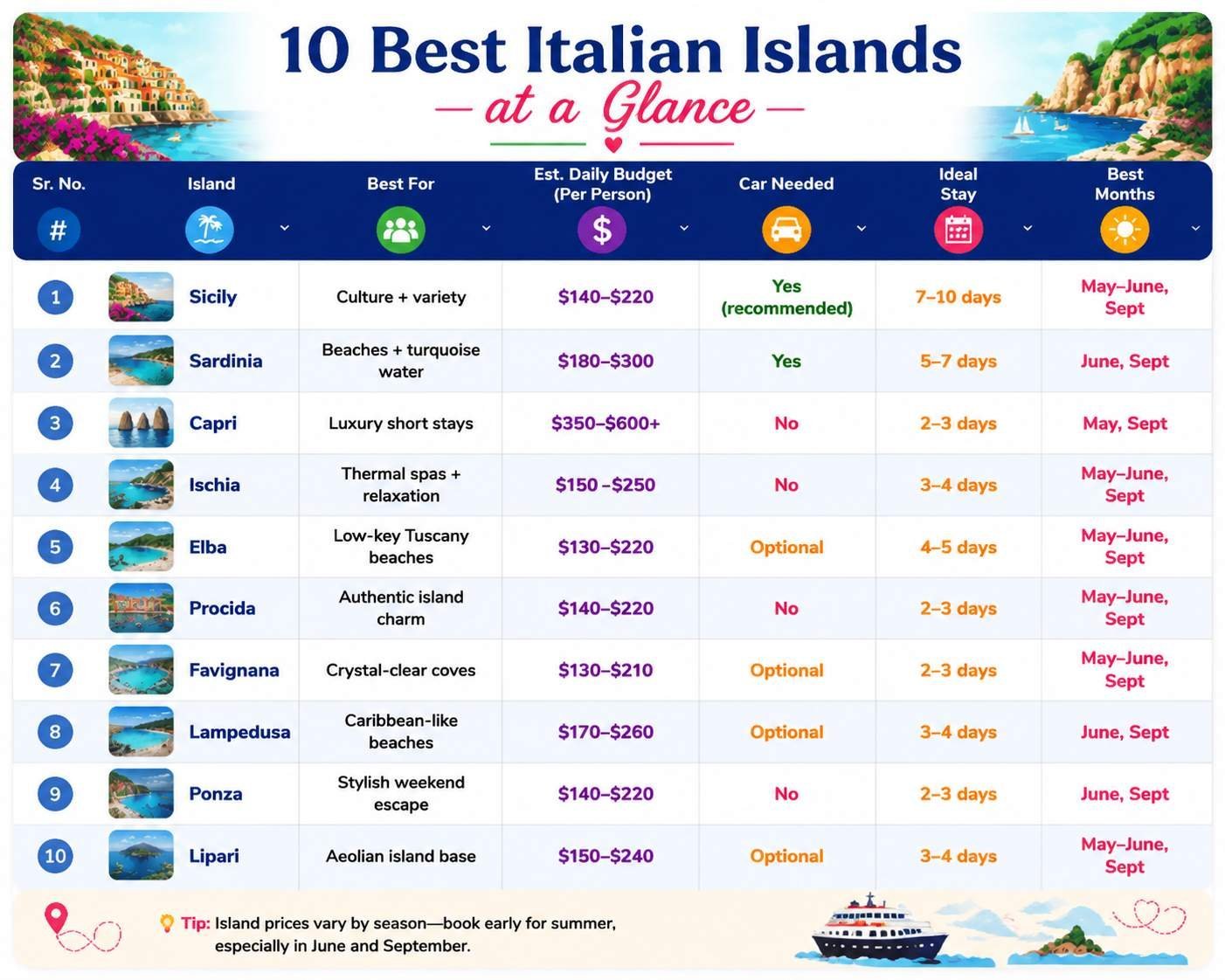
Note: Budget estimates throughout this guide are based on traveling during Italy’s shoulder season (May–June and September–early October), when you’ll usually find the best balance of weather, prices, and crowd levels.
Where Are Italy’s Best Islands Located?
Italy’s most beautiful islands are spread across five distinct island groups. Knowing where each one is located makes it easier to plan ferry routes, combine destinations, and choose the region that best fits your itinerary.
| Region | Islands |
|---|---|
| Sicily & Surrounding Islands | Sicily, Lipari, Favignana, Lampedusa |
| Sardinia | Sardinia |
| Gulf of Naples | Capri, Ischia, Procida |
| Tuscan Archipelago | Elba |
| Pontine Islands | Ponza |
- Sicily & Surrounding Islands: This region offers the greatest variety, from Sicily’s historic cities and beaches to volcanic landscapes in the Aeolian Islands and crystal-clear waters around Favignana and Lampedusa. It’s ideal for longer trips and island-hopping adventures.
- Gulf of Naples: Capri, Ischia, and Procida are all easy to reach from Naples and can even be combined in a single itinerary. They offer three very different experiences, from luxury and romance to thermal spas and authentic fishing villages.
- Sardinia: Sardinia is Italy’s second-largest island and is best known for turquoise beaches, scenic coastal drives, and outdoor adventures. Its size makes a rental car highly recommended for most visitors.
- Central Italy: Elba and Ponza are smaller, quieter alternatives that work well for shorter trips. Elba combines beaches with hiking and history, while Ponza is better suited for boat trips, secluded coves, and a relaxed Mediterranean atmosphere.
Italian Islands Map: Where Are the Top Islands?
Use this interactive map to see where each island is located and estimate travel distances before planning your itinerary.
Take This Map With You! Use this interactive map to explore the best Italian islands featured in this guide. Click each marker to see the island location and plan your travel route.
The 10 Best Italian Islands to Visit (Ranked by Travel Style, Budget & Season)
1. Sicily – The Most Complete Island Experience
Why Visit Sicily
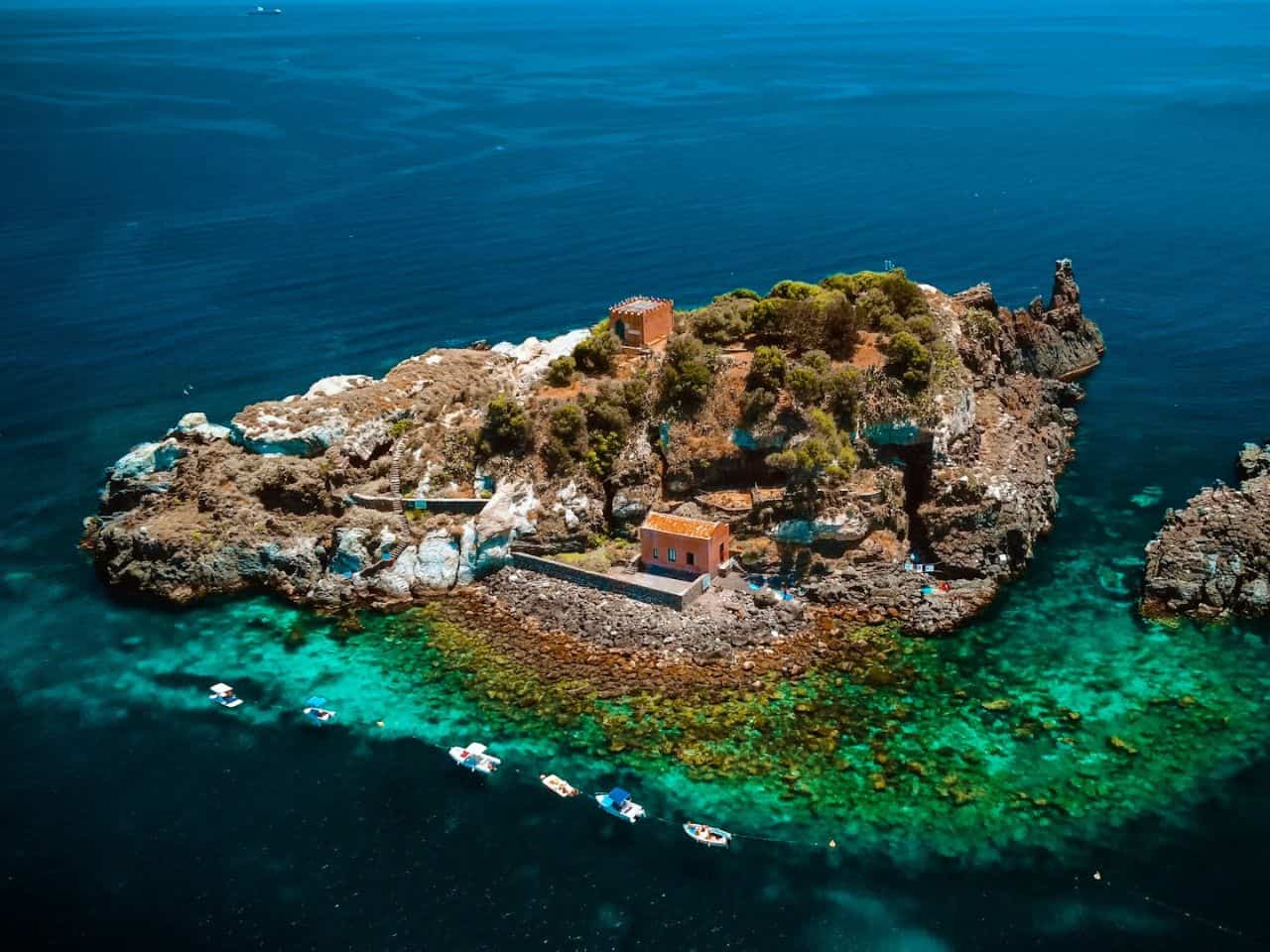
Sicily offers the widest variety of experiences on any Italian island. Ancient ruins, active volcanoes, beautiful beaches, vibrant cities, charming villages, and exceptional regional cuisine all come together in one destination. Whether you’re visiting Italy for the first time or planning a longer Mediterranean trip, Sicily delivers enough diversity to satisfy almost every travel style without feeling repetitive.
What Makes Sicily Special
Sicily feels like several destinations combined into one island. You can explore Greek temples in the morning, hike Europe’s highest active volcano in the afternoon, and finish the day beside a Mediterranean beach. Its rich mix of Greek, Roman, Arab, and Norman influences also creates a cultural identity unlike anywhere else in Italy, especially through its architecture, traditions, and local cuisine.
Things to Do in Sicily
- Explore the Valley of the Temples in Agrigento, one of Europe’s finest ancient Greek archaeological sites.
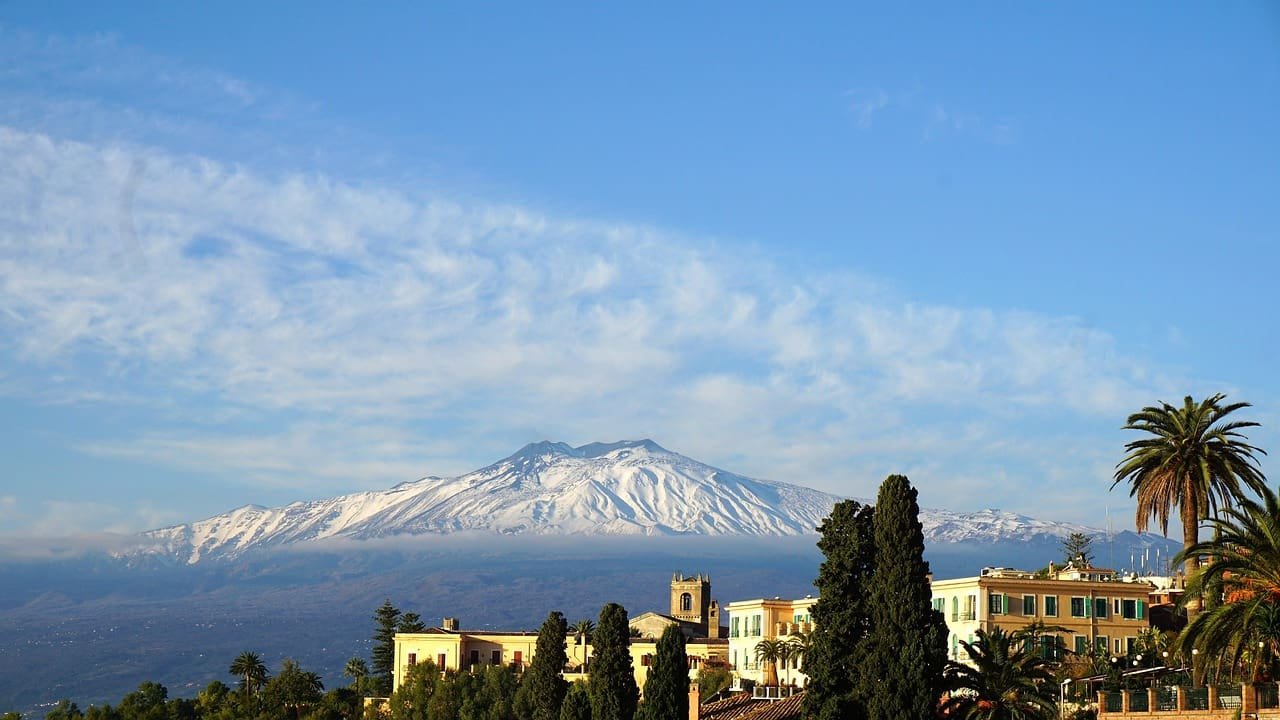
- Visit Mount Etna by cable car, guided hike, or jeep tour for one of Italy’s most unforgettable natural experiences.
- Wander through Taormina, famous for its Greek Theatre, elegant streets, and spectacular coastal views.
- Experience Palermo’s lively street markets, historic landmarks, and authentic Sicilian food culture.
- Relax on beautiful beaches such as San Vito Lo Capo or explore the coves of the Zingaro Nature Reserve.
Planning Tip: If it’s your first visit, combining Palermo, Taormina, and Mount Etna provides the best introduction to Sicily’s history, scenery, and food.
Sicilian Food You Shouldn’t Miss
Sicilian cuisine is one of Italy’s most distinctive regional food traditions.
- Arancini – Fried rice balls filled with ragù, cheese, or pistachio cream.
- Pasta alla Norma – A classic Sicilian pasta with eggplant, creamy tomato sauce, basil, and ricotta salata.
- Cannoli – Crispy pastry shells filled with sweet ricotta cream.
- Granita with Brioche – A refreshing frozen dessert commonly eaten for breakfast during summer.
Food alone can justify spending several days exploring the island.
Best For
First-time visitors, food lovers, history enthusiasts, couples, families, and travelers wanting Italy’s most complete island experience.
Avoid If
Skip Sicily if you only have two or three days, dislike driving, or prefer compact islands that are easy to explore without covering long distances.
Best Time to Visit
May, June, September, and early October offer the best balance of comfortable weather, manageable crowds, and excellent sightseeing conditions. July and August are ideal for beaches but bring higher temperatures, larger crowds, and noticeably higher accommodation prices.
Where to Stay in Sicily
- Taormina (Best for First-Time Visitors & Scenic Views) – Ideal for iconic coastal scenery, Mount Etna excursions, and a romantic atmosphere.
- Palermo (Best for Culture & Food) – The best base for exploring historic landmarks, local markets, and western Sicily.
- San Vito Lo Capo (Best for Beaches) – Perfect for travelers wanting a slower coastal escape with some of Sicily’s clearest waters.
How Long to Stay
7–10 days is ideal. Sicily is much larger than many visitors expect, and trying to cover the island in just a few days usually means spending more time driving than exploring. Longer trips allow you to combine multiple regions at a comfortable pace.
Getting Around & Logistics
Sicily has two major international airports:
- Palermo Airport – best for exploring the western side of the island.
- Catania Airport – ideal for visiting Mount Etna, Taormina, and eastern Sicily.
Renting a car is strongly recommended if you plan to explore multiple regions.
What to Expect Budget-Wise
$140–$220 per person, per day (mid-range, shoulder season). Costs rise in popular destinations like Taormina during summer, while much of the island remains one of Italy’s best-value destinations.
Insider Tip
If you have fewer than seven days, focus on either eastern or western Sicily instead of trying to see the entire island. You’ll spend less time driving and have more opportunities to enjoy local markets, family-run restaurants, and smaller towns that many visitors miss.
Plan your perfect Sicilian adventure with the following guides!
2. Sardinia – Italy’s Most Beautiful Beaches
Why Visit Sardinia
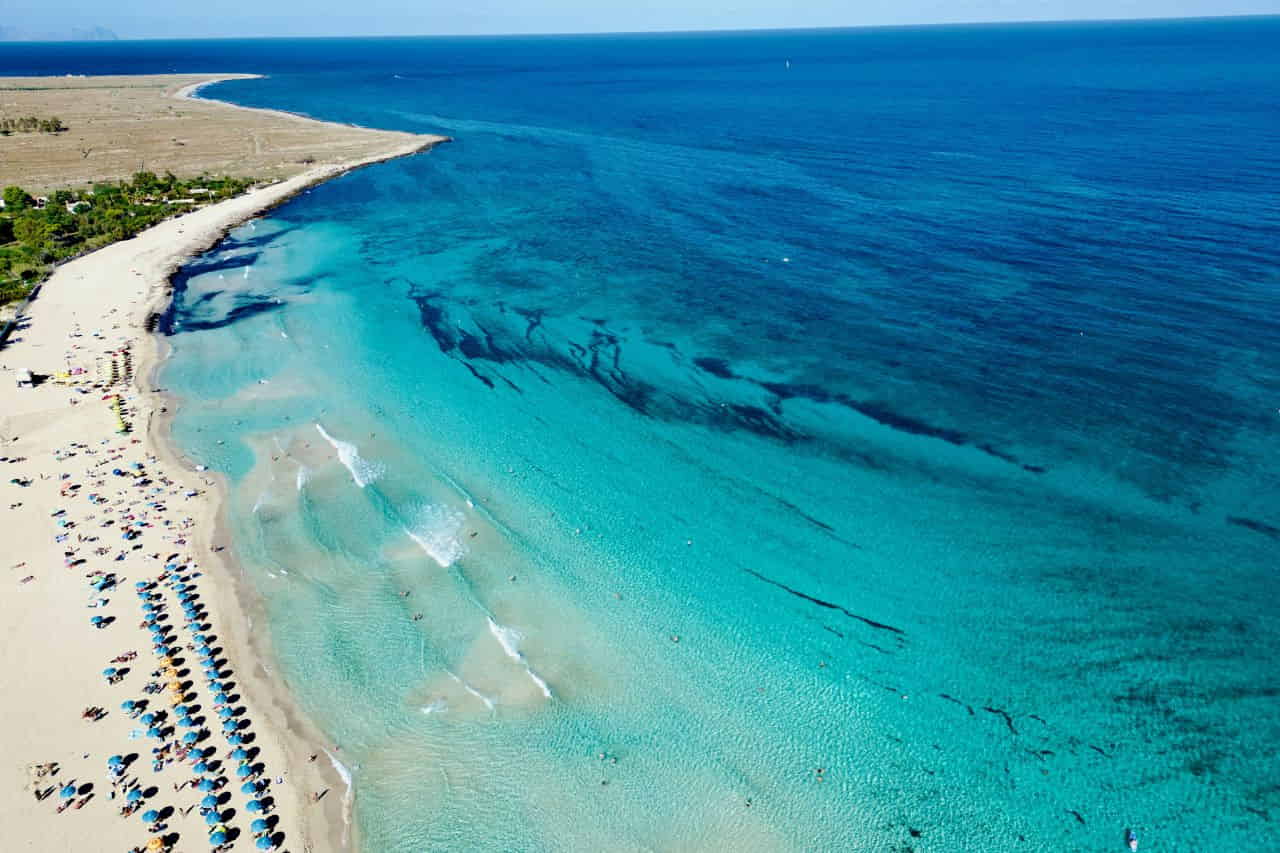
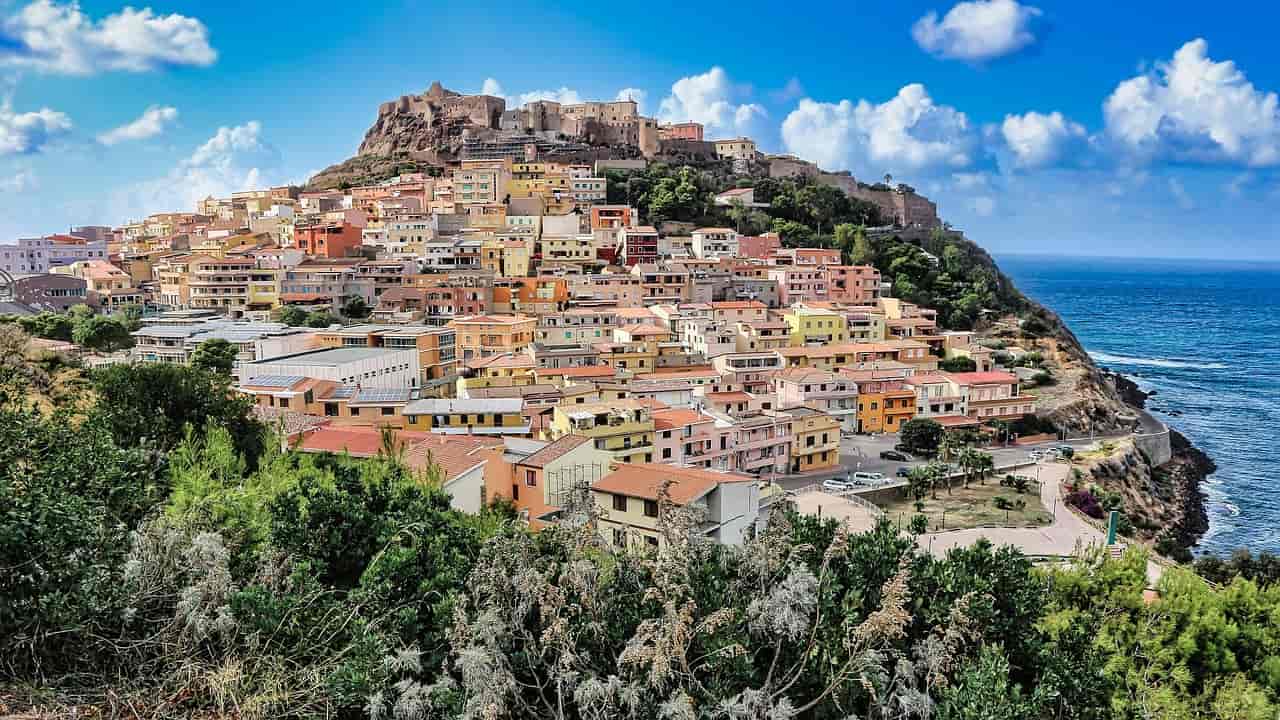
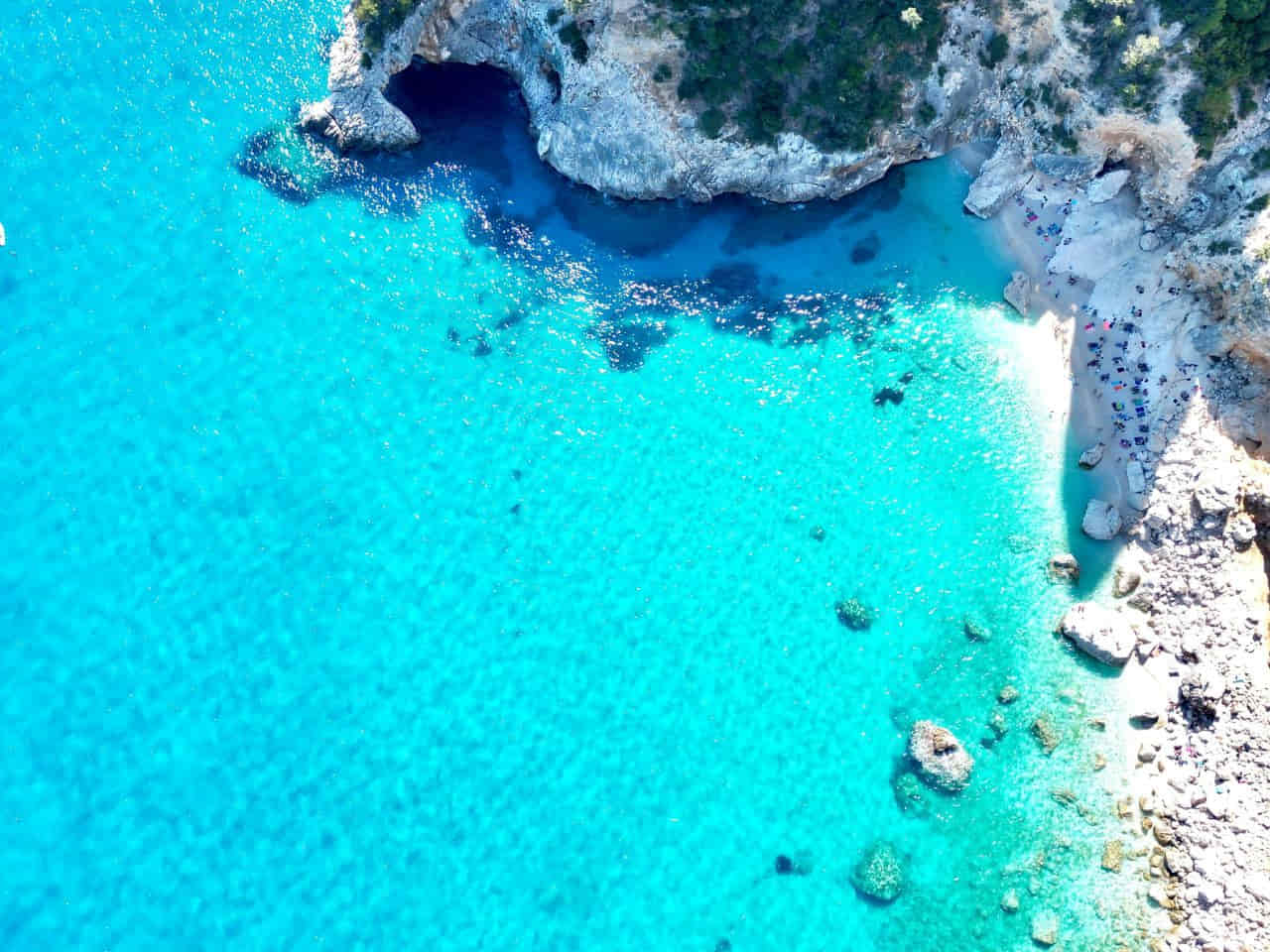
Sardinia is Italy’s best island for beaches, combining turquoise water, white-sand coves, rugged coastlines, and excellent outdoor activities. While many visitors arrive for the coastline, the island also offers mountain villages, archaeological sites, scenic drives, and one of Italy’s oldest cultural traditions, making it much more than a typical beach destination.
What Makes Sardinia Special
Sardinia feels noticeably different from mainland Italy. Its crystal-clear coastline rivals some of the Caribbean’s best beaches, while the mountainous interior remains largely untouched by mass tourism. Combined with a unique local culture, traditional cuisine, and hundreds of secluded beaches, Sardinia appeals to travelers looking for both relaxation and adventure.
Unlike many Mediterranean islands, Sardinia offers enough space to escape the crowds, especially outside the famous Costa Smeralda.
Things to Do in Sardinia
- Swim at La Pelosa Beach, famous for its shallow turquoise water and soft white sand.
- Drive the spectacular Costa Smeralda, known for luxury resorts, hidden coves, and scenic coastal roads.
- Explore the ancient Nuraghe Su Nuraxi, one of Sardinia’s most important UNESCO World Heritage Sites.
- Hike through Gennargentu National Park for dramatic mountain scenery and traditional villages.
- Take a boat trip through the La Maddalena Archipelago, home to some of Italy’s clearest waters.
Planning Tip: Combine the Costa Smeralda with the La Maddalena Archipelago if you’re visiting for the first time, as together they showcase Sardinia’s most iconic coastal scenery.
Here is the list of all the stunning beaches in Sardinia to leave you amazed!
Sardinian Food You Should Try
Sardinian cuisine is deeply rooted in local traditions and differs noticeably from other regions of Italy.
- Porceddu – Slow-roasted suckling pig seasoned with local herbs.
- Culurgiones – Handmade stuffed pasta filled with potato, pecorino cheese, and mint.
- Pane Carasau – Traditional thin, crispy flatbread often served with local meals.
- Seadas – Fried pastry filled with cheese and finished with local honey.
Best For
Beach lovers, outdoor enthusiasts, families, couples, and travelers looking for scenic coastal road trips with plenty of space to explore.
Avoid If
Skip Sardinia if you’re looking for a quick weekend getaway or prefer destinations that are easy to explore entirely without a car.
Best Time to Visit
May, June, September, and early October offer warm weather, excellent swimming conditions, and fewer crowds than peak summer. July and August provide the hottest beach weather but also bring the island’s highest accommodation prices and busiest beaches.
Where to Stay in Sardinia
- Costa Smeralda (Best for Luxury & First-Time Visitors) – Ideal for beautiful beaches, upscale resorts, and exploring Sardinia’s famous northeast coastline.
- Alghero (Best for History & Coastal Charm) – A picturesque seaside town with medieval streets, Catalan heritage, and easy access to northwestern beaches.
- Cala Gonone (Best for Nature & Boat Excursions) – Perfect for visiting the Gulf of Orosei, sea caves, hidden beaches, and hiking trails.
How Long to Stay
5–7 days is ideal for exploring Sardinia’s coastline without feeling rushed. The island is much larger than many visitors expect, so limiting your itinerary to one region allows for a more relaxed experience.
Getting Around & Logistics
Sardinia has three main airports:
- Olbia Airport – Best for Costa Smeralda and northeastern Sardinia.
- Cagliari Airport – Best for southern beaches and the island’s capital.
- Alghero Airport – Best for northwestern Sardinia and the Riviera del Corallo.
Renting a car is highly recommended, as many of Sardinia’s most beautiful beaches, scenic viewpoints, and inland villages are difficult to reach by public transport.
What to Expect Budget-Wise
$180–$300 per person, per day (mid-range, shoulder season). Accommodation prices increase significantly along the Costa Smeralda, especially during the summer months, while other parts of the island generally offer better value.
Insider Tip
Many visitors spend their entire trip around Costa Smeralda, but Sardinia’s greatest strength is its variety. If time allows, combine one famous coastal region with a quieter area such as Alghero or the Gulf of Orosei to experience a more balanced and authentic side of the island.
3. Capri – Italy’s Most Iconic Luxury Island
Why Visit Capri
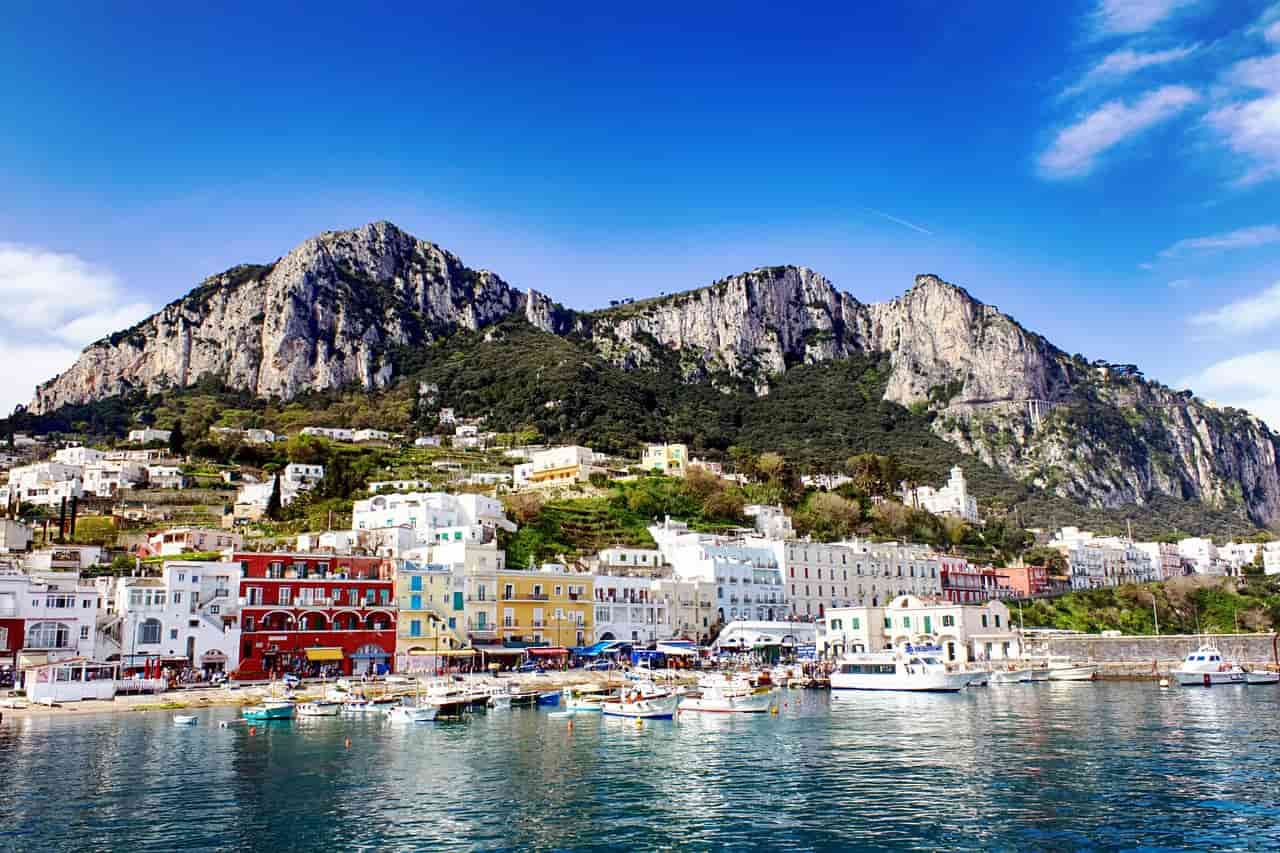
Capri is Italy’s most iconic luxury island, famous for its dramatic cliffs, glamorous atmosphere, upscale boutiques, and breathtaking Mediterranean views. While it’s often associated with celebrity lifestyles and luxury hotels, Capri also offers scenic hiking trails, hidden coves, historic villas, and unforgettable boat excursions that make it appealing well beyond its glamorous reputation.
For travelers looking for romance, spectacular scenery, and an unforgettable day or short island escape, Capri remains unmatched.
What Makes Capri Special
Capri’s appeal comes from its dramatic natural scenery rather than its beaches. Towering limestone cliffs, crystal-clear water, colorful sea caves, and elegant hilltop villages create one of Italy’s most recognizable landscapes. Despite its small size, the island combines luxury shopping, historic landmarks, panoramic viewpoints, and peaceful walking trails within easy reach.
Landmarks such as the Faraglioni and the glowing sea cave known as the Blue Grotto have made Capri one of Italy’s most photographed destinations.
Things to Do in Capri
- Take a boat tour around the island and visit the famous Blue Grotto, Capri’s best-known natural attraction.
- Ride the chairlift to Monte Solaro, the island’s highest point, for panoramic views across the Bay of Naples.
- Walk through the Gardens of Augustus and admire the iconic Faraglioni rock formations.
- Explore the elegant streets of Capri Town, filled with luxury boutiques, cafés, and charming piazzas.
- Visit the quieter village of Anacapri for a more relaxed atmosphere and scenic walking trails.
Planning Tip: Spend one day exploring Capri Town and the Blue Grotto, then dedicate another to Anacapri and Monte Solaro if you’re staying overnight.
View in depth guide on wonderful things to do in Capri.
Caprese Food You Should Try
Capri’s cuisine focuses on fresh Mediterranean ingredients and local seafood.
- Insalata Caprese – The island’s famous salad made with fresh mozzarella, tomatoes, basil, and olive oil.
- Ravioli Capresi – Homemade ravioli filled with caciotta cheese and marjoram.
- Fresh Seafood Pasta – Local specialties featuring clams, prawns, or lobster.
- Torta Caprese – A rich flourless chocolate and almond cake originally created on the island.
Best For
Couples, honeymooners, luxury travelers, photographers, and first-time visitors looking for Italy’s most iconic island scenery.
Avoid If
Skip Capri if you’re traveling on a tight budget, dislike crowds, or are looking for long sandy beaches and extensive road-trip style exploration.
Best Time to Visit
May, June, September, and early October offer pleasant temperatures, beautiful coastal scenery, and fewer crowds than peak summer. July and August are the busiest months, with higher accommodation prices and large numbers of day-trippers.
Where to Stay in Capri
- Capri Town (Best for First-Time Visitors & Luxury) – Perfect for shopping, restaurants, nightlife, and easy access to the island’s main attractions.
- Anacapri (Best for Quiet Escapes) – A more peaceful alternative offering local charm, panoramic views, and easier access to Monte Solaro.
- Marina Grande (Best for Convenience) – Ideal for short stays and travelers wanting quick access to ferries and boat tours.
How Long to Stay
2–3 days is ideal. While Capri is often visited as a day trip from Naples or the Amalfi Coast, staying overnight allows you to experience the island after most day visitors leave, creating a far more relaxed atmosphere.
Getting Around & Logistics
Capri has no airport. It is reached by ferry or hydrofoil from Naples, Sorrento, Positano, and several Amalfi Coast towns.
Private cars are heavily restricted for visitors, and most travelers explore the island using local buses, funiculars, taxis, chairlifts, or on foot. Comfortable walking shoes are highly recommended, as many attractions involve steep streets and staircases.
What to Expect Budget-Wise
$350–$600+ per person, per day (mid-range to luxury, shoulder season). Accommodation, restaurants, and private boat tours make Capri one of Italy’s most expensive Island destinations, particularly between June and August.
Insider Tip
Many visitors only spend a few crowded hours around Capri Town before returning to the mainland. Staying at least one night lets you experience quieter streets, enjoy sunset viewpoints after the ferries depart, and discover a more relaxed side of the island that most day-trippers never see.
4. Ischia – Italy’s Thermal Spa Island
Why Visit Ischia
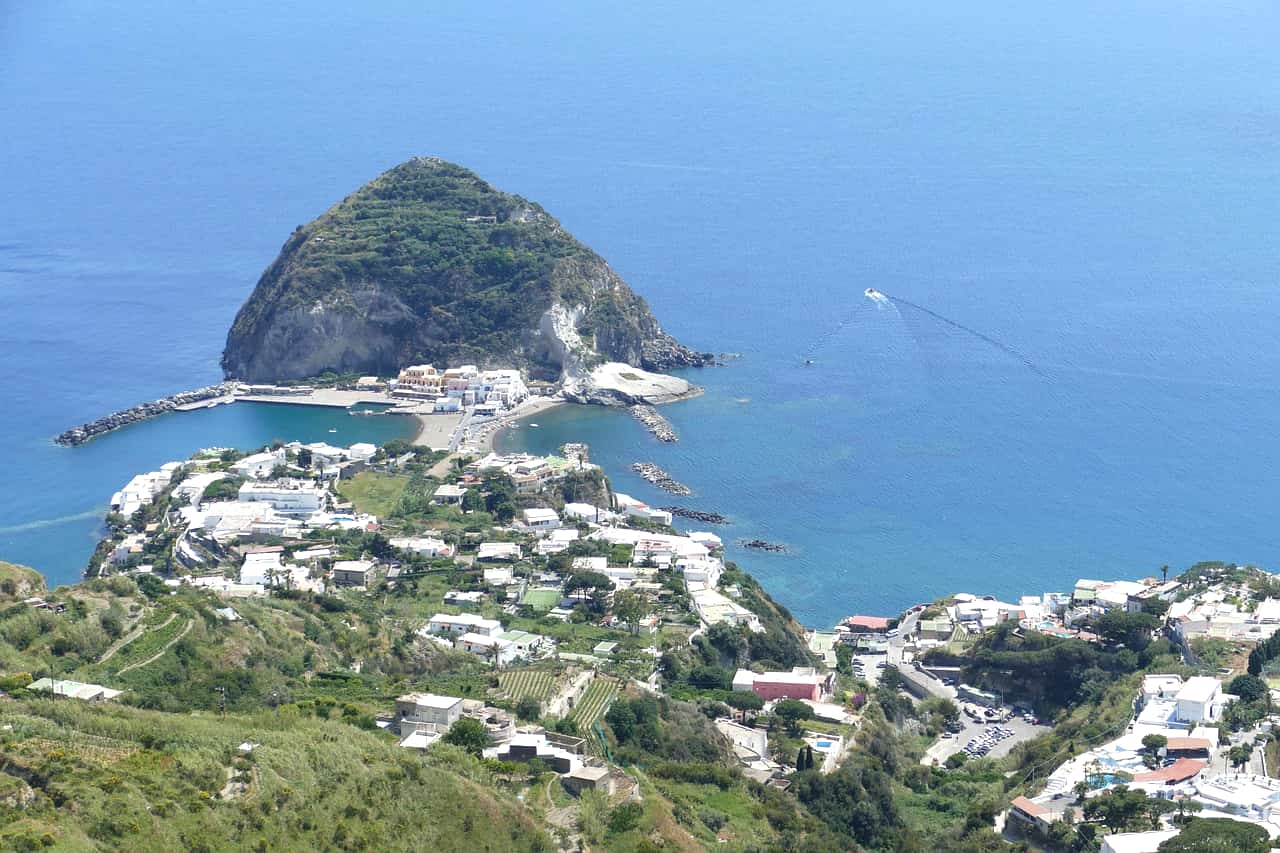
Ischia is Italy’s best island for thermal spas, combining natural hot springs, volcanic landscapes, beautiful gardens, sandy beaches, and authentic local charm. Compared with nearby Capri, Ischia feels more relaxed, offers better overall value, and rewards travelers looking to slow down while still enjoying spectacular coastal scenery.
For visitors seeking wellness, relaxation, and a less crowded island experience, Ischia is one of Italy’s most rewarding destinations.
What Makes Ischia Special
Unlike most Mediterranean islands, Ischia’s identity revolves around its volcanic origins. Natural thermal springs flow across the island, supplying world-famous spa resorts, thermal gardens, and mineral-rich pools that have attracted visitors for centuries. Alongside its wellness culture, Ischia also offers scenic coastal villages, castle-topped shorelines, vineyards, and excellent hiking opportunities.
It combines beach holidays with spa experiences in a way that no other Italian island does.
Things to Do in Ischia
- Relax in the thermal pools of Negombo or Poseidon Thermal Gardens, two of Europe’s most famous spa parks.
- Visit the historic Aragonese Castle, connected to the island by a stone bridge overlooking the sea.
- Wander through the colorful streets and waterfront cafés of Ischia Porto.
- Hike to the summit of Mount Epomeo for panoramic views across the Bay of Naples.
- Spend a day at Maronti Beach, one of the island’s largest and most popular beaches.
Planning Tip: Combine a morning at one of Ischia’s thermal parks with an afternoon exploring Aragonese Castle for the perfect balance of relaxation and sightseeing.
Ischian Food You Should Try
Ischia’s cuisine highlights fresh seafood, local produce, and traditional recipes influenced by its volcanic landscape.
- Coniglio all’Ischitana – Slow-cooked rabbit prepared with tomatoes, herbs, and local white wine.
- Fresh Seafood Pasta – A staple across the island’s coastal restaurants.
- Limoncello – Locally produced lemon liqueur made from regional citrus.
- Sfogliatella – A flaky pastry often enjoyed with coffee for breakfast or dessert.
Best For
Couples, wellness travelers, spa enthusiasts, slower-paced vacations, and visitors looking for better value than Capri.
Avoid If
Skip Ischia if your priority is luxury shopping, lively nightlife, or visiting Italy’s most famous landmarks in a short amount of time.
Best Time to Visit
May, June, September, and October offer pleasant temperatures for sightseeing, spa visits, hiking, and swimming. July and August are excellent for beaches but are noticeably busier and more expensive.
Where to Stay in Ischia
- Ischia Porto (Best for First-Time Visitors) – The island’s main transport hub with restaurants, shopping, and convenient ferry connections.
- Forio (Best for Beaches & Sunsets) – Ideal for beautiful beaches, relaxed evenings, and easy access to the Poseidon Thermal Gardens.
- Sant’Angelo (Best for Romance & Relaxation) – A picturesque pedestrian village perfect for couples seeking a peaceful atmosphere.
How Long to Stay
2–4 days is ideal. This gives you enough time to experience Ischia’s thermal parks, coastal villages, beaches, and scenic viewpoints without rushing between attractions.
Getting Around & Logistics
Ischia has no airport. It is reached by ferry or hydrofoil from Naples throughout the year.
The island is easy to explore using local buses, taxis, and scooters, while many visitors choose to walk within the main towns. Renting a car is generally unnecessary unless you plan to explore more remote parts of the island.
What to Expect Budget-Wise
$150–$250 per person, per day (mid-range, shoulder season). Prices vary depending on proximity to thermal resorts and beachfront hotels, while spring and autumn generally provide the best overall value.
Insider Tip
Many travelers visit Ischia as a quick day trip from Naples, but staying at least two nights completely changes the experience. Early mornings and evenings are when the island feels most authentic, allowing you to enjoy the thermal spas, waterfront promenades, and local restaurants long after the day-trippers have departed.
5. Elba – Tuscany’s Relaxed Island Escape
Why Visit Elba
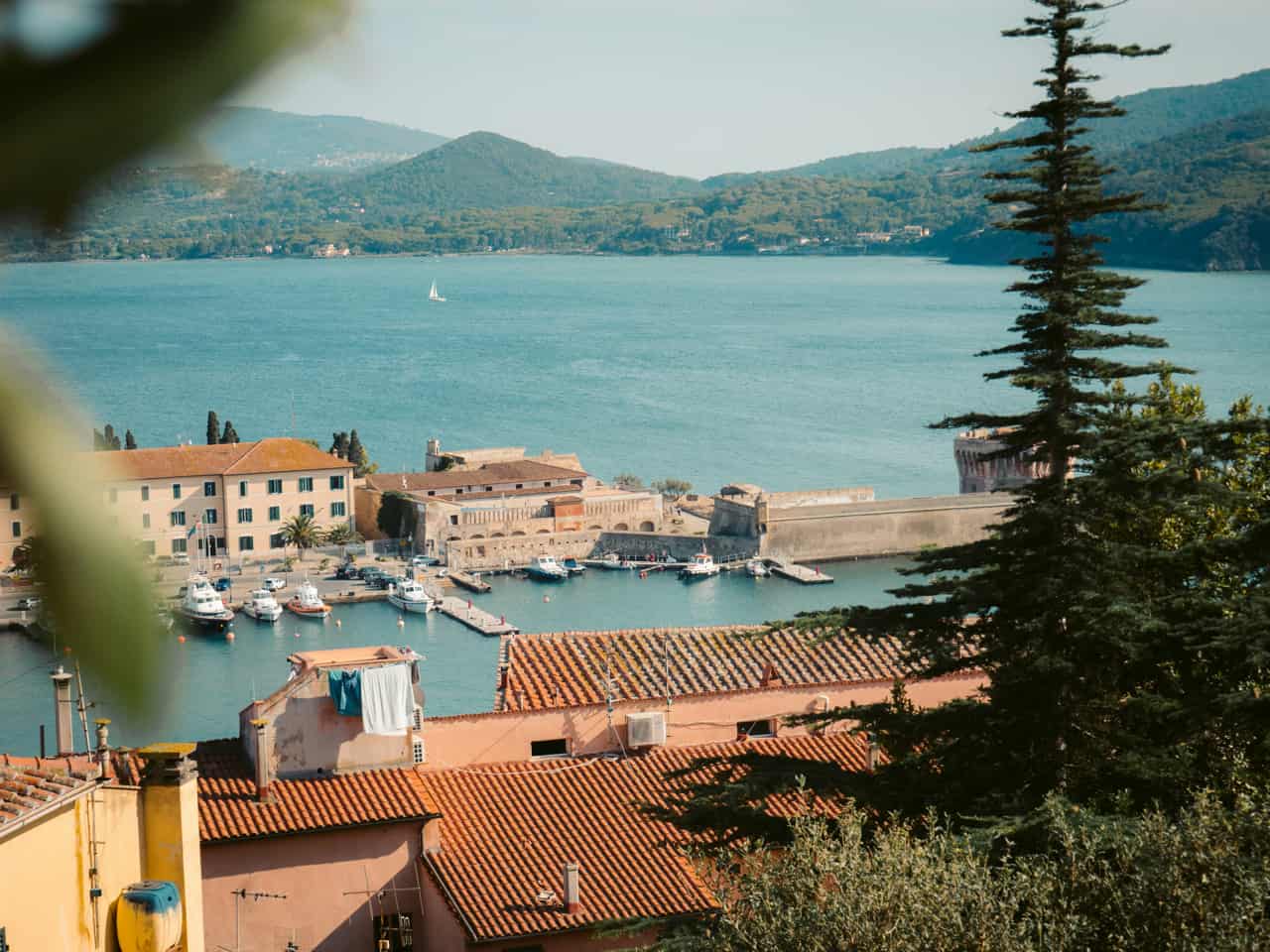
Elba is the perfect choice for travelers who want beautiful beaches, scenic hiking, charming coastal towns, and authentic Italian island life without the crowds of Capri or Sardinia. Best known as Napoleon’s place of exile. Elba combines fascinating history with crystal-clear water and one of Tuscany’s most scenic coastlines.
For travelers seeking a slower pace and a balanced mix of nature, history, and beaches, Elba is one of Italy’s best-kept island escapes.
What Makes Elba Special
Elba offers far more than beaches. The island combines rugged mountains, forested hiking trails, picturesque fishing villages, hidden coves, and centuries of history within a surprisingly compact area. As part of the Tuscan Archipelago National Park, much of Elba remains protected, making it one of Italy’s best islands for outdoor activities.
Unlike many Mediterranean islands, Elba feels authentic and uncrowded, especially away from its busiest summer beaches.
Things to Do in Elba
- Visit Villa dei Mulini, Napoleon Bonaparte’s former residence overlooking Portoferraio.
- Relax on Spiaggia di Sansone, famous for its white pebbles and crystal-clear turquoise water.
- Hike to the summit of Monte Capanne, the island’s highest peak, for panoramic views across the Tuscan Archipelago.
- Explore the colorful harbor and historic fortifications of Portoferraio.
- Take a boat excursion to discover hidden beaches and sea caves around the island’s coastline.
Planning Tip: Renting a car allows you to combine Elba’s mountain villages, scenic viewpoints, and quieter beaches in a single day without relying on limited public transport.
Elban Food You Should Try
Elba’s cuisine blends fresh seafood with traditional Tuscan flavors.
- Cacciucco – A rich Tuscan-style seafood stew prepared with locally caught fish.
- Gurguglione – A traditional vegetable stew made with tomatoes, peppers, onions, and eggplant.
- Fresh Seafood Risotto – A coastal favorite served in many waterfront restaurants.
- Schiaccia Briaca – Elba’s traditional raisin and nut cake, originally made by local sailors.
Best For
Nature lovers, hikers, beach enthusiasts, families, couples, and travelers looking for a quieter alternative to Italy’s more famous islands.
Avoid If
Skip Elba if you’re looking for luxury shopping, vibrant nightlife, or an island that’s easy to explore entirely without a car.
Best Time to Visit
May, June, September, and early October provide ideal conditions for hiking, sightseeing, and swimming with fewer crowds. July and August are excellent for beach holidays but bring warmer temperatures and significantly busier coastal towns.
Where to Stay in Elba
- Portoferraio (Best for First-Time Visitors) – The island’s main town with historic attractions, ferry access, restaurants, and excellent transport connections.
- Marina di Campo (Best for Beaches) – Perfect for families and travelers wanting long sandy beaches, cafés, and a relaxed seaside atmosphere.
- Capoliveri (Best for Scenic Charm) – A hilltop village offering panoramic views, traditional streets, and easy access to nearby beaches.
How Long to Stay
3–5 days is ideal. This allows enough time to explore Elba’s beaches, hiking trails, historic towns, and scenic coastline without feeling rushed.
Getting Around & Logistics
Elba is reached by ferry from Piombino, with most arrivals docked in Portoferraio. Travelers typically reach Piombino by train or car from Florence or Pisa.
Renting a car or scooter is highly recommended, as many of Elba’s best beaches, hiking trails, and smaller villages are difficult to reach efficiently using public transport alone.
What to Expect Budget-Wise
$150–$240 per person, per day (mid-range, shoulder season). Prices increase during the summer holidays, while spring and early autumn offer better accommodation availability and overall value.
Insider Tip
Many visitors stay only around Portoferraio after arriving by ferry, but Elba’s real charm lies beyond the main port. Exploring the island’s western coastline and smaller hilltop villages rewards you with quieter beaches, panoramic viewpoints, and a much more authentic Tuscan island experience.
6. Procida – Italy’s Most Colorful Hidden Island
Why Visit Procida
Procida is Italy’s best island for travelers seeking authentic local life, colorful waterfronts, and a peaceful atmosphere away from mass tourism. As the smallest island in the Bay of Naples, Procida offers charming fishing villages, quiet beaches, and traditional Italian character without the luxury crowds of nearby Capri.
If you value authenticity over famous landmarks, Procida is one of Italy’s most rewarding hidden gems.
What Makes Procida Special
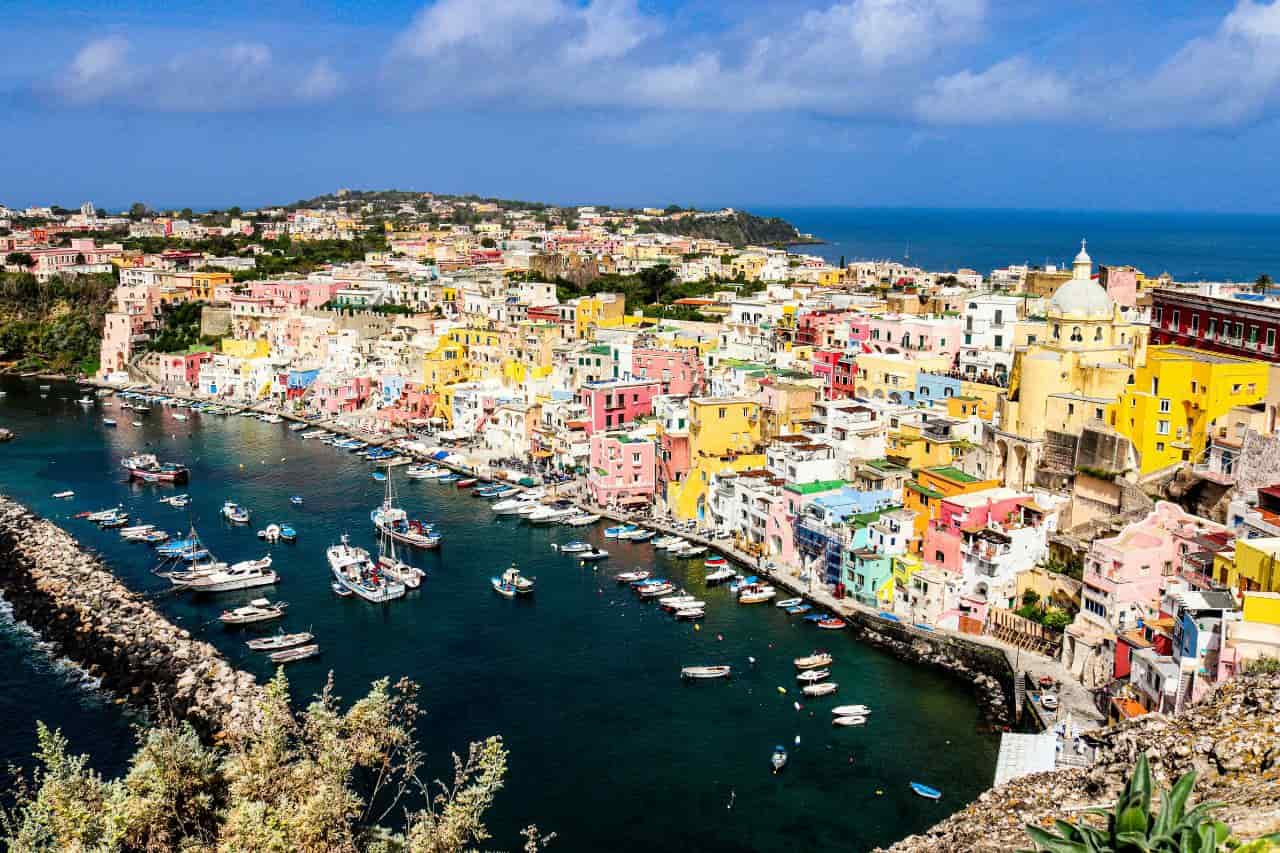
Unlike Capri or Ischia, Procida has remained largely untouched by large-scale tourism. Its pastel-colored houses, working fishing harbor, and slow-paced lifestyle create a genuine island atmosphere that feels refreshingly local. The island is compact enough to explore almost entirely on foot, making it ideal for travelers who enjoy wandering through quiet streets and discovering hidden viewpoints.
Procida is also part of the broader culinary culture surrounding the Mediterranean Diet, recognized by UNESCO for its cultural importance.
Rather than checking off attractions, Procida invites you to experience everyday island life.
Things to Do in Procida
- Walk through Marina Corricella, Procida’s postcard-perfect fishing village lined with colorful waterfront houses.
- Visit Terra Murata, the island’s oldest settlement, for panoramic views and centuries of history.
- Relax on Chiaiolella Beach, one of Procida’s most popular swimming spots.
- Visit film locations from The Talented Mr. Ripley
- Watch the sunset views across the Bay of Naples
Planning Tip: Procida is best explored without a strict itinerary. Leave time to simply wander its streets, enjoy long waterfront lunches, and discover viewpoints that aren’t marked on most tourist maps.
Procidan Food You Should Try
Procida’s cuisine celebrates fresh seafood and simple Mediterranean flavors.
- Linguine ai Frutti di Mare – Fresh seafood pasta featuring locally caught shellfish.
- Insalata di Limoni – A refreshing lemon salad made with Procida’s famous local lemons.
- Polpo alla Luciana – Slow-cooked octopus prepared in a rich tomato sauce.
- Lingua di Procida – A flaky pastry filled with sweet lemon cream.
Best For
Couples, photographers, slow travelers, solo travelers, and visitors looking for authentic Italian island life away from large tourist crowds.
Avoid If
Skip Procida if you’re looking for luxury resorts, extensive nightlife, or a destination packed with famous attractions and organized activities.
Best Time to Visit
April through June and September offer pleasant temperatures, fewer visitors, and ideal conditions for walking and sightseeing. July and August remain enjoyable but become noticeably busier due to domestic summer tourism.
Where to Stay in Procida
- Marina Corricella (Best for First-Time Visitors) – Stay here for the island’s most iconic views, waterfront restaurants, and authentic atmosphere.
- Chiaiolella (Best for Beaches) – Perfect for travelers who want easy beach access and a quieter coastal setting.
- Terra Murata (Best for History & Views) – Ideal for panoramic scenery, historic streets, and a more peaceful stay.
How Long to Stay
2–3 days is ideal. Procida’s compact size makes it easy to explore, while an overnight stay allows you to experience the island’s peaceful atmosphere before and after the arrival of day-trippers.
Getting Around & Logistics
Procida has no airport. It is reached by ferry or hydrofoil from Naples , with travel times around 40 minutes.
Most visitors explore entirely on foot, while local buses connect the island’s main villages and beaches. Renting a car is unnecessary and often impractical due to Procida’s narrow streets.
What to Expect Budget-Wise
$140–$220 per person, per day (mid-range, shoulder season). Accommodation is generally more affordable than nearby Capri, although prices increase during weekends and the summer holiday season.
Insider Tip
Many visitors arrive on a morning ferry and leave by late afternoon, missing the island’s most peaceful hours. Staying overnight lets you enjoy Marina Corricella after sunset, when the harbor quiets down and Procida’s authentic character truly comes to life.
7. Favignana — Sicily’s Crystal-Clear Island Escape
Why Visit Favignana
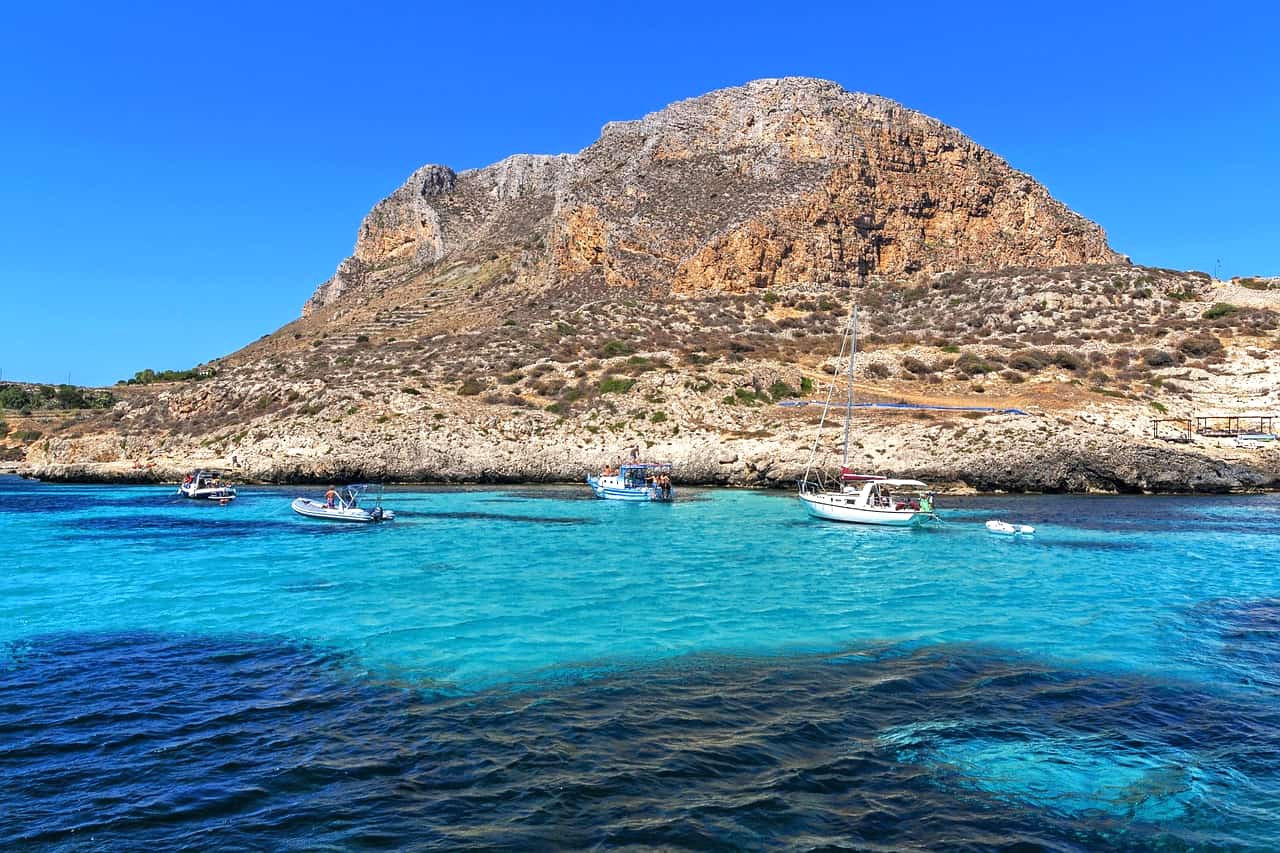
Favignana is the best Italian island for travelers seeking crystal-clear water, relaxed beach days, and a slower Mediterranean lifestyle. Located just off Sicily’s western coast, the island is the largest of the Aegadian Islands aka Egadi Islands, famous for its turquoise coves, limestone coastline, and cycling-friendly roads, making it one of Italy’s easiest islands to explore at a leisurely pace.
If your priority is swimming, snorkeling, and escaping crowded resorts, Favignana is one of Italy’s most rewarding coastal destinations.
What Makes Favignana Special
Favignana stands out for its remarkably transparent water and laid-back atmosphere rather than famous landmarks. The island is small enough to explore almost entirely by bicycle, with hidden coves, quiet beaches, and dramatic limestone cliffs scattered around the coastline. Unlike many Mediterranean beach destinations, Favignana still feels relaxed and authentic, especially outside the peak summer season.
Its combination of easy exploration and exceptional swimming makes it one of Sicily’s best island escapes.
Things to Do in Favignana
- Swim in the turquoise waters of Cala Rossa, widely considered one of Italy’s most beautiful beaches.
- Relax at Cala Azzurra, known for its shallow crystal-clear water and excellent snorkeling.
- Cycle around the island to discover hidden coves and scenic coastal viewpoints.
- Visit the historic Florio Tuna Factory Museum to learn about Favignana’s traditional fishing heritage.
- Take a boat tour around the island to reach secluded swimming spots accessible only by sea.
Planning Tip: Renting a bicycle is the easiest and most enjoyable way to explore Favignana, allowing you to visit several beaches in a single day without worrying about parking.
Favignana Food You Should Try
Favignana’s cuisine revolves around fresh seafood and traditional Sicilian flavors.
- Tuna Tartare – Favignana’s signature dish made with locally caught bluefin tuna.
- Pasta con Tonno Fresco – Fresh tuna pasta prepared with simple Mediterranean ingredients.
- Couscous di Pesce – A western Sicilian seafood couscous influenced by North African traditions.
- Granita – A refreshing frozen dessert perfect after a day at the beach.
Best For
Beach lovers, snorkelers, couples, photographers, cyclists, and travelers looking for a peaceful island escape with some of Italy’s clearest water.
Avoid If
Skip Favignana if you’re looking for major historical attractions, luxury shopping, or a destination with extensive nightlife and large resorts.
Best Time to Visit
May, June, September, and early October provide warm weather, calm seas, and excellent swimming conditions with fewer crowds. July and August offer perfect beach weather but are significantly busier and more expensive.
Where to Stay in Favignana
- Favignana Town (Best for First-Time Visitors) – The most convenient base with restaurants, cafés, bike rentals, and easy ferry access.
- Lido Burrone (Best for Beaches) – Perfect for travelers wanting quick access to one of the island’s few sandy beaches.
- Western Coast (Best for Quiet Escapes) – Ideal for visitors seeking peaceful surroundings and easy access to secluded coves.
How Long to Stay
2–3 days is ideal. This gives you enough time to cycle around the island, enjoy several beaches, take a boat excursion, and experience Favignana’s relaxed atmosphere without rushing.
Getting Around & Logistics
Favignana is reached by ferry or hydrofoil from Trapani, with travel times of about 30–40 minutes. Travelers typically fly into Palermo, then reach Trapani by bus or car before taking the ferry. Bicycles or electric scooters, are the most popular ways to explore the island.
What to Expect Budget-Wise
$150–$240 per person, per day (mid-range, shoulder season). Accommodation prices increase during the summer months, while spring and early autumn generally offer the best combination of value and availability.
Insider Tip
Many visitors spend the entire day at Cala Rossa, but some of Favignana’s most memorable swimming spots are found along the quieter western coastline. Renting a bicycle early in the morning lets you discover secluded coves before they become busy, making the island feel far more peaceful and authentic.
8. Lampedusa — Italy’s Caribbean-Like Island
Why Visit Lampedusa
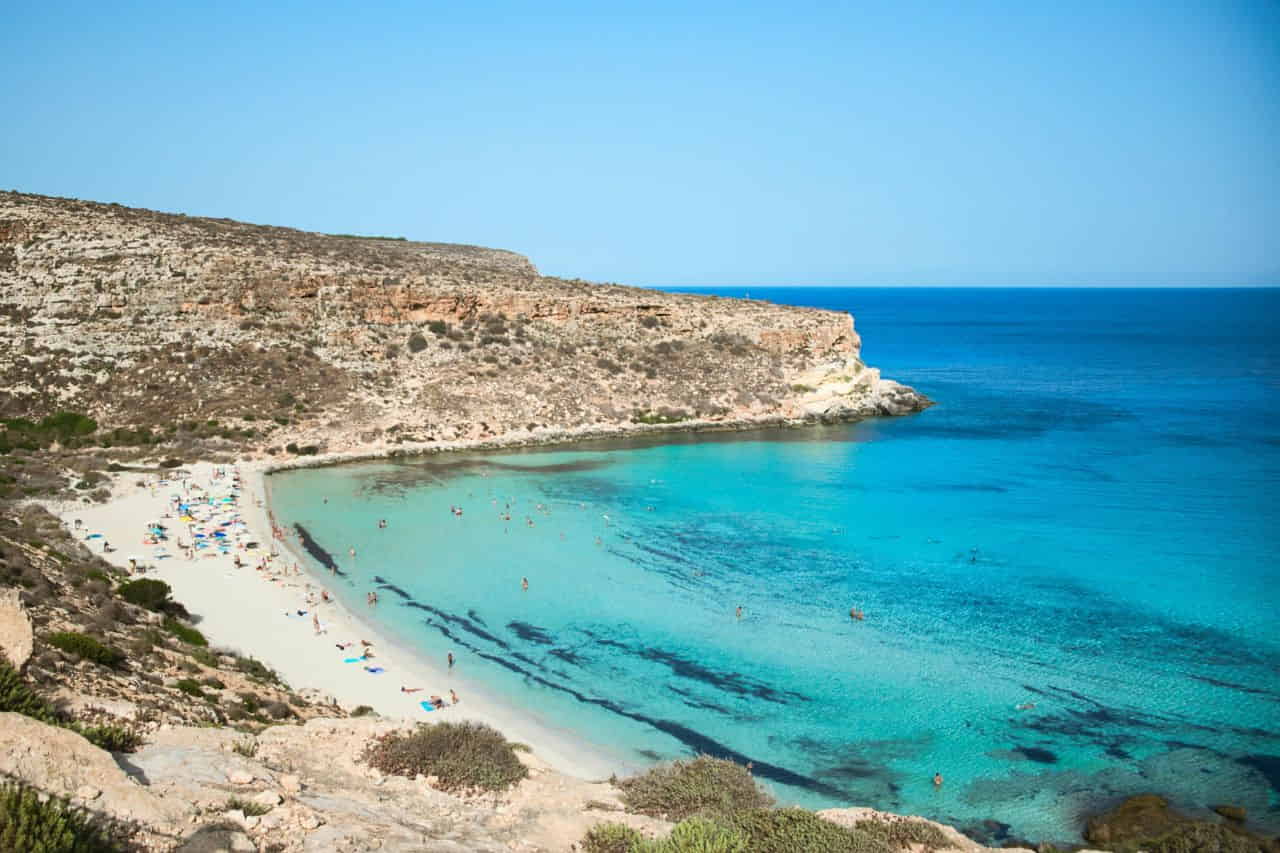
Lampedusa is Italy’s ultimate beach destination, famous for some of the clearest turquoise water in the Mediterranean. Located closer to North Africa than mainland Italy, the island is known for its white-sand beaches, dramatic limestone coastline, and exceptional snorkeling. If your dream Italian island revolves around swimming, relaxing, and spending time on the water, Lampedusa is difficult to beat.
For travelers chasing postcard-perfect beaches, Lampedusa offers a completely different experience from the rest of Italy.
What Makes Lampedusa Special
Lampedusa feels more like a tropical island than a traditional Italian destination. Its crystal-clear water, protected marine reserve, and untouched coastline create some of the Mediterranean’s best swimming and snorkeling conditions.
The island is also part of the Pelagie Islands, a small island group known for its protected marine environment and rich biodiversity. Lampedusa’s surrounding waters are an important nesting site for the endangered Loggerhead Sea Turtle, which lays eggs on the island’s beaches during summer months.
Its remote location also helps preserve a quieter atmosphere compared with Italy’s more famous beach destinations.
Things to Do in Lampedusa
- Spend a day at Spiaggia dei Conigli (Rabbit Beach), regularly ranked among Europe’s most beautiful beaches.
- Take a boat tour around the island’s dramatic cliffs and caves
- Hike down to the scenic cove of Cala Pulcino
- Snorkel in the clear waters of Isola dei Conigli
- Visit Capo Ponente to watch one of the island’s most spectacular sunsets.
- Explore the island’s rugged coastline by scooter or small rental car.
Planning Tip: Boat tours provide access to many of Lampedusa’s best beaches and swimming spots that cannot be reached by road, making them one of the island’s most worthwhile experiences.
Lampedusan Food You Should Try
Lampedusa’s cuisine blends Sicilian traditions with fresh Mediterranean seafood.
- Grilled Swordfish – One of the island’s signature seafood dishes.
- Seafood Couscous – A local specialty reflecting North African influences.
- Fresh Red Prawns – Often served simply with olive oil and lemon.
- Cassatelle Siciliane – Traditional Sicilian pastries enjoyed as dessert.
Best For
Beach lovers, snorkelers, divers, couples, photographers, and travelers looking for Italy’s clearest water and most relaxing coastal escape.
Avoid If
Skip Lampedusa if you’re interested in museums, historic landmarks, vibrant nightlife, or a destination packed with sightseeing opportunities.
Best Time to Visit
Late May through June and September offer warm temperatures, calm seas, and excellent swimming conditions with fewer visitors. July and August provide perfect beach weather but also bring the island’s busiest period and highest accommodation prices.
Where to Stay in Lampedusa
- Lampedusa Town (Best for First-Time Visitors) – The most convenient base for restaurants, shops, boat excursions, and evening walks.
- Cala Creta (Best for Quiet Escapes) – Ideal for peaceful surroundings, dramatic rocky coastline, and snorkeling.
- Near Rabbit Beach (Best for Beach Lovers) – Perfect for travelers wanting quick access to the island’s most famous coastline while staying outside the town center.
How Long to Stay
3–4 days is ideal. This gives you enough time to enjoy the island’s beaches, take a full-day boat excursion, and experience its relaxed pace without feeling rushed.
Getting Around & Logistics
Lampedusa is reached by direct flights from several Italian cities during the tourist season or by ferry from Porto Empedocle in Sicily, although ferry crossings are considerably longer.
Scooters are the most popular way to explore the island, while small rental cars are also available. Public transport is limited, so having your own transportation offers the greatest flexibility.
What to Expect Budget-Wise
$170–$280 per person, per day (mid-range, shoulder season). Prices rise sharply during July and August, particularly for accommodation close to the island’s most popular beaches.
Insider Tip
Most visitors head straight to Rabbit Beach every day, but Lampedusa’s best experiences often happen from the water. A full-day boat excursion lets you swim in secluded coves, discover hidden sea caves, and experience the island’s famous turquoise coastline from a completely different perspective—often away from the crowds.
9. Ponza – Italy’s Secret Roman Escape
Why Visit Ponza
Ponza is the ideal Italian island for travelers looking to escape the crowds and experience dramatic coastal scenery, secluded swimming coves, and authentic Mediterranean charm. Popular with Italians but still overlooked by many international visitors, Ponza offers a quieter alternative to Capri while delivering spectacular boat trips, crystal-clear water, and a relaxed island atmosphere.
If you prefer hidden gems over famous tourist hotspots, Ponza is one of Italy’s most rewarding island escapes.
What Makes Ponza Special
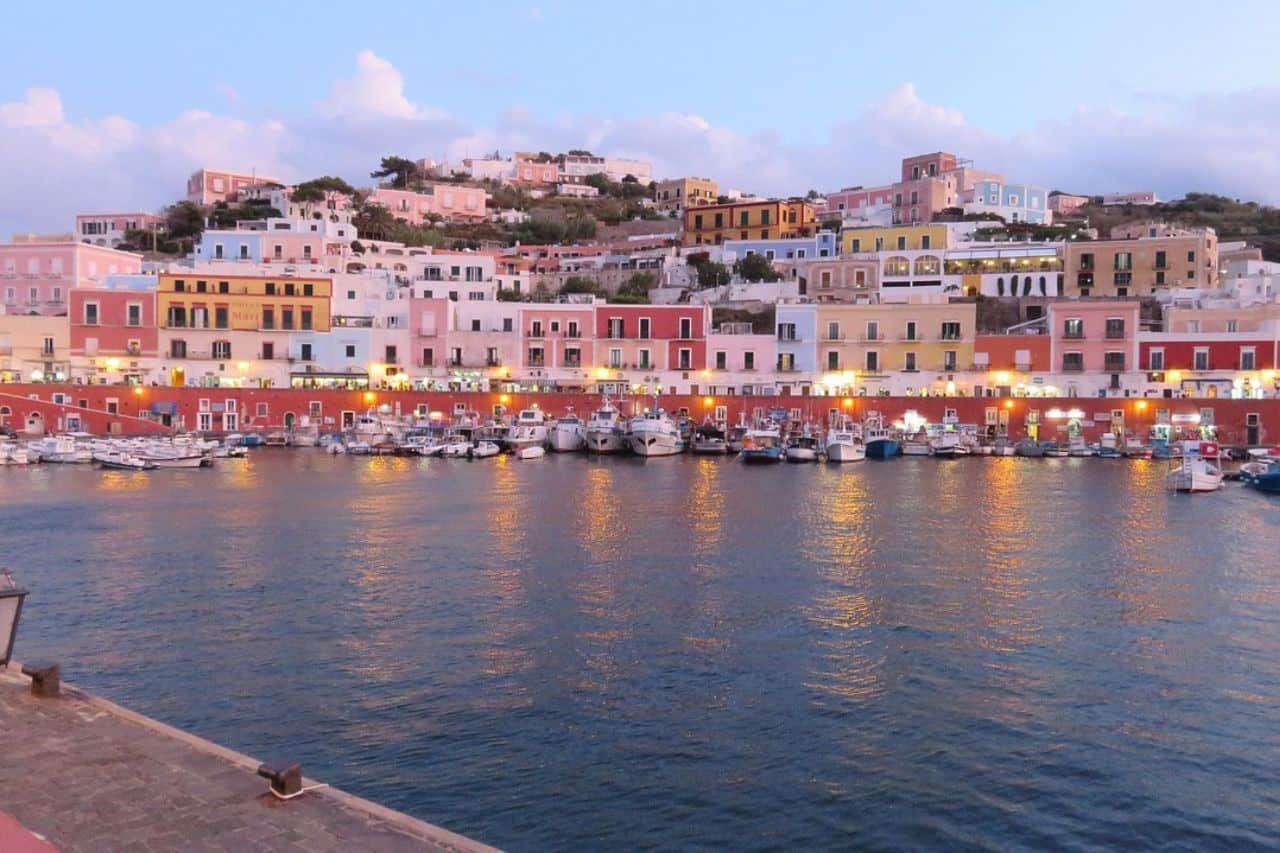
Ponza is the largest island in the Pontine Islands, a small archipelago known for its volcanic cliffs and colorful fishing harbors.
Ponza’s greatest attraction is its untouched coastline. The island has been a retreat since Roman times, and traces of its history—including ancient tunnels, cisterns, and villas—still blend naturally into the landscape. Ponza also has a long history dating back to the Roman Empire, when the island was used as a retreat by Roman elites who built villas and tunnels along the coastline.
Things to Do in Ponza
- Take a boat tour around the island to discover hidden coves, sea caves, and dramatic limestone cliffs.
- Swim at Chiaia di Luna, Ponza’s iconic crescent-shaped beach (access depends on seasonal safety restrictions).
- Swim in the turquoise waters around Cala Feola
- Explore the colorful harbor of Ponza Town, lined with waterfront cafés, restaurants, and boutique shops.
- Visit the Roman Cisterns and ancient tunnels, offering a glimpse into the island’s long history.
- Rent a small boat or join a guided excursion to nearby Palmarola Island, often considered one of Italy’s most beautiful unspoiled islands.
Planning Tip: Boat excursions are the highlight of Ponza. Spending at least one full day exploring the coastline from the water provides a completely different experience than staying on land.
Ponza Food You Should Try
Ponza’s cuisine centers around freshly caught seafood and traditional coastal recipes.
- Spaghetti alle Vongole – Classic spaghetti with fresh local clams.
- Grilled Octopus – A Mediterranean favorite served in many waterfront restaurants.
- Calamari Ripieni – Stuffed squid cooked with herbs and breadcrumbs.
- Torta di Ricotta – A traditional ricotta cake often served as dessert.
- Lemon Granita – A refreshing dessert perfect after a day on the water.
Best For
Couples, boat lovers, photographers, swimmers, and travelers looking for a quieter, more authentic island experience away from large tourist crowds.
Avoid If
Skip Ponza if you’re looking for luxury shopping, major cultural attractions, or an island with extensive nightlife and large beach resorts.
Best Time to Visit
May, June, and September offer warm weather, calm seas, and a relaxed atmosphere with fewer visitors. July and August are excellent for boating and swimming but become considerably busier due to Italian summer holidays.
Where to Stay in Ponza
- Ponza Town (Best for First-Time Visitors) – The most convenient base with ferry access, restaurants, cafés, and easy access to boat tours.
- Santa Maria (Best for Quiet Stays) – A peaceful waterfront area within walking distance of the main harbor.
- Le Forna (Best for Scenic Views & Local Atmosphere) – Ideal for travelers wanting panoramic coastal scenery and a more authentic residential setting.
How Long to Stay
2–3 days is ideal. This provides enough time to enjoy a full-day boat excursion, explore the island’s villages, and experience Ponza’s relaxed Mediterranean atmosphere.
Getting Around & Logistics
Ponza has no airport. It is reached by ferry or hydrofoil from Formia, Anzio, Terracina, or Rome, with travel times ranging from 1.5 to 3 hours depending on the route. Ferry services increasing during the summer season.
The island is compact and can be explored using local buses, taxis, scooters, or on foot. Renting a car is unnecessary, and many visitors spend much of their stay exploring by boat.
What to Expect Budget-Wise
$170–$280 per person, per day (mid-range, shoulder season). Prices increase during weekends and the peak summer months, particularly for accommodation overlooking the harbor and private boat excursions.X
Insider Tip
Many visitors never leave Ponza Town, but the island’s real beauty lies along its coastline. Prioritize a full-day boat tour or rent a small boat if conditions allow—many of Ponza’s most spectacular beaches, sea caves, and swimming spots are only accessible from the water, and they’re what make the island truly unforgettable.
10. Lipari — Gateway to the Aeolian Islands
Why Visit Lipari
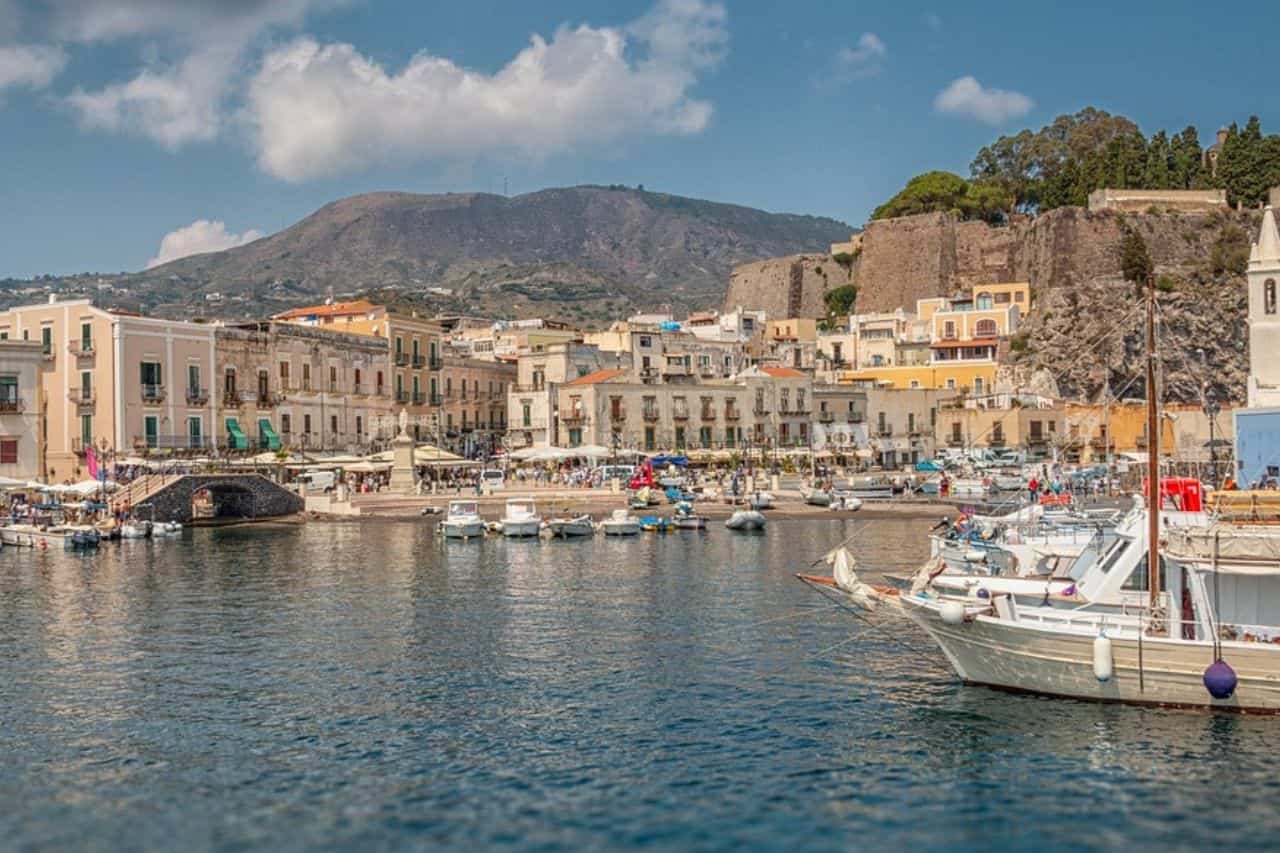
Lipari is the best base for exploring Italy’s spectacular Aeolian Islands, offering a perfect balance of lively waterfronts, volcanic scenery, historic attractions, and convenient ferry connections. While the neighboring islands each have their own unique character, Lipari combines the widest choice of accommodation, restaurants, beaches, and transport, making it the smartest place to stay for an island-hopping adventure.
For travelers wanting to experience multiple islands without constantly changing hotels, Lipari is the ideal starting point.
What Makes Lipari Special
Unlike most Italian islands that are destinations in themselves, Lipari serves as the gateway to an entire volcanic archipelago. From here, you can easily visit Stromboli’s active volcano, Vulcano’s thermal landscapes, Salina’s green hills, and Panarea’s elegant marina, then return each evening to Lipari’s lively harbor. This combination of convenience, history, and natural beauty makes Lipari one of Italy’s most versatile island destinations.
It offers the freedom to experience several islands while enjoying the comfort of a single base.
Things to Do in Lipari
- Explore Lipari Castle and the excellent Aeolian Archaeological Museum, which tells the story of the islands’ volcanic and ancient history.
- Wander through Lipari Town, filled with charming streets, waterfront cafés, and local boutiques.
- Relax at Spiaggia Bianca, known for its white pumice shoreline and exceptionally clear water.
- Take a full-day boat excursion to Stromboli to witness one of Europe’s most active volcanoes.
- Visit nearby islands such as Vulcano, Salina, or Panarea using Lipari’s frequent ferry connections.
Planning Tip: Base yourself in Lipari and visit the surrounding Aeolian Islands as day trips. It offers the greatest flexibility while avoiding the need to move accommodation every night.
Lipari Food You Should Try
Lipari’s cuisine highlights fresh seafood and traditional Sicilian flavors with local island influences.
- Pane Cunzato – Rustic bread topped with tomatoes, anchovies, capers, olive oil, and local herbs.
- Swordfish Rolls – Thin slices of swordfish stuffed with breadcrumbs, herbs, and cheese.
- Malvasia Wine – The Aeolian Islands’ famous sweet dessert wine.
- Granita – A refreshing Sicilian classic frozen dessert enjoyed throughout the islands.
Best For
Island hoppers, couples, photographers, boat lovers, history enthusiasts, and travelers wanting to explore multiple Aeolian Islands from one convenient base.
Avoid If
Skip Lipari if you’re looking for complete seclusion or planning to spend your entire holiday relaxing on one beach without exploring neighboring islands.
Best Time to Visit
May, June, September, and early October offer warm weather, reliable ferry schedules, and comfortable conditions for island hopping. July and August provide lively waterfronts and excellent swimming but also bring larger crowds and higher accommodation prices.
Where to Stay in Lipari
- Lipari Town (Best for First-Time Visitors) – The most convenient base with ferry connections, restaurants, shops, and evening atmosphere.
- Canneto (Best for Beaches) – Perfect for travelers wanting easy access to beaches while staying close to the main town.
- Quattropani (Best for Scenic Views) – A quieter hillside area offering panoramic views across the Aeolian Islands and spectacular sunsets.
How Long to Stay
3–5 days is ideal. This gives you enough time to explore Lipari itself while visiting several neighboring islands without rushing between ferry schedules.
Getting Around & Logistics
Lipari does not have an airport.
Most travelers reach the island by ferry or hydrofoil from Milazzo, which takes approximately 1–1.5 hours. Visitors usually fly into Catania or Palermo before traveling to Milazzo by bus or car.
The island is easy to explore using local buses, taxis, rental scooters, or on foot within Lipari Town. Ferries and hydrofoils operate regularly between the Aeolian Islands, making independent island hopping straightforward.
What to Expect Budget-Wise
$170–$270 per person, per day (mid-range, shoulder season). Costs vary depending on your accommodation and the number of boat excursions or inter-island ferry trips you include during your stay.
Insider Tip
Many visitors try to stay on a different Aeolian island every night, but that usually means spending more time packing and waiting for ferries than actually exploring. Using Lipari as your base lets you experience several islands at a relaxed pace while enjoying the widest choice of restaurants, accommodation, and transport throughout the archipelago.
FAQs
-
Which is the best Italian island for first-time visitors?
Sicily is the best Italian island for first-time visitors because it offers the widest variety of experiences in one trip. You can combine historic cities, ancient ruins, Mount Etna, beautiful beaches, and outstanding local cuisine without needing to visit multiple islands. If you have at least one week, Sicily provides the most complete introduction to Italy’s island destinations.
-
Which Italian island has the best beaches?
Sardinia is widely considered Italy’s best beach destination, thanks to its white-sand beaches and remarkably clear water. Lampedusa is famous for Rabbit Beach, while Favignana is known for spectacular rocky coves and snorkeling. The right choice depends on whether you prefer long sandy beaches, secluded swimming spots, or dramatic coastal scenery.
-
Which Italian island is best for couples?
Capri is the top choice for couples looking for romance, luxury, and unforgettable coastal views. For a quieter escape, consider Ischia for thermal spas or Procida for colorful streets and authentic local charm. Each offers a different atmosphere, depending on whether you prefer elegance, relaxation, or peaceful Mediterranean villages.
-
Which Italian island is best for hiking and nature?
Elba is one of Italy’s best islands for hiking, with scenic mountain trails, coastal viewpoints, and protected natural landscapes. Sardinia also offers excellent hiking, especially around the Gulf of Orosei, while Lipari is an ideal base for exploring the volcanic scenery of the Aeolian Islands.
-
Which Italian island has the clearest water?
Lampedusa is famous for having some of the clearest water in the Mediterranean, especially around Rabbit Beach and its protected marine reserve. Favignana is another excellent choice for snorkeling and crystal-clear coves, while Sardinia also offers exceptional swimming conditions along much of its coastline.
-
How many Italian islands should you visit on one trip?
Most travelers should focus on one island, especially if visiting for less than a week. Larger islands like Sicily and Sardinia easily fill an entire vacation. If you have more time, Lipari is an excellent base for exploring several Aeolian Islands without changing accommodation every night.
-
When is the best time to visit the Italian islands?
May, June, September, and early October offer the best balance of pleasant weather, manageable crowds, and good value. These months are ideal for sightseeing, hiking, swimming, and ferry travel. July and August are excellent for beaches but bring higher prices and significantly larger crowds.
-
Are the Italian islands expensive?
It depends on the island. Capri is Italy’s most expensive island, while Sicily, Ischia, Elba, and Procida generally offer much better value. Traveling during the shoulder season and booking accommodation early can significantly reduce overall costs, regardless of which island you choose
-
Do you need a car to visit the Italian islands?
Not always. Capri, Procida, Favignana, and Ponza are easy to explore without a car, while Sicily, Sardinia, and Elba are much easier with one if you plan to explore beyond the main towns. Your itinerary matters more than the island itself when deciding whether to rent a car.
-
Which Italian island is the least crowded?
Procida and Ponza are among Italy’s least crowded islands, offering a quieter and more authentic experience than destinations like Capri. Visiting during May, June, or September makes them even more peaceful, allowing you to enjoy local life, coastal scenery, and beaches without peak-season crowds.
Helpful Planning Resources
Before booking your trip to Italy’s most beautiful Islands, you may also find these official resources useful:
- Review the latest visa, passport, and entry requirements via Visa for Italy – Official Visa Information Portal
- Check the Local Weather Forecast: Useful before booking boat trips, hiking excursions, or ferry crossings.
- Search your train routes, fares, and timetable to book your train travel through high – speed train network across Italy via Trenitalia & Italo
- View public holidays, events and festival updates at the official Italy tourism board
- Download Google Maps Offline: Save offline maps before your trip, especially if you’re visiting remote beaches, national parks, or smaller islands with limited mobile coverage.
My
Popular
Italy Travel Guides
And don’t forget to check these great travel hacks for a stress-free vacation!