“Cheap” and “Europe” don’t usually belong in the same sentence, but the gap between Western and Eastern Europe is bigger than most travelers realize.
A meal that costs €25 in Switzerland costs €5 in Albania for a comparable portion — that’s not a discount, it’s a different cost structure entirely, and it changes what kind of trip you can actually afford.
This guide ranks the 12 cheapest places to visit in Europe by realistic daily budget, not marketing claims, and covers what each country actually costs, what you get for it, visa and entry rules, and how to reach it.
Several of these countries changed status in the past two years — Bulgaria and Romania joined Schengen in full, and Georgia added a new mandatory insurance requirement in January 2026 — so the practical details here matter as much as the price tags.
The goal isn’t to find the single cheapest flight. It’s to find the country where your money buys the trip you actually want.
- What Are the Cheapest Places to Visit in Europe?
- How to Choose the Right Budget Destination
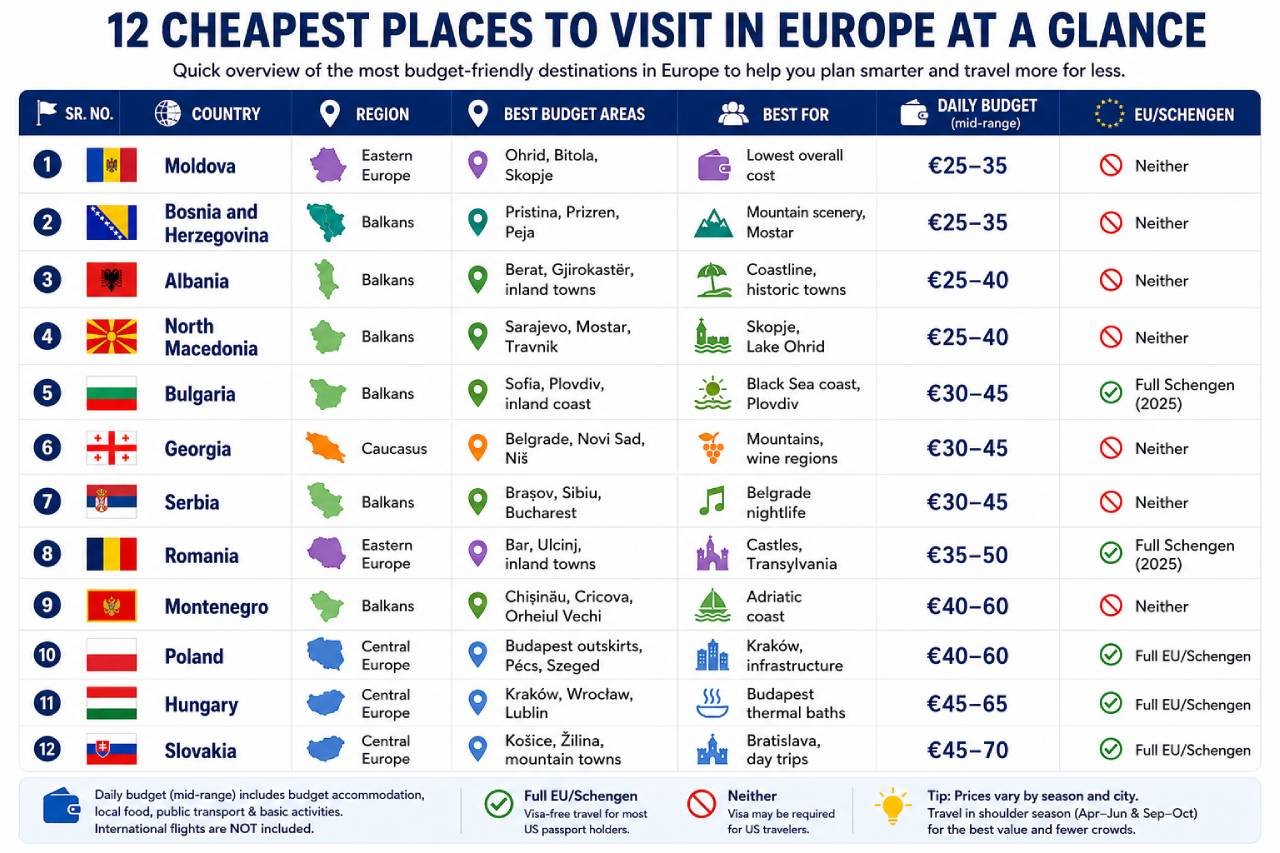
- Cheapest Places in Europe Compared at a Glance
- Cheapest Places to Visit in Europe Map: Where Are They Located?
- Which Countries Pair Well for a Multi-Stop Trip?
- Entry Rules That Changed Recently (Important Update)
- 12 Cheapest Places to Visit in Europe
- FAQs
- Helpful Planning Resources
- My Popular Europe Travel Guides
Love this? Check out our guide to Best time to visit Italy AND 29 Essential Italy Travel Tips if Western Europe is also on your radar.
What Are the Cheapest Places to Visit in Europe?
The cheapest places to visit in Europe are Moldova, Bosnia and Herzegovina, Albania, North Macedonia, Bulgaria, Georgia, Serbia, Romania, Montenegro, Poland, Hungary, and Slovakia. Daily budgets range from roughly €25 in Moldova and Bosnia to €55–70 in Slovakia and Hungary’s capital cities, with the gap driven mostly by accommodation and dining costs rather than what there is to see.
How to Choose the Right Budget Destination
Not every “cheap” country is cheap for the same reasons, and the wrong match between destination and travel style wastes the savings you came for.
- The overall daily budget separates these countries into two tiers. Moldova, Bosnia and Herzegovina, Albania, and North Macedonia run €25–40 a day for a comfortable (not backpacker-minimum) trip. Bulgaria, Georgia, Serbia, and Romania sit at €35–50. Montenegro, Poland, Hungary, and Slovakia run €45–70, driven up by capital-city accommodation and, in Montenegro’s case, coastal tourism pricing.
- EU and Schengen status changes how you cross borders, not how much you spend. Bulgaria, Romania, Poland, Hungary, and Slovakia are full EU and Schengen members — one visa, no border checks between them and most of Western Europe. Albania, North Macedonia, Bosnia and Herzegovina, Serbia, Montenegro, Moldova, and Georgia are not, which means separate entry stamps and, for a few nationalities, visa requirements worth checking before booking flights.
- Infrastructure quality varies more than price does. Poland, Hungary, and Slovakia have developed rail networks, widespread card payment, and reliable English signage. Albania, Bosnia and Herzegovina, and Moldova still run heavily on cash and shared minibuses (furgons or marshrutkas) — cheaper, but slower and less predictable.
- Coastal destinations cost more than inland ones within the same country. Montenegro’s Kotor and Budva run well above the country’s inland average in July and August; Albania’s Riviera towns spike similarly in peak season while Berat and Gjirokastër stay affordable year-round.
- The season swings prices harder here than in Western Europe. July–August pricing in Montenegro’s coastal towns or Poland’s Kraków Old Town can run 40–60% above shoulder-season rates for the same room. May–June and September are the strongest value windows across nearly every country on this list.
Quick-reference by priority:
| If you want… | Go to |
|---|---|
| The single lowest daily budget | Moldova |
| Balkan scenery at rock-bottom prices | Bosnia and Herzegovina |
| Coastline without Western European pricing | Albania |
| An undiscovered capital city | North Macedonia (Skopje) |
| Black Sea coast plus mountain towns | Bulgaria |
| Mountains, wine country, and a new visa-run culture | Georgia |
| A walkable, affordable capital with big nightlife | Serbia (Belgrade) |
| Castles and medieval towns on a budget | Romania |
| Adriatic coast with lower prices than Croatia | Montenegro |
| Reliable infrastructure with real savings | Poland |
| Thermal baths and central-Europe convenience | Hungary |
| The most polished budget capital in the region | Slovakia (Bratislava) |
Cheapest Places in Europe Compared at a Glance
| Sr. No. | Country | Region | Daily Budget (mid-range) | EU/Schengen | Best For |
|---|---|---|---|---|---|
| 1 | Moldova | Eastern Europe | €25–35 | Neither | Lowest overall cost |
| 2 | Bosnia and Herzegovina | Balkans | €25–35 | Neither | Mountain scenery, Mostar |
| 3 | Albania | Balkans | €25–40 | Neither | Coastline, historic towns |
| 4 | North Macedonia | Balkans | €25–40 | Neither | Skopje, Lake Ohrid |
| 5 | Bulgaria | Balkans | €30–45 | Full Schengen (2025) | Black Sea coast, Plovdiv |
| 6 | Georgia | Caucasus | €30–45 | Neither | Mountains, wine regions |
| 7 | Serbia | Balkans | €30–45 | Neither | Belgrade nightlife |
| 8 | Romania | Eastern Europe | €35–50 | Full Schengen (2025) | Castles, Transylvania |
| 9 | Montenegro | Balkans | €40–60 | Neither | Adriatic coast |
| 10 | Poland | Central Europe | €40–60 | Full EU/Schengen | Kraków, infrastructure |
| 11 | Hungary | Central Europe | €45–65 | Full EU/Schengen | Budapest thermal baths |
| 12 | Slovakia | Central Europe | €45–70 | Full EU/Schengen | Bratislava, day trips |
Save the below infographic image for your quick reference.
Cheapest Places to Visit in Europe Map: Where Are They Located?
Take this map with you — save it before your trip to see how the countries cluster geographically and plan a realistic overland route rather than backtracking across the continent.
Which Countries Pair Well for a Multi-Stop Trip?
These 12 countries cluster into a few natural multi-country routes — pick one cluster per trip rather than trying to string together countries that don’t actually border each other conveniently.
- Balkan Loop (Albania, Montenegro, Bosnia and Herzegovina, North Macedonia, Serbia): All connect by bus or rail within a few hours of each other. A two-week loop starting in Tirana or Belgrade is the most efficient way to cover multiple countries on this list in one trip.
- Black Sea & Carpathian Route (Bulgaria, Romania, Moldova): Sofia to Bucharest is a short flight or an overnight train; Bucharest to Chișinău adds a genuinely off-the-radar stop most itineraries skip entirely.
- Central Europe Circuit (Poland, Slovakia, Hungary): Kraków, Bratislava, and Budapest form a tight triangle connected by direct trains in under 4 hours each leg — the easiest cluster on this list logistically, though also the priciest.
- Caucasus Standalone (Georgia): Georgia doesn’t connect conveniently to any other country on this list without a long flight or a multi-day overland route through Turkey — treat it as its own trip rather than an add-on.
Planning takeaway: the Balkan Loop offers the most countries per week of travel time; the Central Europe Circuit offers the smoothest logistics at a higher price point.
Entry Rules That Changed Recently (Important Update)
A few entry requirements shifted in the past two years and directly affect how you plan a route through this list.
- Bulgaria and Romania became full Schengen members on January 1, 2025 — land border checks between them and the rest of the Schengen area are gone, which materially speeds up the Black Sea & Carpathian route above.
- Georgia now requires all visitors, regardless of nationality, to hold valid health and accident insurance with minimum coverage of 30,000 GEL (roughly $11,000) as a condition of entry, effective January 1, 2026. Border officials check for this alongside your passport; policies from $4/week are available online and should be arranged before you fly.
- Most Balkan non-EU countries (Albania, Bosnia and Herzegovina, North Macedonia, Serbia, Montenegro) remain visa-free for stays up to 90 days for US, UK, and EU passport holders, but each stamps separately — budget a few extra minutes at each land border.
Check each country’s official entry requirements for your specific passport before booking — visa-free allowances and insurance rules vary by nationality and do change.
12 Cheapest Places to Visit in Europe
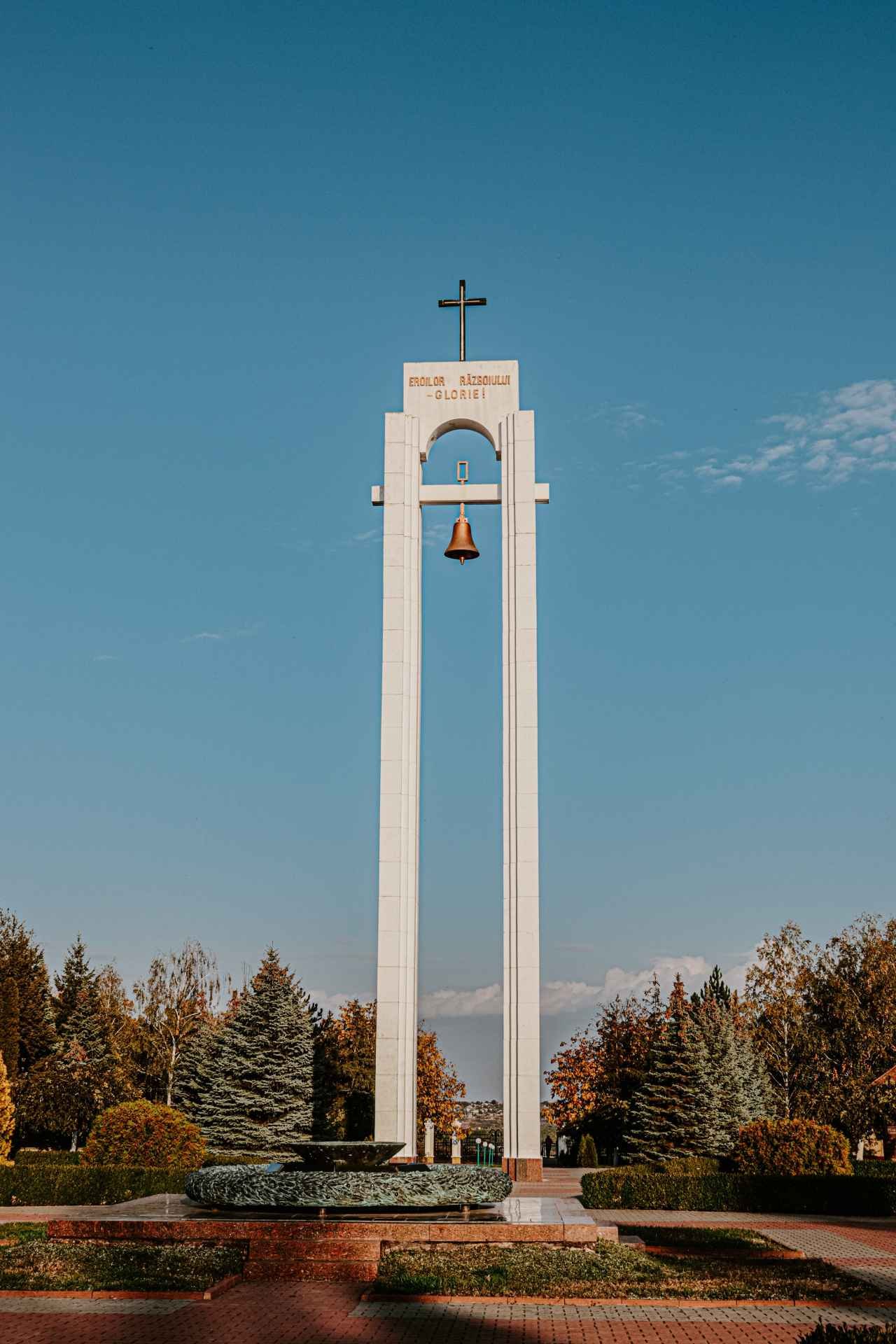
1. Moldova — Europe’s Lowest Overall Cost
Why It Ranks
Moldova consistently prices below every other country on this list, largely because it receives a fraction of the tourists Albania or Bulgaria do — infrastructure hasn’t caught up to demand, which keeps prices flat rather than tourist-inflated.
What to Expect
Chișinău is compact, walkable, and quiet by capital-city standards, with a wine culture that rivals better-known regions at a fraction of the price. Rural areas and smaller towns run almost entirely on cash, and English is spoken less consistently outside the capital than in most other countries on this list.
Things to Do in Moldova
- Tour Cricova or Mileștii Mici wine cellars — some of the largest underground wine networks in the world, with tastings priced well below Western European wine regions.
- Walk Chișinău’s Ștefan cel Mare Central Park — the city’s green core, cheap to spend a full afternoon in.
- Day-trip to Orheiul Vechi — a cliffside monastery complex roughly 90 minutes from the capital.
- Cross into Transnistria — a breakaway region with its own currency and Soviet-era atmosphere, reachable as a day trip with proper documentation.
Best For
Budget travelers who’ve already done the well-known Balkan capitals, wine enthusiasts, and anyone wanting the least touristed country on this list.
Avoid If
Skip Moldova if you need widespread English signage, developed tourist infrastructure, or a fast-paced, sight-dense itinerary — this is a slow-travel country by necessity.
Budget Reality
A comfortable daily budget runs €25–35, covering a private room (€15–20), three meals (€8–12), and local transport. Hostel beds start around €7–10. Card acceptance is inconsistent outside Chișinău — carry Moldovan Leu in cash for rural travel and smaller towns.
Practical Details
- Currency: Moldovan Leu (MDL).
- EU/Schengen status: Neither — an EU candidate country, not yet a member.
- Visa: Visa-free for US, UK, and EU passport holders for up to 90 days.
- Language: Romanian is the official language; Russian is widely understood.
- Connectivity: Local SIM cards are inexpensive and widely available in Chișinău.
How to Get There
- By air: Chișinău International Airport has direct flights from several European hubs, though fewer than neighboring capitals — expect a connection from most of North America.
- By train/bus from Romania: Bucharest to Chișinău runs roughly 8–10 hours by bus or overnight train, workable as an extension of a Romania trip.
Pro Tip
Bring more cash than feels necessary before leaving Chișinău — card machines outside the capital are unreliable, and ATM fees add up if you’re making frequent small withdrawals.
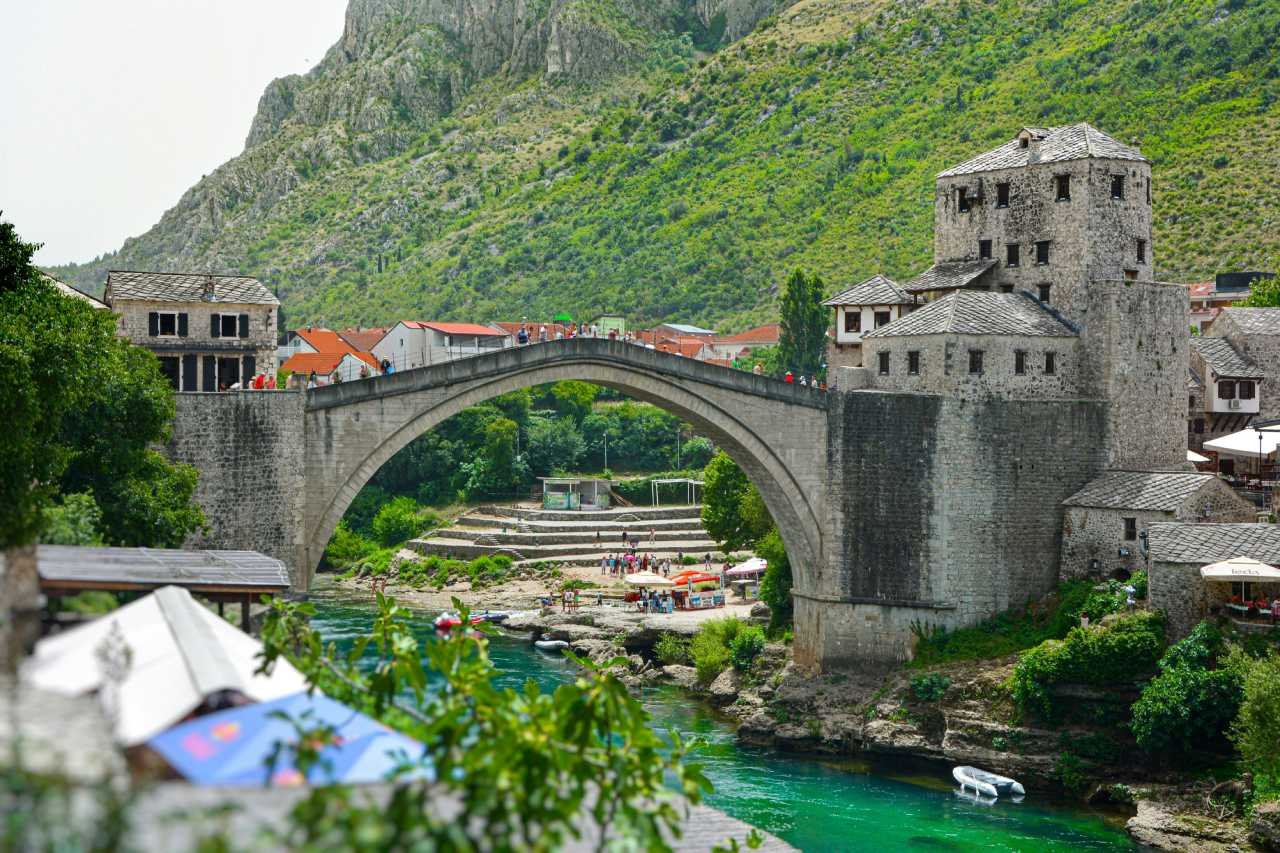
2. Bosnia and Herzegovina — Balkan Scenery at the Lowest Price Point
Why It Ranks
Bosnia and Herzegovina delivers the same limestone-and-river Balkan scenery as pricier neighbors at genuinely lower cost — hostel beds from roughly $8 a night and meals from $5–12 put it near the bottom of this entire list.
What to Expect
Sarajevo mixes Ottoman-era old town with visible, recent history — bullet-scarred buildings sit blocks from cafés and mosques. Mostar’s Stari Most bridge draws day-trippers from Croatia, which makes it busier and slightly pricier than the rest of the country, but still cheap relative to the coast it borders.
Things to Do in Bosnia and Herzegovina
- Walk Sarajevo’s Baščaršija old town — Ottoman-era markets, mosques, and coffeehouses in a compact, walkable core.
- Cross Mostar’s Stari Most bridge — rebuilt after the 1990s war, with cliff divers performing for tips in summer.
- Visit the Sarajevo Tunnel Museum — a preserved section of the wartime supply tunnel, one of the most direct ways to understand the 1990s siege.
- Day-trip to Kravice Waterfalls — a swimmable waterfall complex near Mostar, cheap to reach by shared shuttle.
Best For
History-focused travelers, budget backpackers, and anyone wanting Croatia-adjacent scenery without Croatia-adjacent prices.
Avoid If
Skip it if recent conflict history feels too heavy for a relaxed trip, or if you need coastal beach access — Bosnia and Herzegovina’s Adriatic coastline is only about 20km long.
Budget Reality
A comfortable daily budget runs €25–35. Hostel dorm beds start around $8/night; private rooms run €20–30. Meals at local restaurants cost €5–12, noticeably cheaper than Mostar’s more touristed riverside spots. Public transport between Sarajevo and Mostar costs roughly €10–15 each way.
Practical Details
- Currency: Convertible Mark (BAM), pegged to the euro.
- EU/Schengen status: Neither — an EU candidate country.
- Visa: Visa-free for US, UK, and EU passport holders for up to 90 days.
- Language: Bosnian, Croatian, and Serbian are mutually intelligible; English is common in tourist areas.
- Payment: Cash-preferred outside Sarajevo and Mostar’s main tourist zones.
How to Get There
- By air: Sarajevo International Airport has direct flights from several European hubs; budget carriers connect via Zagreb or Vienna.
- By bus from Croatia: Dubrovnik to Mostar runs roughly 3 hours — a common add-on for travelers already on the Croatian coast.
Pro Tip
Visit Mostar as an early-morning or overnight stop rather than a midday day-trip — Croatian tour buses flood the bridge between roughly 11 AM and 3 PM, and prices at riverside cafés rise accordingly during those hours.
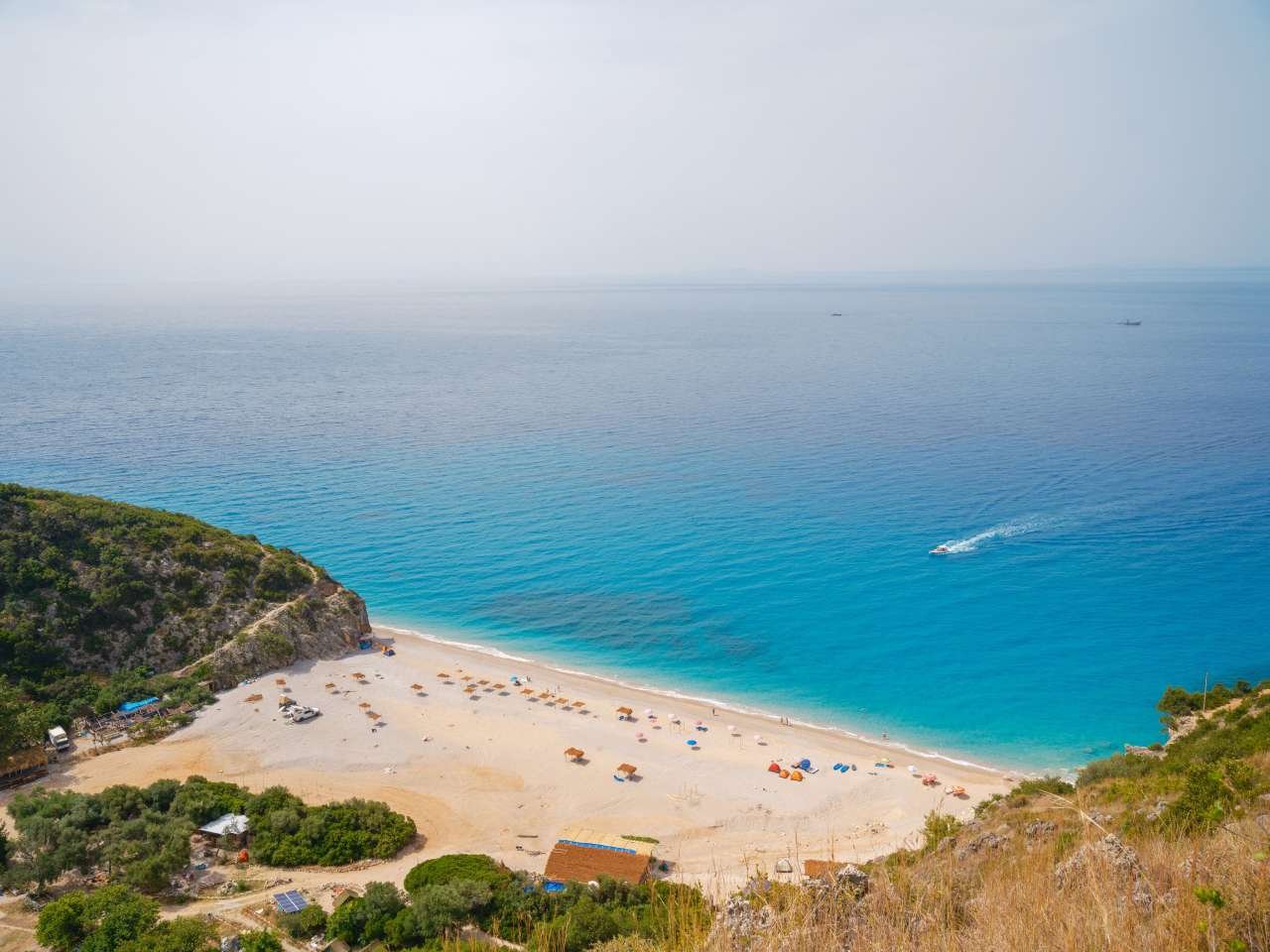
3. Albania — Coastline Without Western European Pricing
Why It Ranks
Albania pairs turquoise Riviera coastline with inland historic towns at prices that undercut every EU Mediterranean country — a meal that costs €25 in Italy runs closer to €5–8 here for a comparable portion.
What to Expect
The Albanian Riviera (Himara, Dhërmi, Ksamil) has caught up in popularity and pricing in peak season, running noticeably higher than inland towns like Berat, Gjirokastër, and Korçë, which remain affordable and far less crowded year-round.
Things to Do in Albania
- Explore Berat’s Ottoman old town — a UNESCO-listed “town of a thousand windows” stacked up a hillside.
- Swim at Ksamil’s beaches — some of the clearest water on the Adriatic, cheapest outside July–August.
- Wander Gjirokastër’s stone old town — a well-preserved hill town with a hilltop castle and far fewer visitors than the coast.
- Day-trip Tirana outside the city center — the capital’s core has risen in price; neighborhoods a short walk out remain cheap and authentic.
Best For
Beach travelers on a budget, history-focused travelers wanting Ottoman and Communist-era sites, and anyone road-tripping the Balkans.
Avoid If
Skip the Riviera specifically in July–August if budget is the priority — prices there spike closer to Croatian coastal rates during peak season.
Budget Reality
A comfortable daily budget runs €25–40, higher on the Riviera in summer. Private rooms run €20–35; meals €5–10 inland, €10–18 on the coast in peak season. Shared minibuses (furgons) between towns cost a few euros but run on informal schedules — budget extra time, not extra money, for delays.
Practical Details
- Currency: Albanian Lek (ALL); euros widely accepted on the coast.
- EU/Schengen status: Neither — an EU candidate country.
- Visa: Visa-free for US, UK, and EU passport holders for up to 90 days (Schengen-adjacent bilateral arrangement).
- Language: Albanian; Italian and English common in tourist areas.
- Transport: Furgons (shared minibuses) are the cheapest way to move between towns but lack fixed timetables.
How to Get There
- By air: Tirana International Airport has direct budget flights from most major European hubs.
- By land from Montenegro: Buses connect Podgorica or Kotor to Shkodër and the northern Riviera in a few hours.
Pro Tip
Base yourself inland (Berat or Gjirokastër) and day-trip to the coast rather than staying Riviera-side in peak season — you’ll pay inland accommodation prices while still reaching the beaches.
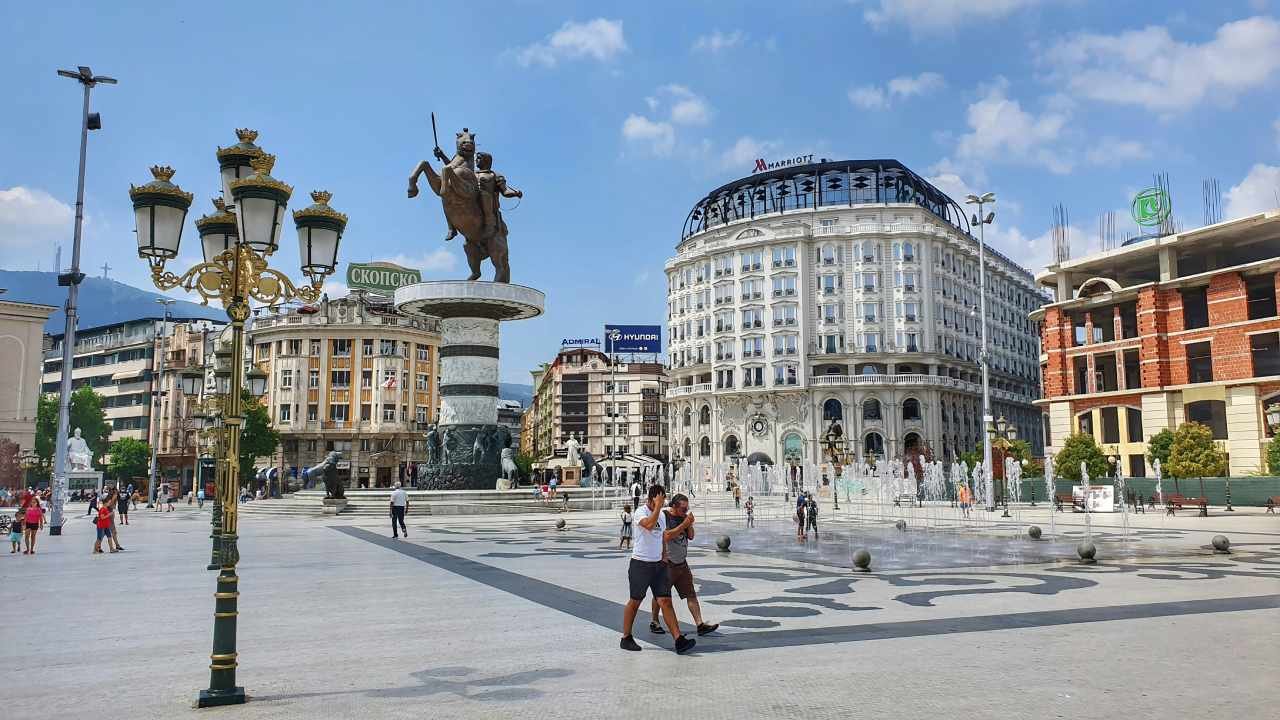
4. North Macedonia — An Undiscovered Capital and Lake Ohrid
Why It Ranks
North Macedonia remains genuinely under-the-radar even within budget-Balkan circles — Skopje delivers a full capital-city experience (museums, nightlife, an old bazaar) at prices closer to a small town elsewhere in Europe.
What to Expect
Skopje’s city center mixes neoclassical statues and bridges from a 2014 redevelopment project with an authentic Ottoman-era old bazaar just across the river — the contrast is jarring but cheap to explore on foot. Lake Ohrid, a few hours south, shifts the pace entirely toward lakeside relaxation.
Things to Do in North Macedonia
- Walk Skopje’s Old Bazaar — one of the largest and oldest in the Balkans, dense with cafés and craft shops.
- Swim and relax at Lake Ohrid — apartments on the water start from around €25/night in the off-season.
- Visit Matka Canyon — a short drive from Skopje, with kayaking and cave tours priced well below Western European equivalents.
- Tour Ohrid’s old town churches — a UNESCO-listed cluster of Byzantine-era churches overlooking the lake.
Best For
Travelers wanting a genuinely lesser-known capital, lake-focused relaxation, and budget travelers extending a Balkan loop beyond the more visited stops.
Avoid If
Skip Lake Ohrid in peak summer if quiet is the priority — the town gets crowded and loud with nightlife-focused tourism in July and August.
Budget Reality
A comfortable daily budget runs €25–40. Monthly cost-of-living estimates for Skopje run around €1,160 all-in, which translates to roughly €25–30/day for a short-stay tourist covering accommodation, food, and local transport. Ohrid apartments start near €25/night off-season, rising sharply in July–August.
Practical Details
- Currency: Macedonian Denar (MKD).
- EU/Schengen status: Neither — an EU candidate country.
- Visa: Visa-free for US, UK, and EU passport holders for up to 90 days.
- Language: Macedonian; English common among younger residents in Skopje.
- Getting between cities: Buses connect Skopje and Ohrid in roughly 3 hours, cheaply and reliably.
How to Get There
- By air: Skopje International Airport has direct flights from several European hubs; Ohrid’s smaller airport adds seasonal charter routes in summer.
- By bus from Albania or Greece: Regional buses connect Skopje and Ohrid to Tirana and Thessaloniki in a few hours each.
Pro Tip
Visit Lake Ohrid outside summer — spring and early autumn keep the town calm and the water still swimmable on warm days, without the party-town atmosphere of peak season.
5. Bulgaria — Black Sea Coast and Mountain Towns, Now Full Schengen
Why It Ranks
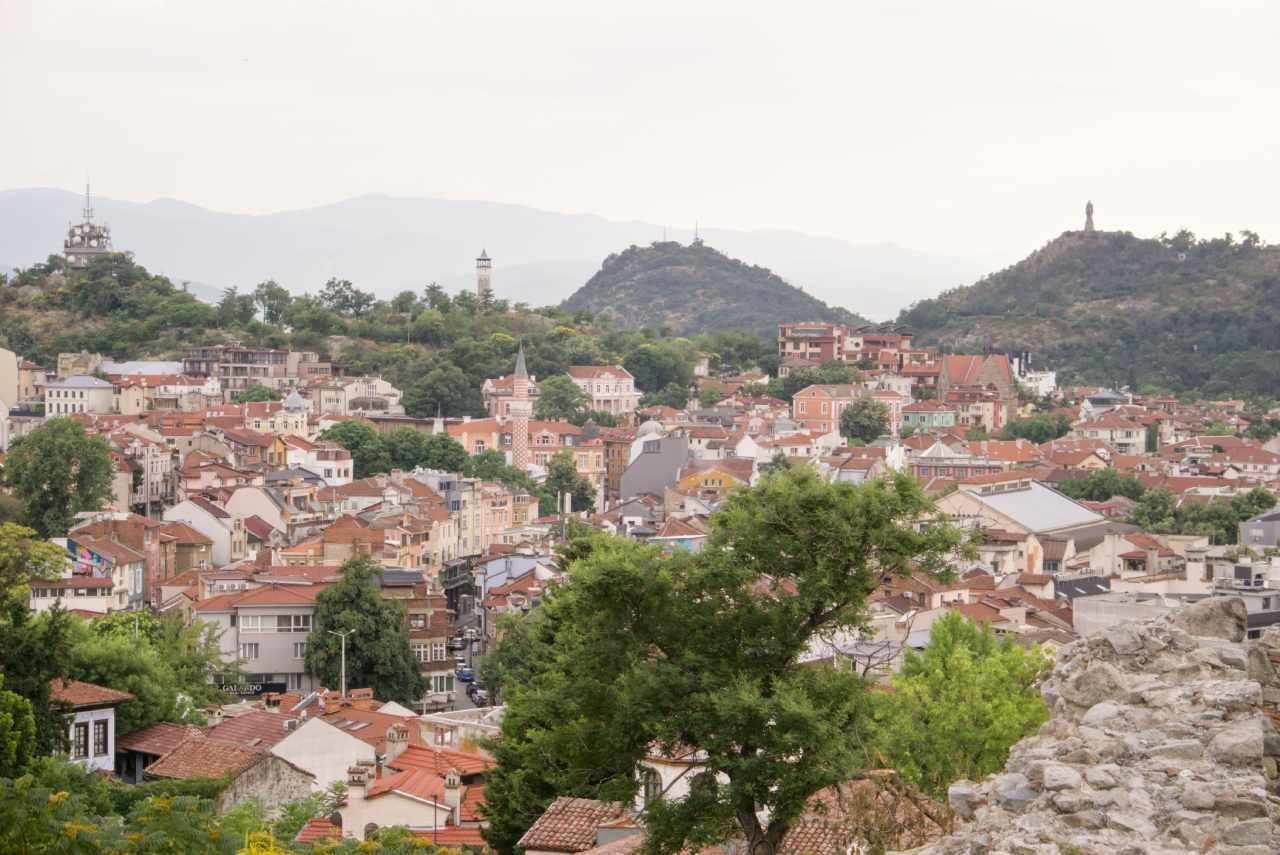
Bulgaria combines Black Sea coastline, mountain towns, and one of the oldest continuously inhabited cities in Europe (Plovdiv) at prices well below its EU membership might suggest — and as of January 2025, it’s a full Schengen member, which simplifies routing through the rest of the EU.
What to Expect
Sofia is compact and low-key as capitals go; Plovdiv’s old town, with its Roman amphitheater still in use for concerts, tends to leave a stronger impression on first-time visitors. The Black Sea coast (Varna, Burgas, Sunny Beach) runs noticeably higher in July–August than the interior.
Things to Do in Bulgaria
- Walk Plovdiv’s old town and Roman amphitheater — still used for live performances, with tickets far below Western European venue prices.
- Explore Sofia’s Alexander Nevsky Cathedral — free to view from outside, modest entry fee for the crypt museum.
- Hike or ski Bansko — a mountain town offering both summer hiking and one of Europe’s cheaper ski seasons.
- Relax on the Black Sea coast off-season — Varna and Burgas drop significantly in price outside July–August.
Best For
Travelers wanting EU convenience with Balkan pricing, history and archaeology enthusiasts, and budget ski trip planners.
Avoid If
Skip the Sunny Beach resort strip specifically if you want an authentic, non-package-tourist experience — it’s built almost entirely around all-inclusive resort tourism.
Budget Reality
A comfortable daily budget runs €30–45. Hostel beds start from $8/night; meals run $5–12 at local restaurants. A three-course meal for two at a mid-range Sofia restaurant typically stays under €25. Black Sea coast accommodation roughly doubles from June to August.
Practical Details
- Currency: Bulgarian Lev (BGN); euro adoption is under discussion but not yet implemented.
- EU/Schengen status: Full EU and Schengen member (land borders since January 1, 2025).
- Visa: Visa-free for US, UK, and other Schengen-aligned nationalities under standard Schengen rules.
- Language: Bulgarian, written in Cyrillic; English common in Sofia and tourist areas.
- Transport: Rail connects Sofia, Plovdiv, and Varna affordably, though journeys run slower than Western European equivalents.
How to Get There
- By air: Sofia Airport has direct flights from most major European hubs and several North American connections.
- By land from Romania or Serbia: Now visa-check-free at land borders with fellow Schengen members, speeding up overland Balkan routes.
Pro Tip
Time a Black Sea coast visit for June or September rather than July–August — you get swimmable water temperatures at roughly half the accommodation cost of peak season.
6. Georgia — Mountains, Wine, and a New Insurance Rule
Why It Ranks
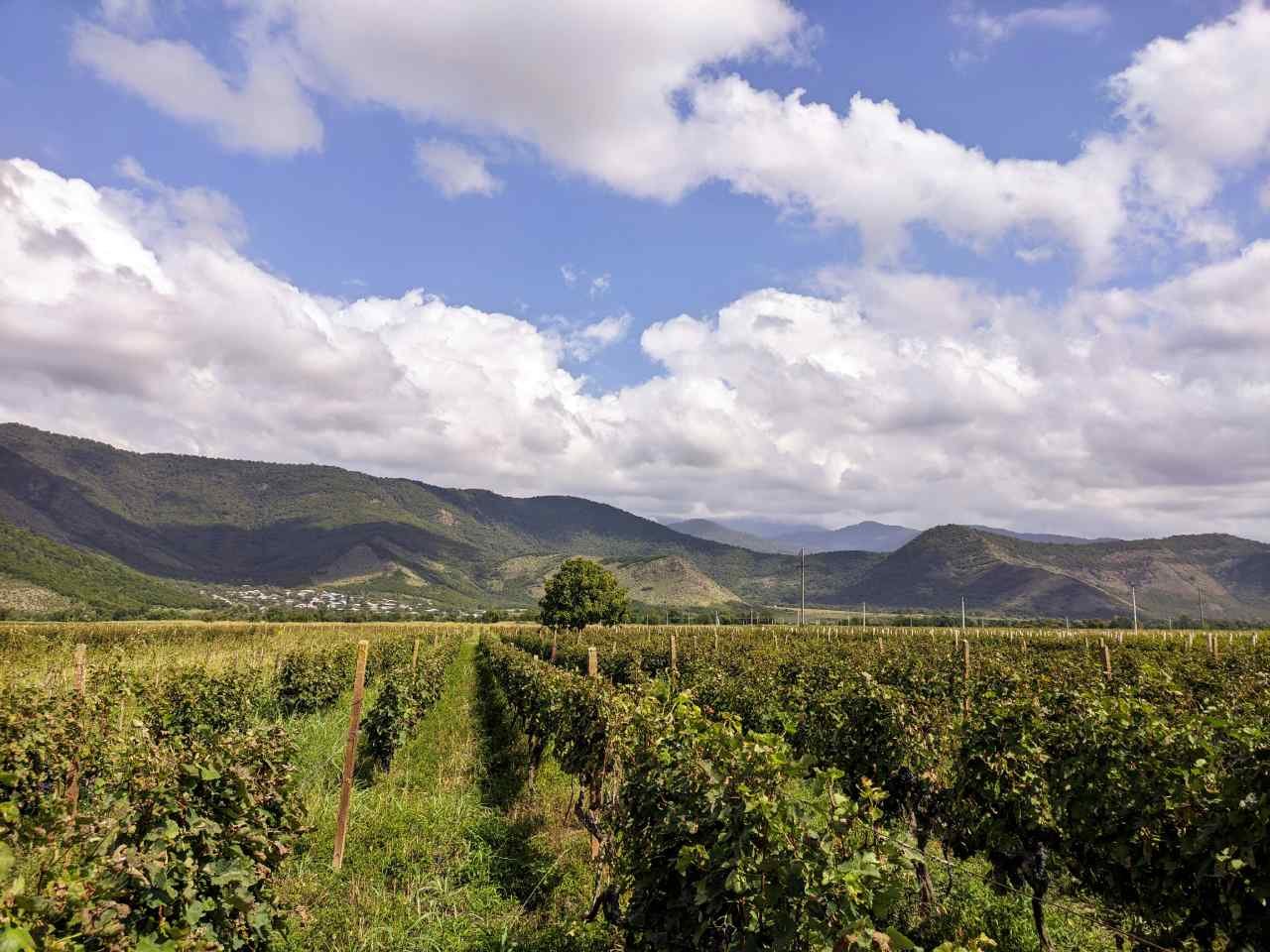
Georgia pairs dramatic Caucasus mountain scenery with one of the world’s oldest wine-making traditions, at prices that undercut most of Western Europe by a wide margin — but a new January 2026 insurance requirement makes pre-trip planning slightly more involved than it used to be.
What to Expect
Tbilisi mixes Soviet-era architecture with a fast-growing café and wine-bar scene; the Kakheti wine region and Svaneti’s mountain villages both sit within a manageable day trip or short overnight from the capital. Cash remains useful outside Tbilisi, though card acceptance is expanding quickly.
Things to Do in Georgia
- Taste wine in Kakheti — Georgia’s wine-growing heartland, using an 8,000-year-old qvevri clay-vessel method, with tastings far cheaper than comparable European wine regions.
- Hike in Svaneti or Kazbegi — mountain villages with medieval defensive towers and glacier views, reachable by marshrutka from Tbilisi.
- Walk Tbilisi’s Old Town and sulfur bathhouses — traditional bathhouse sessions cost a fraction of a spa day elsewhere in Europe.
- Day-trip to Mtskheta — Georgia’s ancient former capital and a UNESCO World Heritage site, 30 minutes from Tbilisi.
Best For
Wine and food travelers, hikers, and anyone wanting mountain scenery well below Alpine pricing.
Avoid If
Skip Georgia if you’re not willing to arrange mandatory entry insurance in advance — failure to present it can result in denied entry as of 2026.
Budget Reality
A comfortable daily budget runs €30–45, using an exchange rate of roughly 2.7 GEL to the dollar. Add the mandatory travel insurance policy (from about $4/week) as a fixed pre-trip cost not reflected in daily spend. ATMs charge a 3–5 GEL transaction fee and typically cap withdrawals at 400–500 GEL.
Practical Details
- Currency: Georgian Lari (GEL).
- EU/Schengen status: Neither — not an EU member.
- Visa: Visa-free for US, UK, EU, and 95+ other nationalities for up to 365 days per calendar year.
- Entry requirement (new for 2026): Mandatory health and accident insurance with minimum 30,000 GEL coverage, checked at the border alongside your passport.
- Language: Georgian, with its own unique alphabet; Russian understood by older generations, English growing in tourist areas.
How to Get There
- By air: Tbilisi International Airport has direct flights from major European hubs and a growing number of long-haul routes.
- By land: Overland entry points exist from Azerbaijan (Red Bridge) and Russia (Kazbegi–Upper Lars, seasonal), though most tourists arrive by air.
Pro Tip
Buy your mandatory entry insurance online before you fly — policies are cheap and instant, but arriving without proof risks denied entry at the border as of the January 2026 rule change.
7. Serbia — Belgrade’s Nightlife at Balkan Prices
Why It Ranks
Belgrade delivers a genuinely major-city nightlife and dining scene — river barges turned nightclubs, a dense café culture — at prices that stay firmly in Balkan territory rather than creeping toward Western European capital rates.
What to Expect
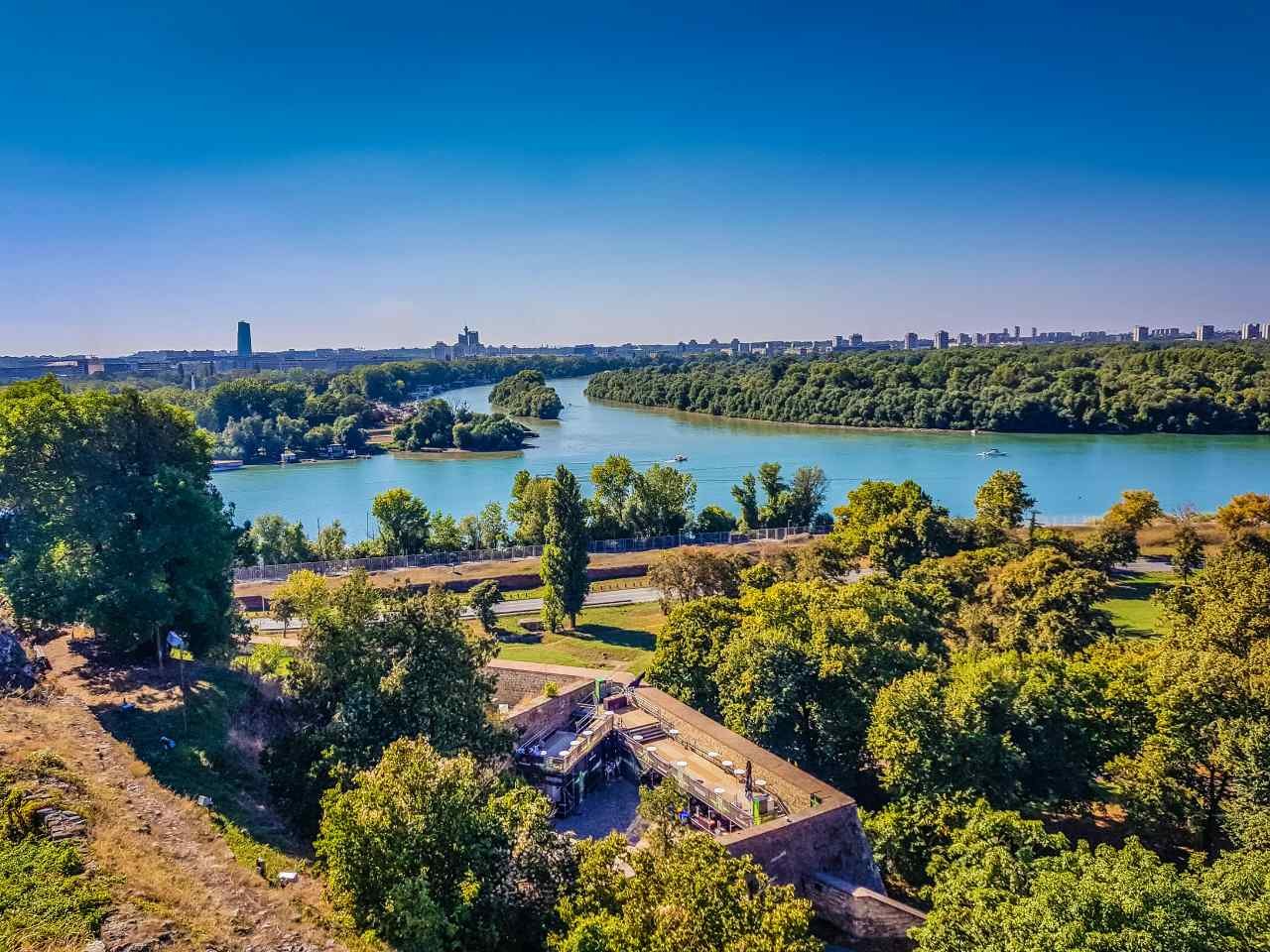
The city center is walkable and dense with cafés; Belgrade Fortress overlooking the Sava and Danube confluence is free to enter and one of the best sunset spots in the region. Serbia beyond Belgrade (Novi Sad, the Đerdap Gorge) sees far fewer international tourists and prices accordingly.
Things to Do in Serbia
- Explore Belgrade Fortress and Kalemegdan Park — free entry, with river views at the meeting point of the Sava and Danube.
- Experience the splav (river barge) nightlife scene — floating clubs and bars along the riverbanks, cheaper than equivalent Western European nightlife.
- Day-trip to Novi Sad — a smaller, calmer riverside city roughly an hour from Belgrade by train.
- Walk Skadarlija — Belgrade’s bohemian cobblestone quarter, dense with traditional restaurants and live music.
Best For
Nightlife-focused travelers, city-break travelers wanting a major capital without capital-city prices, and anyone extending a Balkan loop north.
Avoid If
Skip Belgrade specifically if quiet, low-key travel is the priority — this is one of the louder, more nightlife-driven capitals on this list.
Budget Reality
A comfortable daily budget runs €30–45. Hostel beds start around €10–15; private rooms €25–35. Meals at local restaurants run €5–10; a night out on the river barges can add €15–25 depending on how much you drink.
Practical Details
- Currency: Serbian Dinar (RSD).
- EU/Schengen status: Neither — an EU candidate country.
- Visa: Visa-free for US, UK, and EU passport holders for up to 90 days.
- Language: Serbian, written in both Cyrillic and Latin script; English common among younger residents.
- Transport: Trains to Novi Sad are fast and cheap; regional buses connect to the rest of the Balkans affordably.
How to Get There
- By air: Belgrade Nikola Tesla Airport has direct flights from most major European hubs.
- By land from Bulgaria or Romania: Regional buses and trains connect Belgrade to Sofia and Bucharest in roughly 6–8 hours.
Pro Tip
Book river-barge nightlife nights on weekdays rather than weekends — prices and cover charges rise noticeably Friday and Saturday, with little difference in atmosphere the rest of the week.
8. Romania — Castles and Medieval Towns, Now Full Schengen
Why It Ranks
Romania delivers genuine medieval towns, Dracula-linked castles, and painted monasteries at prices well below Western Europe’s castle-and-old-town circuit — and full Schengen membership since January 2025 makes it easier to combine with a broader European route.
What to Expect
Transylvania’s small towns (Sighișoara, Brașov) feel closer to a living medieval town than a preserved museum piece; Bucharest is a larger, more chaotic capital that rewards a couple of days but isn’t the country’s main draw. Romania has risen in price faster than some Balkan neighbors as tourism has grown, but remains firmly budget-friendly.
Things to Do in Romania
- Tour Bran Castle — the “Dracula’s Castle” of tourist branding, genuinely worth a visit for the setting alone.
- Walk Sighișoara’s medieval old town — a UNESCO-listed, still-inhabited medieval citadel.
- Explore Brașov’s old town and Council Square — a compact Saxon-founded town backed by mountains.
- Visit the painted monasteries of Bucovina — a cluster of UNESCO-listed medieval monasteries with exterior frescoes, reachable on a dedicated day-trip route.
Best For
History and castle enthusiasts, road-trippers wanting a self-drive Transylvania loop, and travelers wanting EU convenience without EU pricing.
Avoid If
Skip Bran Castle specifically at midday in peak summer — tour bus crowds concentrate there between roughly 10 AM and 2 PM.
Budget Reality
A comfortable daily budget runs €35–50. Private rooms run €25–40; meals at local restaurants €6–12. Best time to visit for value is May–September for weather, with October–November offering the same sights at noticeably lower prices and fewer crowds.
Practical Details
- Currency: Romanian Leu (RON); euro adoption is planned but not yet implemented.
- EU/Schengen status: Full EU and Schengen member (land borders since January 1, 2025).
- Visa: Visa-free for US, UK, and other Schengen-aligned nationalities under standard Schengen rules.
- Language: Romanian; English and some German common in tourist areas.
- Transport: Rail connects major towns, though a rental car covers the Transylvania castle circuit far more efficiently.
How to Get There
- By air: Bucharest and Cluj-Napoca both have direct flights from major European hubs.
- By land from Bulgaria or Moldova: Now checkpoint-free at Schengen-member land borders, though Moldova remains a separate, non-Schengen crossing.
Pro Tip
Rent a car in Brașov rather than Bucharest for the Transylvania castle circuit — it cuts out the capital’s traffic and puts you closer to Bran, Sighișoara, and the mountain roads between them.
9. Montenegro — Adriatic Coast Below Croatian Prices
Why It Ranks
Montenegro offers a similar fjord-and-old-town Adriatic experience to Croatia’s Dalmatian coast at a meaningfully lower price point, particularly for accommodation and dining just outside the most photographed towns.
What to Expect
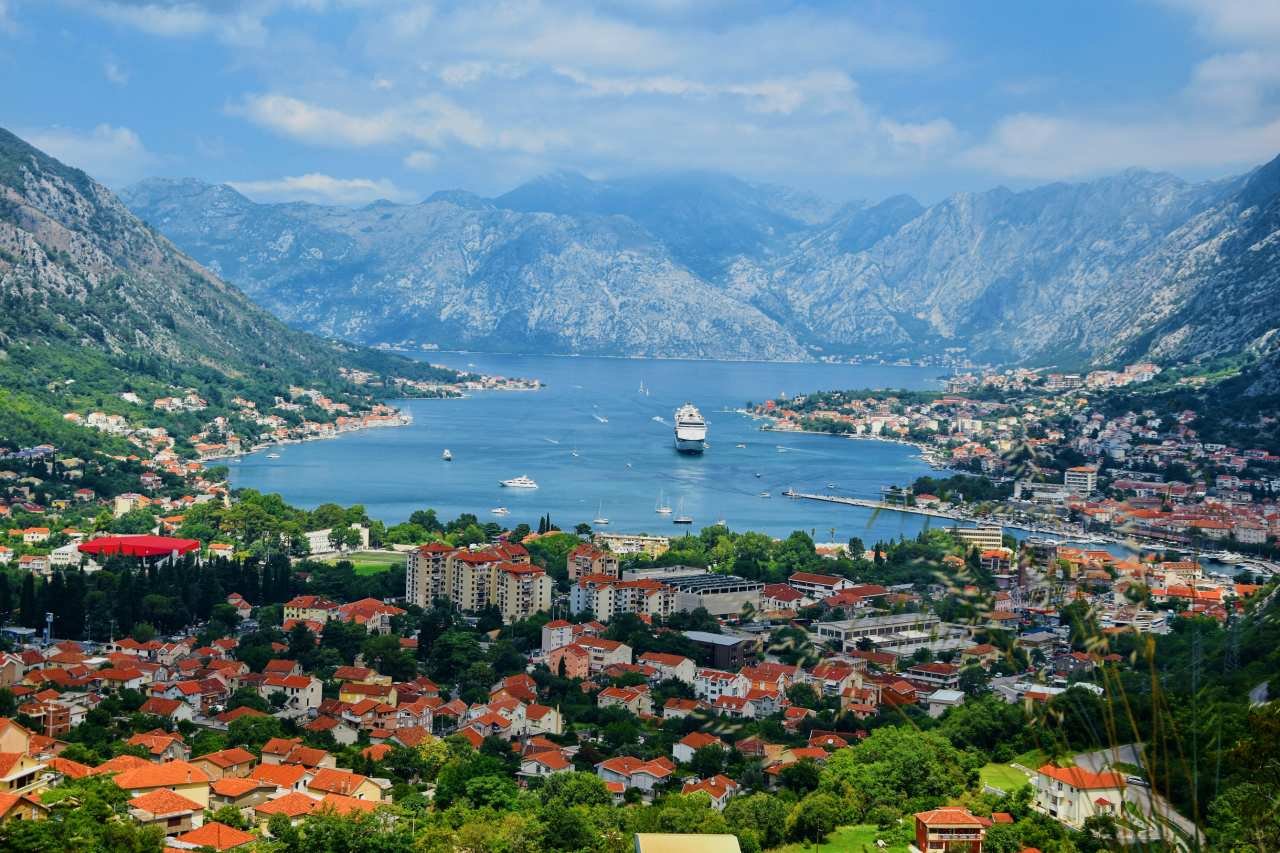
Kotor’s Venetian-walled old town and dramatic bay draw cruise-ship crowds by midday; Budva’s beaches and nightlife run busier and pricier in July–August. Inland Montenegro (Durmitor National Park, the northern mountains) stays quiet and cheap even in peak season.
Things to Do in Montenegro
- Walk Kotor’s city walls — a steep, scenic climb above the bay, best done early morning before cruise-ship crowds and midday heat.
- Relax in Budva’s old town — smaller and calmer than Kotor outside peak nightlife hours.
- Hike Durmitor National Park — canyon and mountain scenery well below Alpine trekking prices.
- Day-trip to Perast — a small, quiet baroque town on Kotor Bay, easily reached by local bus.
Best For
Coastal scenery travelers on a tighter budget than Croatia allows, hikers wanting inland mountain value, and cruise-adjacent travelers extending a port stop into a longer trip.
Avoid If
Skip Kotor’s old town between roughly 10 AM and 4 PM on cruise-ship days — check the port schedule, since prices and crowding both spike during those windows.
Budget Reality
A comfortable daily budget runs €40–60, rising well above that on the coast in July–August. Inland Durmitor-area accommodation and food run noticeably cheaper than Kotor or Budva year-round. Montenegro uses the euro despite not being an EU member, which makes budgeting simple but doesn’t discount prices.
Practical Details
- Currency: Euro (unilaterally adopted, not an EU member).
- EU/Schengen status: Neither — an EU candidate country.
- Visa: Visa-free for US, UK, and EU passport holders for up to 90 days.
- Language: Montenegrin; Italian and English common in coastal tourist areas.
- Transport: Coastal buses connect Kotor, Budva, and Herceg Novi frequently and cheaply; inland routes run less often.
How to Get There
- By air: Podgorica and Tivat airports both have seasonal direct flights from major European hubs.
- By land from Croatia or Bosnia and Herzegovina: Dubrovnik to Kotor runs roughly 2 hours by bus or car.
Pro Tip
Base yourself in Perast or Herceg Novi rather than Kotor itself — both are a short bus ride from the old town but charge noticeably less for accommodation and meals.
10. Poland — Developed Infrastructure With Real Savings
Why It Ranks
Poland delivers Western European infrastructure — reliable rail, widespread card payment, strong English signage — at prices still meaningfully below Germany, France, or the UK, making it the easiest entry point on this list for first-time budget travelers.
What to Expect
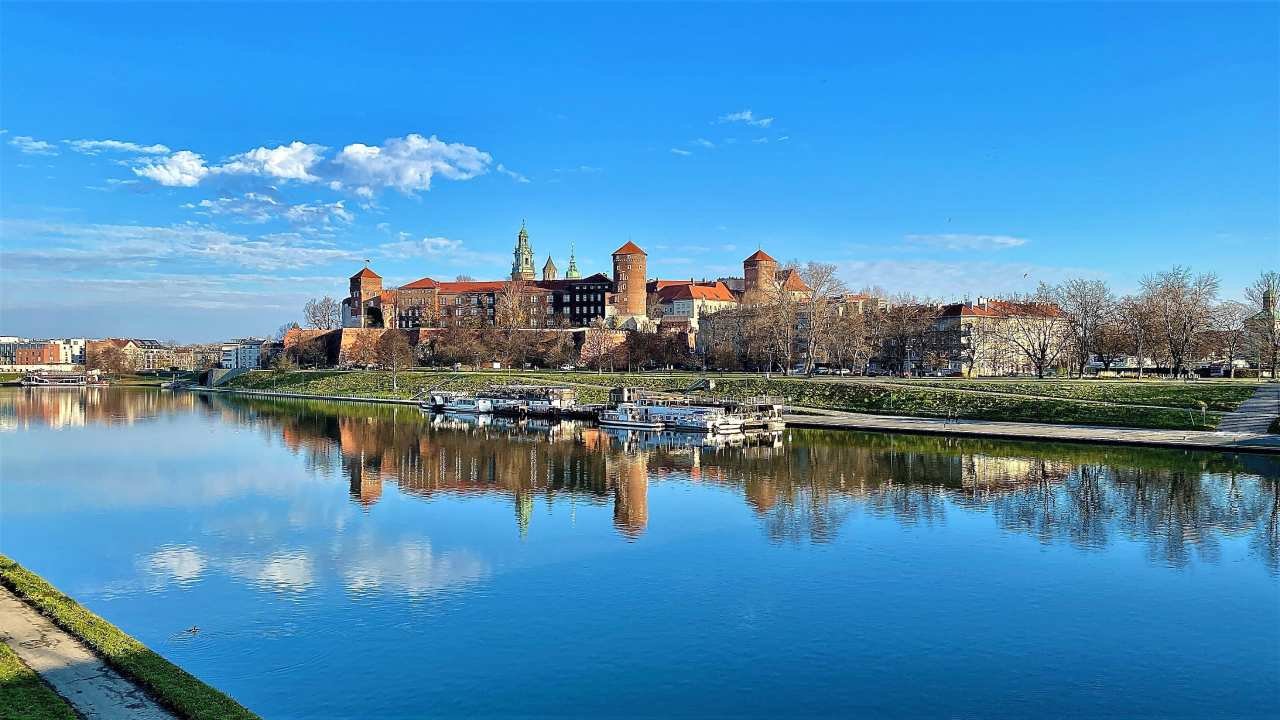
Kraków’s Old Town and Wawel Castle anchor most itineraries, with the Wieliczka Salt Mine — a UNESCO-listed underground cathedral of salt — a short trip away. Warsaw offers a larger, more modern capital-city experience at a similar price point.
Things to Do in Poland
- Explore Kraków’s Old Town and Wawel Castle — Poland’s most important historical site, perched above the Vistula River.
- Tour the Wieliczka Salt Mine — an underground cathedral carved from salt, roughly 20 minutes from central Kraków (tours from around $25).
- Wander Kazimierz — Kraków’s old Jewish quarter, now the city’s center for bars, vintage shops, and street art.
- Eat at a bar mleczny (milk bar) — communist-era subsidized canteens still serving home-cooked Polish food at prices well below restaurant rates.
Best For
First-time budget travelers wanting reliable infrastructure, history-focused travelers, and anyone combining Poland with a Central Europe rail trip.
Avoid If
Skip peak summer weekends in Kraków’s Old Town specifically if crowds bother you — it’s become one of Central Europe’s most visited budget destinations.
Budget Reality
A comfortable daily budget runs €40–60, among the more predictable on this list thanks to widespread card acceptance and fixed pricing. Milk bar meals run €3–6; a sit-down restaurant meal runs €8–15. Rail travel between major cities is efficient and reasonably priced.
Practical Details
- Currency: Polish Złoty (PLN); not adopted the euro.
- EU/Schengen status: Full EU and Schengen member.
- Visa: Visa-free for US, UK, and other Schengen-aligned nationalities under standard Schengen rules.
- Language: Polish; English widely spoken in tourist areas and among younger residents.
- Transport: Extensive rail network connects Kraków, Warsaw, and other major cities reliably.
How to Get There
- By air: Kraków and Warsaw both have extensive direct flight networks from across Europe and North America.
- By land from Slovakia: Kraków to Bratislava runs a manageable train or bus connection as part of a Central Europe circuit.
Pro Tip
Find a bar mleczny for at least one meal — these subsidized canteens are a genuine local institution, not a tourist gimmick, and cut your food budget significantly without sacrificing quality.
11. Hungary — Thermal Baths and Central European Convenience
Why It Ranks
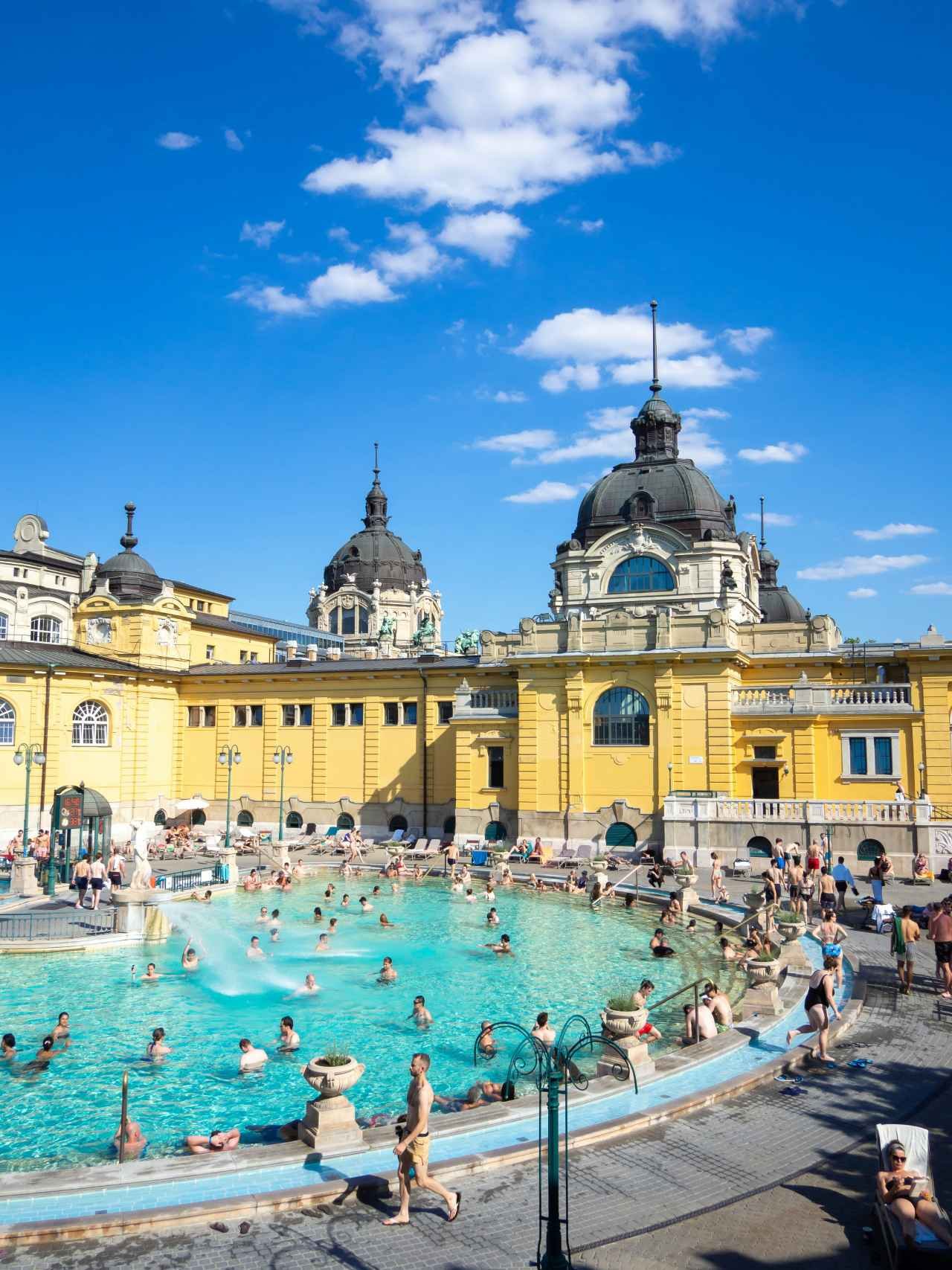
Budapest delivers a genuinely grand European capital — thermal baths, a Danube-straddling old-world skyline, ruin-bar nightlife — at prices well below comparable Western capitals like Vienna, its close neighbor.
What to Expect
Budapest splits into hilly, quieter Buda and flatter, livelier Pest; most budget travelers base themselves in Pest for proximity to ruin bars and nightlife. Thermal bath culture is a genuine local institution, not just a tourist activity, and entry prices stay reasonable even at the most famous baths.
Things to Do in Hungary
- Soak at Széchenyi or Gellért thermal baths — some of Europe’s most photogenic bathhouses, at a fraction of a comparable spa day in Western Europe.
- Explore Buda Castle and Fisherman’s Bastion — panoramic Danube views, free to walk around outside museum sections.
- Experience a ruin bar in the Jewish Quarter — Budapest’s signature nightlife format, set in decaying pre-war buildings.
- Cruise the Danube at sunset — budget river cruise options run well below Western European equivalents.
Best For
City-break travelers wanting a grand capital experience, thermal bath and wellness travelers, and nightlife-focused younger travelers.
Avoid If
Skip Budapest specifically if you’re combining it with Vienna on the same short trip without budgeting extra — the price gap between the two cities is smaller than reputation suggests once you factor in Budapest’s more touristed central districts.
Budget Reality
A comfortable daily budget runs €45–65. Thermal bath entry runs €15–20; ruin bar drinks run €2–4, noticeably cheaper than equivalent Western European nightlife. Central Pest accommodation costs more than outer districts reachable by a short metro ride.
Practical Details
- Currency: Hungarian Forint (HUF); not adopted the euro.
- EU/Schengen status: Full EU and Schengen member.
- Visa: Visa-free for US, UK, and other Schengen-aligned nationalities under standard Schengen rules.
- Language: Hungarian; English and German common in tourist areas.
- Transport: Budapest’s metro and tram network is extensive, cheap, and easy to navigate.
How to Get There
- By air: Budapest Ferenc Liszt International Airport has extensive direct flight connections across Europe and North America.
- By land from Slovakia or Austria: Bratislava to Budapest runs roughly 2.5 hours by train, a common Central Europe circuit leg.
Pro Tip
Book thermal bath tickets online in advance for Széchenyi — walk-up queues in summer can run 30–45 minutes, and online booking sometimes includes a modest discount over gate pricing.
12. Slovakia — The Most Polished Budget Capital in the Region
Why It Ranks
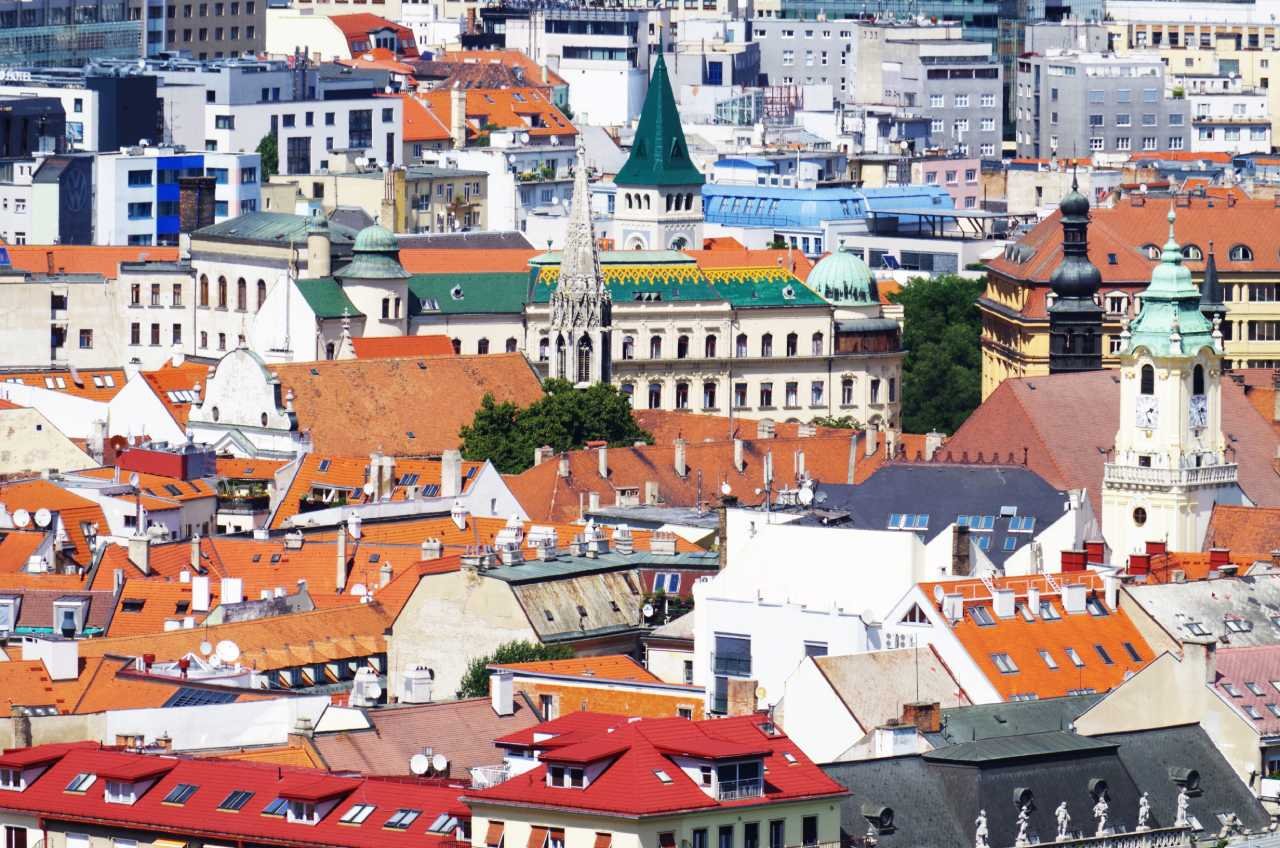
Slovakia sits at the higher end of this list’s budget range, but Bratislava’s compact old town, castle, and easy day-trip access to Vienna make it one of the most convenient bases in Central Europe — and it’s still considerably cheaper than Vienna or Prague for a comparable experience.
What to Expect
Bratislava caters to both upscale hotels and trendy cafés alongside genuinely affordable options — the experience varies more by which streets you choose than by the city overall. Staying slightly outside the immediate center and eating at budget restaurants keeps costs meaningfully below Vienna or Prague.
Things to Do in Slovakia
- Explore Bratislava Castle — hilltop views over the Danube and the city, with modest entry fees compared to Western European castle museums.
- Walk Bratislava’s compact Old Town — small enough to cover on foot in a day, dense with cafés and street art.
- Day-trip to Vienna — roughly an hour away by train, letting you experience an expensive city without paying for accommodation there.
- Visit Devín Castle ruins — a short bus ride from central Bratislava, with river-confluence views at minimal entry cost.
Best For
Travelers wanting a low-cost base for exploring Vienna without Vienna prices, city-break travelers, and anyone completing a Poland–Slovakia–Hungary circuit.
Avoid If
Skip staying in Bratislava’s immediate Old Town center if budget is the top priority — a short tram ride drops accommodation costs noticeably without adding real inconvenience.
Budget Reality
A comfortable daily budget runs €45–70, the highest on this list, but still well below Vienna or Prague for a comparable trip. Budget restaurant meals run €6–12; Old Town restaurant prices run higher and cater more to tourists. The Vienna-to-Bratislava train makes a genuine two-city trip affordable from a single, cheaper base.
Practical Details
- Currency: Euro.
- EU/Schengen status: Full EU and Schengen member.
- Visa: Visa-free for US, UK, and other Schengen-aligned nationalities under standard Schengen rules.
- Language: Slovak; German and English common given proximity to Austria.
- Transport: Trains to Vienna and Budapest are frequent, fast, and central to Bratislava’s appeal as a base.
How to Get There
- By air: Bratislava Airport has a smaller direct flight network than Vienna’s — many travelers fly into Vienna and take the train in.
- By train from Vienna: Roughly 1 hour, frequent departures, one of the most efficient city pairings in Europe.
Pro Tip
Fly into Vienna rather than Bratislava if flight options are limited or pricier — the hour-long train ride into Bratislava is cheap, frequent, and turns an awkward flight search into a non-issue.
FAQs
1. What is the cheapest country to visit in Europe?
Moldova consistently prices lowest on this list, with a comfortable daily budget around €25–35. Bosnia and Herzegovina runs close behind, with hostel beds from roughly $8 a night.
2. Are Bulgaria and Romania part of Schengen now?
Yes. Both became full Schengen members on January 1, 2025, with land border checks fully lifted — before that, only air and sea borders were checkpoint-free starting March 2024.
3. Do I need travel insurance to enter Georgia?
Yes, as of January 1, 2026, all visitors to Georgia must hold valid health and accident insurance with minimum coverage of 30,000 GEL (roughly $11,000), checked at the border alongside your passport.
4. Is it safe to travel to these budget European destinations?
Most of the countries on this list are considered safe for tourists, with standard travel precautions. Always check your government’s current travel advisories before booking, since conditions and advisories can change.
5. Which cheap European countries don’t require a visa for US travelers?
Albania, Bosnia and Herzegovina, North Macedonia, Serbia, and Montenegro are all visa-free for US passport holders for up to 90 days, as are the Schengen members on this list (Bulgaria, Romania, Poland, Hungary, Slovakia) under standard Schengen visa-free rules.
Helpful Planning Resources
Before booking a budget Europe trip, check official sources first, particularly for entry requirements, transportation changes and destination-specific updates.
- Your Europe — Official EU Travel Information — Passport and visa requirements, passenger rights, driving rules, travel documents and other practical information for Europe.
- Georgia e-Visa and Insurance Portal — Confirm entry requirements and arrange mandatory insurance before you fly.
- Schengen Visa Information — Official information on Schengen membership and visa-free allowances.