Italy isn’t short on beautiful places — it’s short on time to see them all in one trip.
Most travelers end up choosing between Italy’s famous cities, its coastline, its countryside, and its mountains without a clear way to compare what each actually delivers.
This guide organizes Italy’s best destinations by what they’re genuinely best for, so the decision comes down to matching a place to your trip rather than picking from a list of famous names.
Four of Italy’s most iconic cities — Rome, Florence, Venice, and Milan — get a shorter treatment here with a link to our full city-by-city guide, since that’s where the real depth of each already lives. The other eight destinations get full profiles, because they’re the places a “best cities” list doesn’t cover on its own: the coastline, the countryside, the islands, and the mountains that round out an Italy trip.
Love this? check out our Best Time to Visit Italy And Italy Travel Tips to round out your planning.
What Are the Best Places to Visit in Italy?
The best places to visit in Italy are Rome, Florence, Venice, and Milan for iconic city travel; the Amalfi Coast and Cinque Terre for coastal scenery; Tuscany and Umbria for countryside and wine; Sardinia and Sicily for islands and beaches; and Lake Como and the Dolomites for lakes and mountains. Which of these fits your trip depends less on fame and more on your travel style, budget, and how much time you have — covered below.
How to Choose the Right Destination
By travel style:
- First-time visitors → Rome, Florence, Venice
- Couples and honeymoons → Amalfi Coast, Lake Como, Venice
- History and culture → Rome, Florence, Sicily
- Beaches → Sardinia, Sicily, Amalfi Coast
- Nature and outdoor travel → Dolomites, Lake Como, Sardinia
- Food and wine → Tuscany, Sicily, Umbria
- Slow travel → Umbria, Tuscany, Sicily
- Road trips → Tuscany, Sicily, Dolomites
- Value-focused trips → Sicily, Umbria, Naples (see our Best Cities guide for Naples in full)
By trip length:
- 3–5 days: one city (Rome, Florence, or Venice) or one coastal region (Cinque Terre)
- 7 days: Tuscany, Amalfi Coast, Lake Como, or the Dolomites, on their own
- 10+ days: Sicily, Sardinia, or a combined multi-region itinerary
By budget (relative positioning — see the profiles below for what drives the difference):
- Higher cost: Lake Como, Amalfi Coast, Venice
- Moderate: Florence, Tuscany, Sardinia’s northeast coast
- Better value: Sicily, Umbria, Naples, Sardinia’s interior and south
Planning takeaway: pick your travel style first, then check the trip-length and budget rows against it — a couple with 5 days and a moderate budget is looking at a genuinely different shortlist than a solo traveler with 10 days and no fixed budget ceiling.
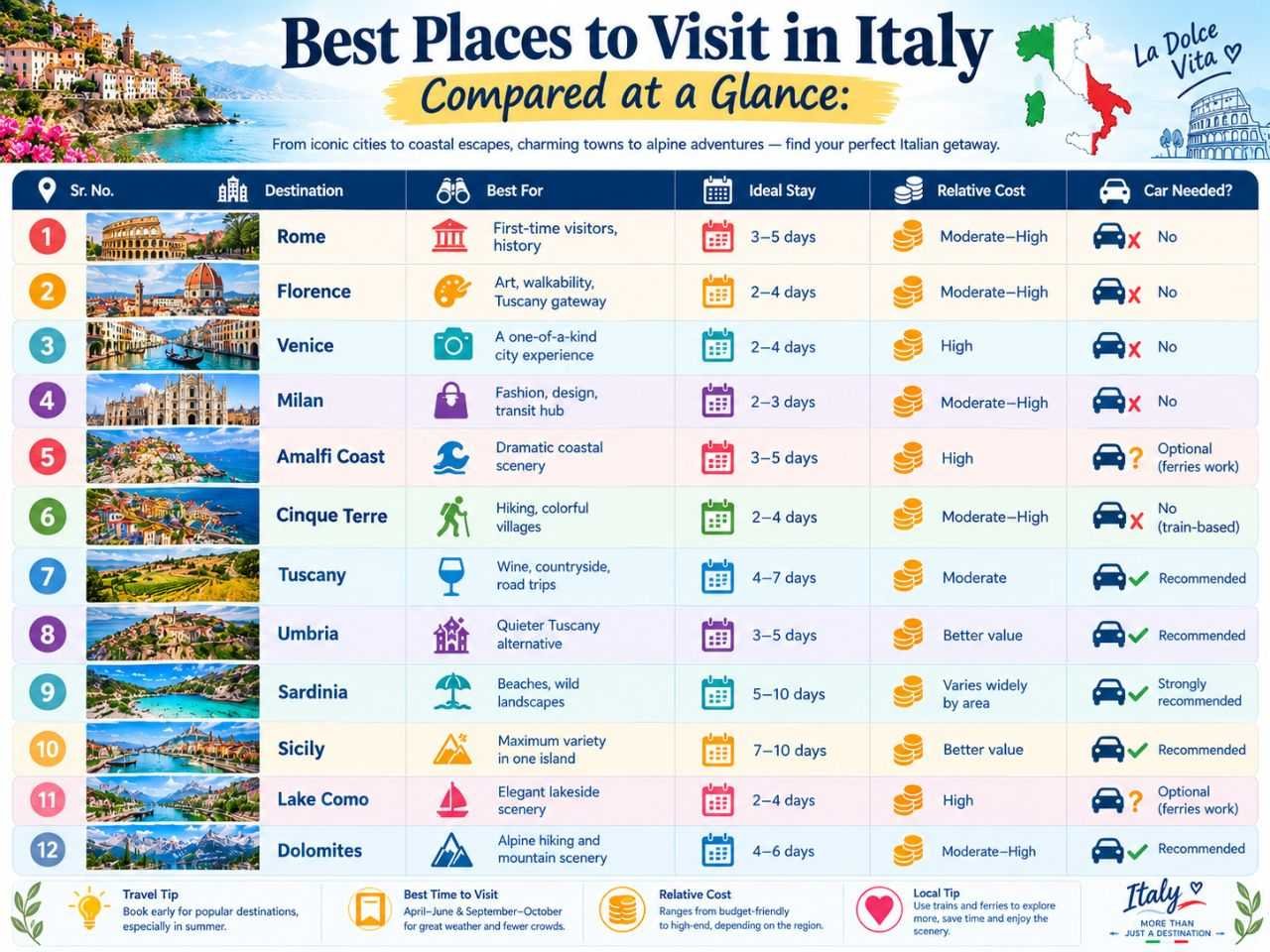
Best Places to Visit in Italy Compared at a Glance
| Sr. No. | Destination | Best For | Ideal Stay | Relative Cost | Car Needed? |
|---|---|---|---|---|---|
| 1 | Rome | First-time visitors, history | 3–5 days | Moderate–High | No |
| 2 | Florence | Art, walkability, Tuscany gateway | 2–4 days | Moderate–High | No |
| 3 | Venice | A one-of-a-kind city experience | 2–4 days | High | No |
| 4 | Milan | Fashion, design, transit hub | 2–3 days | Moderate–High | No |
| 5 | Amalfi Coast | Dramatic coastal scenery | 3–5 days | High | Optional (ferries work) |
| 6 | Cinque Terre | Hiking, colorful villages | 2–4 days | Moderate–High | No (train-based) |
| 7 | Tuscany | Wine, countryside, road trips | 4–7 days | Moderate | Recommended |
| 8 | Umbria | Quieter Tuscany alternative | 3–5 days | Better value | Recommended |
| 9 | Sardinia | Beaches, wild landscapes | 5–10 days | Varies widely by area | Strongly recommended |
| 10 | Sicily | Maximum variety in one island | 7–10 days | Better value | Recommended |
| 11 | Lake Como | Elegant lakeside scenery | 2–4 days | High | Optional (ferries work) |
| 12 | Dolomites | Alpine hiking and mountain scenery | 4–6 days | Moderate–High | Recommended |
Save the below infographic for your quick reference.
Italy Map: Where are the Top Places to Visit?
Take This Map With You! Use this interactive map to explore all the best places to visit in Italy featured in this guide. Hit the arrow (↖) in the top-left corner to jump to the full list of locations to plan your perfect travel route.
Italy’s Iconic Cities (Brief Guide)
These four cities anchor most first-time Italy trips. For full destination profiles — things to do, where to stay, ideal stay length, and neighborhood-by-neighborhood detail — see our complete Best Cities to Visit in Italy guide.
Rome is the country’s most complete single destination: ancient ruins, Vatican City, and a food scene that rewards wandering beyond the main sights. Best for first-time visitors who want maximum variety in one place.
Florence delivers Renaissance art and architecture in a city compact enough to cover on foot, and doubles as the easiest gateway into Tuscany. Best for art-focused travelers and anyone planning to combine a city stay with countryside time.
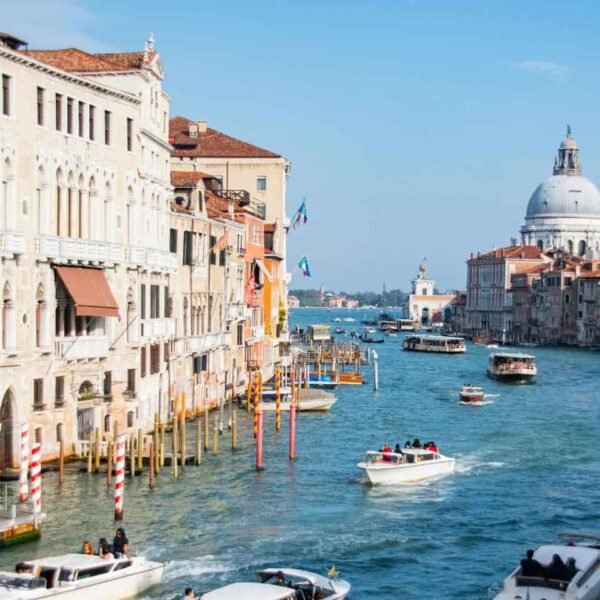
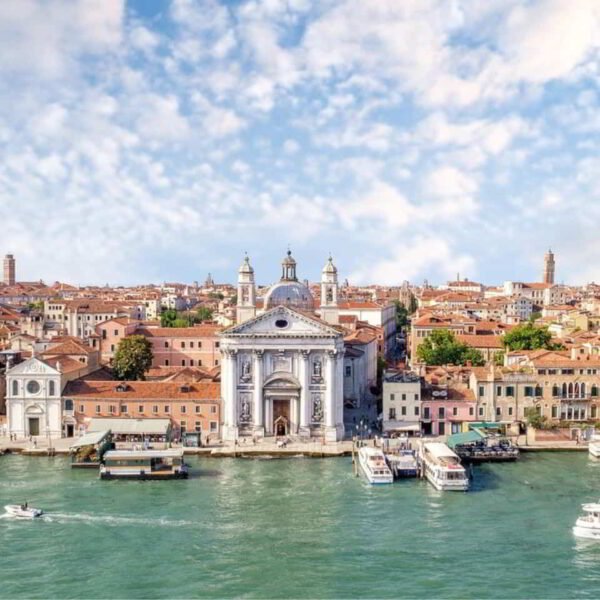
Venice is unlike anywhere else in Italy — a city built on water with no cars, best experienced by staying overnight rather than day-tripping in. Best for couples and travelers who want one genuinely unique urban experience.
Milan trades historic-center charm for fashion, design, and modern energy, plus the best rail connections to Lake Como and the Dolomites. Best for travelers prioritizing shopping, design, or using the city as a transit hub.
8 Full Destination Profiles
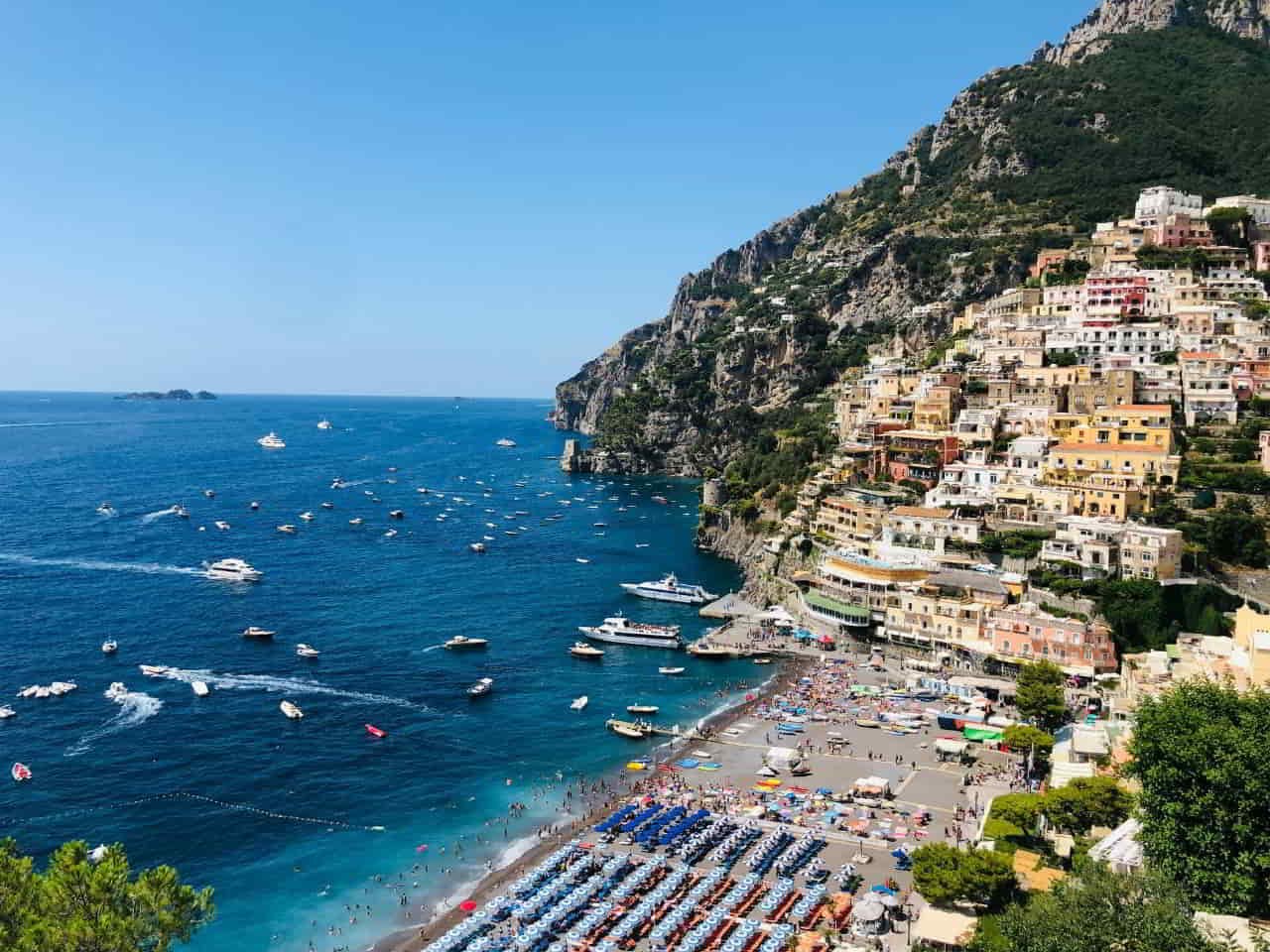
1. Amalfi Coast — Italy’s Most Dramatic Coastline
Why Visit
The Amalfi Coast delivers a combination few coastlines match: cliffside towns, Mediterranean views, and a road (or ferry route) that’s part of the experience rather than just a way to get there. Positano, Amalfi, and Ravello each offer a genuinely different atmosphere within a short ferry ride of each other.
What Makes It Different
Unlike most coastal destinations built around a single beach, the Amalfi Coast’s appeal comes from movement between towns — the ferry crossing itself is often cited as a highlight, not just transport.
Top Things to Do
- Walk Positano’s cliffside streets down to Spiaggia Grande
- Visit Ravello’s Villa Cimbrone for the “Terrace of Infinity” view
- Take the ferry between towns instead of driving
- Hike a section of the Path of the Gods (Sentiero degli Dei)
- Day-trip to Capri by boat
Best For / Avoid If
- Best for: couples, honeymooners, photographers, travelers prioritizing scenery over budget.
- Avoid if: you want a flat, easily walkable destination or need to stay on a tight budget — this is one of Italy’s pricier regions.
Practical Details
The nearest airport is Naples (NAP). Driving is genuinely difficult here — narrow cliffside roads, limited parking, and heavy summer traffic mean most experienced travelers rely on ferries and regional buses instead. Ideal stay: 3–5 days to cover Positano, Amalfi, and Ravello without rushing.
Budget Reality
Among the more expensive regions in this guide, particularly in Positano — expect premium pricing on accommodation and dining relative to inland Italy. Staying in Praiano or Minori instead of Positano itself is the most effective way to cut costs without losing coastal access.
Best Time to Visit
Late April–June and September–early October avoid both summer’s peak pricing and its ferry-and-road congestion.
Pro Tip
Book ferries over rental cars where the route allows it — the views from the water are better, and you skip the coast’s genuinely stressful parking situation entirely.
Check out more in depth Things to do on the Amalfi Coast!
2. Cinque Terre — Five Villages, One Coastal Trail
Why Visit
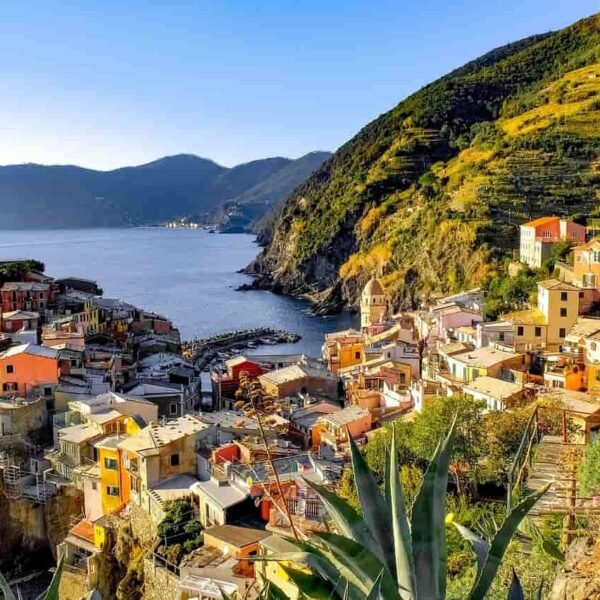
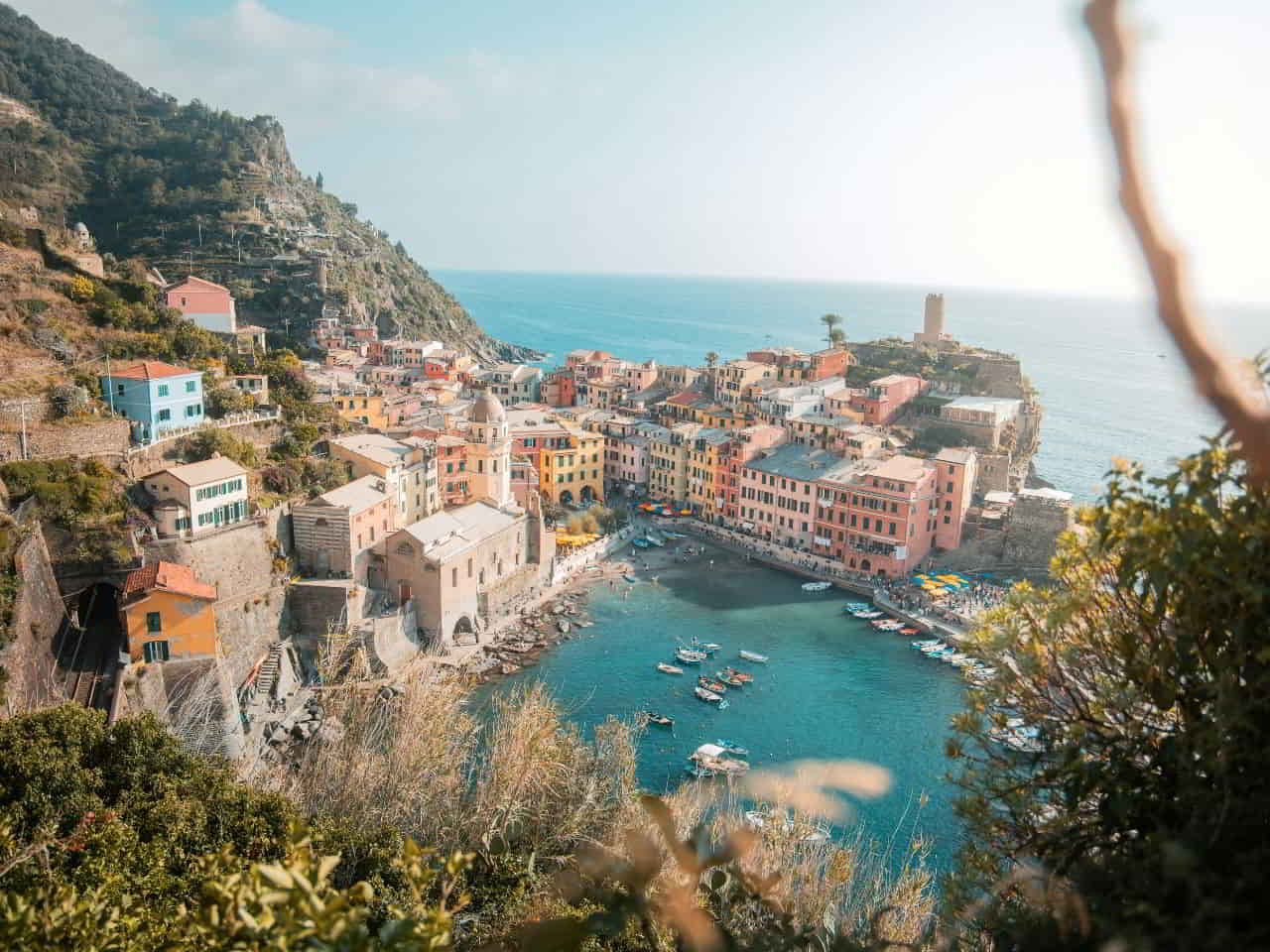
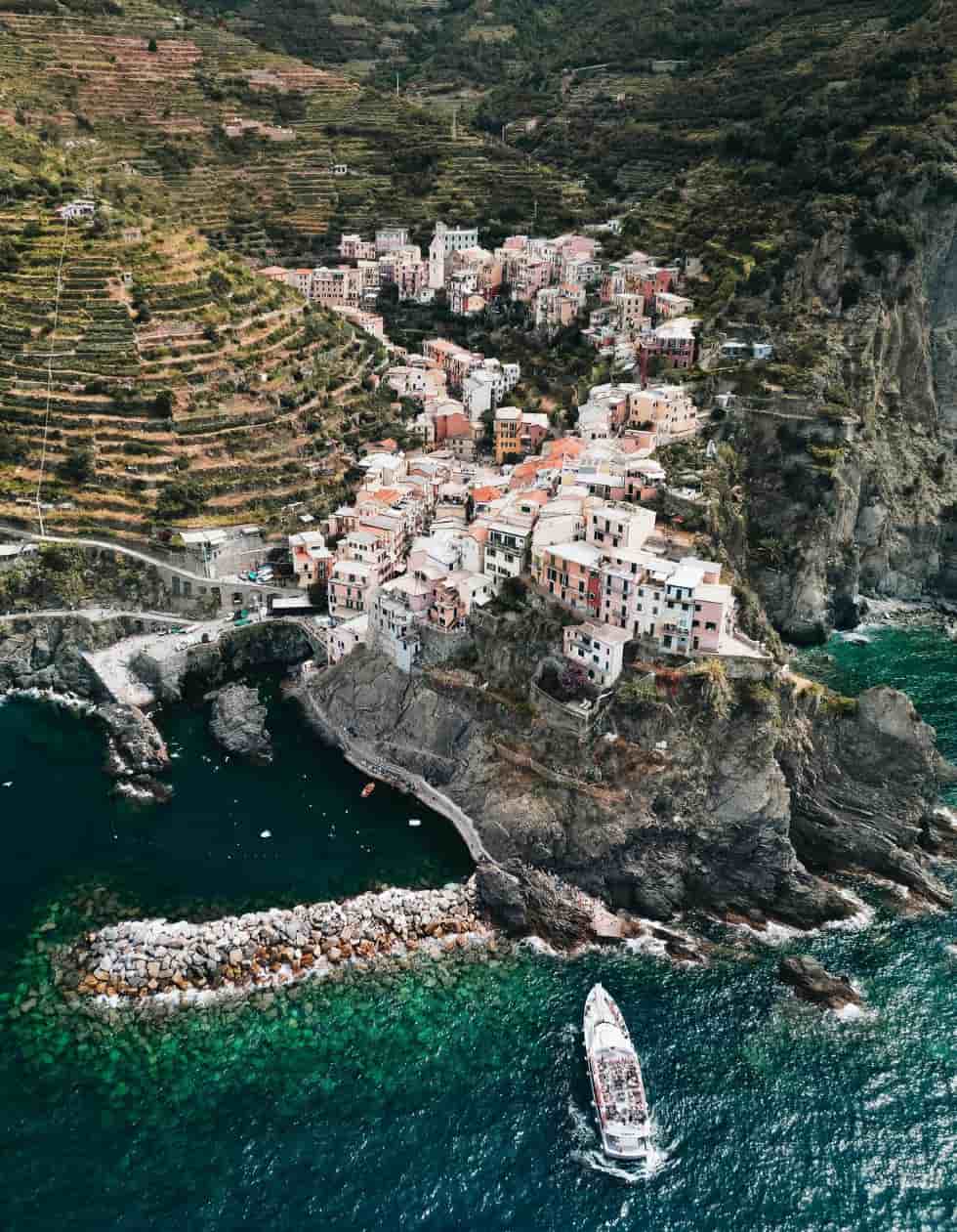
Cinque Terre’s five villages — Riomaggiore, Manarola, Corniglia, Vernazza, and Monterosso — are connected by train and hiking trail rather than road, which keeps the area free of the large resorts common elsewhere on Italy’s coast.
What Makes It Different
Development here has been tightly controlled for decades specifically to preserve the villages’ character, which is why the coastline still feels distinct from more built-up Mediterranean resort towns.
Top Things to Do
- Hike a section of the Sentiero Azzurro coastal trail
- Watch sunset from Manarola’s harbor
- Swim at Monterosso al Mare, the area’s main sand beach
- Ride the regional train between villages instead of driving
- Take an early-morning walk in Riomaggiore before day-trippers arrive
Best For / Avoid If
- Best for: hikers, photographers, couples, travelers who prefer walking and trains over a rental car.
- Avoid if: you want minimal walking, luxury resorts, or a car-based road trip — none of those fit this region well.
Practical Details
Nearest airports are Pisa (PSA) and Genoa (GOA), with La Spezia as the main rail gateway into the villages. A car is actively unhelpful here — parking is limited and expensive, and the regional train is faster between villages regardless. Ideal stay: 2–4 days.
Budget Reality
Moderate to high, driven mainly by accommodation scarcity in villages that are physically small — there’s only so much lodging to go around, especially in Vernazza and Manarola.
Best Time to Visit
Late April–June and September for the best hiking conditions and thinner crowds than July–August, when trains and trails both get genuinely crowded.
Pro Tip
Base yourself in one village and day-trip to the others rather than changing accommodation nightly — it cuts both cost and hassle, since inter-village train rides take minutes either way.
Explore More → in depth guide on Things to Do in Cinque Terre
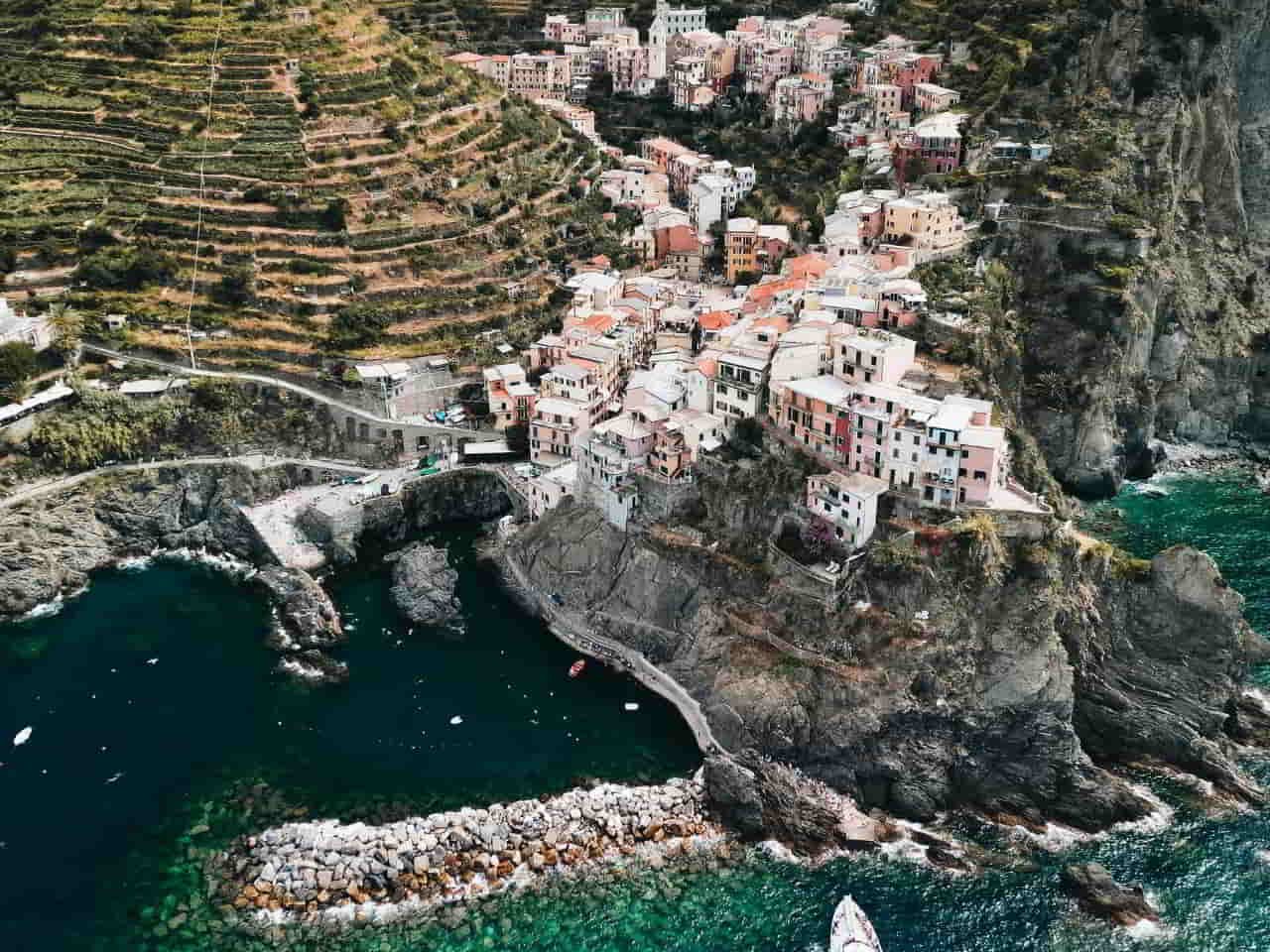
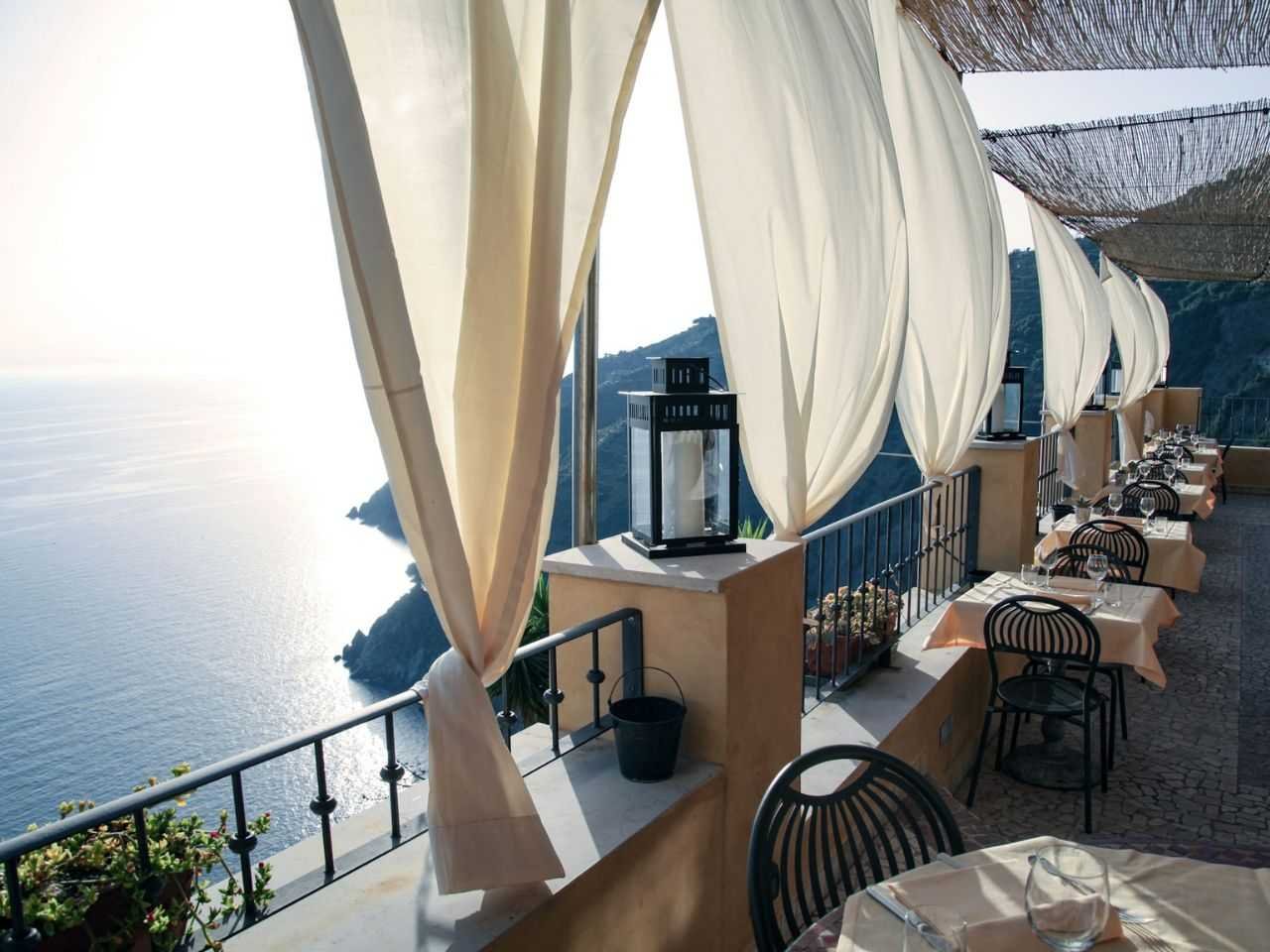
Explore More → Top Restaurants in Cinque Terre – From seafood to gelato, discover where locals eat and plan your meals smartly.
3. Tuscany — Countryside, Wine, and Slow Travel
Why Visit
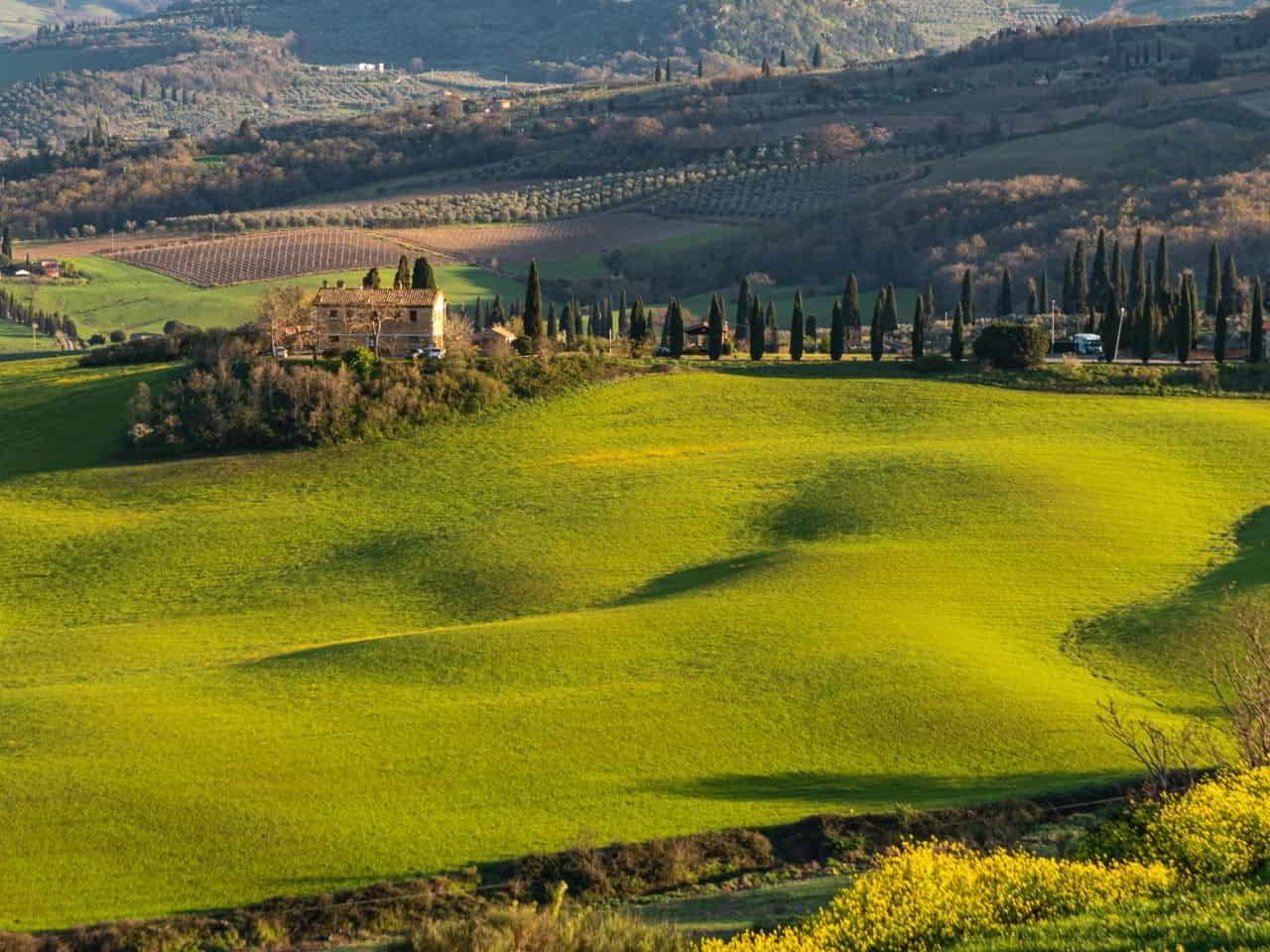
Tuscany’s appeal isn’t one landmark — it’s the combination of medieval hill towns, vineyard-covered countryside, and long, unhurried meals that together define a certain image of Italian travel.
What Makes It Different
Unlike destinations built around sightseeing checklists, Tuscany rewards slowing down between stops — a scenic drive or a winery lunch is often the actual highlight, not just the transition between towns.
Top Things to Do
- Wine tasting in the Chianti region
- Explore Siena’s Piazza del Campo
- Drive the cypress-lined roads of Val d’Orcia
- Walk San Gimignano’s medieval towers
- Stay at least one night in a countryside agriturismo
Best For / Avoid If
- Best for: couples, wine and food travelers, road-trippers, slow-travel enthusiasts.
- Avoid if: you want beaches, nightlife, or a destination that’s easy to see without a car — public transport thins out fast once you leave the main towns.
Practical Details
Nearest airports are Florence (FLR) and Pisa (PSA), with Rome Fiumicino workable for a wider regional trip. A rental car is genuinely important here — many of the best wine estates and viewpoints aren’t practically reachable by public transport. Ideal stay: 4–7 days.
Budget Reality
Runs a wide range — smaller towns and countryside stays offer solid value, while name-brand vineyard estates and luxury agriturismi sit among Italy’s priciest accommodations.
Best Time to Visit
May–June and September–October for the best light, mild temperatures, and (in autumn) the wine harvest.
Pro Tip
Don’t base entirely in Florence and day-trip into Tuscany — spending at least two nights in the countryside itself changes the trip meaningfully, since the region’s best moments happen between towns, not inside them.
4. Umbria — Tuscany’s Quieter Neighbor
Why Visit
Umbria offers a genuinely similar landscape to Tuscany — hill towns, vineyards, olive groves — at noticeably lower prices and with far fewer crowds, without feeling like a lesser version of it.
What Makes It Different
Umbria is also considered Italy’s spiritual heart, home to Assisi (birthplace of Saint Francis) and a concentration of pilgrimage sites and monasteries that give the region a distinct character beyond scenery alone.
Top Things to Do
- Visit the Basilica of Saint Francis in Assisi
- Explore Perugia’s medieval center
- Walk Orvieto’s hilltop old town and underground tunnels
- Tour a Sagrantino winery near Montefalco
- Visit Lake Trasimeno for a slower, lakeside day
Best For / Avoid If
- Best for: slow travelers, food and wine enthusiasts, travelers who’ve already done Tuscany and want something similar but quieter.
- Avoid if: you’re seeking famous, bucket-list landmarks or a destination that fills a short 1–2 day visit well — Umbria rewards a longer, unhurried stay.
Practical Details
Nearest airports are Perugia, Rome Fiumicino, and Florence. Historic centers are walkable but hilly; most visitors park outside town walls. Ideal stay: 3–5 days.
Budget Reality
One of the better-value regions in this guide — accommodation and dining generally cost less than in Tuscany, Venice, or the Amalfi Coast for a comparable experience.
Best Time to Visit
April–June and September–October for the best weather and scenery; the region also runs several notable festivals worth timing a visit around, including Umbria Jazz in Perugia.
Pro Tip
Spend at least one night outside Assisi or Perugia in the surrounding countryside — most visitors stick to the two main towns and miss the quieter atmosphere that gives Umbria its main advantage over Tuscany.
5. Sardinia — Beaches and Wild Landscapes
Why Visit
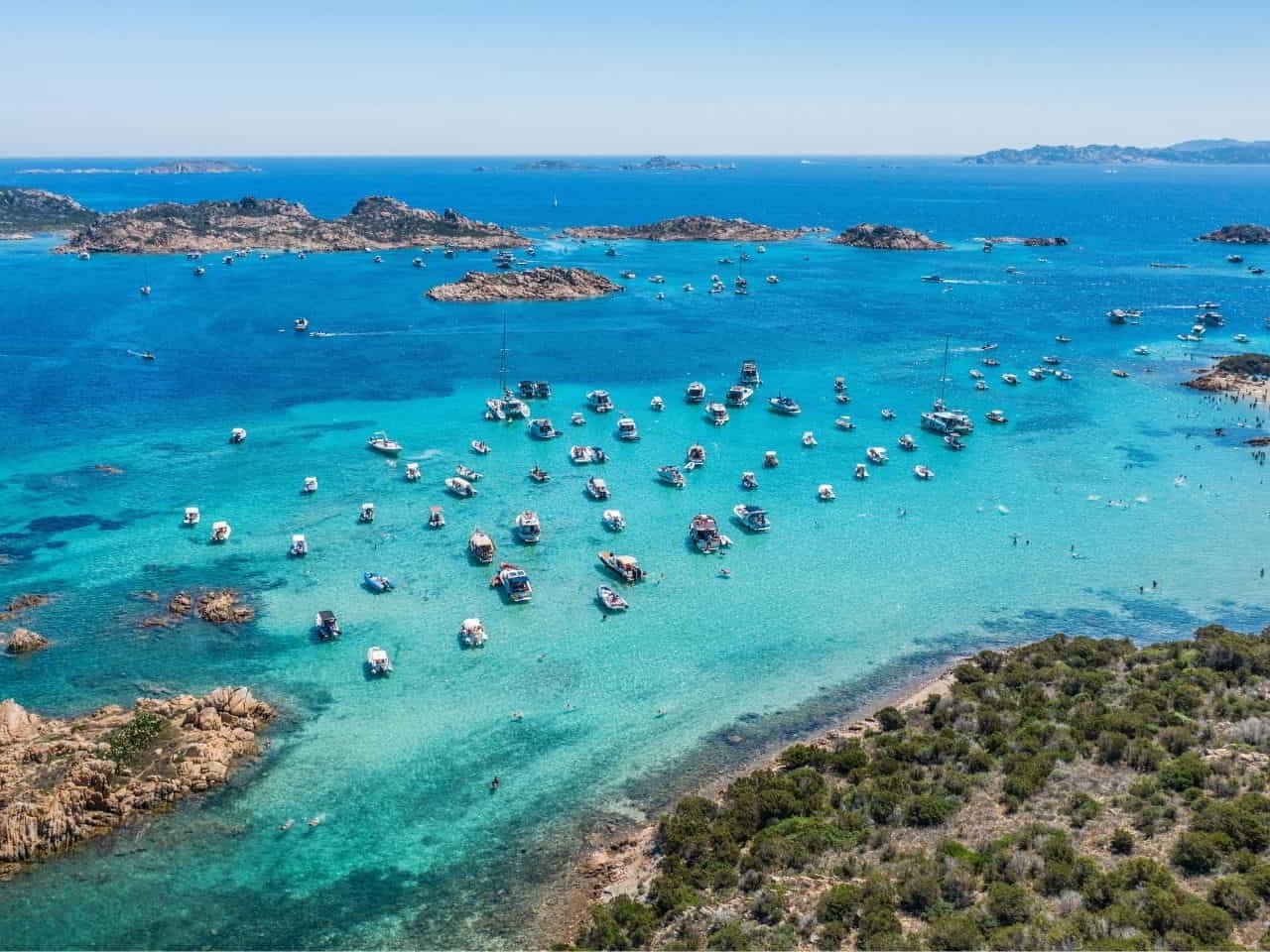
Sardinia combines some of the Mediterranean’s clearest water with a genuinely undeveloped interior — mountain villages, prehistoric Nuragic ruins, and long stretches of coastline that don’t feel overbuilt.
What Makes It Different
The island has its own distinct traditions, dialects, and cuisine that feel noticeably separate from mainland Italian culture, more so than most other Italian regions.
Top Things to Do
- Swim at Cala Goloritzé or Cala Luna on the Gulf of Orosei coastline
- Explore prehistoric Nuraghe sites
- Take a boat trip through the La Maddalena Archipelago
- Drive into the mountainous Barbagia region
- Walk Alghero’s historic center
Best For / Avoid If
- Best for: beach lovers, road-trippers, nature-focused travelers, and repeat Italy visitors looking beyond the mainland’s famous cities.
- Avoid if: you’re on a short trip or want a destination built around museums and city sightseeing — Sardinia rewards a longer, slower visit.
Practical Details
Three main airports — Cagliari (south), Olbia (northeast), Alghero (northwest) — serve different parts of the island, so pick based on where you’re actually headed. A rental car is close to essential; public transport outside major towns is limited. Ideal stay: 5–10 days.
Budget Reality
Varies dramatically by region — Costa Smeralda competes with Italy’s most expensive destinations, while the interior and less-developed coastline offer some of the country’s best value.
Best Time to Visit
May–June and September–October for warm water and lower prices than the July–August peak.
Pro Tip
Pick two bases rather than trying to circle the whole island from one hotel — Sardinia is larger than most first-time visitors expect, and long daily drives eat into actual beach and sightseeing time.
Explore the Best Beaches in Sardinia that provide a breathtaking serene experience with a lighter crowd!
6. Sicily — Italy’s Most Varied Single Destination
Why Visit
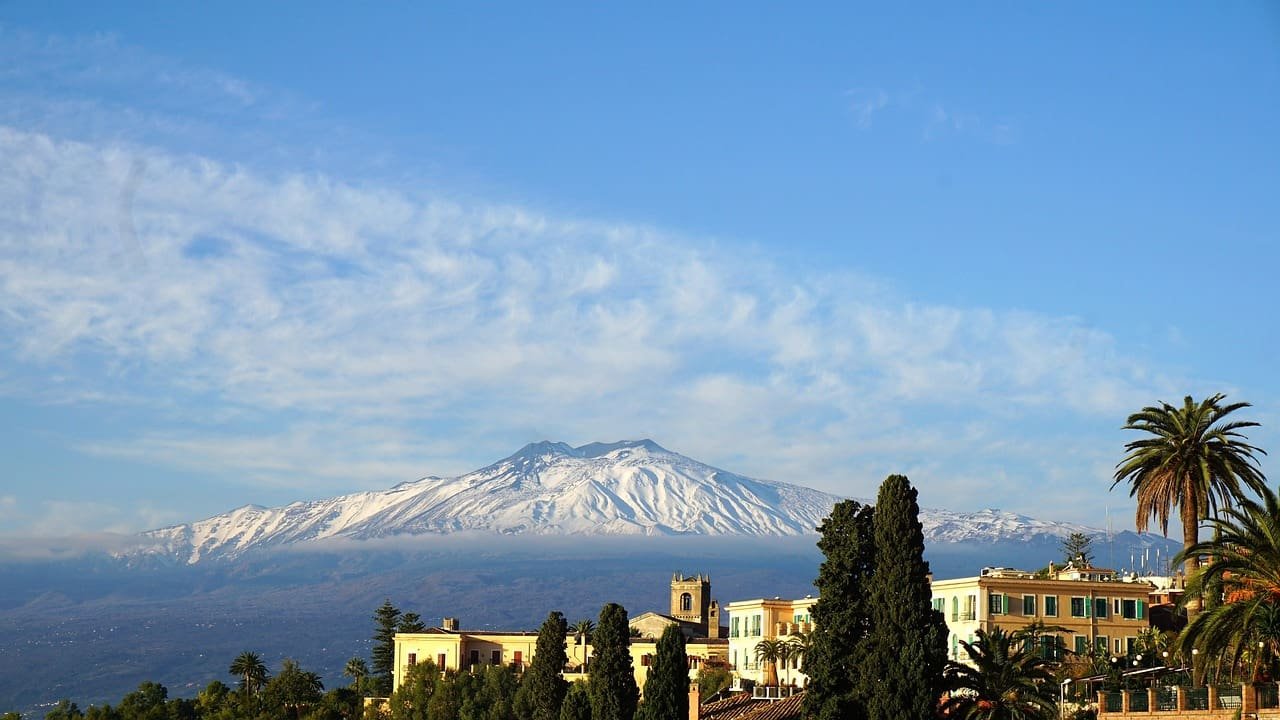
Sicily packs more variety into one island than almost anywhere else in Italy — ancient Greek ruins, an active volcano, Baroque towns, coastal villages, and food shaped by centuries of Greek, Arab, and Norman influence.
What Makes It Different
Centuries of layered outside influence — Greek, Roman, Arab, Norman, Spanish — gave Sicily a culture and cuisine that feels distinct from mainland Italy, closer to its own identity than a regional variation.
Top Things to Do
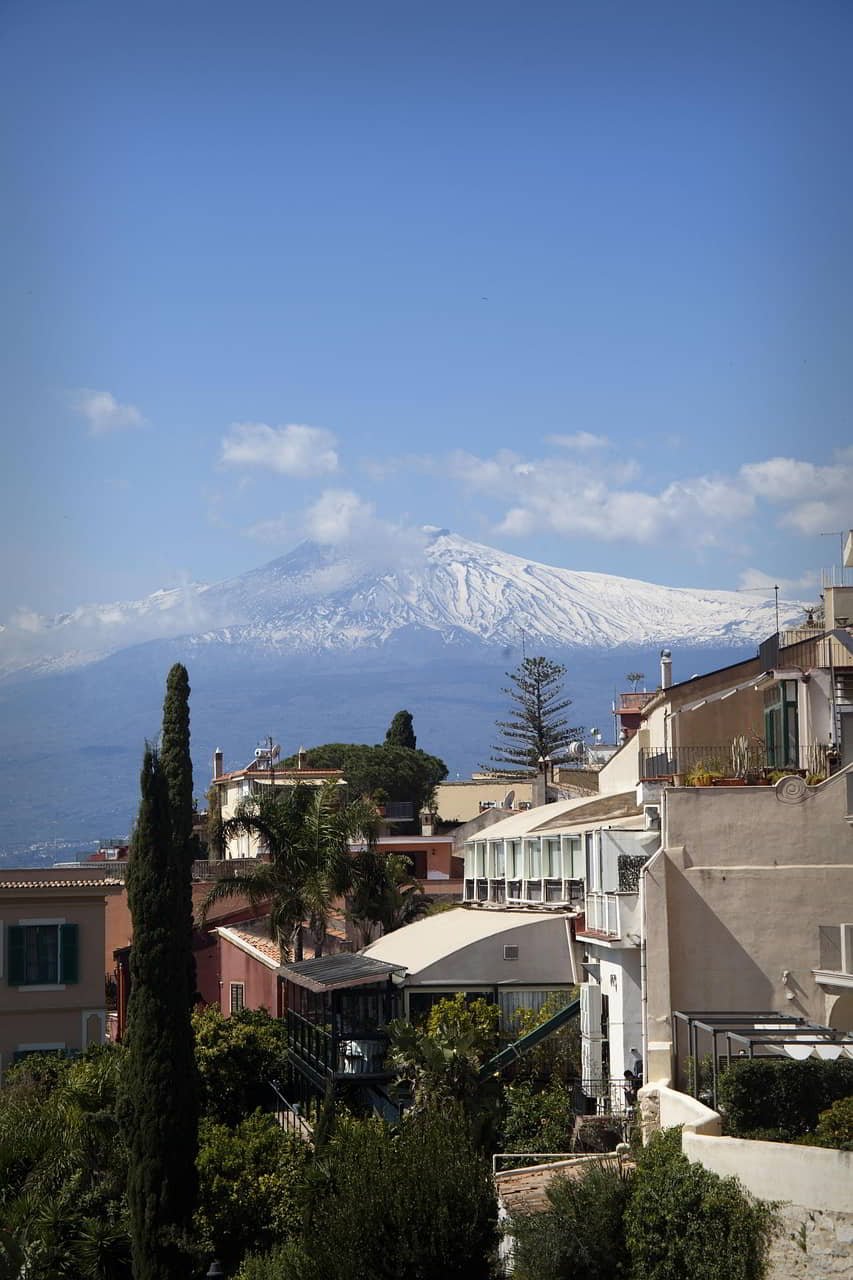
- Hike or drive up Mount Etna
- Walk Ortigia, Syracuse’s historic island core
- Visit the Valley of the Temples near Agrigento
- Explore Palermo’s street-food markets
- Relax at Cefalù’s beach and cathedral
Best For / Avoid If
- Best for: first-time Italy visitors wanting variety, food lovers, history enthusiasts, road-trippers.
- Avoid if: you have fewer than 5–6 days or prefer a single-base trip — Sicily is genuinely large, and travel between regions takes real time.
Practical Details
Main airports are Palermo, Catania, and Trapani. A rental car is recommended for flexibility, though rail and ferry connections cover the major cities. Ideal stay: 7–10 days, or focus on one sub-region (west, east, or south) for a shorter trip.
Budget Reality
One of the better-value destinations in this guide — comparable scenery and history to Tuscany or the Amalfi Coast at meaningfully lower cost.
Best Time to Visit
May–June and September–October, avoiding the peak heat and crowds of July–August.
Pro Tip
Pick one sub-region rather than attempting the whole island — western Sicily (Palermo, Trapani), eastern Sicily (Taormina, Catania, Etna), or southern Sicily (Agrigento, Ragusa, Noto) each work well as a focused 5–7 day trip.
While you’re in, these are the Best Places to visit in Sicily.
Explore Stunning Beaches of Sicily.

7. Lake Como — Elegant Lakeside Scenery
Why Visit
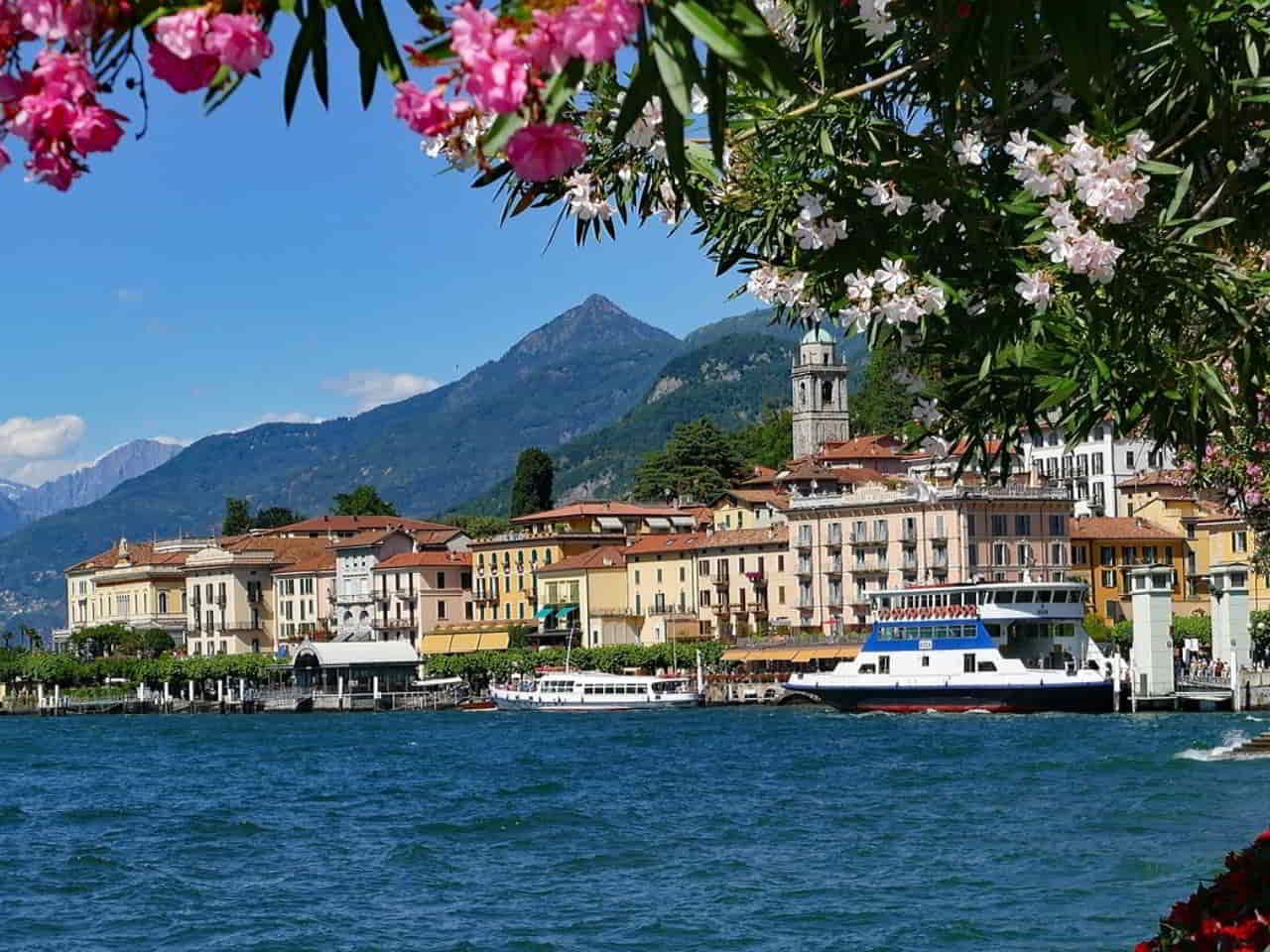
Lake Como pairs dramatic mountain scenery with a slower, more refined pace than Italy’s major cities — ferry rides between lakeside towns replace sightseeing checklists as the main activity.
What Makes It Different
Villages here are connected almost entirely by ferry rather than road, which makes the lake itself, not any single town, the actual center of the experience.
Top Things to Do
- Ferry between Bellagio, Varenna, and Menaggio
- Visit Villa del Balbianello’s gardens
- Walk Varenna’s lakeside promenade
- Take the funicular from Como town up to Brunate
- Book a sunset boat cruise on the lake
Best For / Avoid If
- Best for: couples, honeymooners, slow travelers, photographers.
- Avoid if: you’re on a strict budget or want nightlife — this is one of Italy’s more expensive, quieter regions.
Practical Details
Nearest airports are Milan Malpensa, Linate, and Bergamo, roughly 1–1.5 hours from the lake. Ferries are the easiest way to move between towns; driving and parking get difficult in Bellagio and Varenna during peak season. Ideal stay: 2–4 days.
Budget Reality
One of the pricier destinations in this guide — waterfront hotels here rank among Italy’s most expensive, particularly in Bellagio during summer.
Best Time to Visit
May–June and September–October for good weather without summer’s peak crowds and prices.
Pro Tip
Based in Varenna instead of Bellagio — the scenery is comparable, photography is easier without the crowds, and the town feels noticeably calmer once day-trippers leave.
Explore More → Things to do on Lake Como Italy
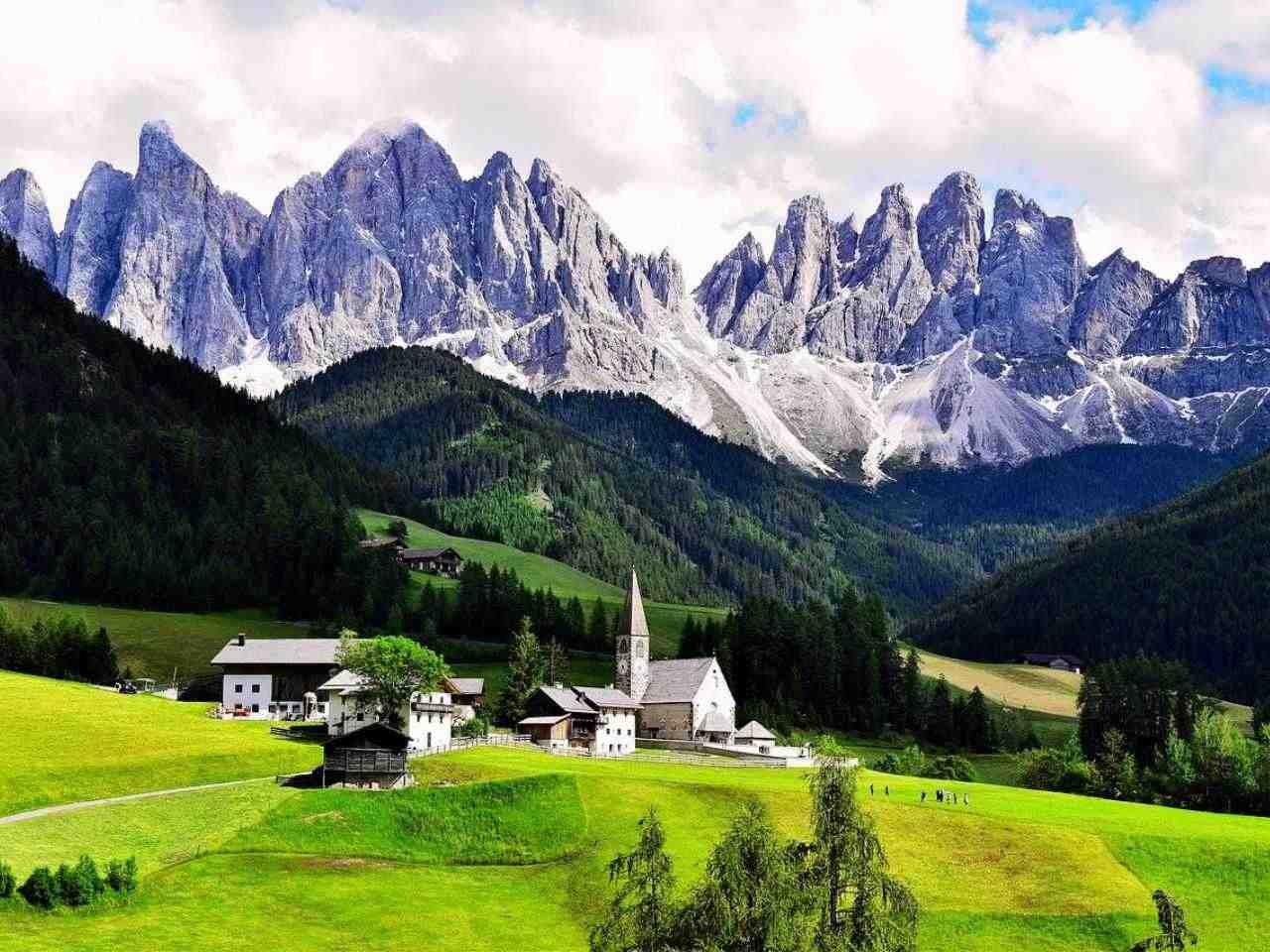
8. The Dolomites — Italy’s Alpine Landscape
Why Visit
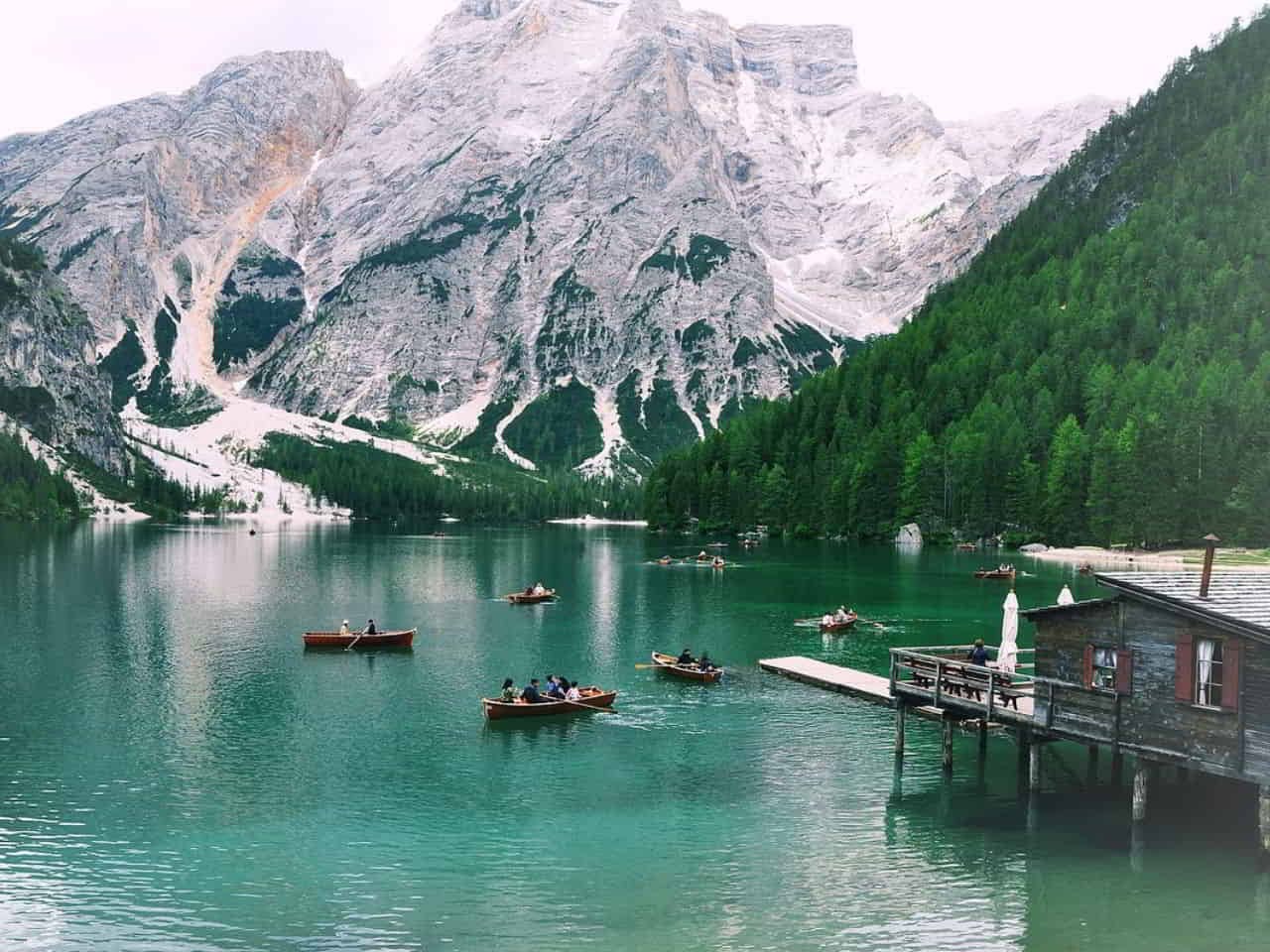
The Dolomites deliver some of the most dramatic mountain scenery in Europe — jagged limestone peaks rising above alpine meadows, recognized as a UNESCO World Heritage Site for their distinctive geology.
What Makes It Different
The Dolomites’ limestone formations produce a phenomenon called Enrosadira, where sunrise and sunset light turns the pale rock shades of pink and orange — a specific visual effect not found in Europe’s rounder, non-limestone mountain ranges.
Top Things to Do
- Hike to Tre Cime di Lavaredo
- Visit Lago di Braies
- Drive the Great Dolomites Road
- Explore Alpe di Siusi’s alpine meadows
- Ride a cable car up to the Seceda ridgeline
Best For / Avoid If
- Best for: hikers, photographers, road-trippers, skiers (in winter), and travelers wanting Italy beyond its cities and coast.
- Avoid if: you want city sightseeing, nightlife, or a short one-to-two-day trip — the region is larger and more spread out than it looks on a map.
Practical Details
Nearest airports are Venice Marco Polo, Innsbruck, and Verona. The region is best explored by car; cable cars supplement road access to major viewpoints. Popular spots like Tre Cime and Lago di Braies fill their parking lots by mid-morning in peak season. Ideal stay: 4–6 days.
Budget Reality
Moderate to high, with the steepest prices in premium resort towns like Cortina d’Ampezzo, especially during peak hiking season and winter ski season.
Best Time to Visit
June–September for hiking; December–March for skiing. April–May and October–November see many facilities and trails close for the season.
Pro Tip
Don’t build the whole trip around Lago di Braies — it’s the most photographed spot in the region, but Seceda, Alpe di Siusi, and Passo Giau are just as memorable with noticeably less crowding.
FAQs
1. What are the best places to visit in Italy for a first trip?
Rome, Florence, and Venice cover Italy’s most iconic sights in a manageable multi-city itinerary. For a full breakdown of each, see our Best Cities to Visit in Italy guide.
2. How many days do you need to see the best of Italy?
7–10 days allows enough time to combine a major city with one region (coast, countryside, or lakes) without constant travel days eating into sightseeing time.
3. Is northern or southern Italy better to visit?
Northern Italy suits travelers prioritizing lakes, mountains, and elegant cities; southern Italy suits those wanting warmer weather, islands, and a more relaxed pace. Many first-time visitors combine a stop in each.
4. Which places in Italy offer the best value?
Sicily, Umbria, and Naples consistently offer strong value relative to Venice, Lake Como, or the Amalfi Coast, without a meaningful drop in scenery or food quality.
5. Do you need a car to see the best of Italy?
Not for the major cities (Rome, Florence, Venice, Milan) or Cinque Terre, which work well by train. Tuscany, Umbria, Sardinia, Sicily, and the Dolomites are all easier — sometimes necessary — with a rental car.
Helpful Planning Resources
Before booking your trip, you may also find these official resources useful:
- Italy Tourism Board — Official Events, Public Holidays and Festival Calendar
- Trenitalia and Italo — Book Italy’s high-speed rail routes directly.
- Vatican Museums & Sistine Chapel Tickets
- Book Lake Como ferry
- Dolomites hiking and seasonal updates