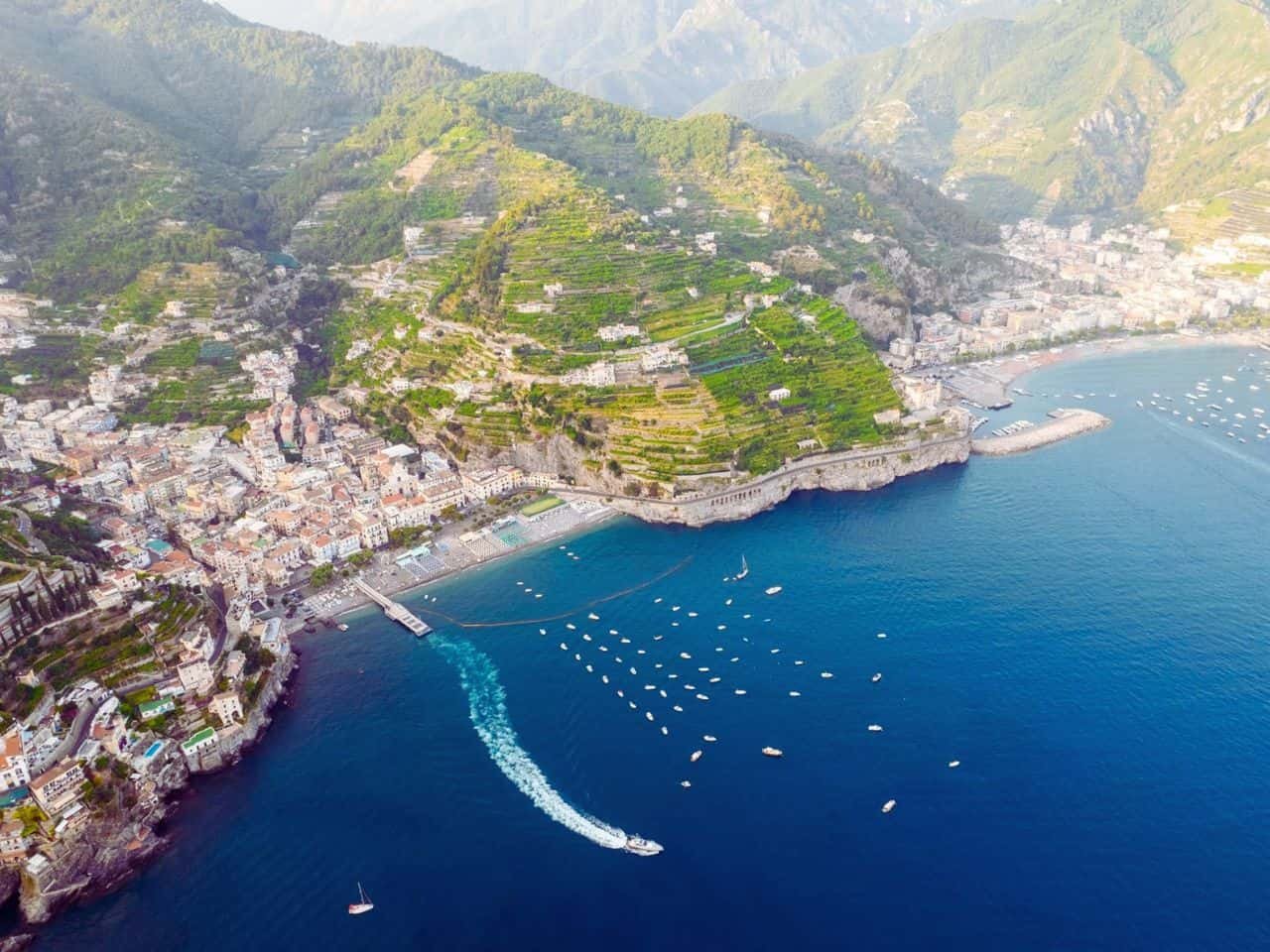
Most Amalfi Coast travel guides show you Positano’s cliffside houses and assume that it settles it. It doesn’t — Positano is the most photographed town on this coast and also one of the least practical to base in if you’re not prepared for its stairs, prices, and July crowds.
This guide covers what actually decides an Amalfi Coast trip: which town to base in for your specific priorities, how to get around a coastline where driving is often the worst option, what a realistic budget looks like, and how many days this region actually needs before it starts feeling rushed.
- What Is the Amalfi Coast Known For? (Quick Answer)
- How to Choose Where to Base Yourself
- Amalfi Coast Towns Compared at a Glance
- Amalfi Coast Map: Where Is It?
- How to Get There and Around
- Best Time to Visit the Amalfi Coast
- Amalfi Coast Towns: Full Profiles
- Day Trips From the Amalfi Coast
- Amalfi Coast Food Guide
- How Many Days Do You Need?
- FAQs
- Helpful Planning Resources
- My Popular Italy Travel Guides
Love this? Check out our Best Places to Visit in Italy and Best Time to Visit Italy to round out your planning.
What Is the Amalfi Coast Known For? (Quick Answer)
The Amalfi Coast is a 50-kilometer stretch of Italy’s Sorrentine Peninsula known for cliffside towns built into the mountainside, a dramatic coastal road, and Mediterranean views considered among the best in Europe. Positano, Amalfi, and Ravello are its three best-known towns, each offering a genuinely different experience — Positano for glamour and iconic photos, Amalfi for a central, practical base, Ravello for quiet luxury above the coastline.
How to Choose Where to Base Yourself
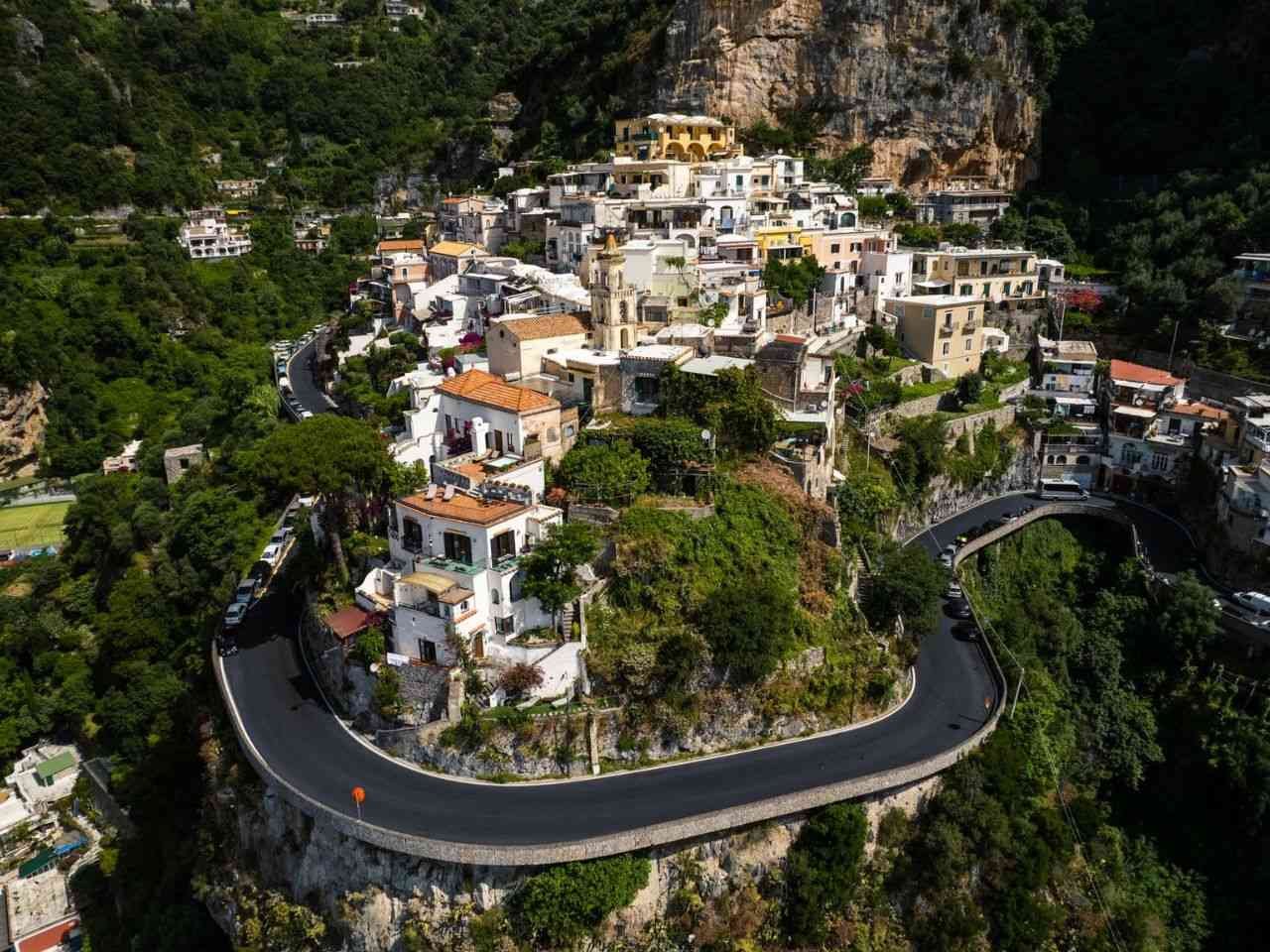
The single biggest planning decision on this coast is which town to sleep in — everything else follows from that.
If this is a once-in-a-lifetime trip and budget isn’t the constraint, Positano delivers the iconic version of the Amalfi Coast — but expect real stairs, real crowds, and the coast’s highest prices.
If you want a practical, central base with easier logistics, Amalfi town sits at the coast’s midpoint with the best ferry and bus connections, at meaningfully lower cost than Positano.
If quiet matters more than convenience, Ravello sits above the coastline rather than on it — no beach access, but the calmest atmosphere and the best panoramic views of any town here.
If budget is a real constraint, Minori, Maiori, or Praiano deliver the same coastline at a noticeably lower nightly rate, with a short bus or ferry ride into the busier towns when you want them.
If you’re combining this with a wider Italy trip, Sorrento (technically just outside the Amalfi Coast proper) offers the easiest transport connections to Naples and Rome, at the cost of not being directly on the dramatic coastal stretch itself — see its full profile below for what that trade-off actually looks like in practice.
Planning takeaway: pick your base by what you’re optimizing for — iconic photos, convenience, quiet, or budget rarely point to the same town, and trying to get all four in one choice usually means compromising on all of them a little.
Amalfi Coast Towns Compared at a Glance
| Town | Best For | Relative Cost | Beach Access | Walking Difficulty |
|---|---|---|---|---|
| Positano | Iconic scenery, glamour | Highest | Yes, small and crowded | High (steep stairs) |
| Amalfi | Central, practical base | Moderate–High | Yes, larger town beach | Moderate |
| Ravello | Quiet, panoramic views | High | No (hilltop town) | Moderate (hilltop access) |
| Praiano | Value with real views | Moderate | Yes, quieter | Moderate |
| Minori & Maiori | Family-friendly, flat streets | Lower | Yes, most walkable | Low (flattest towns on the coast) |
| Sorrento | Transport hub, day-trip base | Moderate | Limited (rocky, small) | Low |
Amalfi Coast Map: Where Is It?
The Amalfi Coast runs along the southern side of the Sorrentine Peninsula, roughly an hour from Naples. Save this map before you travel — the coastal road connecting every town looks short on a map but takes far longer to drive than the distance suggests.
How to Get There and Around
By air: Naples International Airport (NAP) is the nearest major airport, roughly 1–1.5 hours from the coast by car or private transfer.
By train: No train runs directly along the coast. Take the train to Sorrento or Salerno, then continue by ferry or bus — this is genuinely the most reliable way during peak season, when road traffic on the SS163 can turn a short drive into a multi-hour crawl.
By ferry: Seasonal ferries connect Naples, Sorrento, Positano, Amalfi, and Salerno — often faster and more scenic than the road, and the preferred option for many experienced visitors specifically to avoid coastal traffic. Ferry schedules reduce significantly outside the April–October season; verify current timetables before relying on this as your primary transport.
By car: Technically possible but often the coast’s most stressful option — narrow roads, tour-bus traffic, and genuinely limited parking in every town. If you’re renting a car for a wider Italy trip, consider parking it in Sorrento or Salerno and using ferries/buses for the coast itself rather than driving the SS163 directly.
Getting around once you’re there: SITA buses run the full coastal road and are the cheapest way to move between towns, though they get crowded in summer. Ferries are faster and more scenic between towns that have a stop. Taxis and private transfers exist but carry a real premium given the road conditions.
Planning takeaway: treat the car as optional at best — most visitors who rent one specifically for the Amalfi Coast end up wishing they’d relied on ferries and buses instead, given the parking and traffic reality.
Best Time to Visit the Amalfi Coast
Late April–June and September–early October deliver the strongest combination of good weather, manageable crowds, and full ferry schedules without July–August’s peak congestion and pricing.
July–August brings the warmest swimming weather and the coast’s fullest atmosphere, but also its worst road traffic, highest prices, and busiest towns — book accommodation and any restaurant with a view months ahead if traveling in this window.
Winter (November–March) sees many hotels, restaurants, and ferry routes close entirely — this is not a viable season for a first Amalfi Coast visit, unlike some of Italy’s other regions where winter still works.
Planning takeaway: if your dates are flexible, shift toward May or September specifically — you lose very little in weather quality and gain meaningfully thinner crowds and lower prices compared to peak summer.
Amalfi Coast Towns: Full Profiles
Positano — The Coast’s Most Iconic (and Most Demanding) Town
Why Visit
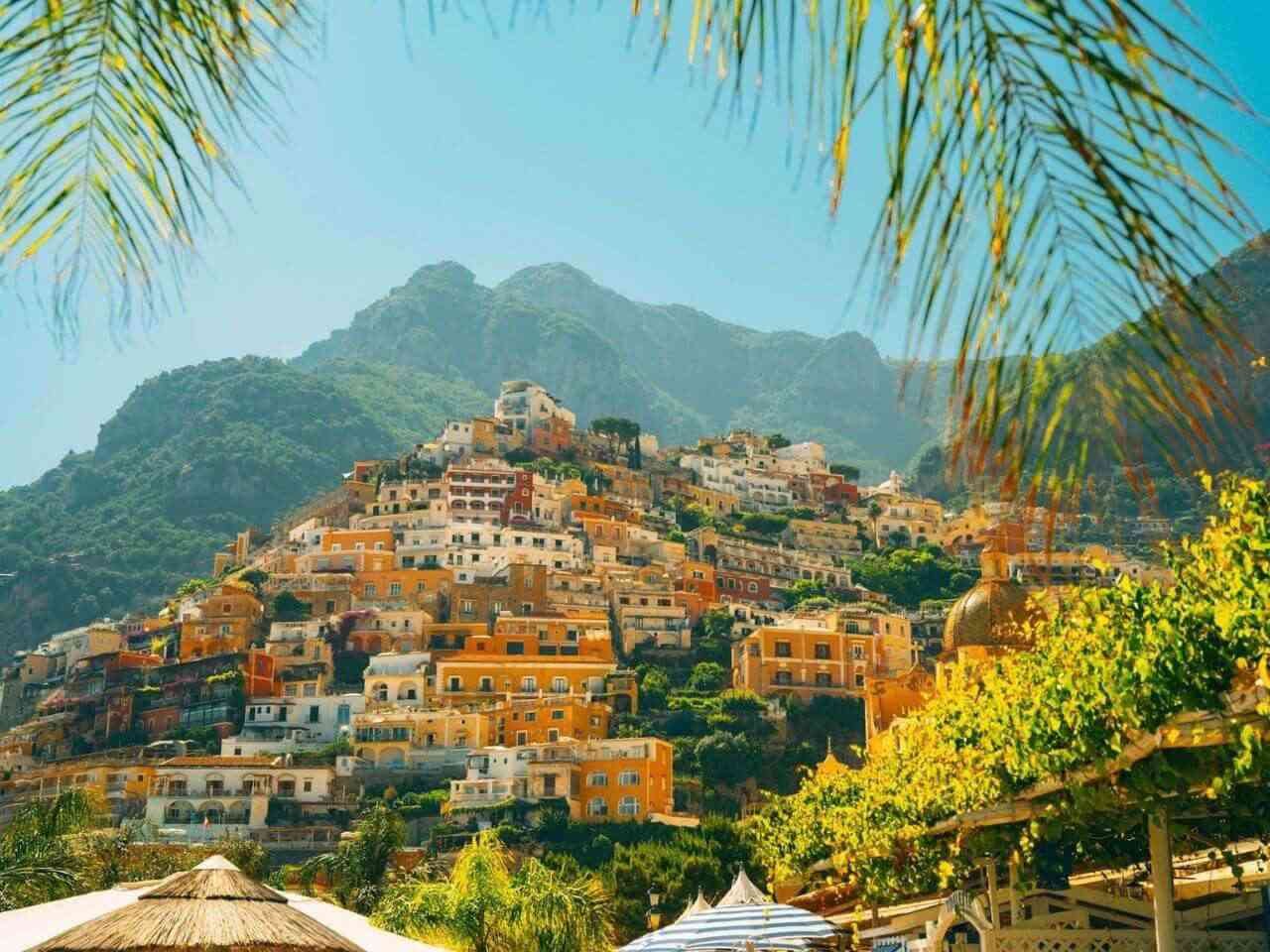
Positano’s stacked pastel houses cascading down to the sea are the image most people picture when they think of the “Amalfi Coast” — and the town delivers on that image more consistently than anywhere else on this coastline.
What Makes It Different
Unlike Amalfi or Ravello, Positano has almost no flat ground at all — the entire town is built on a near-vertical hillside, which is part of what makes it photogenic and part of what makes it genuinely tiring to navigate with luggage.
Things to Do
- Walk down to Spiaggia Grande, the main beach, for the classic Positano view
- Climb (or take a local bus up) to the elevated viewpoints above town for the postcard photo
- Browse the town’s boutiques, most concentrated along the main pedestrian route
- Take a boat trip along the coast from Positano’s small marina
Best For / Avoid If
- Best for: first-time visitors wanting the iconic experience, photographers, couples with a higher budget.
- Avoid if: you have mobility concerns, are traveling with heavy luggage, or want to avoid the coast’s highest prices — Positano is genuinely the most expensive and physically demanding base here.
Practical Details
Accommodation runs at a real premium relative to the rest of the coast, and the town’s steep layout means even a short walk to dinner can involve significant stairs. Many hotels offer luggage transport specifically because of this — worth asking about before you book.
Pro Tip
Book a hotel with a shuttle or confirm the walking distance and stair count from the main road before booking — Positano’s map distances are deceptive once elevation is factored in.
Amalfi — The Coast’s Most Practical Base
Why Visit
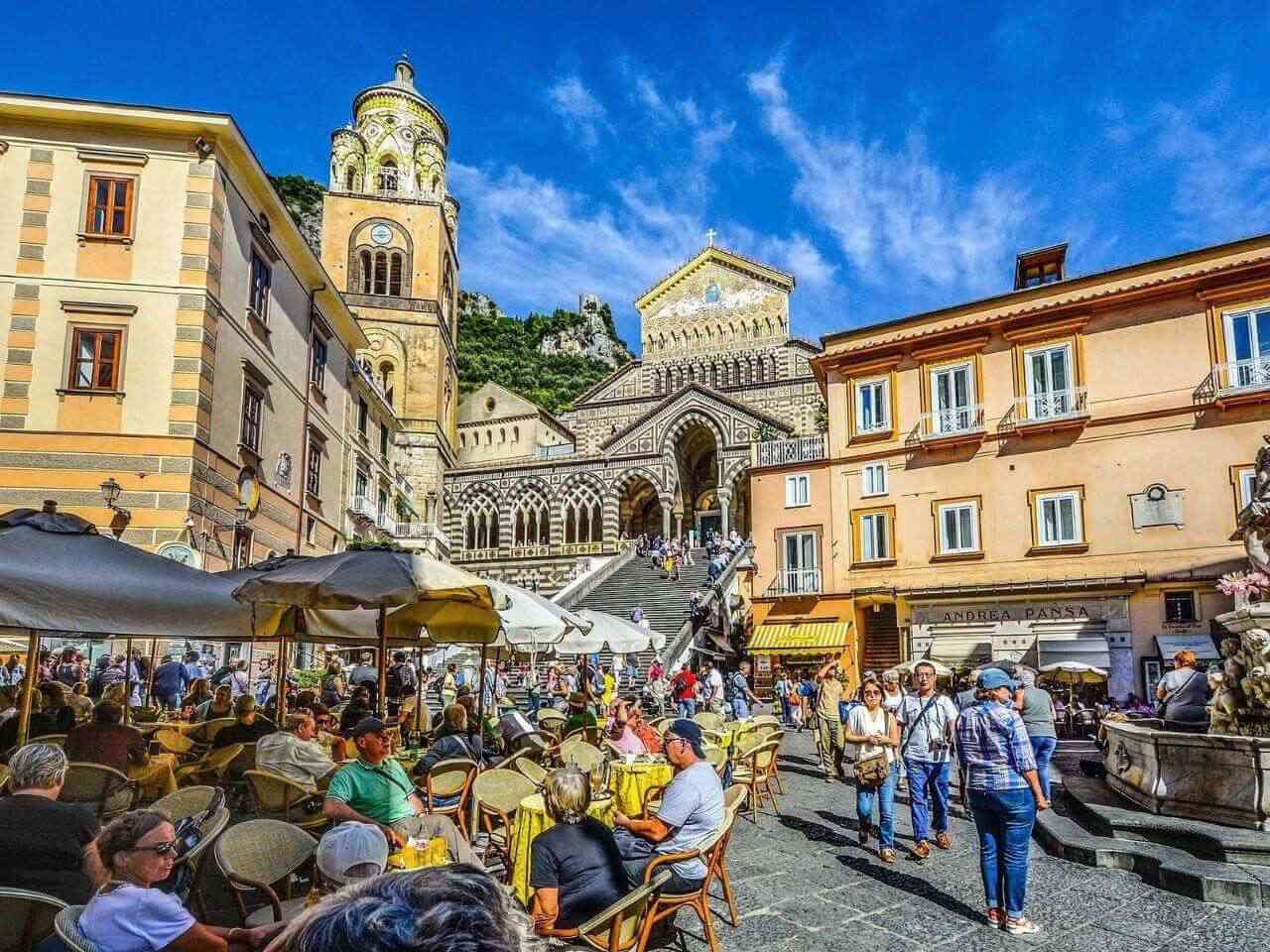
Amalfi town sits at the coast’s midpoint with the best combined ferry and bus connections of any town here, making it the most practical single base if you plan to day-trip to multiple other towns.
What Makes It Different
Amalfi is flatter and more centrally organized than Positano, built around a real town square (Piazza Duomo) rather than a single cascading hillside — it functions more like a genuine town than a vertical viewpoint.
Things to Do
- Visit the Amalfi Cathedral (Duomo di Sant’Andrea) in the main square
- Walk the town’s historic center, genuinely walkable compared to its neighbors
- Take a short ferry to Positano or Capri directly from Amalfi’s harbor
- Visit the Paper Museum (Museo della Carta), reflecting the town’s historic papermaking industry
Best For / Avoid If
- Best for: travelers wanting central logistics, first-time visitors who want a single flexible base, budget-conscious travelers relative to Positano.
- Avoid if: you specifically want the most dramatic cliffside scenery — Amalfi’s setting is attractive but less vertically dramatic than Positano’s.
Practical Details
Amalfi’s harbor is the coast’s main ferry hub, which makes it the easiest town to reach and depart from without a car.
Pro Tip
Base in Amalfi if you can’t decide between towns — its central position and transport links make same-day trips to Positano, Ravello, or Praiano genuinely easy, which isn’t true from every town on this coast.
Ravello — Quiet Luxury Above the Coastline
Why Visit
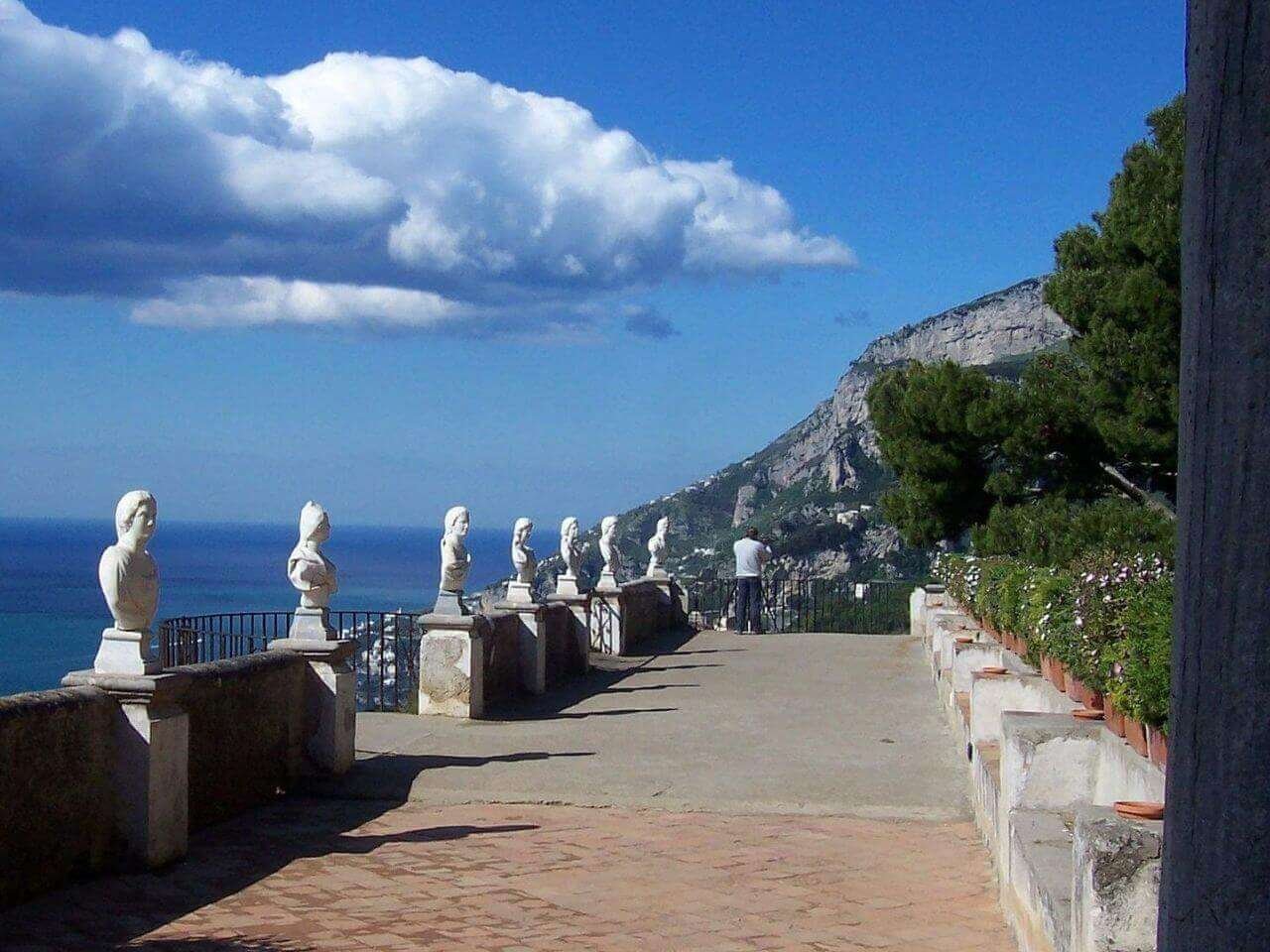
Ravello sits several hundred meters above the coast rather than directly on it, trading beach access for the calmest atmosphere and arguably the best panoramic views on the entire Amalfi Coast.
What Makes It Different
Unlike every other major town on this list, Ravello has no direct beach access at all — its appeal is entirely about elevation, gardens, and views rather than coastal proximity.
Things to Do
- Visit Villa Cimbrone’s “Terrace of Infinity” for the coast’s most famous panoramic view
- Explore Villa Rufolo’s gardens, also a venue for the Ravello Festival’s summer concerts
- Walk the town’s quiet streets, genuinely calmer than any coastal town below
Best For / Avoid If
- Best for: couples wanting a quiet, view-focused stay, travelers uninterested in beach time, classical music enthusiasts (Ravello Festival, summer).
- Avoid if: beach access matters to your trip — you’ll need to travel down to the coast for any swimming.
Practical Details
Reaching Ravello means a bus or taxi up from Amalfi — there’s no direct ferry access given its elevated position.
Pro Tip
Visit Ravello as a half-day trip from Amalfi even if you’re not staying overnight — the Terrace of Infinity view is worth the bus ride up regardless of your base town.
Praiano, Minori, and Maiori — The Coast’s Better-Value Bases
Why Visit
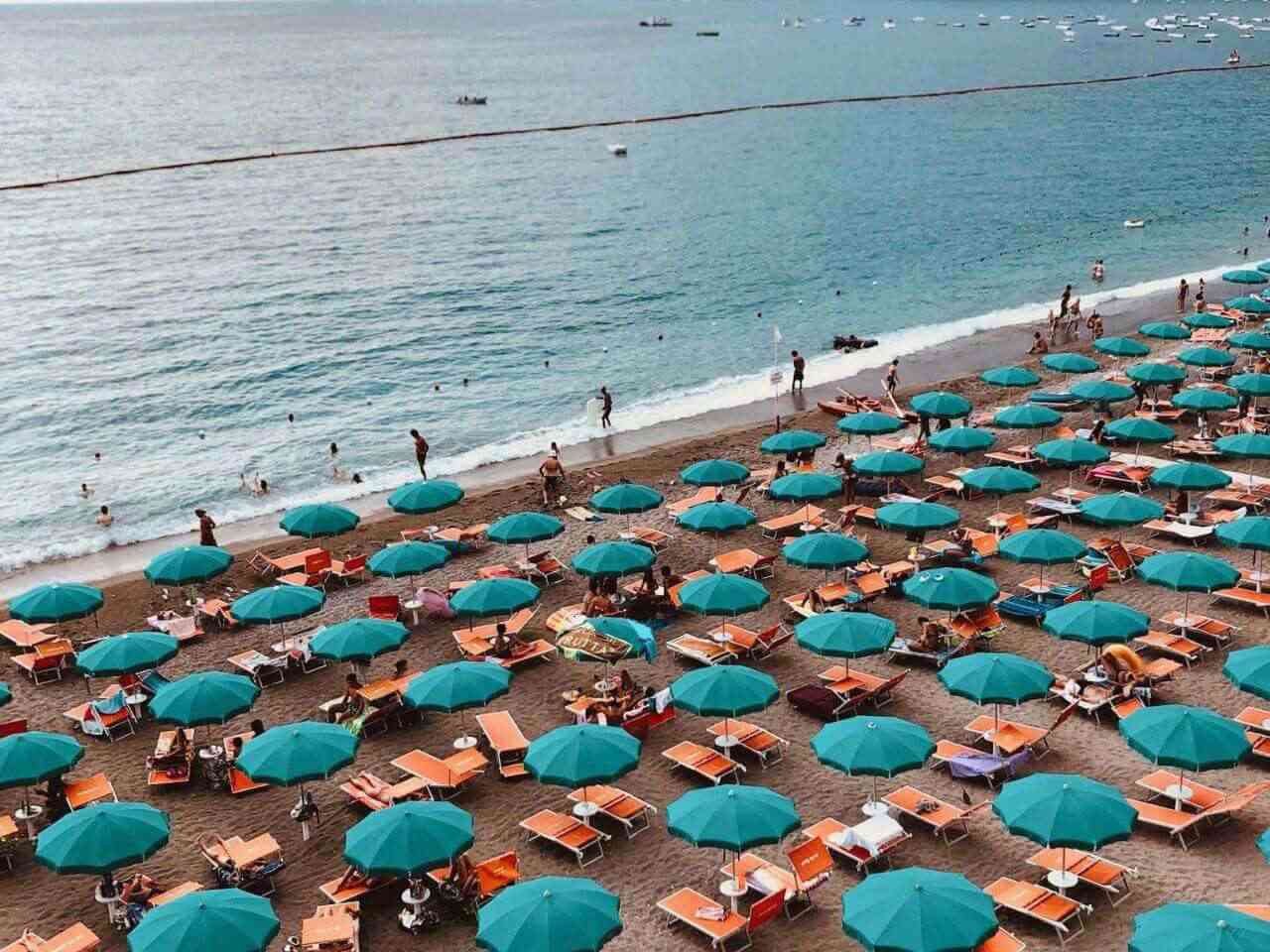
These three towns sit between the famous names and deliver real coastline access at meaningfully lower prices — Praiano for views without Positano’s crowds, Minori and Maiori for the coast’s flattest, most walkable streets.
What Makes Them Different
Minori and Maiori are genuinely flat by Amalfi Coast standards — a real practical advantage for travelers who want the coastline experience without the stairs that define Positano and much of Amalfi.
Things to Do
- Swim at Maiori’s beach, the longest continuous stretch of sand on the coast
- Walk Minori’s promenade, a relaxed, less touristed alternative to Amalfi’s
- Watch sunset from Praiano, which many locals consider the coast’s best sunset viewpoint
Best For / Avoid If
- Best for: families, budget-conscious travelers, anyone prioritizing value over the most famous address.
- Avoid if: you want to be walking distance from the coast’s best-known restaurants and boutiques — these towns require a short bus or ferry ride to reach Amalfi or Positano’s main draws.
Practical Details
All three connect to Amalfi and Positano by the same SITA bus route and, in season, by ferry — the trade-off is a short commute in exchange for lower nightly rates.
Pro Tip
If flat, walkable streets matter to your trip (older travelers, families with strollers), Minori or Maiori solve a real problem that no other town on this coast does as well.
Sorrento — The Practical Gateway Base
Why Visit
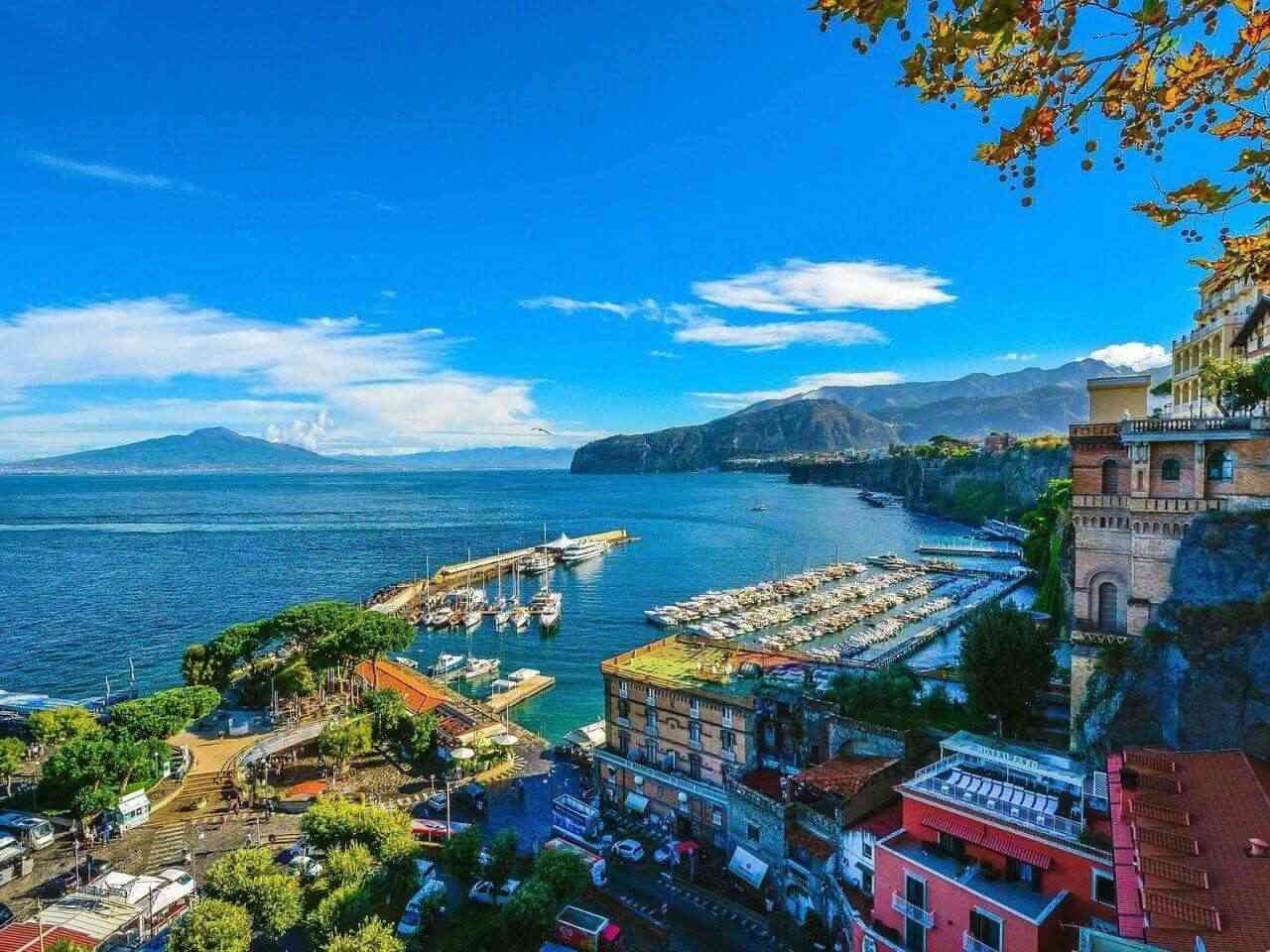
Sorrento sits just outside the Amalfi Coast proper, on the other side of the Sorrentine Peninsula, but it’s genuinely the easiest base for travelers connecting to Naples, Rome, or a wider Italy trip — better transport links than any town actually on the coastal road.
What Makes It Different
Unlike Positano, Amalfi, or Ravello, Sorrento isn’t built into the dramatic cliffside scenery that defines the Amalfi Coast itself — it trades that iconic setting for flatter streets, a direct train line to Naples, and easier logistics overall.
Things to Do
- Walk Corso Italia, Sorrento’s main pedestrian shopping street
- Visit the clifftop gardens at Villa Comunale for views over the Bay of Naples
- Take a day trip to Capri or Positano by ferry directly from Sorrento’s marina
- Explore the small Marina Grande fishing village below the main town
Best For / Avoid If
- Best for: travelers wanting the easiest transport connections, day-trippers planning to see the coast without changing hotels each night, first-time visitors combining Naples/Pompeii with the coast.
- Avoid if: you want to be directly on the dramatic coastal stretch itself — Sorrento’s appeal is convenience, not the cliffside scenery that draws most people to this region.
Practical Details
Sorrento has a direct Circumvesuviana train connection to Naples, making it the simplest arrival and departure point of any town in this guide. Ferries from Sorrento’s marina reach Capri, Positano, and Amalfi directly in season, and it’s the most walkable, flattest town on this list.
Pro Tip
Base in Sorrento if your priority is minimizing travel stress over maximizing coastal views — you’ll trade Positano’s postcard setting for a town that’s genuinely easier to arrive at, leave from, and day-trip out of.
Day Trips From the Amalfi Coast
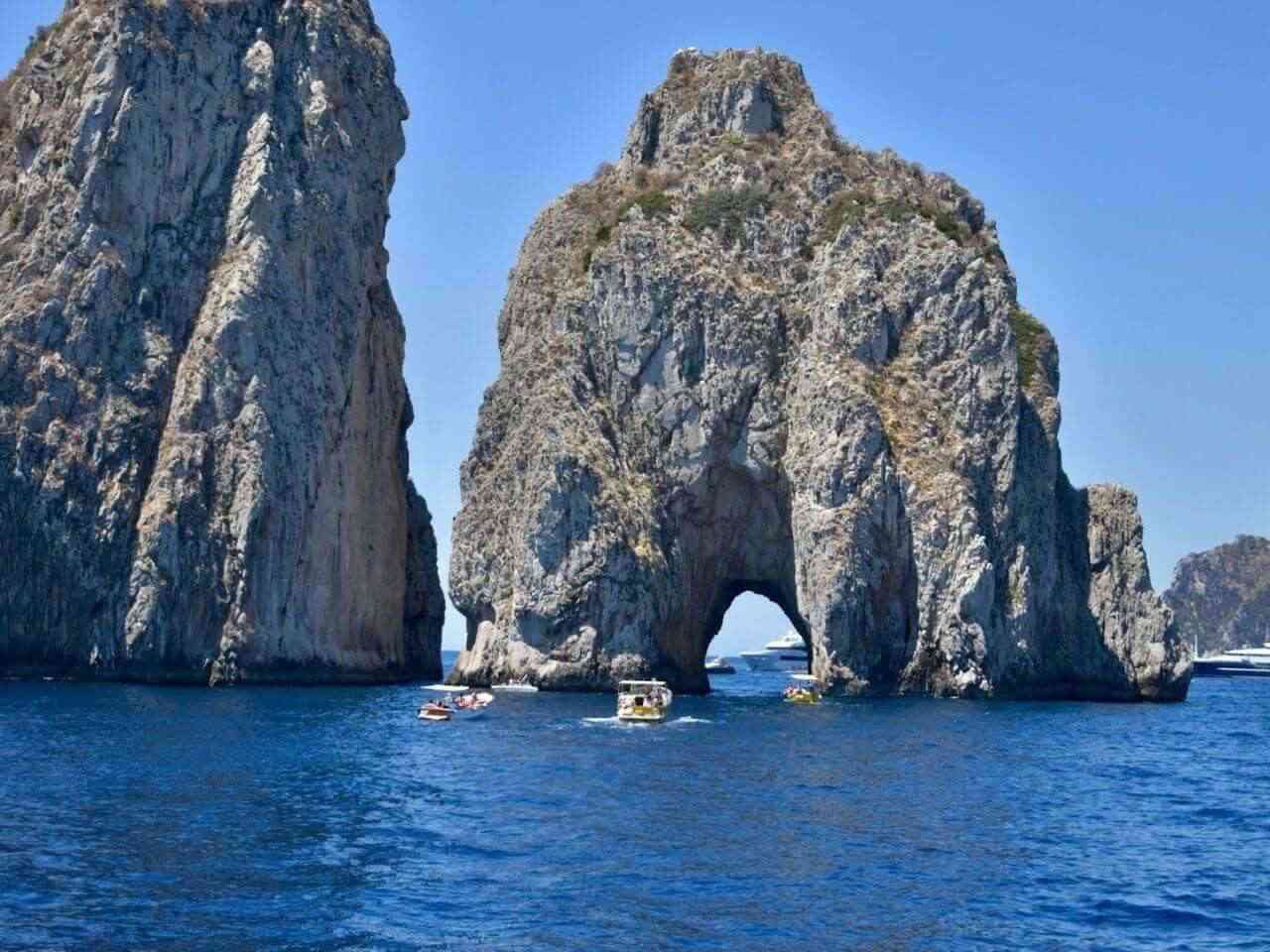
Capri is the coast’s most popular day trip — reachable by ferry from Amalfi, Positano, or Sorrento, known for the Blue Grotto sea cave and its own upscale town center. Book ferry tickets ahead in peak season; crossings sell out.
The Path of the Gods (Sentiero degli Dei) is a hiking trail along the cliffs above the coast, connecting Bomerano to Nocelle (above Positano) — a genuinely different way to see the coastline, on foot rather than by boat or road.
Pompeii and Mount Vesuvius sit close enough to the coast (via Naples) to combine with an Amalfi Coast trip, particularly if flying into or out of Naples.
Planning takeaway: Capri works as a single focused day trip; don’t try to combine it with another major stop on the same day given ferry schedules and crossing times.
Amalfi Coast Food Guide

What to eat: Scialatielli ai frutti di mare (a coast-specific pasta with seafood), fresh anchovies (particularly from Cetara), mozzarella di bufala, and lemon-based dishes and desserts — the coast’s terraced lemon groves are a genuine regional specialty, not a tourist gimmick.
What to drink: Limoncello, made from the region’s Sfusato Amalfitano lemons, and local white wines that pair well with the coast’s seafood-heavy menus.
Where to eat well: Restaurants directly on a town’s main square or waterfront carry premium pricing for the view — walking a few streets back typically delivers comparable or better food at a lower cost, the same pattern that holds across most of Italy’s famous viewpoints.
Planning takeaway: budget for at least one view-priced meal as part of the experience, but don’t expect every meal to need that premium — the better trattorias are rarely the ones directly on the water.
How Many Days Do You Need?
2–3 days covers one or two towns properly — realistic for a coastal add-on to a wider Italy trip, though it means picking either Positano or Amalfi rather than seeing both in depth.
4–5 days allows a comfortable pace across Positano, Amalfi, and Ravello, plus a day trip to Capri or a Path of the Gods hike, without feeling rushed.
6+ days is worth considering only if you’re also using the coast as a base for wider exploration (Naples, Pompeii, Capri, Sorrento) rather than the coastline alone.
Planning takeaway: 4 days is the realistic minimum to see this coast properly rather than rushing between towns — fewer than that means picking one town and accepting you won’t see the others in depth.
FAQs
1. Which Amalfi Coast town should I stay in?
Amalfi for the most practical, central base; Positano for the most iconic experience if budget allows; Ravello for quiet views without beach access; Praiano, Minori, or Maiori for better value with real coastline access.
2. Do I need a car on the Amalfi Coast?
No, and for most visitors a car is a net negative — narrow roads, heavy traffic, and limited parking make ferries and SITA buses the more practical way to move between towns.
3. How many days do you need on the Amalfi Coast?
4 days is the realistic minimum to see Positano, Amalfi, and Ravello without rushing; 2–3 days works if you’re picking just one or two towns.
4. Is the Amalfi Coast expensive?
It’s one of Italy’s pricier regions overall, with Positano at the top of that range — Praiano, Minori, and Maiori offer meaningfully lower costs for the same coastline.
5. What’s the best time to visit the Amalfi Coast?
Late April–June and September–early October, for warm weather without July–August’s peak crowds, prices, and road congestion.
Helpful Planning Resources
- SITA Bus Official Timetables — Current schedules for coastal bus routes.
- Amalfi Coast Ferry Operators — Seasonal ferry timetables between towns.