
Choosing an Italian city comes down to matching what a place does best with the trip you actually have: your days, your budget level and what you want to do with them.
This guide compares ten cities on exactly those points. Each profile says who the city suits, who should skip it, how long to stay, what drives the cost and where to base yourself, so your shortlist builds itself.
The cities were chosen on four criteria: sights that justify a dedicated stay, ease of reaching and moving around without a car, a clear reason to pick it, and how well it pairs with other stops.
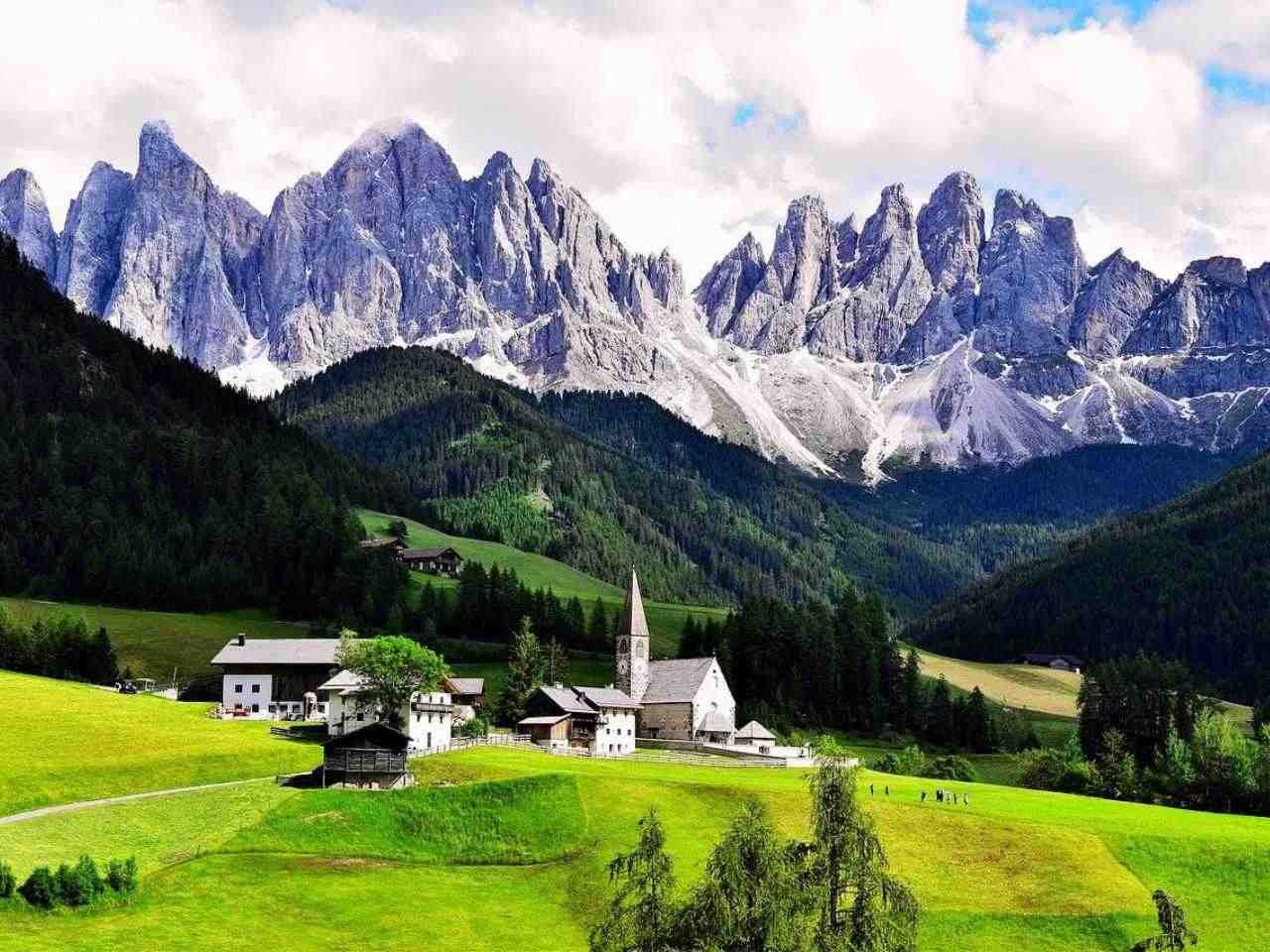
Coast, lake, mountain and countryside destinations have their own guides, linked in “Beyond the Cities” below.
What Are the Best Cities to Visit in Italy?
The best cities to visit in Italy are Rome, Florence, Venice, Milan, Naples, Bologna, Verona, Turin, Palermo and Matera. Rome, Florence and Venice suit a first visit, Bologna and Naples suit food lovers, and Verona and Turin suit calmer city breaks. Milan suits design and rail connections, while Palermo and Matera suit southern Italy trips with strong local character. Pick by travel style first, then check trip length and budget level below.
How to Choose the Right City
By trip length
- 3–5 days: one city, plus a day trip if time allows.
- 7–10 days: two or three cities.
- 10–14 days: three or four cities across different regions.
By travel style
- First visit: Rome, Florence, Venice
- Food: Bologna, Naples, Palermo
- Art and architecture: Florence, Rome, Turin
- Couples: Venice, Verona, Florence
- Calmer pace: Verona, Turin, Bologna
- Strong local character: Naples, Palermo, Matera
- Design, shopping and transit hub: Milan
By budget level (relative positioning, driven mainly by central accommodation prices)
- Higher: Venice
- Moderate–High: Rome, Florence, Milan
- Moderate: Bologna, Verona, Turin, Matera
- Better value: Naples, Palermo
Planning takeaway: every city change uses part of a day in transfers and check-ins, so a five-day first trip usually works better on one or two bases (for example Rome plus Florence, or Venice plus Verona) than on a long list.
Best Cities to Visit in Italy Compared at a Glance
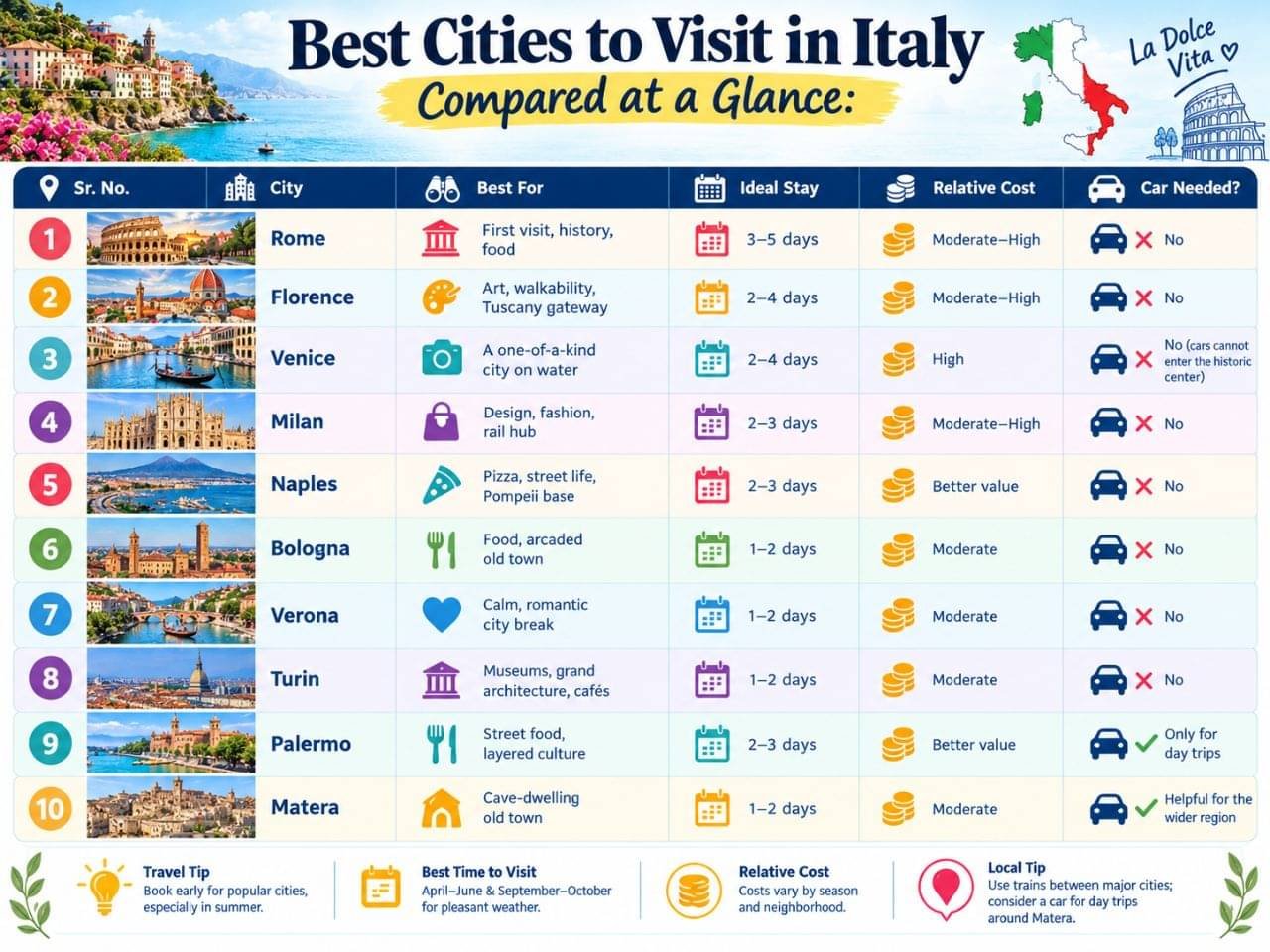
| Sr. No. | City | Best for | Ideal stay | Relative cost | Car needed? |
|---|---|---|---|---|---|
| 1 | Rome | First visit, history, food | 3–5 days | Moderate–High | No |
| 2 | Florence | Art, walkability, Tuscany gateway | 2–4 days | Moderate–High | No |
| 3 | Venice | A one-of-a-kind city on water | 2–4 days | High | No (cars cannot enter the historic center) |
| 4 | Milan | Design, fashion, rail hub | 2–3 days | Moderate–High | No |
| 5 | Naples | Pizza, street life, Pompeii base | 2–3 days | Better value | No |
| 6 | Bologna | Food, arcaded old town | 1–2 days | Moderate | No |
| 7 | Verona | Calm, romantic city break | 1–2 days | Moderate | No |
| 8 | Turin | Museums, grand architecture, cafés | 1–2 days | Moderate | No |
| 9 | Palermo | Street food, layered culture | 2–3 days | Better value | Only for day trips |
| 10 | Matera | Cave-dwelling old town | 1–2 days | Moderate | Helpful for the wider region |
Save the below infographic for your quick reference.
Italy Map: Where Are the Top Cities?
Open the map to judge distances between cities and to sequence your route before you book transport.
10 Best Cities to Visit in Italy
1. Rome: Ancient Sites, Vatican City and the Widest Range in One Place
Why Visit
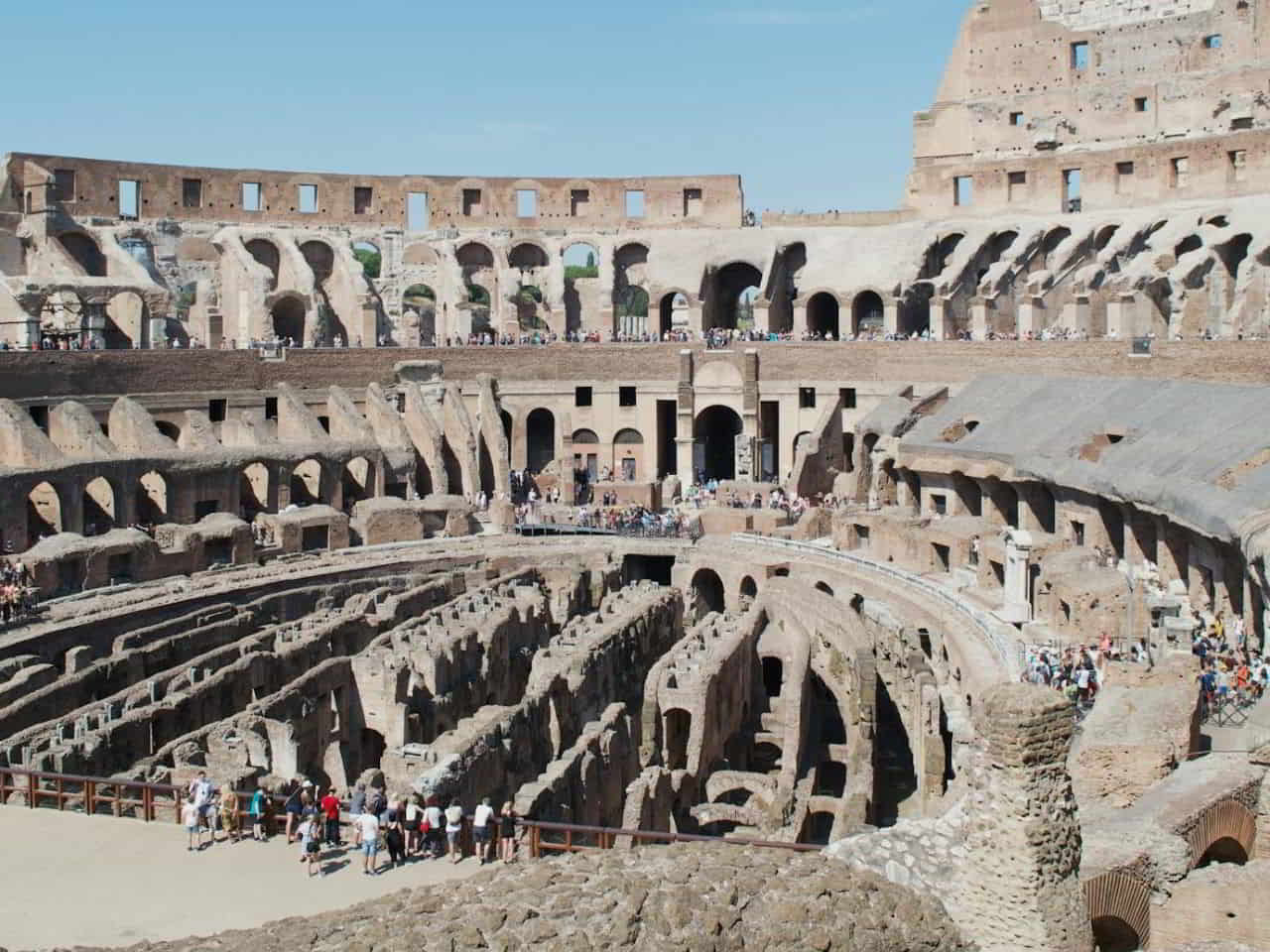
Rome puts the Colosseum and Roman Forum, Vatican City and a dense center of piazzas and trattorias within one central area linked by metro, bus and walking. A first-time visitor can cover Italy’s best-known sights without changing cities.
What Makes It Different
Ancient, Renaissance and Baroque landmarks sit within a few streets of each other, so one day’s route can cross two thousand years without a transfer.
Top Things to Do
- Combine the Colosseum, Roman Forum and Palatine Hill in one visit plan
- Visit St. Peter’s Basilica and, separately, the Vatican Museums and Sistine Chapel
- Walk the Pantheon, Trevi Fountain and Piazza Navona as a single loop
- Spend an evening in Trastevere
- Use the Appian Way or the Baths of Caracalla for a quieter half-day
What to Eat
Carbonara, cacio e pepe and thin Roman-style pizza, plus artichokes alla romana when they are in season.
Best For / Avoid If
- Best for: first-time visitors, history and food travelers, and trips built around rail.
- Avoid if: you want a quiet, slow-paced stay or dislike crowds and long walking days.
Practical Details
Fiumicino (FCO) is the main international airport, and Ciampino (CIA) also handles low-cost flights. Walking plus metro and bus covers most of the center. Driving is not worth it, given traffic, limited parking and restricted traffic zones (ZTL).
Ideal stay: 3–5 days. Base in the Historic Center for a first visit, Trastevere for evenings and restaurants, or Prati for a quieter stay near Vatican City. Day trips: Tivoli, Ostia Antica and Orvieto.
Budget Reality
Moderate–High among Italian cities, driven mainly by central hotel prices, which rise when booked late for busy periods. Staying slightly outside the Historic Center near a metro stop is the most effective saving.
Best Time to Visit
Spring and early autumn give the most comfortable walking weather. Peak summer heat makes long sightseeing days harder, so keep indoor sights for the middle of the day.
Pro Tip
Plan one major booked sight per half-day and group everything else by neighborhood. Rome’s center is larger than it looks, and crossing it repeatedly uses up the day.
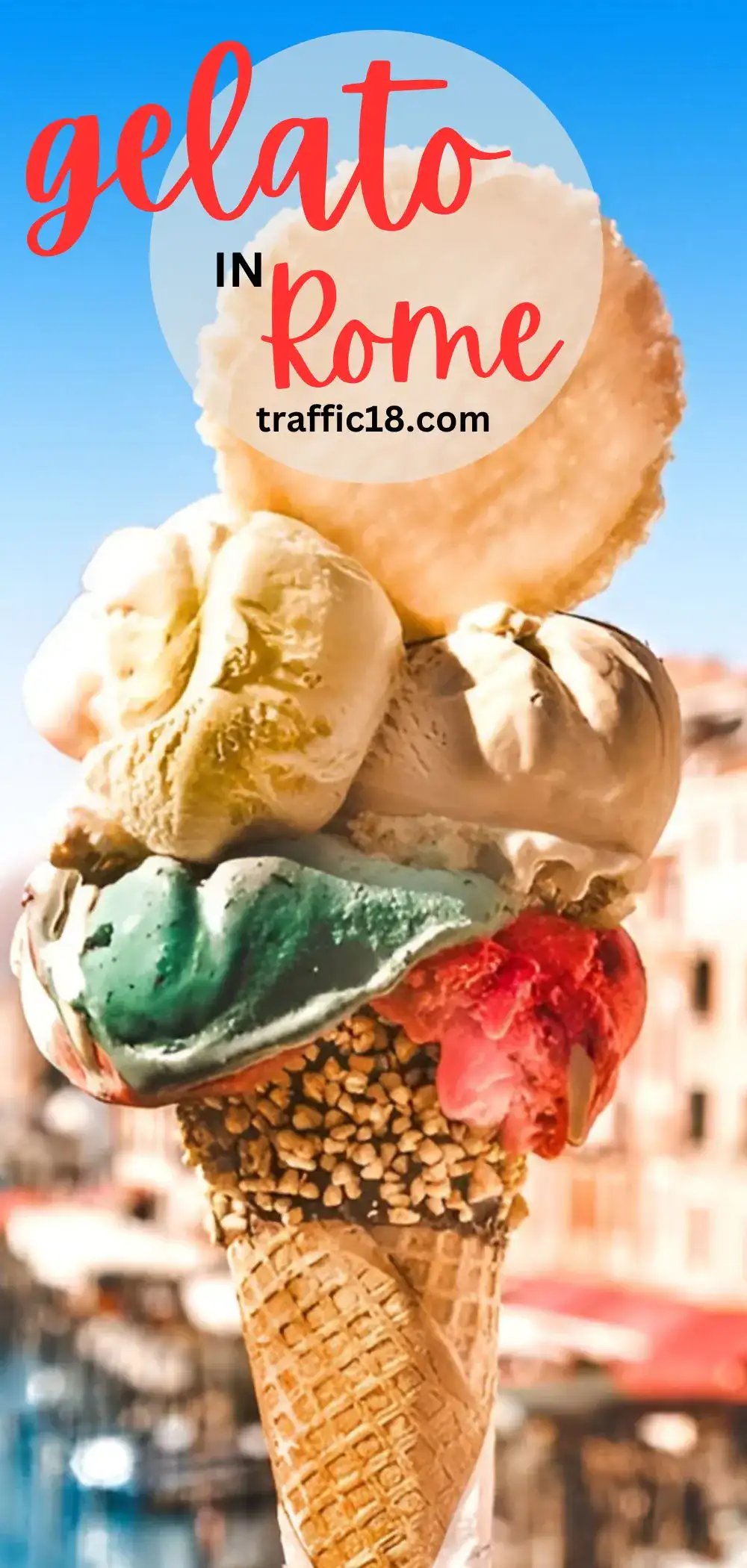
Visit these authentic gelaterias, they serve the Best Gelato in Rome!
2. Florence – The Heart of Renaissance Art & Culture
Why Visit
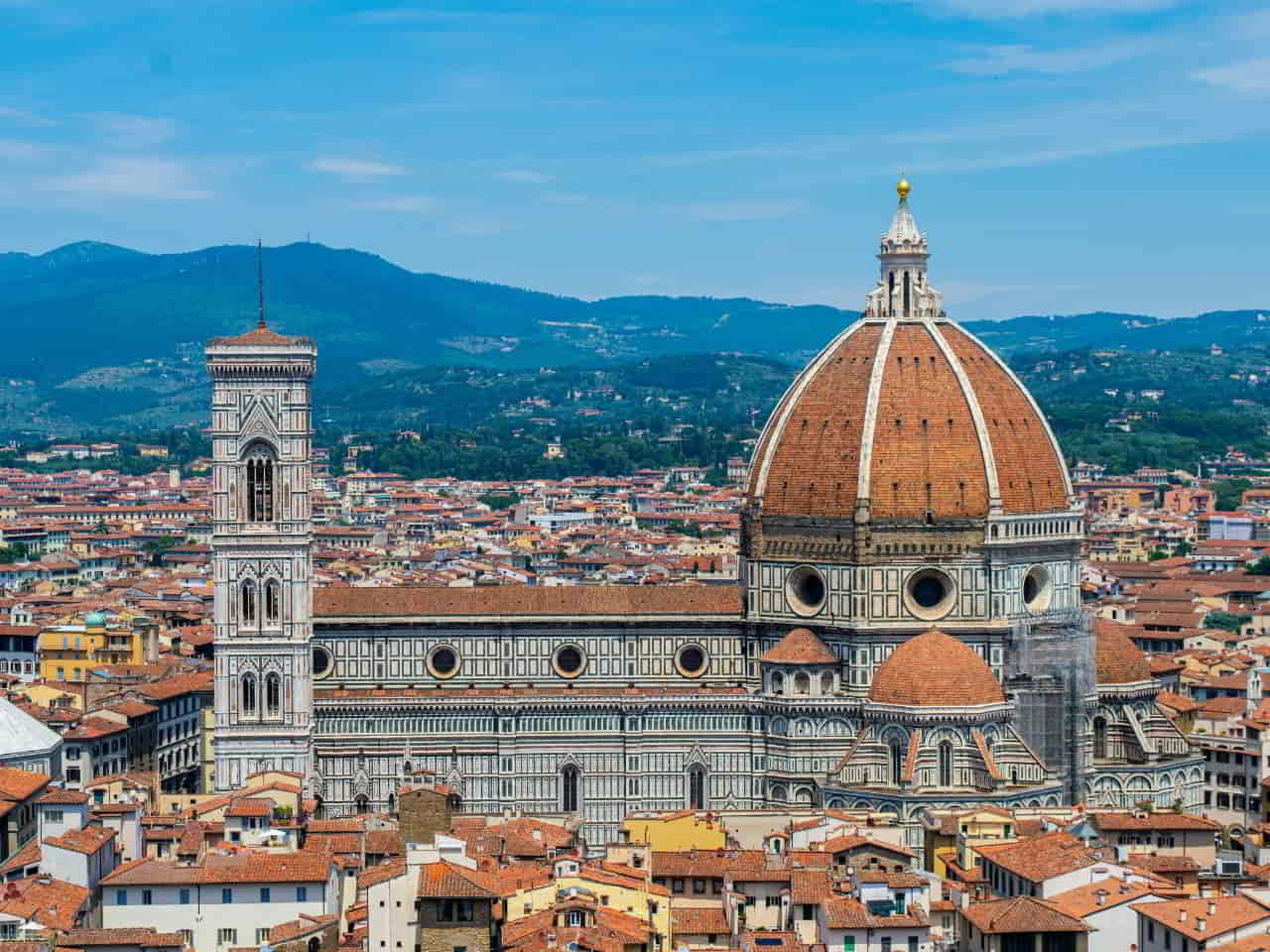
Florence concentrates Renaissance art and architecture in a historic center small enough to cross on foot, so most major sights need no transport at all.
What Makes It Different
Several major works remain in the churches and palazzi they were made for, alongside the large museum collections, so a sightseeing day often moves between original settings rather than between galleries.
Top Things to Do
- Visit the Duomo complex, including Brunelleschi’s Dome
- See the Uffizi Gallery and the Accademia, home of Michelangelo’s David
- Walk Ponte Vecchio and Piazza della Signoria
- Watch sunset from Piazzale Michelangelo
- Cross the Arno to the Oltrarno for artisan workshops and dinner
What to Eat
Bistecca alla fiorentina, lampredotto (a traditional street-food sandwich) and ribollita, the Tuscan bread and vegetable soup.
Best For / Avoid If
- Best for: art and architecture travelers, anyone who wants a walkable base, and trips that pair a city stay with Tuscany.
- Avoid if: you want beaches, nightlife or fast-paced big-city energy.
Practical Details
Florence Airport (FLR) is closest, with Pisa (PSA) as the wider-choice alternative. Santa Maria Novella station sits within walking distance of the center. The historic center is walkable end to end, and driving runs into ZTL restrictions and scarce parking.
Ideal stay: 2–4 days. Base in the Historic Center for a first visit, Santa Croce for a balanced location, or the Oltrarno for a more local feel. Day trips: Pisa, Siena and Lucca.
Budget Reality
Moderate–High, with the highest prices closest to the Duomo. Santa Croce and the Oltrarno usually offer better value for a short walk.
Best Time to Visit
Spring and early autumn for comfortable walking and lighter queues. The compact center holds summer heat, so plan museums for the hottest hours.
Pro Tip
Check the official museum and Duomo pages for which sights need advance or timed tickets, book those first, and leave the rest of each day flexible.
3. Venice – A Car-Free City Built Around Water
Why Visit
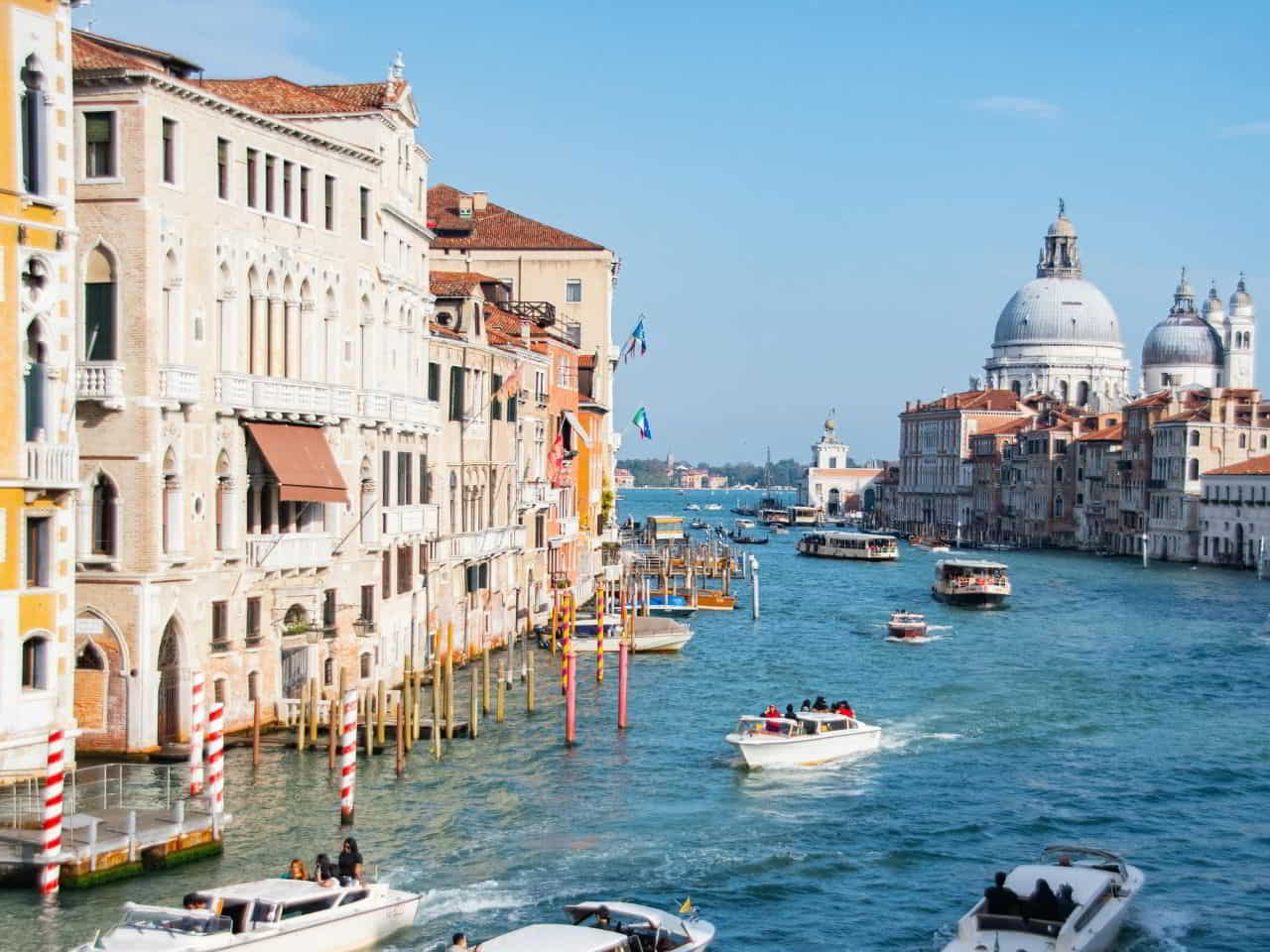
Venice is a car-free city built across canals, so moving on foot and by vaporetto (water bus) is the experience itself. No other Italian city works the same way.
What Makes It Different
Boats replace buses and narrow lanes replace roads, and a short walk away from the St. Mark’s area leads to quiet residential streets and small neighborhood squares.
Top Things to Do
- Ride the Grand Canal by vaporetto
- Visit St. Mark’s Basilica and the Doge’s Palace
- Explore the Rialto market area
- Wander Cannaregio and Dorsoduro without a fixed route
- Take a water bus to Murano and Burano
What to Eat
Cicchetti (small plates) in a local bar, sarde in saor, baccalà mantecato and risotto al nero di seppia.
Best For / Avoid If
- Best for: couples, photographers and travelers who want one distinctly different city.
- Avoid if: you are on a tight budget or have little tolerance for crowds around St. Mark’s and the main bridges.
Practical Details
Venice Marco Polo (VCE) is the main airport, with Treviso (TSF) serving some low-cost flights. Trains arrive at Santa Lucia station, directly on the Grand Canal. Cars stop at Piazzale Roma or Tronchetto, so luggage means bridges and steps; pack light.
Ideal stay: 2–4 days. Base in Dorsoduro for a relaxed feel, Cannaregio for local character and better value, or San Marco for central access at the busiest end. Day trips: Murano, Burano and Verona. Venice may apply an access fee for some day visitors (Day-Tripper Tax), so check the City of Venice’s official tourism site for current rules before you travel.
Budget Reality
The highest relative cost in this guide, driven by central lodging. Staying on the mainland side and taking the train in is the largest saving, at the cost of evenings in the historic center.
Best Time to Visit
Spring and early autumn for walkable weather and manageable crowds. Late autumn and winter are quieter but can bring high-water episodes, so check local forecasts.
Pro Tip
Stay at least one night. The streets empty noticeably after day visitors leave, and evening and early morning are when the city feels most distinct.
4. Milan – Design, Fashion and Italy’s Strongest Rail Hub
Why Visit
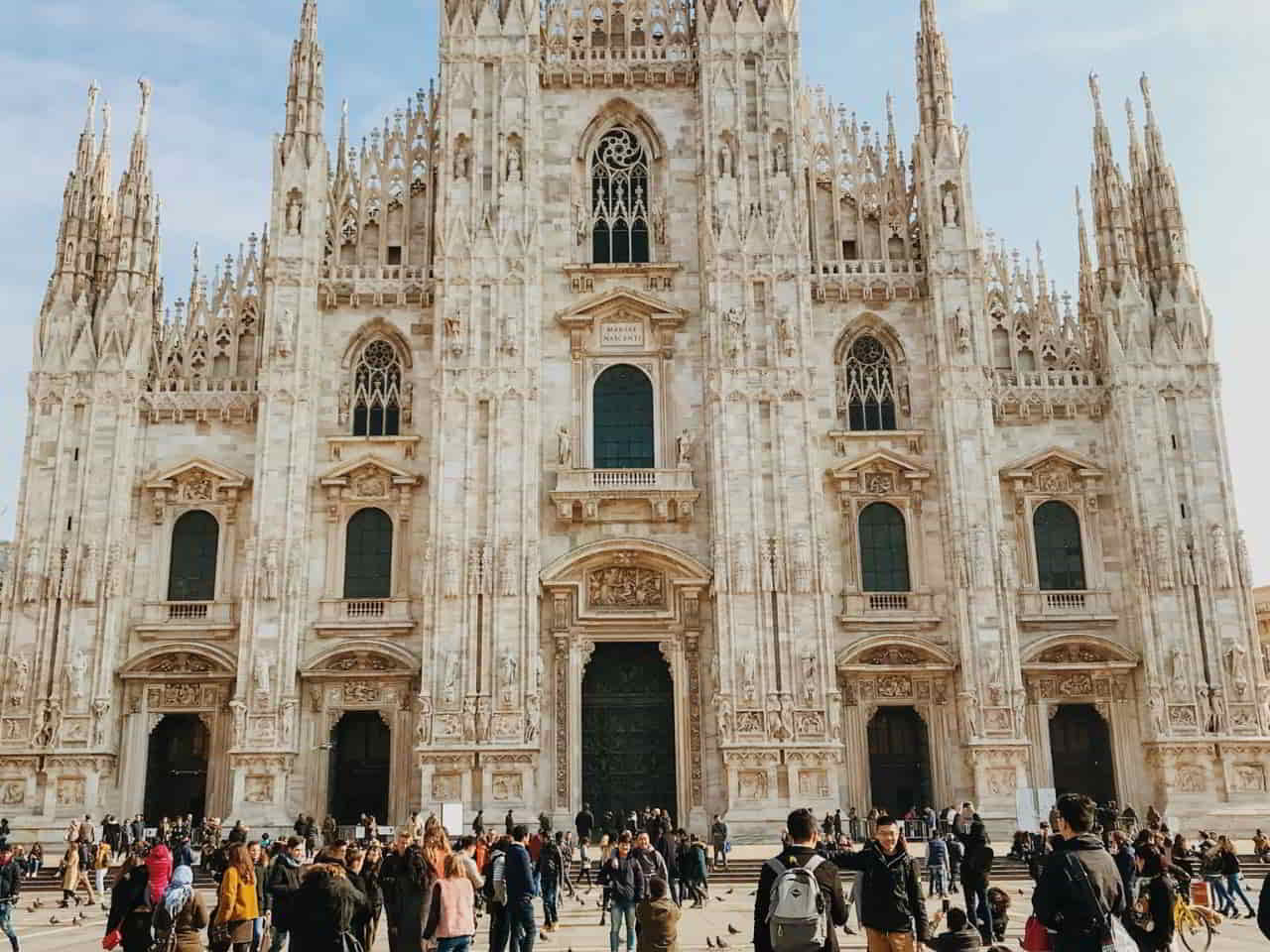
Milan is a modern, design-led city with Italy’s strongest rail connections, which makes it work both as a city break and as a gateway to the lakes and northern cities.
What Makes It Different
Historic landmarks sit alongside design, fashion and finance districts, so one day can include a cathedral rooftop, a Leonardo painting and an aperitivo in a canal-side neighborhood.
Top Things to Do
- Visit the Duomo and its rooftop terraces
- See Leonardo da Vinci’s The Last Supper at Santa Maria delle Grazie
- Walk through the Galleria Vittorio Emanuele II
- Spend a slower afternoon at Sforza Castle and Parco Sempione
- Spend evenings in Brera or the Navigli for aperitivo
What to Eat
Risotto alla milanese, cotoletta alla milanese, ossobuco and, in the festive season, panettone.
Best For / Avoid If
- Best for: design and fashion travelers, rail-based itineraries and anyone who values evenings out.
- Avoid if: medieval or Renaissance streetscapes are the main thing you want from an Italian city.
Practical Details
Malpensa (MXP) is the main international airport, with Linate (LIN) and Bergamo (BGY) handling other European and low-cost flights. Milano Centrale is the main rail hub, and the metro and trams cover most of the city. Driving into the center means a congestion-charge zone and expensive parking. Ideal stay: 2–3 days. Base in the Centro Storico for a first visit, Brera for a stylish, walkable area, or the Navigli for nightlife. Day trips: Lake Como, Bergamo and Lake Maggiore.
Budget Reality
Moderate–High, and higher if shopping or luxury hotels are part of the plan. Rooms near a metro line outside the Duomo area usually cost less.
Best Time to Visit
Spring and autumn for comfortable city walking. Summer heat is strongest in the city itself, so lake day trips make a useful release valve.
Pro Tip
Book The Last Supper first, through the official channel. Visits are limited to small groups and tickets go well ahead, so build the rest of the itinerary around that slot.
5. Naples – Pizza, Street Life and the Best Base for Pompeii
Why Visit
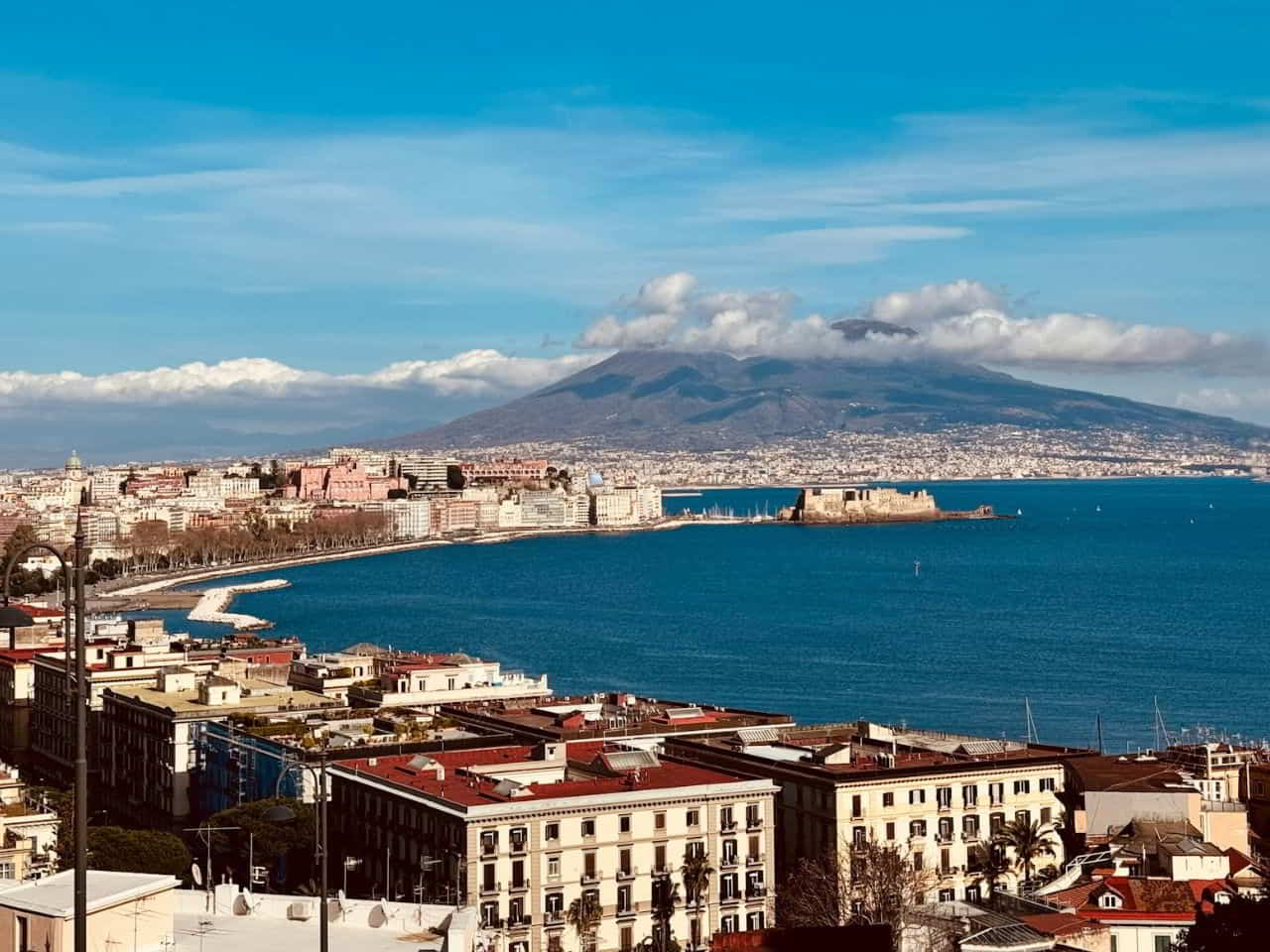
Naples combines a UNESCO-listed historic center, a major archaeological museum and the birthplace of pizza with direct access to Pompeii, Herculaneum, Capri and the Amalfi Coast.
What Makes It Different
Daily life happens in the open here: markets, scooters, espresso bars and neighborhood churches share the same narrow streets, so the city feels lived in rather than curated.
Top Things to Do
- Walk the historic center along Spaccanapoli
- Visit the National Archaeological Museum, which holds major finds from Pompeii and Herculaneum
- Go underground with a Napoli Sotterranea tour
- Walk the Lungomare to Castel dell’Ovo
- Browse the markets around Via Toledo and Pignasecca
What to Eat
Pizza napoletana, sfogliatella, babà al rum and fried street food served in a paper cone (cuoppo).
Best For / Avoid If
- Best for: food lovers, travelers who want real street life and anyone using one base for several day trips.
- Avoid if: you want a quiet, orderly city with polished streets.
Practical Details
Naples International Airport (NAP) is a short ride from the center, and Napoli Centrale has fast links to Rome and regional lines toward Pompeii, Sorrento and the coast. The historic center is walkable, though some streets are steep and busy. Driving is hard work because of traffic and parking.
Ideal stay: 2–3 days. Base in the Historic Center for culture, Chiaia for an upscale waterfront area, or Vomero for views and quiet. Day trips: Pompeii, Herculaneum, Capri and Mount Vesuvius. For the coast, see our Amalfi Coast travel guide.
Budget Reality
Better value than most major Italian cities, especially for food. Lodging costs rise in the waterfront areas.
Best Time to Visit
Spring and autumn for comfortable walking and day trips. Summer is hot, and archaeological sites offer little shade.
Pro Tip
Base here for several days rather than moving hotels, and visit popular pizzerias just before or after the main meal rush to shorten waits. In crowded areas, keep phones and wallets zipped away.
6. Bologna – Italy’s Food City With a Walkable Old Town
Why Visit
Bologna pairs one of Italy’s strongest food cultures with an arcaded medieval center, a large university population and rail links that make day trips easy.
What Makes It Different
Miles of porticoes (covered walkways, listed by UNESCO) let you walk the old town in any weather, and the city is organized around markets, trattorias and student life rather than one headline monument.
Top Things to Do
- Climb the Asinelli Tower for rooftop views
- Spend time in Piazza Maggiore and the Basilica of San Petronio
- Shop and snack in the Quadrilatero market streets
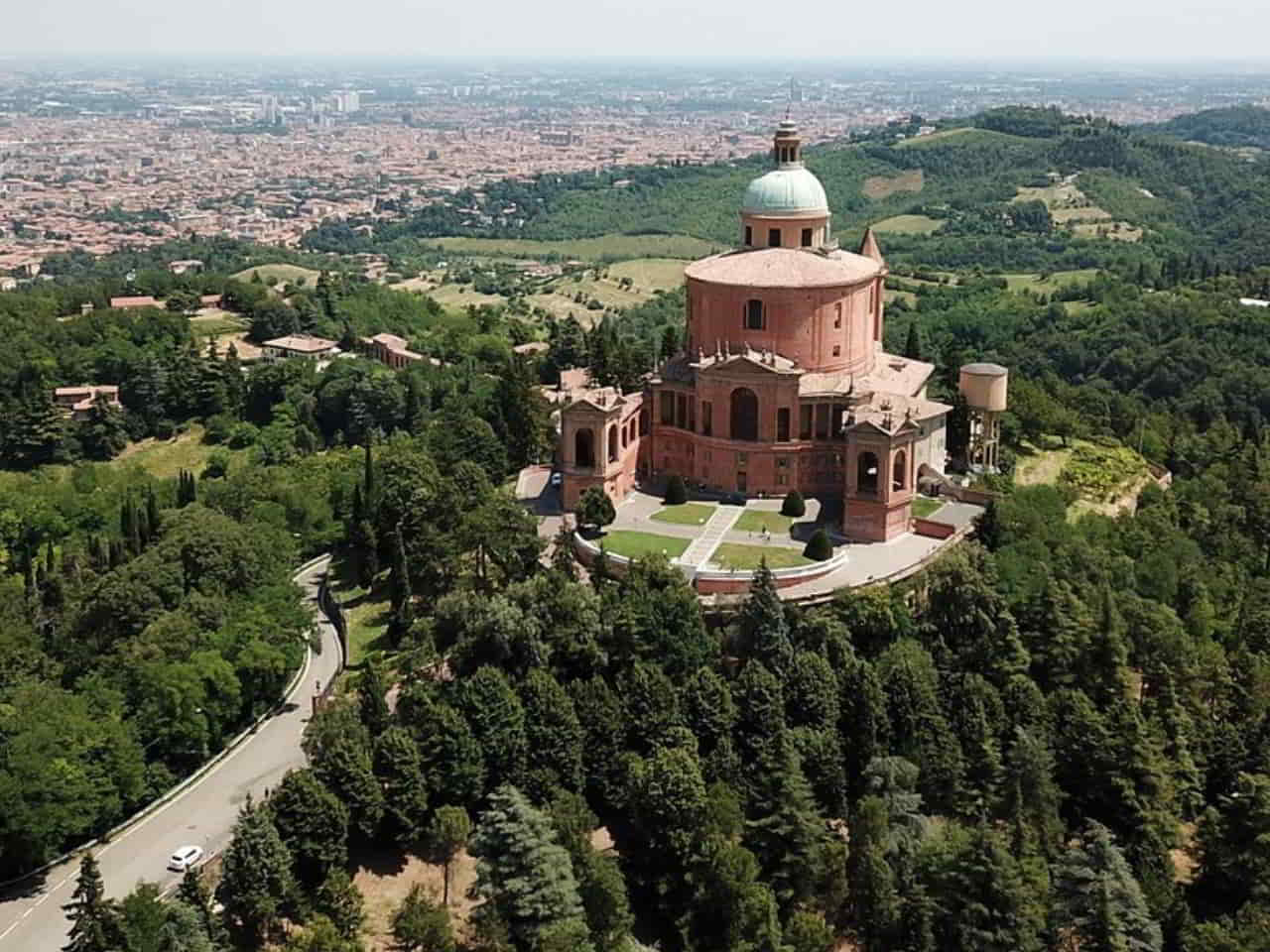
- Walk the long portico up to the Sanctuary of the Madonna di San Luca
- Visit the Archiginnasio and its Anatomical Theatre
What to Eat
Tagliatelle al ragù, tortellini in brodo, lasagne and mortadella. Spaghetti with ragù is not the local way; fresh tagliatelle is.
Best For / Avoid If
- Best for: food-focused travelers and anyone who wants a lived-in city without large crowds.
- Avoid if: your priority is famous landmarks or dramatic scenery.
Practical Details
Bologna Guglielmo Marconi Airport (BLQ) is close to the center. The main station is a major high-speed rail hub, which is the reason to use Bologna as a base for northern and central Italy. The historic center is compact and walkable, and driving runs into ZTL restrictions.
Ideal stay: 1–2 days. Base in the Historic Center for a first visit, near the University for a lively feel, or around Santo Stefano for a quieter stay. Day trips: Modena, Parma, Ravenna and Ferrara.
Budget Reality
Moderate, with the main cost being restaurants rather than lodging. Lunch menus and market snacks keep daily spending in check.
Best Time to Visit
Spring and autumn, when walking and long meals are most comfortable. The porticoes provide shade in summer and shelter in rain.
Pro Tip
Reserve popular trattorias ahead, especially for weekends. The best-known places fill early.
7. Verona – A Calm, Romantic City Break
Why Visit
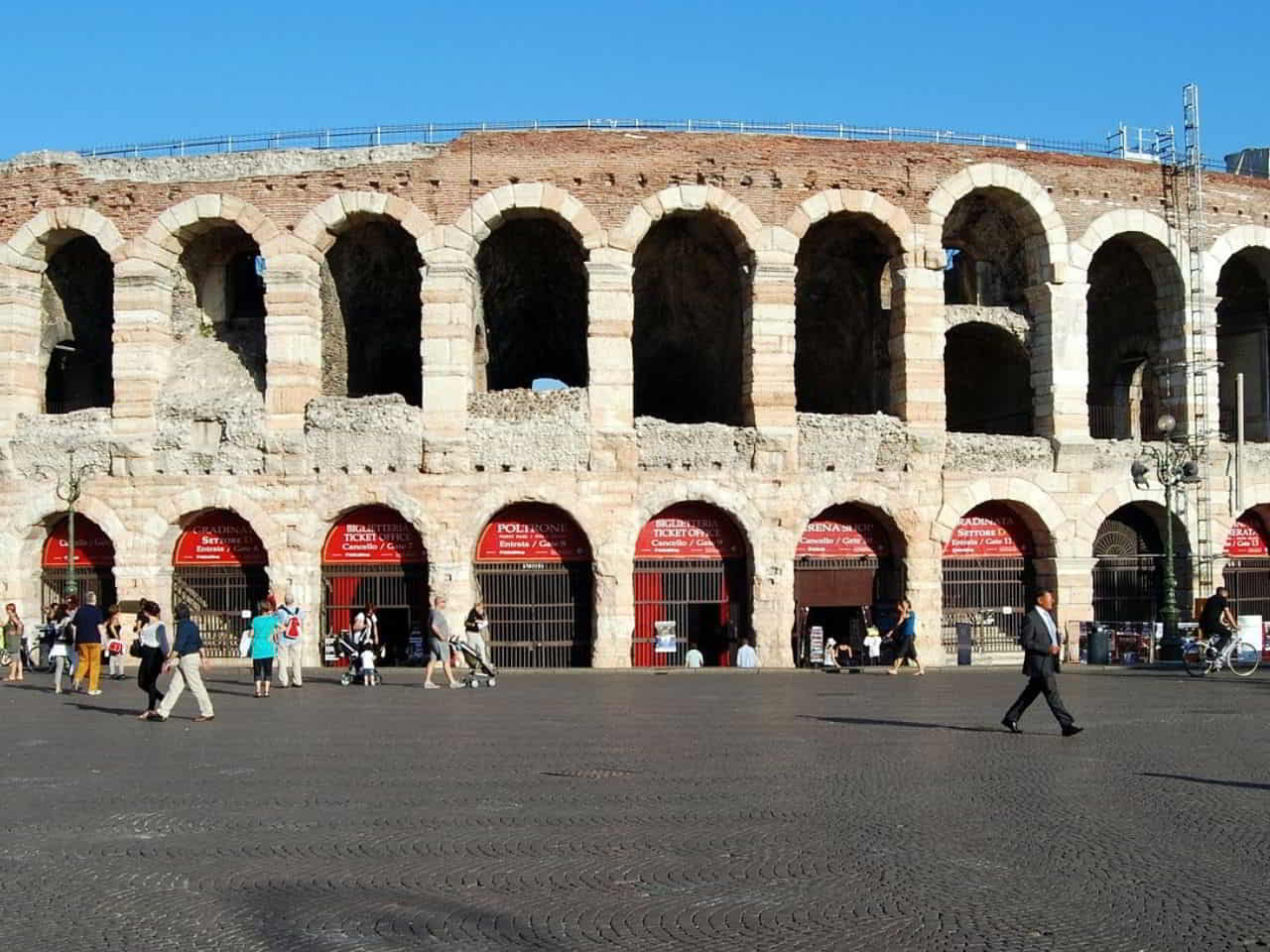
Verona offers a Roman amphitheater, medieval bridges and lively piazzas inside a compact center, which makes it a rewarding short stop between Milan, Venice and Bologna.
What Makes It Different
Roman, medieval and Renaissance layers sit within a short walk of each other, and the pace is slower than in Italy’s larger tourist cities.
Top Things to Do
- Visit the Arena, one of the best-preserved Roman amphitheaters
- Walk Piazza delle Erbe and the surrounding market streets
- See Juliet’s House and its courtyard
- Cross Ponte Pietra and climb to Castel San Pietro for the city view
- Tour Castelvecchio and its museum
What to Eat
Risotto all’Amarone, bigoli pasta, pastissada de caval (a slow-cooked meat stew) and wines from the nearby Valpolicella area.
Best For / Avoid If
- Best for: couples, slow travelers and anyone who wants a romantic setting without a packed itinerary.
- Avoid if: you want big-city energy or a full multi-day sightseeing schedule.
Practical Details
Verona Villafranca Airport (VRN) serves the city, and Verona Porta Nuova station has direct rail links to Milan, Venice and Bologna. The center is walkable, and driving is restricted by ZTL rules and limited parking.
Ideal stay: 1–2 days. Base in the Historic Center for a first visit, near the Arena for a lively spot, or in Veronetta for a more local and budget-friendly stay. Day trips: Lake Garda, Valpolicella, Vicenza and Mantua. If you plan to attend an Arena performance, check the Arena’s official page well ahead for the current program and booking rules.
Budget Reality
Moderate. Lodging near the Arena and Juliet’s House costs more, and a short walk out lowers the price.
Best Time to Visit
Spring and early autumn for walking weather. Warm-season evenings suit the open-air piazzas and Arena performances.
Pro Tip
Visit Juliet’s courtyard at the quietest hours of the day, and stay overnight if you can, since the evening atmosphere is a large part of why the city works.
8. Turin – Grand Architecture, Museums and Historic Cafés
Why Visit
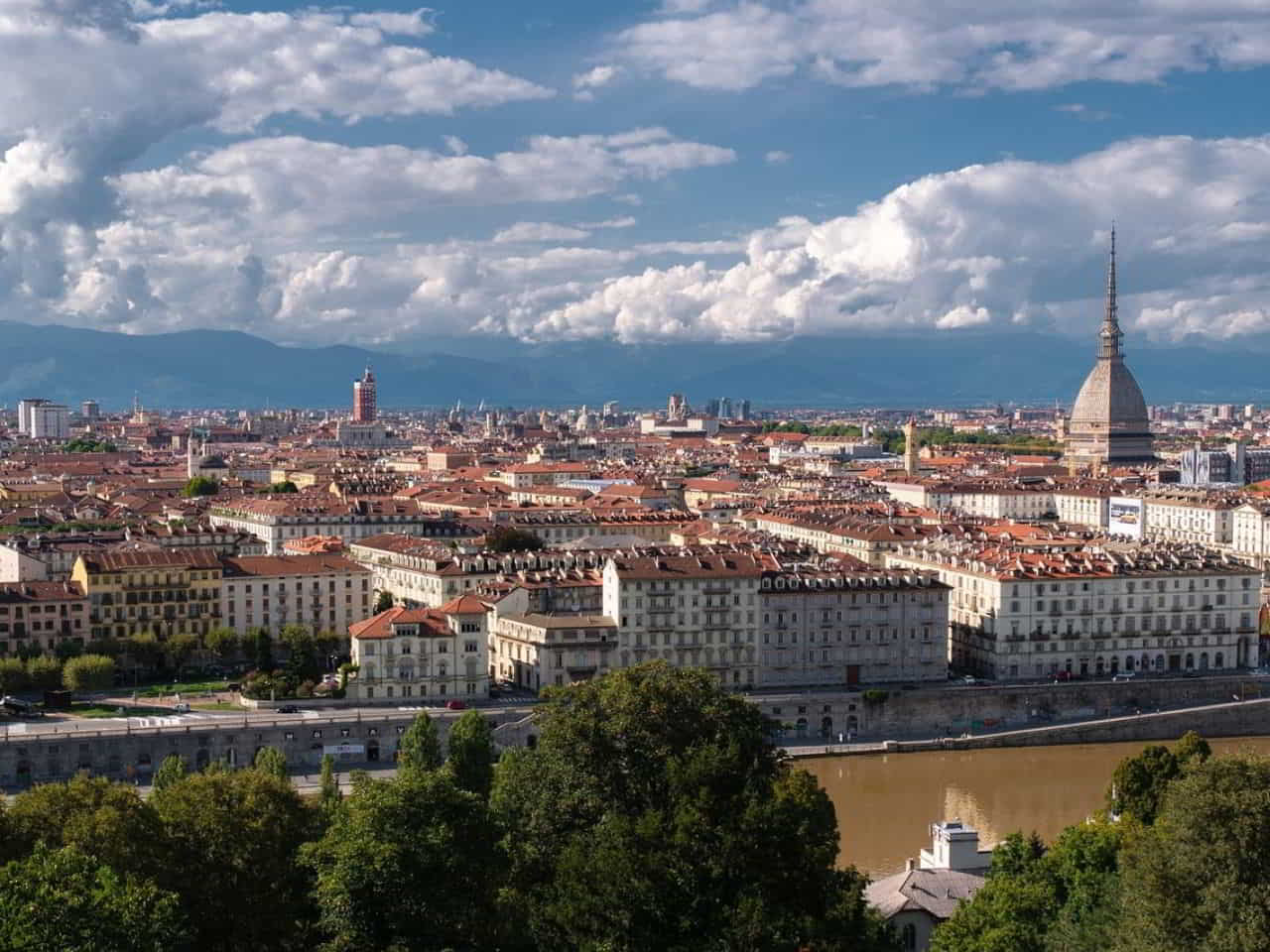
Turin offers royal palaces, major museums and wide arcaded boulevards in a city that is easy to walk and rarely overwhelmed by crowds.
What Makes It Different
The city’s character comes from its elegant arcades, historic cafés and chocolate tradition, plus a strong museum scene that includes a leading Egyptian collection.
Top Things to Do
- Visit the Mole Antonelliana and the National Museum of Cinema
- Tour the Royal Palace and Piazza Castello
- Spend time in the Egyptian Museum
- Look over the city from Monte dei Cappuccini
- Walk Parco del Valentino along the Po River
What to Eat
Vitello tonnato, agnolotti del plin, bagna càuda and gianduja chocolate, plus a bicerin (coffee, chocolate and cream) in a historic café.
Best For / Avoid If
- Best for: museum and architecture lovers and travelers who prefer a relaxed, elegant city break.
- Avoid if: your trip is built around famous icons and busy tourist atmosphere.
Practical Details
Turin has its own international airport and strong rail links to Milan and other northern cities. Public transport is efficient, and the center is walkable. Ideal stay: 1–2 days. Base in Centro for a first visit, San Salvario for a trendy local feel, or Crocetta for a quieter, upscale area. Day trips: the Langhe wine hills, Lake Orta and Asti.
Budget Reality
Moderate, with good value on food and museums relative to the quality on offer. A museum pass can pay off if you plan several museums, so compare it against your list on the official tourism site.
Best Time to Visit
Spring and autumn for the best walking weather. Autumn also suits the city’s food culture.
Pro Tip
Build a café stop into every walking route. The historic cafés are part of what Turin offers, and they make natural rest points between museums.
9. Palermo – Layered Culture and Italy’s Best Street-Food Markets
Why Visit
Palermo combines Arab-Norman monuments, Baroque churches and some of Italy’s liveliest street-food markets, at some of the lowest costs among the major Italian cities.
What Makes It Different
Successive rulers left visibly different layers in the same neighborhoods, so a short walk can pass a Norman palace, a market and a Baroque square.
Top Things to Do
- Visit the Palermo Cathedral and the Palatine Chapel
- See the Quattro Canti and Piazza Pretoria
- Eat your way through the Ballarò, Capo and Vucciria markets
- Tour Teatro Massimo
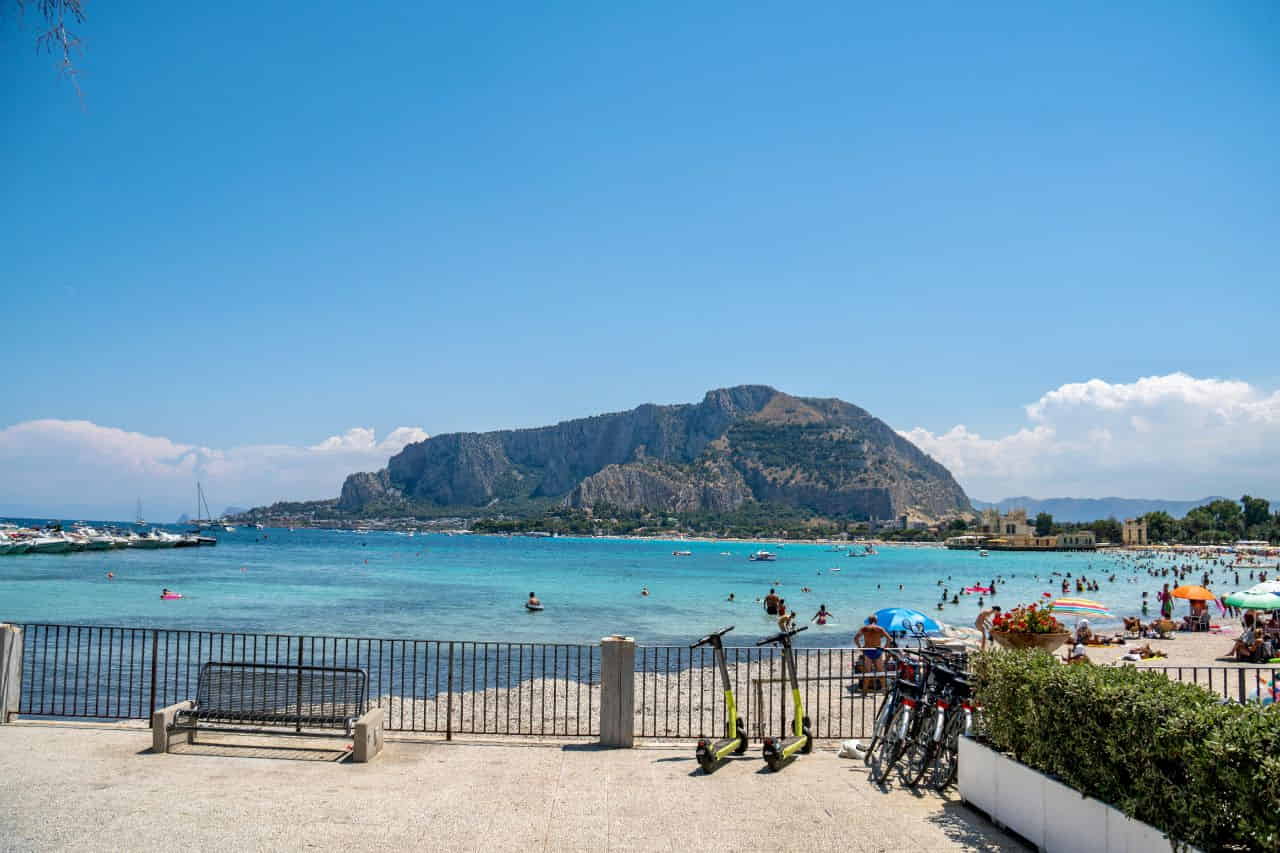
- Spend a beach afternoon at Mondello
What to Eat
Panelle (chickpea fritters), pane con la milza, pasta con le sarde and cannoli.
Best For / Avoid If
- Best for: travelers who want street food, local character and strong value.
- Avoid if: you prefer quiet, highly polished and orderly cities.
Practical Details
Falcone-Borsellino Airport (PMO) is roughly 35 km from the city, with bus and train links into the center. The old town is walkable, but the historic center is larger than it looks. Driving in the center is slow and parking is limited. Rail within Sicily is slower than on the mainland, so for day trips check bus and rail options and current schedules on the official operator sites.
Ideal stay: 2–3 days. Base in the Historic Center for culture and landmarks, Politeama for a more modern area, or Mondello for a beachside stay. Day trips: Monreale, Cefalù, Segesta and Erice. For more Sicily planning, see Best Places to Visit in Sicily and Best Beaches in Sicily.
Budget Reality
Better value than most major Italian cities, particularly for meals and local transport. Beachside and renovated-palazzo hotels cost more.
Best Time to Visit
Spring and autumn for the most comfortable sightseeing. Summer midday heat is intense, so group sights in the morning and evening.
Pro Tip
Visit the markets in the morning and arrive hungry. Sample several small dishes rather than ordering one large meal, and set aside half a day for Monreale’s cathedral and its mosaics.
10. Matera – A Cave-Dwelling City Carved Into Stone
Why Visit
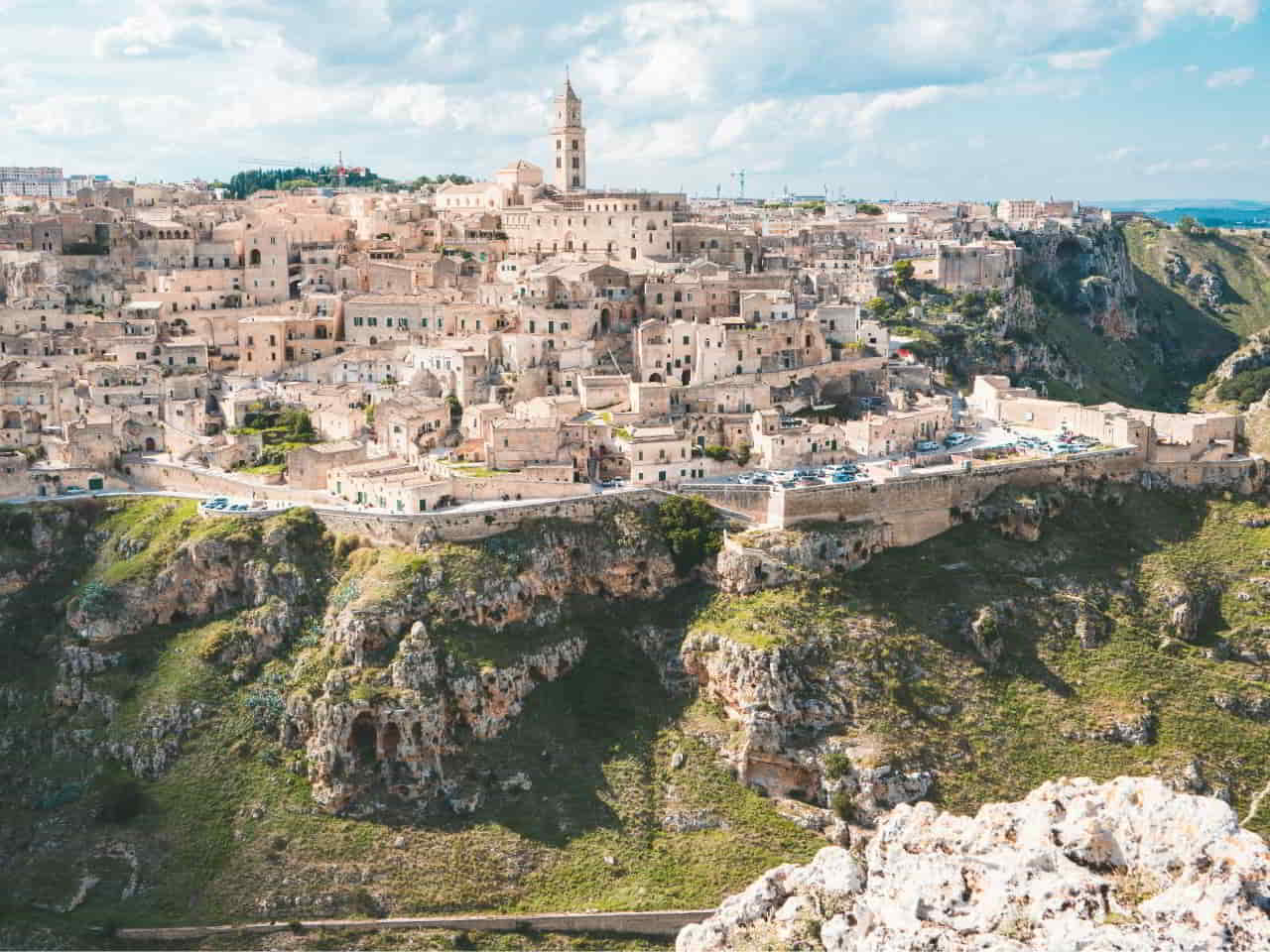
Matera’s old districts, the Sassi, are a UNESCO World Heritage Site where homes, churches and streets are carved into limestone. It offers a setting that no other Italian city matches.
What Makes It Different
The Sassi remain a living part of the city, with former cave homes now working as hotels, restaurants and museums, so you can stay inside the landscape you came to see.
Top Things to Do
- Explore the UNESCO-listed Sassi di Matera
- Visit the rock churches carved into the limestone
- Tour a traditional casa grotta cave dwelling
- Walk the viewpoint at Belvedere Murgia Timone
- Walk the Sassi again after sunset
What to Eat
Pane di Matera (the local bread), orecchiette con cime di rapa, cialledda (a bread and vegetable salad) and Aglianico del Vulture wine.
Best For / Avoid If
- Best for: travelers who want a one-of-a-kind historic setting and a slower overnight stay.
- Avoid if: you need easy mobility, luxury shopping or a destination with fast transport connections.
Practical Details
Bari Karol Wojtyła Airport (BRI) is the usual gateway, roughly an hour away. Matera is not on the main national rail network, so reaching it from Bari means regional rail on a separate local line or a bus; check the operators’ official pages for current schedules. The old town is walkable but steep, with stairs and uneven stone. Park outside the Sassi and continue on foot.
Ideal stay: 1–2 days. Base in the Sasso Barisano or Sasso Caveoso for the full cave-city experience, Civita for a central scenic position, or outside the old town for a lower price. Day trips: Alberobello, Bari and Castelmezzano. See our Puglia travel guide for the wider region.
Budget Reality
Moderate. Cave hotels in the Sassi cost more than standard rooms outside the old town.
Best Time to Visit
Spring and autumn for comfortable walking on steep stone paths. Summer heat is strongest on the exposed limestone.
Pro Tip
Wear shoes with good grip. The limestone becomes slippery when wet, and distances that look short on a map take longer on stairs.
Beyond the Cities
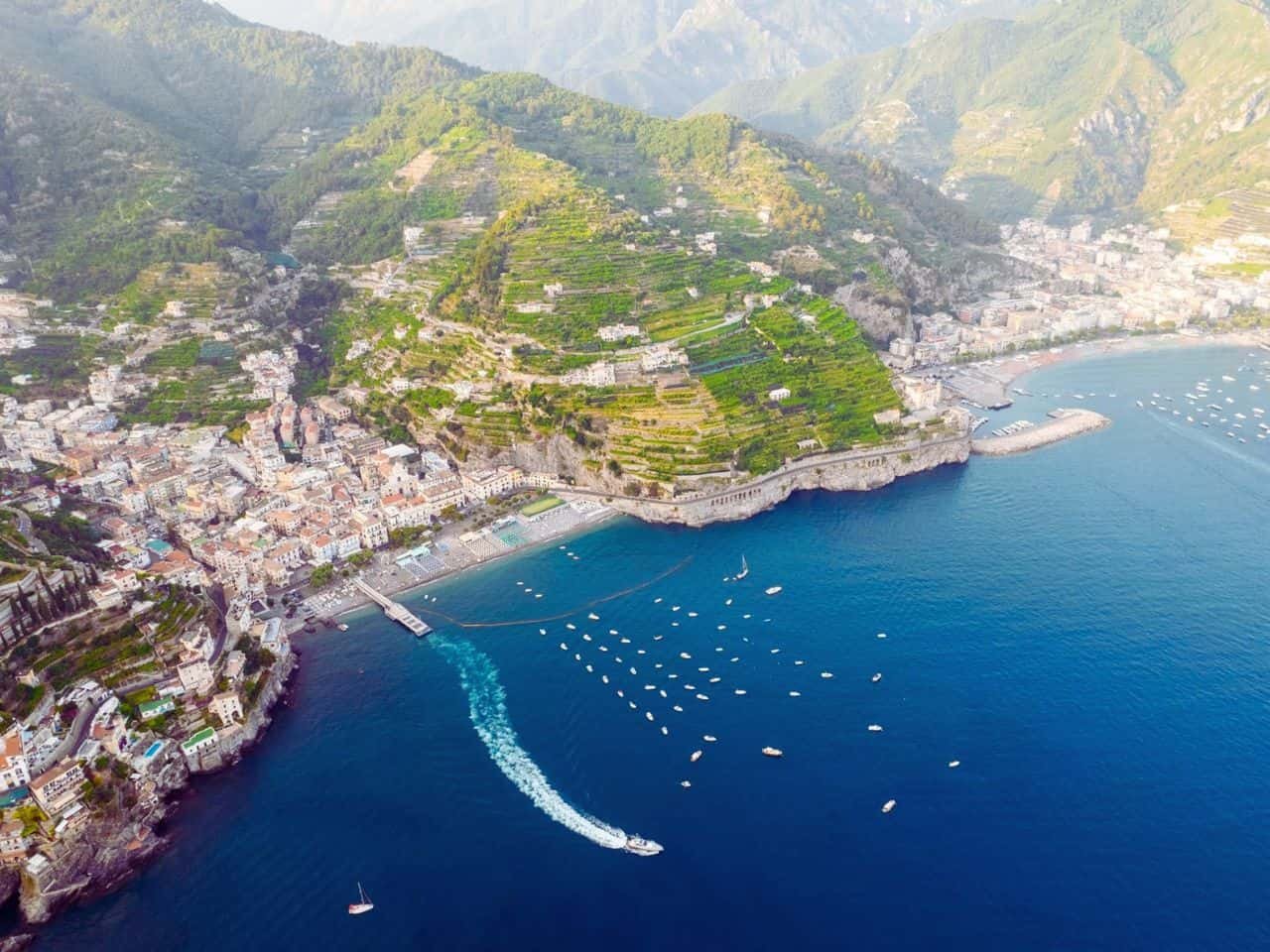
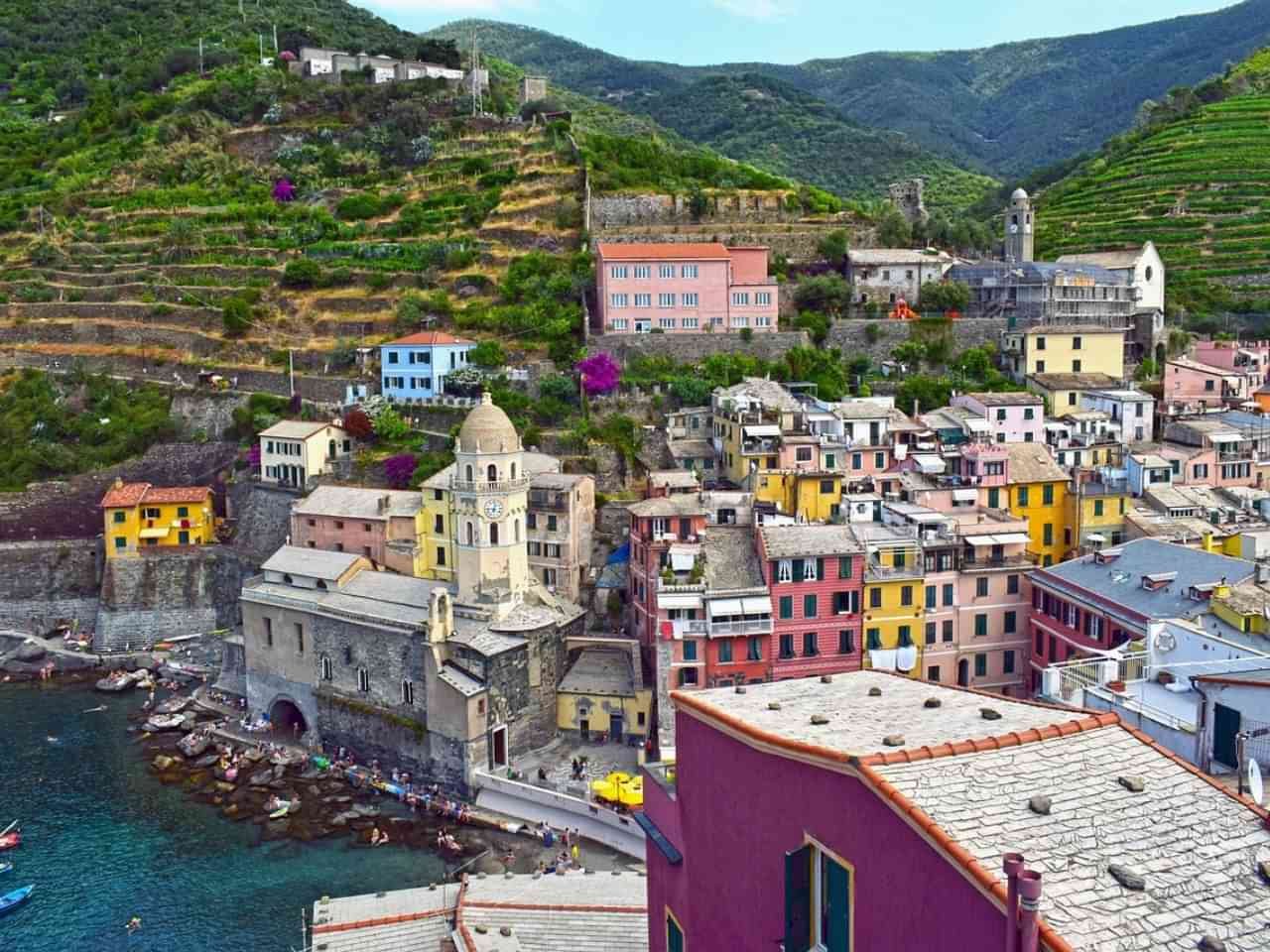
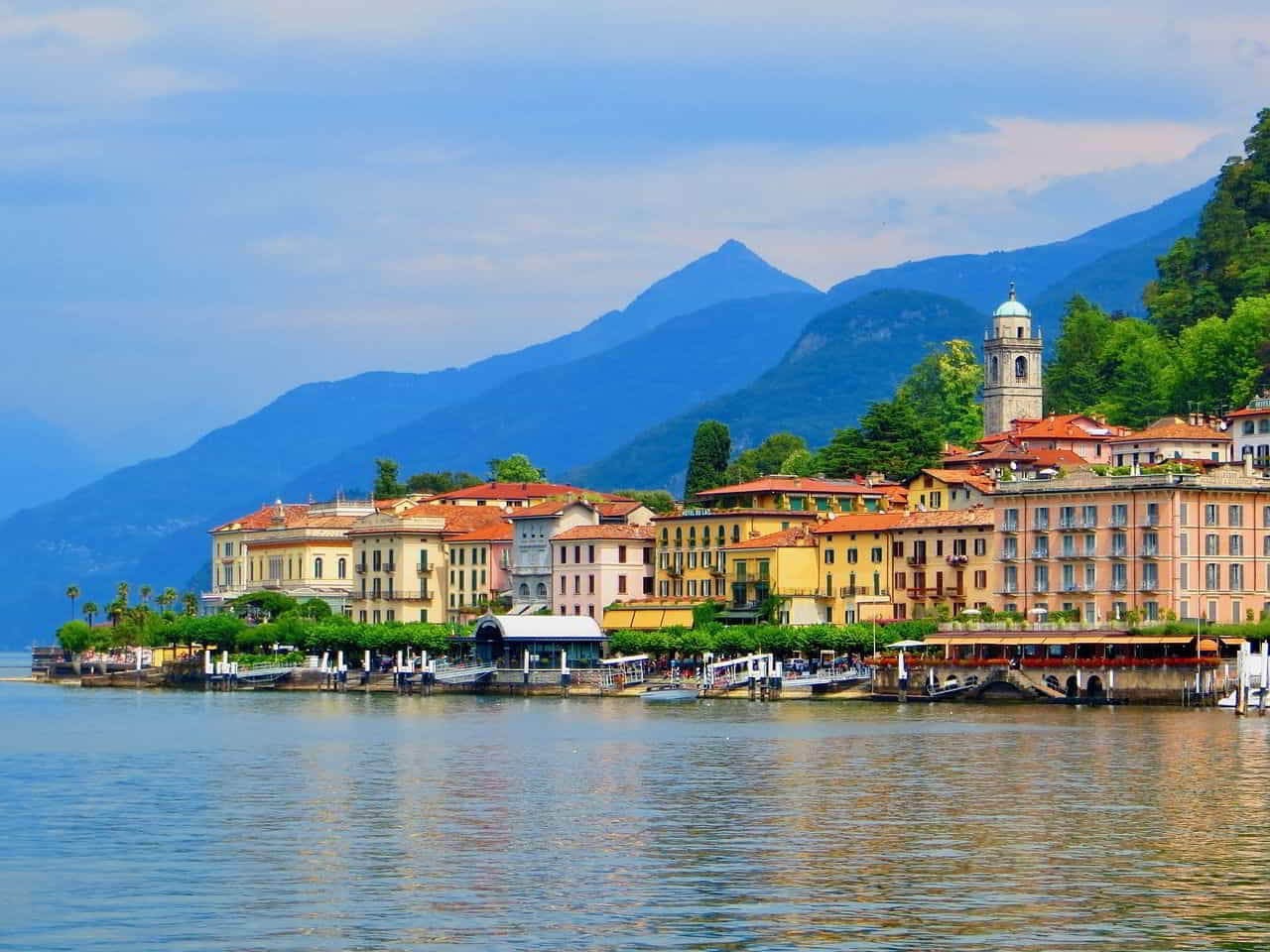
Looking for the coast, lakes or countryside? See our Amalfi Coast travel guide, where to stay in Cinque Terre, things to do in Lake Como, or Best Places to Visit in Italy to compare whole regions.
FAQs
1. Which city is best to visit in Italy for the first time?
Rome if you can choose only one, because it concentrates the major sights, the widest range and strong transport links. Rome, Florence and Venice together make the classic first itinerary.
2. How many cities should I visit in one trip?
Two or three cities for 7–10 days, and three or four for 10–14 days. Fewer bases leave more time for each city.
3. Which Italian cities offer the best value?
Naples and Palermo lead on lodging and dining costs. Bologna, Verona, Turin and Matera sit below Venice, Florence and Milan.
4. Which city is best for food?
Bologna for fresh pasta, ragù and cured meats, Naples for pizza and street food, and Palermo for market street food.
5. Do I need a car to visit Italian cities?
Not within any of these cities, and most historic centers have restricted traffic zones (ZTL). A rental car only helps for countryside and day trips beyond the rail network.
Helpful Planning Resources
Ticketing rules, timed-entry systems, access fees and train schedules change, so check the official sources below for current details before you book.
- Italia.it: official tourism information, events and holidays
- Trenitalia and Italo: book Italy’s high-speed rail routes directly
- Vatican Museums official ticketing: the museums’ official online ticket site
My Popular
Italy Travel Guides
- Best Places to Visit in Italy: compare regions, coast, countryside and mountains
- Best Time to Visit Italy: match seasons to your route
- Italy Travel Tips: essentials to know before you go
- The Most Romantic Places in Italy: ideas for couples and slow travel