Europe has no shortage of beautiful cities, but not every beautiful destination creates the same kind of romantic trip.
Some are made for candlelit dinners and iconic views. Others work better for couples who want quiet streets, dramatic scenery, affordable luxury, or simply a place where wandering without a plan becomes part of the experience.
This guide ranks the 8 most romantic cities in Europe with what each one actually costs for a couple, when to go to avoid the worst of the crowds, and the specific planning details — reservation lead times, entry fees, best areas to stay — that separate a genuinely intimate trip from a rushed one.
Venice also changed its rules for 2026: a day-tripper entry fee now applies on 60 dates between April and July, which matters if you’re not staying overnight.
The goal isn’t just picking the most photogenic city. It’s picking the one that matches the trip you’re actually planning — a honeymoon, a proposal, a quiet anniversary, or a budget-conscious couples’ getaway.
- What Are the Most Romantic Cities in Europe?
- How to Choose Based on the Trip You’re Planning
- Romantic Cities in Europe Compared at a Glance
- Romantic Cities in Europe Map: Where Are They Located?
- Which Cities Pair Well for a Multi-Stop Trip?
- Venice’s 2026 Entry Fee: What Couples Need to Know
- 8 Most Romantic Cities in Europe
- FAQs
- Helpful Planning Resources
- My Popular Europe Travel Guides
Love this? Check out our guide to Best Time to Visit Europe and 12 Cheapest Places to Visit in Europe to round out your trip planning.
What Are the Most Romantic Cities in Europe?
The most romantic cities in Europe are Paris, Venice, Prague, Bruges, Vienna, Verona, Hallstatt, and Ljubljana. They split into two genuinely different categories: iconic, once-in-a-lifetime cities (Paris, Venice, Prague) that come with real crowds and cost, and quieter, less-touristed alternatives (Bruges, Vienna, Verona, Hallstatt, Ljubljana) that deliver comparable atmosphere at a lower price and a calmer pace.
How to Choose Based on the Trip You’re Planning
The “most romantic” city isn’t the same answer for a honeymoon, a proposal, and a low-key anniversary weekend.
- If this is a once-in-a-lifetime trip (honeymoon, milestone anniversary), Paris and Venice deliver the density of iconic experiences that justify the higher cost and crowds — book 6+ months out for the best hotel selection and restaurant reservations.
- If you’re planning a proposal, prioritize a city with a genuinely quiet, photogenic vantage point rather than the most famous one — Hallstatt’s lakeside viewpoints and Ljubljana’s castle hill offer intimacy that Paris’s Eiffel Tower area, packed with other tourists doing the same thing, doesn’t.
- If budget matters as much as atmosphere, Prague, Ljubljana, and Verona deliver comparable romantic architecture and atmosphere to Paris or Venice at 40–60% of the cost for accommodation and dining.
- If you want to avoid the worst crowds, Bruges, Hallstatt, and Ljubljana stay genuinely calm even in peak season, while Paris, Venice, and Prague require real strategy (early mornings, shoulder-season timing) to find quiet moments.
- If this is a shorter trip (long weekend), Bruges, Verona, and Ljubljana are compact enough to see properly in 2–3 days without feeling rushed — Paris and Vienna reward at least 4–5 days.
- Season matters more for romance than for sightseeing generally. Winter (Vienna, Prague) trades warmth for quieter streets, Christmas markets, and lower prices. Summer (Verona, Hallstatt) means longer evenings but real crowding at the best-known spots. Shoulder season (April–May, September–October) is the strongest overall window across nearly every city on this list.
Quick-reference by priority:
| If you want… | Go to |
|---|---|
| The single most iconic romantic trip | Paris |
| Canals and gondola rides | Venice |
| Gothic atmosphere on a budget | Prague |
| A quiet, compact medieval town | Bruges |
| Old-world elegance and classical music | Vienna |
| Shakespeare-linked romance without Venice’s price | Verona |
| The quietest, most photogenic proposal spot | Hallstatt |
| An underrated, walkable capital | Ljubljana |
Romantic Cities in Europe Compared at a Glance
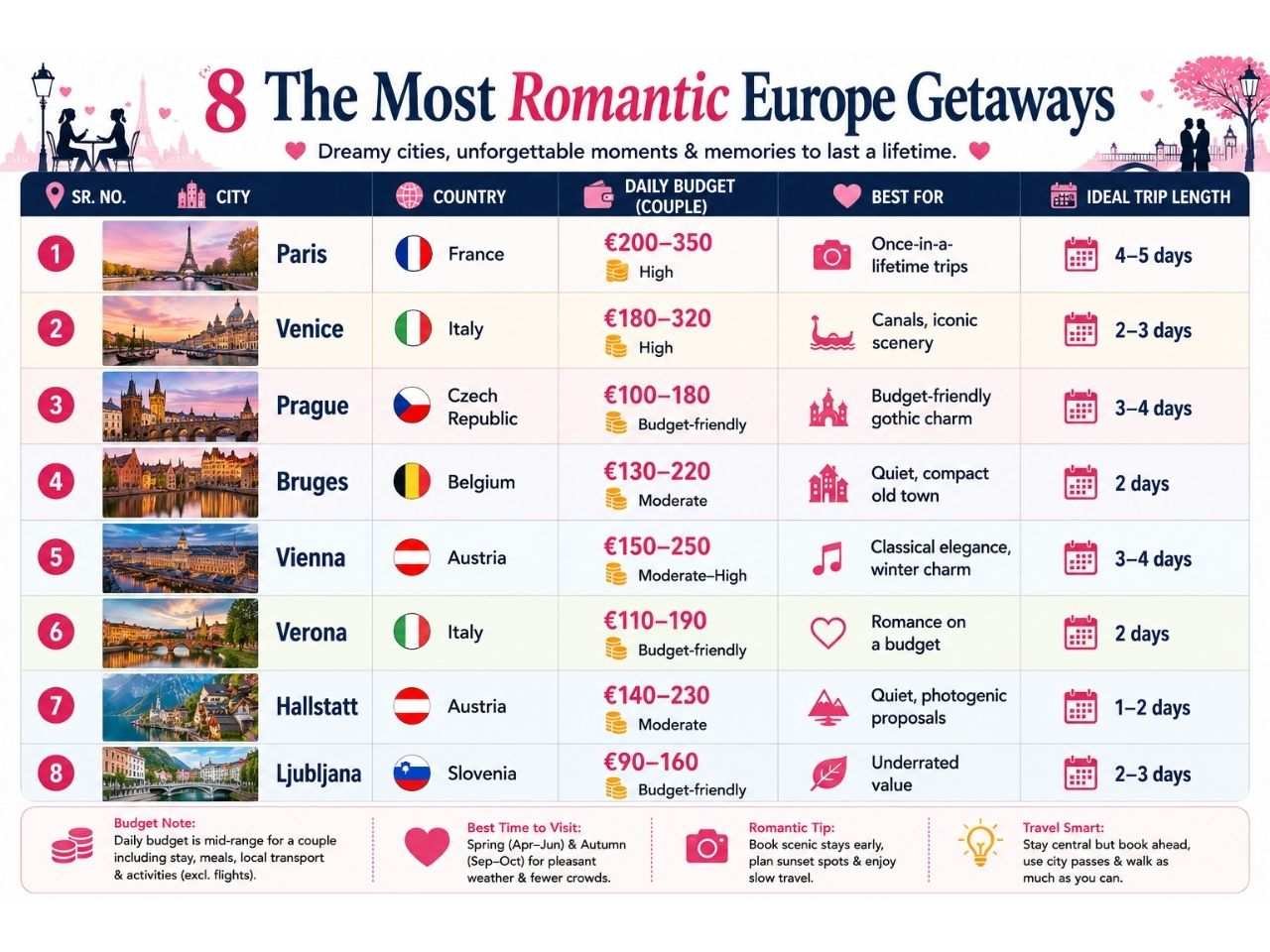
| Sr. No. | City | Country | Daily Budget (couple) | Best For | Ideal Trip Length |
|---|---|---|---|---|---|
| 1 | Paris | France | €200–350 | Once-in-a-lifetime trips | 4–5 days |
| 2 | Venice | Italy | €180–320 | Canals, iconic scenery | 2–3 days |
| 3 | Prague | Czech Republic | €100–180 | Budget-friendly gothic charm | 3–4 days |
| 4 | Bruges | Belgium | €130–220 | Quiet, compact old town | 2 days |
| 5 | Vienna | Austria | €150–250 | Classical elegance, winter charm | 3–4 days |
| 6 | Verona | Italy | €110–190 | Romance on a budget | 2 days |
| 7 | Hallstatt | Austria | €140–230 | Quiet, photogenic proposals | 1–2 days |
| 8 | Ljubljana | Slovenia | €90–160 | Underrated value | 2–3 days |
Budget note: Daily budgets are approximate mid-range estimates for two people, including accommodation, meals, local transportation, and activities, but excluding flights. Costs can change significantly by season and booking time.
Save this infographic for your quick reference.
Romantic Cities in Europe Map: Where Are They Located?
Save this map before your trip — it makes clear how Prague, Vienna, and Ljubljana cluster in Central Europe while Venice and Verona sit close together in northern Italy, useful for planning a realistic route rather than backtracking across the continent.
Which Cities Pair Well for a Multi-Stop Trip?
A few of these cities connect easily enough to combine into one trip — others are better treated as standalone destinations.
- Italy Pairing (Venice + Verona): Roughly 1 hour apart by train, easily combined into a single week — Venice for the iconic experience, Verona for a quieter, cheaper second stop with its own romantic pull.
- Central Europe Loop (Prague + Vienna): About 4 hours by direct train, both deliver classical, old-world atmosphere at different price points — Prague budget-friendly, Vienna more refined and costlier.
- Alpine Pairing (Vienna + Hallstatt): Roughly 3 hours by train, making Hallstatt a realistic day trip or overnight extension from a Vienna base rather than a separate flight.
- Slovenia Standalone (Ljubljana): Doesn’t connect conveniently to the other cities on this list without a long train or a flight — best treated as its own trip, possibly paired with nearby Lake Bled.
- Bruges as a Paris Extension: About 2 hours from Paris by direct train, making it a realistic add-on rather than a separate trip if you have extra days.
Planning takeaway: the Venice–Verona and Prague–Vienna pairings offer the smoothest two-city romantic trips on this list; Paris and Ljubljana work best as focused, standalone destinations.
Venice’s 2026 Entry Fee: What Couples Need to Know
Venice brought back its day-tripper access fee for 2026, and it directly affects how you should plan a Venice romantic getaway this year.
The fee applies on 60 dates between April and July 2026, from 8:30 AM to 4:00 PM, and costs €5 per person if booked at least 4 days in advance, or €10 for late/last-minute registration. It applies only to day-trippers — anyone entering Venice’s historic center without an overnight booking. If you’re staying overnight in Venice, you’re exempt from the fee but must still register online for a free exemption QR code.
Planning takeaway: book your Venice hotel before finalizing your itinerary specifically to skip this fee, and register on the official portal (cda.ve.it) regardless — unregistered visitors on a chargeable date risk a fine of up to €300.
8 Most Romantic Cities in Europe
1. Paris, France — The Most Iconic Romantic Trip in Europe
Why It Ranks
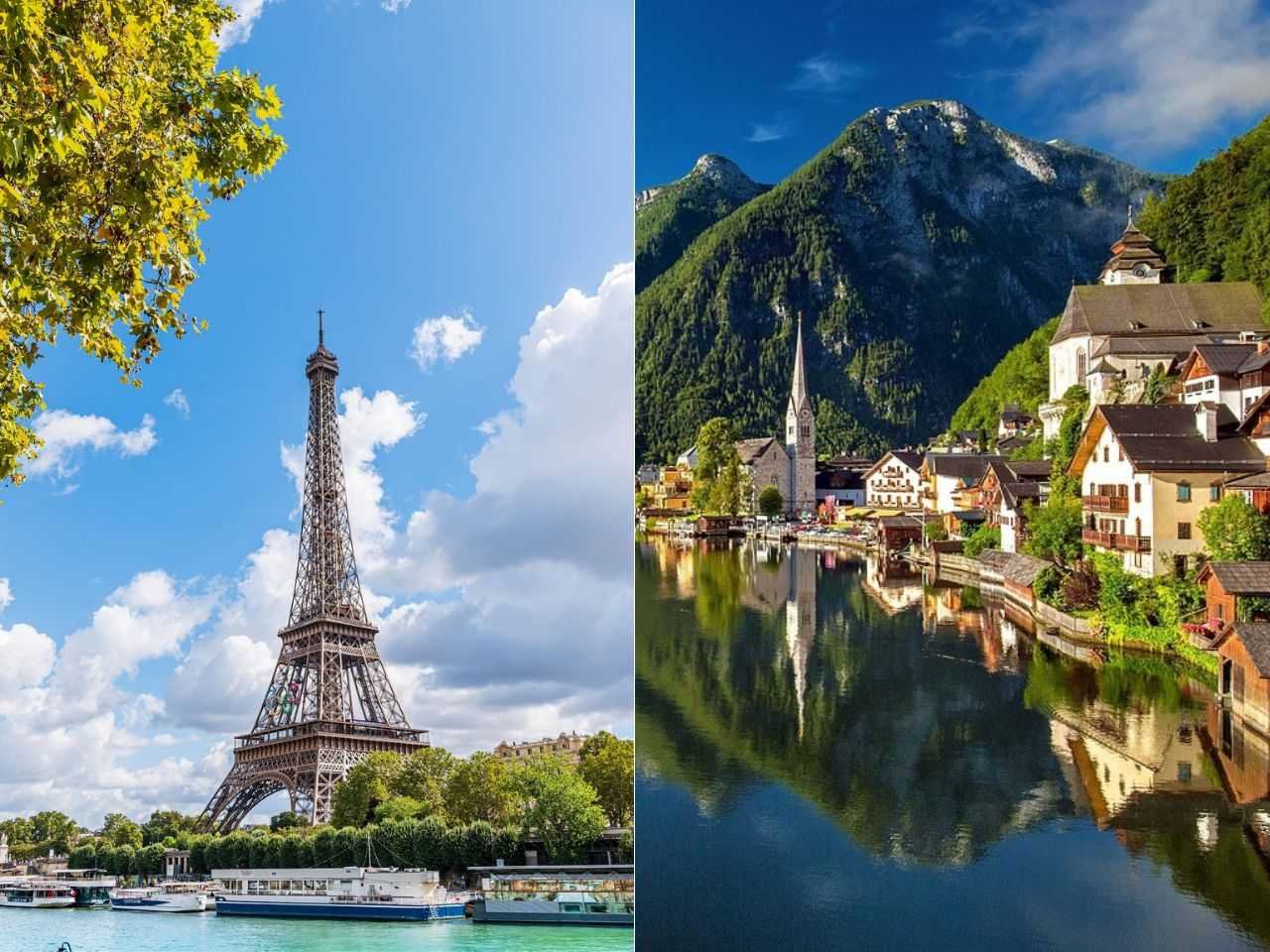
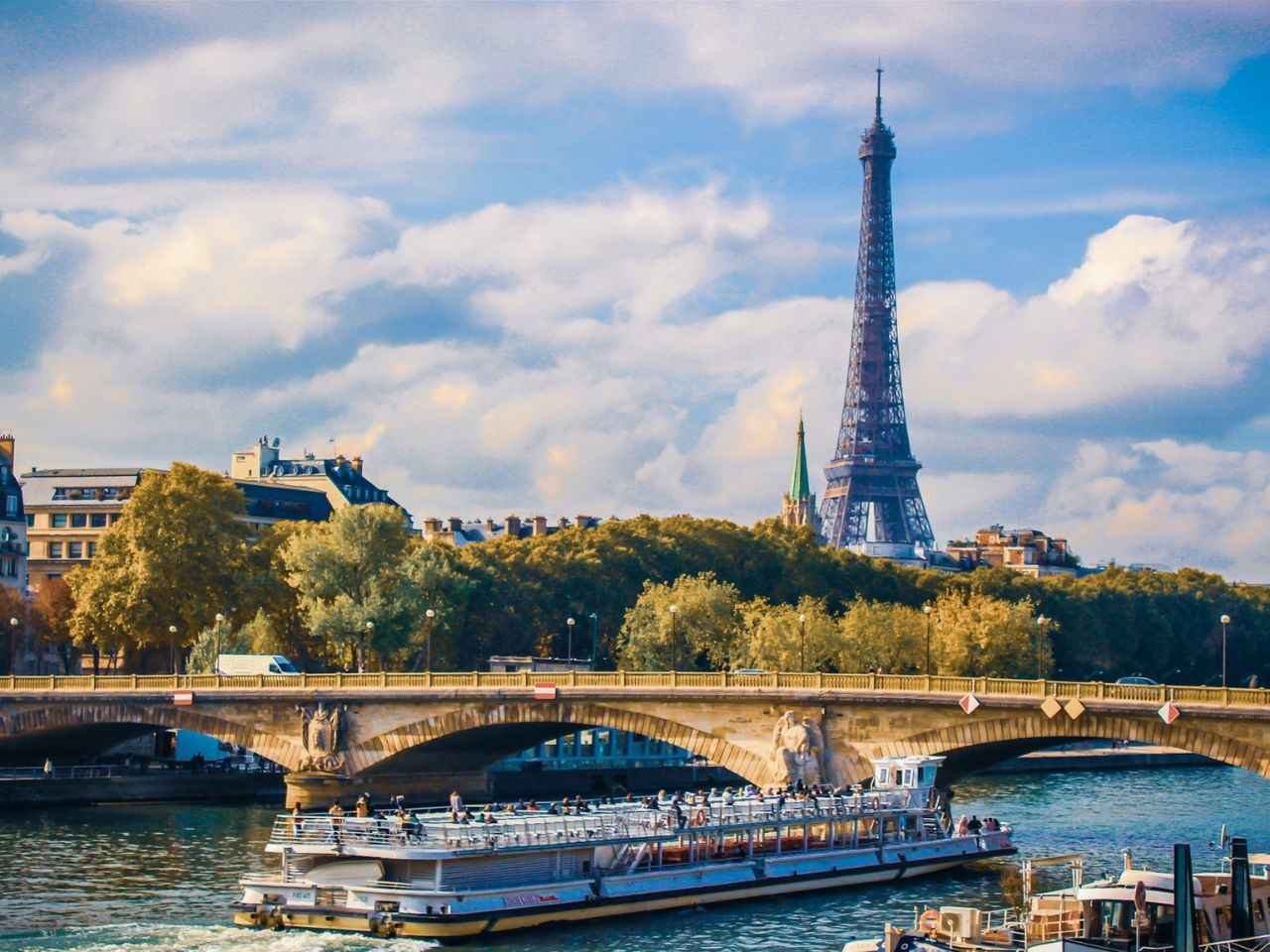
Paris delivers more iconic, instantly recognizable romantic experiences per city block than anywhere else on this list — the Eiffel Tower, the Seine, Montmartre — which is exactly why it commands the highest prices and the most competition for restaurant reservations on this list.
What to Expect
The city rewards couples willing to move beyond the most photographed spots — the area immediately around the Eiffel Tower is genuinely crowded most of the day, while a short walk into Montmartre’s back streets or along the Canal Saint-Martin delivers comparable atmosphere with a fraction of the tourists. Paris is a full city, not a compact old town, so expect real metro time between highlights.
Things to Do in Paris
- Take a sunset Seine river cruise — quieter and more genuinely romantic than the daytime version, with the Eiffel Tower lit at night.
- Walk Montmartre’s back streets, not just Sacré-Cœur’s front steps — the surrounding neighborhood stays charming with far fewer crowds.
- Book a Michelin-starred or well-reviewed bistro dinner — reserve 4–6 weeks ahead for anything well-known.
- Visit the Musée de l’Orangerie — Monet’s Water Lilies in an intimate, far less crowded setting than the Louvre.
Best For
Once-in-a-lifetime honeymoons, couples who want the maximum concentration of iconic experiences, and travelers with a higher budget and 4–5 days to spend.
Avoid If
Skip Paris specifically if a quiet, low-crowd experience matters more than iconic sights — even shoulder season keeps major landmarks genuinely busy.
Budget Reality
A comfortable couple’s daily budget runs €200–350, covering a mid-range hotel (€150–250/night), two restaurant meals (€60–100), and activities. A well-reviewed tasting-menu dinner alone can run €150–300 for two. Museum passes (Paris Museum Pass) save meaningfully if you’re visiting more than 3–4 paid sites.
Practical Details
- Best area to stay: Le Marais or Saint-Germain-des-Prés for walkability and atmosphere over the immediate Eiffel Tower area, which is quieter at night but less central.
- Best time to visit: Late April–June or September–early October for mild weather and thinner crowds than summer.
- Reservation lead time: Book well-known restaurants 4–6 weeks ahead; the Eiffel Tower summit 2–3 months ahead in peak season.
- Getting around: The metro is extensive and cheap; central arrondissements are also genuinely walkable.
How to Get There
- Major International Airports: Charles de Gaulle (CDG), Orly (ORY).
- By air: Charles de Gaulle (CDG) has extensive direct connections from North America and the rest of Europe; a train or taxi into central Paris takes 45–60 minutes.
- By train from Brussels or London: Direct high-speed rail (Thalys, Eurostar) connects in under 2.5 hours, a realistic add-on to a wider trip.
Pro Tip
Book your Eiffel Tower visit for early morning or just before sunset rather than midday — both crowds and light quality improve significantly outside the 11 AM–4 PM window.
2. Venice, Italy — Canals and Gondolas, With a New 2026 Entry Fee
Why It Ranks
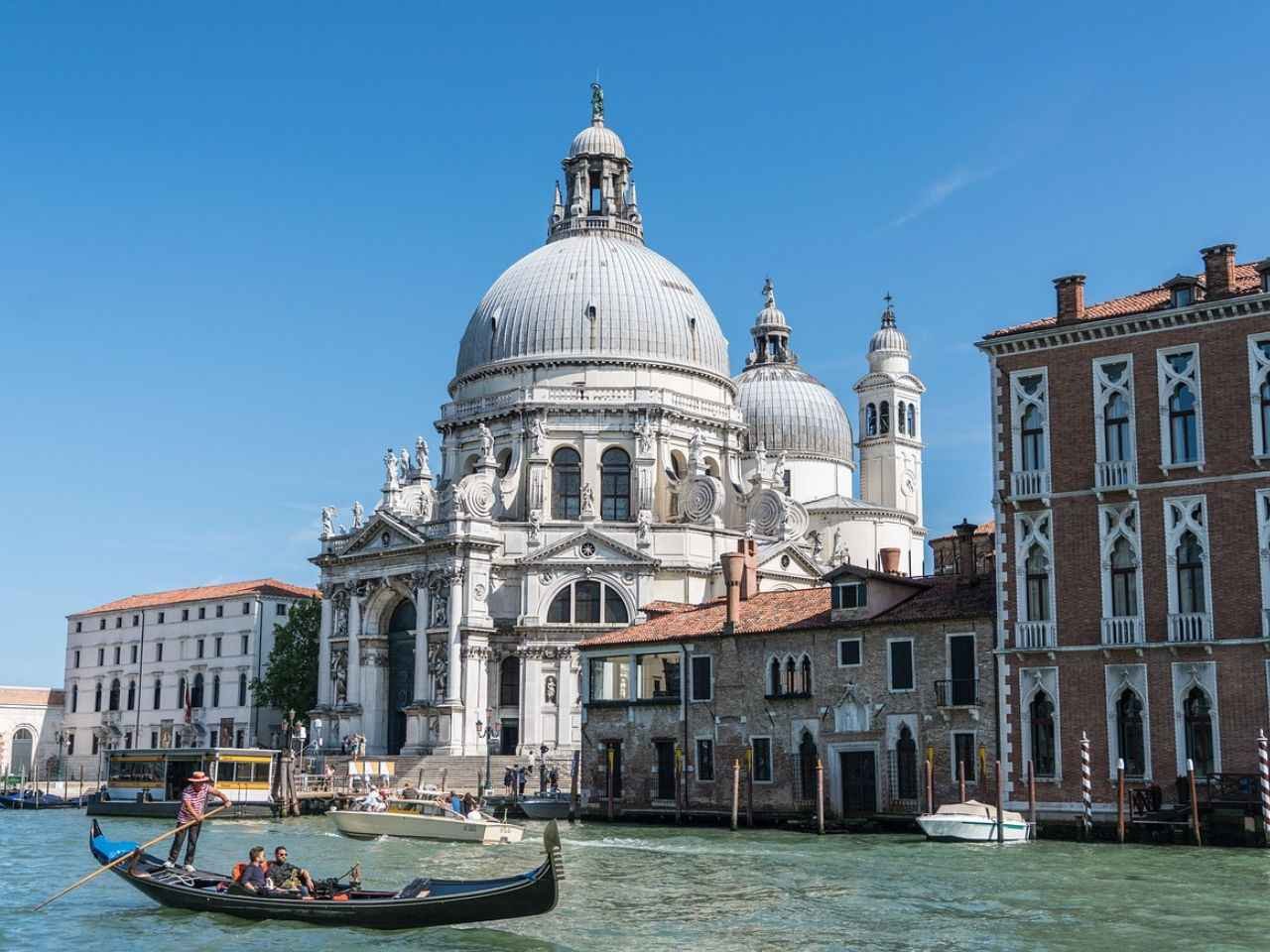
No other European city replicates Venice’s car-free, canal-threaded layout — a gondola ride through quieter side canals delivers a genuinely different atmosphere than anywhere else on this list, though the 2026 day-tripper fee now adds a planning step that didn’t exist a few years ago.
What to Expect
St. Mark’s Square and the Rialto Bridge are crowded most of the day, especially on cruise-ship days; the quieter Dorsoduro and Cannaregio districts, a short walk away, deliver the same canal-and-bridge atmosphere with real breathing room. Venice is compact enough to cover on foot, but bridges and narrow streets mean slower movement than a grid-based city.
Things to Do in Venice
- Take a gondola ride through Dorsoduro’s quieter canals — request a route away from the Grand Canal for a more intimate, less trafficked experience.
- Watch sunset from the Rialto Bridge’s less-crowded side — the eastern bank draws noticeably fewer tourists than the main viewpoint.
- Explore Burano’s colorful houses — a 45-minute vaporetto ride, quieter and more photogenic than central Venice on a day trip.
- Book a canal-side dinner in Cannaregio — better value and atmosphere than the tourist-priced spots directly on St. Mark’s Square.
Best For
Couples who want the singular Venice experience, shorter 2–3 day trips paired with another Italian city, and anyone prioritizing a compact, walkable romantic itinerary.
Avoid If
Skip a Venice day trip specifically on one of the 2026 fee dates without registering — and skip Venice generally in peak August if crowd tolerance is low.
Budget Reality
A comfortable couple’s daily budget runs €180–320. A gondola ride costs roughly €80–100 for 30 minutes, fixed by the city regardless of operator. Hotel prices in the historic center run notably higher than mainland Mestre, which is cheaper but requires a train or bus connection into Venice proper.
Practical Details
- Best area to stay: Dorsoduro or Cannaregio for a quieter, more local atmosphere than San Marco, at a lower nightly rate.
- Best time to visit: Late April–May or October, avoiding both the 2026 fee’s busiest dates and peak summer humidity.
- 2026 entry fee: Applies on 60 dates, April–July, 8:30 AM–4 PM; overnight guests are exempt but must register for a free QR code at cda.ve.it.
- Getting around: On foot or by vaporetto (water bus) — no cars or standard taxis within the historic center.
How to Get There
- Major International Airports: Venice Marco Polo (VCE), Treviso (TSF – budget carrier alternative).
- By air: Venice Marco Polo Airport connects directly to major European hubs; a water taxi or the Alilaguna boat service reaches the historic center in 60–90 minutes.
- By train from Verona or Florence: Verona to Venice runs about 1 hour; Florence to Venice about 2–2.5 hours, both practical multi-city legs.
Pro Tip
Register for the day-tripper fee exemption online even if you’re staying overnight — it’s free, but skipping the registration step on a chargeable date risks a fine of up to €300 regardless of your hotel booking.
3. Prague, Czech Republic — Gothic Romance on a Budget
Why It Ranks
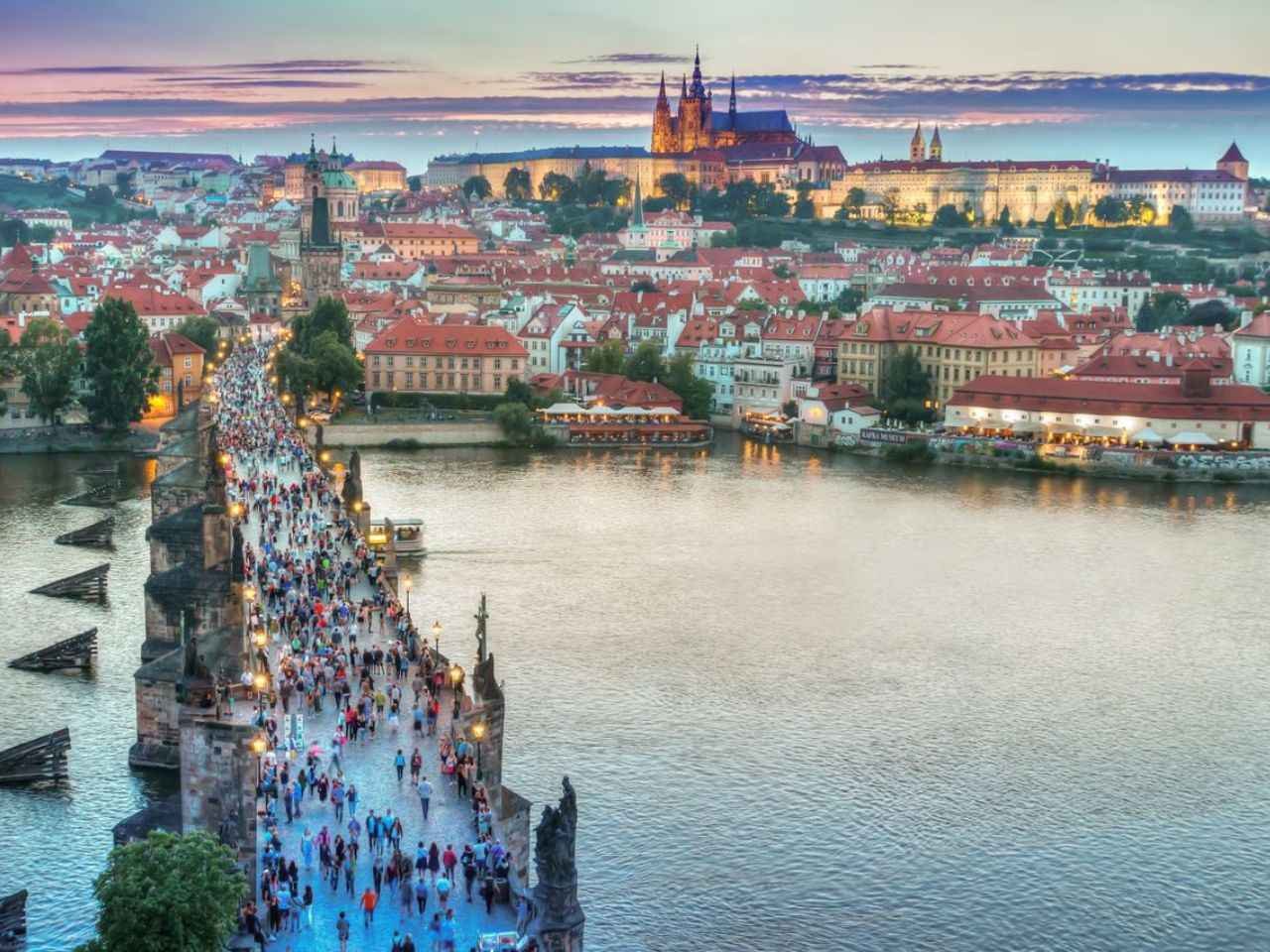
Prague delivers the same gothic, fairy-tale atmosphere associated with pricier Western European cities at roughly half the cost — a genuinely romantic city that doesn’t require a splurge budget to enjoy properly.
What to Expect
Charles Bridge draws real crowds by mid-morning; visiting at sunrise delivers a genuinely different, quiet version of the same view. Prague’s compact Old Town and Malá Strana districts are both walkable, and the city’s winter atmosphere — often cited as its most romantic season — trades warmth for near-empty streets and Christmas markets.
Things to Do in Prague
- Walk Charles Bridge at sunrise — before the tour groups arrive, and before the street vendors set up.
- Visit Prague Castle in the late afternoon — crowds thin noticeably after 3 PM, closer to closing time.
- Take a classical concert in a historic venue — genuinely affordable compared to Vienna’s equivalent experience.
- Explore Malá Strana’s quiet backstreets — fewer tourists than the Old Town Square, with comparable architecture.
Best For
Budget-conscious couples wanting genuine gothic atmosphere, winter romantic trips (Christmas markets, snow), and travelers combining Prague with a wider Central Europe route.
Avoid If
Skip Old Town Square at midday in summer if a quiet, intimate atmosphere is the priority — it’s one of the most consistently crowded spots on this entire list during peak hours.
Budget Reality
A comfortable couple’s daily budget runs €100–180, among the most affordable on this list. Hotel rooms in a good location run €70–120/night; a nice restaurant dinner for two runs €40–70. Classical concert tickets typically cost €20–40 per person, a fraction of equivalent Western European pricing.
Practical Details
- Best area to stay: Malá Strana for castle views and quiet streets, or Old Town for maximum walkability to major sights.
- Best time to visit: Winter (specifically around Christmas markets) for atmosphere, or May–June for milder weather with fewer crowds than summer.
- Currency: Czech Koruna (CZK) — Czechia has not adopted the euro, so budget for currency exchange or a no-fee card.
- Getting around: Compact and walkable; the metro and tram network covers anything outside easy walking range.
How to Get There
- Major International Airports: Václav Havel Airport Prague (PRG).
- By air: Václav Havel Airport Prague has direct connections from most major European hubs and a growing number of North American routes.
- By train from Vienna: Direct trains run roughly 4 hours, a practical Central Europe pairing.
Pro Tip
Visit Charles Bridge before 7 AM — it’s one of the only times of day the bridge is genuinely uncrowded, and the early light on the castle across the river is better than at any other hour.
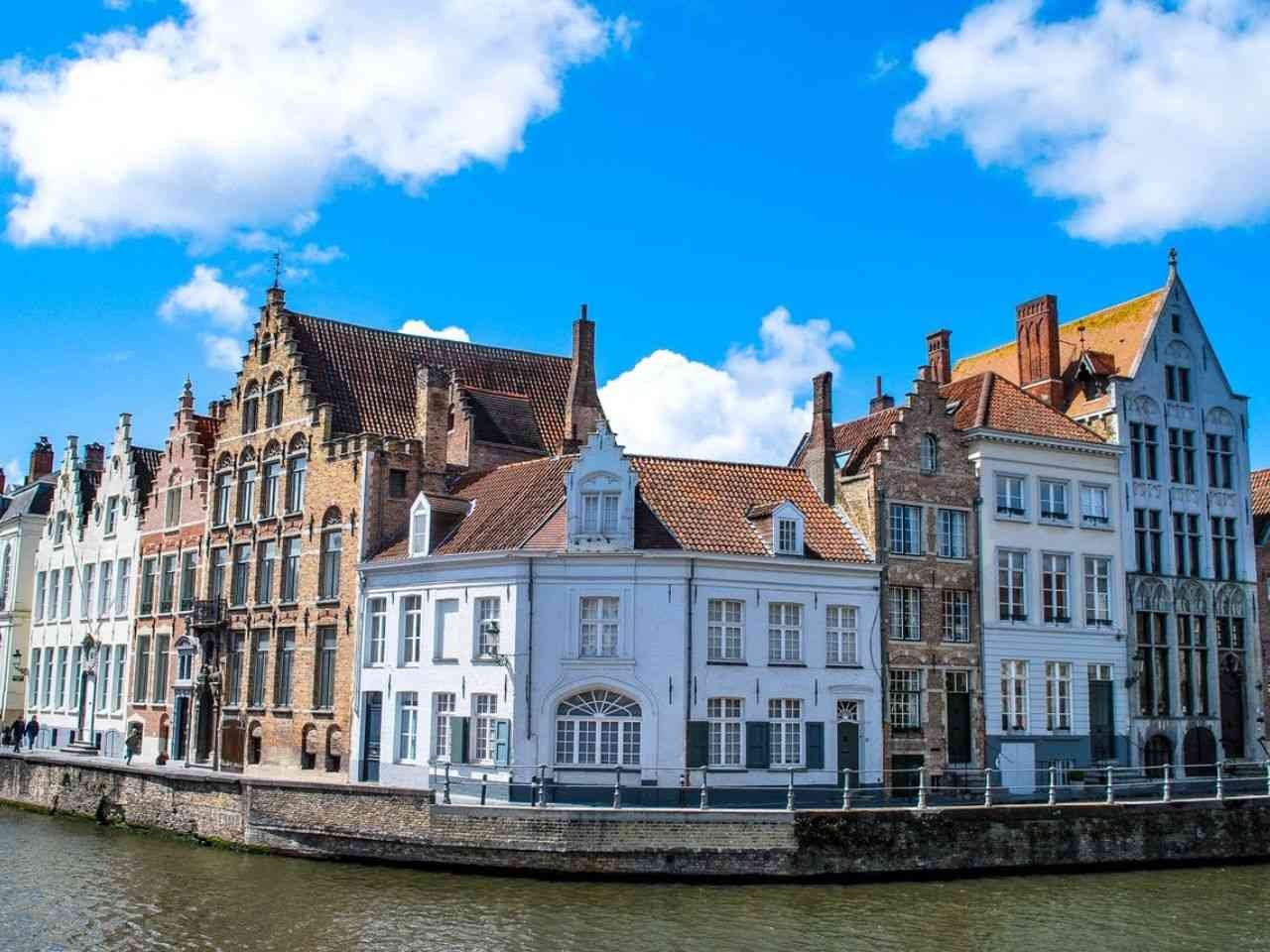
4. Bruges, Belgium — A Quiet, Compact Medieval Escape
Why It Ranks
Bruges is small enough to feel genuinely intimate rather than crowded even in peak season — a car-free medieval old town with canals, without Venice’s scale or Amsterdam’s nightlife-driven crowds.
What to Expect
The entire historic center is walkable in under 30 minutes end to end, which makes Bruges one of the easiest cities on this list to see thoroughly without a rushed itinerary. Day-trippers from Brussels and coastal cruise stops add crowds around midday, but early mornings and evenings stay noticeably quieter.
Things to Do in Bruges
- Take a canal boat tour — shorter and cheaper than Venice’s equivalent, with a genuinely intimate, quiet stretch of water.
- Climb the Belfry tower — panoramic views over the old town, best visited early to avoid both crowds and the narrow staircase bottleneck.
- Visit a chocolate-making workshop — a genuinely couple-friendly activity unique to the city’s chocolate-making reputation.
- Walk Minnewater (Lake of Love) at sunset — the city’s most explicitly romantic spot, and one of its quietest.
Best For
Short 2-day romantic getaways, couples wanting a quiet, low-crowd medieval atmosphere, and anyone extending a Paris or Amsterdam trip with a nearby add-on.
Avoid If
Skip Bruges if you want nightlife or a longer multi-day itinerary — the city is genuinely small enough to feel fully explored within 2 days.
Budget Reality
A comfortable couple’s daily budget runs €130–220. Hotel rooms in the historic center run €90–160/night; restaurant dinners for two run €50–80. A canal boat tour costs roughly €10–12 per person, considerably cheaper than Venice’s gondola.
Practical Details
- Best area to stay: Directly within the historic center — Bruges is small enough that any central hotel puts you within walking distance of everything.
- Best time to visit: April–June or September–October for mild weather without the heaviest day-trip crowds.
- Getting around: Entirely walkable; the historic center is largely car-free.
- Day-trip crowding: Midday (roughly 11 AM–3 PM) sees the heaviest crowds from Brussels day-trippers and coastal cruise stops.
How to Get There
- Major International Airports: Brussels Airport (BRU), Brussels South Charleroi (CRL) — Bruges has no airport of its own.
- By train from Paris: Direct high-speed rail (Thalys/Eurostar) connects in roughly 2 hours, a practical extension of a Paris trip.
- By train from Brussels: Direct trains run about 1 hour, the most common approach route.
Pro Tip
Stay overnight rather than day-tripping from Brussels — Bruges empties out noticeably once the last day-trip trains and tour buses leave in the early evening, leaving the canals genuinely quiet for dinner and an evening walk.
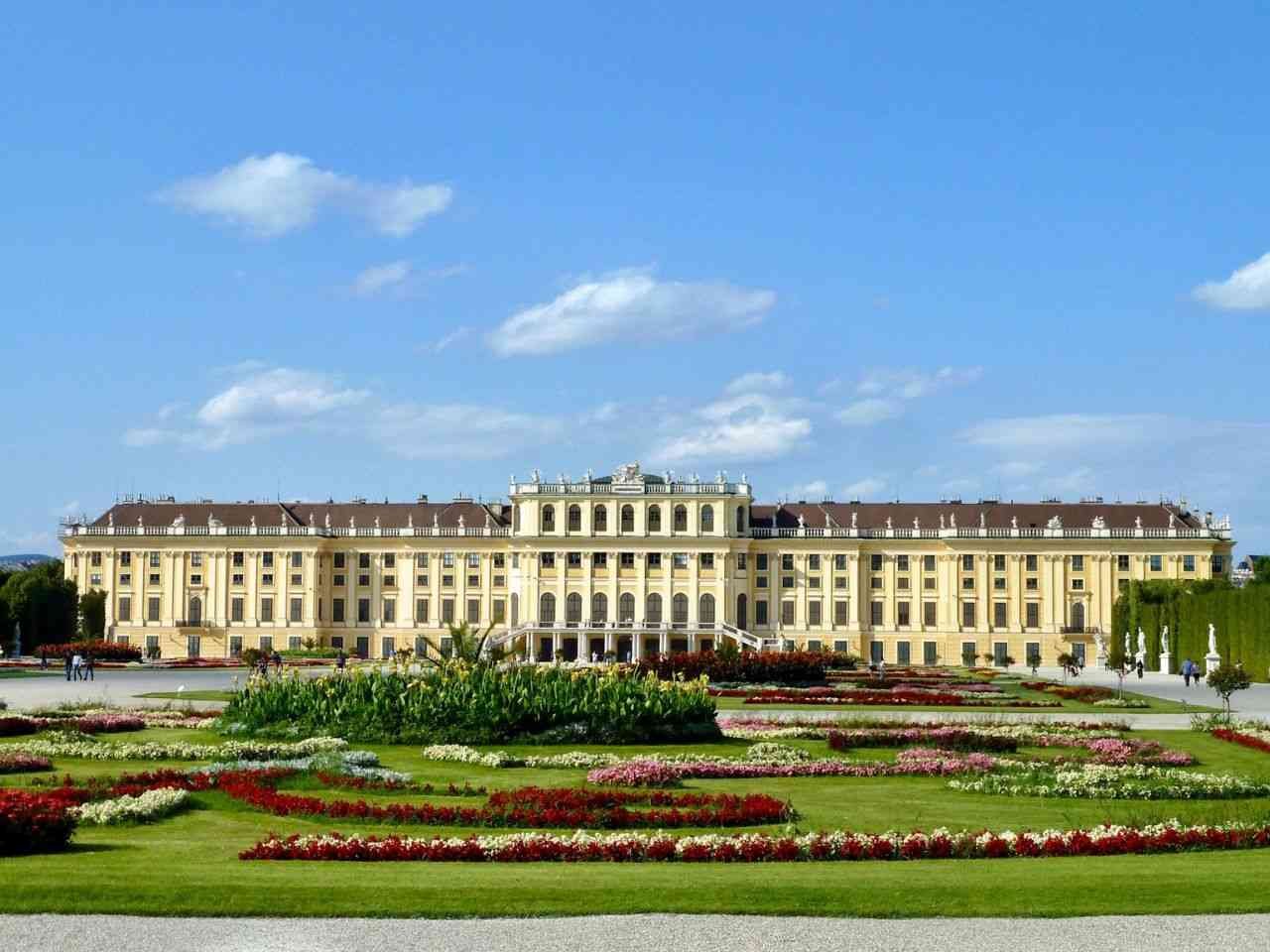
5. Vienna, Austria — Old-World Elegance and Classical Music
Why It Ranks
Vienna delivers a more refined, classical-music-and-imperial-architecture version of romance than the Balkans or Prague’s gothic charm — the pick for couples who want elegance over intimacy-through-crowds-avoidance.
What to Expect
The city center (Innere Stadt) is dense with imperial-era architecture and genuinely walkable, while Vienna’s coffeehouse culture provides a built-in slow, unhurried pace that suits a couples’ trip better than a sightseeing-checklist city. Winter transforms Vienna significantly — Christmas markets and a more subdued, atmospheric version of the city emerge from November through December.
Things to Do in Vienna
- Attend a classical concert or opera performance — genuinely central to Vienna’s identity, not a tourist add-on, with standing-room tickets available for a fraction of seated prices.
- Visit Schönbrunn Palace gardens at sunset — quieter than midday, with the palace lit warmly in the evening light.
- Sit for a slow coffee and cake at a historic café — Café Central or Demel are the well-known options, though smaller neighborhood cafés offer the same ritual with fewer tourists.
- Walk the Christmas markets (November–December) — Vienna’s markets are considered among the more atmospheric in Europe, less commercialized than some larger equivalents.
Best For
Couples wanting classical, refined elegance over medieval charm, winter romantic trips, and travelers with 3–4 days to properly slow down.
Avoid If
Skip Vienna if a fast-paced, checklist-heavy itinerary is the goal — the city rewards a slower, café-and-concert pace more than rapid sightseeing.
Budget Reality
A comfortable couple’s daily budget runs €150–250. Standing-room opera tickets can run as low as €10–15 per person, while seated tickets run considerably more. A traditional Viennese dinner for two runs €60–100; coffeehouse visits are inexpensive but easy to linger over for an hour or more.
Practical Details
- Best area to stay: Innere Stadt (1st district) for walkability to major sights, though it’s the priciest area — Josefstadt (8th district) offers a quieter, more local alternative nearby.
- Best time to visit: November–December for Christmas markets and atmosphere, or May–June for milder weather.
- Getting around: Extensive and reliable trams, U-Bahn, and buses cover the full city affordably.
How to Get There
- Major International Airports: Vienna International Airport (VIE).
- By air: Vienna International Airport has extensive direct connections across Europe and several North American routes.
- By train from Prague: Direct trains run roughly 4 hours, a common Central Europe pairing.
Pro Tip
Buy standing-room opera tickets in person a few hours before the performance rather than online in advance — they’re sold same-day only, at the theater box office, and offer a genuinely excellent view for a fraction of seated pricing.
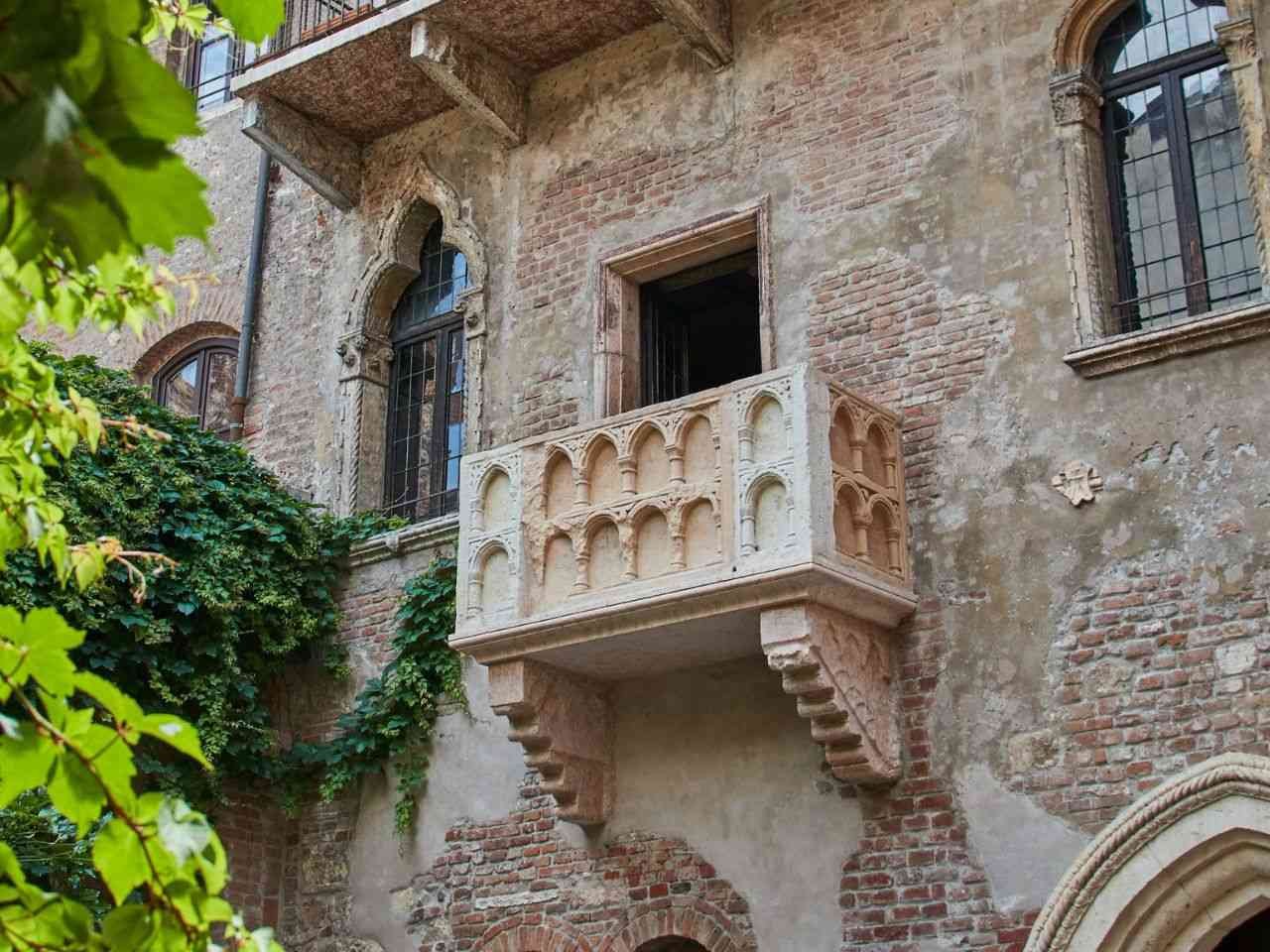
6. Verona, Italy — Romeo and Juliet’s City, Without Venice’s Price Tag
Why It Ranks
Verona carries the same Italian old-town romance as Venice or Florence, plus a direct literary link to Romeo and Juliet, at a noticeably lower cost and pace — a strong pick for couples who want authentic Italian atmosphere without Venice’s crowds or price.
What to Expect
The historic center is compact and genuinely walkable, centered on Piazza delle Erbe and the well-preserved Roman Arena, which still hosts opera performances in summer. “Juliet’s House” and its courtyard draw crowds specifically, but the rest of the old town stays noticeably calmer than comparable spots in Venice or Florence.
Things to Do in Verona
- Attend a summer opera performance at the Roman Arena — a genuinely unique setting, one of the best-preserved Roman amphitheaters still in active use.
- Visit Juliet’s House and courtyard — expect crowds specifically here, even though the rest of the city stays quiet by comparison.
- Walk across Ponte Pietra at sunset — a Roman-era bridge with views over the Adige River, notably less crowded than Venice’s bridges.
- Climb Torre dei Lamberti — panoramic views over the old town’s terracotta rooftops, with far shorter lines than Florence’s Duomo climb.
Best For
Budget-conscious couples wanting authentic Italian romance, a Venice pairing for a longer Italy trip, and opera or classical music enthusiasts visiting in summer.
Avoid If
Skip Verona if the Roman Arena’s summer opera season (your likely reason to visit in July–August) isn’t running — the rest of the year, the city is quieter but loses that specific draw.
Budget Reality
A comfortable couple’s daily budget runs €110–190, meaningfully less than Venice for a comparable level of Italian old-town atmosphere. Hotel rooms run €70–130/night; restaurant meals for two run €40–70. Arena opera tickets range widely by seating, from affordable unreserved stone-step seating to premium numbered seats.
Practical Details
- Best area to stay: Directly within the historic center, near Piazza delle Erbe, for walkability to everything.
- Best time to visit: June–August specifically for the Arena’s open-air opera season; April–May or September for a quieter visit without opera.
- Getting around: Entirely walkable; the historic center is compact.
- Juliet’s House crowding: Consistently busy — visit early morning or accept it as a brief, crowded stop rather than a lingering one.
How to Get There
- Major International Airports: Verona Villafranca (VRN), with Venice Marco Polo (VCE) and Milan’s airports (MXP/LIN/BGY) as common alternates.
- By train from Venice: Direct trains run about 1 hour, the most common and practical pairing on this list.
- By air: Verona Villafranca Airport has some direct European connections; Venice or Milan airports offer more options with a train connection onward.
Pro Tip
Book Arena opera tickets specifically for a summer visit — it’s Verona’s most distinctive experience and the clearest reason to choose it over a similarly priced Italian old town elsewhere.
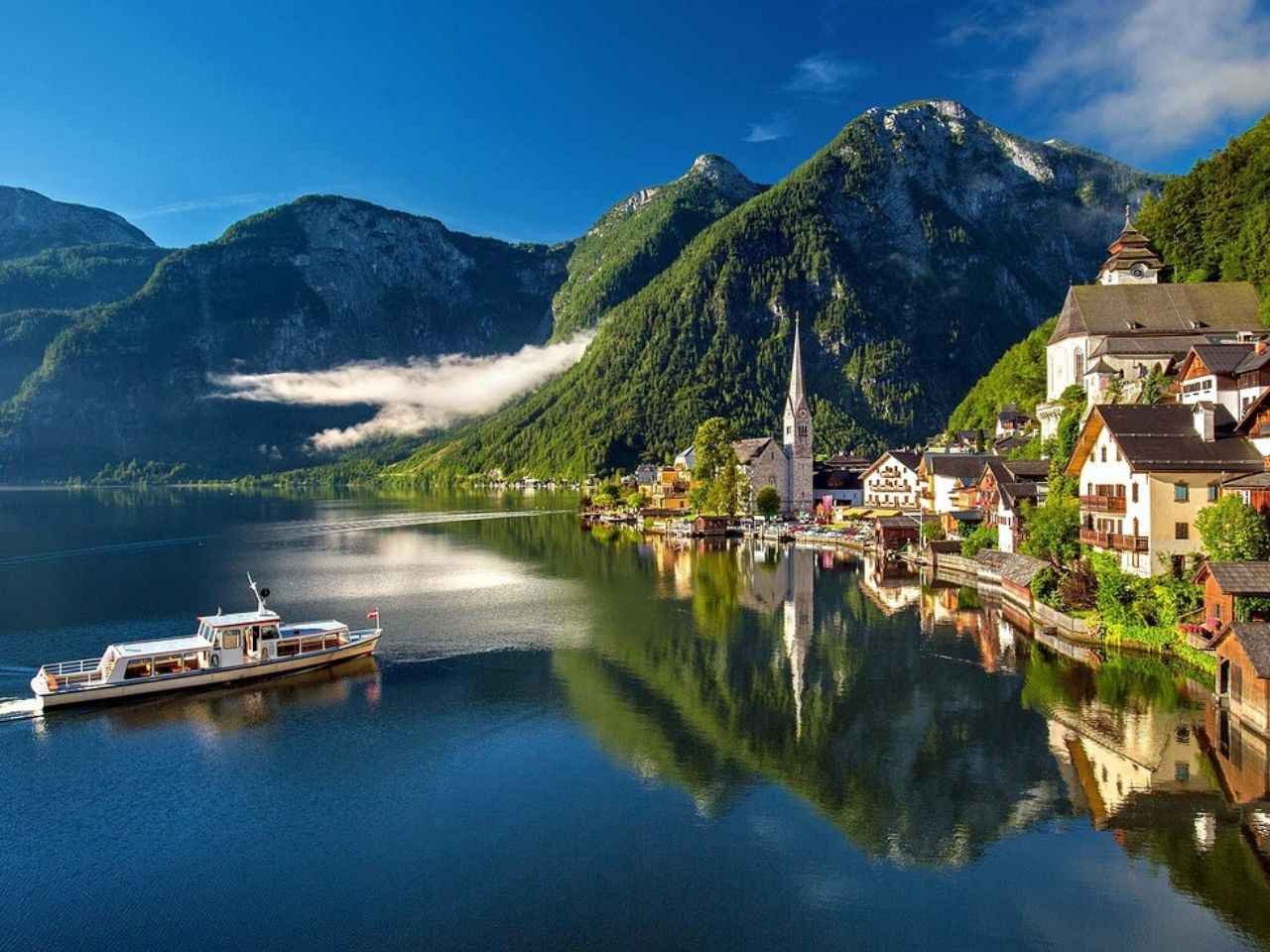
7. Hallstatt, Austria — Europe’s Quietest, Most Photogenic Proposal Spot
Why It Ranks
Hallstatt’s lakeside village, backed by Alpine peaks, delivers a level of quiet, postcard scenery that none of the larger cities on this list can match — genuinely well-suited to a proposal or an intimate day away from crowds, provided you time it around the tour-bus schedule.
What to Expect
The village itself is tiny — walkable in well under an hour — and receives a disproportionate number of day-trip tour buses given its size, concentrated in a narrow midday window. Staying overnight, rather than day-tripping, is the single biggest factor in whether your visit feels quiet or crowded.
Things to Do in Hallstatt
- Walk the lakeside promenade at sunrise or after tour buses leave — the classic photo spot is genuinely peaceful outside roughly 10 AM–4 PM.
- Take the funicular to the Skywalk viewpoint — panoramic views over the village and lake, quieter than the waterfront itself.
- Visit the Hallstatt salt mine — one of the oldest in the world, a genuinely unique activity beyond the scenery.
- Rent a rowboat on Lake Hallstatt — one of the few activities in the village that guarantees privacy away from the crowds.
Best For
Proposals, couples wanting maximum scenery with minimum crowd interaction (with the right timing), and short 1–2 day add-ons to a wider Austria trip.
Avoid If
Skip a Hallstatt day trip specifically if you can’t visit outside the roughly 10 AM–4 PM tour-bus window — this is the single most crowd-sensitive destination on this list.
Budget Reality
A comfortable couple’s daily budget runs €140–230, driven up by limited accommodation supply in a genuinely small village. Hotel rooms book out well in advance in summer and run €100–180/night for anything centrally located. Day-trip costs are lower, but you’ll be sharing the view with the same crowds everyone else is trying to avoid.
Practical Details
- Best area to stay: Directly in the village, booked well ahead — supply is genuinely limited given Hallstatt’s size.
- Best time to visit: Shoulder season (May or September) for milder weather and thinner tour-bus crowds than peak summer.
- Getting around: The village is fully walkable; a car or train-plus-bus combination is needed to reach it from a base city.
- Crowd pattern: Tour buses cluster mid-morning through mid-afternoon — early morning and evening are reliably quiet.
How to Get There
- Major International Airports: Salzburg Airport (SZG), Linz Airport (LNZ) — Hallstatt has no airport of its own.
- By train from Vienna: Roughly 3 hours via Attnang-Puchheim, with a scenic final stretch along the lake.
- By car from Salzburg: About 1 hour, the more flexible option if you’re renting a car for a wider Austria trip.
Pro Tip
Book one night in the village even if your trip is brief — the difference between a day-trip Hallstatt (crowded, rushed) and an overnight Hallstatt (quiet at dawn and dusk) is the single biggest factor in whether this stop feels romantic or stressful.
8. Ljubljana, Slovenia — Europe’s Most Underrated Romantic Capital
Why It Ranks
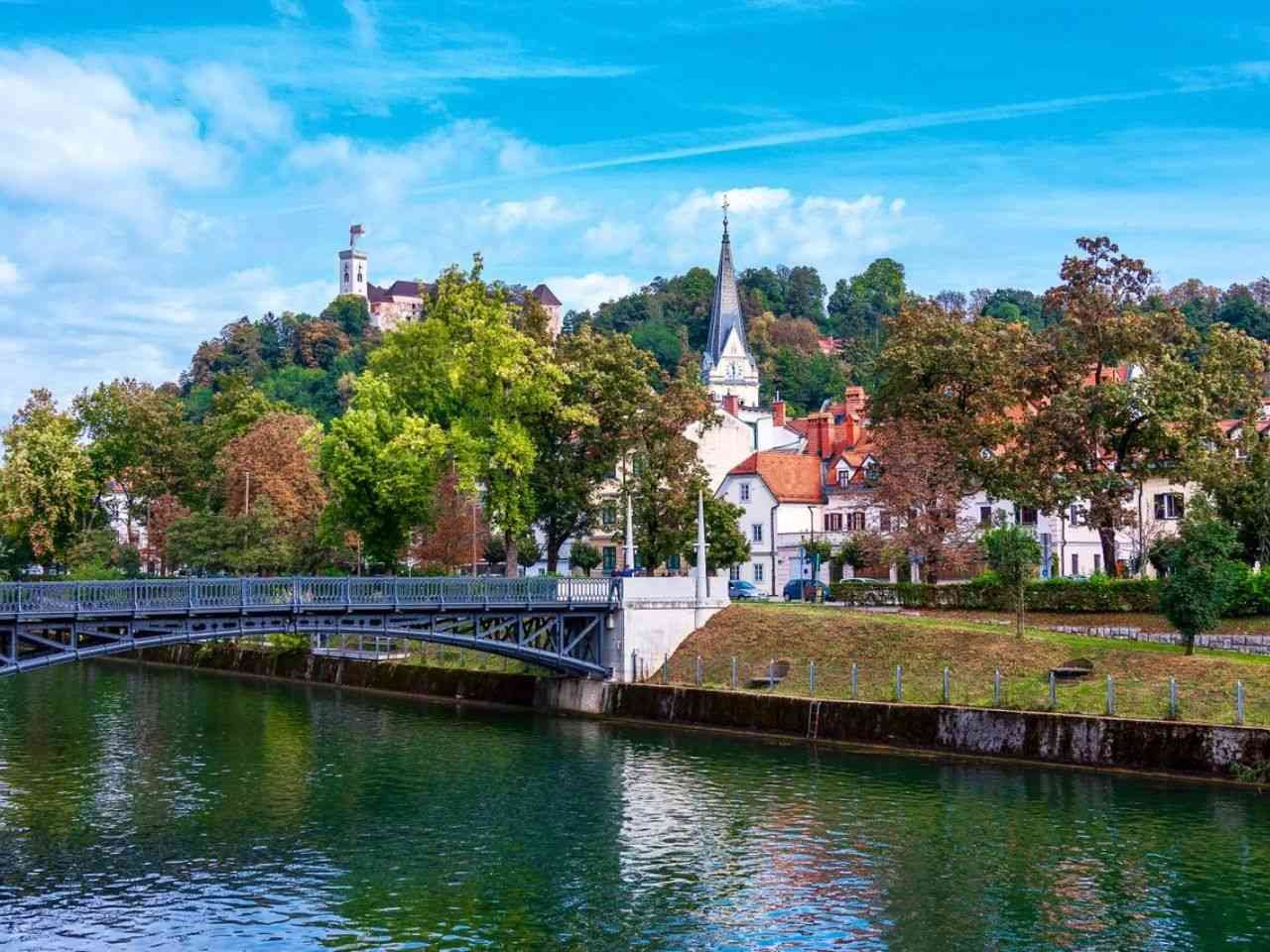
Ljubljana delivers a walkable, riverside old town with a hilltop castle at a fraction of the cost and crowd level of any other capital on this list — genuinely underrated for couples who want authenticity over recognition.
What to Expect
The pedestrianized city center is compact, green, and calm by capital-city standards, with riverside cafés lining the Ljubljanica and a castle overlooking the whole scene from a short funicular ride up. The city sees real tourism but nothing close to Prague or Vienna’s volume, which keeps the pace genuinely relaxed rather than performatively “quiet.”
Things to Do in Ljubljana
- Walk the riverside promenade in the evening — cafés and restaurants line the Ljubljanica, genuinely calm even on weekend nights.
- Take the funicular to Ljubljana Castle — panoramic city views, with a notably shorter line than equivalent castle viewpoints elsewhere on this list.
- Day-trip to Lake Bled — roughly an hour away, with its own island church and mountain backdrop, one of the most photographed spots in Slovenia.
- Cross the Triple Bridge and Dragon Bridge — the city’s signature architectural landmarks, both within easy walking distance of each other.
Best For
Budget-conscious couples wanting a genuinely underrated capital, travelers pairing the city with a Lake Bled day trip, and anyone prioritizing calm over iconic recognition.
Avoid If
Skip Ljubljana if instantly recognizable, bucket-list scenery is the priority — its appeal is authenticity and calm rather than iconic landmarks.
Budget Reality
A comfortable couple’s daily budget runs €90–160, the most affordable capital city on this list. Hotel rooms run €60–110/night; restaurant dinners for two run €35–60. A Lake Bled day trip by public bus costs only a few euros each way, though a rental car offers more flexibility for the scenic drive.
Practical Details
- Best area to stay: Center Ljubljana (Center district), directly along or near the river, for walkability to everything.
- Best time to visit: May–June or September for mild weather and manageable crowds; Lake Bled is at its clearest in late spring and early autumn.
- Getting around: Entirely walkable within the old town; buses cover day trips like Lake Bled affordably.
How to Get There
- Major International Airports: Ljubljana Jože Pučnik Airport (LJU), with Vienna (VIE), Munich (MUC), or Frankfurt (FRA) as common connection points.
- By air: Ljubljana Jože Pučnik Airport has a smaller direct flight network than nearby capitals — many travelers connect via Vienna, Munich, or Frankfurt.
- By train from Vienna: Direct trains run roughly 6 hours, workable as part of a longer Central Europe route.
Pro Tip
Add a Lake Bled day trip even on a short Ljubljana visit — it’s close enough to fit into a single day without needing a separate overnight stay, and it’s the single most photographed spot in the country for good reason.
FAQs
1. What is the most romantic city in Europe?
Paris is most commonly cited as the single most romantic city in Europe, thanks to the density of iconic experiences — the Eiffel Tower, Seine river cruises, Montmartre — though it also comes with the highest costs and crowds on this list.
2. What is the cheapest romantic city in Europe?
Ljubljana offers the lowest overall cost among capital cities on this list, with a comfortable couple’s daily budget around €90–160. Verona and Prague are also strong budget-friendly options with a genuine old-town romantic atmosphere.
3. Does Venice’s 2026 entry fee affect couples staying overnight?
No — overnight guests are exempt from the €5–10 day-tripper fee, but you must still register online for a free exemption QR code. The fee applies on 60 dates between April and July 2026, from 8:30 AM to 4 PM.
4. What is the best time of year for a romantic European city break?
Late April–June and September–early October offer the best balance of mild weather and thinner crowds across most of these cities. Winter (specifically Vienna and Prague) trades warmth for Christmas markets and a genuinely quieter atmosphere.
5. Which romantic European cities work best for a short weekend trip?
Bruges, Verona, and Hallstatt are all compact enough to see properly in 2 days without feeling rushed. Paris and Vienna reward a longer 4–5 day stay to avoid feeling rushed through their larger scope.
Helpful Planning Resources
- Venice Access Fee Official Portal — Register for the 2026 day-tripper fee or exemption before your visit.
- Official Schengen Visa Information — Entry rules and visa-free allowances by nationality.