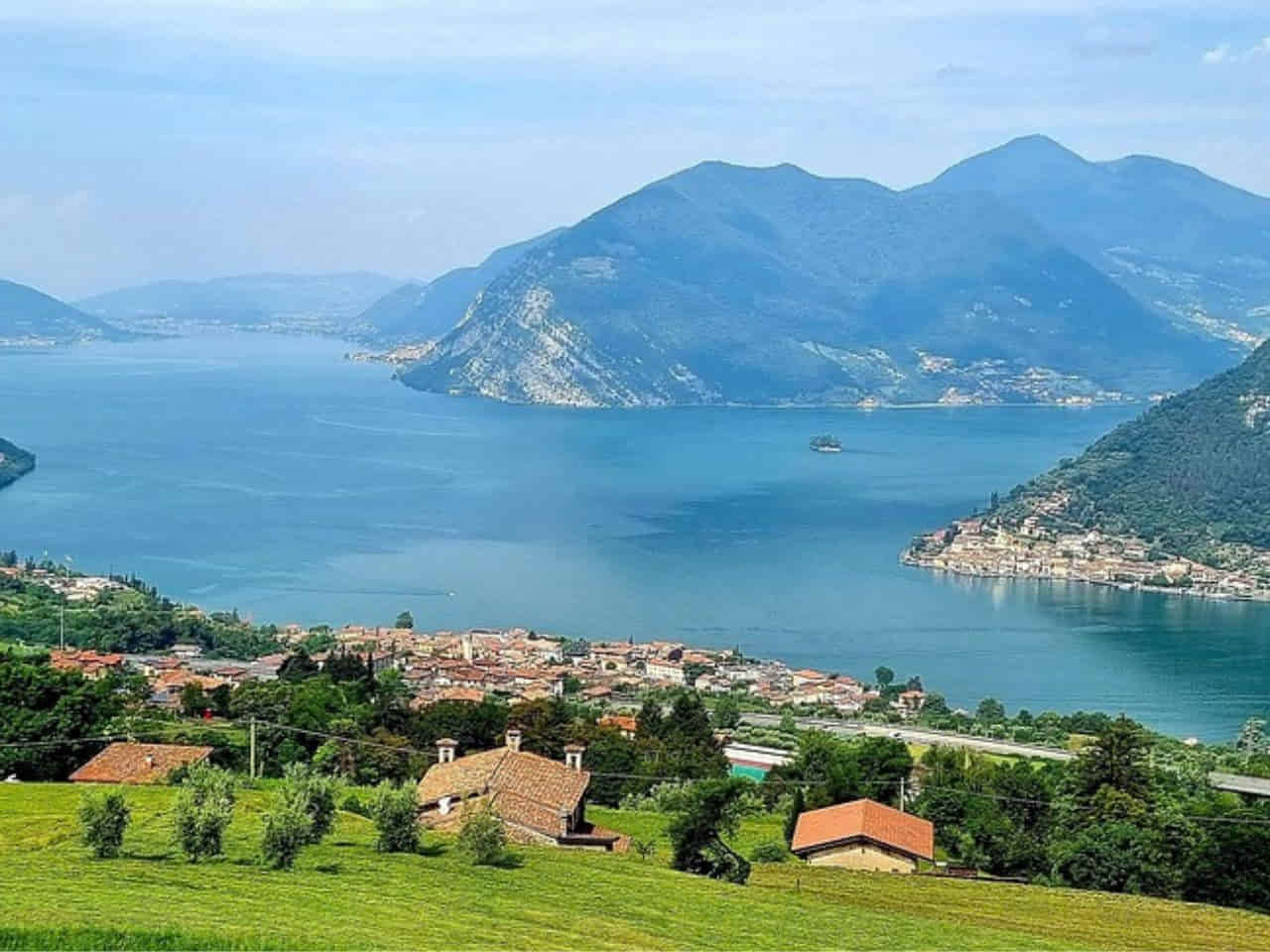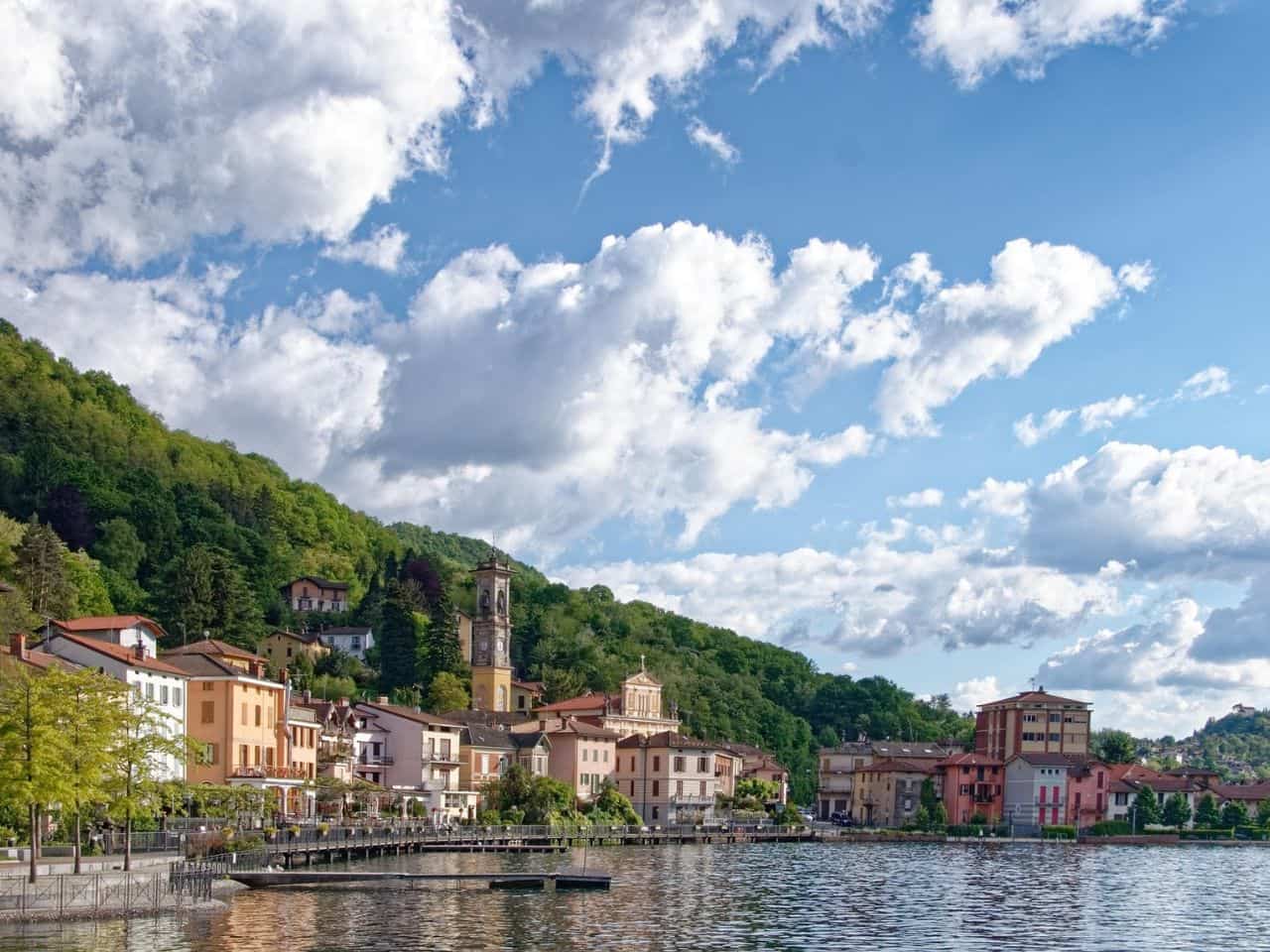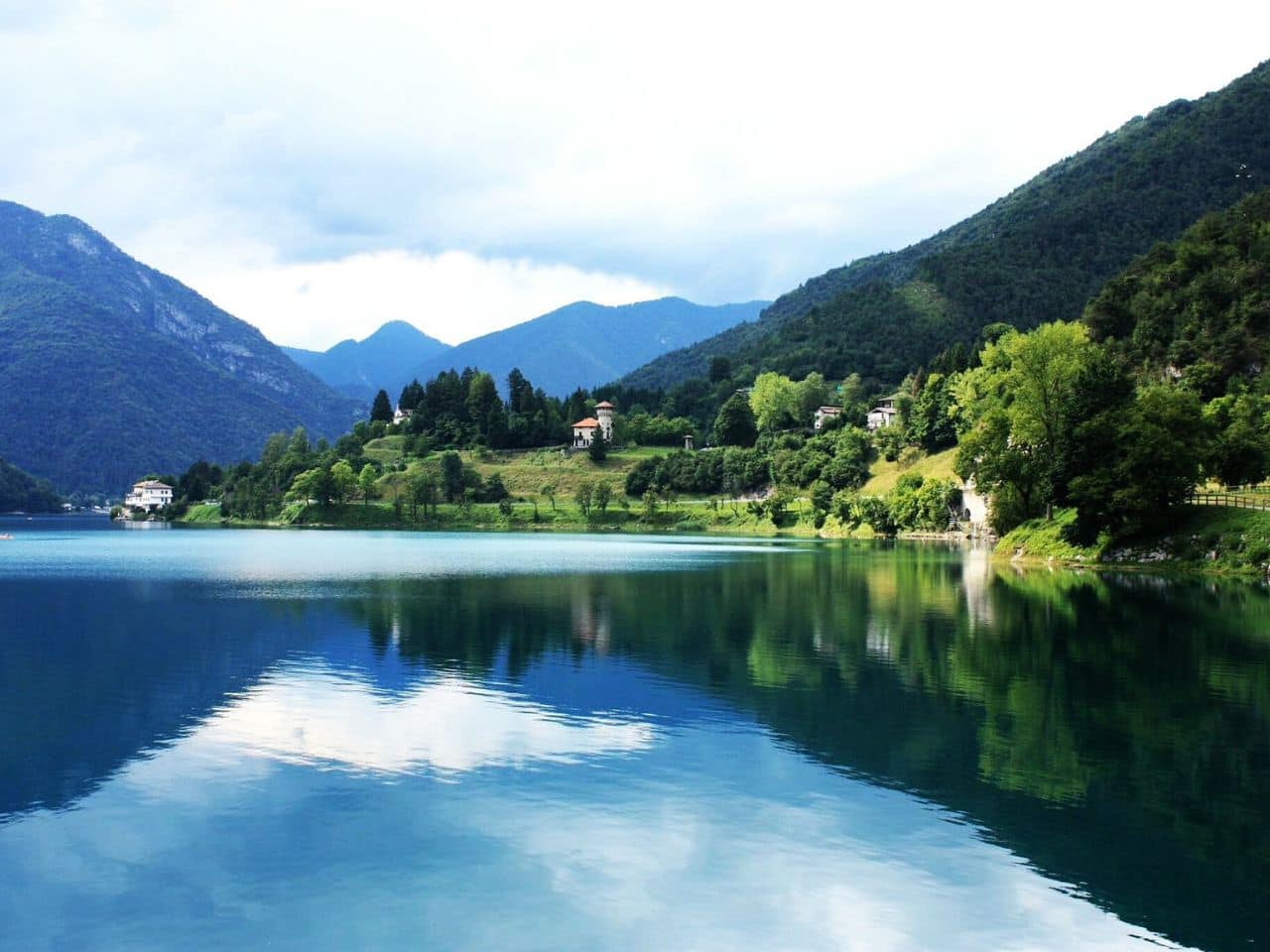
Last Updated: January 21, 2026 – reflecting current travel conditions, accessibility, ferry operations, crowd behavior, pricing trends, and seasonal experiences across Italy’s major lakes.
Italy’s lakes look similar on a map, but no two feel the same once you arrive.
Some are known for luxury and romance, while others are better for outdoor adventures, family vacations, dramatic Alpine scenery, or peaceful village life.
For most travelers, choosing the right lake matters far more than choosing the most famous one.
This guide ranks the 12 best Italian lakes based on travel style, scenery, accessibility, crowds, and budget, helping you choose the destination that best matches the kind of trip you’re planning.
Love this? Don’t forget to check out the Season-by-Season complete guide on Best time to visit Italy AND 29 Essential Italy Travel Tips to plan out your best Italian trip ever!
What Are the Best Italian Lakes? (Quick Answer)
The best Italian lakes to visit are Lake Como, Lake Garda, Lake Maggiore, Lake Braies, Lake Orta, Lake Iseo, Lake Lugano, Lake Misurina, Lake Bolsena, Lake Trasimeno, Lake Resia, and Lake Ledro.
Each lake offers a completely different experience, from glamorous waterfront towns and dramatic Alpine scenery to peaceful villages and outdoor adventures. Lake Como is best for luxury and romance, Lake Garda suits travelers looking for variety and family-friendly activities, Lake Braies is known for breathtaking mountain landscapes, while quieter lakes like Lake Orta and Lake Ledro are ideal if you want to escape the crowds.
For first-time visitors, Lake Como, Lake Garda, and Lake Braies offer the best introduction to Italy’s lakes thanks to their scenery, accessibility, and wide range of experiences.
How to Choose the Right Italian Lake for Your Trip
The best Italian lake isn’t necessarily the most famous—it’s the one that best matches your budget, travel style, available time, and the season you’re visiting. Use the guide below to narrow your options before diving into the detailed lake profiles.
Choose Based on Budget
- Luxury & Premium Budget : Lake Como, Lake Lugano, parts of Lake Maggiore
- Mid-Range Budget : Lake Garda, Lake Iseo, Lake Orta
- Best Value : Lake Bolsena, Lake Trasimeno, Lake Ledro
Choose Based on Trip Length
- 1–2 Days: Lake Como, Lake Braies, Lake Orta
- 3–5 Days: Lake Garda, Lake Maggiore, Lake Lugano
- 6–7 Days or Longer Lake Garda, Lake Maggiore, Lake Trasimeno
Choose Based on Season
- Spring (April–June): Best overall balance of weather, scenery, and crowds.
- Summer (July–August): Warmest weather but highest prices and visitor numbers.
- Autumn (September–October): Pleasant temperatures, fewer crowds, and excellent photography conditions.
- Winter (November–March): Best for snowy Alpine scenery around lakes like Braies and Misurina, although some seasonal attractions and services operate on reduced schedules.
Choose Based on Your Travel Style
Best Italian Lakes Compared at a Glance

Italian Lakes Map: Where Are the Lakes Located?
Italy’s best lakes are spread across three regions: Northern Italy, the Dolomites, and Central Italy, with each region offering a very different travel experience. Understanding where they’re located makes it easier to build a realistic itinerary and avoid spending unnecessary time traveling between lakes.
| Region | Italian Lakes |
|---|
| Northern Italy | Lake Como, Lake Garda, Lake Maggiore, Lake Orta, Lake Iseo, Lake Lugano, Lake Ledro |
| Dolomites | Lake Braies, Lake Misurina, Lake Resia |
| Central Italy | Lake Bolsena, Lake Trasimeno |
What Each Region Offers
- Northern Italy is home to Italy’s most famous lakes, elegant waterfront towns, luxury hotels, scenic ferry routes, and the country’s best-connected rail network.
- The Dolomites are ideal for dramatic Alpine scenery, hiking, photography, and unforgettable mountain landscapes.
- Central Italy offers quieter lakes, lower crowds, better value, and a slower pace that’s perfect for relaxed road trips and authentic local experiences.
The interactive map below highlights all 12 lakes featured in this guide, making it easier to understand their locations and choose the ones that best fit your route, available time, and travel style.
Take This Map With You! Hit the arrow (↖) in the top-left corner to see where each lake is located and quickly identify which region best matches your travel style.
The 12 Best Italian Lakes to Visit
- 1. Lake Como – Italy’s Most Iconic Luxury Lake
- 2. Lake Garda – Italy’s Most Versatile Lake for Every Type of Traveler
- 3. Lake Braies – Italy’s Most Photographed Alpine Lake
- 4. Lake Maggiore – Italy’s Best Lake for Gardens, Islands & Elegant Lakeside Towns
- 5. Lake Orta – Italy’s Best Hidden Lake for Slow Travel & Peaceful Escapes
- 6. Lake Iseo – Italy’s Best Lake for Authentic Local Charm & Wine Lovers
- 7. Lake Lugano – Italy’s Best Lake for Italian Charm & Swiss Elegance
- 8. Lake Misurina – Italy’s Best Lake for Dolomite Views & Mountain Adventures
- 9. Lake Bolsena – Italy’s Best Lake for Peaceful Escapes & Affordable Lakeside Holidays
- 10. Lake Trasimeno – Italy’s Best Lake for Slow Travel and Cultural Exploration
- 11. Lake Resia – Italy’s Most Unique Lake with the Famous Sunken Church Tower
- 12. Lake Ledro – Italy’s Best Off-the-Beaten-Path Lake for Crystal-Clear Water & Outdoor Adventures
1. Lake Como – Italy’s Most Iconic Luxury Lake

Why Visit Lake Como?
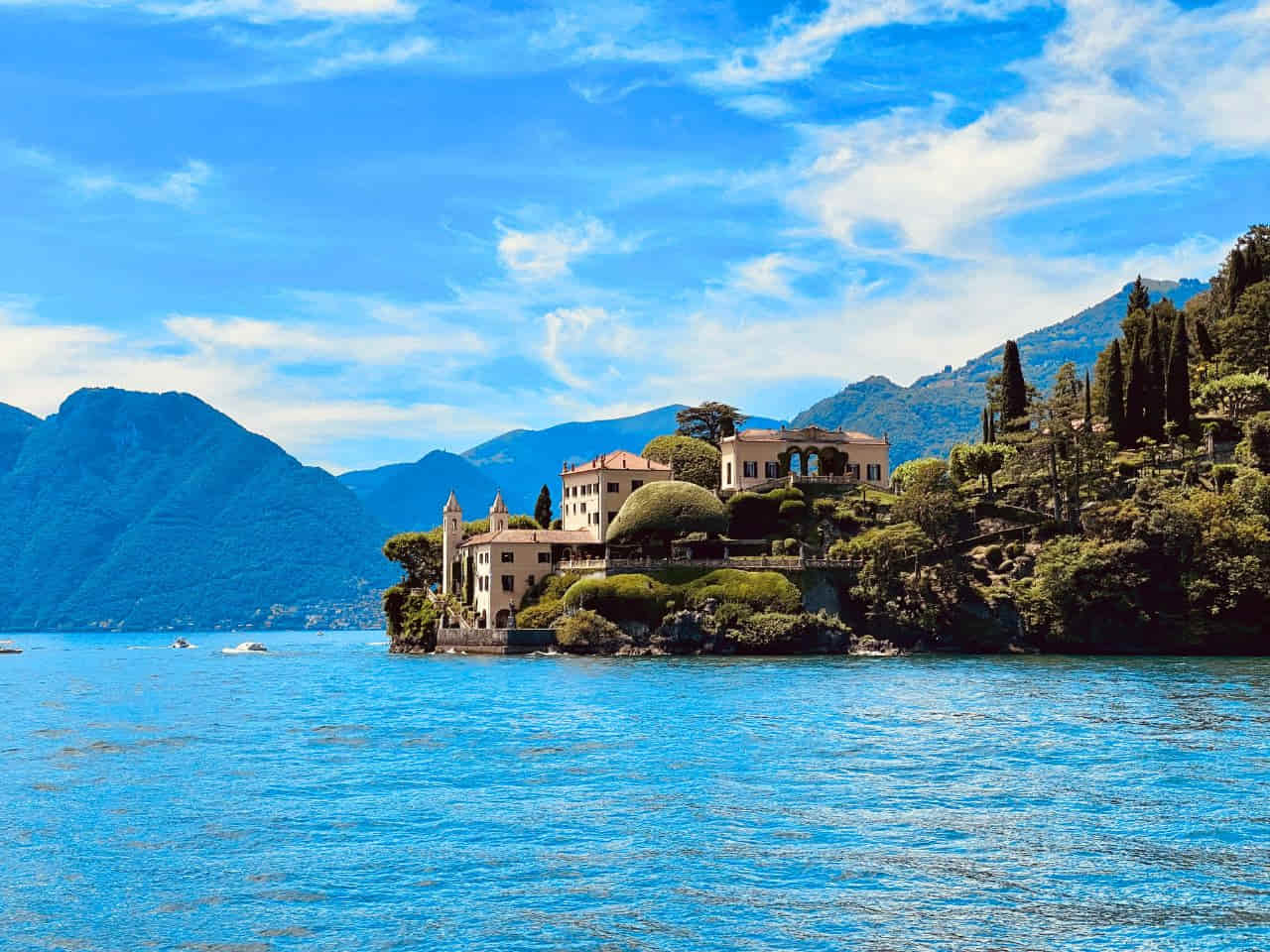
Lake Como is Italy’s most iconic lake, known for its elegant waterfront towns, historic villas, dramatic mountain scenery, and relaxed atmosphere. Unlike lakes that focus on outdoor adventure or quiet countryside escapes, Lake Como combines luxury, culture, and natural beauty in one destination.
Whether you’re exploring charming towns like Bellagio and Varenna, cruising across the lake by ferry, or enjoying dinner with Alpine views, the experience feels effortlessly refined. It suits travelers who prefer slowing down rather than rushing between attractions, making it an excellent choice for first-time visitors, couples, and anyone wanting a classic Italian lakes vacation.
Who It’s Perfect For / Who Should Skip It
Perfect for: Couples, honeymooners, first-time visitors to the Italian Lakes, luxury travelers, photographers, and anyone who enjoys scenic ferry rides and elegant lakeside towns.
Skip if: You’re traveling on a tight budget, want vibrant nightlife or water sports, or prefer quiet, off-the-beaten-path destinations.
Things to Do at Lake Como
- Take a ferry between Bellagio, Varenna, and Menaggio to experience the lake’s three most famous towns without worrying about traffic or parking.
- Visit Villa Carlotta or Villa Monastero, where historic gardens and lakeside views showcase Lake Como at its best.
- Ride the Como–Brunate Funicular for panoramic views over the lake and surrounding mountains.
- Wander Bellagio’s narrow streets or enjoy a quieter evening along Varenna’s scenic waterfront after most day visitors leave.
- Book a sunset boat cruise if you’re celebrating a honeymoon, anniversary, or another special occasion.
Check out in depth guide on Things to do in Lake Como
Food You Should Try
Sample regional specialties such as Risotto con Pesce Persico (perch risotto), Missoltini (traditional lake fish), Polenta Uncia, fresh lake trout, and Miascia, a local fruit cake. Pairing these dishes with a lakeside meal offers a more authentic taste of Lombardy than standard tourist menus.
Logistics Snapshot
Lake Como is located in Lombardy, about an hour north of Milan. The nearest airports are Milan Malpensa, Milan Linate, and Bergamo. Varenna is the best base for most travelers thanks to its direct train connection from Milan and excellent ferry access to Bellagio and Menaggio. Official ferry schedules can be checked through Navigazione Laghi before departure. A car isn’t necessary for exploring the central lake, as ferries provide the easiest way to travel between the main towns.
Best Time to Visit
May, June, and September offer the best combination of pleasant weather, blooming gardens, reliable ferry services, and manageable crowds. July and August are warm and lively but also the busiest and most expensive months. Spring is ideal for sightseeing, while autumn offers colorful scenery and a more relaxed atmosphere. Winter brings fewer visitors and lower prices, although some attractions and ferry schedules are reduced.
Where to Stay in Lake Como
- Bellagio: Best for First-time visitors, iconic views, walkability, romance
- Varenna: Best for Couples, photography, quieter atmosphere
- Menaggio: Best for Families, ferry access, balanced location
- Como Town: Transportation convenience, shorter stays, day trips from Milan
How Long Should You Stay?
Three days is ideal for most travelers. This gives you enough time to visit the lake’s main towns, enjoy a ferry cruise, explore a historic villa, and experience the slower pace that makes Lake Como special. A single day feels rushed, while longer stays work best if you’re combining hiking, nearby villages, or day trips from Milan.
Planning Tips Before You Go
- Stay in Varenna for the best balance of convenience, scenery, and ferry access.
- Reserve lake-view accommodation several months ahead if visiting between May and September.
- Use ferries instead of driving around the central lake, where parking is limited and roads can be slow.
- Visit Bellagio early in the morning or later in the afternoon to avoid peak crowds.
- Focus on the central lake instead of trying to see every town in one trip.
Budget Reality Check
Lake Como is one of Italy’s most expensive lake destinations, particularly during summer. Staying in Varenna or Menaggio instead of Bellagio can reduce accommodation costs without sacrificing the experience, while shoulder-season travel offers better value and fewer crowds.
Estimated Daily Budget: $250–$500+ per person, depending on accommodation, dining, and activities.
Insider Tips
Many visitors automatically stay in Bellagio, but Varenna often provides a better overall experience. It has direct train access from Milan, excellent ferry connections, a quieter atmosphere after day-trippers leave, and some of the lake’s best sunrise views—often at a lower cost than Bellagio.
2. Lake Garda – Italy’s Most Versatile Lake for Every Type of Traveler

Why Visit Lake Garda?
Lake Garda is Italy’s largest lake and the most versatile destination in the Italian Lakes region. While Lake Como is known for luxury and romance, Lake Garda offers a broader mix of lakeside towns, mountain scenery, beaches, outdoor adventures, family attractions, and historic villages, making it suitable for almost every travel style.
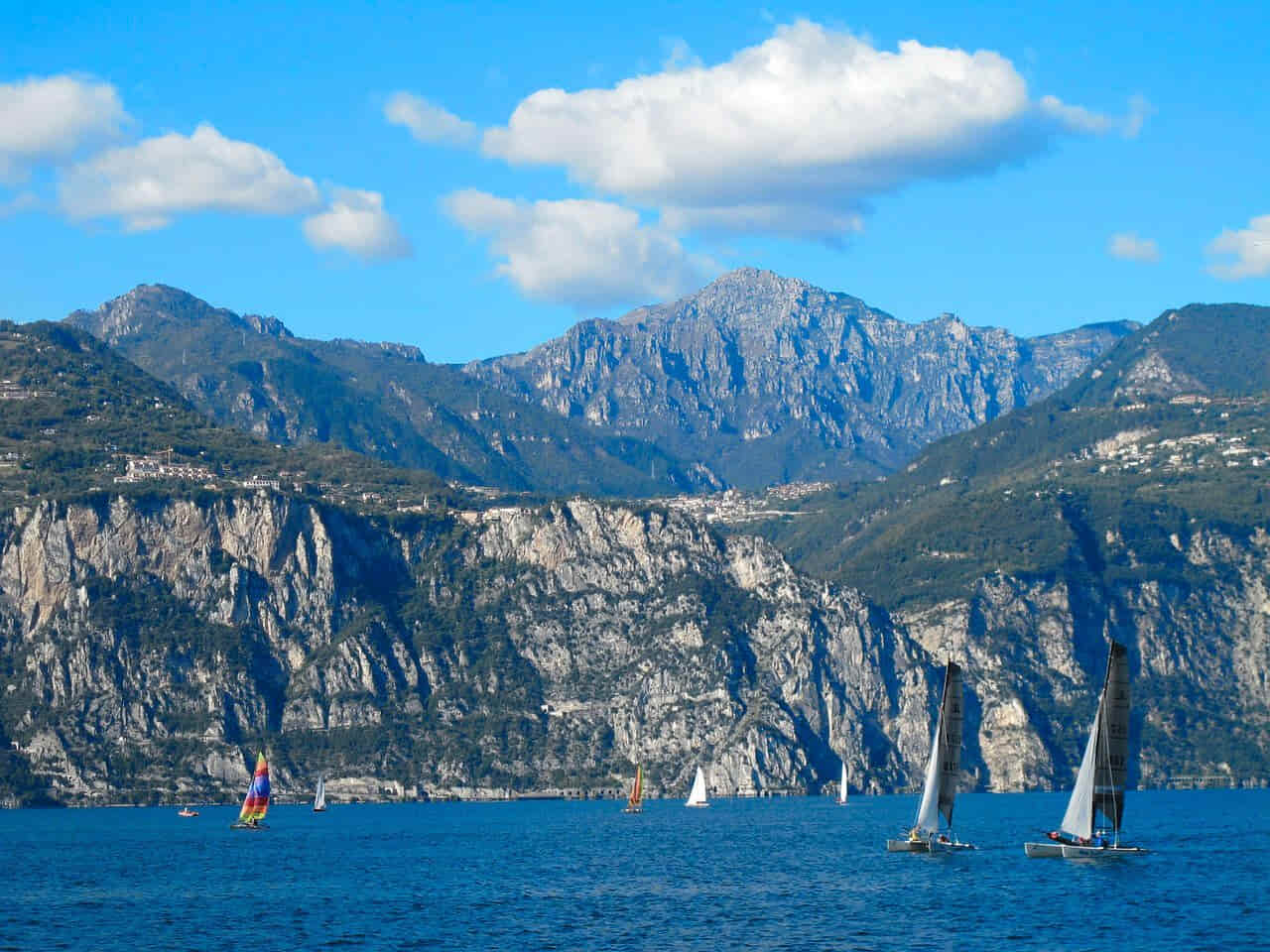
Each part of the lake has its own personality. The southern shores are known for historic towns like Sirmione and easy sightseeing, the eastern side attracts cyclists and hikers, while the northern end is famous for sailing, windsurfing, and dramatic mountain landscapes. Whether you’re planning a romantic escape, a family holiday, or an active outdoor adventure, Lake Garda offers more variety than any other Italian lake.
Who It’s Perfect For / Who Should Skip It
Perfect for: First-time Italian lake visitors, families, couples, outdoor enthusiasts, road trippers, and travelers looking for a mix of relaxation, sightseeing, and adventure.
Skip if: You’re seeking an exclusive luxury escape, prefer quiet hidden destinations, or want the elegant atmosphere that defines Lake Como.
Things to Do at Lake Garda
- Explore Sirmione, home to a medieval castle, charming historic streets, and the famous Grotte di Catullo archaeological site.
- Ride the ferry between lakeside towns such as Sirmione, Malcesine, Limone sul Garda, and Riva del Garda to experience the lake’s different landscapes.
- Take the Monte Baldo Cable Car from Malcesine for spectacular views and some of Northern Italy’s best hiking trails.
- Relax on one of the lake’s beaches or enjoy water sports including sailing, kayaking, paddleboarding, and windsurfing.
- Visit local vineyards, lakeside promenades, or thermal spas for a slower day away from the busiest tourist areas.
Food You Should Try
Lake Garda’s cuisine combines freshwater fish with northern Italian and Mediterranean influences. Try Bigoli con le Sarde (traditional pasta with lake sardines), grilled lake trout, Risotto al Pesce di Lago, locally produced olive oil, and wines such as Lugana or Bardolino, both produced around the lake.
Logistics Snapshot
Lake Garda sits between Lombardy, Veneto, and Trentino-Alto Adige, making it easily accessible from Verona, Milan, Venice, and Bergamo airports. Sirmione is an excellent base for first-time visitors, while Malcesine suits outdoor enthusiasts and Riva del Garda is ideal for hiking and water sports. A car is useful for exploring smaller villages, but ferries and regional buses connect most major towns around the lake.
Best Time to Visit
May, June, and September offer the best balance of pleasant weather, outdoor activities, and manageable crowds. July and August are perfect for swimming and water sports but also bring higher prices and busy lakeside towns. Spring is excellent for cycling and sightseeing, while autumn offers comfortable temperatures, wine harvest season, and fewer visitors. Winter is quieter, although some seasonal attractions and ferry routes operate on reduced schedules.
Where to Stay in Lake Garda
- Sirmione: Best for First-time visitors, thermal spas, historic atmosphere
- Malcesine: Best for Couples, scenery, Monte Baldo access
- Riva del Garda: Best for Outdoor adventures, hiking, cycling, windsurfing
- Desenzano del Garda: Best for Transportation convenience, nightlife, day trips
How Long Should You Stay?
Three to four days is ideal for most travelers. This allows enough time to visit several lakeside towns, enjoy a ferry cruise, experience the lake’s outdoor activities, and relax without feeling rushed. Longer stays are worthwhile if you’re planning hiking, cycling, or using Lake Garda as a base to explore nearby cities such as Verona.
Planning Tips Before You Go
- Stay in Sirmione if you’re visiting for the first time and want easy access to the lake’s main attractions.
- Use ferries to travel between popular towns instead of driving during peak season, when lakeside roads can become heavily congested.
- Book the Monte Baldo Cable Car early on clear-weather days, as queues become long during summer.
- Don’t limit your visit to one side of the lake—each region offers a noticeably different landscape and atmosphere.
- Visit Sirmione early in the morning or stay overnight to experience the town after most day visitors have left.
Budget Reality Check
Lake Garda generally offers better value than Lake Como, with a wider range of accommodation, restaurants, and activities to suit different budgets. Premium hotels and waterfront resorts are available, but many excellent mid-range options can be found throughout the lake, especially outside peak summer.
Estimated Daily Budget: $180–$350+ per person, depending on accommodation, dining, and activities.
Insider Tip
Many visitors spend their entire trip in Sirmione, but the real strength of Lake Garda is its diversity. Pair Sirmione’s historic charm with Malcesine’s mountain scenery or Riva del Garda’s outdoor adventure, and you’ll experience why Lake Garda appeals to a wider range of travelers than any other lake in Italy.
3. Lake Braies – Italy’s Most Photographed Alpine Lake

Why Visit Lake Braies?
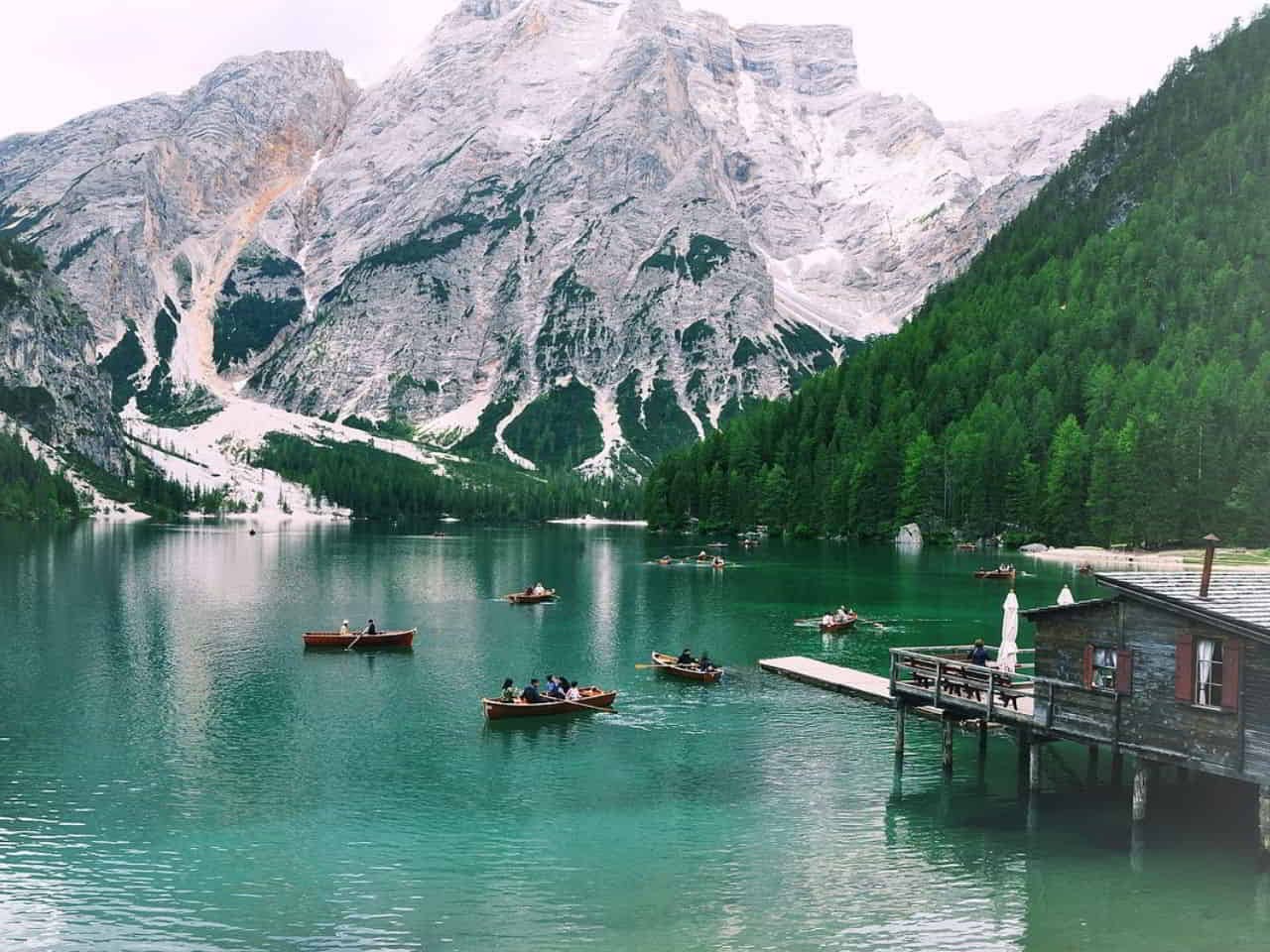
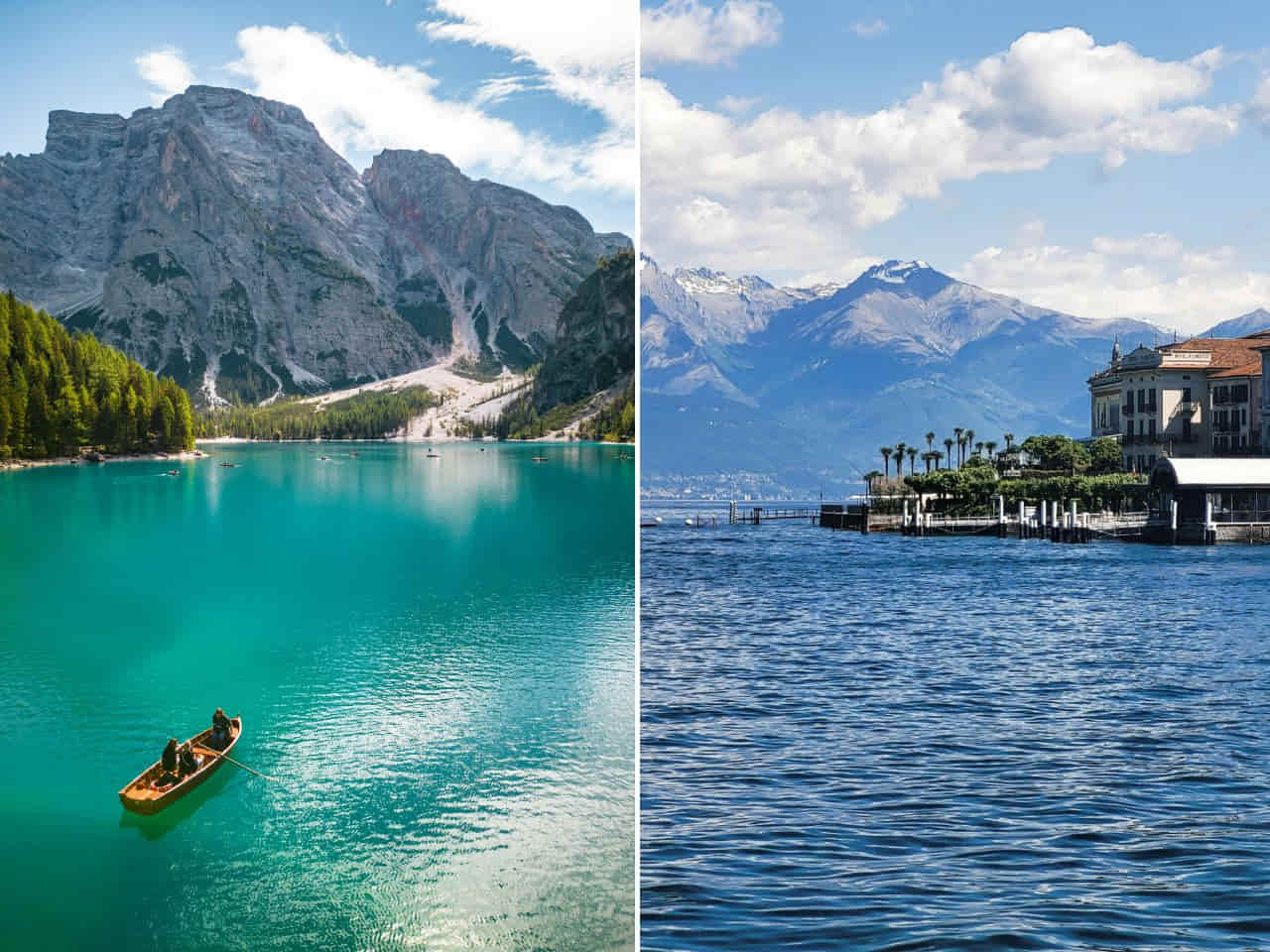
Lake Braies (Pragser Wildsee) is one of Italy’s most breathtaking natural landmarks, famous for its emerald-green water, dramatic Dolomite peaks, and postcard-perfect scenery. Unlike Lake Como or Lake Garda, Lake Braies isn’t about elegant towns or lakeside villages—it’s about experiencing one of the most spectacular mountain landscapes in Europe.
Although the lake itself is relatively small, its setting leaves a lasting impression. A leisurely walk around the shoreline, a traditional wooden rowboat, or simply watching the changing light reflect off the surrounding peaks makes Lake Braies a memorable stop for photographers, hikers, couples, and anyone exploring the Dolomites.
If you’re looking for Italy’s most iconic mountain lake, this is where to start.
Who It’s Perfect For / Who Should Skip It
Perfect for: Nature lovers, photographers, hikers, couples, road trippers, and first-time visitors exploring the Dolomites.
Skip if: You’re looking for lively towns, luxury shopping, lakeside nightlife, or a destination with several days’ worth of attractions.
Things to Do at Lake Braies
- Walk the scenic 3.5 km trail that circles the lake, offering spectacular views from every angle.
- Rent one of the lake’s iconic wooden rowboats for a unique perspective of the surrounding mountains.
- Visit early in the morning to enjoy calmer water, softer light, and significantly fewer visitors.
- Explore nearby hiking trails within Fanes-Sennes-Braies Nature Park, ranging from gentle walks to challenging mountain routes.
- Combine your visit with nearby Dolomite highlights such as Tre Cime di Lavaredo, Lake Misurina, or Cortina d’Ampezzo.
Food You Should Try
The Dolomites blend Italian and South Tyrolean traditions. Look for Speck, homemade canederli (bread dumplings), Schlutzkrapfen (spinach-filled ravioli), apple strudel, and locally produced alpine cheeses. Mountain huts around the region also serve hearty dishes that are perfect after a day of hiking.
Logistics Snapshot
Lake Braies is located in South Tyrol (Alto Adige) within the Dolomites. The nearest airports are Bolzano, Innsbruck, and Venice, although many travelers arrive by car from Verona or Milan. A car offers the greatest flexibility, especially if you’re exploring multiple Dolomite destinations. During peak summer months, vehicle access may be restricted, so booking parking in advance or using seasonal shuttle buses is highly recommended.
Best Time to Visit
Late June through September offers the best weather for hiking, boating, and exploring the surrounding mountains. October brings beautiful autumn colors with fewer crowds, while winter transforms the lake into a snowy alpine landscape, although boating and some hiking trails are unavailable. July and August remain the busiest months, making early morning visits essential for the best experience.
Where to Stay in Lake Braies
- Near Lake Braies: Best for Sunrise photography, convenience, nature immersion
- Dobbiaco (Toblach): Best for Transportation access, hiking, value
- San Candido (Innichen): Best for Charming town atmosphere, restaurants, family stays
- Cortina d’Ampezzo: Best for Luxury travelers, extended Dolomites exploration
How Long Should You Stay?
One full day is enough to experience Lake Braies itself, including the walking trail, a boat ride, and nearby viewpoints. If you’re exploring the wider Dolomites, plan three to five days in the region so Lake Braies becomes part of a broader mountain itinerary rather than a rushed stop.
Planning Tips Before You Go
- Arrive before 9:00 a.m. during summer for quieter trails and the best photography conditions.
- Reserve parking online if visiting between July and September, when visitor numbers are highest.
- Wear comfortable walking shoes, even if you’re only planning to circle the lake.
- Don’t judge the weather by the forecast alone—the Dolomites can change quickly, so carry an extra layer and waterproof jacket.
- Combine Lake Braies with nearby Dolomite attractions instead of making a long return trip solely for the lake.
Budget Reality Check
Visiting Lake Braies is relatively affordable, but accommodation throughout the Dolomites can become expensive during peak hiking and ski seasons. Staying in nearby towns rather than directly beside the lake often provides better value without adding significant travel time.
Estimated Daily Budget: $150–$300+ per person, depending on accommodation, transport, and outdoor activities.
Insider Tip
Many visitors arrive around midday, when the lake is at its busiest and reflections are often disrupted by wind and boat traffic. Visit shortly after sunrise instead, and you’ll experience calmer water, softer mountain light, and a far more peaceful atmosphere—the classic Lake Braies photos you’ve seen online are almost always taken early in the morning.
4. Lake Maggiore – Italy’s Best Lake for Gardens, Islands & Elegant Lakeside Towns

Why Visit Lake Maggiore?
Lake Maggiore combines elegant lakeside towns, magnificent historic villas, beautiful botanical gardens, and picturesque islands into one of Italy’s most rewarding lake destinations. Stretching across northern Italy and southern Switzerland, it offers a quieter and more spacious atmosphere than Lake Como while still delivering spectacular mountain scenery and refined lakeside charm.
The lake is best known for the Borromean Islands, where centuries-old palaces and beautifully landscaped gardens create some of Italy’s most memorable cultural attractions. Combined with relaxed waterfront promenades, scenic ferry journeys, and charming towns like Stresa, Lake Maggiore is an excellent choice for travelers who enjoy combining nature, history, and slow-paced sightseeing.Who It’s Perfect For / Who Should Skip It
Perfect for: Couples, garden lovers, cultural travelers, first-time lake visitors, photographers, and anyone looking for a quieter alternative to Lake Como.
Skip if: You’re looking for lively nightlife, adrenaline-filled outdoor adventures, or a destination focused primarily on swimming and beaches.
Things to Do at Lake Maggiore
- Visit the Borromean Islands, especially Isola Bella, Isola Madre, and Isola dei Pescatori, each offering a different mix of palaces, gardens, and lakeside charm.
- Explore Stresa, one of Italy’s most elegant lake towns, known for its grand hotels and scenic waterfront promenade.
- Ride the cable car to Mottarone for panoramic views over Lake Maggiore, Lake Orta, and the surrounding Alps.
- Wander through lakeside botanical gardens, including the spectacular gardens surrounding Isola Bella and Villa Taranto.
- Take a ferry between the lake’s towns and islands to enjoy constantly changing views without the stress of driving.
Food You Should Try
Lake Maggiore’s cuisine reflects both Piedmontese and Lombard traditions. Try Risotto, fresh lake fish such as perch or trout, Brasato al Barolo (slow-cooked beef), local mountain cheeses, and desserts featuring regional hazelnuts. Pair your meal with a glass of Gattinara or another nearby Piedmont wine for an authentic local experience.
Logistics Snapshot
Lake Maggiore lies across Piedmont, Lombardy, and the Swiss canton of Ticino. The nearest airports are Milan Malpensa, Milan Linate, and Lugano. Stresa is the most convenient base thanks to its direct train connections, ferry services, and easy access to the Borromean Islands. Ferries connect the major towns and islands efficiently, making a car optional unless you plan to explore the surrounding countryside.
Best Time to Visit
May, June, and September are the best months to visit, offering pleasant temperatures, blooming gardens, and comfortable sightseeing conditions. Spring is particularly beautiful when the botanical gardens are at their peak, while autumn brings colorful foliage and fewer visitors. July and August remain popular but are noticeably busier, especially around Stresa and the Borromean Islands.
How Long Should You Stay?
Three days is ideal for most travelers. This allows enough time to visit the Borromean Islands, explore Stresa, enjoy a scenic ferry ride, and experience one or two lakeside gardens without rushing. Longer stays work well if you’re combining Lake Maggiore with nearby Lake Orta or exploring the surrounding Alpine region.
Where to Stay in Lake Maggiore
- Stresa: Best for First-time visitors, island access, luxury stays
- Verbania: Best for Gardens, local atmosphere, longer stays
- Baveno: Best for Quieter alternative to Stresa
- Cannobio: Best for Scenic waterfront, relaxed atmosphere, northern lake exploration
Planning Tips Before You Go
- Stay in Stresa for the best combination of transport, accommodation, and ferry connections.
- Purchase a combined ferry ticket if you plan to visit multiple Borromean Islands in one day.
- Visit the islands early in the morning or later in the afternoon to avoid the busiest tour groups.
- Allow time to explore both the gardens and palace interiors instead of rushing between attractions.
- Combine Lake Maggiore with nearby Lake Orta if you’re planning a longer Italian Lakes itinerary.
Budget Reality Check
Lake Maggiore generally offers better value than Lake Como while maintaining a similarly elegant atmosphere. Accommodation, dining, and ferry services cover a wide range of budgets, making it easier to enjoy premium experiences without paying luxury-level prices.
Estimated Daily Budget: $180–$350+ per person, depending on accommodation, dining, and sightseeing.
Insider Tip
Most visitors focus only on the Borromean Islands, but don’t overlook Villa Taranto in nearby Verbania. Its world-famous botanical gardens are among the finest in Europe and often become one of the most memorable parts of a Lake Maggiore visit—especially during spring when thousands of flowers are in bloom.
5. Lake Orta – Italy’s Best Hidden Lake for Slow Travel & Peaceful Escapes

Why Visit Lake Orta?
Lake Orta is one of Italy’s most underrated lakes, offering a quieter, more intimate alternative to its famous neighbors. Rather than grand villas or bustling waterfront promenades, Lake Orta charms visitors with peaceful villages, historic architecture, and a slower pace that encourages you to linger instead of rushing from one attraction to the next.
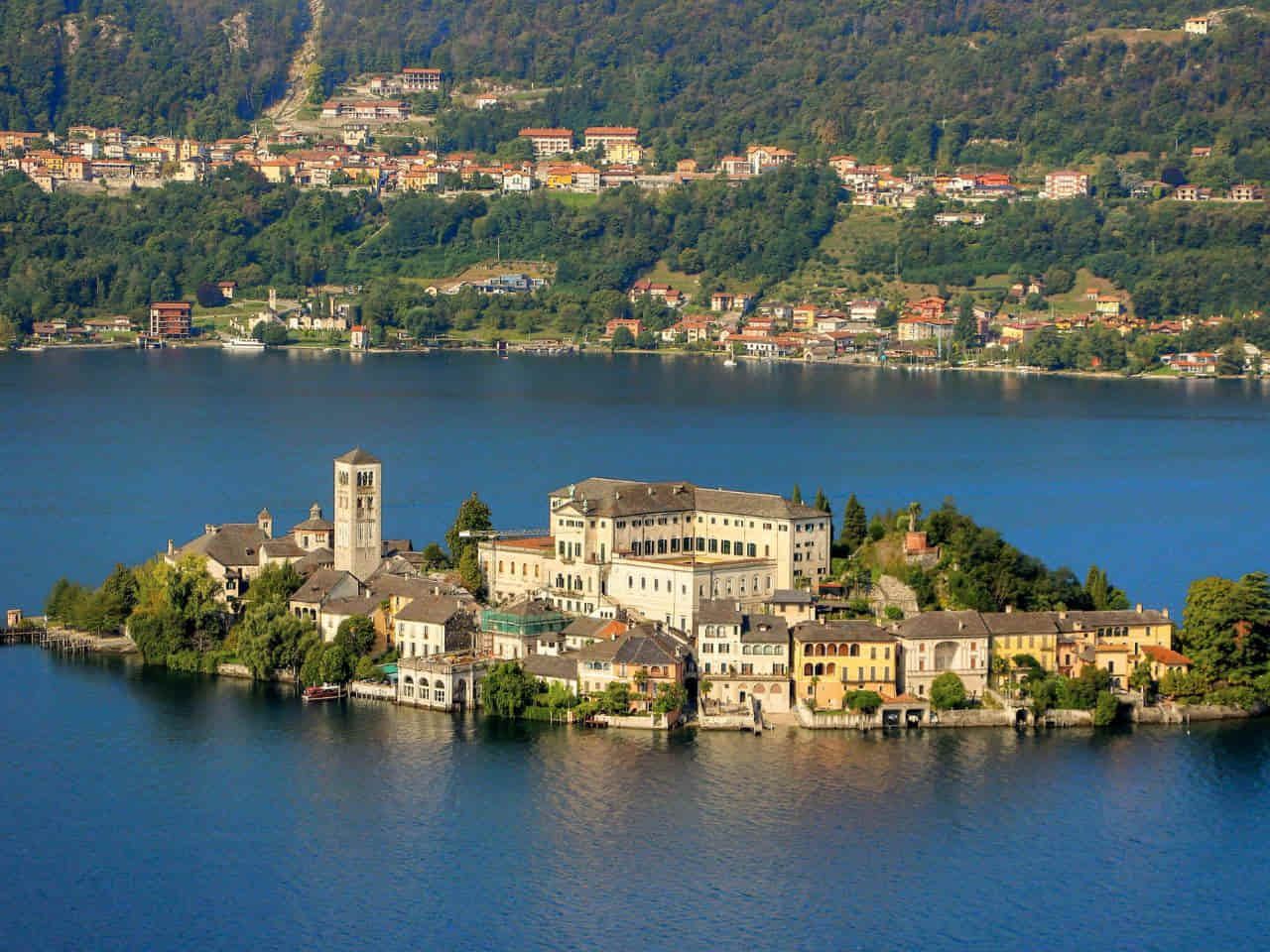
At the heart of the lake lies Isola San Giulio, a tiny island with centuries-old buildings, a monastery, and one of Italy’s most tranquil walking paths. Combined with the elegant lakeside town of Orta San Giulio, the lake creates an atmosphere that’s ideal for travelers seeking authenticity, relaxation, and meaningful time away from the crowds.
Who It’s Perfect For / Who Should Skip It
Perfect for: Couples, slow travelers, photographers, solo travelers, and anyone looking for a peaceful alternative to Lake Como or Lake Garda.
Skip if: You’re looking for lively nightlife, large resorts, extensive water sports, or a destination packed with major tourist attractions.
Things to Do at Lake Orta
- Wander the cobbled streets of Orta San Giulio, one of Italy’s most beautiful lakeside villages.
- Take a short boat ride to Isola San Giulio and walk the peaceful Way of Silence and Meditation around the island.
- Enjoy a relaxed lakeside lunch overlooking the surrounding mountains and historic waterfront.
- Walk or hike to Sacro Monte di Orta, a UNESCO World Heritage Site offering panoramic lake views and beautifully preserved chapels.
- Spend an afternoon exploring artisan shops, quiet piazzas, and scenic viewpoints without the crowds found on Italy’s larger lakes.
Food You Should Try
Lake Orta’s cuisine reflects traditional Piedmont flavors. Try Risotto, freshwater perch, handmade pasta, local mountain cheeses, seasonal truffles when available, and hazelnut-based desserts. Pair your meal with a glass of Ghemme or another local Piedmont wine for an authentic regional experience.
Logistics Snapshot
Lake Orta is located in Piedmont, west of Lake Maggiore. The nearest airports are Milan Malpensa and Milan Linate. Orta San Giulio is the best base for exploring the lake, while regional trains and buses connect nearby towns. A car provides additional flexibility for exploring the surrounding countryside, but the lake itself is easily enjoyed on foot and by local boat services.
Best Time to Visit
May, June, and September offer the most pleasant weather, quieter streets, and ideal conditions for sightseeing. Spring brings blooming gardens and comfortable temperatures, while autumn offers beautiful colors and a relaxed atmosphere. Summer remains enjoyable but is noticeably calmer than Italy’s better-known lakes, making it a good choice even during peak travel season.
Where to Stay in Lake Orta
- Orta San Giulio: Best for First-time visitors, romance, walkability, lake views
- Near San Giulio Waterfront:Best for Scenic stays, photography, easy island access
- Pettenasco: Best for Quieter atmosphere, better value, lakeside relaxation
- Hills Above Lake Orta: Best for: Panoramic views, countryside escapes, boutique stays
How Long Should You Stay?
Two to three days is ideal. This gives you enough time to explore Orta San Giulio, visit Isola San Giulio, enjoy lakeside walks, and experience the slower rhythm that defines the area. Longer stays work well if you’re combining Lake Orta with nearby Lake Maggiore or exploring the Piedmont countryside.
Planning Tips Before You Go
- Stay within Orta San Giulio’s historic center to experience the village after day visitors leave.
- Visit Isola San Giulio early in the morning for its quietest atmosphere.
- Combine Lake Orta with nearby Lake Maggiore rather than rushing through both in a single day.
- Wear comfortable shoes, as the historic streets are paved with uneven cobblestones.
- Don’t overplan your itinerary—Lake Orta is best experienced at a slow, unhurried pace.
Budget Reality Check
Lake Orta offers excellent value compared to Lake Como while delivering a similarly elegant atmosphere. Accommodation, dining, and boat services are generally more affordable, making it a great option for travelers seeking a premium experience without premium prices.
Estimated Daily Budget: $170–$320+ per person, depending on accommodation, dining, and activities.
Insider Tip
Most visitors arrive for just a few hours before continuing to Lake Maggiore. Stay at least one night instead. Once the day-trippers leave, Orta San Giulio becomes remarkably peaceful, and the quiet evening atmosphere is what makes Lake Orta one of Italy’s most memorable hidden gems.
6. Lake Iseo – Italy’s Best Lake for Authentic Local Charm & Wine Lovers

Why Visit Lake Iseo?
Lake Iseo offers everything many travelers love about Italy’s famous lakes—beautiful waterfront towns, scenic mountain backdrops, relaxed ferry rides, and excellent food—but without the heavy crowds that often define Lake Como or Lake Garda. It feels more local, less commercial, and rewards travelers who enjoy discovering places that haven’t been overwhelmed by tourism.
One of its biggest highlights is Monte Isola, the largest inhabited lake island in Europe, where narrow streets, fishing villages, and car-free roads create a peaceful atmosphere rarely found elsewhere in Northern Italy. Combined with nearby vineyards in the Franciacorta wine region,
Lake Iseo is one of northern Italy’s most underrated lake destinations, and ideal for travelers looking to combine nature, culture, and outstanding local food.
Who It’s Perfect For / Who Should Skip It
Perfect for: Couples, food and wine lovers, slow travelers, photographers, and visitors looking for a quieter alternative to Italy’s better-known lakes.
Skip if: You’re looking for luxury shopping, famous landmarks, lively nightlife, or a destination packed with major attractions.
Things to Do at Lake Iseo
- Take the ferry to Monte Isola and explore its charming villages by walking or cycling.
- Stroll through the lakeside town of Iseo, known for its colorful piazzas, cafés, and waterfront promenade.
- Visit nearby Franciacorta, one of Italy’s finest sparkling wine regions, for vineyard tours and tastings.
- Enjoy scenic boat trips across the lake while taking in the surrounding mountains and peaceful shoreline.
- Explore lakeside walking trails and small villages that offer authentic local life away from busy tourist routes.
Food You Should Try
Lake Iseo combines Lombard cuisine with excellent local wines. Try Risotto with perch, grilled lake fish, Casoncelli (stuffed pasta), local cheeses, cured meats, and fresh olive oil. No visit is complete without tasting a glass of Franciacorta DOCG, Italy’s world-famous traditional-method sparkling wine produced just south of the lake.
Logistics Snapshot
Lake Iseo is located in Lombardy, between Lake Como and Lake Garda. The nearest airports are Bergamo, Milan Linate, and Verona. The town of Iseo makes the most convenient base thanks to its ferry connections, restaurants, and train access. Ferries connect the main lakeside towns and Monte Isola, while a car is helpful for exploring the surrounding wine country.
Best Time to Visit
May through June and September offer the best combination of pleasant temperatures, vineyard scenery, and comfortable sightseeing. Summer is warm and lively without reaching the visitor numbers seen at Italy’s larger lakes. Autumn is especially rewarding during the grape harvest, when the Franciacorta wine region comes alive.
Where to Stay in Lake Iseo
- Iseo Town:Best for First-time visitors, dining, ferry access, convenience
- Monte Isola: Best for Authentic local atmosphere, relaxation, slow travel
- Lovere: Best for Historic charm, scenic waterfronts, photography
- Franciacorta Region: Best for Wine tourism, countryside stays, boutique accommodations
How Long Should You Stay?
Two to three days is ideal. This provides enough time to explore Monte Isola, enjoy a ferry ride, visit Franciacorta wineries, and experience the relaxed pace that makes Lake Iseo unique. Longer stays work well if you’re combining the lake with nearby Bergamo or Lake Garda.
Planning Tips Before You Go
- Spend at least half a day exploring Monte Isola, the lake’s most distinctive attraction.
- Visit a Franciacorta winery by reservation, especially during weekends and harvest season.
- Stay in the town of Iseo for the easiest access to ferries, restaurants, and evening walks.
- Travel by ferry whenever possible to appreciate the lake’s scenery from the water.
- If your itinerary includes several Italian lakes, consider visiting Lake Iseo after Lake Como or Lake Garda—you’ll immediately notice the quieter atmosphere.
Budget Reality Check
Lake Iseo delivers excellent value compared with Italy’s more famous lakes. Hotels, restaurants, and activities are generally more affordable while still offering high-quality experiences, making it one of the best choices for travelers seeking authenticity without overspending.
Estimated Daily Budget: $160–$300+ per person, depending on accommodation, dining, wine experiences, and transportation.
Insider Tip
Many visitors come to Lake Iseo only for Monte Isola, but the nearby Franciacorta Wine Region is equally rewarding. Pairing a morning on the lake with an afternoon vineyard tour creates one of Northern Italy’s most enjoyable—and often overlooked—day itineraries.
7. Lake Lugano – Italy’s Best Lake for Italian Charm & Swiss Elegance

Why Visit Lake Lugano?
Lake Lugano offers a unique blend of Italian scenery and Swiss precision, creating an experience unlike any other lake in Northern Italy. Surrounded by forested mountains, elegant waterfront promenades, and picturesque villages, it combines natural beauty with exceptionally clean towns, efficient transport, and a relaxed international atmosphere.
Because the lake stretches across both Switzerland and Italy, visitors can easily experience two cultures in a single trip. Whether you’re strolling through Lugano’s lakeside parks, riding a funicular to panoramic viewpoints, or exploring quieter Italian villages along the shoreline, Lake Lugano feels refined without being overwhelming.
Who It’s Perfect For / Who Should Skip It
Perfect for: Couples, first-time visitors, luxury travelers, scenic road trippers, and anyone who enjoys combining nature with charming towns.
Skip if: You’re traveling on a tight budget, looking for vibrant nightlife, or want a destination centered around beaches and water sports.
Things to Do at Lake Lugano
- Walk the elegant lakeside promenade in Lugano, lined with cafés, gardens, and public art.
- Ride the Monte Brè or Monte San Salvatore funicular for breathtaking views across the lake and surrounding Alps.
- Take a scenic boat cruise between lakeside towns and enjoy the changing mountain landscapes.
- Visit the colorful village of Morcote, regularly ranked among Switzerland’s most beautiful villages.
- Explore the quieter Italian side of the lake for a slower pace and fewer visitors.
Food You Should Try
Lake Lugano blends Northern Italian and Swiss culinary traditions. Try Risotto, freshwater perch, homemade polenta, alpine cheeses, local cured meats, and artisan chocolates. Pair your meal with a Merlot from Ticino, one of Switzerland’s best-known wine regions.
Logistics Snapshot
Lake Lugano lies on the Swiss–Italian border, making it easily accessible from both countries. The nearest airports are Lugano, Milan Malpensa, and Milan Linate. The city of Lugano is the best base thanks to its excellent rail connections, ferry network, and walkable center. Public transportation is outstanding, making it easy to explore without renting a car, although a car is useful if you plan to visit surrounding mountain villages.
Best Time to Visit
May through June and September provide the best balance of pleasant weather, clear mountain views, and comfortable sightseeing. Summer offers warm temperatures ideal for boat trips and lakeside dining but also attracts more visitors. Autumn adds colorful scenery and a quieter atmosphere, making it especially appealing for couples.
Where to Stay in Lake Lugano
- Lugano: Best for First-time visitors, dining, shopping, transportation access
- Morcote: Best for Scenic beauty, photography, romantic stays
- Gandria: Best for Traditional lakeside atmosphere and quieter experiences
- Italian Side of Lake Lugano: Best for Better value accommodation and a more local atmosphere
How Long Should You Stay?
Two to three days is ideal. This allows enough time to explore Lugano, enjoy a boat cruise, visit one or two mountain viewpoints, and experience both the Swiss and Italian sides of the lake. Longer stays work well if you’re combining the lake with nearby Lake Como or the Swiss Alps.
Planning Tips Before You Go
- Stay in Lugano if you want the widest choice of hotels, restaurants, and transport connections.
- Bring your passport if you plan to cross between Switzerland and Italy.
- Purchase a day pass for boats and public transport if you’re planning multiple journeys.
- Visit one of the surrounding mountain viewpoints early or late in the day for the clearest views and softer light.
- Budget carefully, as dining and accommodation on the Swiss side are generally more expensive than in nearby Italian towns.
Budget Reality Check
Lake Lugano is among the more expensive lakes in this guide, particularly on the Swiss side. However, staying across the border in Italy or choosing mid-range accommodation can noticeably reduce costs while still allowing you to enjoy the lake’s highlights.
Estimated Daily Budget: $220–$400+ per person, depending on accommodation, dining, and sightseeing.
Insider Tip
Most visitors spend their entire trip in Lugano, but some of the lake’s most rewarding experiences are found just beyond the city. Combine a morning exploring Lugano with an afternoon in Morcote or the quieter Italian lakeside villages to experience the lake’s full character—and avoid feeling like you’ve only seen its busiest corner.
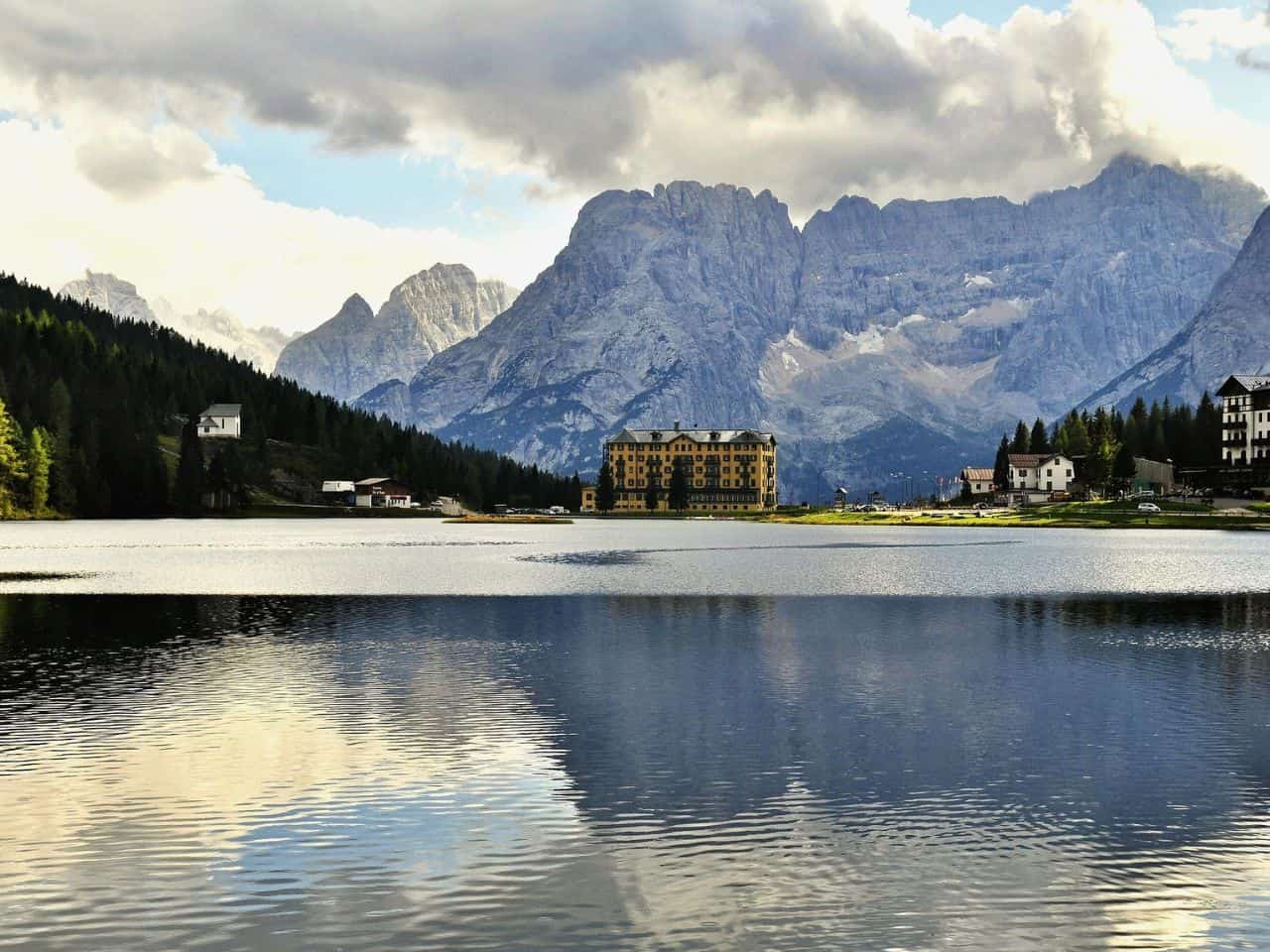
8. Lake Misurina – Italy’s Best Lake for Dolomite Views & Mountain Adventures

Why Visit Lake Misurina?
Lake Misurina is one of the most scenic lakes in the Dolomites, surrounded by dramatic mountain peaks that create spectacular views in every direction. Unlike Lake Braies, which is best known for its iconic shoreline, Lake Misurina serves as an ideal base for exploring the eastern Dolomites, offering easy access to some of Italy’s most famous hiking trails and panoramic viewpoints.
The lake itself is peaceful and easy to explore, while the constantly changing backdrop of rugged limestone peaks makes every season feel different. Whether you’re visiting for hiking, photography, or simply to enjoy the fresh mountain air, Lake Misurina delivers an unforgettable alpine experience.
Who It’s Perfect For / Who Should Skip It
Perfect for: Nature lovers, hikers, photographers, road-trippers, and travelers exploring the Dolomites.
Skip if: You’re looking for luxury lakeside towns, shopping, nightlife, or a destination centered around cultural attractions.
Things to Do at Lake Misurina
- Walk the scenic lakeside path while enjoying uninterrupted views of the surrounding Dolomite peaks.
- Drive or hike to the nearby Tre Cime di Lavaredo, one of Italy’s most famous mountain landscapes.
- Visit Cadini di Misurina Viewpoint, one of the Dolomites’ most spectacular photography locations.
- Enjoy sunrise or sunset photography when the mountains reflect beautifully on the calm lake.
- Explore nearby mountain trails ranging from easy walks to full-day alpine hikes.
Food You Should Try
The cuisine reflects traditional Alpine flavors. Try Canederli (bread dumplings), homemade pasta, mountain cheeses, venison, polenta, hearty stews, and apple strudel. Local mountain huts also serve excellent regional dishes that are perfect after a day of hiking.
Logistics Snapshot
Lake Misurina is located in Veneto’s Dolomites, about 15 km from Cortina d’Ampezzo. The nearest airports are Venice Marco Polo, Treviso, and Innsbruck (Austria). Renting a car is highly recommended, as public transport is limited and many of the area’s best viewpoints and hiking trails are easier to reach by road. Most visitors stay either around Lake Misurina or in nearby Cortina d’Ampezzo.
Best Time to Visit
June through September offers the best hiking conditions, open mountain roads, and clear panoramic views. Autumn brings beautiful colors and fewer visitors, while winter transforms the lake into a snowy alpine landscape that’s perfect for travelers seeking peaceful scenery and winter sports nearby.
Where to Stay in Lake Misurina
- Lake Misurina Area: Best for Direct lake access, sunrise photography, mountain scenery
- Cortina d’Ampezzo: Best for Luxury stays, restaurants, broader Dolomites exploration
- Tre Cime Area: Best for Hiking-focused itineraries and outdoor adventures
- Dobbiaco (Toblach): Best for Better accommodation variety and value
How Long Should You Stay?
Two to three days is ideal. This gives you enough time to enjoy the lake, visit nearby viewpoints, and explore at least one or two of the Dolomites’ signature hiking areas. Longer stays are worthwhile if you’re planning a broader Dolomite road trip.
Planning Tips Before You Go
- Visit early in the morning for the calmest conditions and the best reflections on the lake.
- Combine Lake Misurina with Tre Cime di Lavaredo instead of treating them as separate day trips.
- Weather changes quickly in the mountains, so always carry an extra layer, even during summer.
- Reserve accommodation well in advance during hiking season, especially in July and August.
- If you’re driving through the Dolomites, pair Lake Misurina with Lake Braies rather than choosing only one—they offer very different experiences.
Budget Reality Check
Lake Misurina is generally more affordable than many of Italy’s famous resort lakes, although accommodation prices increase during peak hiking season. Travelers who stay just outside the lake area often find better value while remaining close to the main attractions.
Estimated Daily Budget: $170–$320+ per person, depending on accommodation, dining, and outdoor activities.
Insider Tip
Many visitors spend only an hour at Lake Misurina before driving to Tre Cime di Lavaredo, but staying overnight is one of the best ways to experience the area. Early mornings often bring mirror-like reflections across the lake before tour buses arrive, creating some of the most beautiful—and least crowded—views in the entire Dolomites.
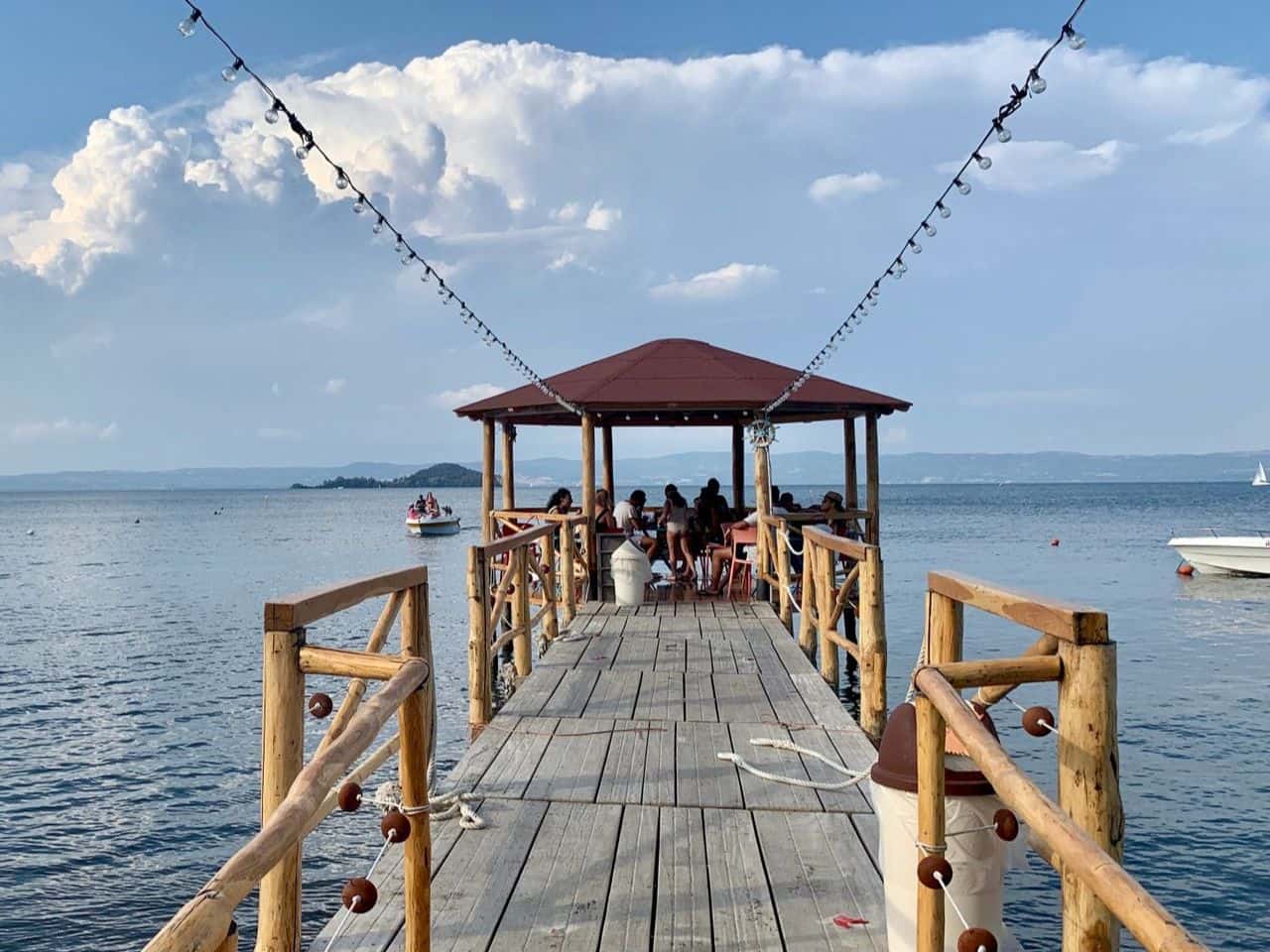
9. Lake Bolsena – Italy’s Best Lake for Peaceful Escapes & Affordable Lakeside Holidays

Why Visit Lake Bolsena?
Lake Bolsena is Europe’s largest volcanic lake, offering crystal-clear water, charming medieval towns, and a remarkably relaxed atmosphere that feels untouched by mass tourism. Unlike Italy’s more famous northern lakes, Lake Bolsena is known for its peaceful beaches, excellent swimming, and authentic local character rather than luxury resorts or busy sightseeing.
Surrounded by rolling hills, olive groves, and historic villages like Bolsena and Marta, the lake is ideal for travelers who want to slow down, enjoy nature, and experience a quieter side of Italy. Its calm waters, scenic waterfronts, and affordable prices make it one of the country’s best-value lake destinations.
Who It’s Perfect For / Who Should Skip It
Perfect for: Budget travelers, families, couples, swimmers, campers, and anyone looking for a peaceful alternative to Italy’s more famous lakes.
Skip if: You’re looking for luxury hotels, dramatic Alpine scenery, vibrant nightlife, or iconic tourist attractions.
Things to Do at Lake Bolsena
- Relax on the lake’s clean volcanic beaches and enjoy some of Italy’s best freshwater swimming.
- Explore the medieval town of Bolsena, known for its lakeside promenade, historic castle, and narrow stone streets.
- Take a boat trip to the Bisentina and Martana Islands, two small islands rich in history and natural beauty.
- Walk or cycle along quiet lakeside roads while enjoying panoramic views across the water.
- Visit nearby hill towns and vineyards to experience authentic central Italian culture beyond the shoreline.
Food You Should Try
Lake Bolsena is famous for its freshwater fish. Try Coregone (whitefish), Sbroscia (traditional fish soup), handmade pasta, local olive oil, seasonal vegetables, and wines from nearby Lazio vineyards. Finish your meal with locally produced hazelnut desserts, a regional specialty.
Logistics Snapshot
Lake Bolsena is located in Northern Lazio, between Rome and Tuscany. The nearest airports are Rome Fiumicino and Rome Ciampino. Renting a car is the easiest way to explore the lake and surrounding villages, although buses connect the main towns. Bolsena is the most convenient base, offering the widest selection of accommodation, restaurants, and lakeside activities.
Best Time to Visit
May through June and September provide warm weather, comfortable swimming conditions, and fewer visitors. Summer is perfect for water activities and lakeside relaxation but remains noticeably less crowded than Italy’s major tourist destinations. Spring and early autumn are especially appealing for combining the lake with nearby Tuscany or Umbria.
Where to Stay in Lake Bolsena
- Bolsena: Best for First-time visitors, dining, waterfront atmosphere, convenience
- Capodimonte: Best for Quiet lakeside stays, relaxation, authentic local experience
- Montefiascone: Best for Panoramic views, wine tourism, cultural exploration
- Southern Shore Villages: Best for Budget-friendly stays and fewer crowds
How Long Should You Stay?
Two to three days is ideal. This gives you enough time to explore the lakeside towns, enjoy boat trips, relax on the beaches, and experience the slower pace that defines Lake Bolsena. Longer stays work well for travelers planning a relaxing holiday centered around swimming and outdoor activities.
Planning Tips Before You Go
- Stay in Bolsena for the best choice of restaurants, accommodation, and waterfront access.
- Bring swimwear even outside peak summer, as the lake often stays pleasant well into early autumn.
- Explore both the northern and southern shores to experience quieter villages beyond the main town.
- A rental car makes it much easier to combine the lake with nearby Tuscany, Umbria, or Civita di Bagnoregio.
- If you’re looking for a peaceful lakeside holiday, avoid trying to turn Lake Bolsena into a rushed day trip.
Budget Reality Check
Lake Bolsena is one of the best-value destinations in this guide. Accommodation, dining, parking, and activities are generally much more affordable than Italy’s northern lakes, making it an excellent choice for travelers who want a relaxed experience without premium prices.
Estimated Daily Budget: $140–$260+ per person, depending on accommodation, dining, and activities.
Insider Tip
Most visitors never venture beyond the lakeside promenade in Bolsena, but renting a bike or driving around the lake reveals quiet beaches, panoramic viewpoints, and charming villages that many tourists never discover. It’s one of the easiest places in Italy to enjoy a genuinely peaceful lake holiday without sacrificing scenery.
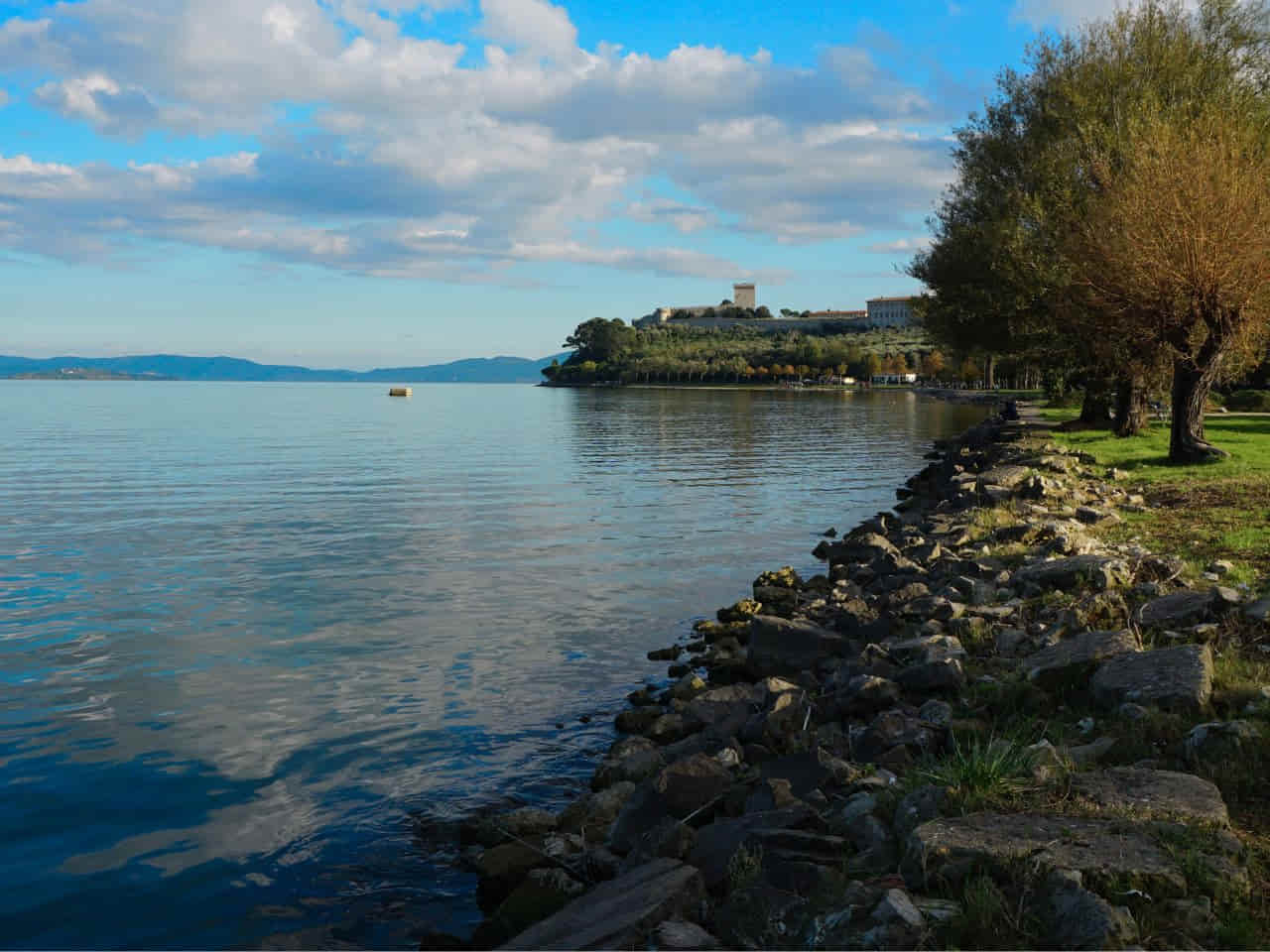
10. Lake Trasimeno – Italy’s Best Lake for Slow Travel and Cultural Exploration
Why Visit Lake Trasimeno?
Lake Trasimeno is Central Italy’s largest lake, offering a peaceful blend of lakeside scenery, medieval villages, rolling countryside, and authentic Umbrian culture. Unlike Italy’s Alpine lakes, the appeal here isn’t dramatic mountains or luxury resorts—it’s the slower pace of life, beautiful sunsets, excellent local food, and easy access to some of Umbria’s most charming towns.
Surrounded by vineyards, olive groves, and historic hilltop villages, Lake Trasimeno is ideal for travelers who enjoy combining nature with culture. Whether you’re cycling along quiet roads, exploring lakeside castles, or taking a ferry to one of the lake’s small islands, the experience feels relaxed, authentic, and refreshingly uncrowded.
Who It’s Perfect For / Who Should Skip It
Perfect for: Slow travelers, couples, cyclists, history lovers, road trippers, and anyone exploring Umbria or southern Tuscany.
Skip if: You’re looking for dramatic mountain scenery, luxury resorts, vibrant nightlife, or extensive water sports.
Things to Do at Lake Trasimeno
- Explore the medieval lakeside town of Castiglione del Lago, known for its fortress, historic center, and panoramic lake views.
- Take a ferry to Isola Maggiore, where peaceful walking trails and traditional fishing villages offer a glimpse into local life.
- Cycle or drive through the surrounding countryside, passing vineyards, sunflower fields, and olive groves.
- Visit nearby Umbrian towns such as Passignano sul Trasimeno and Tuoro sul Trasimeno, each with its own lakeside charm.
- Enjoy sunset walks along the waterfront before dining at a traditional Umbrian trattoria.
Food You Should Try
Lake Trasimeno showcases the hearty flavors of Umbria. Try Tegamaccio (traditional fish stew), freshwater perch, handmade pasta with black truffles, locally produced olive oil, Pecorino cheese, and roasted meats. Pair your meal with a glass of Sagrantino di Montefalco or another regional Umbrian wine.
Logistics Snapshot
Lake Trasimeno is located in Umbria, close to the Tuscany border. The nearest airports are Perugia, Florence, and Rome Fiumicino. A rental car is the easiest way to explore the surrounding countryside and medieval villages, although regional trains serve Castiglione del Lago and several lakeside towns. Castiglione del Lago makes the best base thanks to its accommodation, restaurants, and central location.
Best Time to Visit
April through June and September through October offer the most pleasant temperatures for sightseeing, cycling, and exploring the countryside. Summer is warm and lively without becoming overcrowded, while autumn is especially rewarding during the olive and wine harvest seasons. Spring also brings colorful wildflowers and comfortable weather for outdoor activities.
Where to Stay in Lake Trasimeno
- Castiglione del Lago: Best forFirst-time visitors, history, restaurants, lake views
- Passignano sul Trasimeno: Best for Waterfront atmosphere, ferry access, walkability
- Tuoro sul Trasimeno: Best for Historical interest and quieter surroundings
- Umbrian Countryside: Best for Agriturismos, wine experiences, scenic relaxation
How Long Should You Stay?
Two to three days is ideal. This allows enough time to explore the main lakeside towns, visit an island, enjoy the countryside, and experience Umbria’s slower rhythm. Longer stays are worthwhile if you’re combining Lake Trasimeno with nearby destinations such as Perugia, Assisi, or Tuscany.
Planning Tips Before You Go
- Stay in Castiglione del Lago for the best mix of scenery, dining, and transport connections.
- Rent a car if you plan to explore Umbria’s hill towns beyond the lake.
- Visit Isola Maggiore early in the day for a quieter experience and better ferry availability.
- Pair Lake Trasimeno with nearby Perugia or Assisi to create a well-rounded Umbrian itinerary.
- Don’t rush through the area—the countryside between destinations is part of the experience.
Budget Reality Check
Lake Trasimeno is one of Italy’s best-value lake destinations. Accommodation, restaurants, and local experiences are generally affordable, making it an excellent choice for travelers looking to enjoy authentic Italy without the premium prices found around the northern lakes.
Estimated Daily Budget: $140–$270+ per person, depending on accommodation, dining, transportation, and activities.
Insider Tip
Most visitors only stop at Castiglione del Lago, but the real charm of Lake Trasimeno lies in exploring its smaller villages and surrounding countryside. Drive the quieter back roads, stop at local wineries, and stay overnight—you’ll discover an authentic side of Umbria that many travelers completely miss.
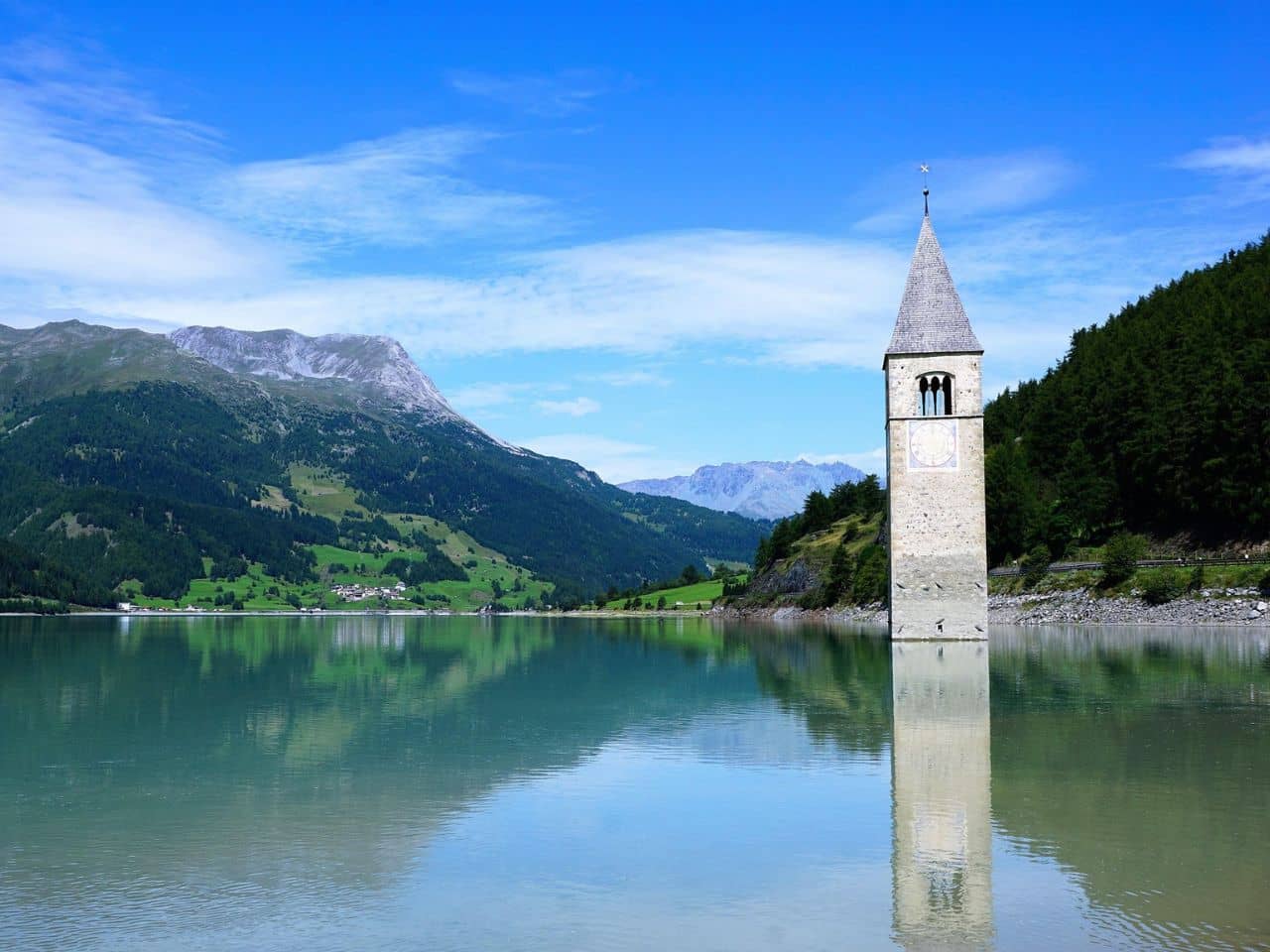
11. Lake Resia – Italy’s Most Unique Lake with the Famous Sunken Church Tower

Why Visit Lake Resia?
Lake Resia is one of Italy’s most distinctive lakes, famous for the iconic church tower that rises from the middle of the water—a haunting reminder of the original village submerged when the reservoir was created in 1950. Unlike Italy’s other lakes, visitors come here not only for the beautiful Alpine scenery but also for the fascinating history that makes the landscape unlike anywhere else in Europe.
Surrounded by the mountains of South Tyrol, Lake Resia combines dramatic scenery with peaceful cycling routes, lakeside walks, and a strong local culture influenced by both Italy and Austria. Whether you’re photographing the submerged bell tower, exploring nearby villages, or driving through the Alps, Lake Resia offers an experience that’s as memorable as it is beautiful.
Who It’s Perfect For / Who Should Skip It
Perfect for: Road trippers, photographers, history lovers, cyclists, outdoor enthusiasts, and travelers exploring South Tyrol.
Skip if: You’re looking for luxury lakeside resorts, lively nightlife, beach holidays, or destinations with extensive sightseeing attractions.
Things to Do at Lake Resia
- Visit the famous submerged church tower, one of Italy’s most photographed landmarks.
- Walk or cycle the scenic trail that circles much of the lake while enjoying uninterrupted Alpine views.
- Learn about the history of the flooded village and how Lake Resia became one of Italy’s most unusual destinations.
- Explore nearby villages such as Curon Venosta (Graun im Vinschgau) and discover the region’s Tyrolean traditions.
- During winter, experience the unique opportunity to walk across the frozen lake to the church tower when conditions safely allow.
Food You Should Try
Lake Resia’s cuisine reflects the rich culinary traditions of South Tyrol. Try Speck, Canederli (bread dumplings), homemade ravioli, apple strudel, mountain cheeses, venison, and locally produced Alpine wines or craft beers. The blend of Italian and Austrian influences makes dining here one of the highlights of the region.
Logistics Snapshot
Lake Resia is located in South Tyrol, near the borders of Austria and Switzerland. The nearest airports are Innsbruck, Bolzano, and Verona. Renting a car is highly recommended, as it allows you to explore nearby mountain passes, villages, and scenic driving routes. The villages around the lake offer a range of family-run hotels, guesthouses, and traditional Alpine accommodation.
Best Time to Visit
June through September is ideal for cycling, hiking, and scenic road trips, with mild temperatures and long daylight hours. Autumn offers colorful mountain landscapes and fewer visitors, while winter transforms Lake Resia into one of Italy’s most unusual destinations when the frozen lake allows visitors to walk out to the submerged church tower, weather permitting.
Where to Stay in Lake Resia
- Curon Venosta (Graun im Vinschgau): Best for Direct access to the lake and church tower
- Resia Village: Best for Outdoor activities and Alpine atmosphere
- South Tyrol Countryside: Best for Scenic stays and quieter experiences
- Nearby Mountain Resorts: Best for Hiking, skiing, and longer outdoor-focused trips
How Long Should You Stay?
One to two days is ideal for most travelers. This provides enough time to visit the church tower, explore the lakeside villages, and enjoy cycling or walking trails. Longer stays work well if you’re including Lake Resia as part of a broader South Tyrol or Alpine road trip.
Planning Tips Before You Go
- Visit the church tower at sunrise or sunset for the best photography and the quietest atmosphere.
- Rent a bicycle if you want to explore more of the lakeshore without driving.
- Combine Lake Resia with nearby destinations such as Merano, the Stelvio Pass, or the Val Venosta for a rewarding road trip.
- Carry an extra layer even during summer, as mountain weather can change quickly.
- If visiting in winter, always follow local safety guidance before walking onto the frozen lake.
Budget Reality Check
Lake Resia is moderately priced and generally offers better value than Italy’s luxury lake destinations. Accommodation, restaurants, and outdoor activities remain reasonably affordable, particularly outside the peak summer season.
Estimated Daily Budget: $160–$300+ per person, depending on accommodation, transport, dining, and activities.
Insider Tip
Many visitors stop for just a photograph of the famous church tower before continuing their journey. Stay overnight instead. The early morning and evening light transforms the lake completely, and you’ll experience the landmark without the daytime crowds. If you’re visiting in winter and conditions are safe, walking across the frozen lake to the tower is one of the most unforgettable experiences in the Italian Alps.
12. Lake Ledro – Italy’s Best Off-the-Beaten-Path Lake for Crystal-Clear Water & Outdoor Adventures

Why Visit Lake Ledro?
Lake Ledro is one of Northern Italy’s best-kept secrets, combining crystal-clear water, forested mountains, and a relaxed atmosphere that feels worlds away from the crowds of nearby Lake Garda. Although it’s only a short drive from one of Italy’s busiest lakes, Lake Ledro offers a quieter experience where swimming, hiking, cycling, and simply enjoying nature take center stage.
The lake is also known for its fascinating prehistoric history, with UNESCO-recognized Bronze Age pile dwellings discovered along its shores. Whether you’re looking for an active holiday, a peaceful family getaway, or an uncrowded mountain lake to unwind, Lake Ledro delivers a refreshing alternative to Italy’s better-known destinations.
Who It’s Perfect For / Who Should Skip It
Perfect for: Families, outdoor enthusiasts, swimmers, campers, cyclists, couples, and travelers looking for a peaceful alternative to Lake Garda.
Skip if: You’re seeking luxury resorts, lively nightlife, major cultural attractions, or elegant waterfront towns.
Things to Do at Lake Ledro
- Swim in some of the clearest freshwater in Northern Italy from the lake’s well-maintained beaches.
- Walk or cycle the scenic trail around the lake while enjoying mountain and forest views.
- Visit the Lake Ledro Pile Dwelling Museum to learn about the prehistoric UNESCO World Heritage Site.
- Rent a kayak, paddleboard, or canoe to explore the calm waters from a different perspective.
- Hike the surrounding mountain trails for panoramic views over the Ledro Valley and nearby Lake Garda.
Food You Should Try
Lake Ledro blends Trentino mountain cuisine with traditional northern Italian flavors. Try Carne Salada (cured beef), Canederli (bread dumplings), freshwater trout, polenta, alpine cheeses, homemade apple strudel, and locally produced wines from nearby Trentino vineyards.
Logistics Snapshot
Lake Ledro is located in Trentino, approximately 20 minutes west of Lake Garda. The nearest airports are Verona, Bergamo, and Venice. A rental car is the easiest way to reach the lake and explore the surrounding valley, although local buses connect Lake Ledro with nearby Riva del Garda. The villages of Pieve di Ledro and Molina di Ledro offer the widest choice of accommodation and lakeside access.
Best Time to Visit
June through September is the best time to enjoy swimming, kayaking, hiking, and cycling. Spring offers wildflowers and quieter trails, while autumn brings beautiful forest colors and a peaceful atmosphere. Even during the busiest summer months, Lake Ledro remains noticeably less crowded than nearby Lake Garda.
Where to Stay in Lake Ledro
- Pieve di Ledro: Best for First-time visitors, restaurants, convenience, lake access
- Molina di Ledro:Best for Archaeological sites, quieter atmosphere, cultural interest
- Pur Village Area:Best for Relaxation, scenic views, lakeside stays
- Ledro Valley Countryside: Best for Nature lovers, hiking access, peaceful retreats
How Long Should You Stay?
Two to three days is ideal. This provides enough time to enjoy the lake, explore the surrounding trails, visit the prehistoric museum, and experience the slower pace of the valley. Longer stays work well for travelers planning hiking holidays or combining Lake Ledro with Lake Garda and the nearby Dolomites.
Planning Tips Before You Go
- Stay in Pieve di Ledro for the best combination of accommodation, restaurants, and easy lake access.
- Bring swimming shoes, as some lakeside areas have small pebbles rather than sandy beaches.
- Visit early in the morning for the calmest water if you’re planning to kayak or paddleboard.
- Combine Lake Ledro with nearby Riva del Garda for a rewarding contrast between peaceful nature and lively lakeside culture.
- If you’re visiting Lake Garda during peak season, spend at least one day at Lake Ledro to experience a quieter side of the region.
Budget Reality Check
Lake Ledro offers excellent value compared with nearby Lake Garda. Accommodation, dining, parking, and outdoor activities are generally more affordable, making it one of the best choices for travelers seeking natural beauty without premium prices.
Estimated Daily Budget: $150–$280+ per person, depending on accommodation, dining, and activities.
Insider Tip
Many travelers discover Lake Ledro only after visiting Lake Garda—and often wish they had stayed longer. If you’re planning a Northern Italy itinerary, spend your busiest sightseeing days around Lake Garda, then finish your trip at Lake Ledro. The quieter atmosphere, crystal-clear water, and surrounding mountains provide the perfect place to slow down before heading home.
FAQs
-
Which Italian lake is best overall?
For most travelers, Lake Garda is the best all-around choice because it combines beautiful scenery, outdoor activities, family-friendly attractions, charming towns, and strong transportation connections. Lake Como remains the best option for luxury, romance, and iconic lake scenery.
-
Which Italian Lake Is Best for Couples?
Lake Como is widely regarded as Italy’s most romantic lake, known for its elegant villas, luxury hotels, scenic boat rides, and breathtaking mountain views. Couples looking for a quieter atmosphere may also enjoy Lake Orta or Lake Ledro for their peaceful surroundings and slower pace.
-
Do You Need a Car to Visit the Italian Lakes?
Not always. Lake Como, Lake Garda, and Lake Maggiore are easy to explore using trains, ferries, and local buses. However, a rental car is highly recommended for lakes such as Lake Ledro, Lake Resia, and Lake Trasimeno, where public transportation is more limited and the surrounding countryside is part of the experience.
-
Which Italian Lake Is the Least Crowded?
Among Italy’s best lakes, Lake Orta, Lake Ledro, and Lake Trasimeno are generally the least crowded. These destinations offer a more relaxed atmosphere than famous lakes like Como or Garda, making them excellent choices for travelers seeking peaceful scenery and a slower pace.
-
How Many Italian Lakes Should You Visit on One Trip?
For most travelers, two to three lakes is the ideal number for a single trip. This gives you enough time to experience each destination without constantly moving between accommodations. If it’s your first visit, combining Lake Como or Lake Garda with a nearby smaller lake offers a well-balanced itinerary.
-
When Is the Overall Best Time to Visit the Italian Lakes?
The best time to visit the Italian lakes is April through June and September through October, when the weather is pleasant, crowds are smaller, and prices are generally lower than during peak summer. July and August offer the warmest weather but are also the busiest and most expensive months.
-
Which Is the Most Beautiful Lake in Italy?
Beauty is subjective, but Lake Braies is often considered Italy’s most beautiful lake thanks to its crystal-clear turquoise water and dramatic Dolomite backdrop. If you prefer elegant waterfront towns and luxury scenery, Lake Como is the better choice, while Lake Garda offers the best balance of natural beauty and activities.
Helpful Planning Resources
Planning an Italian lake trip is much easier when you have the right official resources. These trusted websites can help you book transportation, check ferry schedules, monitor weather conditions, and plan outdoor activities before you travel.
- For local events, seasonal updates, and visa basics, check the Italy Tourism Board
- Book Train Tickets in Italy – Check schedules and book rail travel across Italy with Trenitalia.
- Check High-Speed Train Routes – Compare high-speed rail options with Italo.
- Official Lake Ferry Timetables – Ferry schedules for Lake Como, Lake Garda, and Lake Maggiore.
- Dolomites Hiking & Cable Cars – Mountain lift information, hiking access, and seasonal updates for the Dolomites.
- Italy Weather Forecast – Check local weather before visiting any lake or mountain region.
- Mountain Trail Conditions – Review trail information and safety updates for Alpine hiking routes through the Sentiero Italia CAI Official Portal and the CAI Rifugi Portal.
My Popular Italy Travel Guides
You’ve chosen the right Italian Lake—now it’s time to plan the rest of your trip.
Explore these detailed Italy travel guides to choose the best time to visit, avoid common travel mistakes, and discover even more unforgettable destinations.