Sicily isn’t just another Italian destination – it’s an experience unlike anywhere else in the country.
Located at the crossroads of Europe, Africa, and the Mediterranean, Sicily combines ancient ruins, dramatic coastlines, active volcanoes, charming hill towns, and some of Italy’s most celebrated cuisine into one unforgettable island.
The biggest mistake most travelers make is trying to see everything in a single trip. Unlike cities such as Rome or Florence, Sicily isn’t defined by one iconic landmark. The best experience comes from choosing destinations that match your travel style, interests, and the time you have available.
Rather than simply listing attractions, this guide ranks the best places to visit in Sicily based on:
- Travel style (history, beaches, food, luxury, and adventure)
- Trip length
- Budget
- First-time vs. repeat visitors
- Seasonality
The best place in Sicily isn’t necessarily the most famous – it’s the one that’s right for your trip.
Whether you’re looking for the historic streets of Palermo, the coastal beauty of Taormina, the volcanic landscapes of Mount Etna, or quieter gems like Noto and Ragusa, this guide will help you choose the destinations that deserve a place on your itinerary.
- What are the Best Places to Visit in Sicily?
- How to Choose the Right Place in Sicily
- When is the Best Time to Visit Sicily?
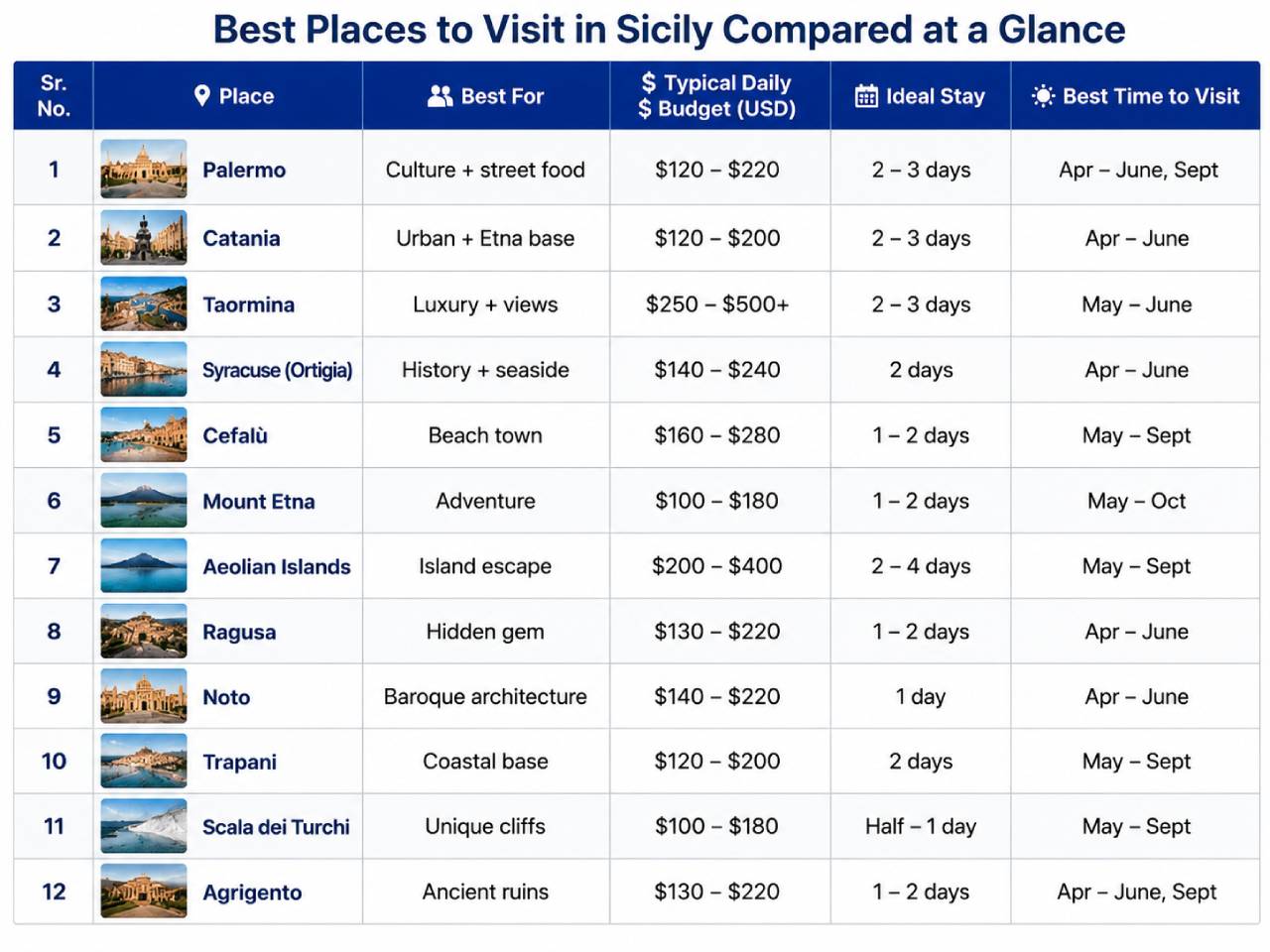
- Best Places to Visit in Sicily Compared at a Glance
- Sicily Map: Where Are the Top Places to Visit?
- 12 Best Places to Visit in Sicily
- FAQs
- Which Place in Sicily is Right for You?
- My Popular Italy Travel Guides
Love this? Plan your hassle-free trip by checking your Best Time To Visit Italy with these 29 Essential Italy Travel Tips!
What are the Best Places to Visit in Sicily?
The best places to visit in Sicily are Palermo, Catania, Taormina, Syracuse (Ortigia), Cefalù, Mount Etna, Aeolian Islands, Ragusa, Noto, Trapani, Scala dei Turchi, and Agrigento. Together, these destinations showcase Sicily’s rich history, beautiful beaches, volcanic landscapes, charming baroque towns, and outstanding local cuisine, making them the island’s top places to include on most itineraries.
How to Choose the Right Place in Sicily
No single destination is perfect for every traveler. Use the guide below to quickly identify which parts of Sicily best match your interests, itinerary, and budget.
1. Trip Length
- 3–5 days: Base yourself in Palermo or Taormina and explore nearby attractions.
- 7–10 days: Combine either Palermo + Cefalù (West Sicily) or Catania + Taormina (East Sicily).
- 10–14 days: Plan a full island loop to experience Sicily’s diverse landscapes, historic cities, and coastal towns.
2. First-Time vs Returning Visitors
- First-time visitors: Palermo, Taormina, and Mount Etna offer Sicily’s most iconic experiences.
- Repeat visitors: Explore the Aeolian Islands, Ragusa, and Trapani for a slower, less crowded side of the island.
3. Budget Level
- Budget-friendly: Palermo, Catania
- Mid-range: Syracuse (Ortigia), Trapani, Ragusa
- Luxury: Taormina, Aeolian Islands
4. Travel Style
- History → Palermo, Syracuse, Agrigento
- Beaches → Cefalù, Scala dei Turchi, Aeolian Islands, Trapani
- Adventure → Mount Etna, Aeolian Islands
- Romance/Luxury → Taormina, Ragusa
- Food → Palermo, Catania, Noto
5. Best Base for Exploring Sicily
If you plan to explore multiple destinations, these cities offer the best balance of accessibility and transport connections:
- Palermo – Best for exploring western Sicily
- Catania – Ideal for eastern Sicily and Mount Etna
- Trapani – Great base for western beaches, Erice, and the Egadi Islands
6. Season
- Spring (April–June): Best overall weather for sightseeing and outdoor activities.
- Summer (July–August): Ideal for beaches, but expect higher prices and larger crowds.
- Autumn (September–October): Warm weather, fewer tourists, and excellent value.
- Winter (November–March): Best for city breaks and cultural sightseeing; many island and beach destinations become quieter.
Pro Tip: Travel times in Sicily are longer than many visitors expect. Choosing one or two nearby regions instead of constantly changing bases will give you more time to explore and less time on the road.
When is the Best Time to Visit Sicily?
Planning Tip: For the best balance of weather, crowds, and prices, plan your trip between May–June or September–October.
Best Places to Visit in Sicily Compared at a Glance
Save the image to plan your perfect Sicilian Adventure!
Sicily Map: Where Are the Top Places to Visit?
See where each destination is located and plan the most efficient route around Sicily.
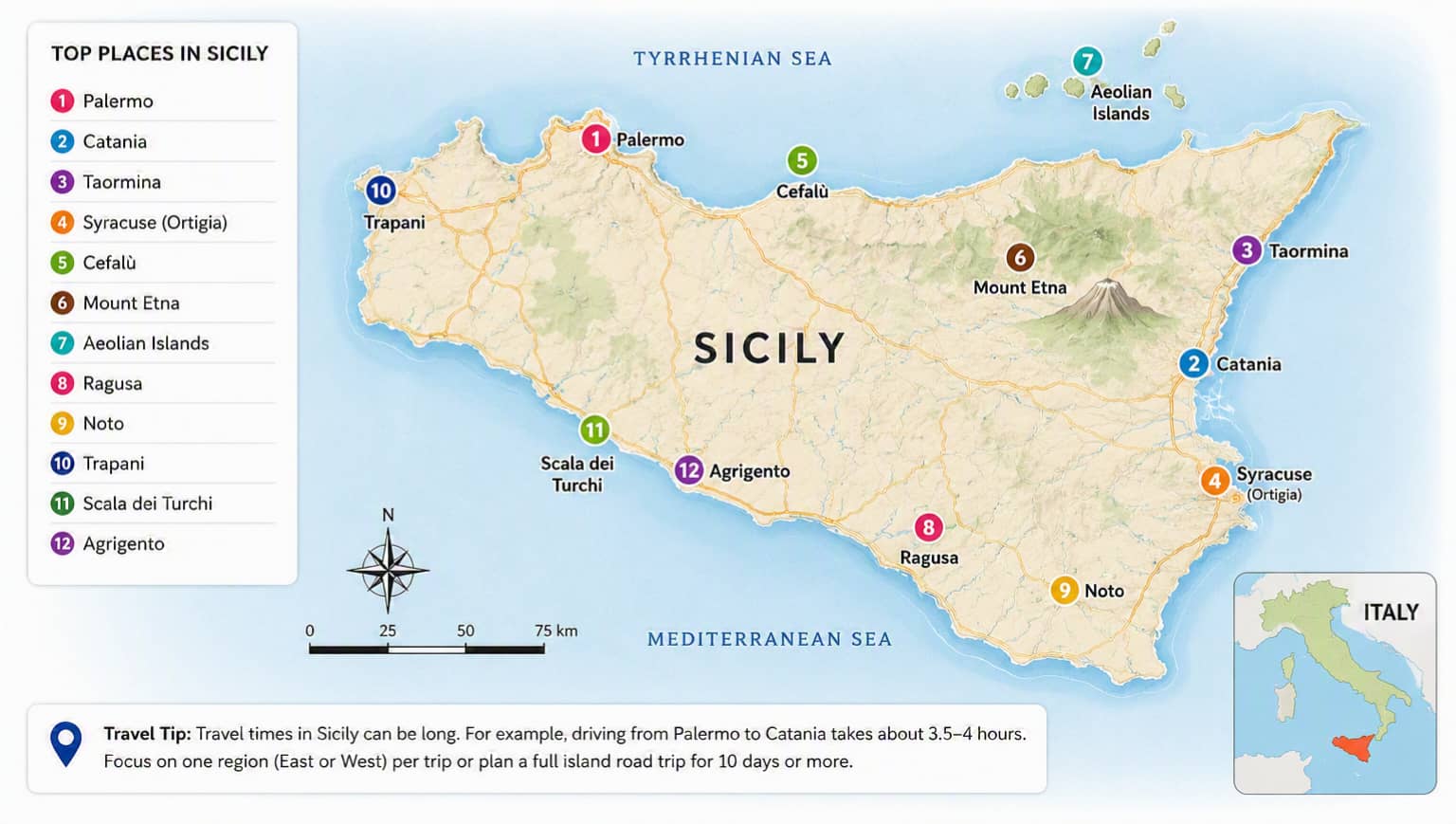
How the destinations are spread across Sicily
Prefer an interactive version?
Explore the destinations below on Google Maps to better understand driving routes, nearby attractions, and how the 12 places are spread across Sicily.
Take This Map With You! Use this interactive map to explore all the best places to visit in Sicily featured in this guide. Hit the arrow (↖) in the top-left corner to jump to the full list of locations, airports, ferry transports to plan your travel route.
12 Best Places to Visit in Sicily
- 1. Palermo – Sicily’s Cultural & Food Capital
- 2. Catania – Sicily’s Most Dynamic Base City
- 3. Taormina – Sicily’s Most Scenic Luxury Destination
- 4. Syracuse (Ortigia) – Sicily’s Most Complete Historical Experience
- 5. Cefalù – Sicily’s Best Beach & Historic Town
- 6. Mount Etna – Europe’s Most Active Volcano Experience
- 7. Aeolian Islands – Sicily’s Most Unique Island Escape
- 8. Ragusa – Sicily’s Most Elegant Baroque City
- 9. Noto – Sicily’s Baroque Masterpiece
- 10. Trapani – Sicily’s Strategic Coastal Base
- 11. Scala dei Turchi – Sicily’s Most Unique Natural Landmark
- 12. Agrigento – Sicily’s Strongest Historical Landmark
- Best Time to Visit Italy: By Month, Region & Travel Style
- 40 Essential Italy Travel Tips: Everything to Know Before Visiting Italy
- Travel Guide to Puglia, Italy: Top Things to Do And More
- 15 Best Cities to Visit in Italy
1. Palermo – Sicily’s Cultural & Food Capital
Why It Ranks
Palermo is recognized as Sicily’s cultural heart and one of Italy’s most fascinating cities.
Rich in history, architecture, local traditions, and world-famous street food, it offers a complete introduction to the island while remaining authentic and lived-in rather than feeling like an open-air museum.
Whether you’re exploring centuries-old landmarks (UNESCO-listed monuments), wandering lively markets, or discovering quiet piazzas tucked behind historic streets, Palermo rewards travelers who enjoy experiencing the everyday rhythm of local life.
What Makes It Unique
Palermo is a city of contrasts.
Grand cathedrals stand beside bustling street markets, elegant palaces sit alongside centuries-old neighborhoods, and Arab, Norman, Spanish, and Italian influences come together in ways found nowhere else in Sicily.
Rather than revealing itself through one famous attraction, Palermo is best experienced by wandering its historic streets, sampling local food, and embracing its energetic atmosphere.
It isn’t polished or predictable – that’s exactly what gives it its character.
Things to do in Palermo
Food You Should Try
- Arancini
- Cannoli
- Pane e Panelle
- Sfincione
- Pasta con le Sarde
- Stigghiola (for adventurous food lovers)
Best For
First-time visitors, food lovers, history enthusiasts, photographers, and independent travelers looking for Sicily’s most complete cultural experience.
Avoid If
You prefer highly organized resort destinations, quiet environments, or cities that feel polished and predictable.
Ideal Stay
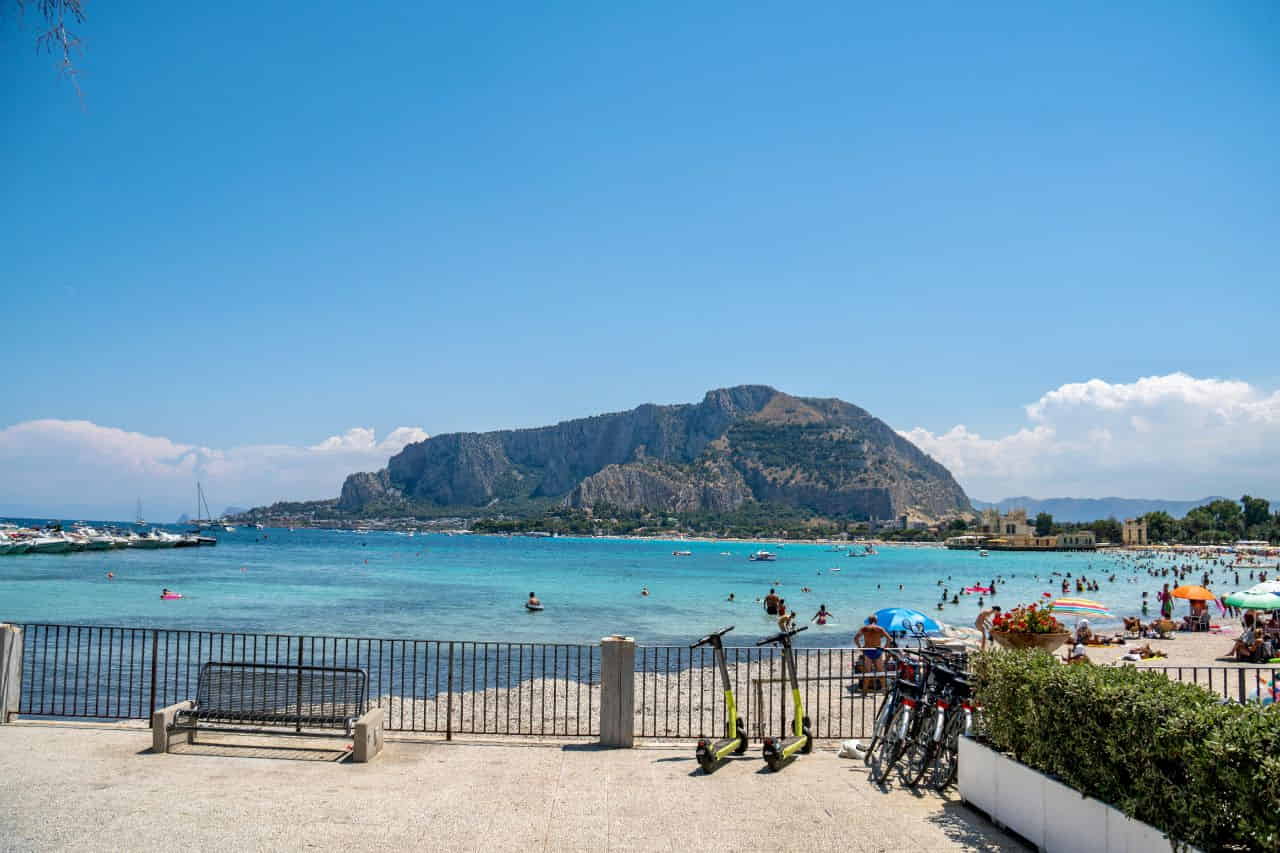
Plan to spend 2–3 days, or 4 days if you want to include museums, food tours, Mondello Beach, or nearby day trips.
Budget
- Budget traveler: $90–140 per day
- Mid-Range traveler: $140–250 per day
- Luxury traveler: $250+ per day
Where to Stay
- Historic Center – Best for first-time visitors, sightseeing, architecture, and street-food access.
- Politeama – Best for families, safer-feeling streets, shopping, and a more modern atmosphere.
- Mondello – Best for beach-focused travelers wanting a relaxed coastal stay.
Logistics Snapshot
- Palermo Airport (PMO) is approximately 35 km from the city center.
- Direct flights connect Palermo with major Italian and European cities.
- Trains connect Palermo with Cefalù, Messina, Catania, and other major Sicilian destinations.
- Ferries operate to several Italian mainland destinations and nearby islands.
- The historic center is highly walkable.
- A rental car is unnecessary while staying within Palermo itself.
- If planning a broader Sicily road trip, consider picking up your rental car when leaving the city rather than immediately upon arrival.
Common Mistake
Many visitors treat Palermo as little more than an arrival city before heading elsewhere in Sicily.
By rushing through in a day, they miss what makes Palermo special: its street-food culture, lively neighborhoods, evening atmosphere, and the simple pleasure of wandering without a fixed itinerary.
Another common mistake is renting a car immediately after landing. Parking in the historic center is limited, and most major attractions are easily explored on foot.
Local Tip
Visit Ballarò Market twice – once in the morning and again in the evening.
Most visitors only experience its daytime buzz, but returning later offers a completely different atmosphere, with local food stalls, neighborhood gatherings, and a more authentic glimpse into everyday life after many day-trippers have left.
2. Catania – Sicily’s Most Dynamic Base City
Why It Ranks
Catania is one of Sicily’s most vibrant cities, combining authentic local life with easy access to some of the island’s most iconic attractions.
Sitting at the foot of Mount Etna, it offers a unique mix of historic architecture, lively markets, excellent food, and practical transport connections, making it an ideal base for exploring eastern Sicily.
Whether you’re planning to hike Europe’s highest active volcano, discover nearby coastal towns, or simply experience everyday Sicilian culture, Catania offers plenty to see beyond its role as a transport hub.
What Makes It Unique
Life in Catania revolves around Mount Etna.
The volcano dominates the skyline and has shaped the city’s history, architecture, and identity for centuries.
Much of the historic center was rebuilt using dark volcanic lava stone, giving churches, palaces, and piazzas a distinctive black-and-white appearance unlike anywhere else in Sicily.
Despite its rich history, Catania feels energetic and contemporary. Bustling markets, busy cafés, and lively piazzas create a city where daily life unfolds naturally, offering visitors an authentic glimpse of modern Sicily alongside its historic landmarks.
Things to do in Catania
Food You Should Try
- Pasta alla Norma
- Cipollina
- Arancini (eastern Sicilian style)
- Granita with brioche
- Horse meat specialties (local specialty for adventurous eaters)
- Fresh seafood from La Pescheria
Best For
Mount Etna adventures, first-time visitors exploring eastern Sicily, budget-conscious travelers, food lovers, independent travelers, and anyone looking for an authentic city base.
Avoid If
Skip Catania if you’re looking for a quiet beach holiday, a luxury resort atmosphere, or a destination focused mainly on relaxation rather than urban exploration.
Ideal Stay
Plan to spend 2–3 days, or 4–5 days if you’re using Catania as a base for Mount Etna, Taormina, Syracuse, and other eastern Sicily day trips.
Budget
- Budget traveler: $70–120 per day
- Mid-range traveler: $120–220 per day
- Luxury traveler: $220–400+ per day
Where to Stay
- Historic Center – Best for First-time visitors, Sightseeing lover, Food Enthusiast, Prefer walkability.
- Via Etna Area – Best for shopping, Restaurants, Nightlife and Central location.
- Ognina & Waterfront – Best for Longer stays, Relaxed atmosphere, and Sea views
- Near Mount Etna – Best for Nature – focused trips, Volcano excursions, and Wine tourism.
Logistics Snapshot
- Catania–Fontanarossa Airport (CTA) is Sicily’s busiest airport and sits just a short drive from the city center.
- Excellent train and bus connections make it easy to explore eastern Sicily.
- Mount Etna is around 45–60 minutes away.
- Taormina can be reached in about 1 hour.
- Syracuse is approximately 1 hour away.
- Noto is around 1.5 hours by car or public transport.
- The historic center is walkable, while public transport makes day trips straightforward. A rental car is useful for exploring smaller villages and rural areas but isn’t essential for staying in the city.
Common Mistake
Many travelers treat Catania simply as an arrival point before heading straight to Mount Etna or Taormina.
By doing so, they miss one of Sicily’s most authentic cities, where lively markets, impressive Baroque architecture, excellent food, and everyday local life are all part of the experience. Catania deserves time to be explored, not just passed through.
Local Tip
Book your Mount Etna excursion early in your stay rather than saving it for your final day.
Weather conditions on the volcano can change quickly, and tours are occasionally postponed or cancelled. Planning your visit early gives you flexibility to reschedule if needed without disrupting the rest of your itinerary.
3. Taormina – Sicily’s Most Scenic Luxury Destination
Why It Ranks
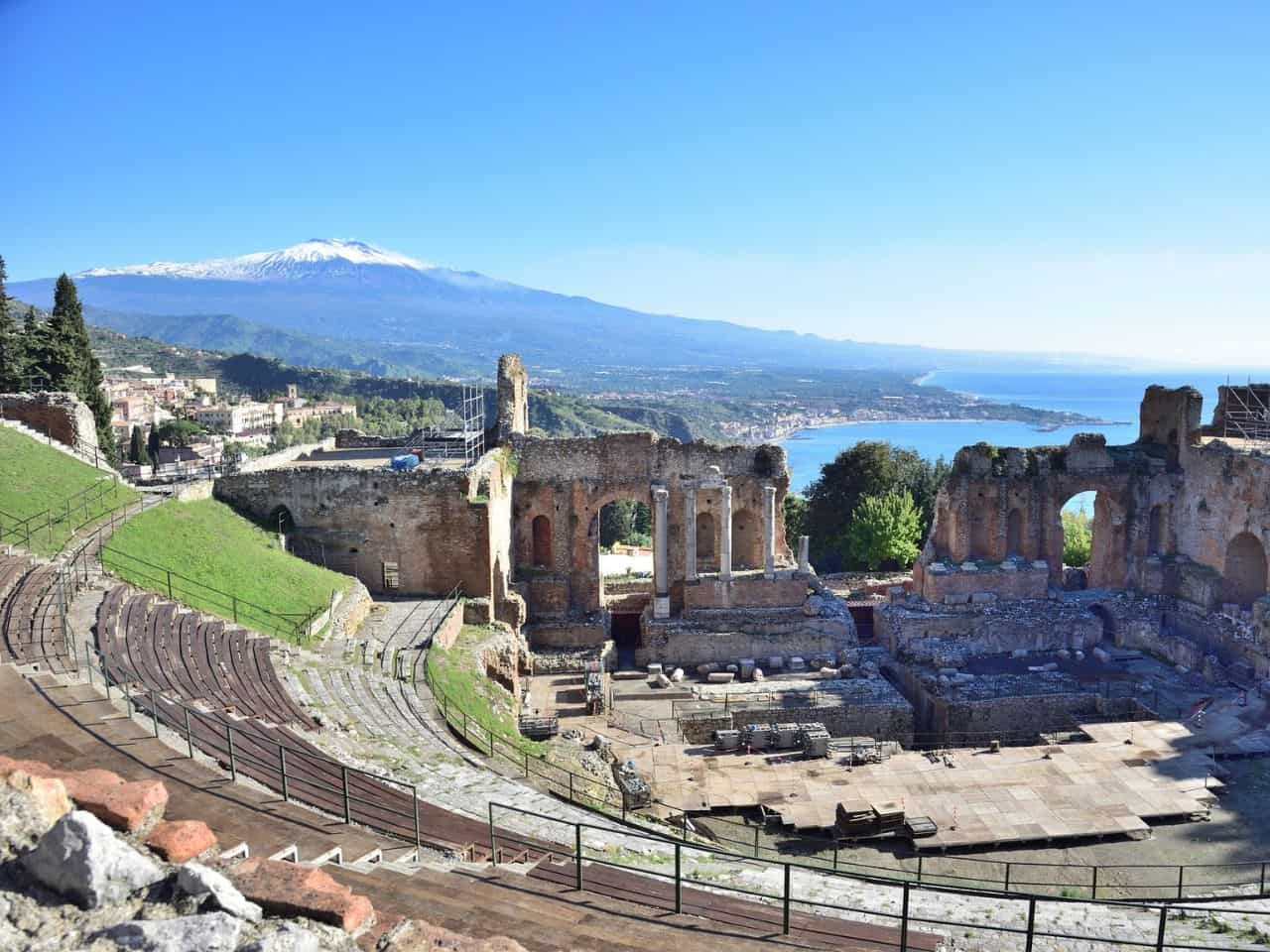
Taormina ranks among Sicily’s top destinations for its spectacular coastal setting, elegant atmosphere, historic landmarks, and exceptional hospitality.
Perched high above the Ionian Sea with Mount Etna rising in the distance, the town offers some of the island’s most memorable views. Its combination of scenic beauty, charming streets, luxury hotels, excellent restaurants, and easy access to both beaches and cultural attractions makes it a favorite for travelers seeking a relaxed yet unforgettable Sicilian escape.
Beyond the scenery, Taormina is a place to slow down and enjoy the experience. Whether you’re exploring historic streets, dining on panoramic terraces, or watching the sunset over the coastline, the town creates the kind of moments many visitors remember long after their trip.
Although it is one of Sicily’s more expensive destinations, its unique setting and timeless appeal make it well worth including on almost any Sicily itinerary.
What Makes It Unique
Taormina’s greatest appeal lies in the way history and nature come together within one remarkably compact hilltop town.
Its pedestrian-friendly center is filled with elegant piazzas, boutique shops, historic churches, flower-covered balconies, and panoramic terraces overlooking the sea.
Nearly every walk through town reveals sweeping views of the Ionian coastline, while Mount Etna remains a constant presence on the horizon.
The Ancient Greek Theatre is Taormina’s defining landmark. Still used for concerts and cultural events today, it offers one of Italy’s most spectacular settings, where ancient ruins frame views of both the sea and Europe’s highest active volcano.
Just below the town, Isola Bella Nature Reserve and Mazzarò Beach provide easy access to crystal-clear waters, while nearby Castelmola rewards visitors with quieter streets and even more breathtaking viewpoints that makes it unique in all places to visit in Sicily.
Things to do in Taormina
Food You Should Try
- Swordfish alla Ghiotta
- Seafood pasta
- Tuna specialties
- Cannoli
- Cassata Siciliana
- Granita with brioche
- Etna wines
- Sicilian almond desserts
Best For
Couples and honeymooners, Luxury travelers, First-time Sicily visitors, Photographers, Scenic Coastal escapes, Special occasion trips.
Avoid If
Taormina may not be the best choice if you’re traveling on a tight budget, prefer quieter off-the-beaten-path destinations, or want a more local, everyday Sicilian experience.
Ideal Stay
Plan to spend 2–3 days exploring the historic center, visit Isola Bella, experience the Ancient Greek Theatre, enjoy coastal excursions, and take a short trip to Castelmola.
Budget
- Budget traveler: $150–250 per day
- Mid-range traveler: $250–450 per day
- Luxury traveler: $450+ per day
Where to Stay
- Taormina Historic Center – Best for first – time visitors, Luxury stays, Walkability, Restaurants, Major attractions.
- Mazzarò – Best for beach access, Coastal atmosphere, Resort – style accommodation.
- Isola Bella Area – Best for Scenic views, Couples, Photography.
- Giardini Naxos – Best for Budget – conscious travelers, Families, Easier beach access.
Logistics Snapshot
- Nearest airport: Catania–Fontanarossa Airport (CTA)
- Approximately 1 hour by car or train from Catania
- Well connected by train, bus, and private transfers
- Cable car links the town with Mazzarò Beach
- The historic center is easily explored on foot
- Public parking is located outside the town center and fills quickly during peak season
- Expect steep streets and stairs, so comfortable walking shoes are recommended
Common Mistake
Visiting Taormina only during the busiest part of the day.
Many travelers arrive on day trips, explore the main street for a few hours, and leave before experiencing the town at its best. Early mornings and evenings offer a much quieter atmosphere, cooler temperatures, and beautiful light for sightseeing and photography.
Another common mistake is underestimating how hilly the town is. Comfortable shoes make exploring Taormina’s steep streets and stairways far more enjoyable.
Local Tip
Take time to visit Castelmola, the small hilltop village just above Taormina. It offers spectacular panoramic views, a quieter atmosphere, and some of the best sunset photo opportunities in eastern Sicily.
4. Syracuse (Ortigia) – Sicily’s Most Complete Historical Experience
Why It Ranks
Syracuse is one of Sicily’s most rewarding destinations, combining ancient history, beautiful coastal scenery, and a relaxed Mediterranean atmosphere in one easy-to-explore city.
Home to UNESCO World Heritage landmarks, impressive Greek ruins, and the charming island of Ortigia, Syracuse offers a well-balanced experience where history, local culture, and seaside living naturally come together.
Whether you’re exploring archaeological treasures or enjoying dinner by the waterfront, it’s a destination that rewards a slower pace.
What Makes It Unique
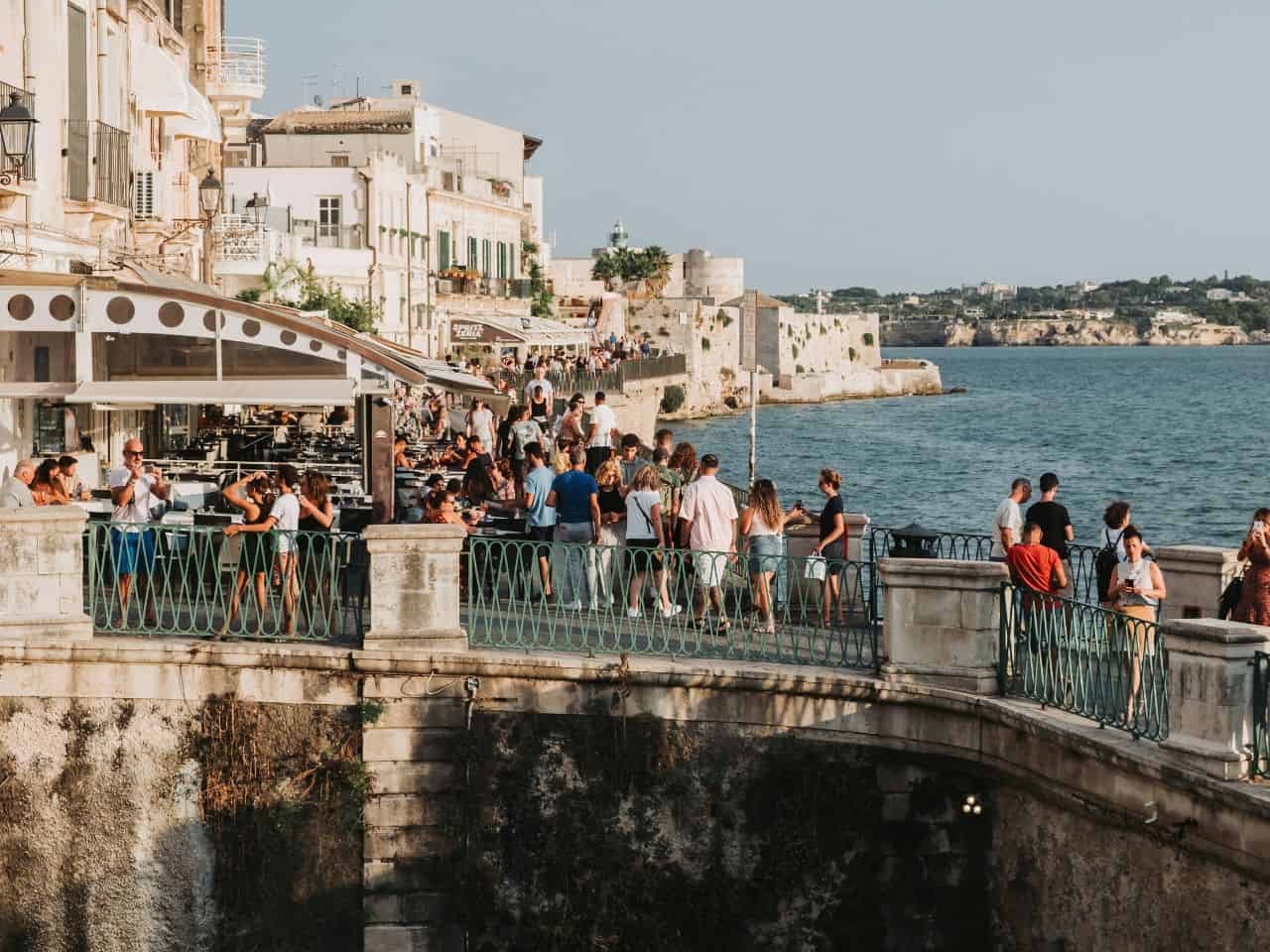
The heart of Syracuse is Ortigia, a small island connected to the mainland by bridges, where centuries of history unfold through narrow limestone streets, elegant Baroque buildings, lively piazzas, and scenic waterfront promenades.
What makes Syracuse truly memorable is the way ancient ruins, historic architecture, and everyday local life exist side by side. Rather than feeling like an open-air museum, the city remains vibrant and lived-in, inviting visitors to explore beyond its famous landmarks and simply enjoy its timeless atmosphere.
Things to do in Syracuse
Food You Should Try
- Pasta alla Norma
- Spaghetti ai Frutti di Mare
- Tuna specialties
- Swordfish dishes
- Arancini
- Cannoli
- Granita with brioche
- Local citrus-based desserts
Best For
History lovers, couples, first-time visitors, photographers, food lovers, and slow travelers looking for a balanced mix of culture, coastal scenery, and walkable streets.
Avoid If
You may want to skip Syracuse if you’re looking for lively nightlife, luxury shopping, or a fast-paced city atmosphere.
Ideal Stay
Plan to spend 2–3 days, or up to 4 days if you’d like to explore nearby beaches, nature reserves, and surrounding towns at a relaxed pace.
Budget
- Budget traveler: $90–160 per day
- Mid-range traveler: $160–280 per day
- Luxury traveler: $280+ per day
Where to Stay
- Ortigia Island – Best for first-time visitors, walkability, restaurants, historic atmosphere, and waterfront views.
- Syracuse Mainland – Best for lower accommodation costs and easier parking.
- Seafront Areas – Best for travelers wanting coastal scenery while remaining close to major attractions.
- Near Archaeological Park – Best for history-focused travelers prioritizing ancient sites.
Logistics Snapshot
- Nearest airport: Catania–Fontanarossa Airport (CTA)
- Approximately 1 hour by car from Catania
- Excellent train connections from major Sicilian cities
- Ortigia and the historic center are highly walkable
- A car isn’t necessary within the city but is useful for nearby beaches and day trips
- Parking inside Ortigia is restricted, so most visitors park outside the island and walk in
Common Mistake
Many visitors only stop to see the archaeological sites before leaving.
The real charm of Syracuse lies in spending time wandering Ortigia’s quiet streets, relaxing in waterfront cafés, and experiencing the city after the daytime crowds have gone.
Local Tip
Visit Ortigia twice – early in the morning and again after sunset.
Morning offers peaceful streets and empty piazzas, while the evening brings lively restaurants, illuminated historic buildings, and one of the most atmospheric waterfront settings in Sicily.
5. Cefalù – Sicily’s Best Beach & Historic Town
Why It Ranks
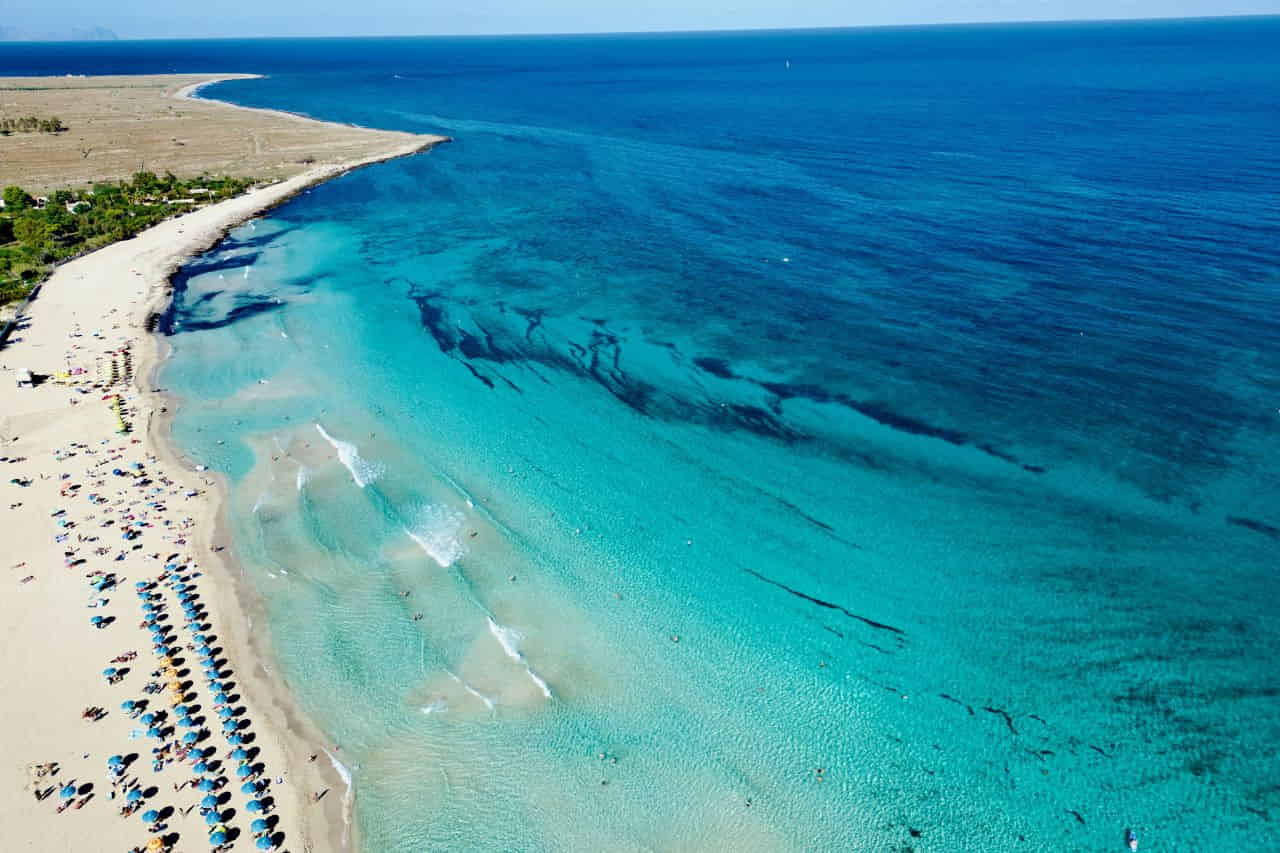
Cefalù is one of Sicily’s most charming coastal destinations, offering the perfect blend of beautiful beaches, medieval history, and a relaxed seaside atmosphere.
Its compact size makes it easy to experience both cultural landmarks and the Mediterranean coast without spending hours travelling between attractions. Whether you’re exploring historic streets, relaxing on the beach, or enjoying fresh seafood by the waterfront, Cefalù offers an easy-going escape that appeals to a wide range of travelers.
What Makes It Unique
Cefalù is built around three defining features: its picturesque old town, the magnificent Norman Cathedral, and the towering rock known as La Rocca overlooking the coastline.
The town’s narrow medieval streets lead naturally from lively piazzas to a long sandy beach, creating a destination where sightseeing and seaside relaxation fit effortlessly into the same day. Its walkable layout, scenic waterfront, and timeless atmosphere make Cefalù feel both vibrant and peaceful.
Things to do in Cefalù
Food You Should Try
- Fresh swordfish
- Grilled seafood platters
- Pasta con le Sarde
- Arancini
- Cannoli
- Granita with brioche
- Sicilian almond pastries
- Local Sicilian wines
Best For
Beach lovers, couples, families, photographers, first-time visitors, and travelers looking for an easy mix of coastal relaxation, history, and walkable charm.
Avoid If
Cefalù may not be the best choice if you’re looking for vibrant nightlife, extensive archaeological sites, dramatic hiking adventures, or a fast-paced city experience.
Ideal Stay
Plan to spend 2–3 days, or up to 4 days if you’d like to combine beach time, hiking, boat trips, and nearby coastal exploration.
Budget
- Budget traveler: $90–170 per day
- Mid-range traveler: $170–300 per day
- Luxury traveler: $300+ per day
Where to Stay
- Historic Center – Best for first-time visitors, restaurants, cultural attractions, and walkability.
- Seafront Area – Best for beach access, coastal views, and family-friendly stays.
- Near La Rocca – Best for scenic views and quieter surroundings.
- Outside Town Center- Best for budget-conscious travelers and visitors arriving by car.
Logistics Snapshot
- Nearest airport: Palermo Falcone-Borsellino Airport (PMO)
- Approximately 1–1.5 hours by train or car from Palermo
- Excellent direct train connections from Palermo and northern Sicily
- The historic center is highly walkable
- A car isn’t necessary within Cefalù but is useful for exploring the surrounding coastline
- Parking near the old town is limited during summer, with most visitors using parking areas outside the center
Common Mistake
Many travelers visit Cefalù as a quick day trip before leaving by late afternoon.
By staying overnight, you’ll experience quieter beaches, peaceful early mornings, and a far more relaxed atmosphere once the day-trippers have gone.
Local Tip
Climb La Rocca early in the morning or a couple of hours before sunset.
The cooler temperatures, softer light, and smaller crowds make the hike much more enjoyable while rewarding you with some of the best panoramic views on Sicily’s northern coast.
6. Mount Etna – Europe’s Most Active Volcano Experience
Why It Ranks
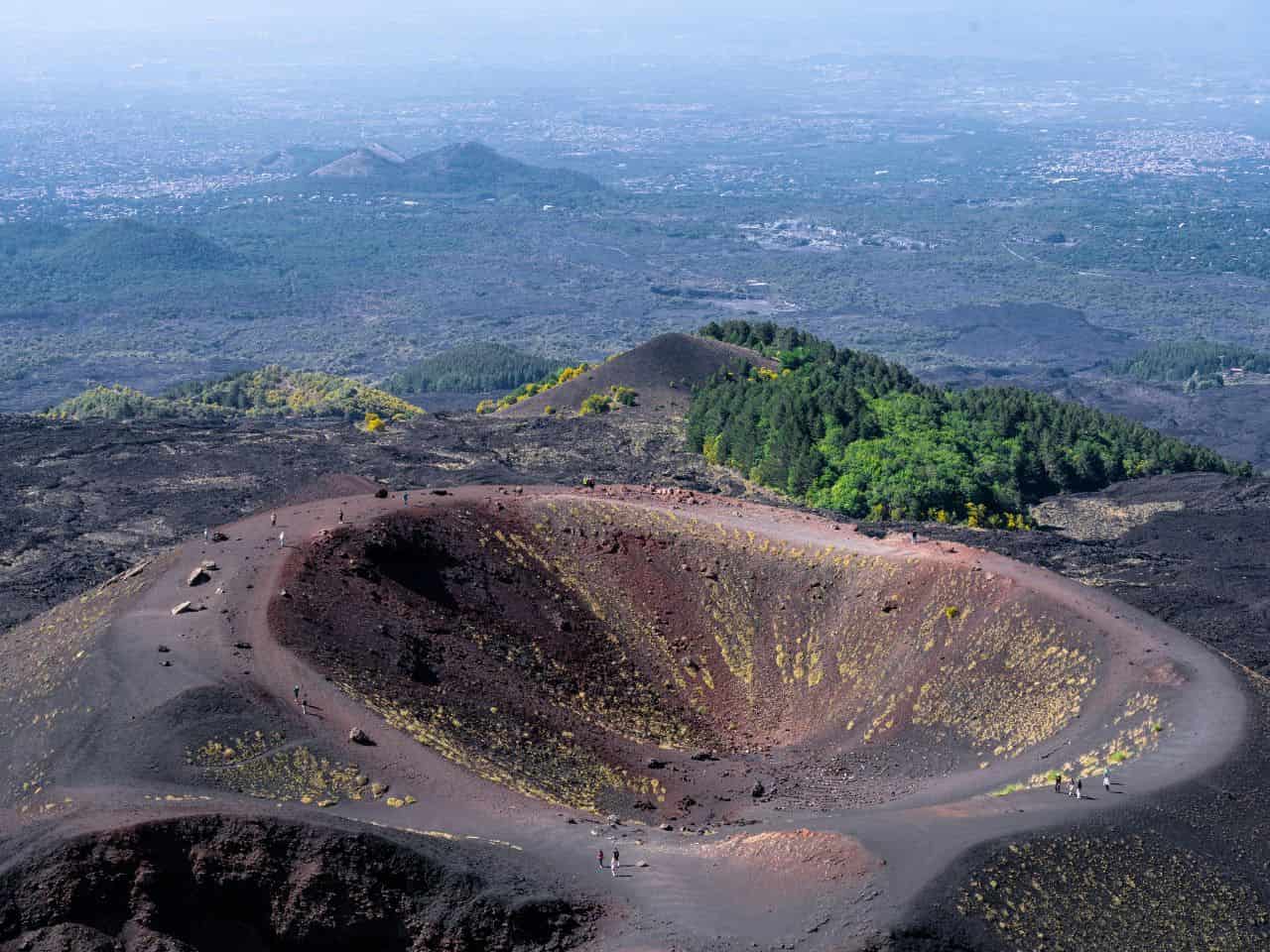
Mount Etna is one of Sicily’s most unforgettable experiences, offering visitors the chance to explore Europe’s highest and most active volcano.
More than just a scenic landmark, Etna has shaped Sicily’s landscape, agriculture, culture, and history for thousands of years. From ancient lava fields and volcanic craters to fertile vineyards and mountain villages, the volcano showcases the island’s remarkable relationship with nature.
Whether you’re hiking across lunar-like landscapes, riding a cable car toward the summit, or sampling wines produced on volcanic soil, Mount Etna delivers an adventure unlike anywhere else in Sicily.
What Makes It Unique
Mount Etna is a living volcano that continues to transform through eruptions, lava flows, and changing landscapes, making every visit slightly different.
Its lower slopes are covered with forests, vineyards, orchards, and traditional villages, while higher elevations reveal vast lava fields, extinct craters, and dramatic volcanic scenery. During winter, snow often blankets the upper slopes, creating an extraordinary contrast with Sicily’s mild coastline.
This ever-changing landscape, combined with world-class hiking, geology, and wine experiences, makes Mount Etna one of Europe’s most remarkable natural attractions.
Things to do at Mount Etna
Food You Should Try
- Etna Rosso wine
- Etna Bianco wine
- Local volcanic vineyard tastings
- Sicilian cheeses from mountain farms
- Wild mushroom dishes (seasonal)
- Honey produced on Etna’s slopes
- Pistachio products from nearby Bronte
- Traditional mountain-style Sicilian cuisine
- Local olive oils
- Rustic cured meats and antipasti
Best For
Adventure seekers, hikers, nature lovers, photographers, wine enthusiasts, geology enthusiasts, and travelers looking for one of Sicily’s most unique outdoor experiences.
Avoid If
Mount Etna may not be the best choice if you have limited mobility, dislike uneven terrain, prefer city sightseeing, or are uncomfortable with rapidly changing mountain weather.
Ideal Stay
Set aside a full day to experience Mount Etna properly, including a guided excursion, hiking, or wine tasting. If you enjoy outdoor adventures, 2 days allows time to explore nearby villages, additional trails, and the surrounding wine region.
Budget
- Budget traveler: $80–150 per day
- Mid-range traveler: $150–300 per day
- Premium traveler: $300+ per day
Where to Stay
- Nicolosi: Best for Closest volcano access, Hiking, Guided excursions, Authentic mountain atmosphere.
- Zafferana Etnea: Best for Scenic countryside, Wine tourism, Local culture with quieter stays.
- Catania: Best for first – time visitors, Day trips, airport access, Restaurants and nightlife.
- Taormina: Best for combining Etna with luxury travel, Scenic coastal stays, and Couples.
Logistics Snapshot
- Nearest airport: Catania–Fontanarossa Airport (CTA)
- Approximately 40–60 minutes by car from Catania, depending on your starting point
- Guided tours operate throughout the year
- Cable car access is available, weather permitting
- Self-driving is possible, though guided tours simplify the experience
- Temperatures are often much cooler than the coast, so bring layers, sturdy shoes, water, and windproof clothing
- Volcanic activity and weather conditions can affect summit access, so check tour updates before visiting
Common Mistake
Many visitors stop only at the lower parking areas for a few photos before leaving.
To truly appreciate Mount Etna, join a guided excursion, hike beyond the main viewpoints, or visit one of the surrounding vineyards. Exploring beyond the entrance area reveals the scale, diversity, and power that make the volcano so remarkable.
Local Tip
Book your excursion early in the morning or around sunset for the best visibility, cooler temperatures, and excellent photography conditions.
If time allows, combine your volcano visit with a winery on Etna’s northern or eastern slopes – many travelers find the volcanic wine experience just as memorable as the mountain itself.
7. Aeolian Islands – Sicily’s Most Unique Island Escape
Why It Ranks
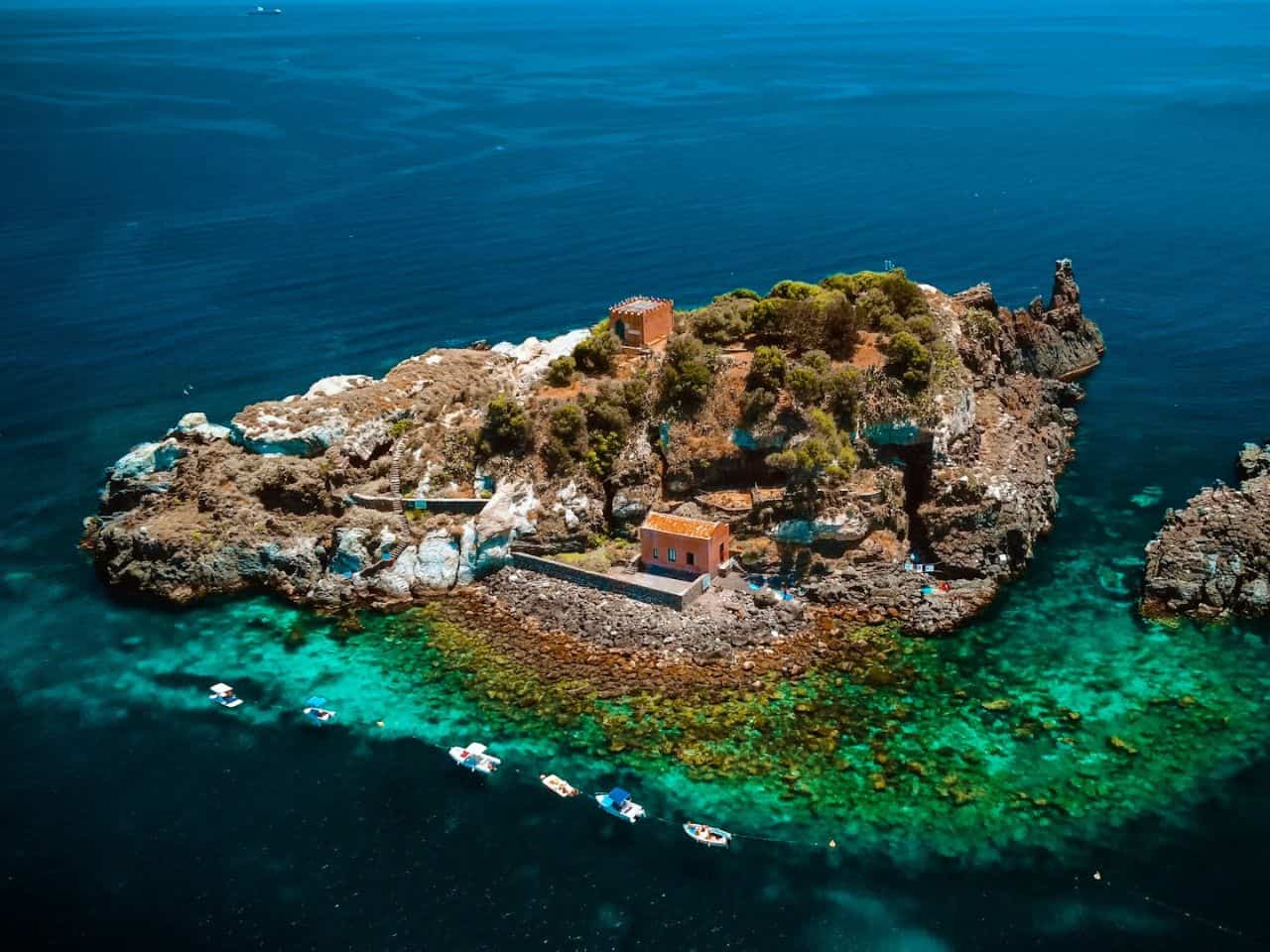
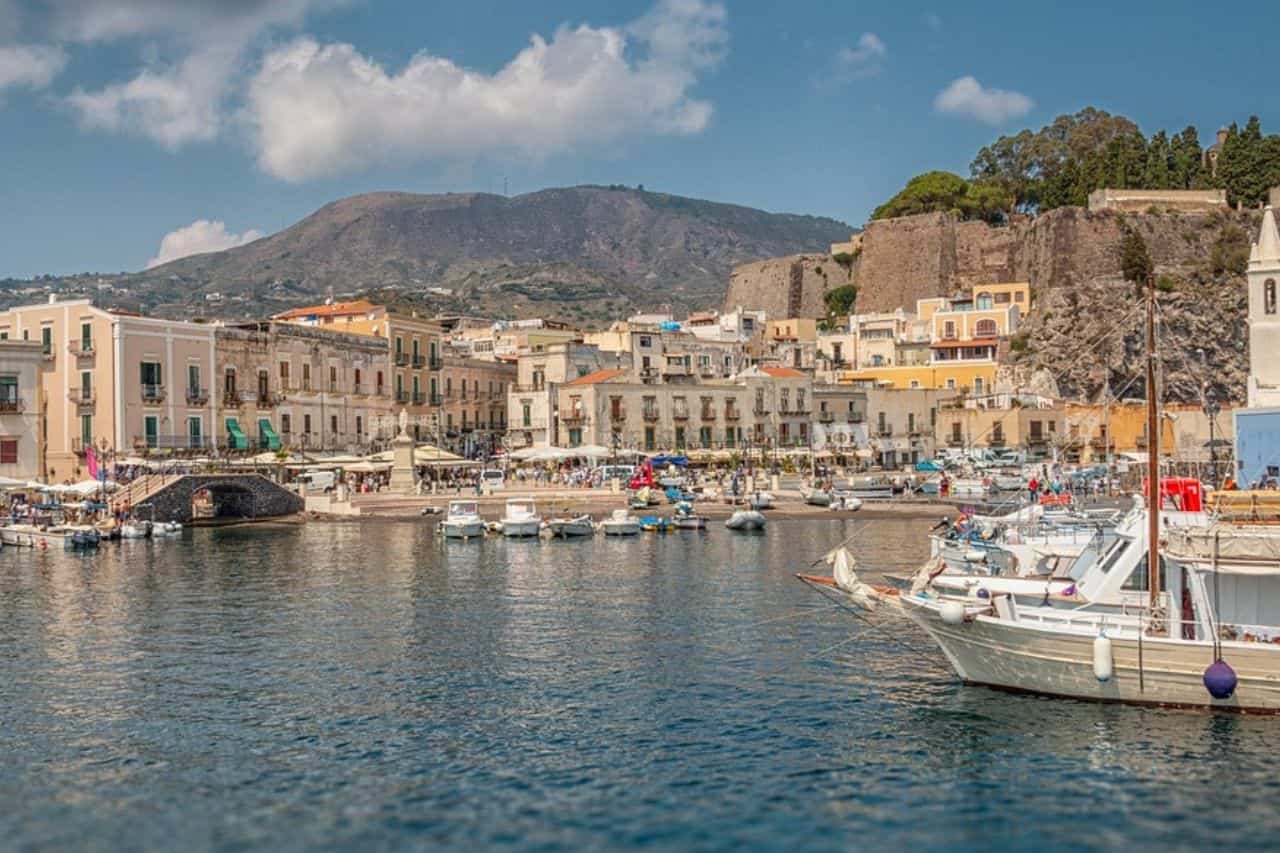
The Aeolian Islands offer one of Sicily’s most unforgettable travel experiences, combining volcanic landscapes, crystal-clear waters, charming villages, and island-hopping adventures across a UNESCO-listed archipelago.
Rather than being a single destination, the archipelago consists of seven distinct islands, each with its own character. From Lipari’s lively harbor and Stromboli’s active volcano to Salina’s vineyards and Panarea’s luxury atmosphere, visitors can create an itinerary that matches their travel style.
For travelers looking to experience a quieter, more adventurous side of Sicily beyond its mainland highlights, the Aeolian Islands are difficult to match.
What Makes It Unique
Every island in the Aeolian archipelago offers a different personality.
Lipari serves as the main gateway with restaurants, shops, and historic streets, while Stromboli is famous for its active volcano and nighttime eruptions. Salina is known for lush landscapes, vineyards, and excellent food, Panarea attracts luxury travelers, and Vulcano combines crater hikes with volcanic scenery.
Moving between islands becomes part of the experience, with ferries and boat trips revealing dramatic cliffs, hidden coves, black-sand beaches, and spectacular Mediterranean views. This combination of island life, volcanic landscapes, and sea travel creates one of Italy’s most distinctive destinations.
Things to do on Aeolian Islands
Food You Should Try
- Seafood pasta
- Fresh tuna dishes
- Swordfish specialties
- Salina capers (among Italy’s most famous)
- Malvasia delle Lipari wine
- Granita with brioche
- Local almond desserts
- Fresh octopus dishes
- Island-style antipasti
- Traditional Sicilian seafood risotto
Best For
Island hoppers, couples, adventure travelers, photographers, nature lovers, boat enthusiasts, slow travelers, and visitors looking for Sicily’s most distinctive island experience.
Avoid If
The Aeolian Islands may not be the best choice if you have very limited time, dislike ferry travel, prefer predictable transportation, or want a city-based holiday.
Ideal Stay
Allow 3–4 days to experience several islands without rushing. If your schedule is tight, 2 days is enough to explore Lipari and one nearby island, while 5 days or more is ideal for a relaxed island-hopping itinerary.
Budget
- Budget traveler: $120–220 per day
- Mid-range traveler: $220–400 per day
- Luxury traveler: $400+ per day
Where to Stay
- Lipari: Best for First – time visitors, Transportation convenience, Island hopping, Restaurants and nightlife, and Balanced overall experience.
- Salina: Best for Scenic landscapes, Food and wine experiences, couples, Relaxation, and Upscale atmosphere.
- Stromboli: Best for Volcano experiences, Adventure travelers, Photography, and Unique overnight stays.
- Panarea: Best for Luxury travelers, Boutique hotels, Exclusive atmosphere, and Nightlife
- Vulcano: Best for Hiking, Volcano exploration, Short stays, and Easy access from Lipari.
Logistics Snapshot
- Main gateway: Milazzo Port
- Reach the islands by ferry or hydrofoil from mainland Sicily
- Ferry schedules vary by season and weather conditions
- There are no commercial airports on the islands
- Pack light if visiting multiple islands, as luggage is carried on and off ferries
- Check ferry timetables in advance, especially outside the summer season
Common Mistake
Many visitors try to experience the Aeolian Islands as a single-day excursion.
While possible, this rarely allows enough time to appreciate the relaxed pace, individual character of each island, or the spectacular sunsets that make the archipelago so memorable. Spending at least one night transforms the experience.
Local Tip
If you can only stay on one island, choose Lipari as your base for the easiest ferry connections and day trips.
If you’re staying overnight on Stromboli, don’t miss an evening boat tour or viewpoint to watch the volcano’s glowing eruptions after dark – it’s one of Sicily’s most unforgettable natural spectacles.
8. Ragusa – Sicily’s Most Elegant Baroque City
Why It Ranks
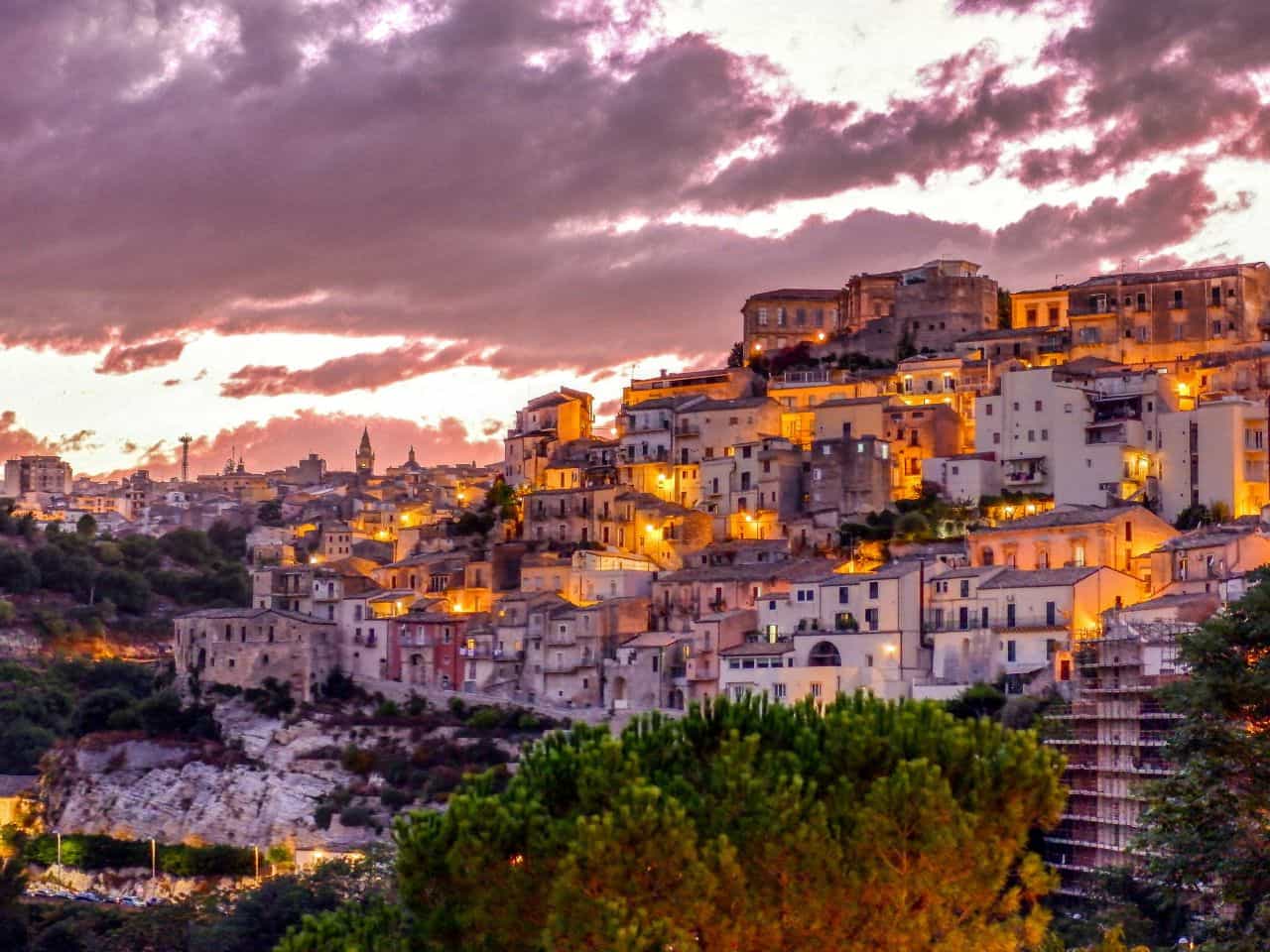
Ragusa is one of Sicily’s most beautiful historic cities, celebrated for its magnificent Baroque architecture, peaceful atmosphere, and timeless charm.
Rebuilt after the devastating 1693 earthquake, the city became one of the finest examples of Sicilian Baroque, earning UNESCO World Heritage status alongside several towns in the Val di Noto.
With elegant churches, panoramic viewpoints, stone alleyways, and quiet piazzas, Ragusa rewards travelers who prefer slowing down, exploring on foot, and discovering authentic corners of Sicily away from the busiest tourist routes.
What Makes It Unique
Ragusa is divided into two distinct districts: Ragusa Ibla, the historic old town, and Ragusa Superiore, the modern upper city.
Most visitors spend their time in Ragusa Ibla, where winding streets, grand staircases, Baroque churches, and scenic terraces create one of Sicily’s most photogenic settings. Rather than following a checklist of attractions, the city is best experienced by wandering its quiet lanes, discovering hidden courtyards, and enjoying sweeping views over the surrounding valley.
Its relaxed pace and beautifully preserved architecture make Ragusa one of Sicily’s most rewarding destinations for slow travel.
Things to do in Regusa
Food You Should Try
- Scaccia (traditional stuffed flatbread)
- Cavatelli pasta
- Ragusano DOP cheese
- Ricotta-based desserts
- Sicilian cannoli
- Local olive oils
- Slow-cooked meat dishes
- Traditional Sicilian pastries
- Nero d’Avola wine
- Local countryside wines
Best For
Couples, architecture lovers, photographers, food enthusiasts, cultural travelers, slow travelers, and anyone looking for an authentic Sicilian experience.
Avoid If
Ragusa may not be the best choice if you want beaches within walking distance, lively nightlife, or a destination without steep streets and staircases.
Ideal Stay
Plan to spend 2 days fully appreciating Ragusa’s historic center, local restaurants, and relaxed atmosphere. If you’re exploring southeastern Sicily, 3 days allows time to visit nearby Baroque towns such as Modica and Noto.
Budget
- Budget traveler: $90–170 per day
- Mid-range traveler: $170–300 per day
- Luxury traveler: $300+ per day
Where to Stay
- Ragusa Ibla – Best for first time visitors, Historic atmosphere, Walkability, Photography, Restaurants, and Major landmarks.
- Ragusa Superiore: Best for Practical access, Lower accommodation costs, Easier parking, and for Business – style hotels.
- Countryside Masserie – Best for Luxury escapes, Food and wine experiences, Rural scenery, and Relaxation.
- Nearby Modica Area – Best for Combining multiple Baroque towns, and for Longer southeastern Sicily itineraries.
Logistics Snapshot
- Nearest airport: Catania–Fontanarossa Airport (CTA)
- Around 1.5–2 hours by car from Catania
- Rental cars are the easiest way to reach Ragusa and explore the surrounding region
- Regional buses and trains are available but generally slower
- The historic center is highly walkable, though visitors should expect steep streets and numerous staircases
- Comfortable footwear is recommended, and parking is usually located outside Ragusa Ibla
Common Mistake
Many visitors spend only a few hours in Ragusa before moving on.
The city’s greatest appeal isn’t limited to its landmarks – it’s found in its peaceful atmosphere, hidden streets, and slower rhythm of life. Staying overnight allows you to experience Ragusa after the day-trippers leave, when its historic center feels even more atmospheric.
Local Tip
Spend an evening wandering through Ragusa Ibla after sunset.
As the Baroque buildings glow under soft lighting and the streets become quieter, the city reveals its most memorable side. For photographers, late afternoon through blue hour offers the best light for capturing Ragusa’s stunning architecture and panoramic views.
9. Noto – Sicily’s Baroque Masterpiece
Why It Ranks
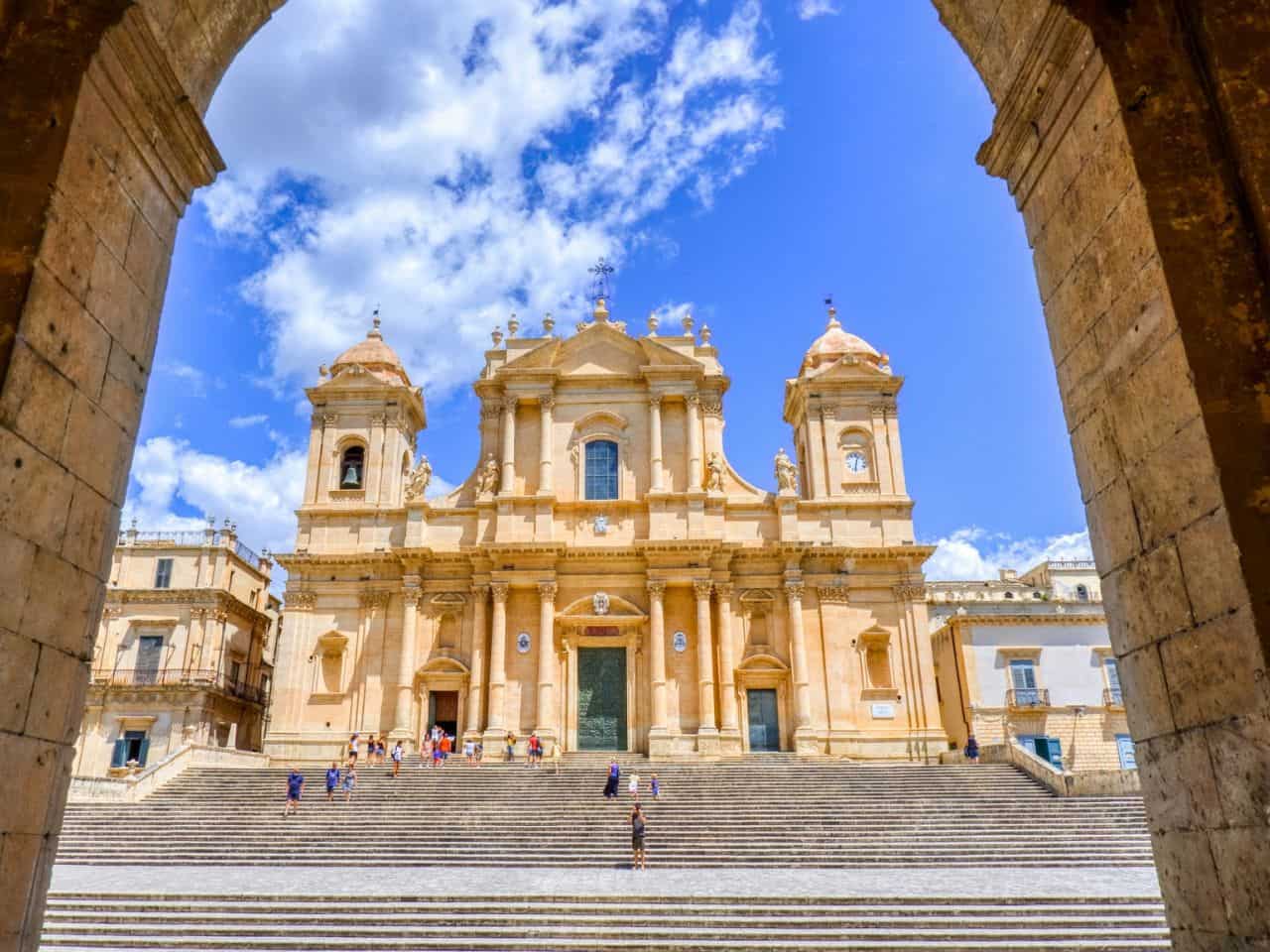
Noto is one of Sicily’s most beautiful historic cities and one of Europe’s finest examples of Baroque architecture.
Rebuilt after the devastating 1693 earthquake, the city was designed almost entirely in the Sicilian Baroque style, creating a remarkably harmonious streetscape of elegant churches, grand palaces, wide avenues, and honey-colored limestone buildings.
Rather than offering a long list of attractions, Noto impresses through its architecture, relaxed atmosphere, and timeless beauty, making it a rewarding destination for travelers who enjoy history, photography, and leisurely exploration.
What Makes It Unique
Noto is a UNESCO World Heritage Site where architecture takes center stage, rebuilt entirely in Baroque style after an earthquake.
Its carefully planned layout, ornate facades, sweeping staircases, decorative balconies, and golden limestone buildings create a city that feels both elegant and cohesive. As the sunlight changes throughout the day, the stone glows in warm golden tones, giving Noto its distinctive appearance and making it one of Sicily’s most photographed destinations.
Whether you’re strolling along Corso Vittorio Emanuele or relaxing in one of its beautiful piazzas, the city rewards slow exploration rather than rushing between landmarks.
Things to do in Noto
Food You Should Try
- Granita (Noto is famous throughout Sicily for it)
- Almond granita
- Almond pastries
- Cannoli
- Cassata Siciliana
- Local seafood dishes
- Sicilian gelato
- Nero d’Avola wines
Best For
Architecture lovers, photographers, couples, cultural travelers, UNESCO enthusiasts, slow travelers, and anyone who appreciates historic cities.
Avoid If
Noto may not be the best choice if you’re looking for lively nightlife, adventure activities, or a destination packed with attractions over several days.
Ideal Stay
A full day is ideal for exploring Noto’s historic center, visiting its landmarks, and enjoying the changing light throughout the day. If you’re touring southeastern Sicily, consider 2 days to combine Noto with nearby beaches or nature reserves.
Budget
- Budget traveler: $120–180 per day
- Mid-range traveler: $180–300 per day
- Luxury traveler: $300+ per day
Where to Stay
- Historic Center: Best for Walkability, Architecture, Photography, and first time visitors.
- Countryside Villas: Best for Luxury stays, Peaceful surroundings, and for Rural Sicilian atmosphere.
- Near Vendicari & Coastal Areas: Best for Beach access, Nature lovers, and for Longer southeastern Sicily itineraries.
Logistics Snapshot
- Nearest airport: Catania–Fontanarossa Airport (CTA)
- Approximately 1–1.5 hours by car from Catania
- Easily reached by train or rental car
- An excellent day trip from Syracuse
- The historic center is compact and highly walkable
- Parking is available outside the historic center, with a short walk into the old town
- Visiting early in the morning can make parking easier, especially during summer and festivals
Common Mistake
Many visitors rush through Noto in just a couple of hours before continuing to another destination.
While the city’s highlights can be seen quickly, its greatest appeal lies in its atmosphere. Taking time to wander the quiet streets, relax in its piazzas, and experience the changing light makes for a far more memorable visit.
Local Tip
Visit Noto twice on the same day.
Explore the city early in the morning when the streets are quiet, then return around sunset to see the golden limestone buildings illuminated by warm evening light. The changing colors create an entirely different atmosphere and some of the best photography opportunities in Sicily.
10. Trapani – Sicily’s Strategic Coastal Base
Why It Ranks
Trapani is one of western Sicily’s most rewarding destinations, offering an excellent mix of authentic local culture, coastal scenery, and easy access to many of the region’s highlights.
Set on a narrow peninsula between the Tyrrhenian Sea and the Mediterranean, the city has a long maritime heritage reflected in its historic center, seafood traditions, and relaxed waterfront atmosphere.
Its greatest strength is its location. From Trapani, travelers can easily explore the Egadi Islands, the medieval hilltop town of Erice, the famous salt flats, Marsala’s wine region, and several of western Sicily’s most beautiful beaches, making it an ideal base for discovering this part of the island.
Whether you’re strolling through the old town, enjoying fresh seafood by the harbor, or planning day trips across western Sicily, Trapani rewards travelers who prefer a slower, more authentic side of the island.
What Makes It Unique
Trapani is a city shaped by the sea.
Fishing boats, historic port streets, salt harvesting traditions, and Mediterranean influences have defined daily life here for centuries, creating an atmosphere that feels distinctly different from Sicily’s larger cities.
Rather than relying on one famous landmark, Trapani’s appeal comes from its relaxed rhythm, elegant historic center, waterfront promenades, and proximity to some of western Sicily’s most memorable experiences.
It’s equally enjoyable as a destination in its own right or as a base for exploring nearby islands, hill towns, vineyards, and coastal landscapes.
Things to do in Trapani
Food You Should Try
- Couscous di Pesce (fish couscous)
- Pesto alla Trapanese
- Tuna specialties
- Fresh seafood pasta
- Swordfish dishes
- Sicilian cannoli
- Cassata Siciliana
- Marsala wine
Best For
Independent travelers, island hoppers, food lovers, road-trippers, couples, and visitors exploring western Sicily.
Avoid If
You want Sicily’s most famous landmarks, prefer luxury resort destinations, or only have time for a single destination during your trip.
Ideal Stay
Spend 2–3 days to explore Trapani, Erice, the salt flats, and nearby coastal attractions at a comfortable pace.
If you’re planning to visit multiple Egadi Islands or use Trapani as your western Sicily base, 4 days gives you far greater flexibility.
Budget
- Budget traveler: $100–160 per day
- Mid-range traveler: $160–280 per day
- Luxury traveler: $280–500+ per day
Where to Stay
- Trapani Historic Center – Best for first – time visitors, Walkability, Restaurants, and for Local atmosphere with Evening calmer strolls.
- Near the Port – Best for Early ferry departures, Island hopping, and Convenience.
- Erice – Best for Scenic views, Romantic stays, Historic charm and Quite atmosphere.
- Countryside Near Marsala – Best for Wine tourism, Relaxation, and Rural experiences.
Logistics Snapshot
- Trapani–Birgi Airport is approximately 20 km from the city center.
- Palermo Airport is another convenient gateway, around one hour away by car.
- Frequent ferries connect Trapani with Favignana, Levanzo, and Marettimo.
- Cable cars provide easy access to Erice.
- The historic center is compact and easily explored on foot.
- A rental car is recommended if you plan to explore Marsala, nearby beaches, or western Sicily beyond the city.
- Ferry schedules can vary with weather, so it’s worth checking departures in advance during your stay.
Common Mistake
Many travelers pass through Trapani only to catch a ferry or continue toward other destinations.
By doing so, they miss the city’s lively waterfront, excellent seafood, historic streets, and relaxed atmosphere that make it much more than a transportation hub.
Another common mistake is trying to visit Erice, the Egadi Islands, and the salt flats all in one day. Staying at least two nights allows you to enjoy western Sicily without rushing.
Local Tip
Visit the Trapani Salt Flats in the late afternoon and stay through sunset.
As the light changes, the shallow pools become mirror-like reflections, the historic windmills silhouette against the sky, and the landscape transforms into one of the most photogenic scenes in Sicily.
If you’re planning an Egadi Islands excursion, book the earliest ferry of the day to enjoy quieter beaches and make the most of your time on the islands.
11. Scala dei Turchi – Sicily’s Most Unique Natural Landmark
Why It Ranks
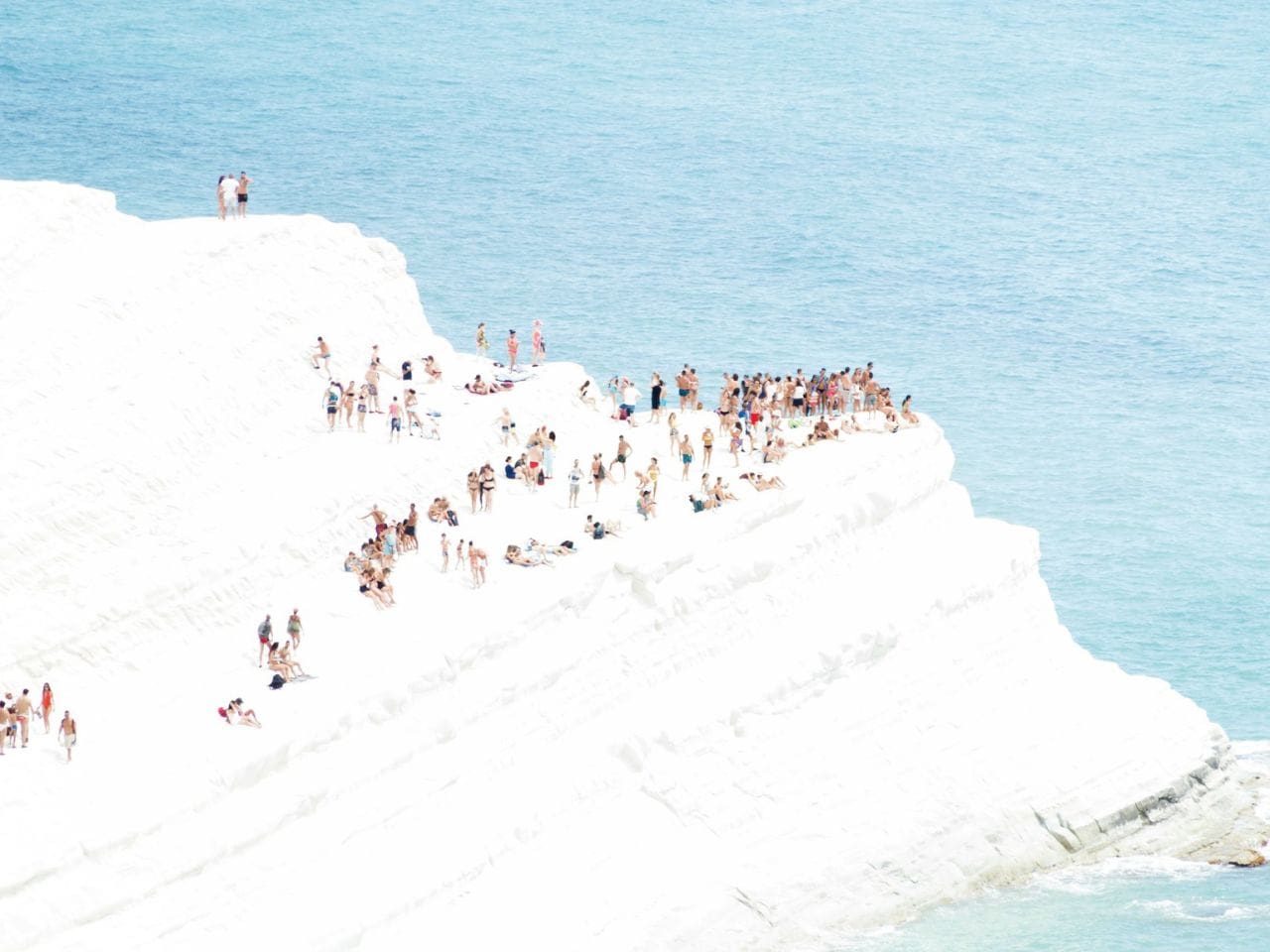
Scala dei Turchi is one of Sicily’s most iconic natural landmarks, famous for its brilliant white cliffs rising above the turquoise Mediterranean Sea.
Formed from soft white marl shaped by centuries of wind and waves, the cliffs create smooth terraces that resemble a giant natural staircase, making the landscape unlike anywhere else on the island.
Although it’s not a destination where you’ll spend several days, its extraordinary scenery makes it one of Sicily’s most memorable stops, especially for photographers, coastal road-trippers, and travelers exploring southern Sicily.
Whether you’re admiring the cliffs from nearby viewpoints, relaxing on the surrounding beaches, or visiting at sunset, Scala dei Turchi offers one of the island’s most striking coastal experiences.
What Makes It Unique
Scala dei Turchi is a place where nature becomes the attraction.
Instead of dramatic cliffs or rugged coastline, you’ll find smooth white rock sculpted into sweeping curves that descend toward the sea, creating a landscape that feels almost surreal.
The changing light transforms the cliffs throughout the day. Bright sunshine highlights the brilliant white stone, while sunset casts warm golden tones across the rock and surrounding coastline.
Rather than offering museums or historic landmarks, Scala dei Turchi is best appreciated by slowing down, taking in the scenery, and enjoying one of the Mediterranean’s most distinctive geological formations.
Things to do at Scala del Turchi
Food You Should Try Nearby
- Pasta con le Sarde
- Fresh grilled seafood
- Calamari dishes
- Sicilian swordfish
- Granita with brioche
- Local almond desserts
- Sicilian cannoli
- Regional white wines
Best For
Photographers, nature lovers, coastal scenery enthusiasts, road-trippers, couples, and travelers exploring southern Sicily.
Avoid If
You prefer destinations with museums, nightlife, extensive sightseeing, or enough attractions to fill several days.
Ideal Stay
Allow half a day to enjoy the viewpoints, nearby beaches, and coastal scenery without feeling rushed.
Many travelers combine Scala dei Turchi with Agrigento and the Valley of the Temples for a rewarding full-day itinerary.
Budget
- Budget traveler: $40–80 per day
- Mid-range traveler: $80–180 per day
- Luxury traveler: $180+ per day
(Most costs come from transportation, parking, dining, or optional boat tours rather than admission.)
Where to Stay
- Agrigento: Best for Valley of the Temples, Restaurants, Hotels, and Full service tourism infrastructure.
- Realmonte: Best for Closest access, Local atmosphere, and for Short travel times.
- Porto Empedocle: Best for Budget – friendly accommodation, Coastal location, and for Easy regional access.
Logistics Snapshot
- Scala dei Turchi is located near Realmonte, around 15 km west of Agrigento.
- The site is easiest to reach by rental car.
- Limited public transportation is available from nearby towns.
- Parking is available close to the viewpoints, although spaces fill quickly during summer.
- Walking shoes are recommended for uneven coastal paths.
- Visitor access to parts of the cliffs may change due to conservation and safety measures, so it’s worth checking current regulations before your visit.
Common Mistake
Many visitors arrive during the middle of the day when the sunlight is harsh, temperatures are highest, and the cliffs appear flatter in photographs.
Visiting later in the afternoon provides softer light, fewer crowds, and a much more impressive view of the white rock against the blue sea.
Another common mistake is treating Scala dei Turchi as a standalone stop. Pairing it with nearby attractions creates a much more rewarding day.
Local Tip
Plan your visit for the late afternoon and stay through sunset.
As the sunlight softens, the cliffs take on warm golden tones and the Mediterranean becomes even more vibrant, creating the spectacular views that have made Scala dei Turchi one of Sicily’s most photographed landmarks.
If you’re exploring southern Sicily, combine your visit with the Valley of the Temples to experience two of the region’s greatest highlights in a single day.
12. Agrigento – Sicily’s Strongest Historical Landmark
Why It Ranks
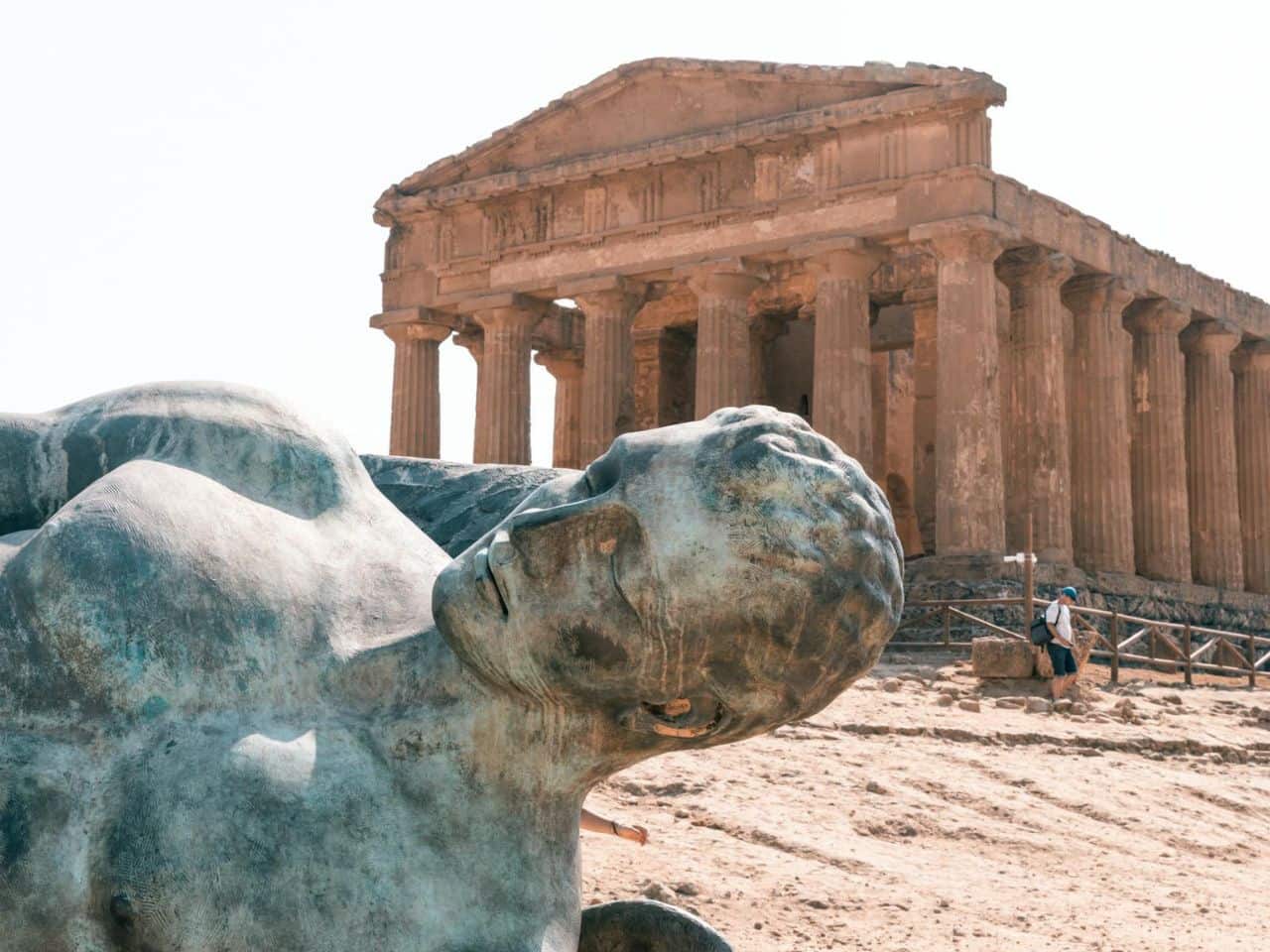
Agrigento is one of Sicily’s most important historical destinations and home to the magnificent Valley of the Temples, one of the world’s best-preserved ancient Greek archaeological sites.
Recognized as a UNESCO World Heritage Site, the archaeological park offers an extraordinary glimpse into Sicily’s Greek past, with monumental temples that have stood for more than two thousand years.
Beyond its historical significance, Agrigento rewards visitors with sweeping countryside views, a relaxed atmosphere, and easy access to nearby coastal attractions.
Whether you’re fascinated by ancient history, archaeology, or simply want to experience one of Italy’s greatest cultural landmarks, Agrigento is an essential stop on any Sicily itinerary.
What Makes It Unique
Agrigento is a destination where history dominates the landscape.
Rather than exploring isolated ruins, visitors walk through an entire archaeological park where remarkably preserved temples rise above rolling hills, olive groves, and almond trees.
The Valley of the Temples is impressive not only for its scale but also for the exceptional condition of monuments such as the Temple of Concordia, considered one of the best-preserved Greek temples anywhere in the world.
Standing among temples that have survived for over 2,000 years creates a perspective that few destinations can match. It is one of those places in Sicily that reminds us how many layers of civilization have shaped the entire island throughout history.
The experience becomes even more memorable as the changing light transforms the warm sandstone structures throughout the day, creating an atmosphere that feels both timeless and unforgettable.
Things to do at Agrigento
- Exploring the UNESCO-listed Valley of the Temples
- Visiting the Temple of Concordia
- Walking the Sacred Way through the archaeological park
- Watching sunset over the ancient temples
- Visiting the Temple of Juno
- Exploring the Archaeological Museum of Agrigento
- Discovering the remains of ancient Akragas
- Photographing illuminated temples after dark
- Combining Agrigento with Scala dei Turchi
- Learning about Sicily’s Greek heritage through guided tours
Food You Should Try
- Pasta con le Sarde (pasta with sardines)
- Caponata
- Sicilian almond pastries
- Fresh ricotta desserts
- Local olive oil products
- Cannoli
- Nero d’Avola wines
- Almond-based sweets for which the region is particularly known
Best For
History lovers, archaeology enthusiasts, cultural travelers, photographers, families, and first-time visitors interested in Sicily’s ancient heritage.
Avoid If
You prefer nightlife, beach resorts, fast-paced cities, or destinations centered around shopping and entertainment rather than historical sightseeing.
Ideal Stay
Set aside 1–2 days to fully explore the Valley of the Temples, visit the museum, and enjoy the surrounding area without rushing.
If you’re also planning to visit Scala dei Turchi, staying overnight allows for a much more relaxed experie
Budget
- Budget traveler: $90–150 per day
- Mid-range traveler: $150–250 per day
- Luxury traveler: $250–500+ per day
Where to Stay
- Near the Valley of the Temples – Best for first-time visitors, convenience, and early morning or sunset visits.
- Agrigento Historic Center – Best for local atmosphere, restaurants, and budget-friendly accommodation.
- San Leone – Best for beach access, families, and combining the coast with sightseeing.
- Countryside Agriturismos – Best for peaceful rural stays, authentic Sicilian hospitality, and food experiences.
Logistics Snapshot
- Agrigento is approximately 2–2.5 hours from Palermo Airport and 2.5–3 hours from Catania Airport.
- The city can be reached by car, train, or regional bus, although a rental car offers the greatest flexibility.
- Parking is available near the Valley of the Temples and is generally straightforward.
- The archaeological park covers a large area, so expect plenty of walking on uneven paths.
- Comfortable footwear, water, and sun protection are highly recommended, particularly during warmer months.
Common Mistake
Many visitors underestimate the size of the Valley of the Temples and try to explore it in just a couple of hours.
The archaeological park deserves far more time than a quick photo stop. Walking through the temples, visiting the museum, and experiencing the site as the light changes provides a much deeper appreciation of one of the Mediterranean’s greatest historical landscapes.
Local Tip
Plan your visit for the late afternoon and stay through sunset.
As the temperatures cool and the sandstone temples glow in golden light, the entire archaeological park becomes quieter and even more atmospheric.
FAQs
-
What are the best places to visit in Sicily for first-time travelers?
The best places for first-time visitors include Palermo, Catania, and Taormina. These destinations offer a balanced mix of culture, food, history, and scenic views, making them ideal for an introduction to Sicily.
-
How many days are enough to explore Sicily?
A minimum of 5 to 7 days is ideal to explore key highlights like Palermo, Catania, and Taormina. For a more comprehensive trip including places like Syracuse and the Aeolian Islands, plan 10 to 14 days.
-
Which is better to visit: Palermo or Catania?
Palermo is better for history, street food, and architecture, while Catania is ideal for nightlife, proximity to Mount Etna, and a younger vibe. The best choice depends on your travel style.
-
Is Sicily expensive for travelers?
Sicily is generally more affordable than mainland tourist hotspots like the Amalfi Coast. Budget travelers can manage €70–€120/day, while mid-range and luxury travelers may spend €150–€400/day depending on location and season.
-
What is the best time to visit Sicily?
The best time to visit Sicily is from April to June and September to October for pleasant weather, fewer crowds, and better prices. Summer (July–August) is the peak season with higher costs and heat.
-
Can you visit Mount Etna from Catania easily?
Yes, Mount Etna is easily accessible from Catania via guided tours, buses, or car rentals, making it one of the most popular day trips in Sicily.
-
Do you need a car to explore Sicily?
Yes, renting a car is highly recommended if you want to explore beyond major cities like Palermo and Catania. Many of Sicily’s best places are not easily accessible by public transport.
-
What are the must-visit historical sites in Sicily?
Top historical sites include the Valley of the Temples, Teatro Greco, and the historic center of Syracuse, especially Ortigia Island.ch part of Sicily is the most beautiful?
Which Place in Sicily is Right for You?
There isn’t a single “best” place in Sicily – only the one that best matches your travel style.
Rather than trying to see everything in one trip, focus on the places that excite you most. You’ll enjoy a slower, more rewarding experience and leave with plenty of reasons to return.
That’s the beauty of Sicily – no matter where you begin, there’s always another corner of the island waiting to be discovered.
For any further detail, do let me know in the comments below; I will get back asap with my best reply!