Last Updated: 31 August, 2026 — reflecting the current ETIAS delay, EES biometric border rollout, and recent pricing norms.
Planning a trip to Europe?
Great choice — and one that goes more smoothly when you understand a few things before you land rather than after.
Europe’s entry process changed materially in 2026, budget airlines still make most of their margin on the fees you don’t expect, and the “best” way to handle money, trains, and tickets varies more by country than most generic packing lists let on.
These Europe travel tips cover what actually affects your trip — entry requirements, money, transport, safety, and local norms — not just what to pack.
How to Use This Guide
- Bookmark it.
- Read it before you book flights — a few of these tips change how you plan, not just how you pack.
- Re-check the entry-rules section close to your departure date, since border requirements have shifted twice in the past 18 months.
Love this? Check out Best Time to Visit Europe and 12 Cheapest Places to Visit in Europe to round out your trip planning.
What Are the Essential Europe Travel Tips?
- Confirm your entry requirements — ETIAS is delayed to 2027, but EES biometric checks are already live at every Schengen border.
- Buy travel insurance before you go, not after something goes wrong.
- Book major attractions and popular train routes in advance, especially for summer travel.
- Use a no-foreign-transaction-fee card and always decline dynamic currency conversion.
- Carry some cash — plenty of small businesses outside major cities remain cash-only.
- Don’t over-plan your route; travel days between countries take longer than the map suggests.
- Track the Schengen 90/180-day rule if you’re visiting more than one Schengen country.
- Expect Sunday and midday closures outside major tourist centers.
Everything below explains why.
Before You Go
1. Confirm Your Entry Requirements — ETIAS Is Delayed, EES Already Isn’t
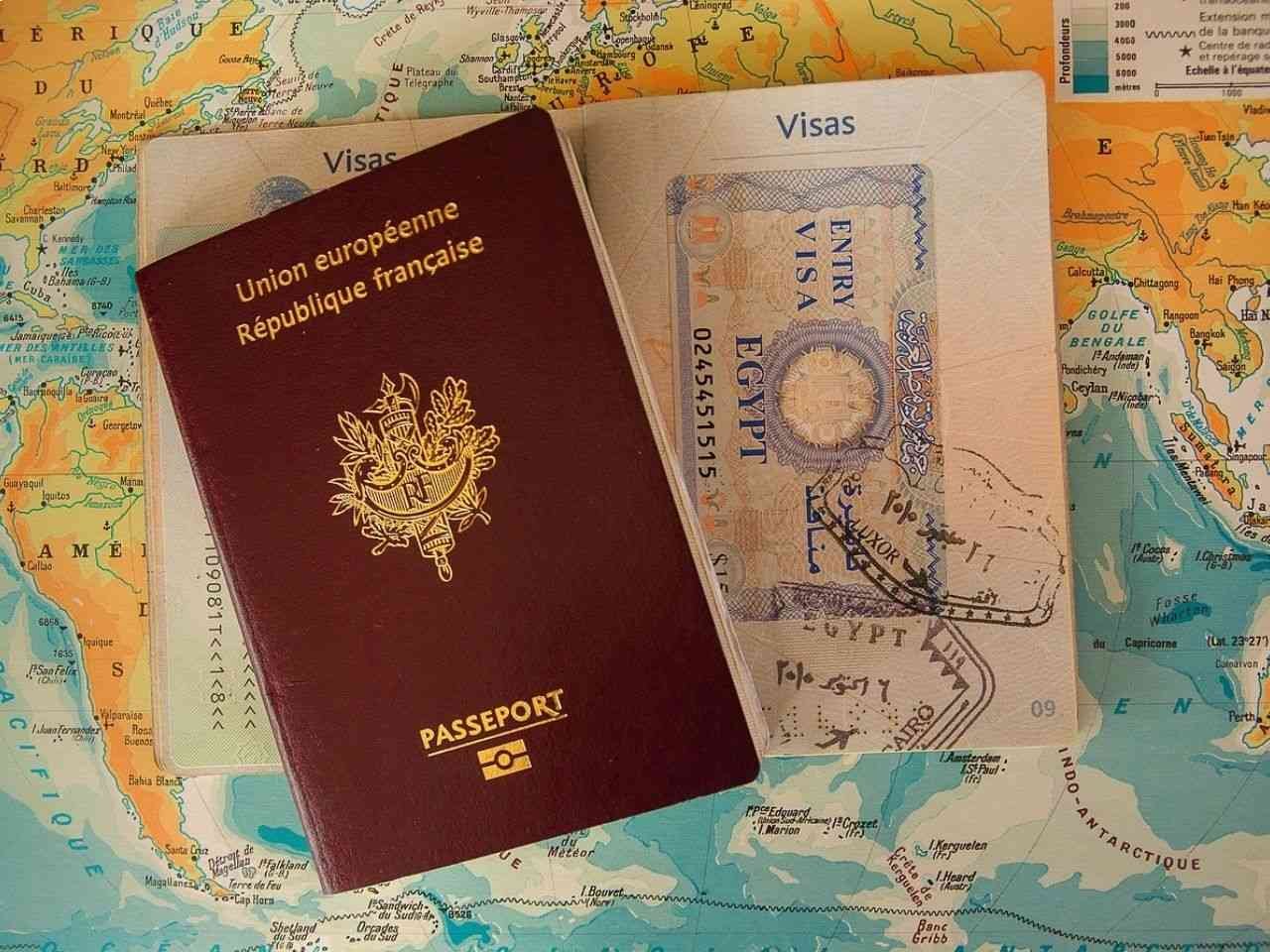
Europe’s entry rules changed twice in the past year, and most packing-list articles haven’t caught up.
ETIAS, the pre-travel authorization system for visa-exempt travelers, has been delayed again — as of August 2026, it remains offline with no confirmed launch date, and independent reporting points to 2027 rather than the previously announced Q4 2026. You do not need to apply for anything right now, and any third-party site charging you for an “ETIAS” today is not legitimate.
EES (the Entry/Exit System), by contrast, is already live — it went fully operational at all external Schengen borders in April 2026, replacing manual passport stamps with a biometric facial scan and fingerprints on your first crossing. That record stays valid for three years, so later trips move faster once you’re registered.
Planning takeaway: build extra buffer time into any Schengen arrival in 2026 — EES has caused real queue delays at several major airports through the summer, independent of anything on your end.
2. Buy Travel Insurance Before You Go
Skipping travel insurance is the easiest money to save and the most expensive mistake to make if something goes wrong.
Coverage protects against medical emergencies, trip cancellations, flight disruptions, and lost or delayed baggage — all more disruptive abroad than at home, since you’re also navigating an unfamiliar healthcare system on top of the original problem. A handful of countries have started tying entry itself to proof of insurance (Georgia’s new 2026 rule is one example), which makes this less optional than it used to be even where it isn’t legally required.
Planning takeaway: buy a policy before you finalize other bookings — some trip-cancellation coverage only applies to costs incurred after the policy is active.
3. Get a European eSIM Before You Land
Roaming charges on a home carrier plan remain one of the most avoidable costs in European travel.
eSIM providers covering most of the Schengen area and beyond let you activate data the moment you land, without hunting for a physical SIM kiosk or navigating a foreign-language prompt at an airport counter. Installing the eSIM profile before departure (it only activates once you’re in-region) saves the first confused hour of a trip spent trying to find Wi-Fi to get online at all.
Planning takeaway: confirm your eSIM covers every country on your route — some plans are single-country only, which matters if you’re crossing multiple borders on one trip.
4. Pack for Regional Climate, Not “European Weather”
Europe doesn’t have one climate, and packing as if it does is a common first-timer mistake.
Southern Europe in July runs genuinely hot — 35°C+ (95°F+) in inland Spain and Italy is normal, not exceptional. Northern Europe and Scandinavia stay far milder even in peak summer, but drop fast into short, cold days by December. A single “Europe packing list” that doesn’t specify which region it’s written for is guessing on your behalf.
Planning takeaway: pack to your specific region and season, and default to layers if your trip crosses more than one climate zone — a jacket that’s excessive in Athens is essential in Copenhagen the same week.
Transportation Tips
5. Book Long-Distance Trains Through the National Operator, Not Just an Aggregator
Third-party train-booking sites are convenient but often mark up fares or miss route-specific discounts available directly through the operator.
Booking directly through national rail sites (SNCF in France, Trenitalia in Italy, Deutsche Bahn in Germany, and equivalents elsewhere) usually surfaces the cheapest fare class and any early-booking discount, which can be substantial on popular routes booked weeks ahead. Aggregators are still useful for comparing options across countries in one search — just verify the price against the operator’s own site before paying a booking fee on top.
Planning takeaway: for any single-country route, check the national operator’s site directly before booking through a third party — the savings on popular routes often exceed the aggregator’s convenience fee.
6. Read the Budget Airline Fine Print Before You Book
Ryanair, Wizz Air, and easyJet fares look unbeatable until baggage, seat selection, and priority boarding fees stack on top.
A genuinely cheap headline fare can end up costing more than a full-service carrier once a checked bag and a reasonable seat assignment are added — budget airlines make a real share of their revenue from these add-ons, not the base fare. Weighing and measuring your carry-on before you leave home avoids a gate-side fee that’s priced deliberately higher than booking it online in advance.
Planning takeaway: price out your actual trip — base fare plus the bags and seats you’ll realistically need — before assuming a budget carrier is cheaper than the full-service alternative.
7. Don’t Underestimate Travel Time Between Countries
On a map, three or four European countries can look like a tight, walkable loop. In practice, border crossings, connection times, and regional train schedules eat a meaningful chunk of any travel day.
Trying to cover five countries in seven days usually means every day includes a transit component, leaving less time than expected for the destinations themselves. Fewer stops with more time in each one consistently produces a better trip than a checklist itinerary — this holds especially true crossing between regions with different rail standards, like Western Europe’s high-speed network versus the Balkans’ slower regional routes.
Planning takeaway: budget a full travel day for any border crossing involving more than a short flight or direct high-speed train, and build slack into the schedule rather than assuming connections run exactly on time.
Money & Budget Tips

8. Use a No-Foreign-Transaction-Fee Card and Always Decline Currency Conversion
Foreign transaction fees on standard cards run 1–3% per purchase — a real cost across a multi-week trip that a fee-free card eliminates entirely.
At the point of sale or ATM, you’ll often be asked whether to pay “in dollars” or “in local currency” — always choose local currency. The dollar option (dynamic currency conversion) applies a worse exchange rate set by the merchant’s bank, not your own, and typically costs more than simply letting your own card handle the conversion.
Planning takeaway: decline dynamic currency conversion every time it’s offered, whether at a card terminal or an ATM — it’s designed to look like a convenience and functions as a markup.
9. Carry Some Cash — Not Every Business Takes Cards
Card acceptance is near-universal in major Western European cities, but drops off quickly in smaller towns, rural regions, and much of the Balkans and Eastern Europe.
Small cafés, market stalls, local buses, and public restrooms across the continent still commonly run cash-only, and ATM availability outside city centers can be inconsistent. Carrying a modest cash reserve in local currency avoids being stuck at a business that simply can’t process your card.
Planning takeaway: withdraw local currency from an ATM rather than exchanging cash at an airport kiosk — airport exchange rates are consistently the worst available option.
10. Book Major Attractions Online, Well Before You Travel
Timed-entry tickets have become standard at most major European sites, and summer 2026 saw popular attractions sell out weeks in advance rather than the day-of availability travelers once relied on.
This applies beyond the obvious landmarks — smaller regional sites have adopted the same booking model as demand management for overtourism spreads. Booking through the official site rather than a resale platform also avoids markup and reduces the risk of an invalid ticket at the door.
Planning takeaway: book any site you consider a must-see the moment your travel dates are fixed, not the week before — especially for June through August travel.
Safety & Common Mistakes

11. Know Where Pickpocketing Actually Happens
Pickpocketing is the most common issue travelers encounter across Europe’s major cities, and it clusters predictably: crowded public transit, major train stations, and the immediate vicinity of famous landmarks.
Keeping valuables in a front pocket or a bag worn across the body rather than a back pocket or open tote removes most of the easy opportunity these environments create. Distraction techniques (someone bumping into you, an unsolicited “helper” at a ticket machine) are far more common than any dramatic theft — a polite but firm refusal to engage is usually all that’s needed.
Planning takeaway: treat train stations and landmark plazas as your highest-alert zones, not quiet residential streets — that’s where opportunistic theft actually concentrates.
12. Use Official Taxi Ranks or App-Based Rides Only
Unsolicited offers of a ride or “help” near airports, stations, and major attractions are a common setup for overcharging or worse.
Official taxi stands and app-based services (where available) both provide a paper or digital trail and a fixed or metered fare, unlike an unmarked car offering a flat rate that turns out higher than expected once you’re already inside. This matters more in less touristed regions, where regulated ride-hailing coverage is thinner and unofficial drivers are more common.
Planning takeaway: pre-book an airport transfer or confirm your app coverage before arrival in a new city — deciding on the spot, tired after a flight, is when people accept a bad offer.
13. Track the Schengen 90/180-Day Rule if You’re Mixing Countries
The Schengen Area functions as one zone for visa-free stay limits, regardless of how many individual countries you cross into within it.
Most non-EU visitors can stay up to 90 days within any rolling 180-day period across the entire Schengen zone combined — not 90 days per country. A multi-country trip that feels like separate visits to France, Italy, and Greece still counts as one continuous stay against that same 90-day limit, and overstaying can result in fines or future entry difficulty.
Planning takeaway: if your Europe trip is long or you travel to the region often, track cumulative Schengen days across the full 180-day window, not just the current trip — an EES record now makes this easier for border officials to verify, and for you to get wrong unnoticed.
Local Norms Most Tourists Learn Too Late
14. Sunday and Midday Closures Are Still Common
Outside major tourist centers, many shops, pharmacies, and local businesses across Europe still close on Sundays or shut for a few hours midday — a rhythm that surprises travelers used to the always-open convenience culture.
This varies significantly by country and region, more pronounced in smaller towns than capital cities, but it’s common enough across the continent to plan around rather than discover the hard way. Grocery shopping, banking errands, and pharmacy visits are worth timing for weekday mornings or early afternoons.
Planning takeaway: handle essential errands on a weekday before early afternoon — Sunday and late-afternoon closures aren’t rare exceptions, they’re the norm in much of Europe outside major cities.
15. August Changes How Southern Europe Operates
Across Italy, Spain, Greece, and much of the Mediterranean, August brings a genuine seasonal shift — not just more tourists, but many locally run businesses closing entirely as owners take their own summer break.
This compounds with peak-season crowding and heat to make August the most logistically unpredictable month to visit Southern Europe specifically, even though it’s peak season by calendar. Restaurants you’d expect to be open can be shuttered for two weeks with a handwritten sign, and this is normal, not a closure worth worrying about.
Planning takeaway: if visiting Southern Europe in August, have a backup dining or activity option for any spot you’re relying on — confirm major stops are open rather than assuming standard hours apply.
Final Europe Travel Advice
Europe rewards travelers who plan the boring logistics early and stay flexible with everything else.
You don’t need to solve every detail before you land, but confirming entry requirements, insurance, and your first few bookings ahead of time removes the friction that turns a good trip into a stressful one.
The rest — where to eat, what to skip, which town becomes your favorite — sorts itself out once you’re there.

FAQs
1. Do I need ETIAS to visit Europe in 2026?
No. ETIAS remains delayed with no confirmed launch date as of August 2026, and current reporting points to 2027. You do not need to apply for anything, and no legitimate ETIAS application exists yet — treat any site charging for one today as illegitimate.
2. What is the EES and does it affect my trip?
The Entry/Exit System (EES) is a biometric border-check system that replaced manual passport stamps at Schengen borders, fully operational since April 2026. It applies to most non-EU travelers and can add processing time at busy airports, especially on a first crossing — build in extra buffer time.
3. How much cash should I carry in Europe?
Enough to cover small purchases, public transit, and cash-only businesses for a day or two — card acceptance is strong in major cities but drops off in smaller towns and parts of Eastern Europe and the Balkans. Withdraw from ATMs rather than exchanging at airport kiosks for a better rate.
4. Is Europe safe for solo travelers?
Most of Europe is considered safe for solo travel, with pickpocketing in crowded tourist areas the most common issue rather than violent crime. Standard precautions — secure bags, official transport, awareness in train stations — address the majority of real risk.
5. How many countries should I visit in one Europe trip?
Fewer than the map suggests. Travel time between countries, especially outside Western Europe’s high-speed rail network, consistently takes longer than first-time planners expect — most experienced travelers recommend fewer stops with more time in each over a packed multi-country checklist.
Helpful Planning Resources
- Official ETIAS Status Updates — Confirm current launch timeline before booking anything ETIAS-related.
- EU Entry/Exit System (EES) Official Information — Current border-check requirements by nationality.
- Check updated entry permit details on the Schengen 90/180-Day Rule.