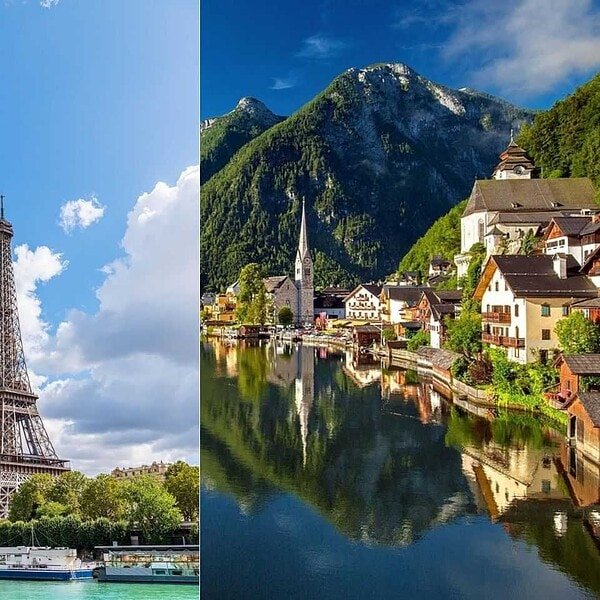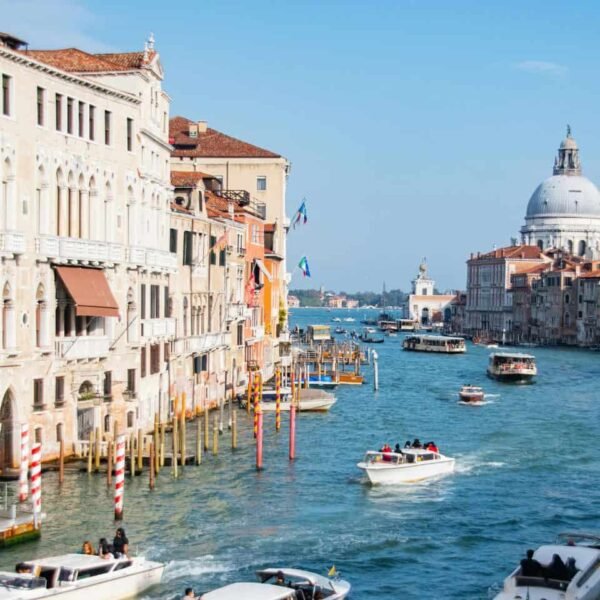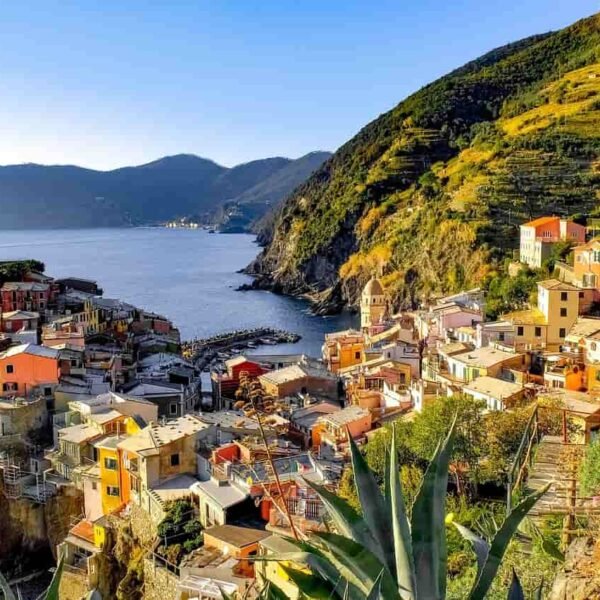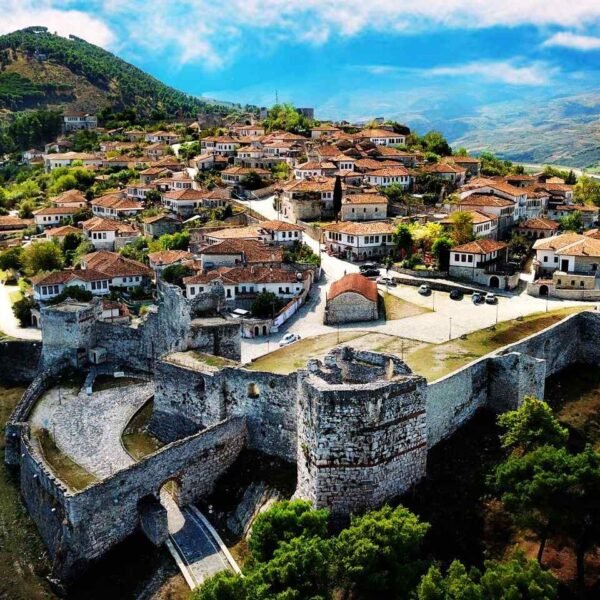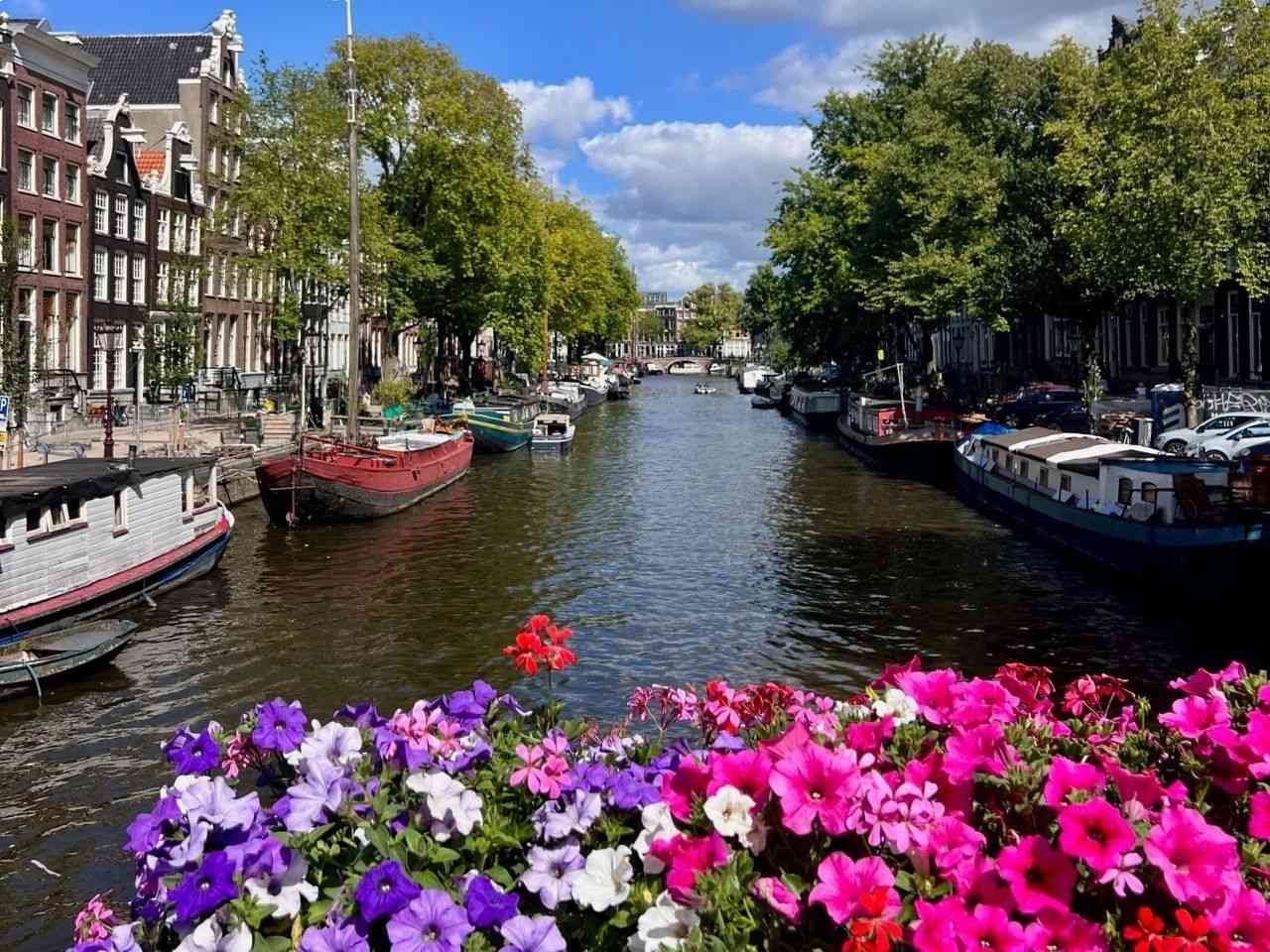
“Best time to visit Europe” doesn’t have one answer – it has a different answer for the Amalfi Coast than for the Austrian Alps, and a different one again for whether you’re chasing warm water, empty museums, or cheap flights.
This guide breaks the decision down by season and by region, so you can match your trip to the trade-off that actually matters to you instead of defaulting to “summer” by habit.
This guide also covers something most seasonal guides miss: Europe’s entry process changed materially in recent times from 2026. The EU’s new biometric Entry/Exit System went fully live in April, replacing passport stamps at Schengen borders — it doesn’t change when you should go, but it changes how much buffer time to build into your arrival, especially in summer.
The goal isn’t to find the objectively “best” month. It’s to find the month where your specific priorities — weather, crowds, or price — line up.
- What Is the Best Time to Visit Europe?
- How to Choose Based on What Matters Most to You
- Europe’s Seasons Compared at a Glance
- Best Time to Visit by Region
- What Changed for the Travelers in Recent Times (EES Border Update)
- Europe Season-by-Season
- FAQs
- Helpful Planning Resources
- My Popular Europe Travel Guides
Love this? Check out our guide to 12 Cheapest Places to Visit in Europe and 15 Essential Europe Travel Tips to round out your trip planning.
What Is the Best Time to Visit Europe?
The best time to visit Europe overall is late April through June, and September through early October — the shoulder seasons, when weather is mild across most of the continent, crowds and prices drop noticeably from summer peaks, and museums and attractions still run full hours. Summer (July–August) remains the right call specifically for beach travel and Northern Europe’s long daylight hours, while November–March suits winter sports, Christmas markets, and the lowest flight prices of the year.
How to Choose Based on What Matters Most to You
There’s no single best time to visit Europe — there’s a best time for what you’re prioritizing on this specific trip.
- If weather is your top priority, shoulder season (late April–June, September–early October) delivers the most reliably pleasant temperatures across the widest range of destinations, without summer’s heat spikes in Southern Europe or winter’s short daylight in the north.
- If avoiding crowds matters most, skip July–August entirely at any major city or coastal destination — timed-entry tickets for sites like the Colosseum now sell out weeks ahead in peak summer, a real change from just a few years ago. Shoulder season and winter (outside Christmas week) both deliver dramatically thinner crowds.
- If budget is the deciding factor, winter (November–March, excluding the Christmas/New Year window) is the cheapest season outright, with flights from the US sometimes dropping to $300–400 round-trip. Shoulder season is the second-cheapest tier and offers a much better weather trade-off for the savings.
- If you’re chasing warm-water beach weather specifically, summer (June–early September) is genuinely the only reliable window for swimming in most of the Mediterranean — shoulder season saves money everywhere else but won’t deliver warm sea temperatures.
- If you’re combining multiple countries, shoulder season gives you the most consistent weather across a multi-country route — summer heat in the Balkans or winter darkness in Scandinavia can each derail one leg of an otherwise well-planned trip.
Quick-reference by priority:
| If you want… | Go in |
|---|---|
| The single best weather-to-crowd ratio | Late May or September |
| Warm-water swimming in the Mediterranean | June–early September |
| The cheapest flights and hotels of the year | January–March or November |
| Christmas markets | Late November–December |
| Ski season in the Alps | December–March |
| Northern Europe’s long summer daylight | June–July |
| Tulip season in the Netherlands | Mid-April–early May |
| The quietest version of major cities | January–February, outside holidays |
Europe’s Seasons Compared at a Glance
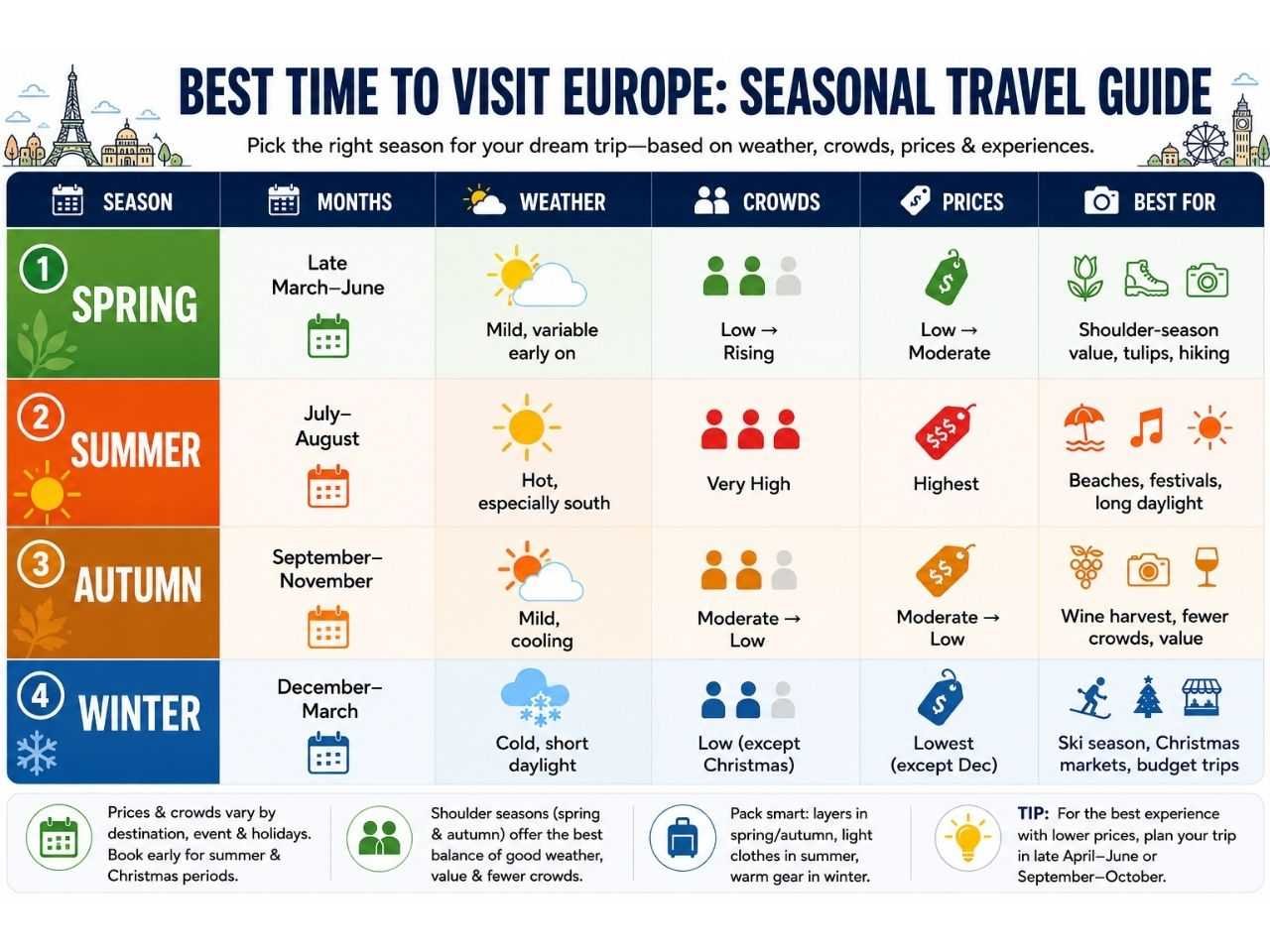
| Season | Months | Weather | Crowds | Prices | Best For |
|---|---|---|---|---|---|
| Spring | Late March–June | Mild, variable early on | Low → Rising | Low → Moderate | Shoulder-season value, tulips, hiking |
| Summer | July–August | Hot, especially south | Very High | Highest | Beaches, festivals, long daylight |
| Autumn | September–November | Mild, cooling | Moderate → Low | Moderate → Low | Wine harvest, fewer crowds, value |
| Winter | December–March | Cold, short daylight | Low (except Christmas) | Lowest (except Dec) | Ski season, Christmas markets, budget trips |
Save the below infographics for your quick reference.
Best Time to Visit by Region
Europe is too geographically varied for one seasonal answer to apply everywhere — the right window shifts significantly by region.
- Mediterranean Europe (Italy, Greece, Spain, Southern France, the Balkans’ coastlines): Late April–June and September–October avoid both summer’s heat and crowding; July–August is genuinely the only warm-water swimming window but comes with the highest prices and the thinnest availability at popular sites.
- Northern Europe (UK, Ireland, Netherlands, Scandinavia): June–August offers the longest daylight hours (up to 18+ hours in Scandinavia) and mildest weather; winter here means very short days and should be chosen specifically for Christmas markets or aurora viewing rather than general sightseeing.
- Alpine Europe (Austria, Switzerland, parts of France and Italy): Splits into two distinct seasons — December–March for skiing, June–September for hiking — with a genuine off-season in between (April–May, October–November) when many mountain facilities close entirely.
- Balkans & Eastern Europe: Late April–June and September deliver the best value-to-weather ratio; summer here runs hot but without Western Europe’s crowding, making July–August more tolerable here than on the Amalfi Coast or in Santorini.
Planning takeaway: if your trip spans more than one of these regions, shoulder season is the only window that works reasonably well across all of them at once.
What Changed for the Travelers in Recent Times (EES Border Update)
Europe’s entry process changed in a way that affects trip timing more than trip destination.
The EU’s Entry/Exit System (EES) — a biometric border-check system replacing manual passport stamps — became fully operational at all external Schengen borders on April 10, 2026. It applies to most non-EU travelers, including US citizens, on short stays. First-time crossings now involve a facial scan and fingerprints rather than a stamp; the record then stays valid for three years, so later crossings are faster.
This has caused real delays at major airports through summer 2026, with some locations reporting processing times up 70% during the rollout. Member states can pause biometric checks temporarily to manage summer congestion, but delays remain inconsistent by airport and border point.
Planning takeaway: build extra buffer time into arrival and departure at any Schengen border in 2026, especially during peak summer — this doesn’t change when you should visit, but it does change how tight a same-day connection you should book.
Europe Season-by-Season
Spring (Late March–June) — The Strongest All-Around Value Window
Why This Season Ranks
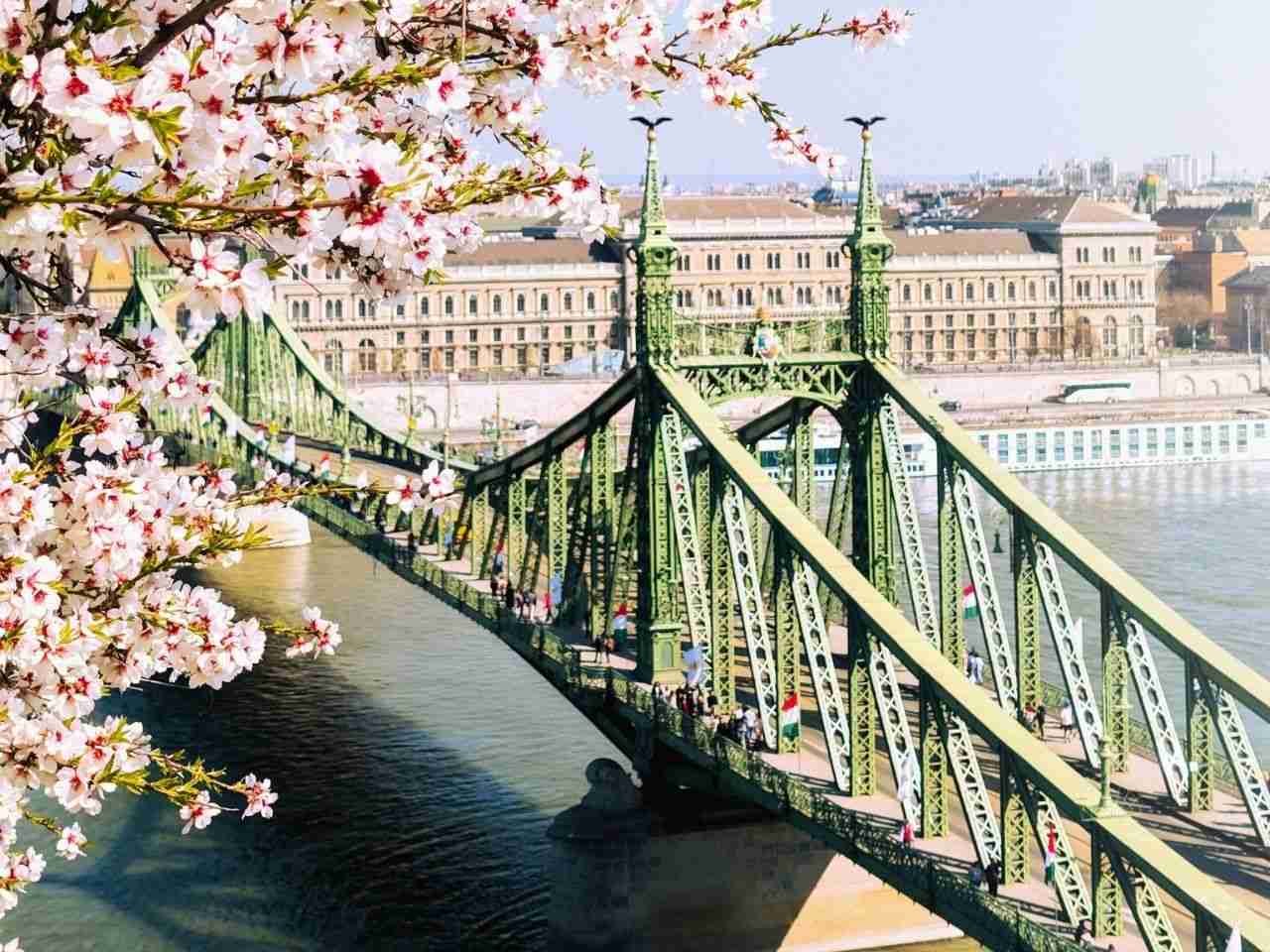
Late spring delivers the best combination of pleasant weather, thinning winter crowds, and prices that haven’t yet hit summer peaks — it’s the season most seasoned Europe travelers default to when they can choose freely.
What to Expect
Early spring (late March–April) is genuinely variable — some regions are still cool and rainy, and northern Europe can feel more like late winter. By May, most of the continent has warmed into consistently pleasant, walkable weather, and by June, Southern Europe is approaching summer heat while the north is still comfortable. Daylight extends significantly through the season, giving you more usable sightseeing hours per day than winter.
Best Regions This Season
- The Netherlands (mid-April–early May): Tulip season peaks, with Keukenhof Gardens drawing over a million visitors across an eight-week window.
- Southern Europe generally: Warm enough for sightseeing without summer’s heat, ideal for cities like Rome, Athens, and Lisbon.
- The Alps (May–June): Hiking trails reopen as snow clears, before peak summer crowds arrive.
Best For / Avoid If
- Best for: first-time visitors wanting the broadest range of comfortable destinations, budget-conscious travelers, photographers chasing tulip and blossom season.
- Skip if: you specifically need warm-water swimming — sea temperatures across most of the Mediterranean don’t warm up until June.
Budget Reality
Flights and hotels sit below summer peak pricing but above winter’s lowest rates — book flights 2–3 months out for reasonable availability, less rigid than the 4–6 months recommended for peak summer. Late April and May specifically offer some of the best value-for-weather pricing of the entire year.
Practical Notes
Pack layers — early spring temperature swings are real, especially in the evenings and in northern regions. Major museums in tulip-season Amsterdam (the Rijksmuseum, Van Gogh Museum) still require advance timed tickets in May, though with far more next-day availability than July’s week-out minimum.
Pro Tip
Target late May specifically if you have flexibility — it’s past the unpredictable early-spring weather but still weeks ahead of the July–August crowd surge and price spike.
Summer (July–August) — Peak Weather, Peak Everything Else
Why This Season Ranks
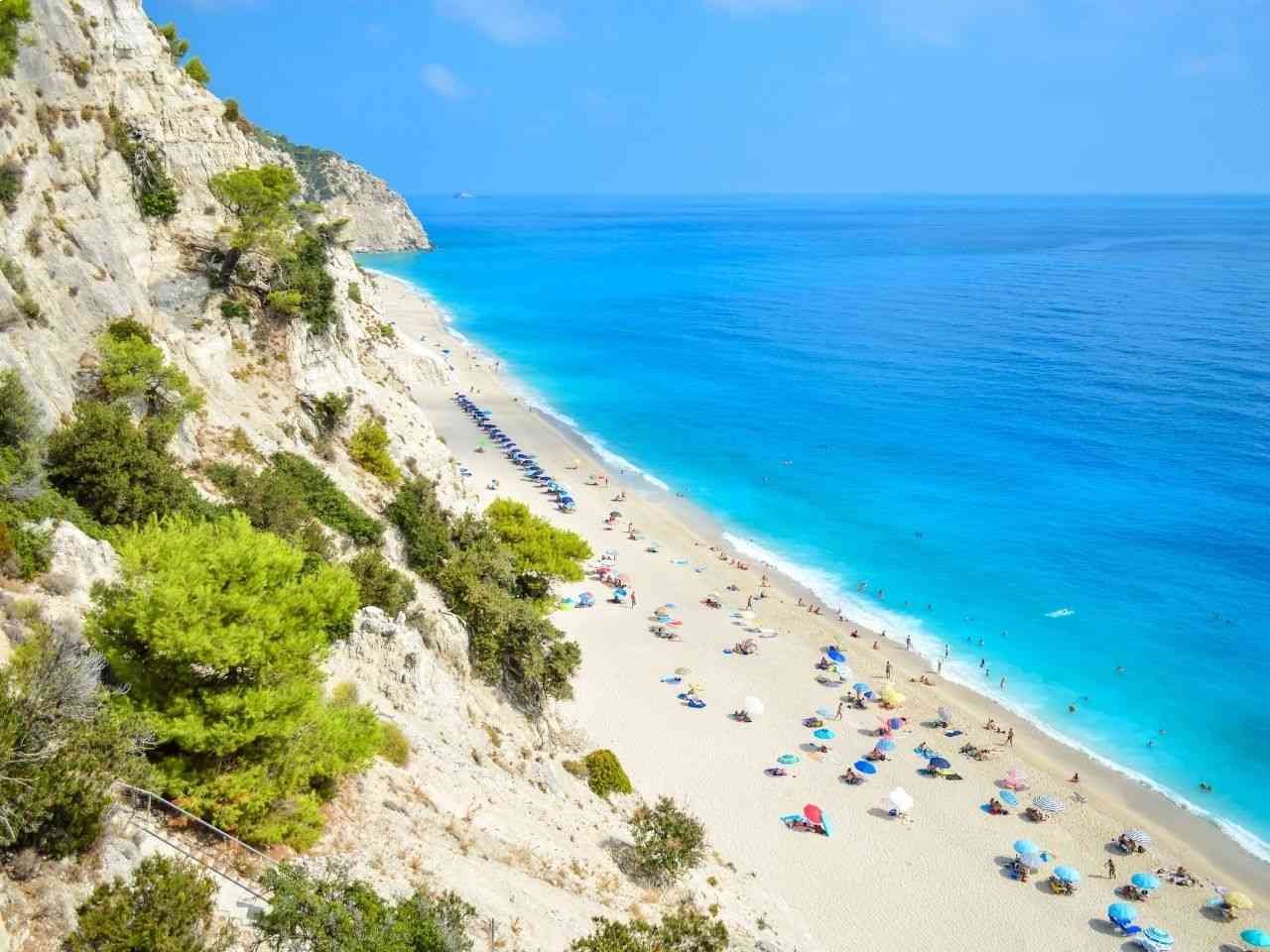
Summer is the only reliable window for warm Mediterranean swimming and Northern Europe’s longest daylight hours — the trade-off is that you’re paying peak prices and competing with peak crowds for both.
What to Expect
Southern Europe runs genuinely hot, with inland cities like Seville or Rome regularly exceeding 35°C (95°F) in August. Northern Europe and Scandinavia offer the most pleasant version of summer weather on the continent, plus dramatically extended daylight — up to 18+ hours in parts of Scandinavia. Major attractions across the continent now require advance timed-entry booking during these months, a shift from just a few years ago.
Best Regions This Season
- Mediterranean coastlines (Croatia, Greek islands, Amalfi Coast): The only season with reliably warm sea temperatures for swimming.
- Scandinavia: Long daylight hours and mild temperatures make this the actual best season to visit, unlike most of the rest of the continent.
- Alpine hiking regions: Trails are fully open and huts operational, unlike the shoulder-season closures in spring and autumn.
Best For / Avoid If
- Best for: beach and swimming-focused travelers, Scandinavia and Northern Europe trips, families traveling during school holidays.
- Skip if: you’re visiting major Southern European cities (Rome, Athens, inland Spain) and heat sensitivity or crowd tolerance is low — August specifically compounds both.
Budget Reality
This is the most expensive season across nearly the entire continent — expect flights and hotels at their annual peak, particularly for the first three weeks of August. Book flights 4–6 months ahead and accommodation as early as possible; the best-value places in popular destinations sell out first, leaving only premium-priced options closer to the date.
Practical Notes
Book timed-entry tickets for major sites (Colosseum, Sagrada Família, Anne Frank House) well in advance — summer 2026 saw these sell out weeks ahead at several major attractions. Build extra time for Schengen border crossings given the EES rollout delays discussed above.
Pro Tip
If summer dates are fixed, shift your itinerary north — trade a hot, crowded week in Rome for Scandinavia or the Alps, where summer is genuinely the best season rather than the most tolerable one.
Autumn (September–November) — The Underrated Value Season
Why This Season Ranks
September specifically offers nearly summer-level weather in Southern Europe with a fraction of the crowds and noticeably lower prices — it’s the season experienced Europe travelers rate as the best-kept secret on this list.
What to Expect
September holds onto summer warmth across most of the continent, particularly in the Mediterranean, while crowds thin out sharply once European school holidays end in early September. October cools further and daylight shortens, but stays comfortable for sightseeing through most of the continent. November marks the shift into genuine off-season for all but Christmas-market destinations.
Best Regions This Season
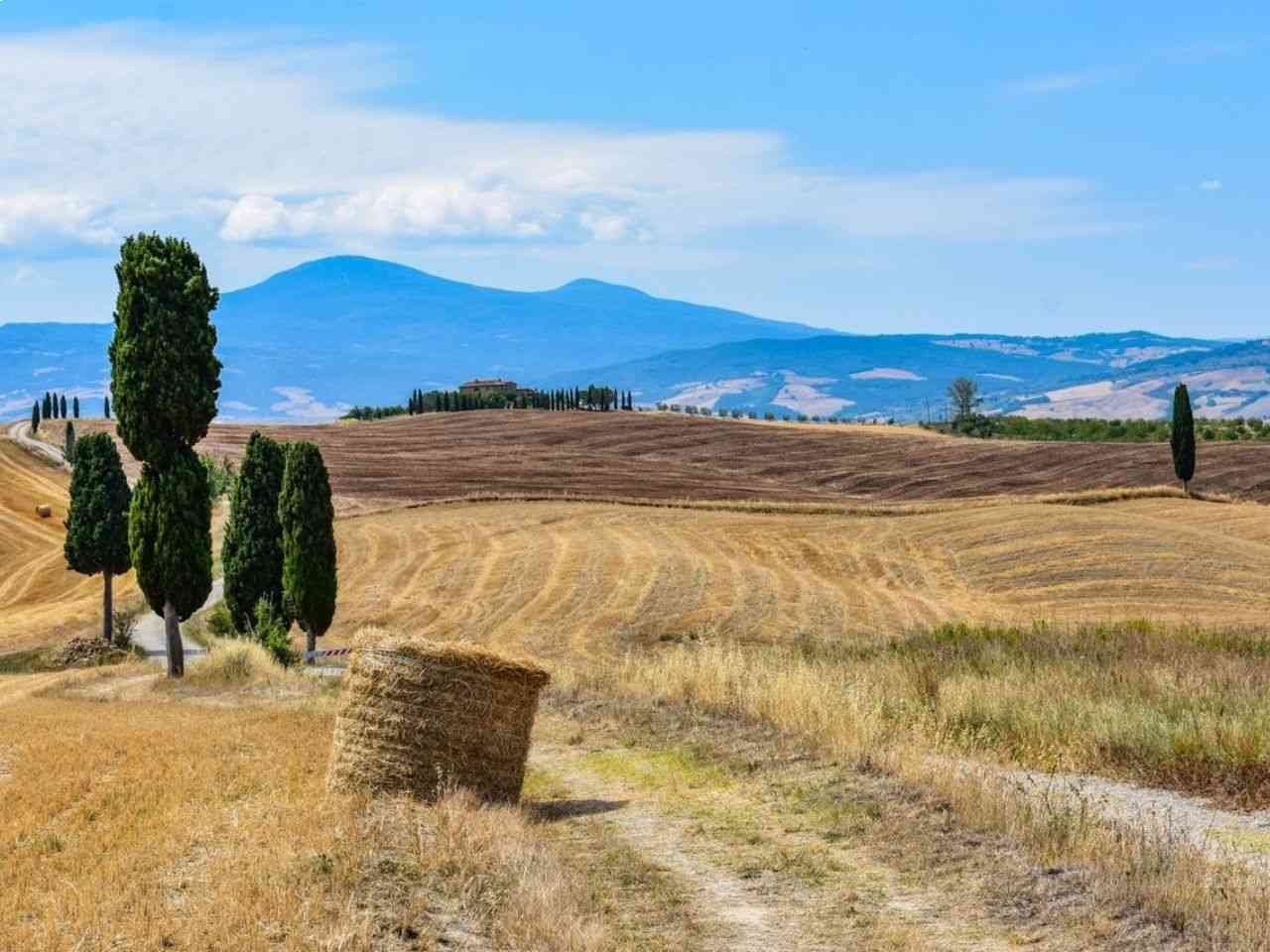
- Wine regions (Tuscany, Douro Valley, Bordeaux): September and October align with harvest season, adding a genuine seasonal activity beyond sightseeing.
- The Balkans and Eastern Europe: September delivers the best value-to-weather ratio in this region specifically.
- Mediterranean coastal towns: Warm enough to swim through September in most locations, with none of August’s crowding.
Best For / Avoid If
- Best for: travelers prioritizing value without sacrificing much weather quality, wine and harvest-season travelers, anyone who found summer’s crowds a dealbreaker on a past trip.
- Skip if: you’re set on Northern Europe or Scandinavia — daylight and warmth both drop off quickly here by October.
Budget Reality
September prices sit closer to spring’s shoulder-season range than summer’s peak, dropping further through October and November. This is genuinely one of the best value windows on the calendar — comparable weather to late spring at similar or better pricing, since post-summer demand eases faster than pre-summer demand builds.
Practical Notes
Pack for a wider temperature range than September’s daytime warmth suggests — evenings cool noticeably faster than in summer, especially by October. Some seasonal attractions and Alpine facilities begin closing for the year in this window, so confirm operating dates for anything time-sensitive.
Pro Tip
Target the first two weeks of September specifically if you want summer-level warmth in Southern Europe — it’s past the school-holiday crowd but before autumn’s proper cooldown begins.
Winter (December–March) — Lowest Prices, Ski Season, and Christmas Markets

Why This Season Ranks
Winter delivers the cheapest flights and hotels of the year outside the Christmas window, plus two genuinely season-defining experiences — Alpine skiing and Christmas markets — that don’t exist in any other season.
What to Expect
Most of the continent runs cold with short daylight hours, more pronounced the further north you go. Late November through December brings Christmas markets to city squares across Germany, Austria, and beyond, drawing real crowds despite the cold. January through March is the genuine off-season nearly everywhere except ski resorts — quiet cities, short lines, and the year’s lowest prices.
Best Regions This Season
- The Alps (December–March): Ski season is in full swing, with lift lines and lodging both cheaper than comparable North American resorts.
- Germany, Austria, and Central Europe (late November–December): Christmas markets are a genuine seasonal event, not a marketing angle — Nuremberg, Vienna, and Strasbourg are among the most established.
- Southern European cities (January–February): The quietest version of Rome, Barcelona, or Lisbon you’ll find all year, at the lowest prices.
Best For / Avoid If
- Best for: ski and snow-sports travelers, Christmas-market travelers, budget-focused travelers willing to trade warm weather for the lowest prices of the year.
- Skip if: you want long daylight hours or warm weather — this is the wrong season for either, and the further north you go, the more pronounced the trade-off.
Budget Reality
Outside the Christmas/New Year window, this is the cheapest season across nearly the entire continent — flights from the US can drop to $300–400 round-trip, and hotel rates fall well below shoulder-season pricing. Christmas market weeks (late November–December) are the clear exception, running close to summer pricing in market-hosting cities.
Practical Notes
Daylight hours shrink significantly the further north you travel — expect as little as 7–8 hours of daylight in Scandinavia in December. Pack for genuine cold, not just “chilly” — layering matters more here than in any other season on this list.
Pro Tip
Book Christmas-market travel (late November–December) as early as you would for peak summer — these dates carry summer-level demand in a small number of cities, unlike the rest of winter’s low-price, low-crowd pattern.
FAQs
1. What is the cheapest month to visit Europe?
January, February, and November are consistently the cheapest months across most of the continent, with flights from the US sometimes dropping to $300–400 round-trip. August and the Christmas/New Year window are the most expensive.
2. Is shoulder season really better than summer?
For most priorities other than warm-water swimming, yes — shoulder season (late April–June, September–early October) offers comparable weather in Southern Europe with meaningfully lower prices and thinner crowds. Summer remains the better call specifically for Mediterranean beach trips and Northern Europe’s long daylight hours.
3. How has border entry changed for 2026 travel?
The EU’s Entry/Exit System (EES), a biometric border-check system, became fully operational at all external Schengen borders on April 10, 2026, replacing manual passport stamps for most non-EU travelers. It has caused longer processing times at several major airports through summer 2026 — build extra buffer time into any Schengen arrival or departure this year.
4. When should I visit Europe to avoid crowds?
Winter (outside the Christmas/New Year window) and shoulder season both deliver significantly thinner crowds than summer. September specifically offers a strong middle ground — thinner crowds than summer with weather that’s still close to summer-quality in Southern Europe.
5. Does the best time to visit Europe change by region?
Yes, significantly. Mediterranean Europe and the Balkans favor shoulder season; Northern Europe and Scandinavia are genuinely best in summer; Alpine regions split into a winter ski season and a summer hiking season with a real off-season between them.
Helpful Planning Resources
- EU Entry/Exit System (EES) Official Information — Confirm current border-check requirements before you fly.
- Official Schengen Visa Information — Visa-free allowances and entry rules by nationality.